1. Introduction: Why Do Plant-Based Meat Products Often Feel Dry and Tough?
Plant-based meat alternatives have evolved significantly in terms of protein sources, flavor systems, and processing technologies. Yet replicating the juiciness, tenderness, and mouthfeel of conventional meat remains a major formulation challenge.
Animal fat does more than contribute richness and flavor. It also influences lubrication, moisture perception, tenderness, bite resistance, and the release of flavor compounds during chewing. In plant-based meat systems, these functions must be recreated through a carefully designed combination of proteins, oils, water, and functional ingredients.
Common challenges include:
Dry and fibrous mouthfeel: Moisture is lost during cooking, leaving the protein matrix tough or chalky.
Insufficient structural cohesion: Plant protein networks may lack the binding strength needed to maintain an intact bite.
Poor water retention: Water can migrate or escape during heating, storage, and reheating.
Unbalanced texture: Excessive firmness, rubberiness, or brittleness can undermine the eating experience.
These issues are not simply a matter of adding more water or oil. They often reflect a mismatch between the structure of the product and its ability to retain moisture throughout processing and consumption.
A more effective strategy is to engineer the food matrix itself. By combining a heat-setting hydrocolloid with a highly efficient thickener, formulators can work toward a better balance of structural integrity, moisture retention, and perceived juiciness.
Curdlan gum and xanthan gum offer a promising starting point for this approach. Research on curdlan-based fat mimetics and polysaccharide systems supports the potential of these ingredients to help create stable, meat-like structures.
2. Understanding the Functional Roles of Curdlan Gum and Xanthan Gum
2.1 Curdlan Gum: Building a Heat-Stable Three-Dimensional Network
Curdlan gum is a microbial polysaccharide composed primarily of β-(1→3)-linked glucose units. Its distinctive property is the ability to form different gel structures depending on heating conditions.
Under appropriate aqueous conditions, heating at approximately 80°C or above can produce a strong, high-set, thermo-irreversible gel. Once formed, this gel does not simply melt back into its original liquid state during subsequent heating.
In plant-based meat formulations, this property can help:
Establish a stable internal structure during thermal processing.
Improve shape retention and resistance to structural breakdown.
Immobilize part of the aqueous phase within the gel network.
Support a firm, cohesive bite and improve freeze–thaw stability.
The resulting gel can contribute to a fat-like textural component, particularly when its firmness and moisture content are carefully controlled.
2.2 Xanthan Gum: Managing Water Mobility and Matrix Viscosity
Xanthan gum is a high-efficiency microbial polysaccharide widely used as a thickener and stabilizer in food systems. It provides high viscosity at relatively low concentrations and exhibits pseudoplastic behavior: viscosity decreases under shear and recovers as shear is reduced.
Within plant-based meat formulations, xanthan gum can help:
Increase the viscosity of the continuous aqueous phase.
Reduce water mobility and improve the stability of hydrated ingredients.
Support the uniform distribution of water and other formulation components.
Improve cohesiveness and reduce the tendency of the mixture to crumble.
Xanthan gum does not independently reproduce the full mechanical behavior of animal fat. Rather, it complements structural gelling ingredients by helping control the movement of water and the consistency of the surrounding matrix.
3. Why Combine Curdlan Gum and Xanthan Gum at a 1:1 Ratio?
The formulation rationale is functional complementarity rather than simply combining two thickeners.
Curdlan gum primarily contributes heat-induced gel structure, while xanthan gum contributes viscosity control and water-phase stabilization. When appropriately formulated, the two ingredients may help address different aspects of the same texture problem.
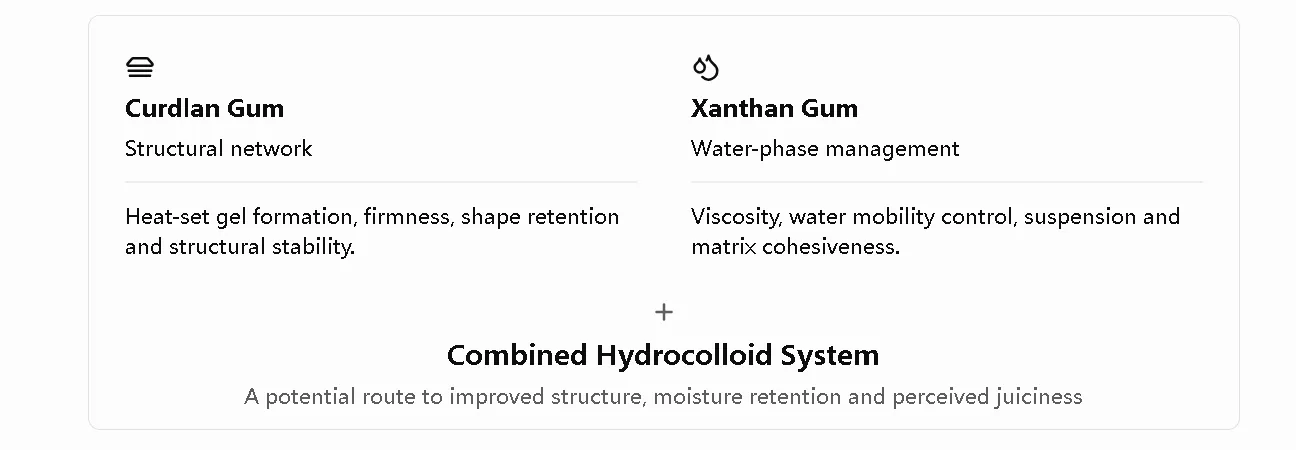
A 2026 study on shrimp myofibrillar protein gels investigated curdlan-to-xanthan ratios including 7:3, 5:5, and 3:7. The 5:5 blend produced the strongest gel network and the highest hardness among the tested treatments, alongside improved water-holding capacity relative to the control. This offers useful evidence of the potential for a balanced curdlan–xanthan system, although the study concerned animal protein gels rather than plant-based meat.
For plant-based meat, a 1:1 blend is therefore a rational screening formulation, not a proven universal optimum. The optimum ratio may differ between soy-, pea-, wheat-, and mixed-protein systems, particularly when oil droplets, extrusion, or different cooking processes are involved.
4. How Can the Blend Help Mimic the Juiciness of Animal Fat?
Animal fat is a complex structural component. It contributes softness, lubrication, moisture perception, and flavor release. A hydrocolloid blend cannot reproduce all these functions on its own, but it can help recreate several important physical attributes.
4.1 Improved Moisture Retention
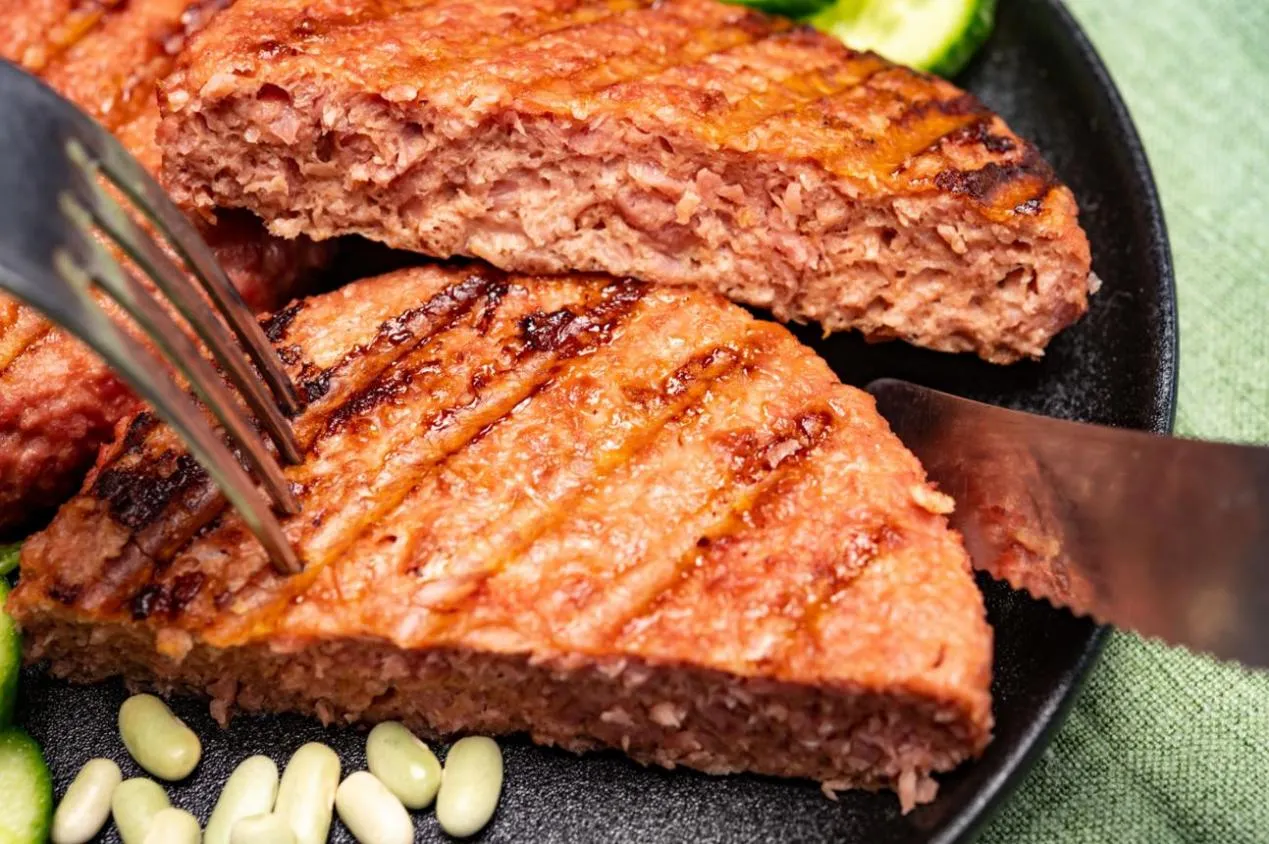
During cooking, water may migrate out of the protein matrix, causing shrinkage and a dry eating experience. Curdlan's gel network can help immobilize water, while xanthan gum increases the viscosity of the aqueous phase. Together, they may reduce moisture migration and improve cooking yield, depending on the formulation.
4.2 Better Bite and Structural Cohesion
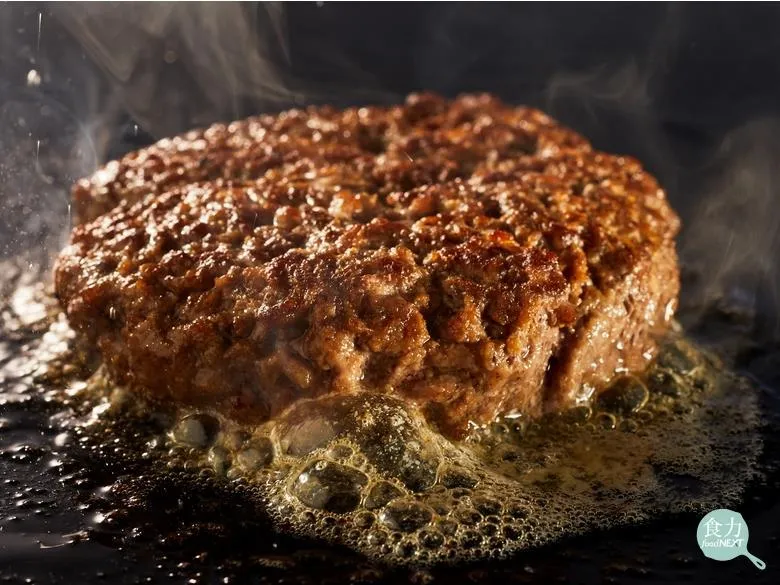
A well-developed curdlan gel can help the product maintain its shape during heating and handling. Xanthan gum can contribute to the cohesion of the hydrated matrix. Properly balanced, the system may reduce crumbling and help create a more integrated bite without making the product excessively hard.
4.3 A More Succulent Eating Experience
Perceived juiciness depends on moisture release, lubrication, tenderness, and the distribution of oil within the food matrix. By supporting moisture retention and controlling texture, the curdlan–xanthan system can contribute to a more succulent mouthfeel. For a closer fat-like sensation, it should be evaluated alongside the oil phase and the protein structure.
4.4 Improved Processing and Storage Stability
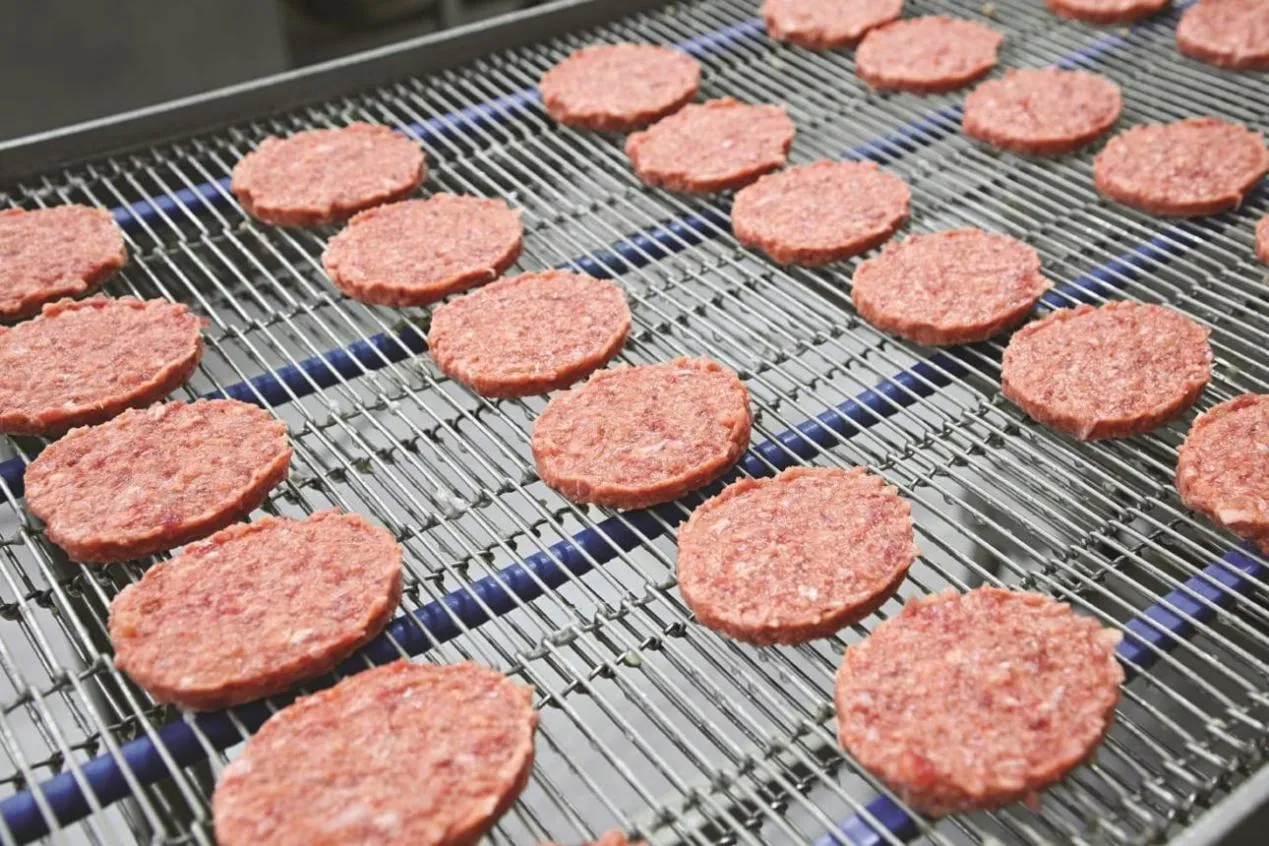
Curdlan's high-set gel is known for its freeze–thaw stability. Depending on the formulation, it may help maintain product integrity during frozen storage and reheating. Xanthan gum can further support the stability of the aqueous phase. Actual performance should be verified under the intended freezing, thawing, and cooking conditions.
5. Formulation Development: A Practical 1:1 Starting Point
For food manufacturers developing plant-based burgers, meatballs, nuggets, or other structured meat alternatives, a controlled screening trial is a practical way to evaluate this combination.
Suggested initial screening design
The following is an experimental starting framework, not a validated commercial recipe. Percentages are calculated on the total finished formulation by weight.
|
Trial |
Curdlan gum |
Xanthan gum |
Total blend |
|
A |
0.15% |
0.15% |
0.30% |
|
B |
0.30% |
0.30% |
0.60% |
|
C |
0.45% |
0.45% |
0.90% |
Keep the protein, oil, water, salt, and processing conditions consistent across the initial trials. These levels are exploratory and should be adjusted to the ingredient specifications, regulatory requirements, and product characteristics.
Recommended processing and evaluation workflow
Disperse the hydrocolloids uniformly. Premix the powders with an appropriate dry carrier or other compatible dry ingredients to minimize agglomeration. Curdlan is not readily soluble in cold water, so dispersion and hydration conditions require particular attention.
Develop the protein–water matrix. Hydrate the selected plant protein according to its specifications, then incorporate the hydrocolloid blend and oil phase using a consistent mixing procedure.
Apply a controlled thermal process. Evaluate whether the product's actual heating profile allows sufficient curdlan gel development. A high-set curdlan gel generally requires heating above approximately 80°C under suitable conditions; the product's core temperature and holding time matter, not just the equipment setting.
Cool and condition consistently. Standardize cooling, storage, and reheating conditions before comparing samples. This is particularly important for frozen products.
Measure performance objectively. Compare cooking loss, water-holding capacity, texture profile analysis (hardness, springiness and cohesiveness), dimensional shrinkage, and sensory juiciness. For frozen products, include freeze–thaw and reheating tests.
What should formulators look for?
Desired outcome
Better moisture retention, a cohesive bite, appropriate firmness, less cooking loss, and a more succulent mouthfeel.
Potential formulation risks
Excessive hardness, rubberiness, gummy mouthfeel, poor powder dispersion, or a gel structure that does not match the intended meat texture.
A higher hydrocolloid concentration does not necessarily produce a better product. The goal is to find the minimum effective dosage that delivers the desired texture without compromising processability or eating quality.
6. Application Opportunities Across Plant-Based Meat Categories
Plant-Based Burgers and Patties
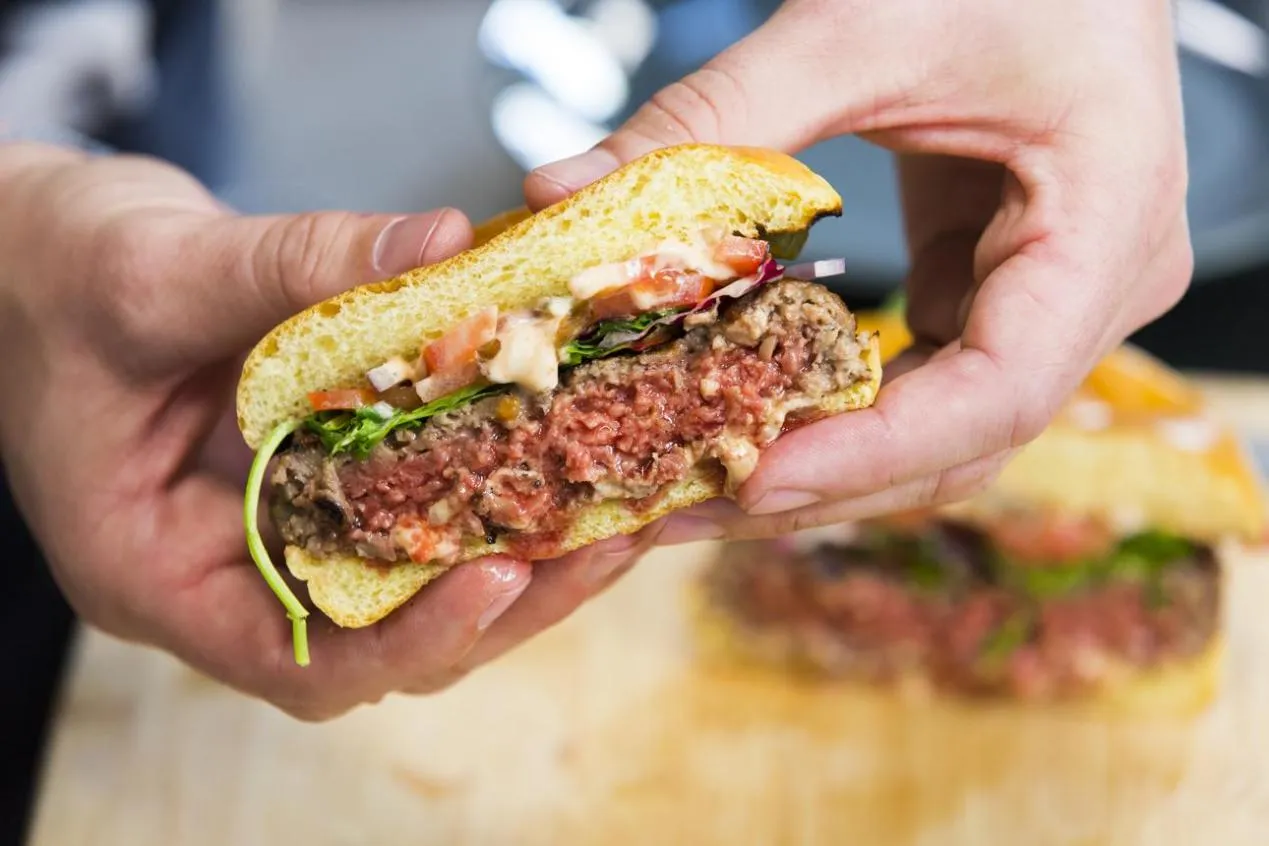
Support moisture retention, shape stability, and a cohesive bite during grilling or pan-frying. The oil phase remains essential for reproducing the lubrication and flavor release associated with animal fat.
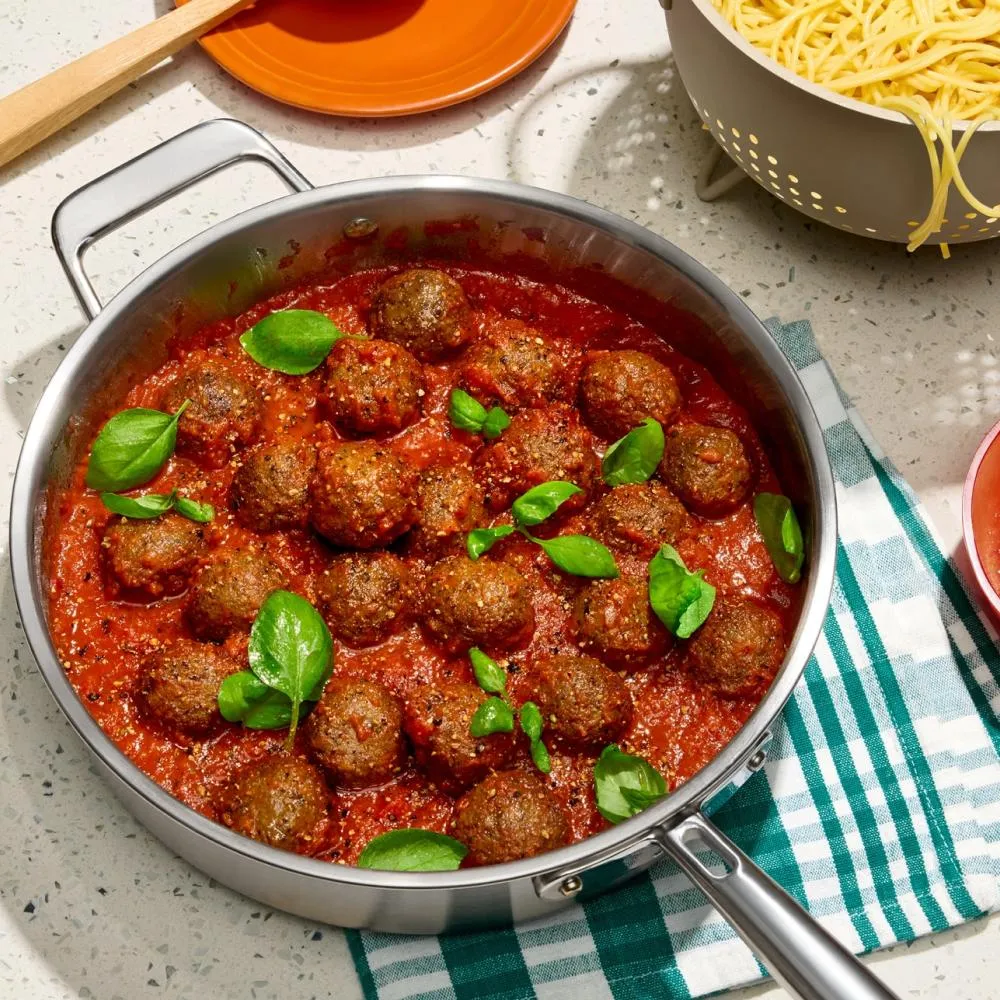
Plant-Based Meatballs and Minced-Meat Alternatives
Help bind hydrated ingredients and reduce crumbling during cooking. Dosage should be optimized to avoid an overly elastic or dense texture.
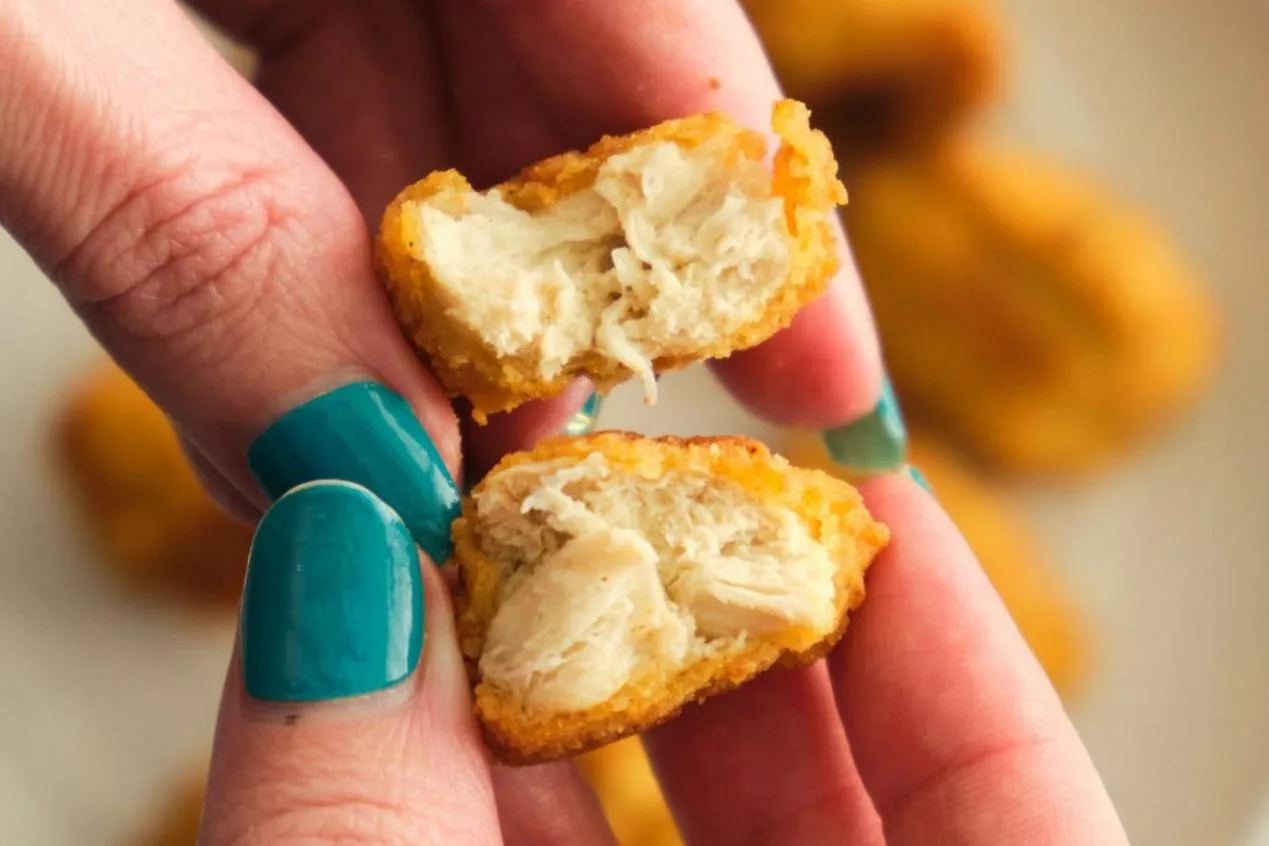
Plant-Based Nuggets and Formed Products
Improve internal cohesion and help maintain moisture during cooking. The hydrocolloid system should be coordinated with the protein matrix, coating, and frying process.
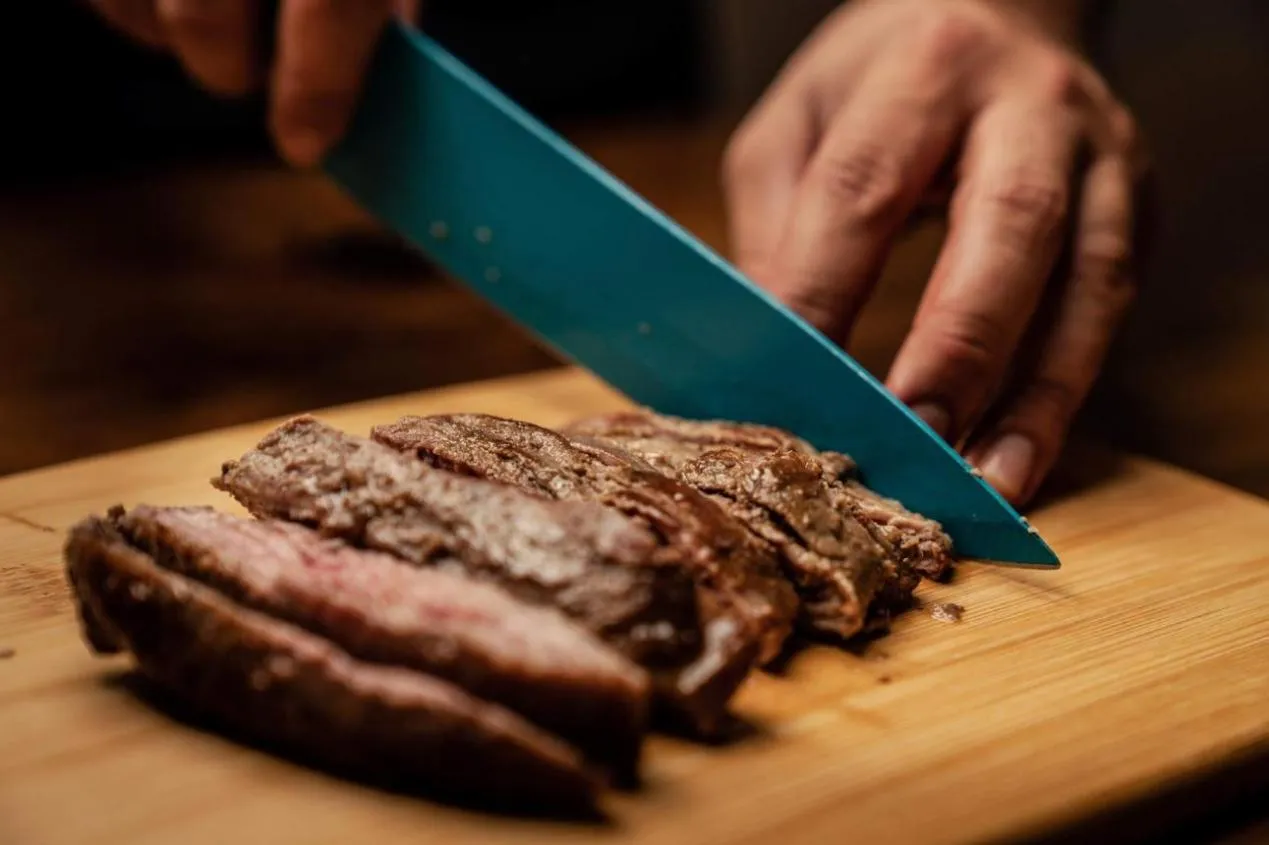
High-Moisture Meat Analogues
Curdlan may contribute to the development of a structured, cohesive matrix. For extrusion-based products, however, hydration, shear, temperature, and protein alignment must be optimized together. A blend that performs well in a conventional patty may not perform identically during high-moisture extrusion.
Research on high-moisture meat analogues has identified curdlan as a promising structuring ingredient, while reviews of plant-based meat formulations highlight the importance of matching hydrocolloid functionality to the protein system and processing conditions.
7. Beyond Texture: Formulation Efficiency and Product Development Value
For manufacturers, the value of a hydrocolloid blend extends beyond an improvement in sensory properties. A well-optimized formulation may help improve process consistency, reduce moisture-related losses, and support the development of products with different protein and oil levels.
The curdlan–xanthan system offers several areas for investigation:
Yield optimization: Determine whether improved water retention can reduce cooking loss and improve saleable yield.
Texture standardization: Reduce variability in firmness and cohesiveness across production batches.
Frozen product development: Evaluate structural integrity after freezing, thawing, and reheating.
Fat-phase optimization: Explore whether a structured aqueous phase can complement or partially reduce the need for certain fat components without sacrificing eating quality.
Product differentiation: Develop different texture profiles for burgers, nuggets, meatballs, and other meat alternatives.
Importantly, improved water retention does not automatically mean that more water can be added, or that oil can be reduced without trade-offs. Any cost-saving, yield, or fat-reduction claim should be supported by comparative trials under the manufacturer's actual processing conditions.
8. Conclusion: Designing Better Plant-Based Meat Starts with Functional Synergy
Replicating animal fat in plant-based meat is not simply a matter of increasing moisture or adding a thickener. It requires coordinated control of gel structure, water mobility, protein interactions, and the oil phase.
Curdlan gum offers a heat-induced structural network with strong thermal stability, while xanthan gum contributes viscosity control and aqueous-phase stabilization. Used together, they provide a promising formulation approach for improving cohesion, moisture retention, and perceived juiciness.
A 1:1 curdlan gum–xanthan gum ratio is a useful starting point for systematic screening, supported by evidence of complementary functionality in related protein-gel systems. The optimal ratio and total dosage must ultimately be established in the target plant protein formulation.
For food ingredient suppliers and product developers, this combination offers an opportunity to explore more efficient texture design and develop plant-based meat products with improved processing performance and eating quality.
Develop Your Plant-Based Meat Formulation with Functional Hydrocolloids
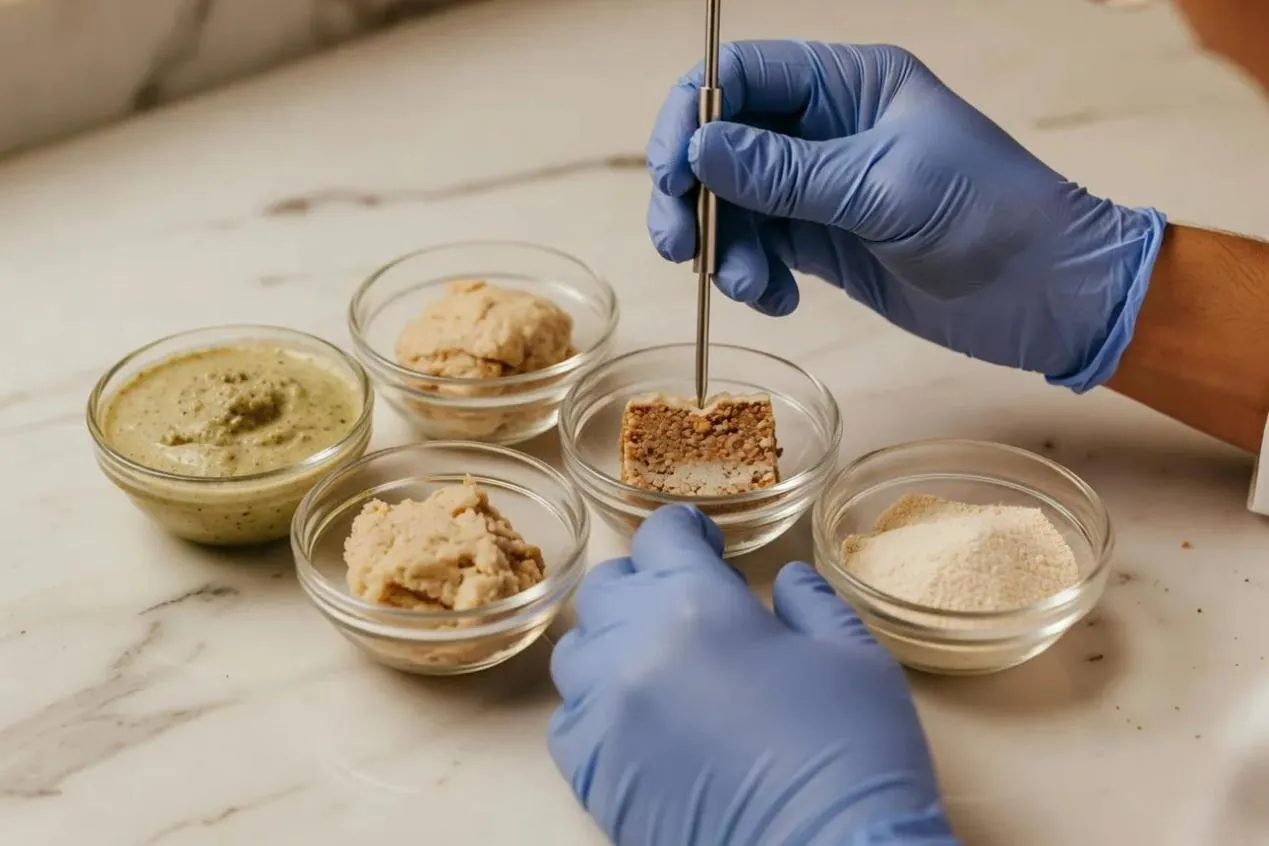
If you are developing plant-based burgers, meat alternatives, or structured protein products, selecting the right hydrocolloid system is an important step toward achieving your target texture and moisture profile.
Our food ingredient solutions are designed to support application development, formulation optimization, and technical evaluation for food manufacturers.
Contact our technical team to discuss curdlan gum, xanthan gum, and tailored hydrocolloid solutions for your plant-based food applications.
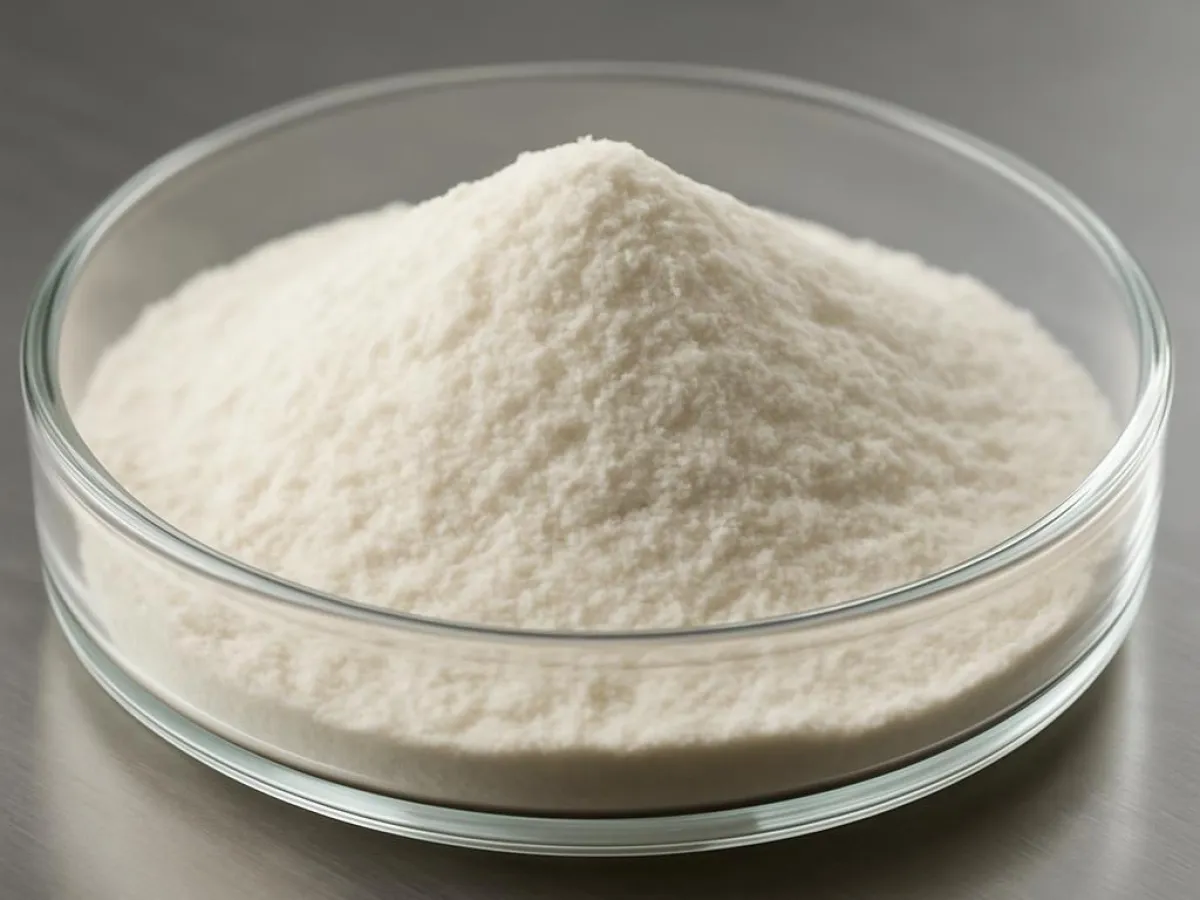
Plant-based meat alternatives have evolved significantly in terms of protein sources, flavor systems, and processing technologies. Yet replicating the juiciness, tenderness, and mo
Pregelatinized starch solves this problem. This physically modified starch has already been cooked and dried during production, giving it the ability to absorb water and swell at a
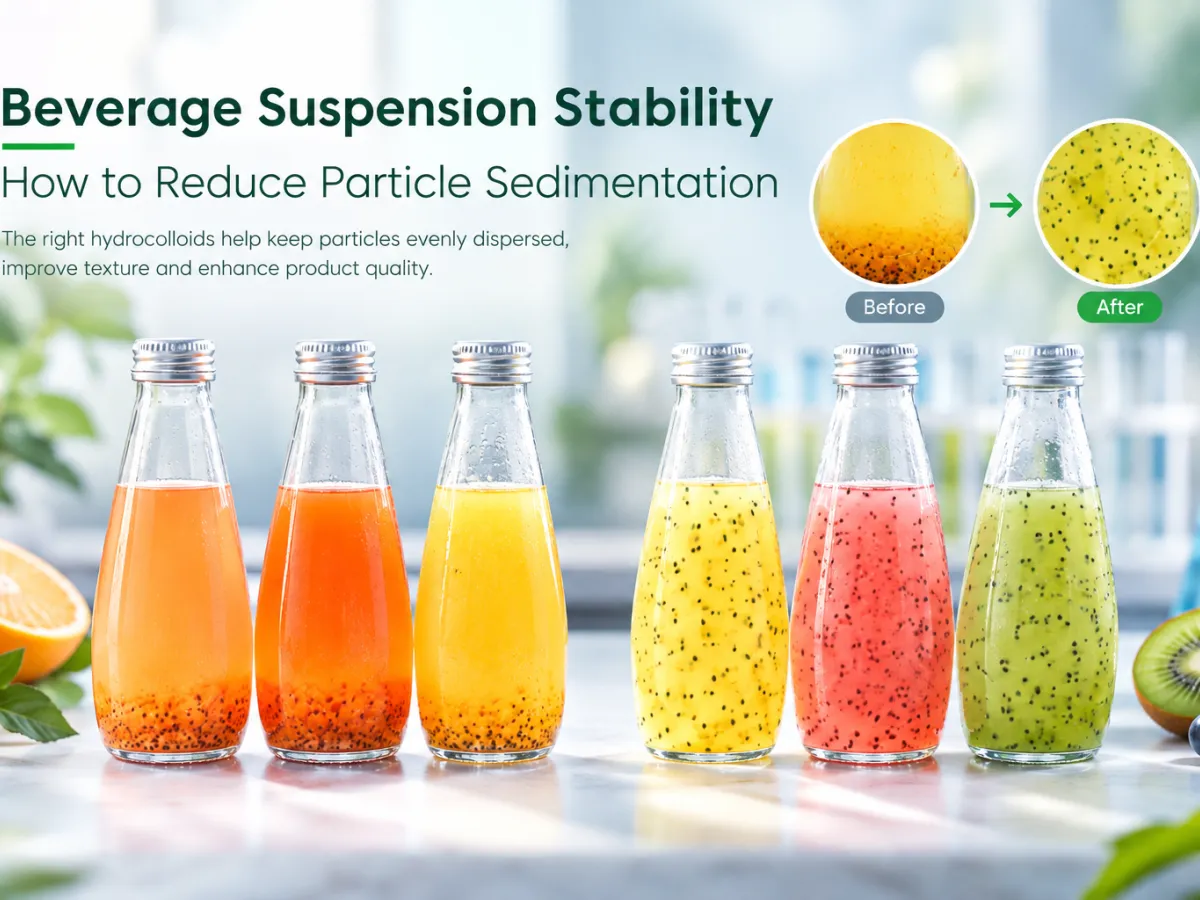
With the development of beverages containing fruit pieces, plant-based particles, fruit juice, and functional ingredients, food manufacturers are increasingly focusing on product a
In simple terms, it is pectin that has gone through an additional "ammonia treatment" step during production, which attaches amide groups to the pectin molecule.
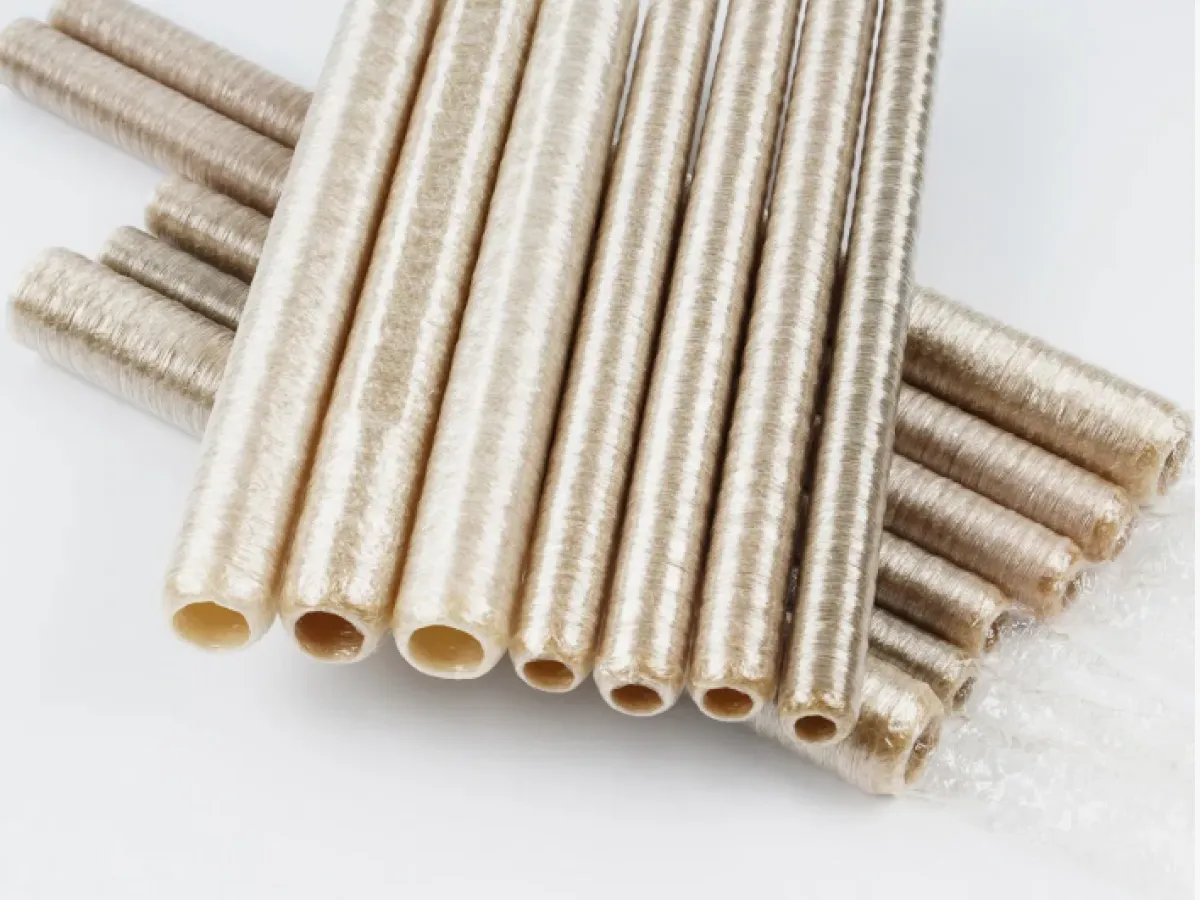
This guide provides a detailed comparison to help you determine which casing type best fits your production requirements.
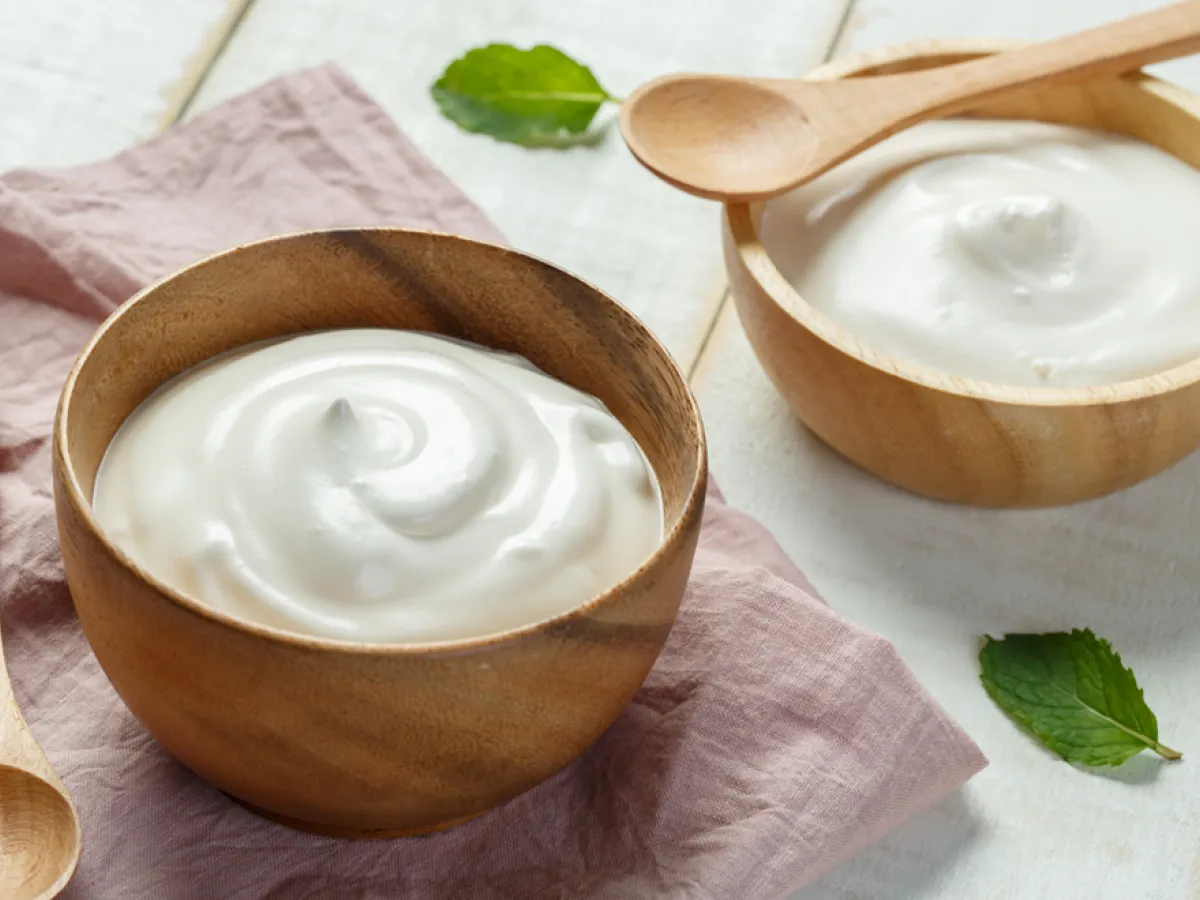
The casein gel network formed during yogurt fermentation is structurally fragile and prone to rupture during transportation or refrigeration, leading to whey separation. Upon cooli
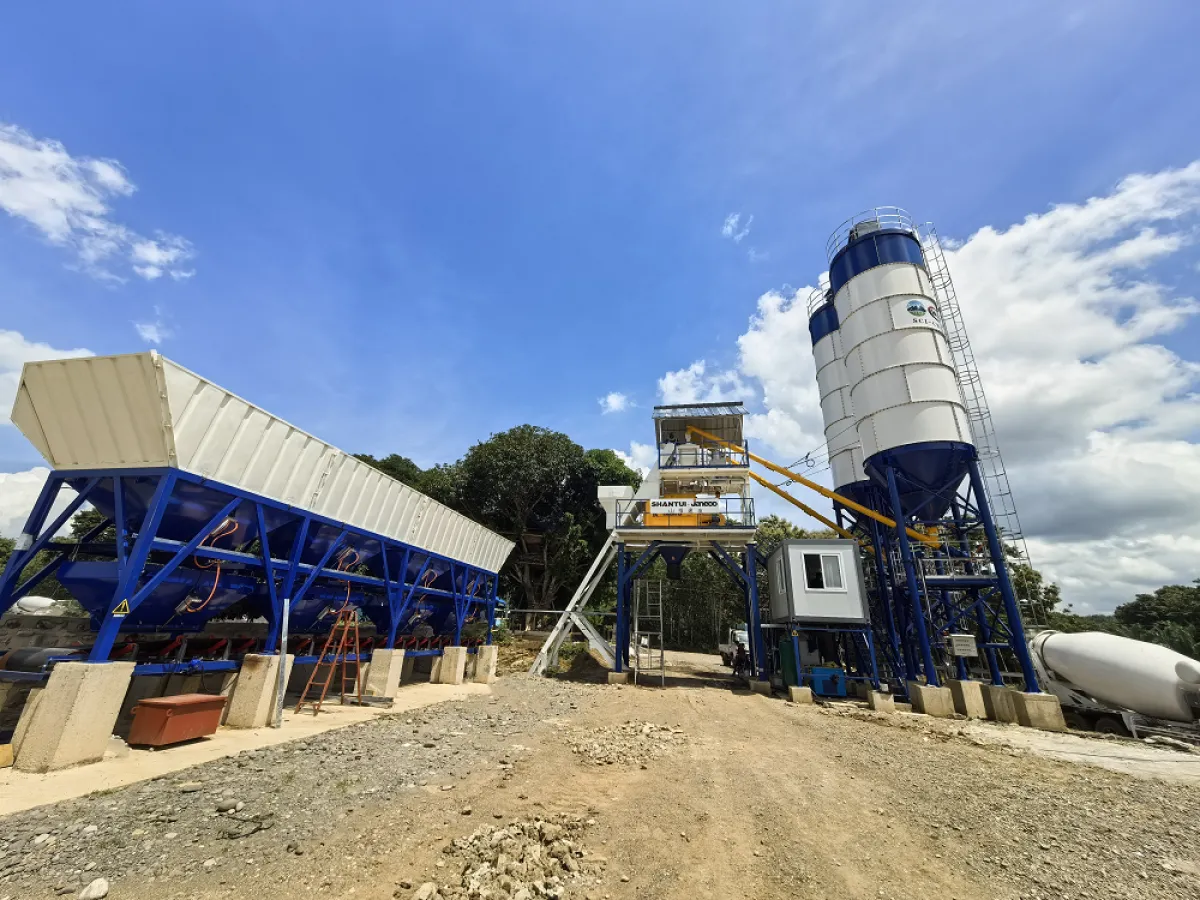
Aqueous solutions of welan gum exhibit typical pseudoplastic fluid characteristics, namely high apparent viscosity at low shear rates and a pronounced decrease in viscosity as the
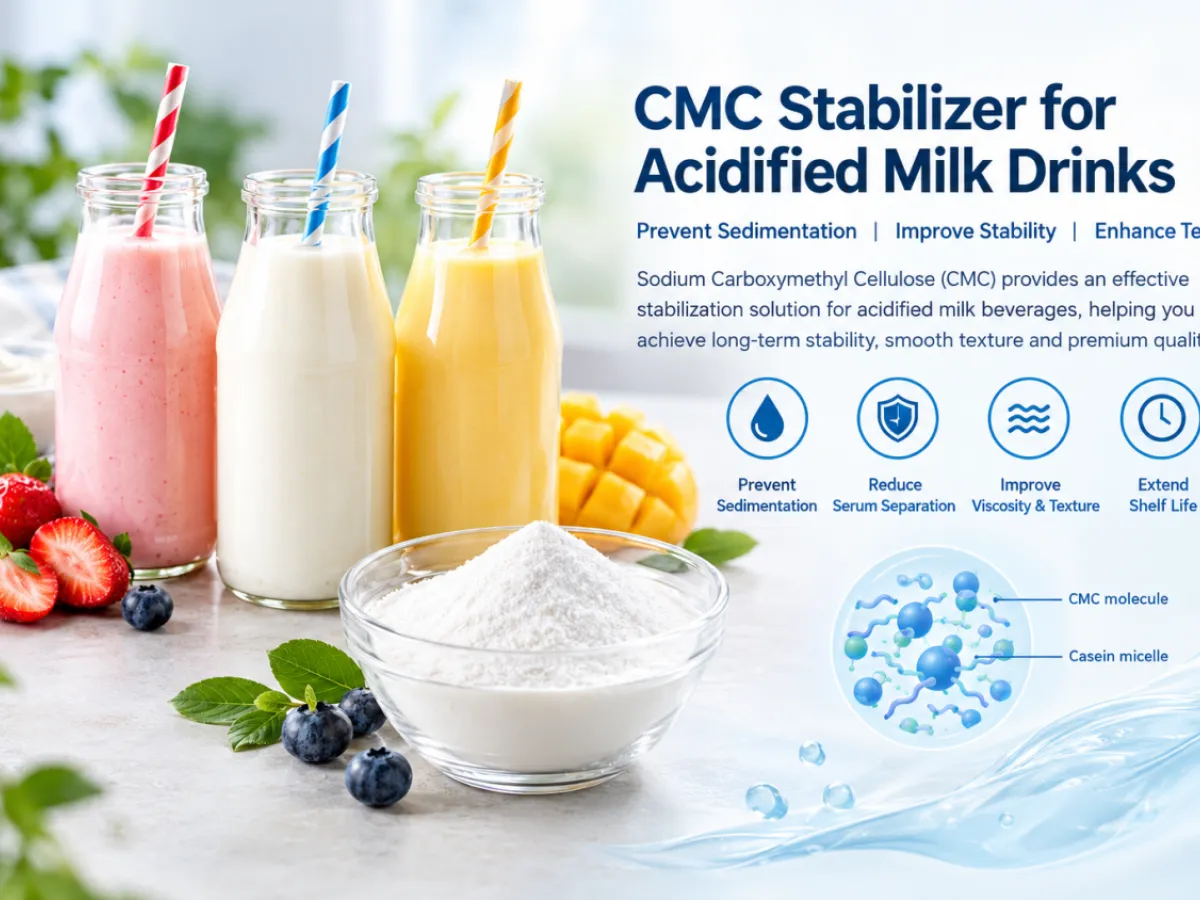
During storage, many acidified dairy beverages may experience problems such as protein aggregation, sedimentation, serum separation and viscosity loss, resulting in poor appearance
Sodium alginate is primarily derived from brown algae and exhibits excellent thickening, stabilizing, film-forming, and gelling properties.

From an application perspective, collagen powder has good compatibility. It can be compounded with vitamins, hyaluronic acid, elastin, probiotics, dietary fiber, and many other ing