The core contradiction in self-consolidating concrete lies in the balance between flowability and stability. High flowability requires low yield stress and moderate plastic viscosity of the paste, whereas segregation resistance demands sufficient structural strength at rest to suspend aggregates and suppress bleeding. Traditionally, cellulose ether-based viscosity-modifying agents have been widely employed to reconcile this contradiction, yet their high sensitivity to water content and dosage restricts the adjustment window. Welan gum, a microbial extracellular polysaccharide produced by fermentation of Alcaligenes, has attracted sustained attention in this field owing to its distinctive rheological behavior.
2 Rheological Behavior and Shear-Thinning Mechanism
Aqueous solutions of welan gum exhibit typical pseudoplastic fluid characteristics, namely high apparent viscosity at low shear rates and a pronounced decrease in viscosity as the shear rate increases. The molecular basis of this behavior resides in the rigid double-helical structure of welan gum and the three-dimensional network formed between molecules through hydrogen bonding and electrostatic interactions. Under quiescent conditions, this network imparts sufficient yield stress to the paste, enabling aggregates to remain suspended without settling; when the system is subjected to shear forces generated by pumping or casting, the network structure disintegrates, the molecules orient along the flow direction, the apparent viscosity decreases, and the paste regains its flowability.
Compared with cellulose ethers, the shear-thinning behavior of welan gum is more pronounced in the low shear rate range, while its shear-thickening tendency under high shear conditions is relatively weak. Studies have indicated that, owing to its extremely high molecular weight, welan gum readily transitions from an aggregated state to a random coil configuration under shear stress, and consequently its shear-thickening phenomenon is relatively insignificant. This provides a rheological foundation for maintaining stable passing ability through confined spaces after pumping in self-consolidating concrete.
3 Compatibility with Polycarboxylate Superplasticizers
The interaction mode between welan gum and polycarboxylate superplasticizers is the key distinguishing feature of welan gum from certain synthetic viscosity-modifying agents. Research has demonstrated that welan gum does not adsorb onto the surface of cement particles, nor does it reduce the adsorption quantity of polycarboxylate superplasticizers; no competitive adsorption exists between the two. The thickening effect of welan gum derives solely from its enhancement of the viscosity of the cement pore solution, rather than from altering the adsorption behavior of the superplasticizer on particle surfaces.
This mechanism carries significant formulation implications: it signifies that the addition of welan gum does not substantially impair the dispersing efficacy of polycarboxylate superplasticizers, thereby permitting independent regulation of paste stability through welan gum while maintaining the target spread. By contrast, AMPS-based copolymeric viscosity-modifying agents adsorb onto cement particle surfaces and interfere with the adsorption of polycarboxylate superplasticizers. Nevertheless, the elevation of pore solution viscosity itself exerts a certain negative influence on the dispersing efficiency of the superplasticizer; therefore, the dosage of welan gum should be controlled at the minimum level required to satisfy stability demands.
4 Contribution to Stability and Molecular Mechanism
The contribution of welan gum to the stability of self-consolidating concrete is primarily manifested in the enhancement of yield stress. Studies have shown that welan gum-type viscosity-modifying agents can significantly increase the yield stress of cement paste, while the plastic viscosity does not undergo a change of comparable magnitude. This yield-stress-dominated regulation mode implies that the system possesses high segregation resistance under quiescent conditions, while the plastic viscosity does not become excessively elevated during shear flow, which is conducive to maintaining favorable filling ability.
At the molecular level, welan gum forms a gel network upon dissolution in water, generating a large-scale "bridging" network effect throughout the solution system. This network not only enhances the water-retention capacity of the aqueous phase but also retards the sedimentation of cement particles through a steric hindrance mechanism. Unlike the "foil-like" structures formed by cellulose ethers in aqueous solution, the three-dimensional helical network formed by welan gum is compressed under shear conditions but is capable of re-expanding after the removal of shear, exhibiting thixotropic recovery capacity, whereas the foil-like structures of cellulose ethers are difficult to fully recover after shear-induced disruption.
Aqueous solutions of welan gum exhibit typical pseudoplastic fluid characteristics, namely high apparent viscosity at low shear rates and a pronounced decrease in viscosity as the
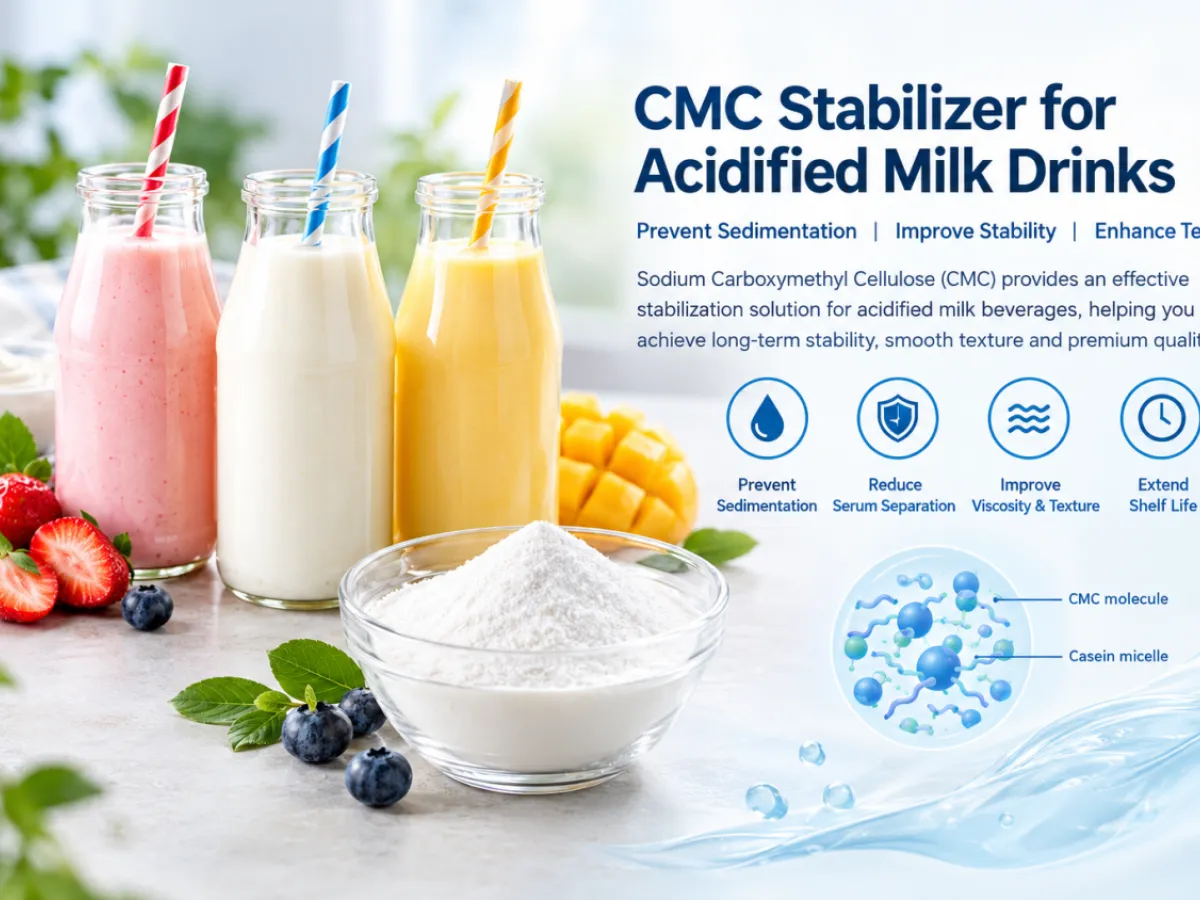
During storage, many acidified dairy beverages may experience problems such as protein aggregation, sedimentation, serum separation and viscosity loss, resulting in poor appearance

Sodium alginate is primarily derived from brown algae and exhibits excellent thickening, stabilizing, film-forming, and gelling properties.

From an application perspective, collagen powder has good compatibility. It can be compounded with vitamins, hyaluronic acid, elastin, probiotics, dietary fiber, and many other ing
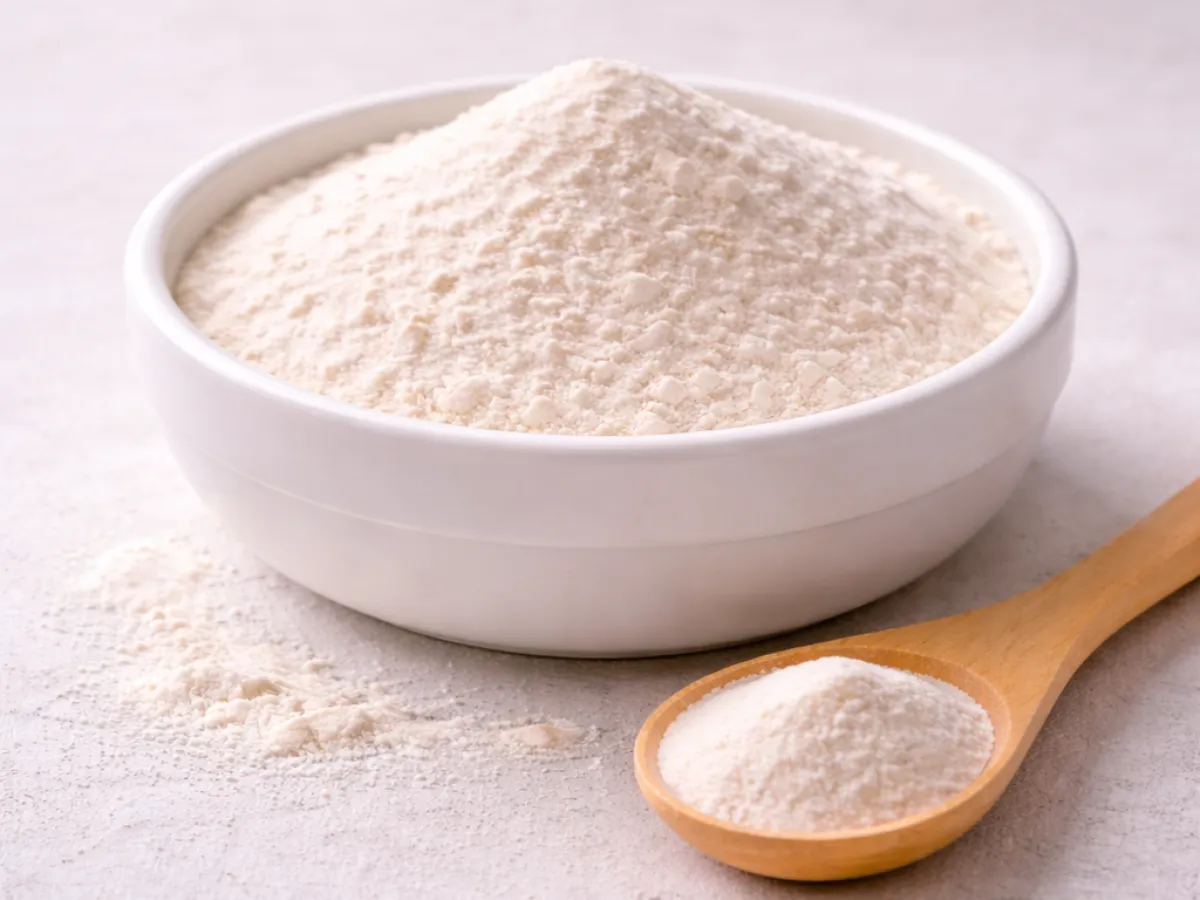
Modified starch relies on heat-induced gelatinization to form a viscous system; it establishes stable viscosity only after sufficient heating and provides no thickening effect in c

Single hydrocolloids always have limitations: xanthan gum alone provides insufficient oil dispersion and tends to release oil; agarose alone lacks suspension power and tends to sep
Dust pollution generated during coal mining, transportation, stockpiling, and handling poses severe health risks to workers, contaminates the environment, and creates safety hazard
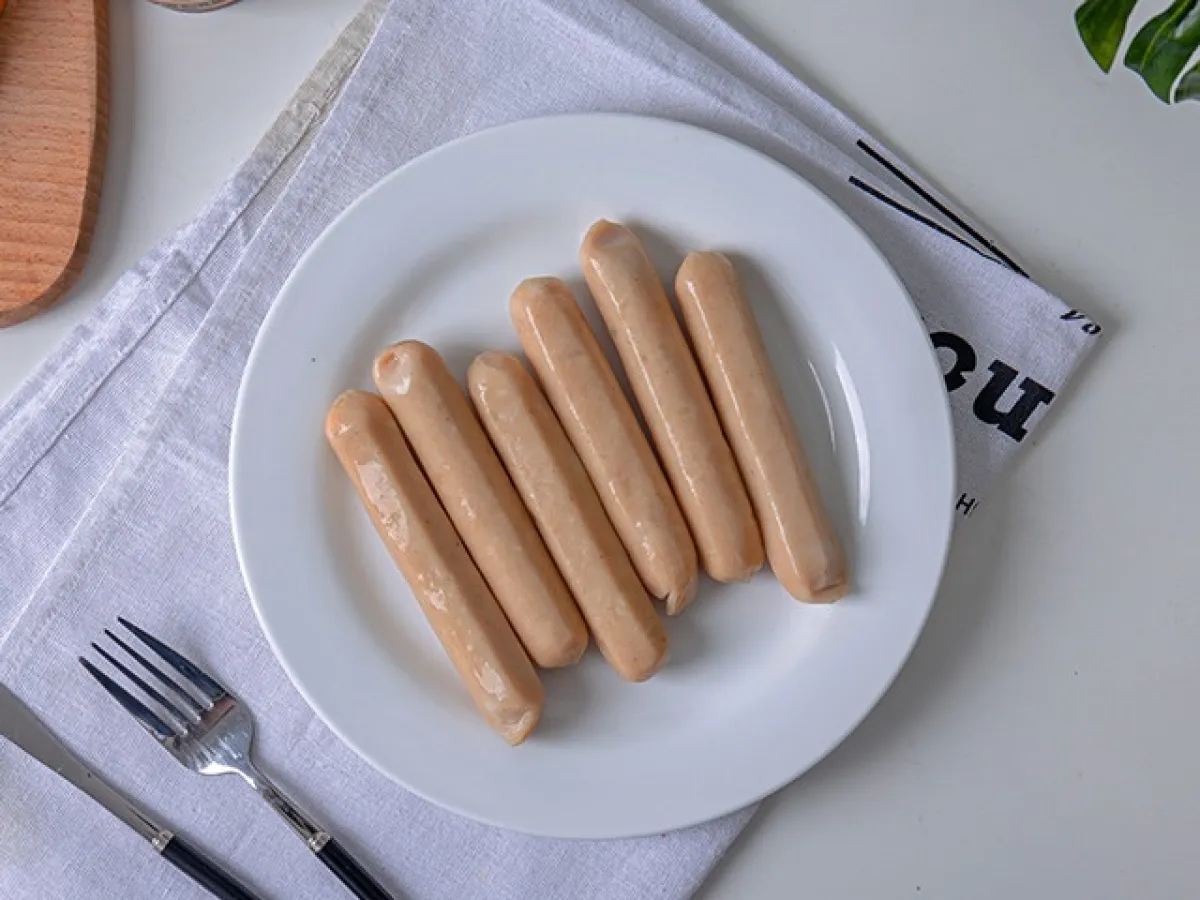
This knowledge article explains the fundamental differences between edible and non-edible collagen casings across material composition, manufacturing, applications, handling, and p
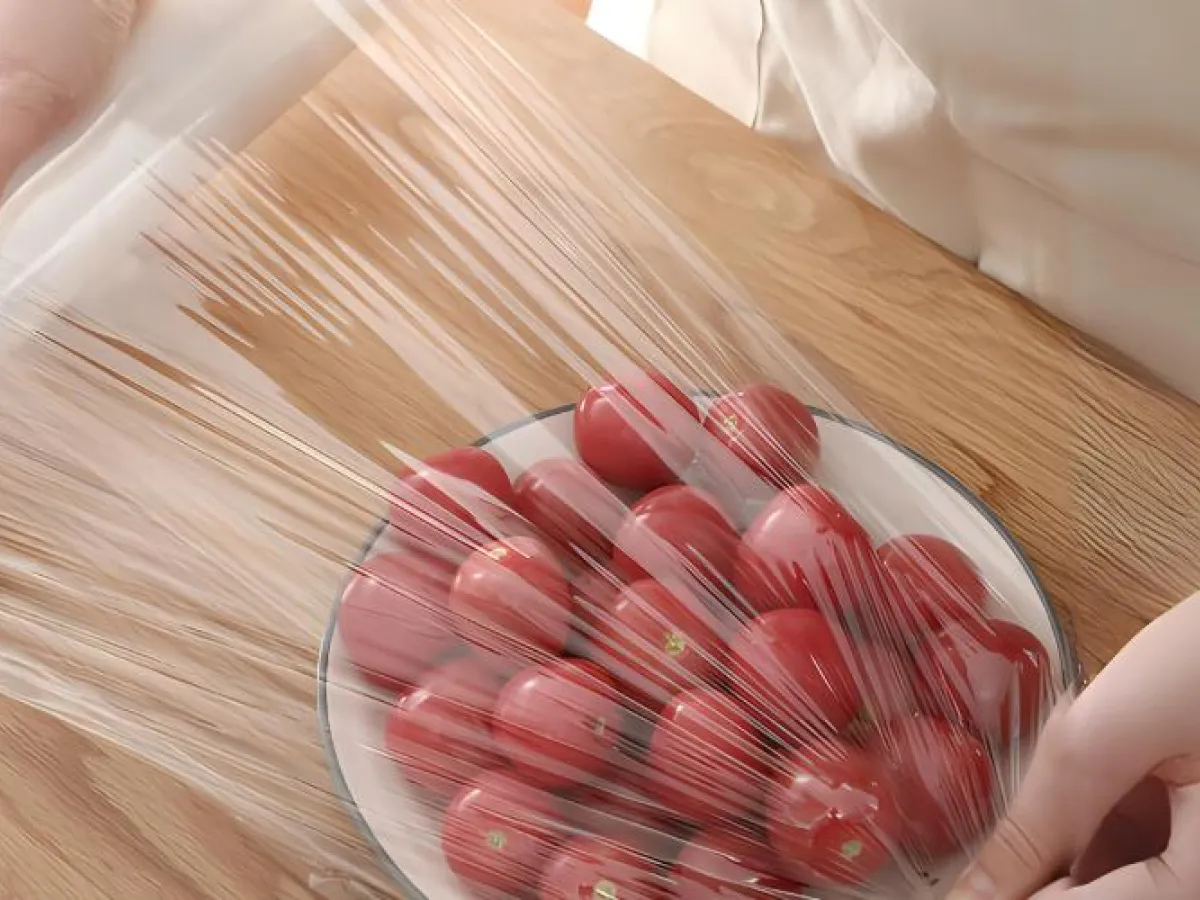
Pullulan is emerging as one of the most promising solutions. This microbial exopolysaccharide, produced through fermentation by the fungus Aureobasidium pullulans, offers a unique
In the international food and dietary supplement industries, sodium alginate and carrageenan are two widely used seaweed-derived hydrocolloids. Despite their shared origin, the und