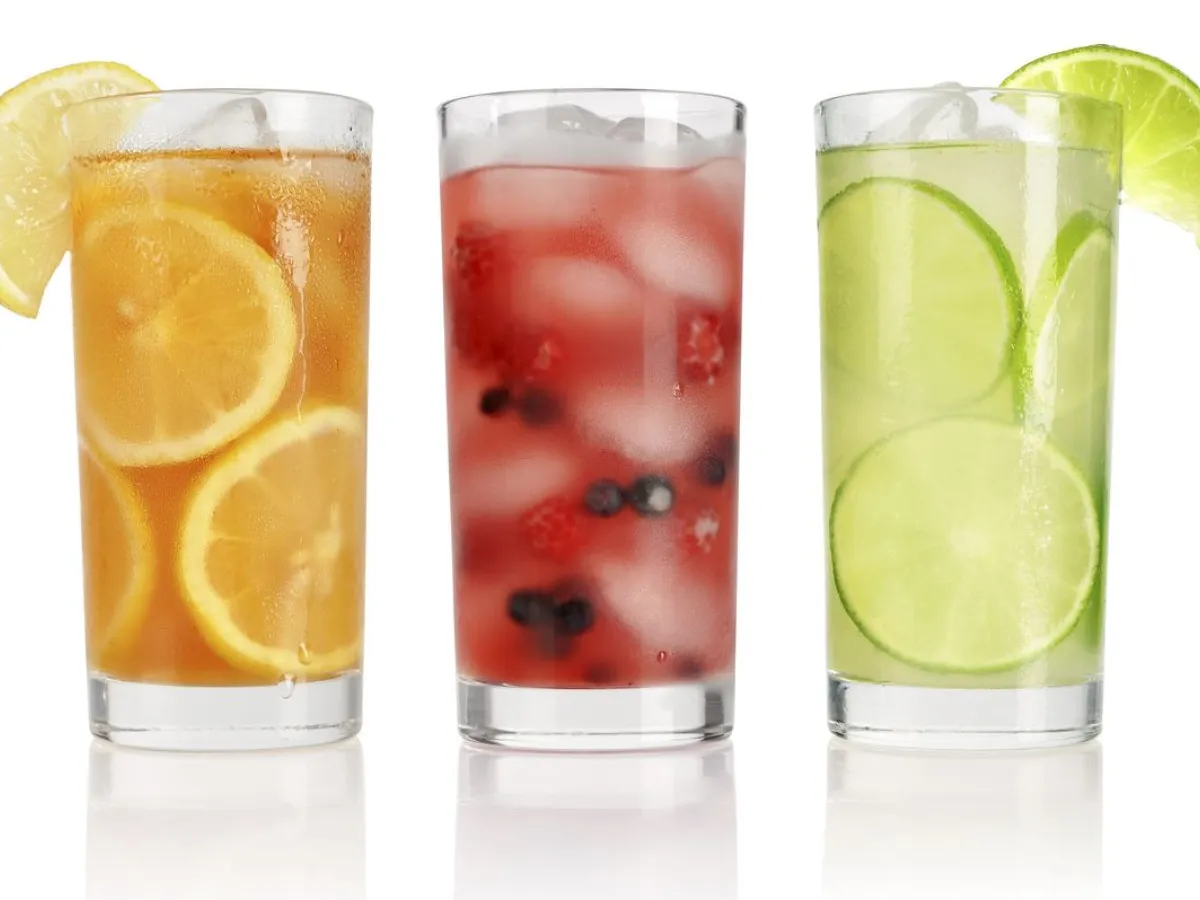
Acidified milk beverages, including yogurt drinks, fruit-flavored milk beverages, protein drinks and fermented dairy beverages, are increasingly popular worldwide due to their refreshing taste, nutritional value and convenient consumption. However, maintaining long-term physical stability remains one of the biggest formulation challenges.
During storage, many acidified dairy beverages may experience problems such as protein aggregation, sedimentation, serum separation and viscosity loss, resulting in poor appearance, inconsistent texture and reduced consumer acceptance.
A well-designed CMC (Sodium Carboxymethyl Cellulose) stabilization system provides an effective solution by improving suspension stability, controlling viscosity, enhancing water retention and maintaining a smooth, homogeneous beverage structure throughout shelf life.
Why Do Acidified Milk Drinks Separate and Sediment?
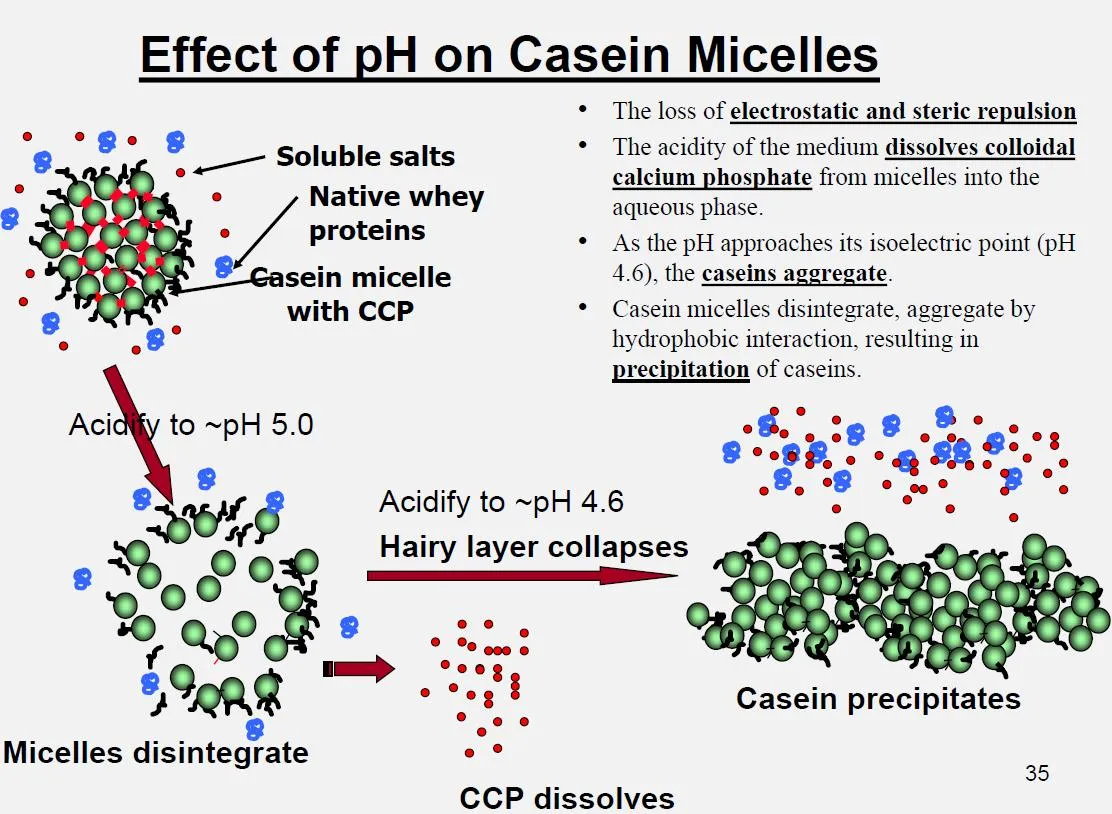
Milk proteins, especially casein micelles, remain naturally stable at the normal pH of milk. However, when milk is acidified through fermentation or direct acidification, the pH decreases toward the isoelectric point of casein (approximately pH 4.6).
Under acidic conditions:
Casein micelles lose their original electrostatic stability;
Protein particles become more prone to aggregation;
Larger protein clusters can form and settle during storage;
Water may separate from the protein network, causing serum separation.
These instability phenomena directly affect product appearance, mouthfeel and shelf-life performance. Therefore, hydrocolloid stabilizers are commonly applied in acidified dairy beverages to maintain protein dispersion and physical stability.
How Does CMC Stabilize Acidified Milk Beverages?
CMC is a functional cellulose derivative widely used in beverage applications due to its excellent thickening, water-binding and stabilization properties. In acidic dairy systems, CMC works through multiple mechanisms to maintain a stable beverage structure.
1. Protection of Casein Micelles Through Steric Stabilization
CMC molecules contain negatively charged carboxymethyl groups that can interact with positively influenced areas on destabilized casein particles under acidic conditions.
This interaction creates a protective polymer layer around casein micelles, increasing steric repulsion and reducing particle-to-particle aggregation.
As a result:
✓ Reduced protein flocculation
✓ Improved casein dispersion
✓ Lower sedimentation risk
✓ Better storage stability
This molecular protection mechanism is one of the key reasons CMC is widely used in acidified milk beverage formulations.
2. Viscosity Enhancement and Suspension Improvement
CMC increases the viscosity of the continuous phase, slowing down the movement and settling rate of suspended particles.
The optimized viscosity system helps:
Maintain uniform distribution of milk proteins;
Prevent precipitation of insoluble particles;
Improve beverage body and mouthfeel;
Maintain consistency during transportation and storage.
Unlike simple thickening agents, CMC provides both viscosity control and stabilization functionality, making it highly valuable for beverage manufacturers.
3. Water Management and Serum Separation Control
Water migration is a common challenge in acidified dairy beverages.
CMC has excellent water-binding capacity, helping maintain moisture distribution within the beverage matrix.
Benefits include:
✓ Reduced whey separation
✓ Improved product appearance
✓ Enhanced creaminess and smoothness
✓ Better freeze-thaw and storage stability
Key Formulation Considerations for CMC Stabilized Acidified Milk Drinks
Selecting the correct CMC grade and optimizing the formulation are critical for achieving the desired stability and sensory performance.
1. CMC Grade Selection
Different beverage systems require different CMC characteristics.
Important parameters include:
Viscosity Grade
Determines the thickening effect and final mouthfeel.
Low viscosity CMC:
Suitable for light, refreshing beverages;
Provides stabilization without excessive thickness.
Medium/high viscosity CMC:
Suitable for protein-rich beverages;
Provides stronger suspension and body.
Degree of Substitution (DS)
DS affects CMC solubility, charge density and interaction with proteins.
A properly selected DS improves:
Acid tolerance;
Protein compatibility;
Stability during storage.
Molecular Weight
Higher molecular weight CMC generally provides stronger viscosity contribution and improved suspension ability, but excessive molecular weight may create an overly thick texture. Therefore, balance between stability and sensory acceptance is essential.
Recommended CMC Application Guidelines
For acidified milk beverages, CMC is typically optimized according to:
|
Parameter |
Recommended Consideration |
|
Beverage Type |
Yogurt drink, fruit milk drink, protein beverage |
|
pH Range |
Usually pH 3.8–4.5 |
|
CMC Dosage |
Commonly evaluated around 0.10–0.50% depending on formulation |
|
Addition Method |
Pre-dispersion or pre-hydration recommended |
|
Processing |
Compatible with homogenization and heat treatment |
The final dosage should be adjusted according to protein content, total solids, acidity, processing conditions and desired texture.
CMC-Based Stabilizer Systems for Different Beverage Applications
1. Drinking Yogurt & Fermented Milk Beverages
CMC helps achieve:
Smooth and creamy texture;
Reduced serum separation;
Improved shelf-life stability;
Consistent viscosity throughout storage.
2. Fruit-Flavored Milk Drinks
Fruit acids can further increase protein instability.
CMC provides:
Better fruit pulp suspension;
Improved protein dispersion;
Enhanced beverage uniformity.
3. High-Protein Dairy Beverages
High-protein beverages require stronger stabilization due to increased protein concentration.
CMC supports:
Protein particle stabilization;
Improved mouthfeel;
Reduced sediment formation.
Combining CMC with Other Hydrocolloids for Enhanced Performance
In commercial beverage production, CMC is often combined with other hydrocolloids to achieve multifunctional stabilization.
Common combinations include:
CMC + Pectin
Provides excellent acid milk protein stabilization and smooth texture.
CMC + Xanthan Gum
Enhances suspension capability and improves particle stability.
CMC + Carrageenan
Provides additional body, texture enhancement and protein interaction.
A customized stabilizer system allows manufacturers to balance:
Stability;
Viscosity;
Mouthfeel;
Cost efficiency.
Why Choose CMC for Acidified Beverage Stabilization?
A high-quality CMC solution offers manufacturers multiple advantages:
✓ Excellent acid stability
✓ Strong water-binding capability
✓ Improved suspension performance
✓ Smooth and creamy mouthfeel
✓ Reduced sedimentation and serum separation
✓ Flexible formulation compatibility
✓ Cost-effective stabilization solution
With professional formulation support and application expertise, CMC can help beverage manufacturers develop stable, high-quality acidified dairy products that meet global market requirements.
Application Support for Dairy Beverage Innovation
At Nourisi, we provide functional hydrocolloid solutions and technical support for dairy beverage manufacturers, helping customers optimize stabilizer systems, improve product stability and accelerate new product development.
From ingredient selection to formulation optimization, our technical team works closely with customers to create reliable and high-performance beverage solutions.
Contact us to explore customized CMC stabilization solutions for your dairy beverage applications
During storage, many acidified dairy beverages may experience problems such as protein aggregation, sedimentation, serum separation and viscosity loss, resulting in poor appearance
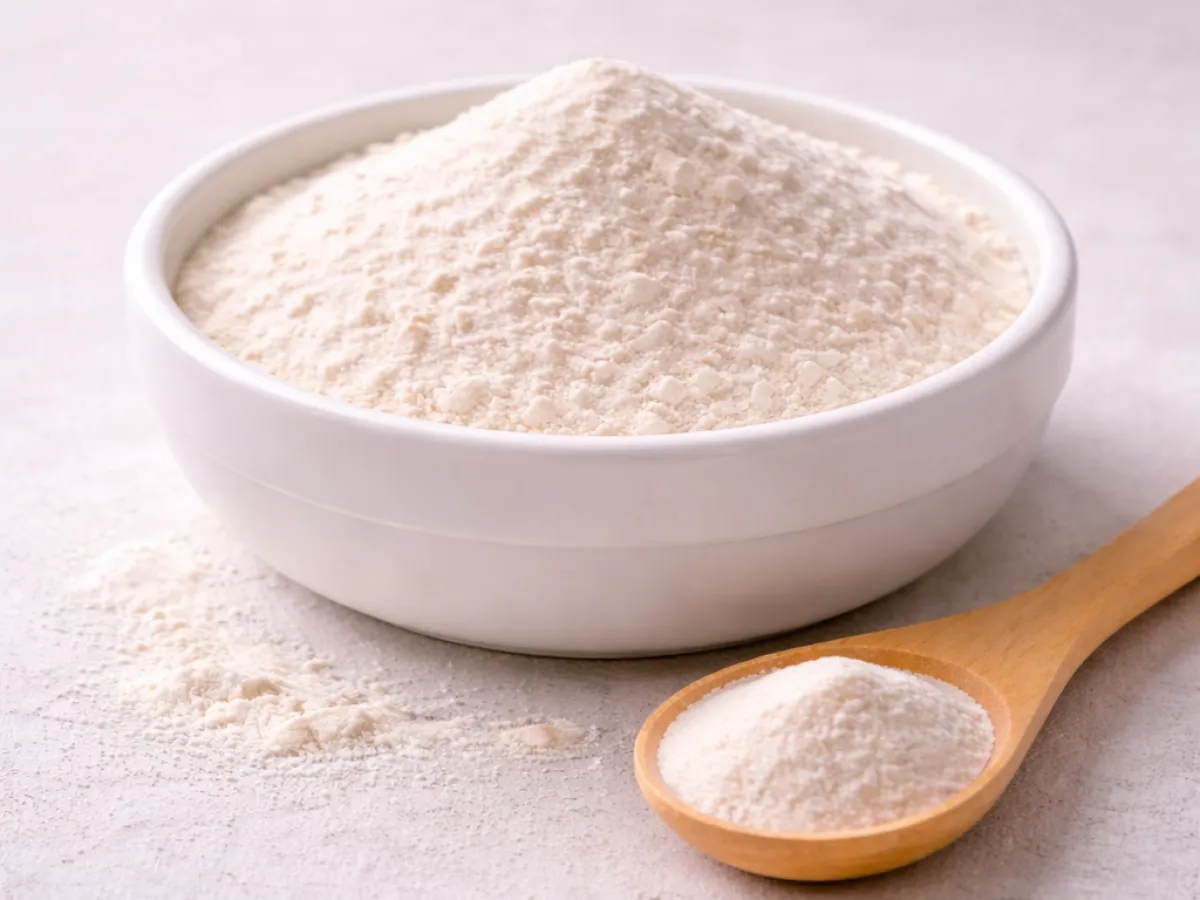
Sodium alginate is primarily derived from brown algae and exhibits excellent thickening, stabilizing, film-forming, and gelling properties.

From an application perspective, collagen powder has good compatibility. It can be compounded with vitamins, hyaluronic acid, elastin, probiotics, dietary fiber, and many other ing
Modified starch relies on heat-induced gelatinization to form a viscous system; it establishes stable viscosity only after sufficient heating and provides no thickening effect in c

Single hydrocolloids always have limitations: xanthan gum alone provides insufficient oil dispersion and tends to release oil; agarose alone lacks suspension power and tends to sep
Dust pollution generated during coal mining, transportation, stockpiling, and handling poses severe health risks to workers, contaminates the environment, and creates safety hazard
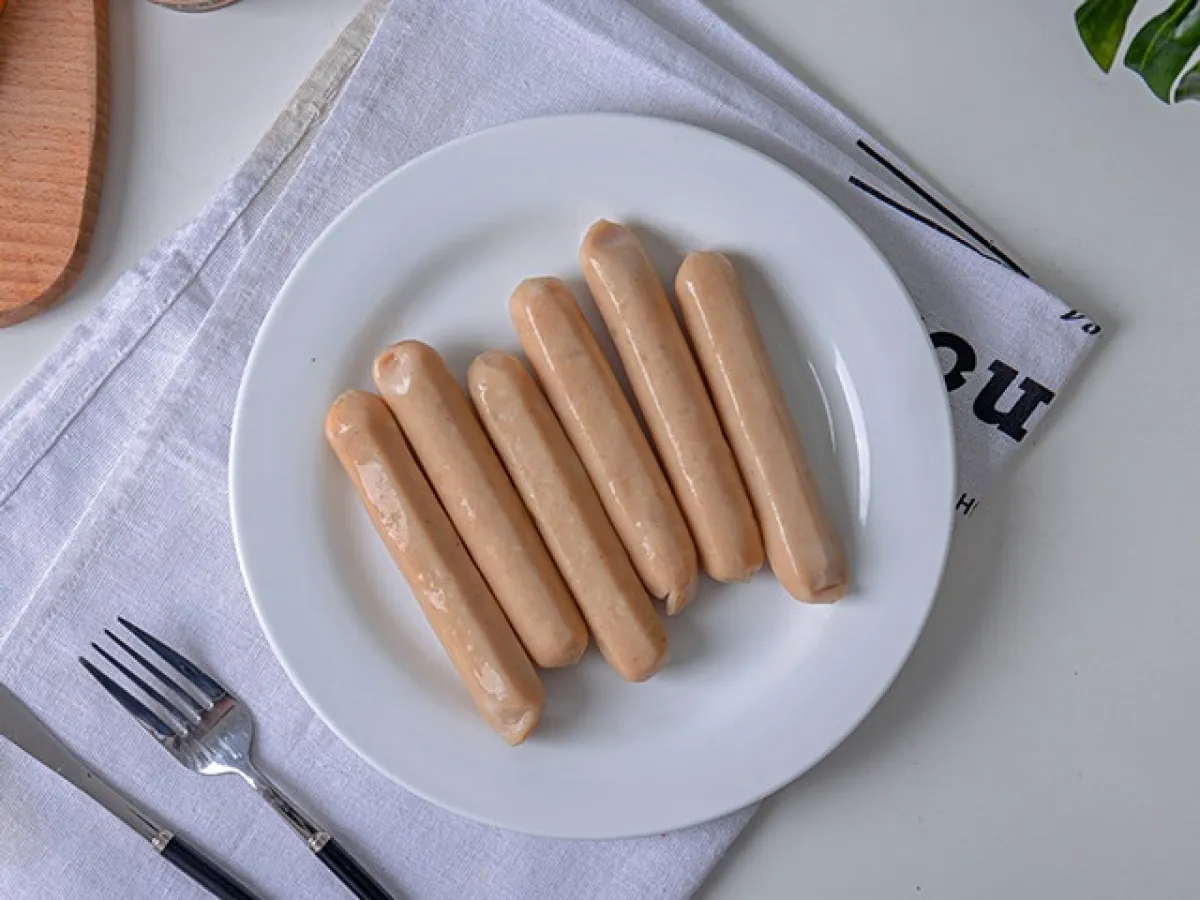
This knowledge article explains the fundamental differences between edible and non-edible collagen casings across material composition, manufacturing, applications, handling, and p

Pullulan is emerging as one of the most promising solutions. This microbial exopolysaccharide, produced through fermentation by the fungus Aureobasidium pullulans, offers a unique
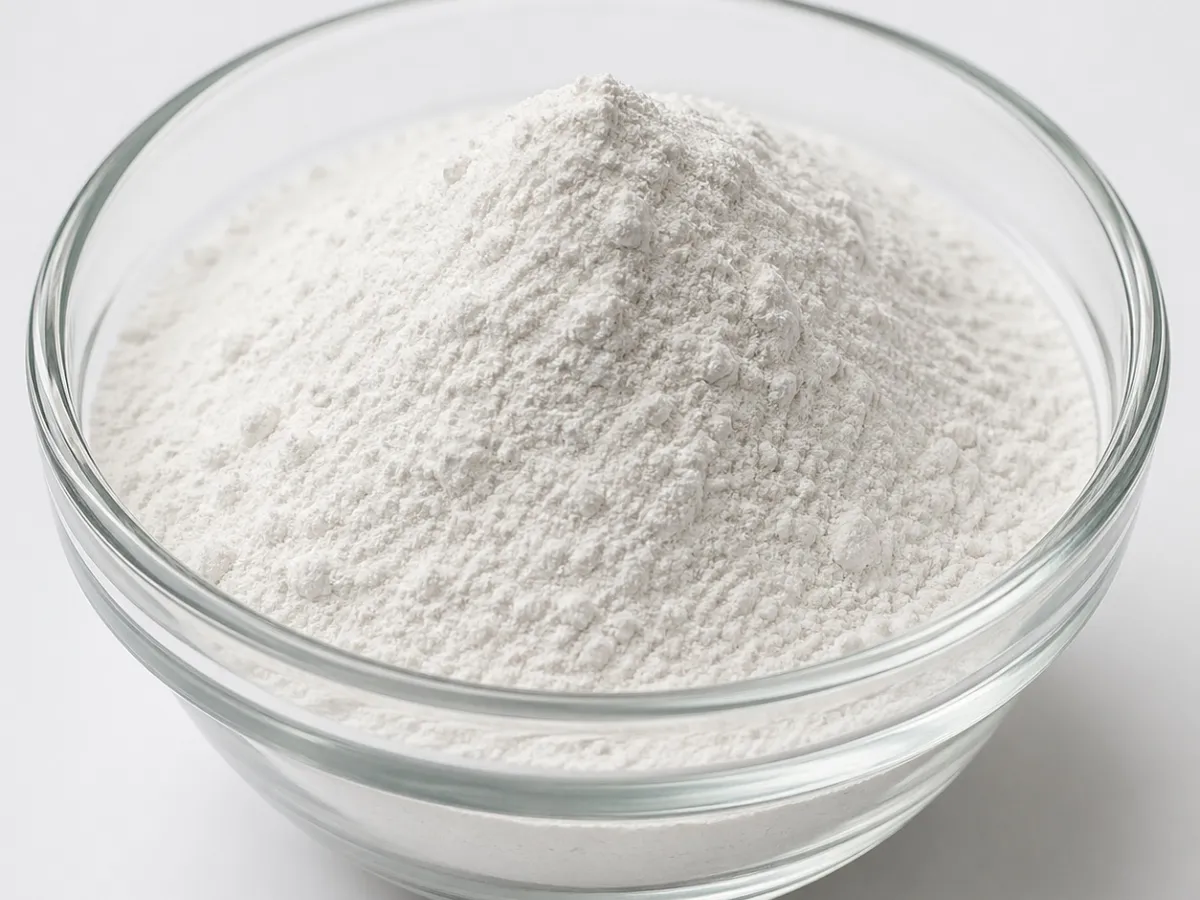
In the international food and dietary supplement industries, sodium alginate and carrageenan are two widely used seaweed-derived hydrocolloids. Despite their shared origin, the und

In oil and gas drilling operations, the prosperity of a drilling process heavily depends on the rheological properties and filtration behavior of drilling fluids . Uncontrolled flu