Introduction
In oil and gas drilling operations, the prosperity of a drilling process heavily depends on the rheological properties and filtration behavior of drilling fluids . Uncontrolled fluid loss into permeable formations can trigger a cascade of costly drilling problems: differential sticking, formation damage, wellbore instability, and non-productive time that runs into millions of dollars per incident.
Polyanionic Cellulose (PAC) is a water-soluble anionic polymer derived from natural cellulose through carboxymethylation. It has become a standard additive in water-based drilling fluids specifically for managing filtration properties and improving the quality of the filter cake
What Makes PAC Effective?
PAC is an anionic polymer with a high degree of substitution, conferring strong negative surface charge . This high charge density is central to its function. When introduced into a bentonite-based drilling fluid, PAC is adsorbed onto the positively charged edges of bentonite platelets . This absorption destroys the "house of cards" structure of bentonite and effectively bridges the platelets together .
During filtration, these bridged bentonite platelets deposit in a layer-by-layer manner, creating a well-oriented multilayer microstructure on the filter cake . This organized structure produces a thin, compact, and low-permeability filter cake , which is the "thin, tight filter cake" that industry professionals seek to maintain wellbore stability .
How PAC Controls Fluid Loss: The Mechanism?
Research has established that the filtration property of drilling fluids is primarily governed by the characteristics of the filter cake—its microstructure and permeability—rather than the viscosity of the fluid alone . This is a key insight: while PAC does increase viscosity, its real contribution to fluid loss control comes from improving the filter cake.

Evidence from the Lab
A study investigating the effect of PAC concentration on API fluid loss found a clear dose-response relationship
|
PAC Concentration (wt%) |
API Fluid Loss (mL/30min) |
|
0% |
18.4 mL |
|
0.1% |
13.1 mL |
|
0.25% |
11.3 mL |
|
0.5% |
9.5 mL |
Source: API fluid loss tests on PAC/CNC/BT-WDFs
Without PAC, the API fluid loss was 18.4 mL. The addition of just 0.5 wt% PAC reduced this to 9.5 mL—well below the API recommended value of 15 mL/30min

Synergistic Effects of PAC Variants
Not all PAC products are created equal. A 2025 study published in Colloids and Surfaces A evaluated the comparative performance of three PAC variants—PAC-UL, PAC-L, and PAC-R—and found significant differences
|
Additive |
Performance Ranking |
|
PAC-L + PAC-R (combined) |
Best performer—lowest fluid loss |
|
PAC-L (individual) |
Second best |
|
Xanthan Gum |
Less effective |
|
PAC-UL |
Least effective |
The combination of PAC-L and PAC-R at 0.7 wt% demonstrated superior filtration characteristics through synergistic effects . This study also identified that 0.7 wt% frequently emerges as the optimal concentration for balancing fluid loss control and mud cake properties.
PAC vs. Other Fluid Loss Additives
The table below compares PAC with other common polymers in terms of filtration performance (data from bentonite slurry testing)
|
Additive |
Swell Index (mL/2g) |
Hydraulic Conductivity in CaCl₂ (m/s) |
Fluid Loss at 50mM CaCl₂ (mL) |
|
PAC |
20 |
1.9 × 10⁻¹⁰ |
16.8 |
|
HPMC |
23.2 |
4.8 × 10⁻¹⁰ |
23.8 |
|
Xanthan Gum |
22.2 |
1.4 × 10⁻¹⁰ |
14.6 |
|
K-PAM |
23 |
4.3 × 10⁻¹⁰ |
25.7 |
Source: Swell index, fluid loss volume, and hydraulic performance of polymer-amended bentonite
PAC demonstrates superior fluid loss control compared to HPMC and K-PAM, while PAC-amended bentonite also shows much lower hydraulic conductivity than conventional bentonite (CB: 1.2×10⁻⁹ m/s vs. PAC: 6.7×10⁻¹¹ m/s)
Application Tips for Drilling Engineers
Mixing Protocol
Ensure complete dispersion of PAC powder in the brine phase by mixing for 30 minutes after polymer addition
Use a vortex created by the paddle mixer to slowly add the polymer
Continue mixing for an additional 15 minutes after adding other powdered additives
Dynamic aging (hot rolling) should be performed for 16 hours at the target downhole temperature
Dosage Recommendations
Starting point: 0.5–0.7 wt% for freshwater systems
Optimal threshold: 0.7 wt% frequently balances fluid loss control and mud cake properties
Combination strategy: Consider combining PAC-L and PAC-R (50/50 ratio) for synergistic effects at 0.7 wt%
Grade Selection Guidance
PAC-L: Second-best individual performer for fluid loss control
PAC-R: Best when combined with PAC-L
PAC-UL: Less effective for filtration control—consider alternative grades
Temperature Considerations
PAC maintains performance at elevated temperatures, making it suitable for deep-well applications
High temperature can affect polymer structure; alkali agents during manufacturing influence thermal stability
Limitations and Considerations
While PAC is highly effective, some limitations exist:
Incompatibility with certain brines: High concentrations of divalent ions may affect PAC performance. PAC-amended bentonite in CaCl₂ solutions demonstrated lower hydraulic conductivity than conventional bentonite, but the concentration of CaCl₂ significantly impacts performance .
Not always the sole solution: In some systems, CNCs (cellulose nanocrystals) proved more effective at improving rheological properties than PAC, though PAC dominated filtration control . A balanced formulation may require multiple additives.
Grade matters: PAC-UL, despite its high purity, may not provide optimal filtration control . Selecting the right grade is critical.
Summary
Polyanionic Cellulose controls API fluid loss through a well-understood mechanism: it adsorbs onto bentonite platelets, bridging them into an organized, multilayer filter cake that forms a highly effective barrier against fluid invasion . This filtration control is driven by the filter cake's microstructure, not simply by viscosity . The most effective formulations often combine PAC-L and PAC-R at approximately 0.7 wt% to leverage synergistic effects . For drilling engineers seeking to optimize fluid loss control and enhance wellbore stability, understanding the distinctions between PAC variants and their synergistic combinations offers a practical path to better drilling outcomes.
In oil and gas drilling operations, the prosperity of a drilling process heavily depends on the rheological properties and filtration behavior of drilling fluids . Uncontrolled flu
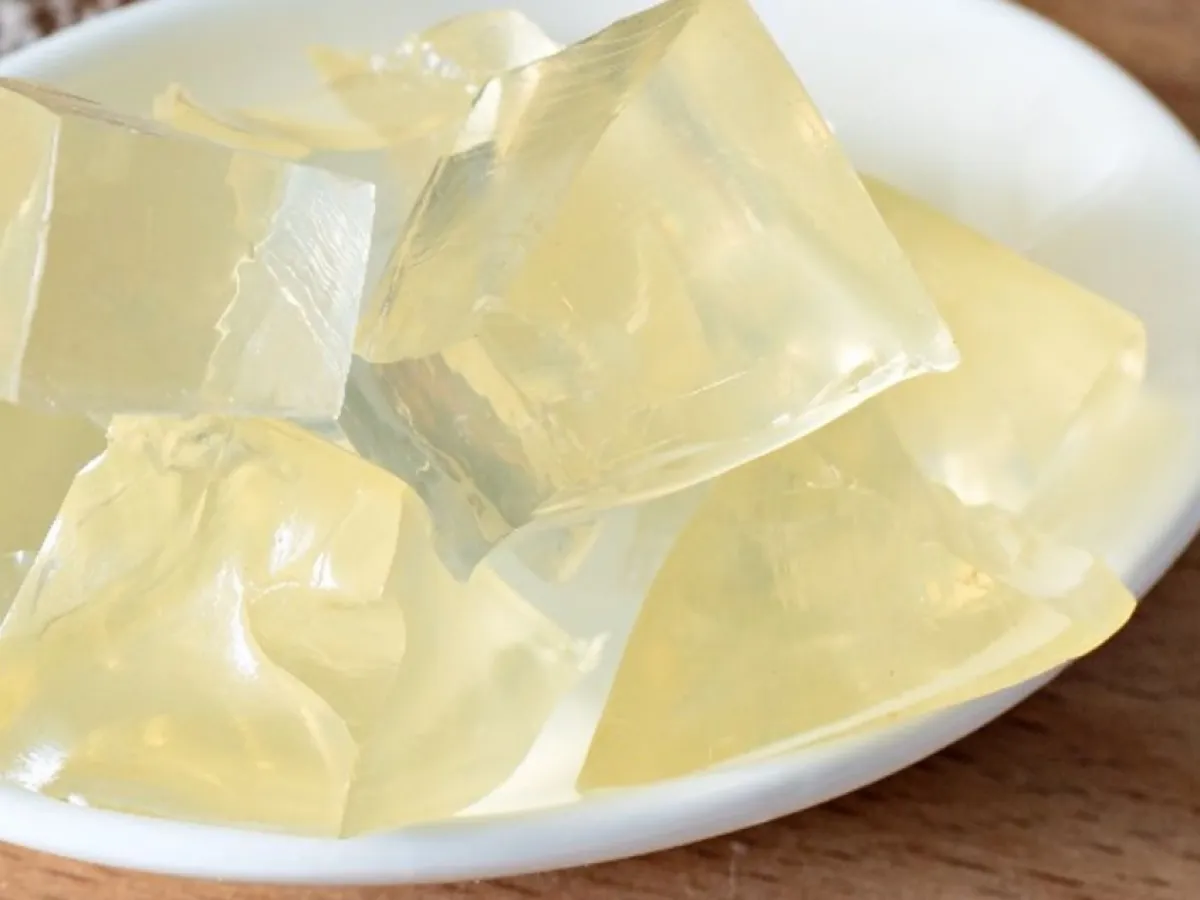
The first step in making gelatin gummies is to allow the gelatin to fully hydrate. Gelatin does not dissolve in cold water, but it can absorb water and swell in cold water. This pr
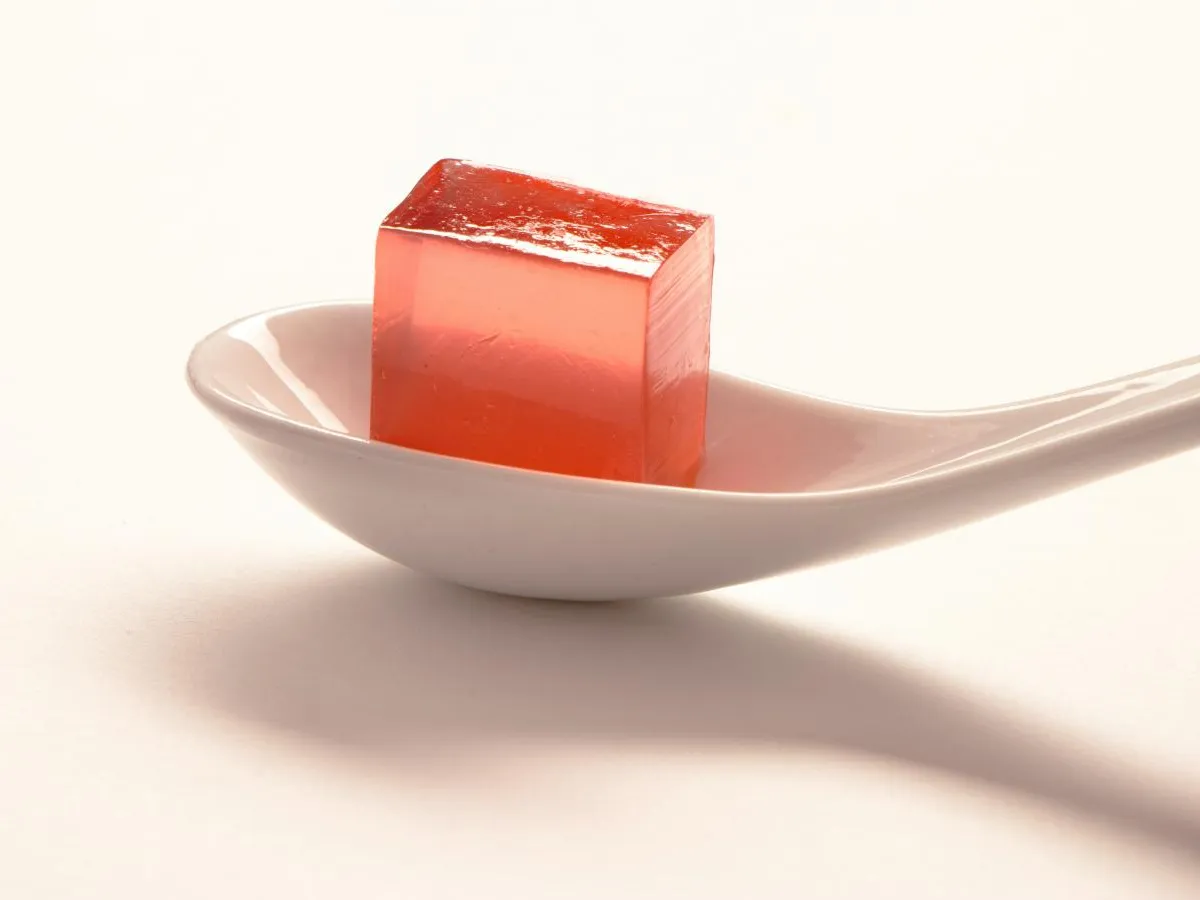
The key difference? Gelatin is a protein from animal collagen; agar is a carbohydrate from red algae.This fundamental distinction drives every other difference between them — and d

In the papermaking industry, modified starch is one of the core additives. Oxidized starch, cationic starch, and esterified starch are mainly used for surface sizing, internal sizi
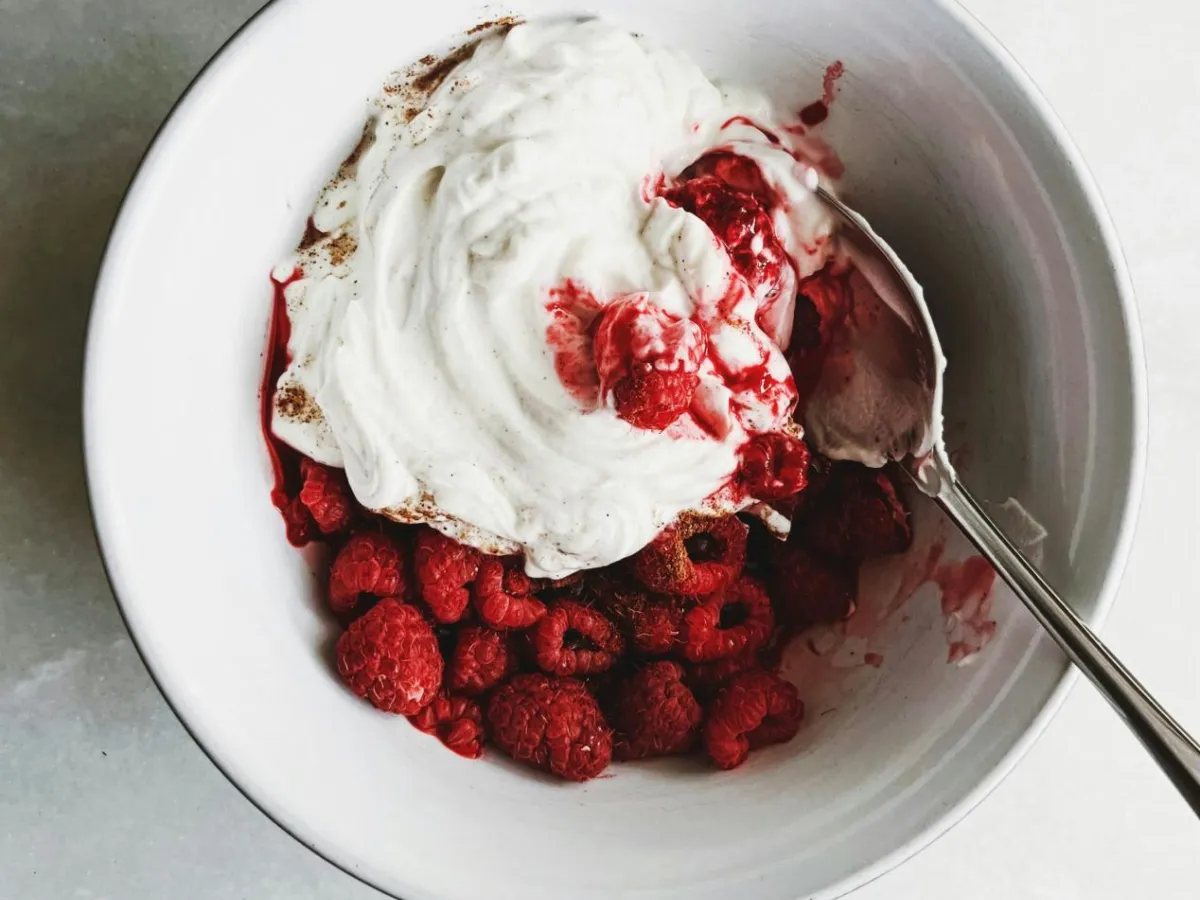
The adoption of pectin in yogurt is not just anecdotal. According to market data, more than half of all new spoonable yogurt launches now contain pectin. This widespread acceptance
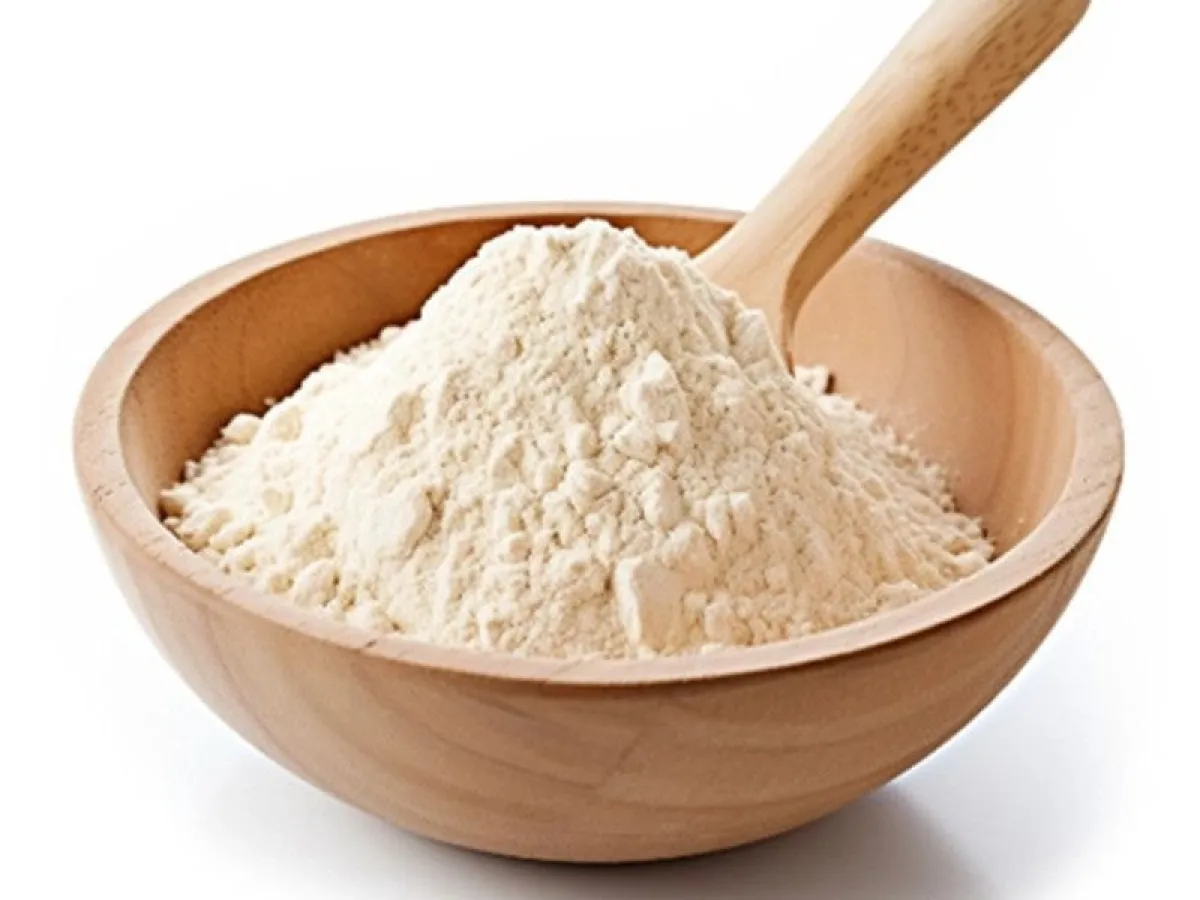
High concentrations of protein ingredients inherently carry a heavy, powdery mouthfeel and astringent notes. The key application detail of gelatin lies in its thermally reversible
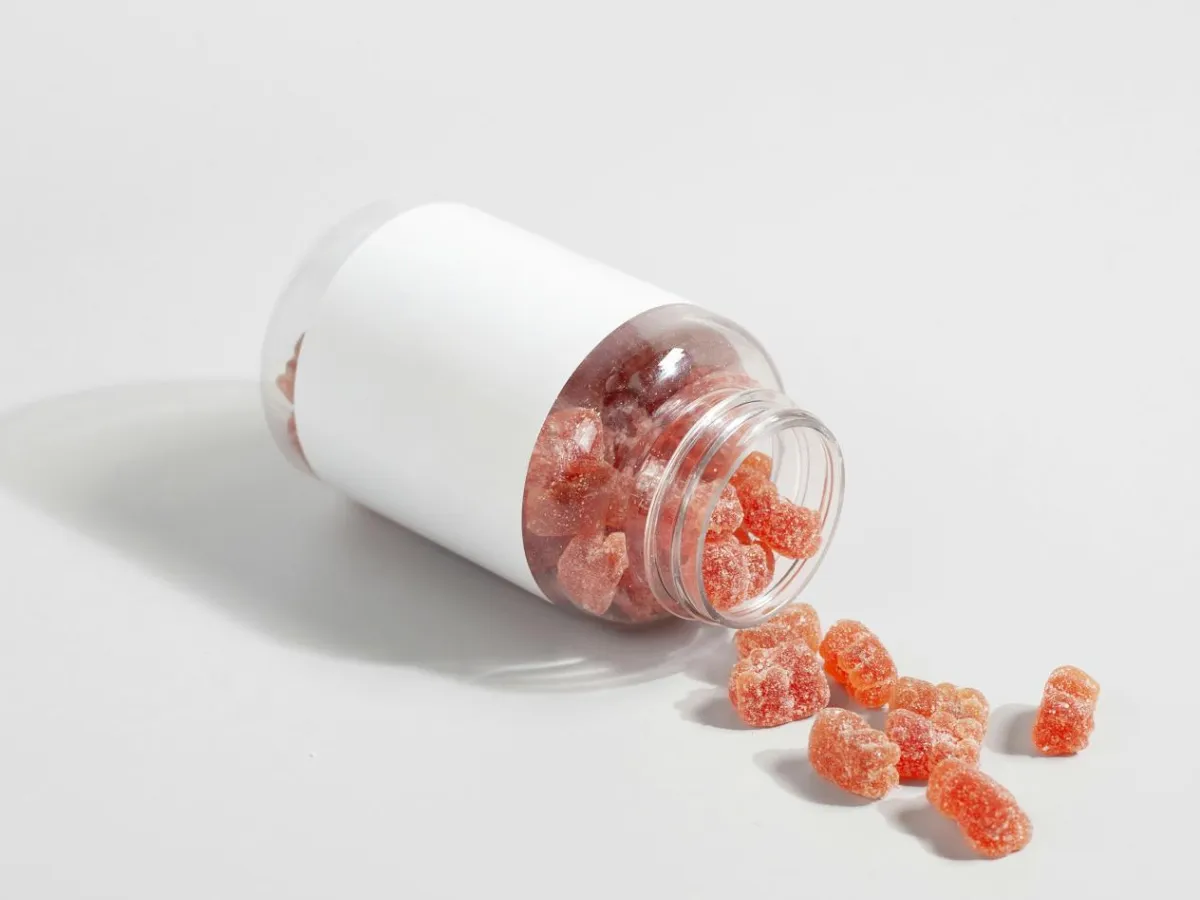
Today, vegan gummies are one of the fastest-growing segments in confectionery. And at the center of this shift stands pectin – a plant-derived hydrocolloid that is proving to be mo
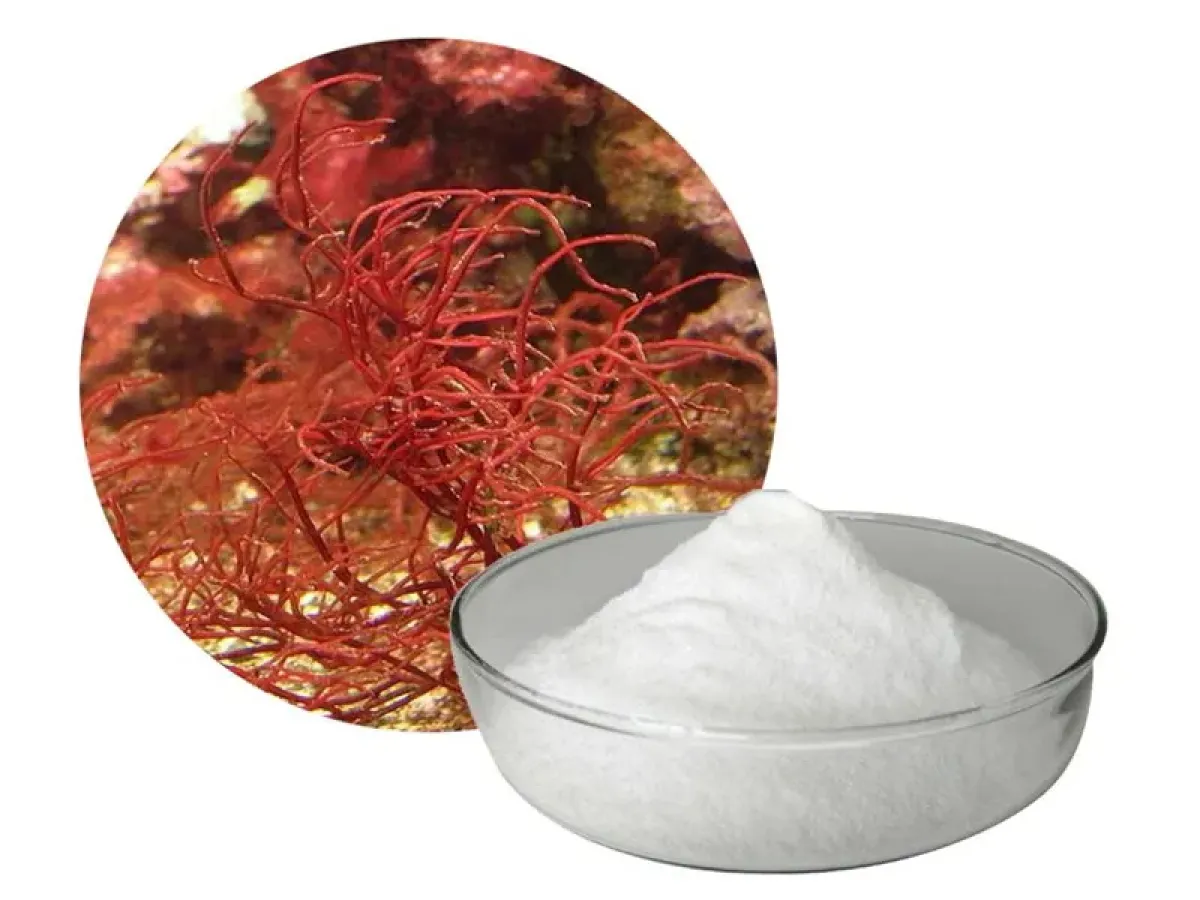
From a physicochemical perspective, carrageenan possesses unique solubility, dissolving in hot water at around 80°C to form a viscous, transparent solution, but insoluble in cold w
The primary role of CMC in toothpaste is to provide the desired texture, consistency, and stability. Specifically, it performs the following critical functions:
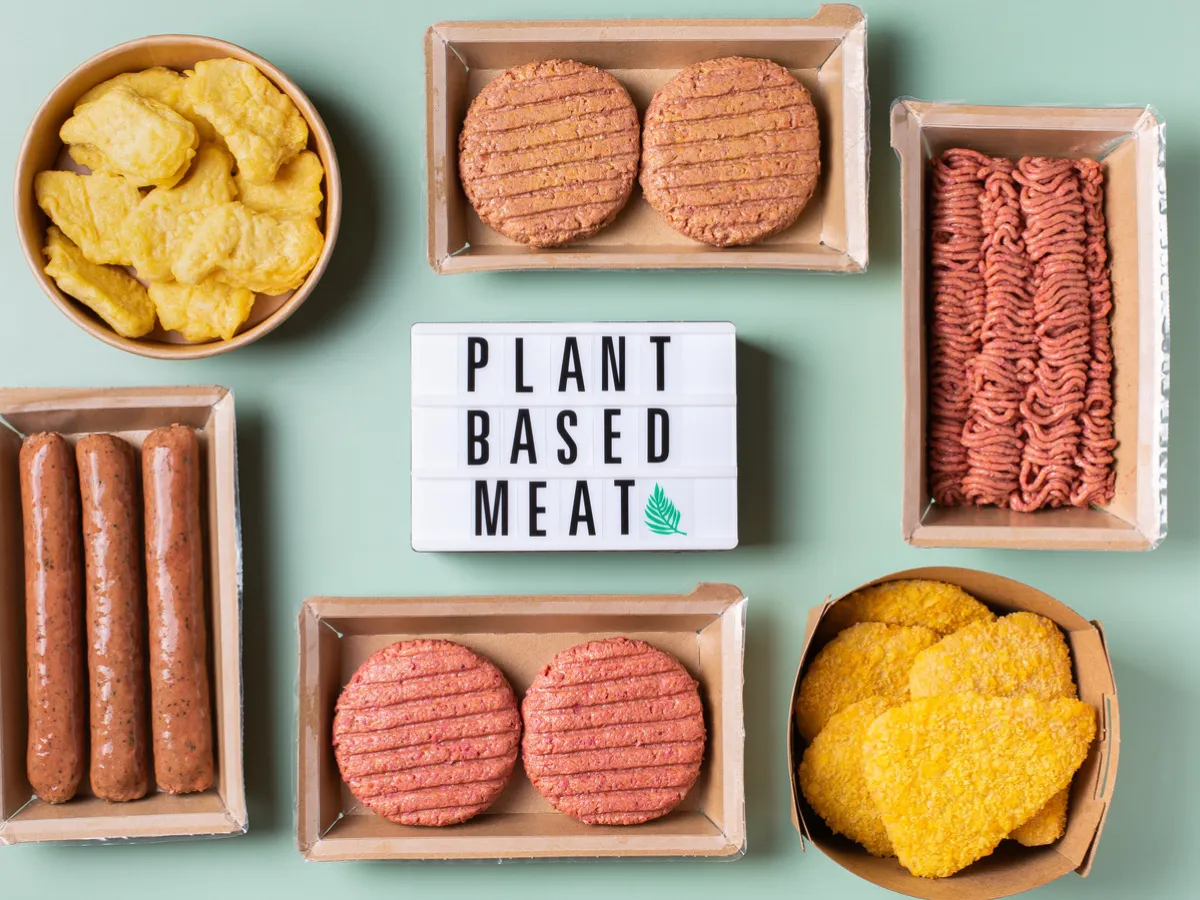
In food production, the most important functions of sodium alginate are thickening and stabilization. Taking fruit juice drinks, fruit pulp drinks, and plant protein drinks as exam