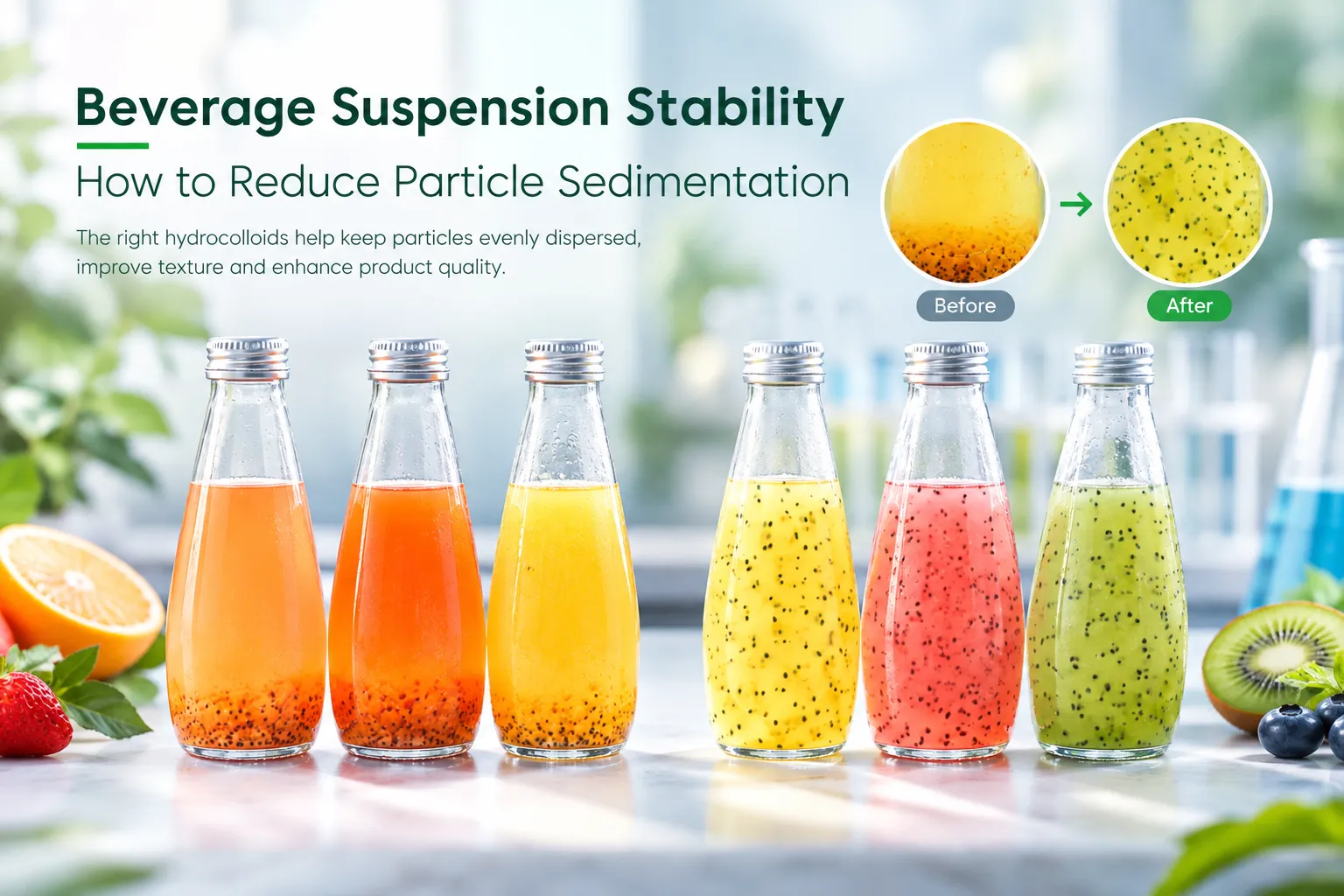
Beverage Suspension Stability: How to Reduce Particle Sedimentation
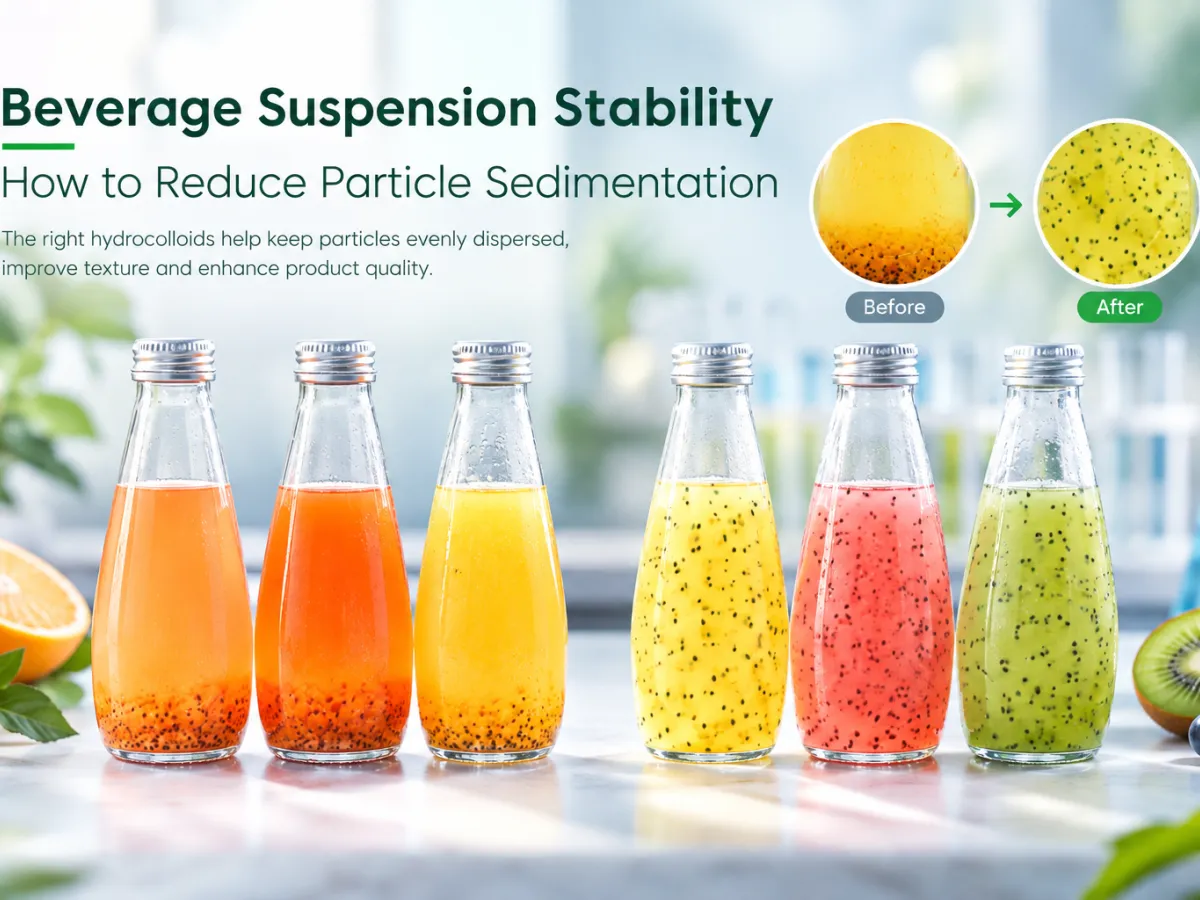
With the development of beverages containing fruit pieces, plant-based particles, fruit juice, and functional ingredients, food manufacturers are increasingly focusing on product appearance, mouthfeel, and storage stability. For beverages containing fruit pulp, plant seeds, fibers, or other insoluble particles, achieving uniform particle dispersion and minimizing sedimentation or separation during storage are critical challenges in product formulation.
Why do particles in beverages tend to settle?
When there is a density difference between the particles and the liquid in a beverage, the particles may gradually sink or float under the influence of gravity. Factors such as particle size, shape, and density, as well as liquid viscosity and the beverage's overall composition, all influence suspension stability.
For instance, in beverages containing fruit pulp or plant seeds, if the liquid viscosity is low, particles may gradually settle at the bottom of the bottle during storage, resulting in visible separation. This not only affects the product's appearance but can also lead to inconsistencies in mouthfeel and particle content throughout the beverage.
Furthermore, factors such as inadequate particle dispersion, particle aggregation, and unsuitable processing or storage conditions can also compromise the beverage's stability. Therefore, improving suspension performance typically requires a comprehensive approach that considers raw material characteristics, formulation design, and production processes, rather than simply increasing the dosage of a single ingredient.
How do food hydrocolloids improve the suspension stability of beverages?
Food hydrocolloids help improve particle suspension in certain beverage systems by modifying the liquid's rheological properties. Different hydrocolloids operate via distinct mechanisms and have specific application requirements; therefore, the choice depends on the specific beverage formulation.
Xanthan Gum
Xanthan gum offers excellent thickening capabilities and imparts shear-thinning characteristics to liquids. At appropriate dosage levels and within suitable formulations, it increases low-shear viscosity, thereby slowing particle sedimentation and enhancing liquid uniformity.
Xanthan gum is suitable for use in fruit juice drinks, beverages containing particulates, flavored drinks, and other systems requiring viscosity control. However, excessive dosage can result in an overly viscous mouthfeel, so a balance must be struck between suspension performance and the drinking experience.
Gellan Gum
Gellan gum possesses unique gel-forming and structural control capabilities. Under the right conditions—regarding ion concentration, dosage, and processing—certain gellan gum systems can form a weak network structure that helps suspend particles within the beverage.
It is used in plant-based beverages, drinks containing fruit pulp or pieces, and other systems requiring control over particle distribution. Specific applications require consideration of the gellan gum type, mineral content, acidity, heat treatment conditions, and desired texture to avoid creating an undesirable gel-like mouthfeel.
Pectin and Other Stabilizing Ingredients
Pectin is widely used in systems such as fruit juice drinks, acidic milk beverages, and fruit-flavored drinks, helping to adjust viscosity, stability, or mouthfeel depending on the product type. For protein-based beverages, dairy-based drinks, and complex formulations, it is also necessary to comprehensively evaluate the interactions between proteins, acidity, minerals, and other ingredients.
Different hydrocolloids are not simply interchangeable. In practice, the appropriate product should be selected based on particle characteristics, desired mouthfeel, and processing conditions; achieving the intended effect may sometimes require the use of hydrocolloid blends.
How to Choose the Right Suspension Stabilization Solution?
Developing a beverage with stable suspension requires evaluation across several key areas:
Particle Characteristics: Understand particle size, density, shape, and dosage.
Target Mouthfeel: Determine whether the beverage should be crisp and smooth or possess a certain thickness or viscosity.
Processing Conditions: Consider mixing methods, homogenization, and heat treatment parameters (temperature and duration).
Formulation Composition: Assess the impact of pH, sugar content, proteins, salts, and other ingredients on stability.
Storage Performance: Conduct actual storage tests to monitor sedimentation, phase separation, viscosity changes, and alterations in mouthfeel.
During the formulation development stage, small-scale trials can be conducted using various types and dosages of hydrocolloids. By comparing particle distribution, flowability, and storage performance, the formula can be progressively optimized based on the results.
From Ingredient Selection to Practical Application
Beverage suspension stability depends not only on individual raw materials but also heavily on the overall formula design and production process. Selecting the right food hydrocolloids helps manufacturers strike a balance between particle suspension, product texture, and the consumer drinking experience.
Nourisi specializes in food ingredients and hydrocolloid products, offering a wide range of options such as xanthan gum, gellan gum, and pectin. We also provide product information and technical support tailored to specific beverage application requirements.
Are you developing fruit-pulp beverages, plant-based drinks, or other products requiring suspension stability? Contact Nourisi to discuss hydrocolloid solutions suited to your specific formulation and processing conditions.
With the development of beverages containing fruit pieces, plant-based particles, fruit juice, and functional ingredients, food manufacturers are increasingly focusing on product a
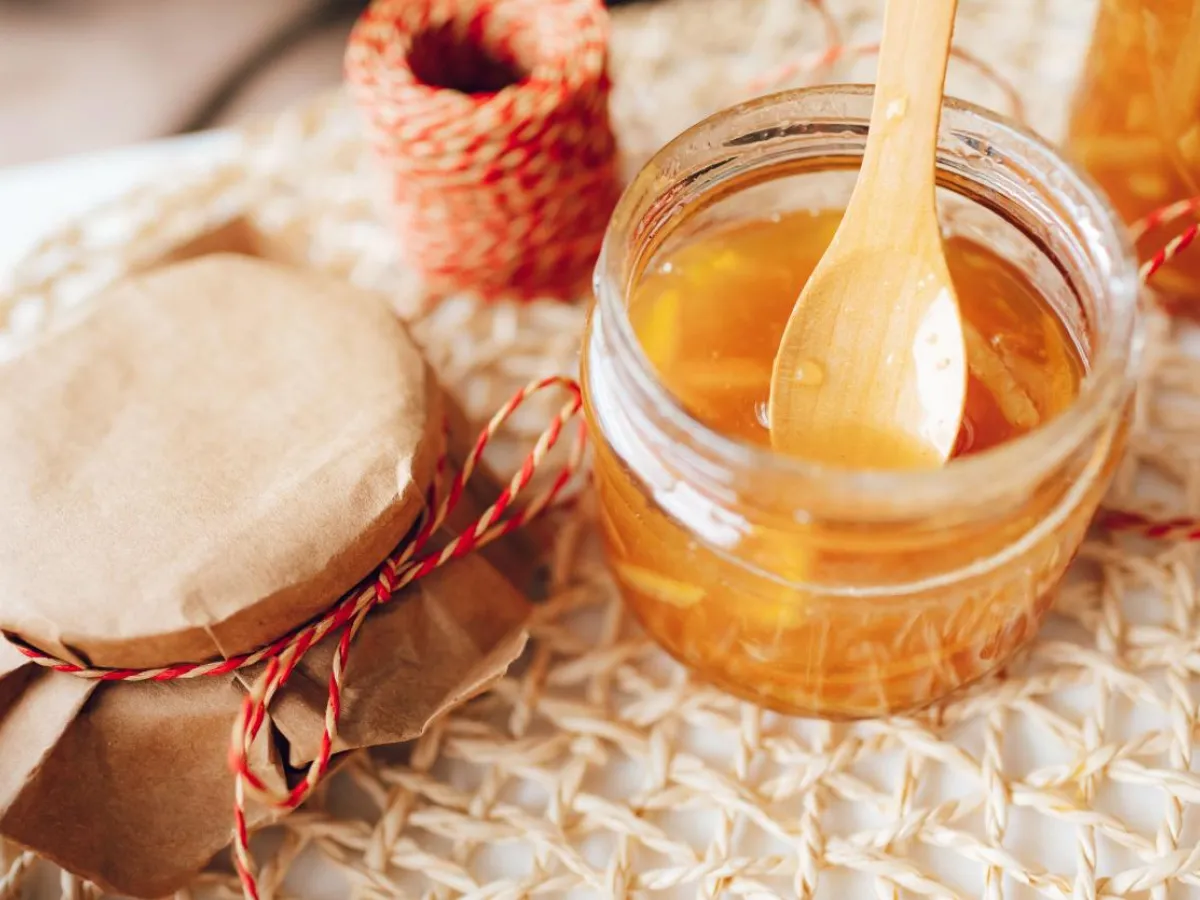
In simple terms, it is pectin that has gone through an additional "ammonia treatment" step during production, which attaches amide groups to the pectin molecule.

This guide provides a detailed comparison to help you determine which casing type best fits your production requirements.
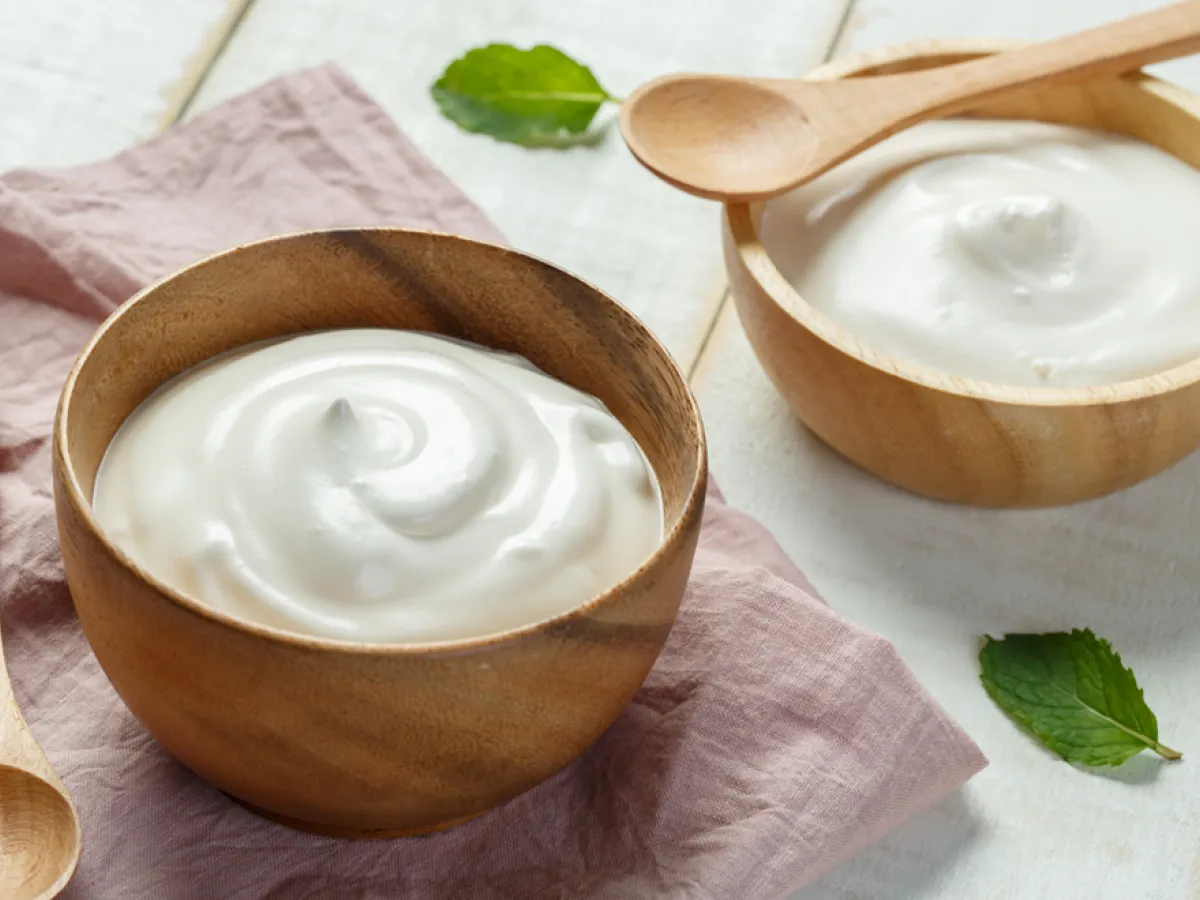
The casein gel network formed during yogurt fermentation is structurally fragile and prone to rupture during transportation or refrigeration, leading to whey separation. Upon cooli

Aqueous solutions of welan gum exhibit typical pseudoplastic fluid characteristics, namely high apparent viscosity at low shear rates and a pronounced decrease in viscosity as the
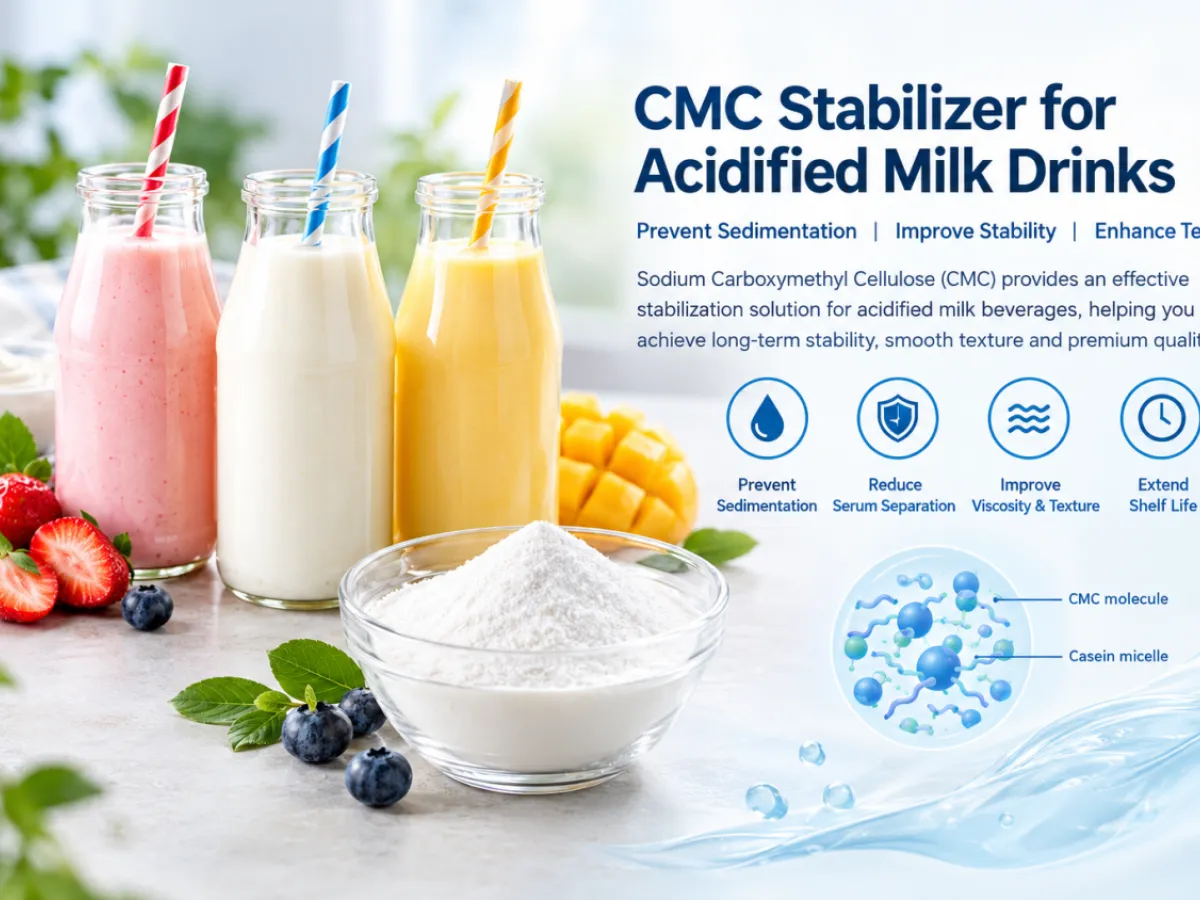
During storage, many acidified dairy beverages may experience problems such as protein aggregation, sedimentation, serum separation and viscosity loss, resulting in poor appearance
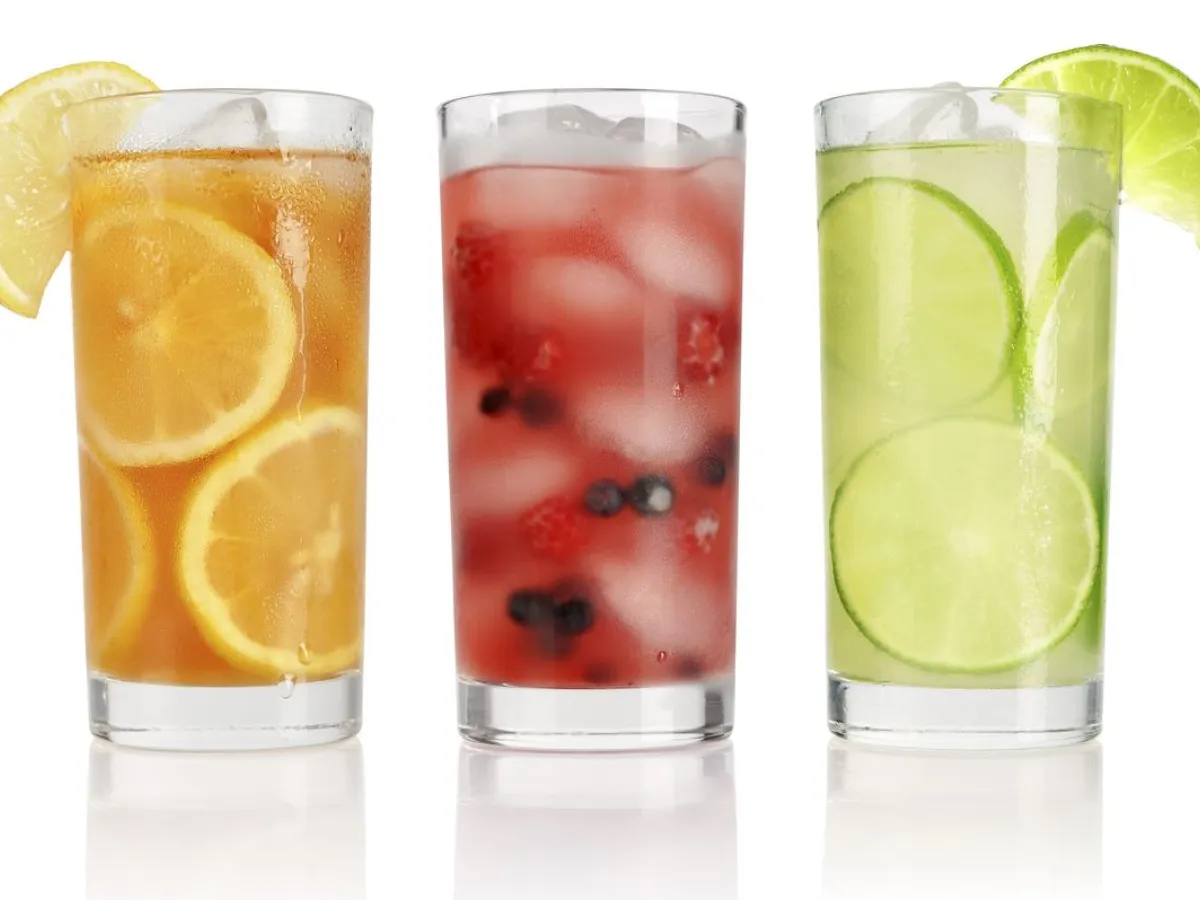
Sodium alginate is primarily derived from brown algae and exhibits excellent thickening, stabilizing, film-forming, and gelling properties.

From an application perspective, collagen powder has good compatibility. It can be compounded with vitamins, hyaluronic acid, elastin, probiotics, dietary fiber, and many other ing
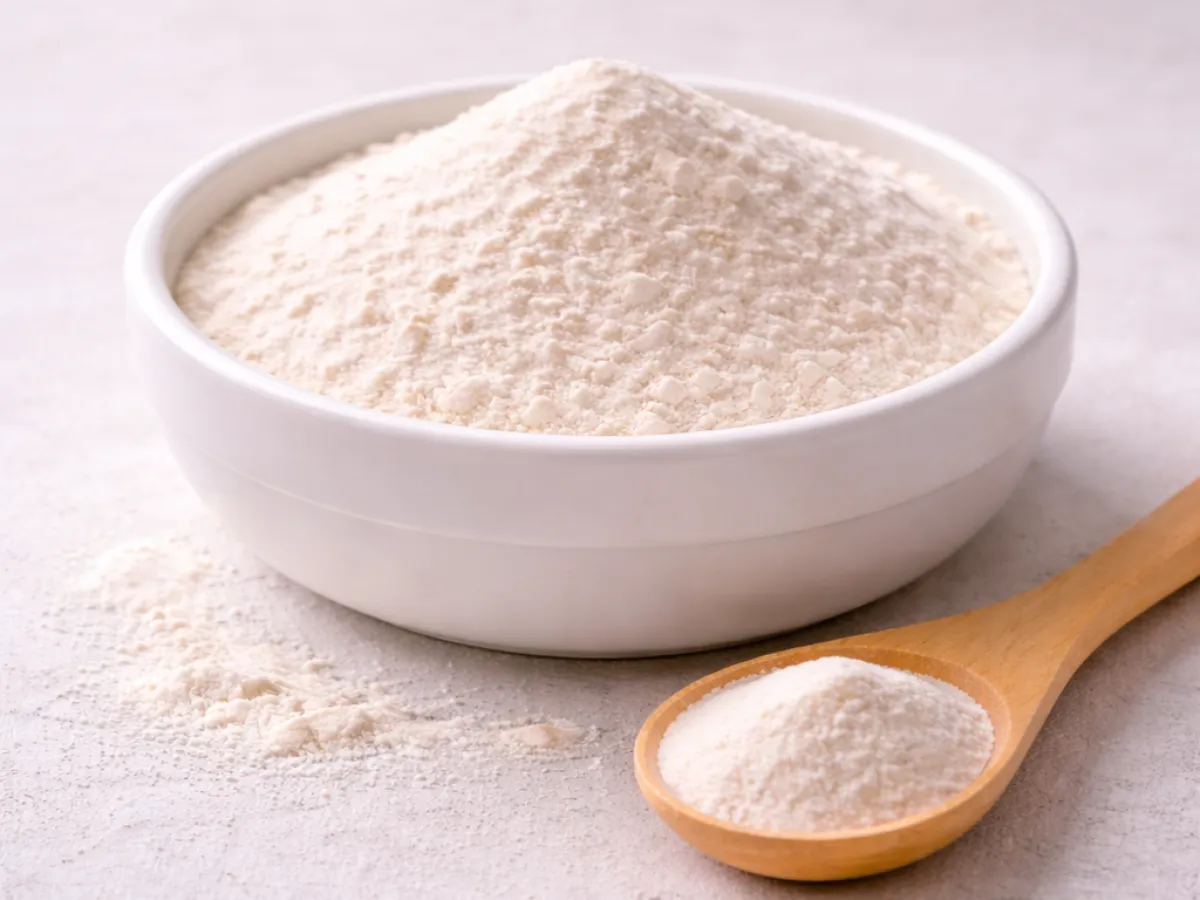
Modified starch relies on heat-induced gelatinization to form a viscous system; it establishes stable viscosity only after sufficient heating and provides no thickening effect in c

Single hydrocolloids always have limitations: xanthan gum alone provides insufficient oil dispersion and tends to release oil; agarose alone lacks suspension power and tends to sep