If you have ever used low methoxyl pectin for reduced-sugar jam, you may have run into these problems: the gel is too soft, it weeps during storage, or it is so sensitive to calcium that a slight overdose causes clumping.
This is where amidated pectin comes in.
What Is Amidated Pectin?
In simple terms, it is pectin that has gone through an additional "ammonia treatment" step during production, which attaches amide groups to the pectin molecule.
This small change brings several practical benefits:
1. More stable gels that do not weep. Amide groups help pectin form a tighter network structure that holds water more firmly. In reduced-sugar jam, this means less syneresis even after months of storage.
2. Lower sensitivity to calcium.Regular low methoxyl pectin gels through calcium ions, and too much calcium causes "pre-gelation"-clumping before processing even begins. Amidated pectin tolerates a wider calcium range, making production easier to control.
3. Gels under acidic conditions.Regular low methoxyl pectin loses much of its gelling ability below pH 3.5. Amidated pectin still forms strong gels at pH 3.0-3.5. This matters for acidic fruit jams.
4. Adjustable gel texture.By controlling the dosage, amidated pectin can produce textures ranging from soft and spreadable to firm and sliceable. Low usage (5-10 g/kg) gives soft sauces and glazes, while higher usage (15-20 g/kg) produces firm gummies and fruit pastes.
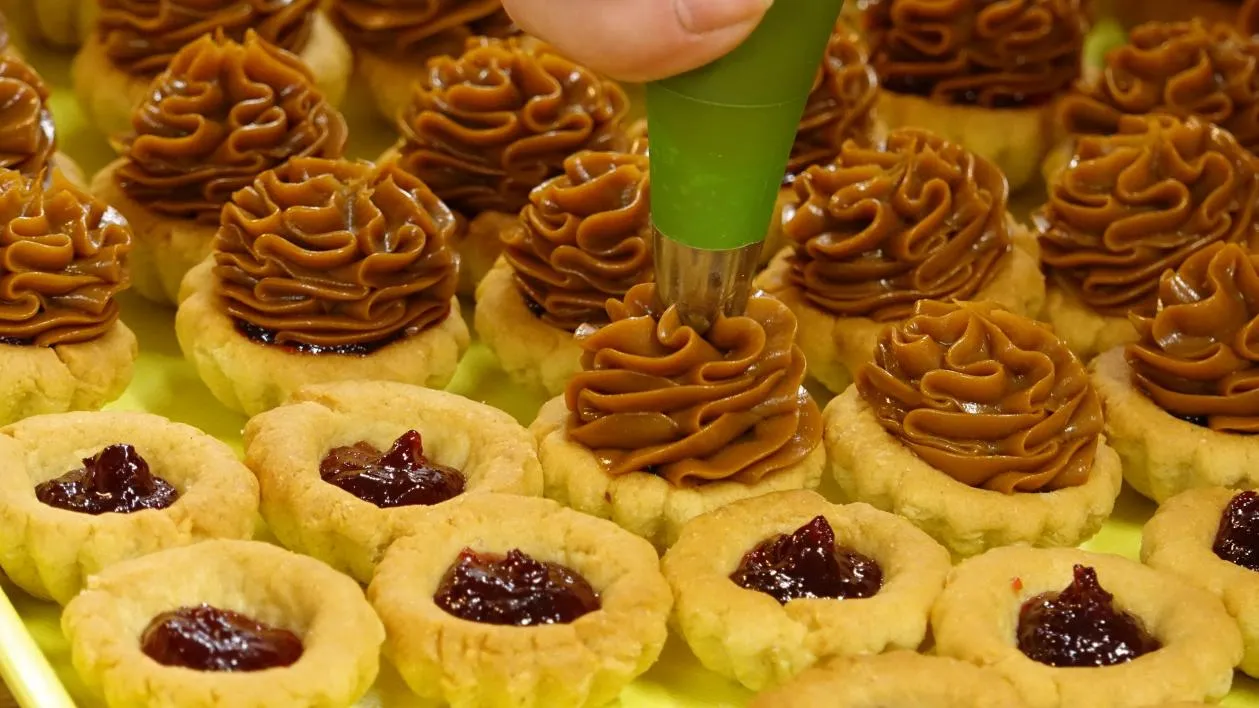
5. Freeze-thaw stability.Amidated pectin supports freezing and is thermally reversible (melting and setting between 40-60°C). This means frozen jams do not separate after thawing, and bakery fillings remain stable.
When Should You Choose Amidated Pectin?
|
Your Product |
Recommended Choice |
|
Reduced-sugar jam (25%–50% sugar) |
✅ Amidated pectin |
|
Acidic fruit jam (pH 3.0–3.5) |
✅ Amidated pectin |
|
Bakery fillings requiring thermal reversibility |
✅ Amidated pectin |
|
Frozen jam or frozen desserts |
✅ Amidated pectin |
|
Traditional high-sugar jam (>60% sugar) |
High methoxyl pectin is sufficient |
|
Products requiring high-temperature stability |
Low methoxyl pectin (non-amidated) is more suitable |
One Thing to Keep in Mind
Amidated pectin is not the best choice for every application. If your product needs to inhibit ice crystal growth - for example, in ice cream or frozen desserts where a smooth texture is critical - regular low methoxyl pectin performs better. Research shows that amidation reduces pectin's ability to inhibit ice recrystallization.
So when selecting a pectin, the key is to identify what problem your product most needs to solve.
Usage Reference
Typical usage of amidated pectin is 0.3%–0.8%, depending on sugar content, pH, and calcium concentration. In a reference recipe for reduced-sugar strawberry jam, amidated low methoxyl pectin is used at 0.6%, relying on the natural calcium present in the fruit and water — no additional calcium salt is needed. We recommend starting at 0.5% and adjusting based on gel strength.
Why Choose Us
We supply amidated low methoxyl pectin with consistent quality, suitable for reduced-sugar jams, acidic fruit preparations, frozen desserts, and bakery fillings. Our technical team can recommend the right degree of amidation and dosage for your specific formulation.
In simple terms, it is pectin that has gone through an additional "ammonia treatment" step during production, which attaches amide groups to the pectin molecule.
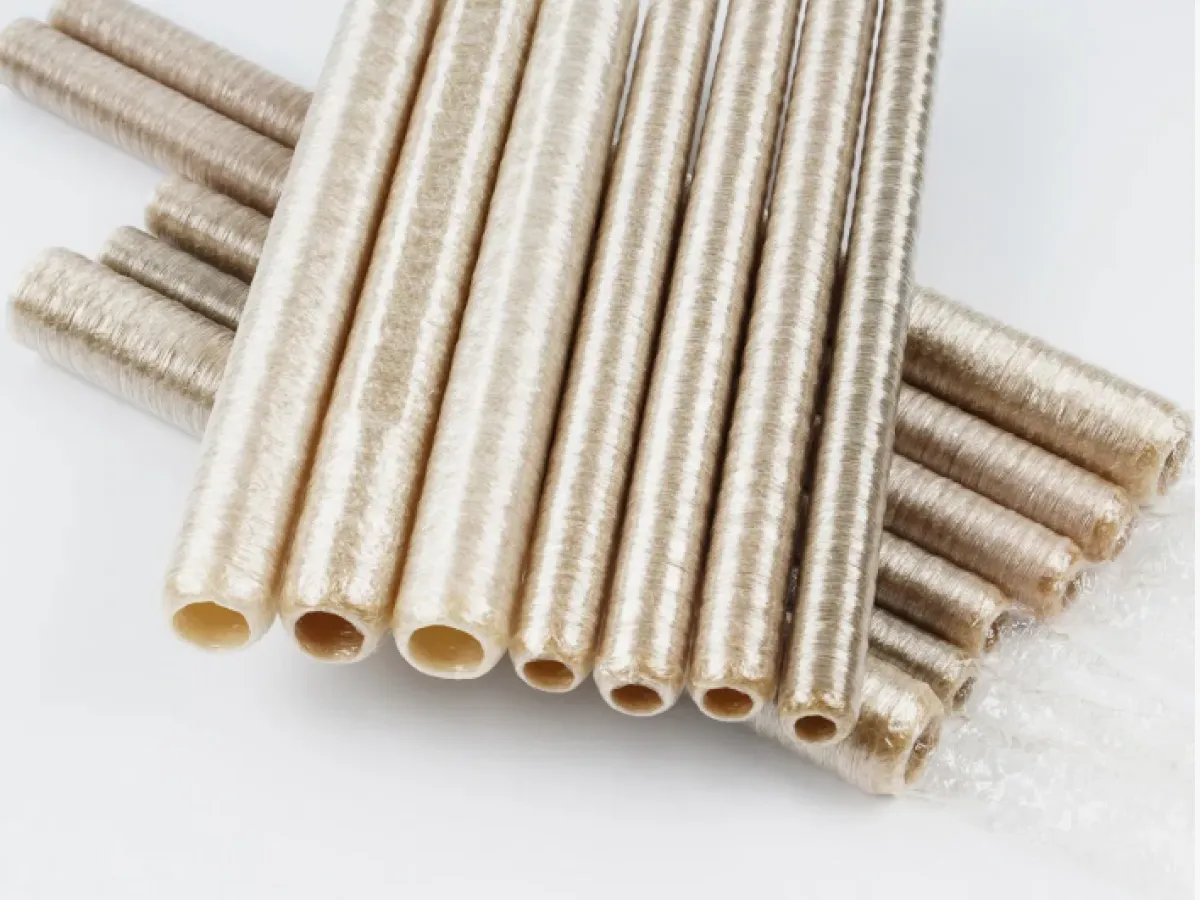
This guide provides a detailed comparison to help you determine which casing type best fits your production requirements.
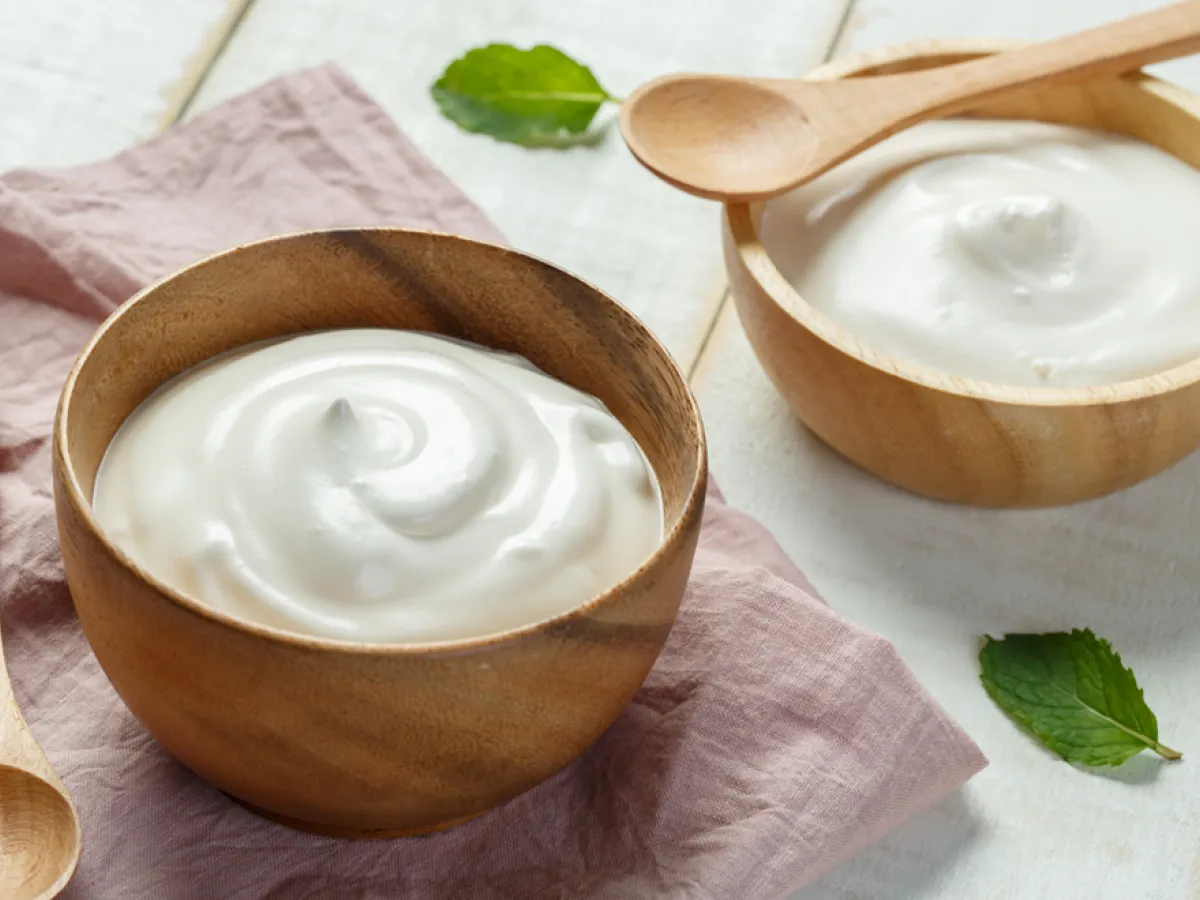
The casein gel network formed during yogurt fermentation is structurally fragile and prone to rupture during transportation or refrigeration, leading to whey separation. Upon cooli
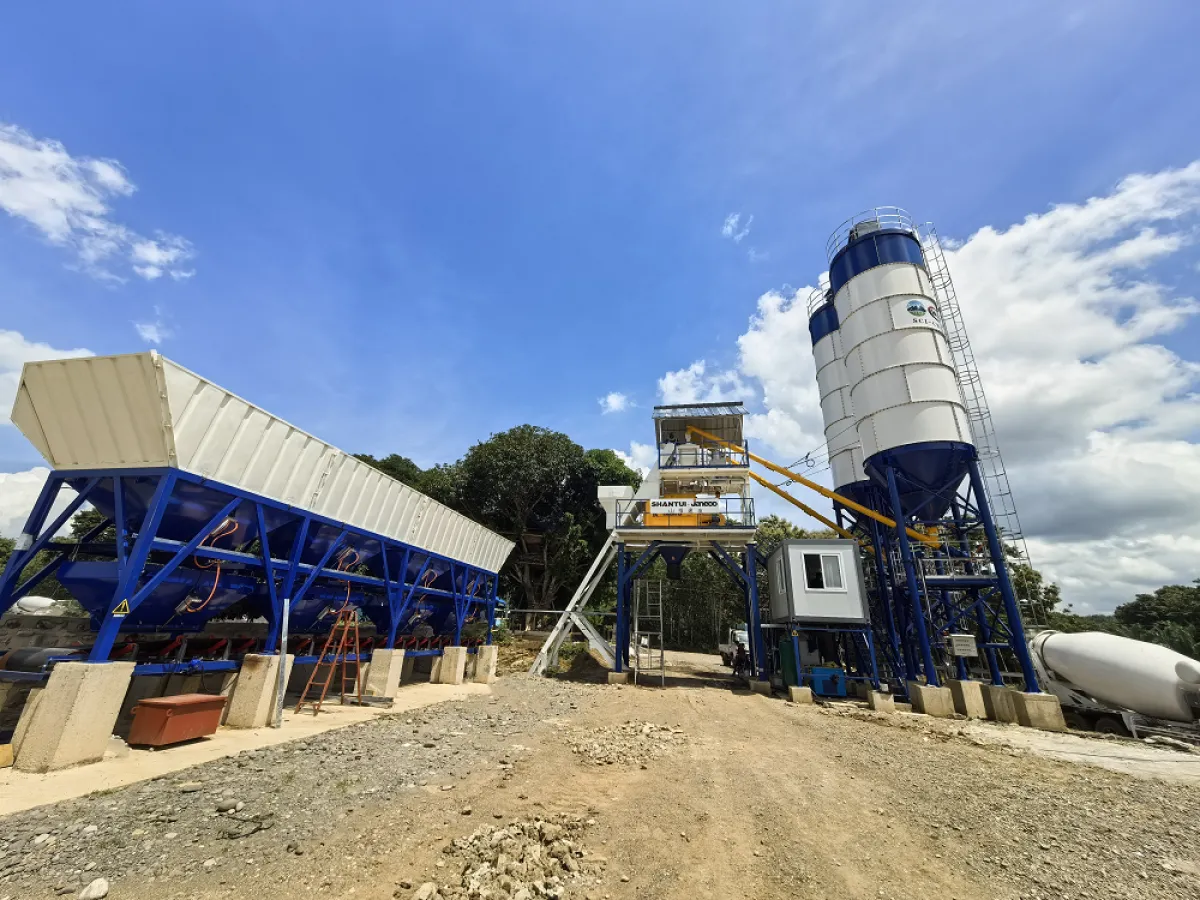
Aqueous solutions of welan gum exhibit typical pseudoplastic fluid characteristics, namely high apparent viscosity at low shear rates and a pronounced decrease in viscosity as the
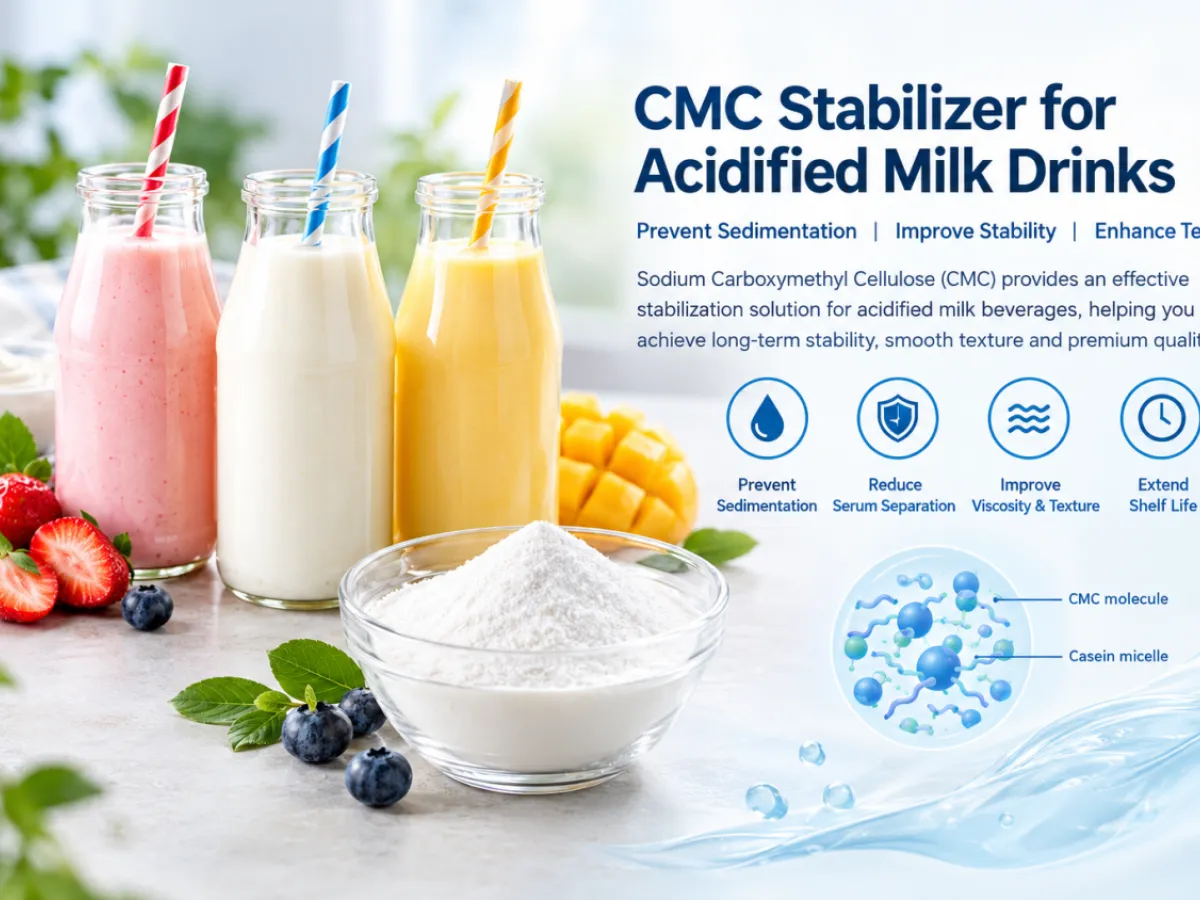
During storage, many acidified dairy beverages may experience problems such as protein aggregation, sedimentation, serum separation and viscosity loss, resulting in poor appearance
Sodium alginate is primarily derived from brown algae and exhibits excellent thickening, stabilizing, film-forming, and gelling properties.

From an application perspective, collagen powder has good compatibility. It can be compounded with vitamins, hyaluronic acid, elastin, probiotics, dietary fiber, and many other ing
Modified starch relies on heat-induced gelatinization to form a viscous system; it establishes stable viscosity only after sufficient heating and provides no thickening effect in c

Single hydrocolloids always have limitations: xanthan gum alone provides insufficient oil dispersion and tends to release oil; agarose alone lacks suspension power and tends to sep
Dust pollution generated during coal mining, transportation, stockpiling, and handling poses severe health risks to workers, contaminates the environment, and creates safety hazard