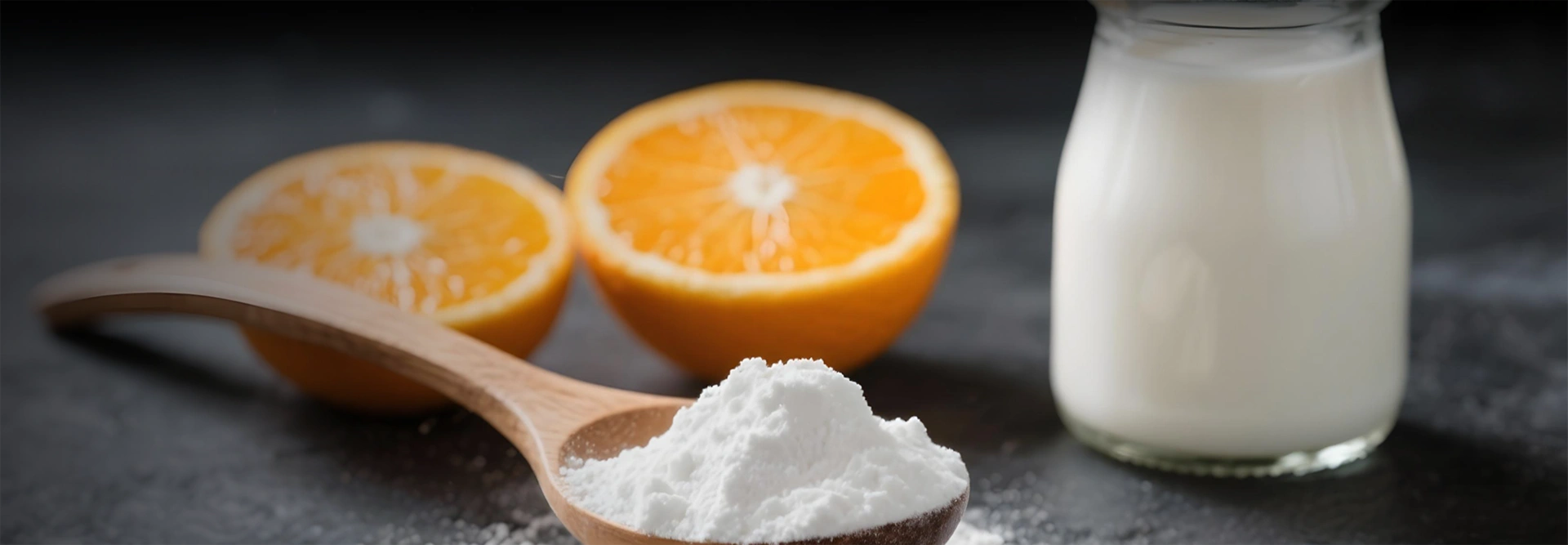
Gelatin performs three primary functions in yogurt: providing a delicate and smooth texture, inhibiting whey separation, and imparting a moderate elastic mouthfeel. Its distinctive feature lies in the proximity of its melting-gelation transition temperature to oral temperature, yielding a clean "melt-in-the-mouth" sensation without the pasty mouthfeel of starch-based stabilizers or the brittle fracture of agar.
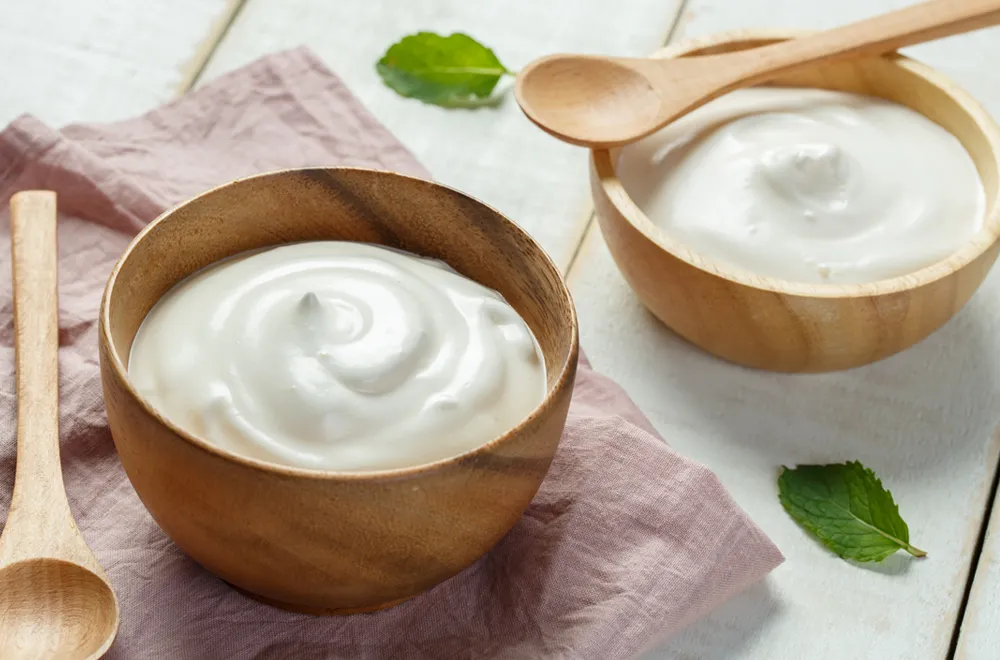
1. Mechanism of Action
The casein gel network formed during yogurt fermentation is structurally fragile and prone to rupture during transportation or refrigeration, leading to whey separation. Upon cooling, gelatin molecules transition from a random coil configuration to a triple-helix structure, with adjacent molecules cross-linking through hydrogen bonding to form a physical gel. This gel network interpenetrates and acts synergistically with the casein network, rendering the overall structure more robust and enabling it to absorb a portion of energy under external disturbance, thereby retarding the collapse of the casein network.
Simultaneously, the hydrophilic groups in gelatin molecules bind free water through hydrogen bonding, reducing water mobility; the gel network forms a physical barrier within the whey channels, impeding moisture migration. The combined effect of these two mechanisms enables yogurt to maintain a smooth surface after weeks of refrigerated storage.
2. Core Advantages
Melt-in-the-mouth. The melting temperature of gelatin gel falls precisely near human oral temperature. Upon entering the mouth, the gel melts rapidly, releasing the encapsulated water and flavor compounds, resulting in a refreshing mouthfeel. Agar exhibits a melting temperature distinctly higher than oral temperature, leaving a residual colloidal particle sensation in the mouth; denatured starch, once gelatinized, possesses an irreversible structure and readily produces a viscous, pasty mouthfeel.
Decoupling from the fermentation process. The gelation behavior of pectin is governed by pH and is coupled with the continuous pH decline during yogurt fermentation, resulting in a narrow regulation window. The gelation behavior of gelatin is primarily temperature-controlled; it does not gel prematurely during fermentation and can be triggered by cooling after fermentation is complete, offering simpler process control.
Clean flavor release. Denatured starch produces a dextrin-like off-flavor after gelatinization, and its viscous texture retards flavor release. Gelatin disintegrates rapidly in the mouth, allowing the milky flavor to be released more directly.
Adjustable texture. By adjusting the dosage, cooling rate, and maturation time, gelatin can accommodate product positioning ranging from drinkable to spoonable formats. At lower dosages, the texture is softer with good flowability; at higher dosages, the texture is thicker with pronounced elasticity.
3. Precautions
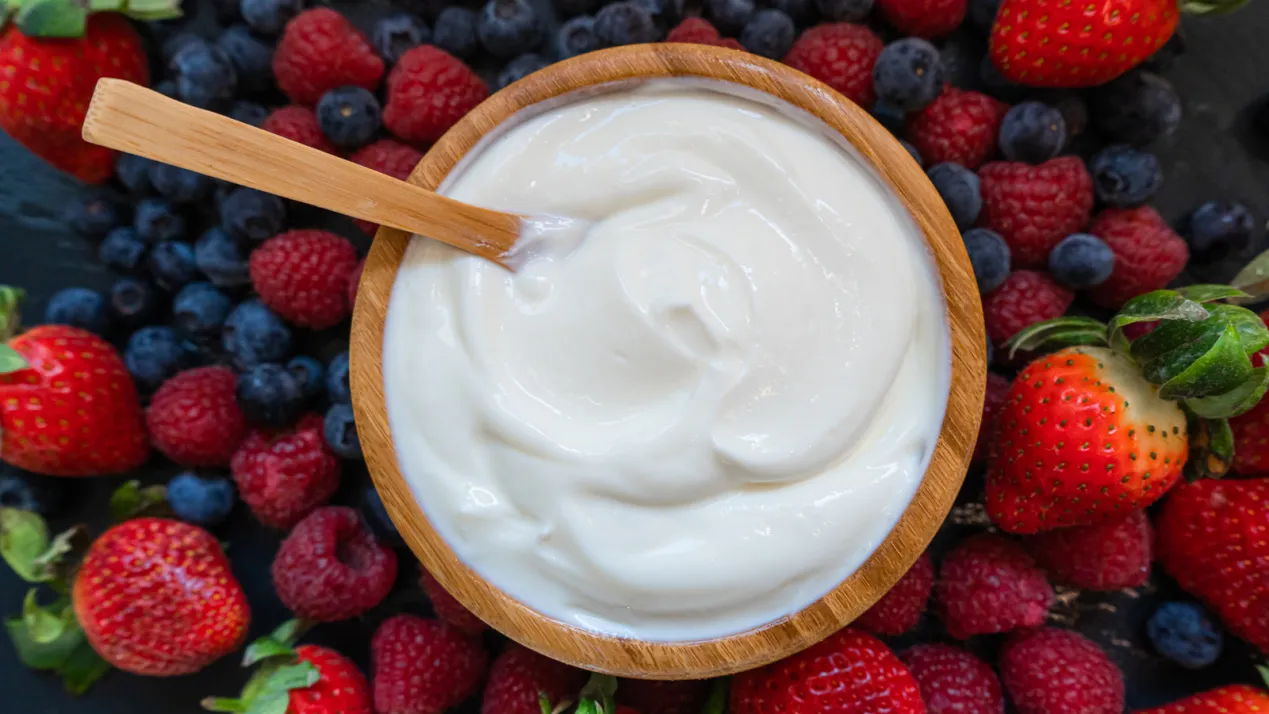
Gelatin gelation requires sufficient cooling and maturation time, typically several hours to overnight under refrigerated conditions, for the gel network to fully develop. Synergistic or antagonistic effects may arise when gelatin is combined with certain pectins or starches, necessitating adjustment based on the specific formulation. Furthermore, gelatin is derived from animal collagen, and alternative solutions are required for vegan yogurt or halal-certified products.
The casein gel network formed during yogurt fermentation is structurally fragile and prone to rupture during transportation or refrigeration, leading to whey separation. Upon cooli

Aqueous solutions of welan gum exhibit typical pseudoplastic fluid characteristics, namely high apparent viscosity at low shear rates and a pronounced decrease in viscosity as the
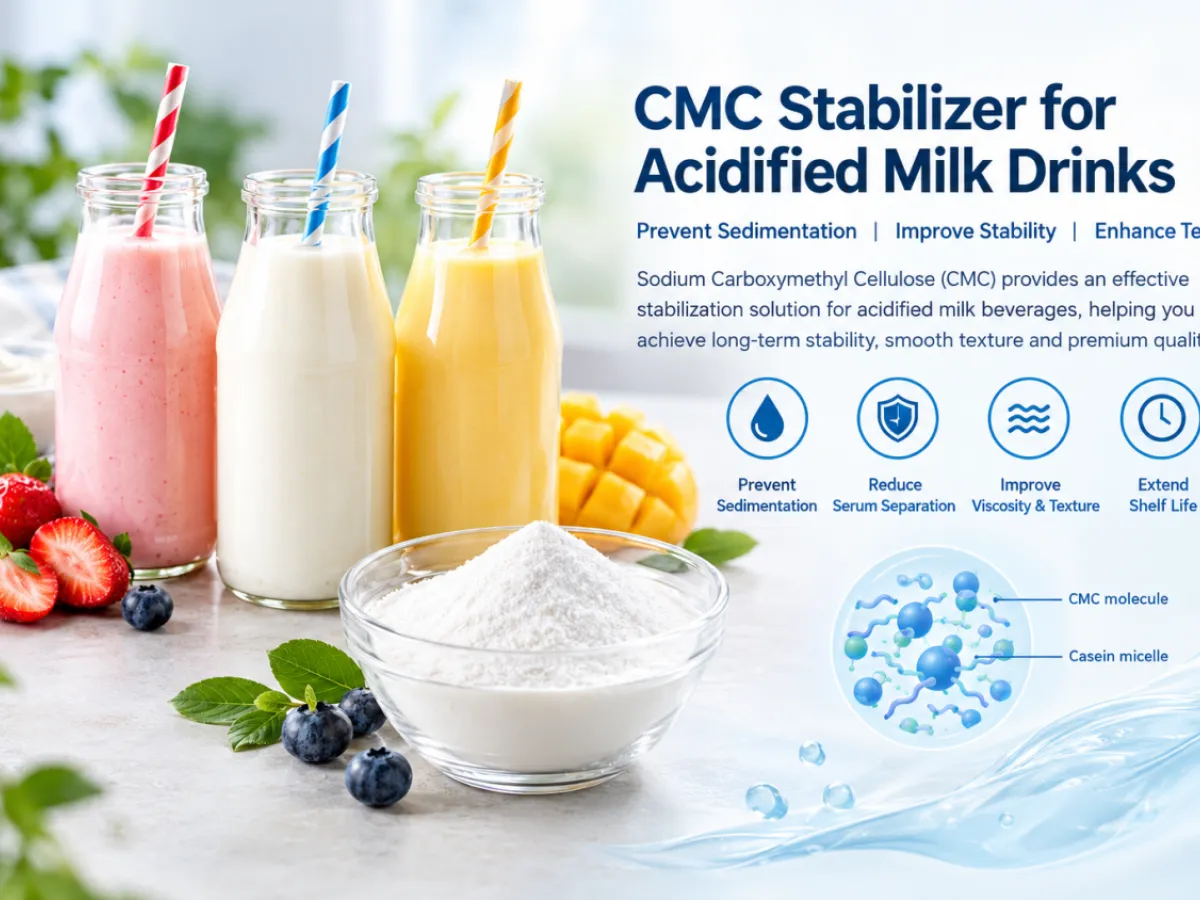
During storage, many acidified dairy beverages may experience problems such as protein aggregation, sedimentation, serum separation and viscosity loss, resulting in poor appearance
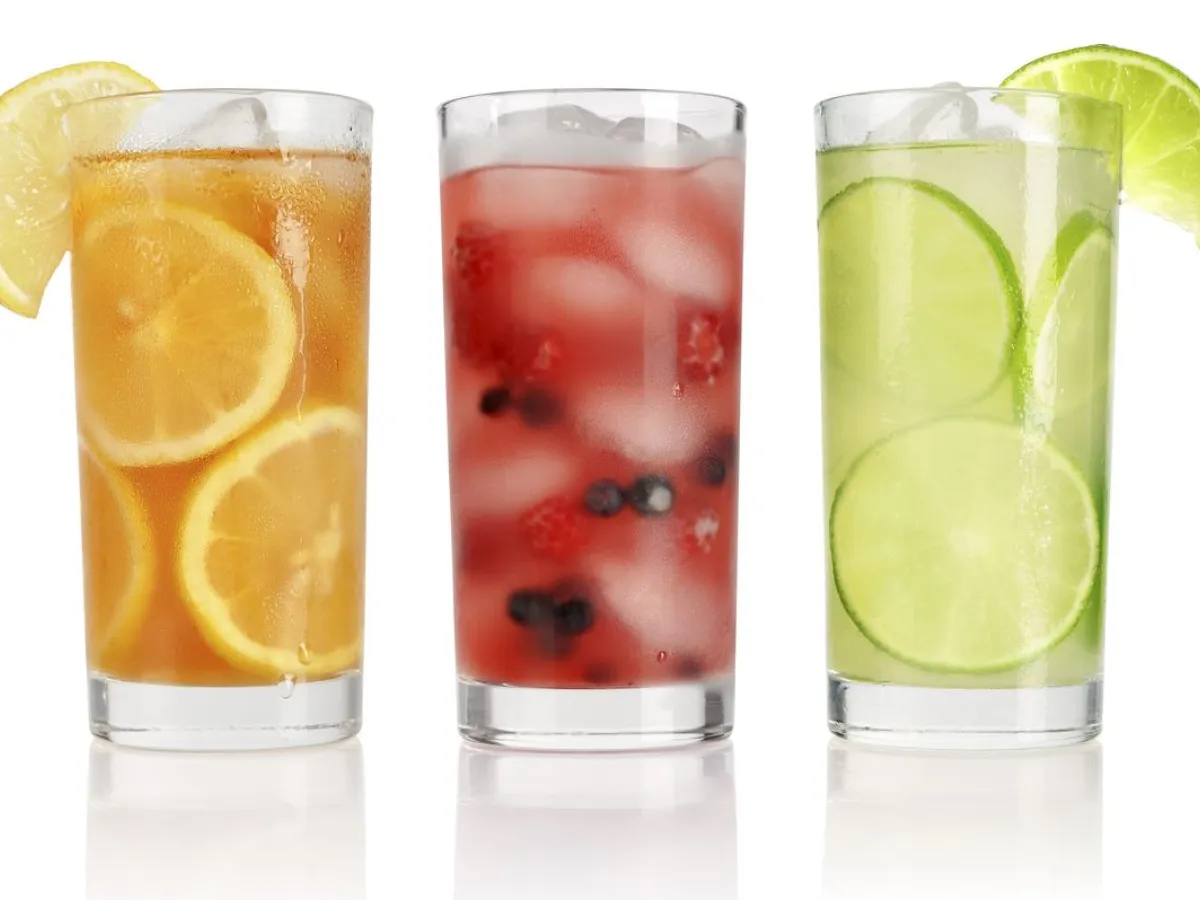
Sodium alginate is primarily derived from brown algae and exhibits excellent thickening, stabilizing, film-forming, and gelling properties.

From an application perspective, collagen powder has good compatibility. It can be compounded with vitamins, hyaluronic acid, elastin, probiotics, dietary fiber, and many other ing
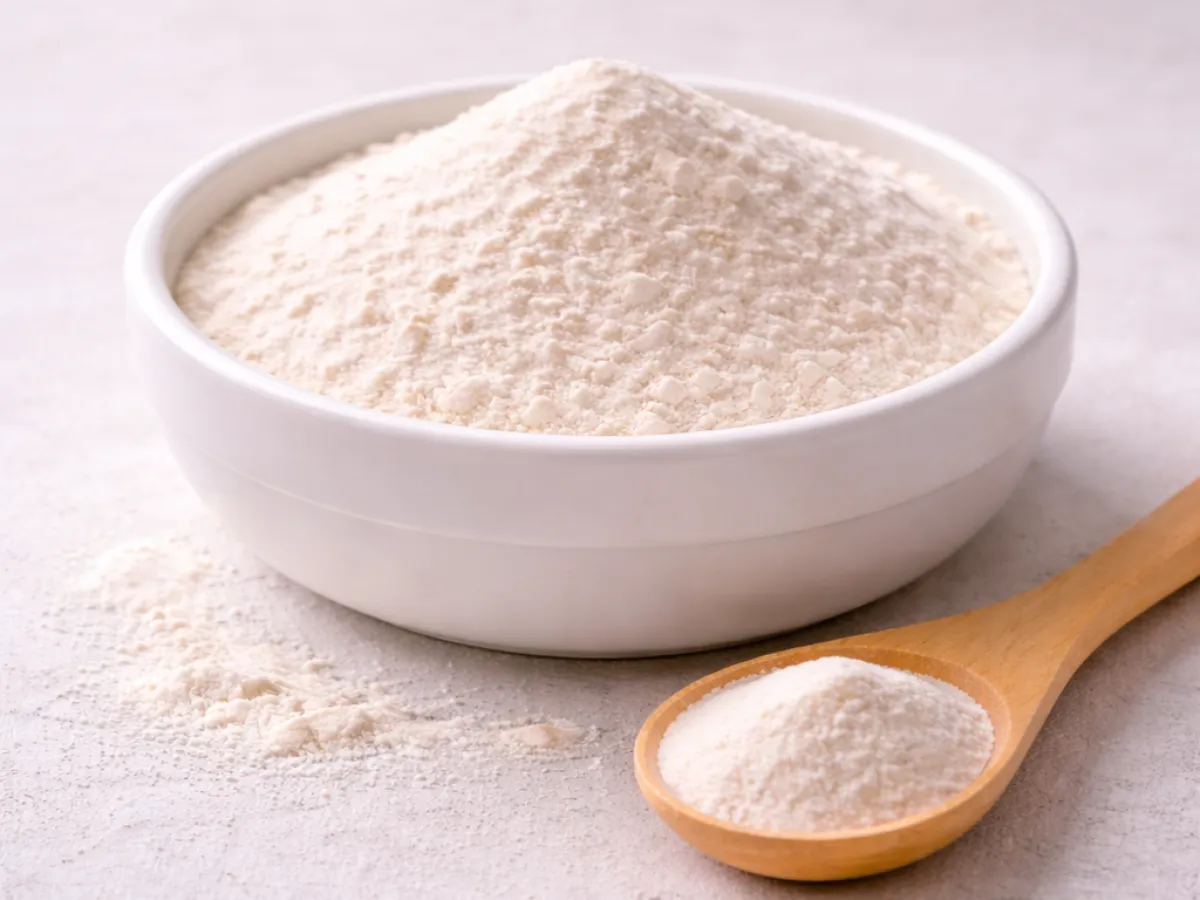
Modified starch relies on heat-induced gelatinization to form a viscous system; it establishes stable viscosity only after sufficient heating and provides no thickening effect in c

Single hydrocolloids always have limitations: xanthan gum alone provides insufficient oil dispersion and tends to release oil; agarose alone lacks suspension power and tends to sep
Dust pollution generated during coal mining, transportation, stockpiling, and handling poses severe health risks to workers, contaminates the environment, and creates safety hazard
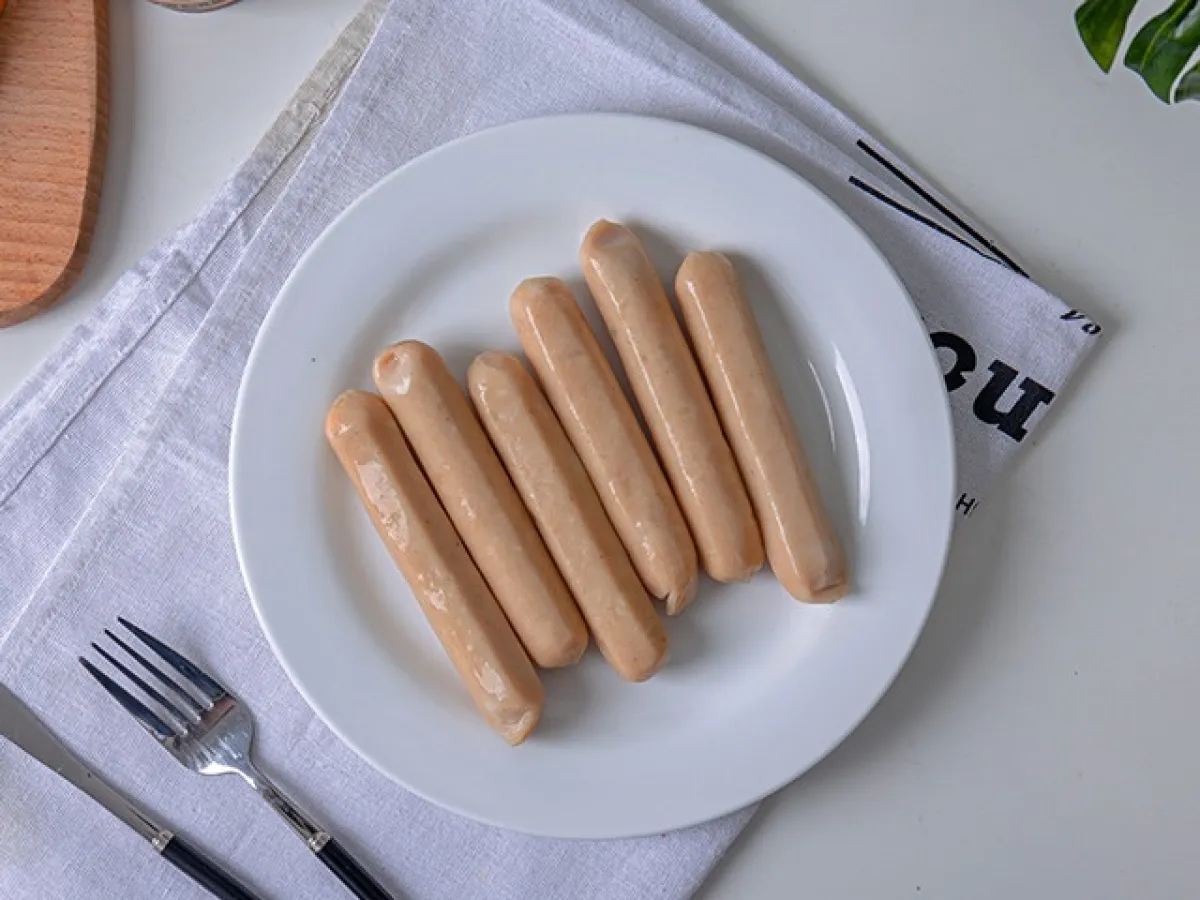
This knowledge article explains the fundamental differences between edible and non-edible collagen casings across material composition, manufacturing, applications, handling, and p
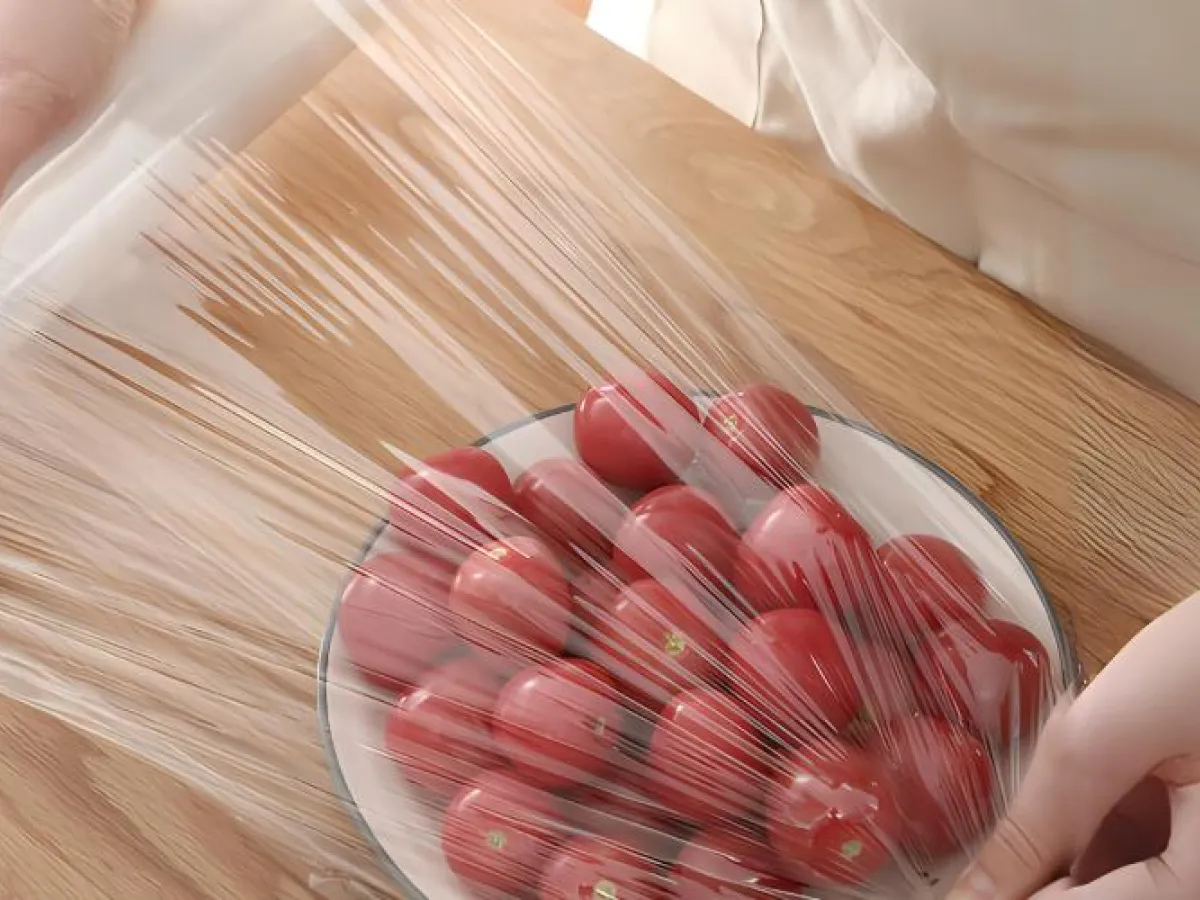
Pullulan is emerging as one of the most promising solutions. This microbial exopolysaccharide, produced through fermentation by the fungus Aureobasidium pullulans, offers a unique