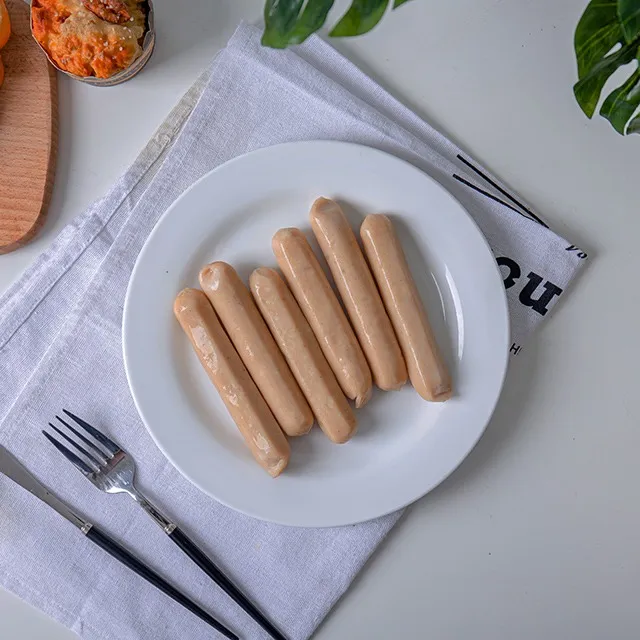
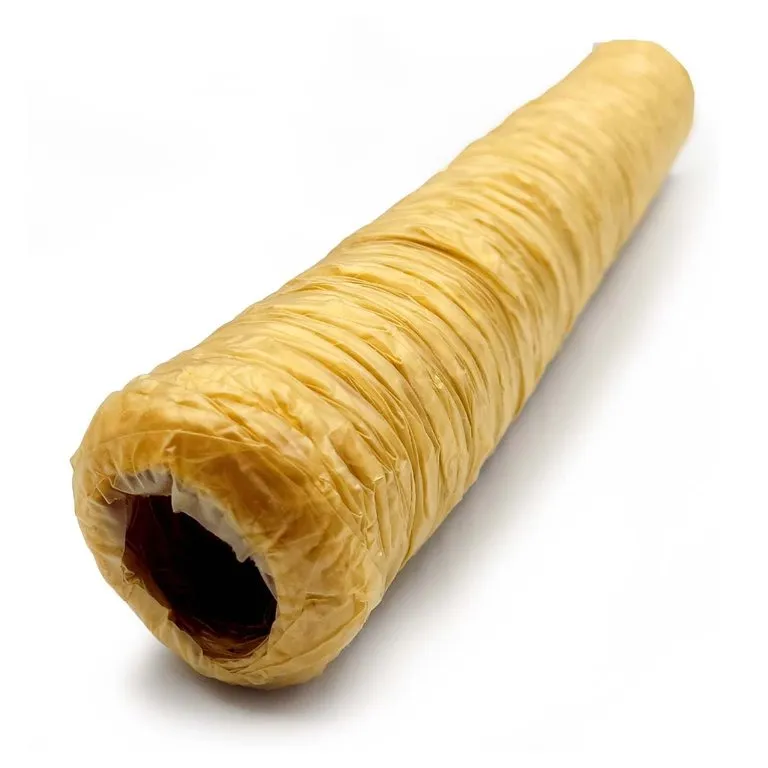
When selecting a sausage casing, one of the first questions a supplier must answer is whether the casing should be edible or non-edible. The answer depends on the product being made, the processing method, and the desired consumer experience. Collagen casings are unique in that they are available in both edible and non-edible formats—unlike natural casings, which are always edible, or cellulose and plastic casings, which are always non-edible.
This knowledge article explains the fundamental differences between edible and non-edible collagen casings across material composition, manufacturing, applications, handling, and performance.
A Common Misconception: “Collagen Casing” vs. “Collagen Casing That Is Non-Edible”
Before comparing the two, it is important to clarify a common point of confusion. Collagen casings—whether edible or non-edible—are made from the same base material: collagen protein derived from beef hide (typically bovine corium).
The distinction is not about the raw material but about formulation and intended end use.
A second common misconception is that "non-edible collagen casing" is the same as "cellulose casing." This is incorrect. Cellulose casings are made from plant fiber (viscose from wood pulp or cotton) and are a separate product category entirely. Non-edible collagen casings are still collagen-based—they simply contain additives (such as higher levels of cellulose fiber) that make them unsuitable for consumption and optimize them for strength and peelability.
Material and Formulation Differences
Both edible and non-edible collagen casings start with reconstituted collagen, but their formulations differ significantly:
Edible collagen casing is formulated to be consumed. It contains collagen (typically ≥40% on a wet basis), moisture (≤25%), cellulose (≤12%), glycerol (approximately 5.5%), and small amounts of vegetable oil and ash. The cellulose content is kept relatively low—just enough to provide structural integrity without compromising edibility. These casings may also undergo cross-linking treatments (physical or chemical) to improve thermal stability and mechanical strength while remaining safe for consumption.
Non-edible collagen casing incorporates a larger quantity of cellulose for added strength and size control. It is engineered for much higher mechanical strength, allowing it to withstand aggressive processing conditions such as automated stuffing, clipping, and long curing cycles. Non-edible casings are also typically treated with salts (such as sodium chloride and organic acid salts) to stabilize them for extended shelf life and to facilitate peeling after processing.
Key Differences at a Glance
|
Factor |
Edible Collagen Casing |
Non-Edible Collagen Casing |
|
Consumed? |
Yes—intended to be eaten with the sausage |
No—removed (peeled) before eating |
|
Typical calibers |
13–32 mm (small to medium diameter) |
34–140 mm (larger diameter) |
|
Common applications |
Breakfast links, hot dogs, smoked sausages, snack sticks |
Bologna, salami, summer sausage, ring products, dry-cured sausages |
|
Preparation before stuffing |
No soaking—use straight from package |
Soak in brine (10–15% salt solution) for 30 minutes to 24 hours |
|
Cellulose content |
Lower (≤12%) |
Higher (for added strength) |
|
Meat adhesion |
Good—casing clings to filling during cooking |
Excellent for dry-cured products; contributes to flavor profile |
|
Peelability |
Not designed to be peeled |
Engineered for clean peel after processing |
|
Smoke permeability |
Moderate |
High—designed for smokehouse and drying applications |
|
Strength |
Engineered for tenderness and bite |
Engineered for maximum strength and durability |
Application Differences
Edible Collagen Casings
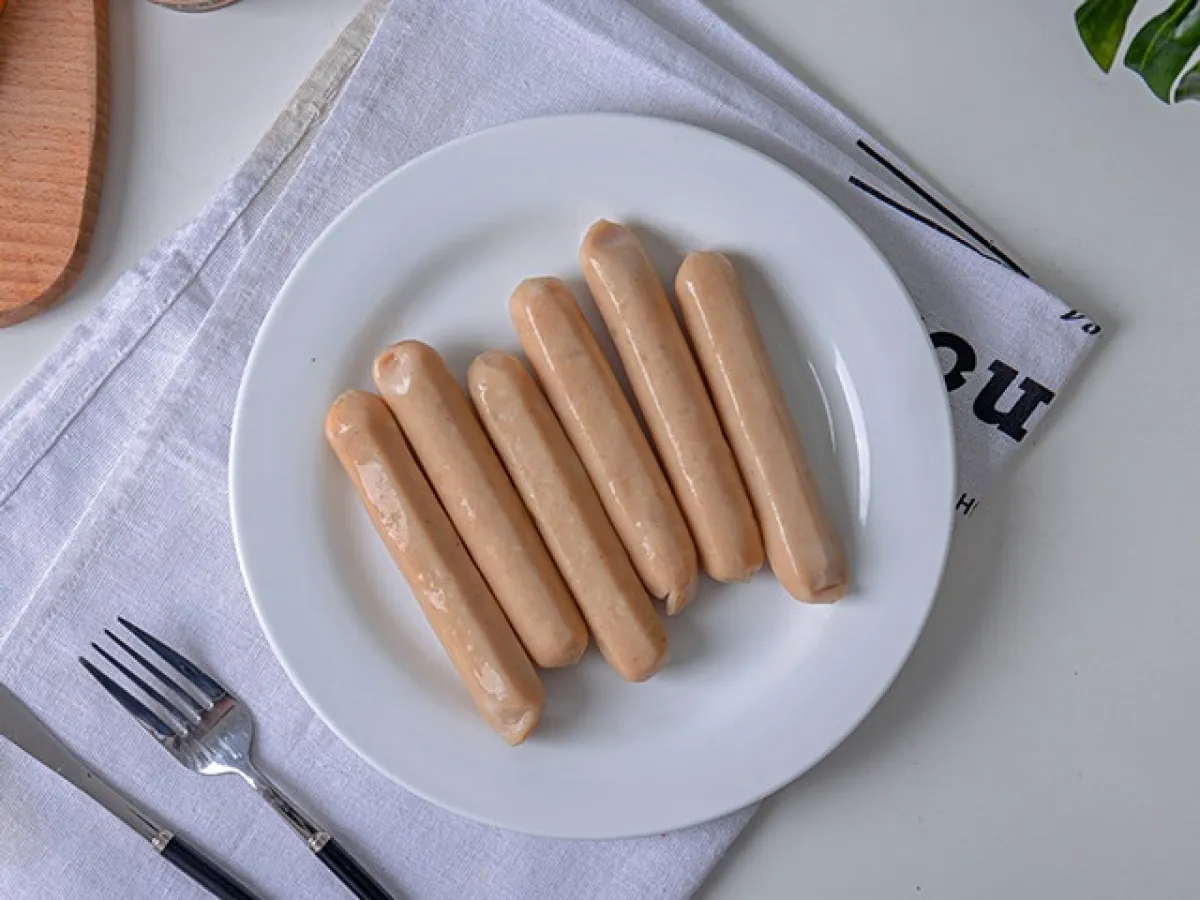
Edible collagen casings are designed for products where the casing is eaten along with the meat. They are most commonly used for:
Fresh sausages – Breakfast links, bratwurst, Italian sausage
Cooked sausages – Hot dogs, frankfurters, wieners
Smoked sausages – Mettwurst, smoked links
Snack sticks – Small-diameter, shelf-stable snacks
Edible casings come in three sub-types: Fresh (most tender, for thick brats and skillet cooking), Smoked/Processed (made stronger to hang in a smoker), and Snack Stick (reinforced for hanging and drying). They offer high transparency for appealing presentation, excellent frying performance, and a tender bite.
Non-Edible Collagen Casings
Non-edible collagen casings are used for products where the casing is removed before consumption. They are the standard choice for:
Large-diameter cooked sausages – Bologna, liverwurst
Dry and semi-dry sausages – Salami, pepperoni, summer sausage
Ring products – Ring bologna, ring salami
Artisanal dry-cured products – Coppa, bresaola
Non-edible collagen casings deliver smoke permeability, even drying, and meat adhesion—properties essential for dry-sausage production. They also contribute to the flavor profile of the sausage while maintaining the traditional “Old World” appearance that consumers associate with artisanal products.
Handling and Processing Differences
The handling procedures for the two casing types are fundamentally different, and confusing them can lead to production failures.
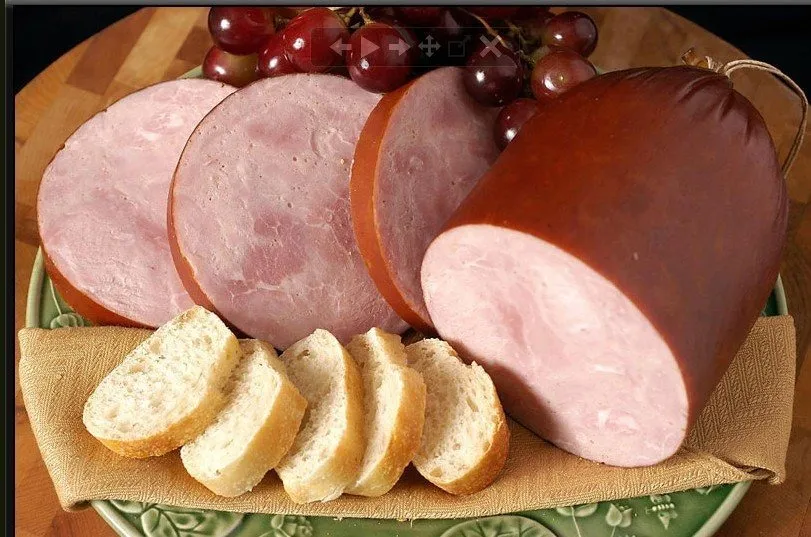
Collagen Casings: Do Not Soak
Edible collagen casings are supplied pre-soaked and ready to use. They should be stuffed dry, straight from the package, with no soaking required. Soaking edible casings in water will cause them to fall apart or lose structural integrity. Casings should be stored in a dry area at 5–15°C (40–60°F), and any unused casings should be sealed tightly in a plastic bag to prevent drying out
Non-Edible Collagen Casings: Must Be Soaked
Non-edible collagen casings require soaking before stuffing. They should be soaked in a 10–15% brine solution for a minimum of 30 minutes, but no more than 24 hours. The brine temperature should be 22–25°C (72–77°F).
An important consideration: increased salt concentration and longer soak times increase casing strength but can reduce casing adhesion to meat during curing. This trade-off should be managed based on the specific product being made. Non-edible casings should also be stored at 5–15°C, protected from direct sunlight and heat.
When to Choose Which?
|
Your Product |
Recommended Casing |
Why |
|
Breakfast links, fresh bratwurst |
Edible |
Eaten with the sausage; tender bite required |
|
Hot dogs, frankfurters |
Edible |
Consumed whole; no peeling desired |
|
Snack sticks |
Edible |
Small diameter; eaten directly |
|
Smoked links |
Edible |
Eaten with casing; smoke permeability needed |
|
Bologna, liverwurst |
Non-Edible |
Large diameter; casing peeled before slicing |
|
Salami, pepperoni |
Non-Edible |
Dry-cured; casing must be removed; high strength needed |
|
Summer sausage |
Non-Edible |
Peeled before serving; needs durability |
|
Ring products |
Non-Edible |
Specialty shape; casing removed |
Summary
The difference between edible and non-edible collagen casing comes down to three fundamental factors:
1. End use – Edible casings are eaten with the product; non-edible casings are peeled away.
2. Formulation – Edible casings prioritize tenderness and edibility; non-edible casings prioritize strength, size control, and peelability through higher cellulose content and salt treatment.
3. Handling – Edible casings are used dry, straight from the package; non-edible casings require brine soaking before stuffing.
Understanding these differences ensures that producers select the right casing for their product, avoid costly processing errors, and deliver the eating experience their customers expect.
This knowledge article explains the fundamental differences between edible and non-edible collagen casings across material composition, manufacturing, applications, handling, and p
Pullulan is emerging as one of the most promising solutions. This microbial exopolysaccharide, produced through fermentation by the fungus Aureobasidium pullulans, offers a unique
In the international food and dietary supplement industries, sodium alginate and carrageenan are two widely used seaweed-derived hydrocolloids. Despite their shared origin, the und

In oil and gas drilling operations, the prosperity of a drilling process heavily depends on the rheological properties and filtration behavior of drilling fluids . Uncontrolled flu
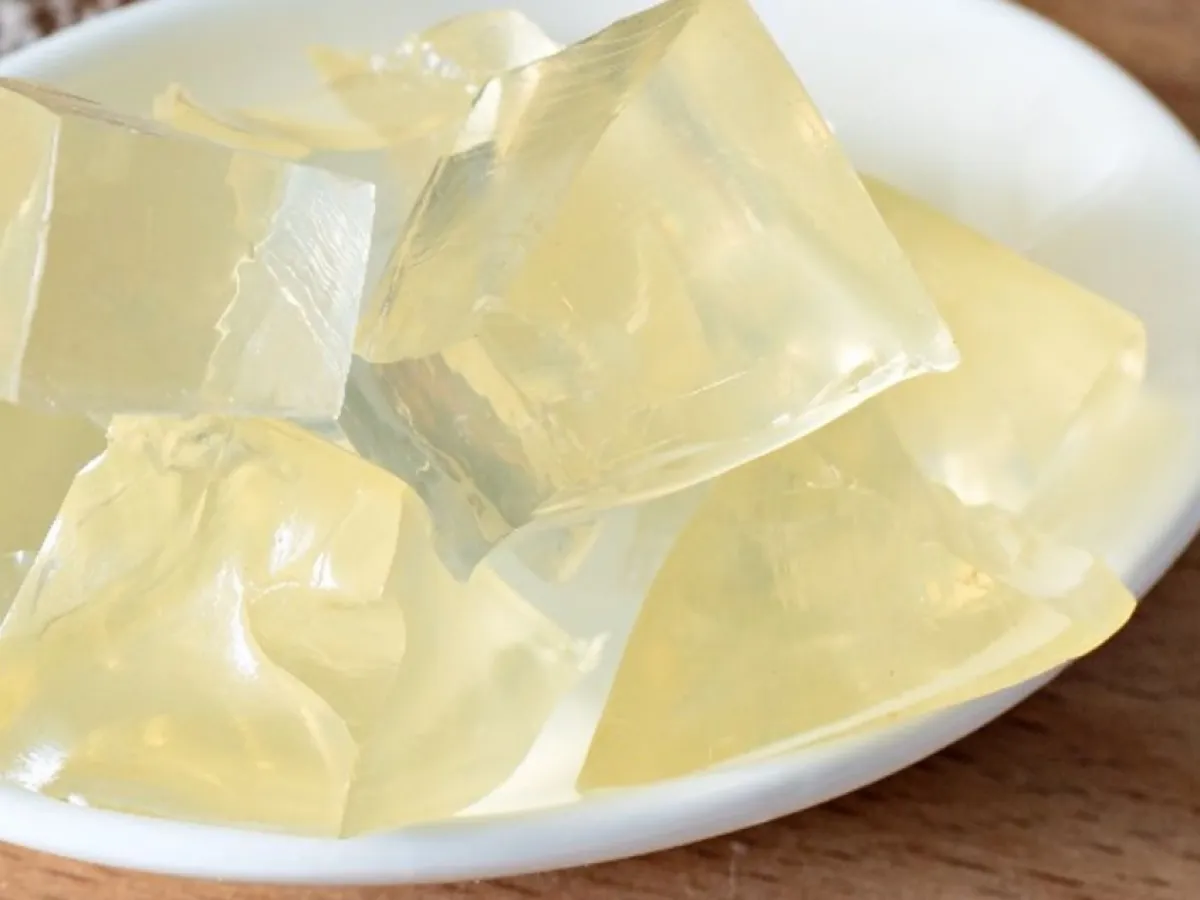
The first step in making gelatin gummies is to allow the gelatin to fully hydrate. Gelatin does not dissolve in cold water, but it can absorb water and swell in cold water. This pr
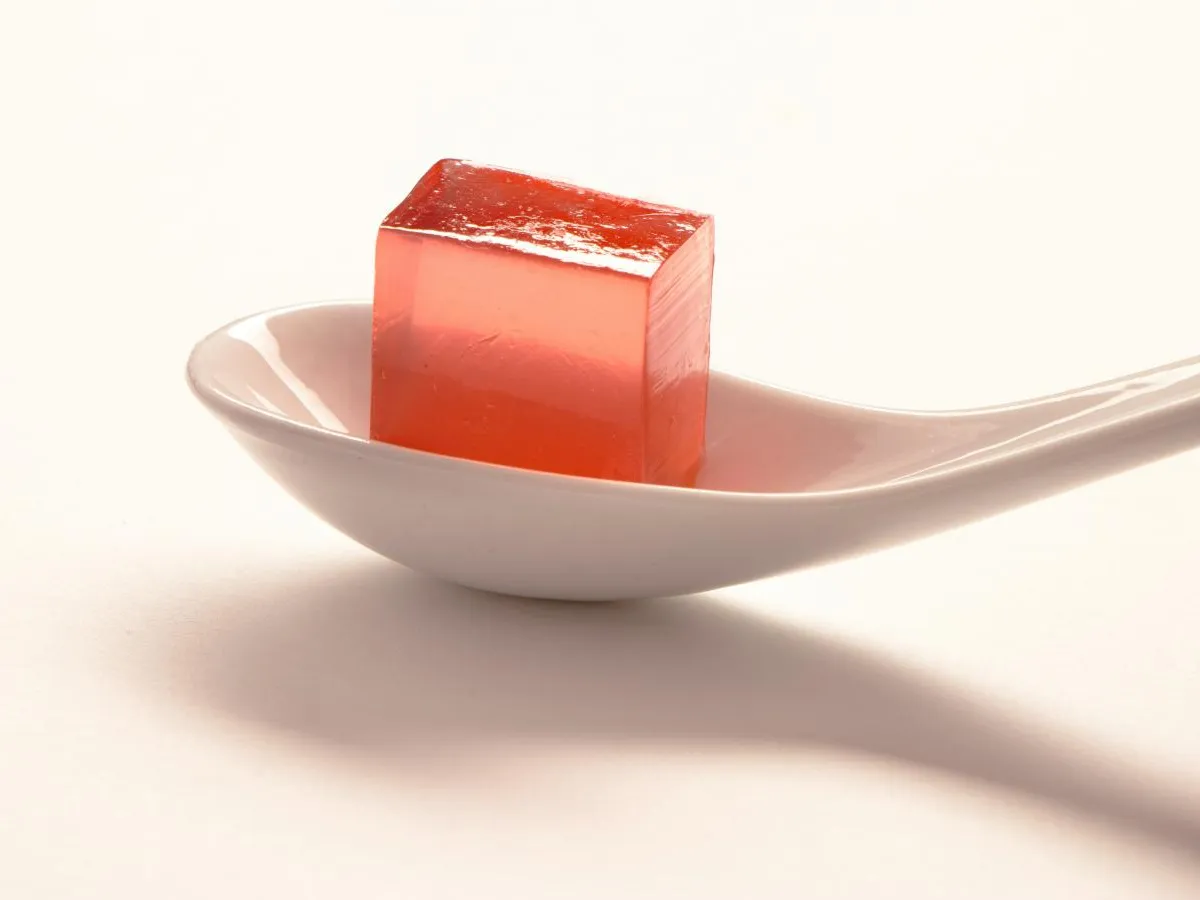
The key difference? Gelatin is a protein from animal collagen; agar is a carbohydrate from red algae.This fundamental distinction drives every other difference between them — and d

In the papermaking industry, modified starch is one of the core additives. Oxidized starch, cationic starch, and esterified starch are mainly used for surface sizing, internal sizi
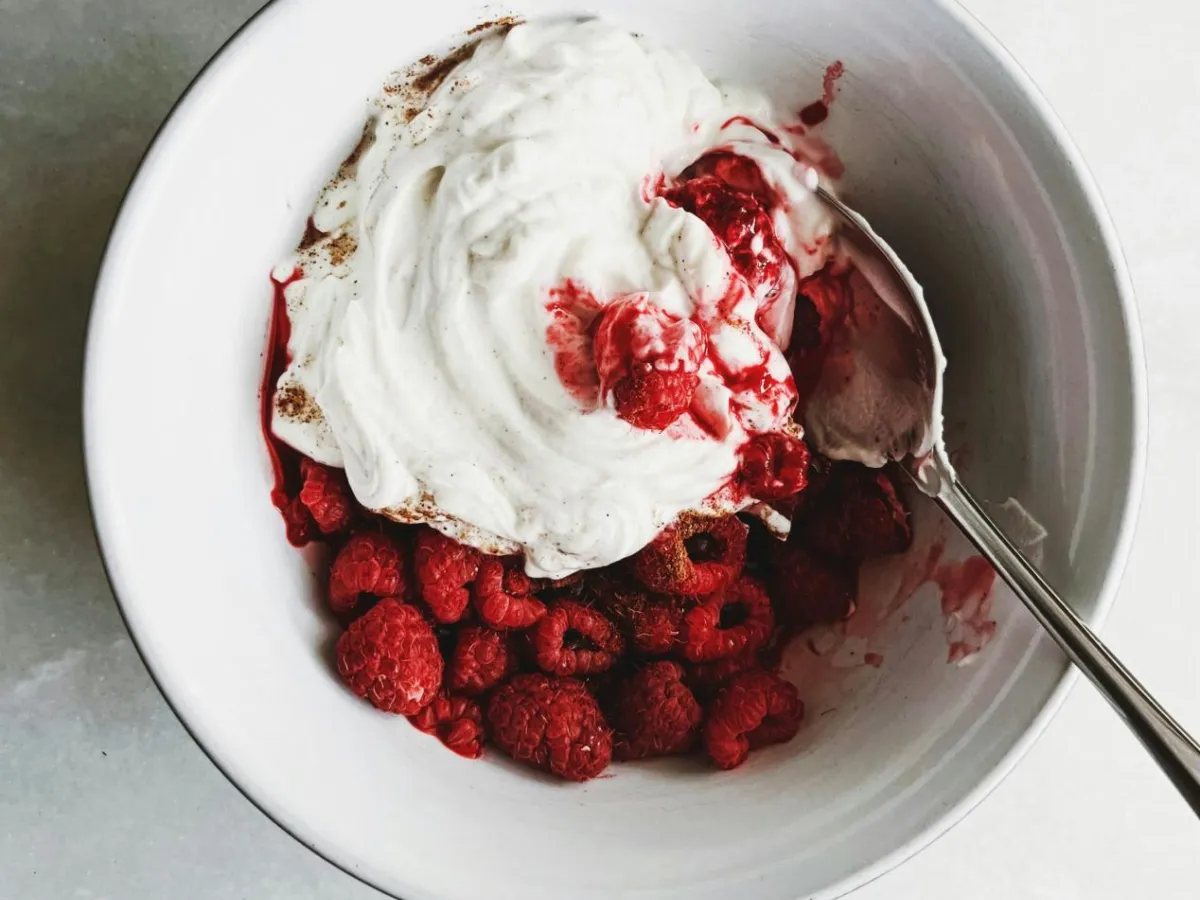
The adoption of pectin in yogurt is not just anecdotal. According to market data, more than half of all new spoonable yogurt launches now contain pectin. This widespread acceptance
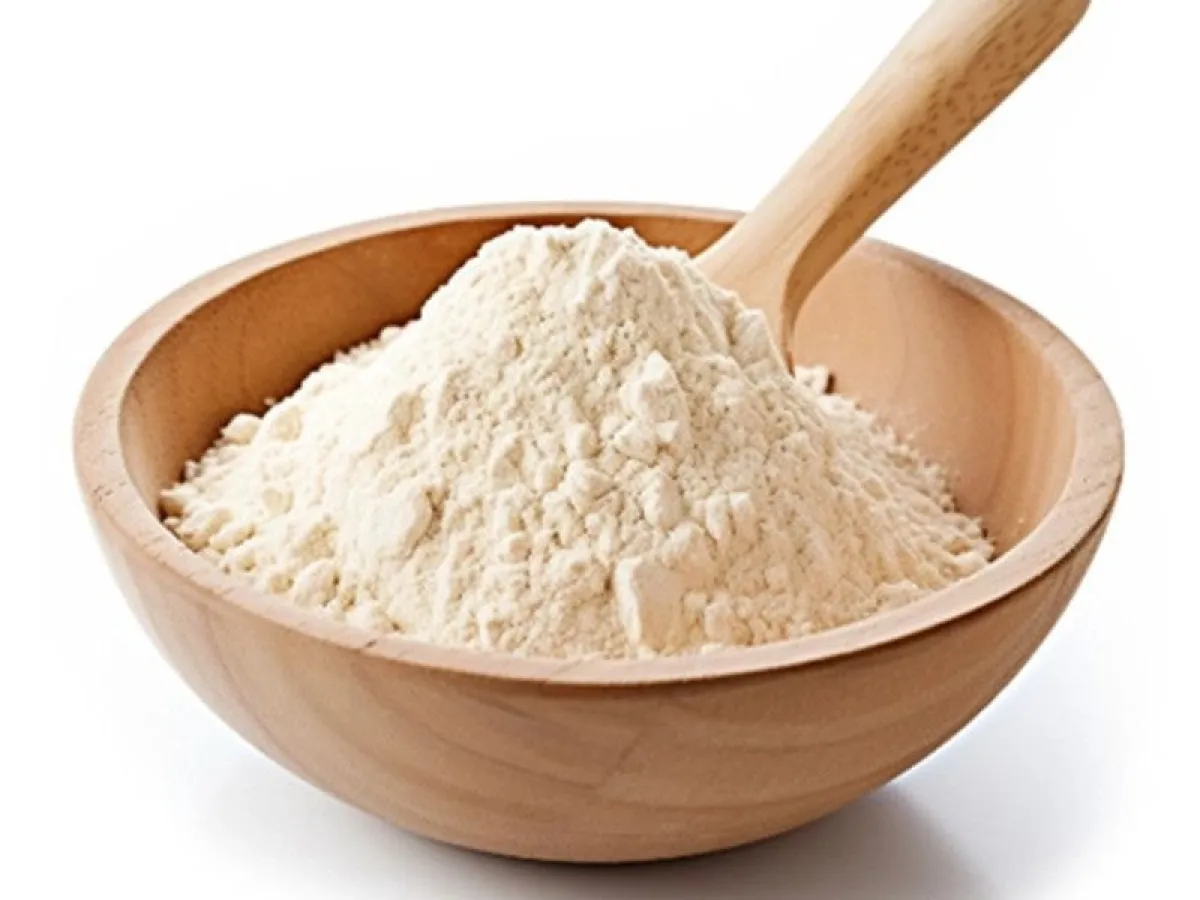
High concentrations of protein ingredients inherently carry a heavy, powdery mouthfeel and astringent notes. The key application detail of gelatin lies in its thermally reversible
Today, vegan gummies are one of the fastest-growing segments in confectionery. And at the center of this shift stands pectin – a plant-derived hydrocolloid that is proving to be mo