For ice cream manufacturers, challenges such as a coarse texture, the formation of noticeable ice crystals during frozen storage, inconsistent overrun (air incorporation), structural collapse, and poor resistance to melting are recurring issues encountered during formulation, storage, and transportation. In particular, temperature fluctuations—stemming from long-distance cross-border shipping or the frequent opening and closing of freezer cabinets in retail stores—can progressively degrade the ice cream’s internal structure, severely compromising the consumer experience. Nourisi food-grade sodium alginate (E401), derived from natural brown algae, serves as a highly stable hydrocolloid stabilizer for frozen dessert formulations. It is exceptionally well-suited for the development of a wide range of products, including hard-serve ice cream, soft-serve ice cream, popsicles, and various types of molded or filled ice cream novelties.
In ice cream mixes, sodium alginate is typically used at a dosage of 0.1%–0.3%. Once hydrated, it forms a network structure that binds free water, inhibiting the growth of ice crystals during repeated freeze-thaw cycles, storage, and transport. This addresses the root cause of coarse, icy particles, ensuring a dense, smooth, and creamy texture. During the freezing stage, it facilitates the uniform distribution of air bubbles and stabilizes the overrun, resulting in a product that is light and airy rather than dense. It also enhances structural integrity, preventing collapse or deformation during the filling and shaping of soft-serve, ice pops, and novelty ice cream products.
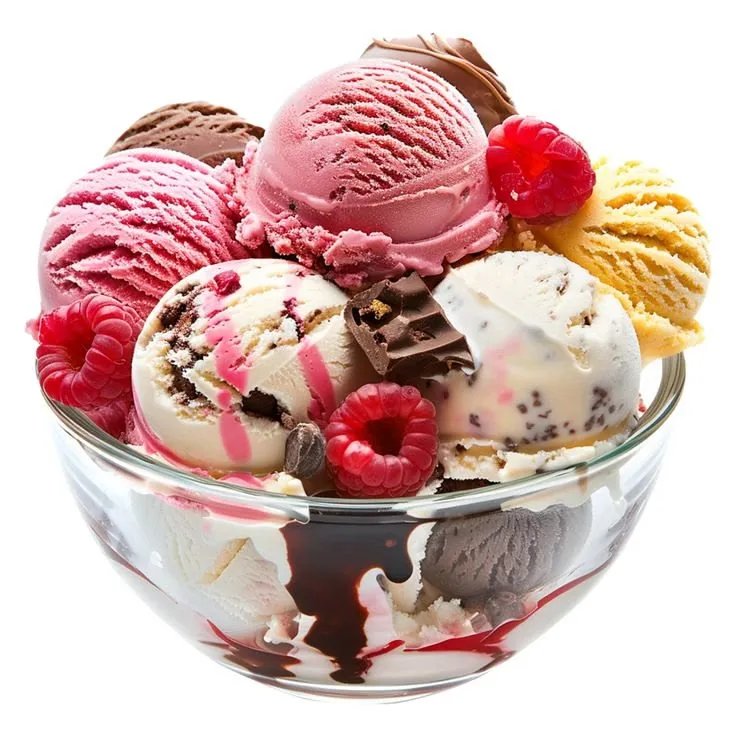
Sodium alginate offers excellent resistance to melting: it slows down the melting process, and the melted product retains a viscous, cohesive consistency rather than turning rapidly into a thin, watery liquid—making it highly suitable for frozen products sold in supermarkets, food service, and retail distribution channels. In industry practice, it is often combined with guar gum or xanthan gum to achieve a synergistic effect. When using it, one should be mindful of the calcium ion content in the water and carefully control the order of addition and dissolution to prevent premature gelation or clumping.
In industrial practice, sodium alginate is rarely used alone; it is typically combined with other hydrocolloids—such as guar gum or xanthan gum—to leverage synergistic effects that enhance water retention, foam stabilization, and melt resistance. A critical consideration in formulation is that sodium alginate is sensitive to calcium ions. If the process water has high hardness or if the formulation includes calcium-containing ingredients, the alginate may gel prematurely or form clumps, hindering proper dispersion. To avoid such issues and ensure the hydrocolloids perform optimally, it is recommended to first pre-disperse the dry powder, allow for thorough hydration at a low mixing speed, and only then incorporate the remaining ingredients.
Regarding market trends, there is a growing global consumer demand for "clean label" products and ingredients derived from natural sources. As a natural polysaccharide sourced from brown algae, sodium alginate is "label-friendly." It aligns well with the positioning of premium frozen desserts, organic product lines, and health-oriented ice cream, posing no challenges to product marketing from an ingredient-labeling perspective.
Nourisi offers food-grade sodium alginate with viscosity specifications tailored for the cold beverage industry. Our product features consistent batch-to-batch viscosity and strictly controlled impurity levels, making it ideal for large-scale production. We provide free samples for testing, comprehensive technical documentation, guidance on formula optimization, and reliable cross-border bulk supply, with flexible minimum order quantity (MOQ) options.
If you would like to evaluate the performance of your formulation, please contact us directly to request samples, Technical Data Sheets (TDS), customized formulation solutions, and price quotes.
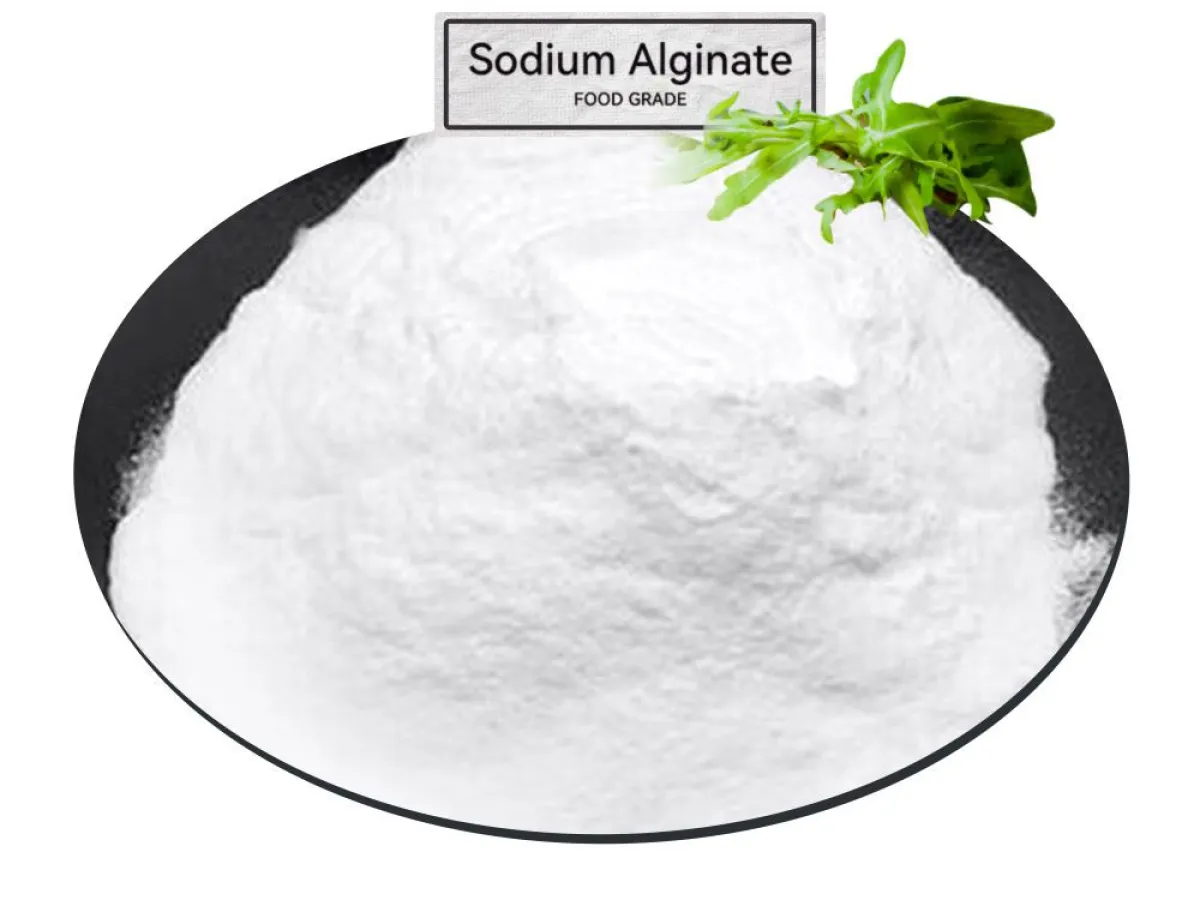
In ice cream mixes, sodium alginate is typically used at a dosage of 0.1%–0.3%. Once hydrated, it forms a network structure that binds free water, inhibiting the growth of ice crys
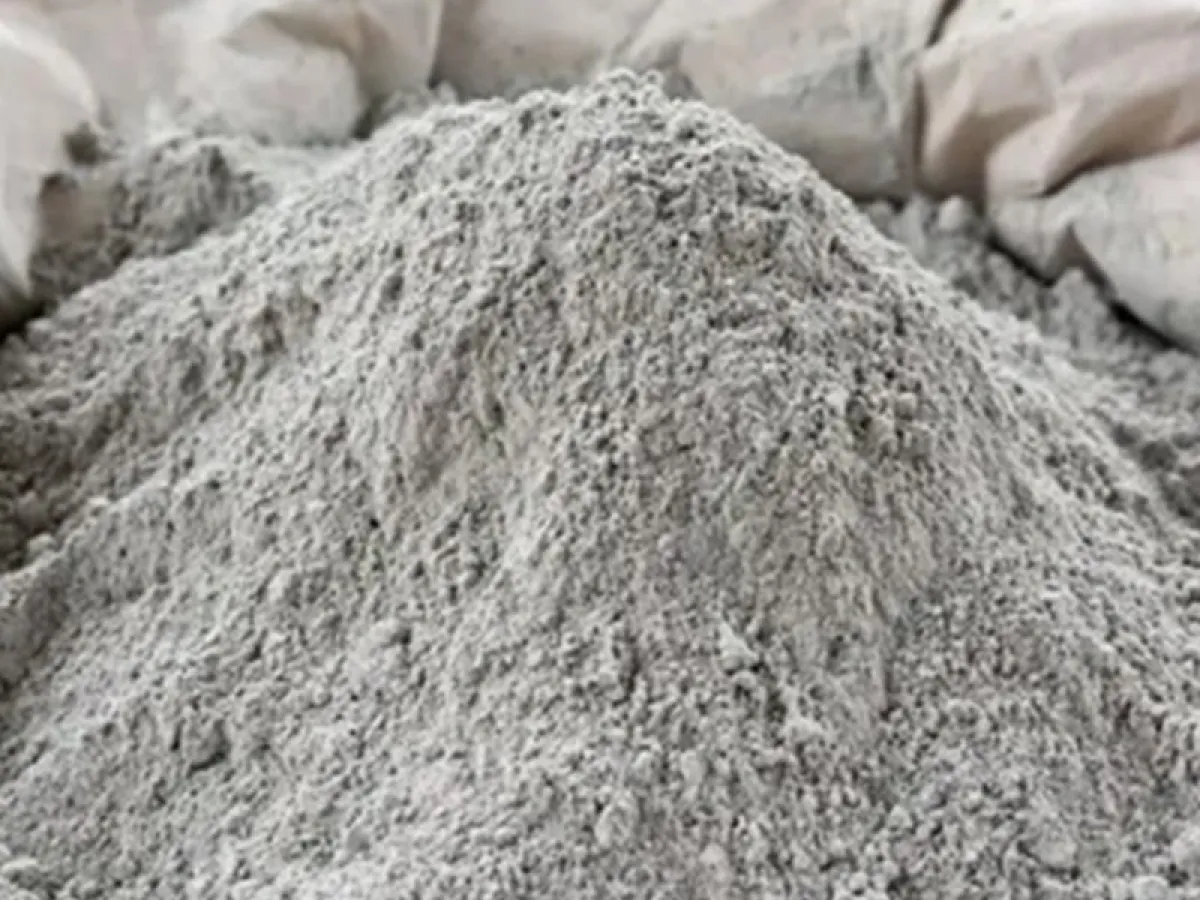
In practical application, the most intuitive value of welan gum lies in regulating the state of fresh concrete. In systems with high fluidity requirements such as self-compacting c
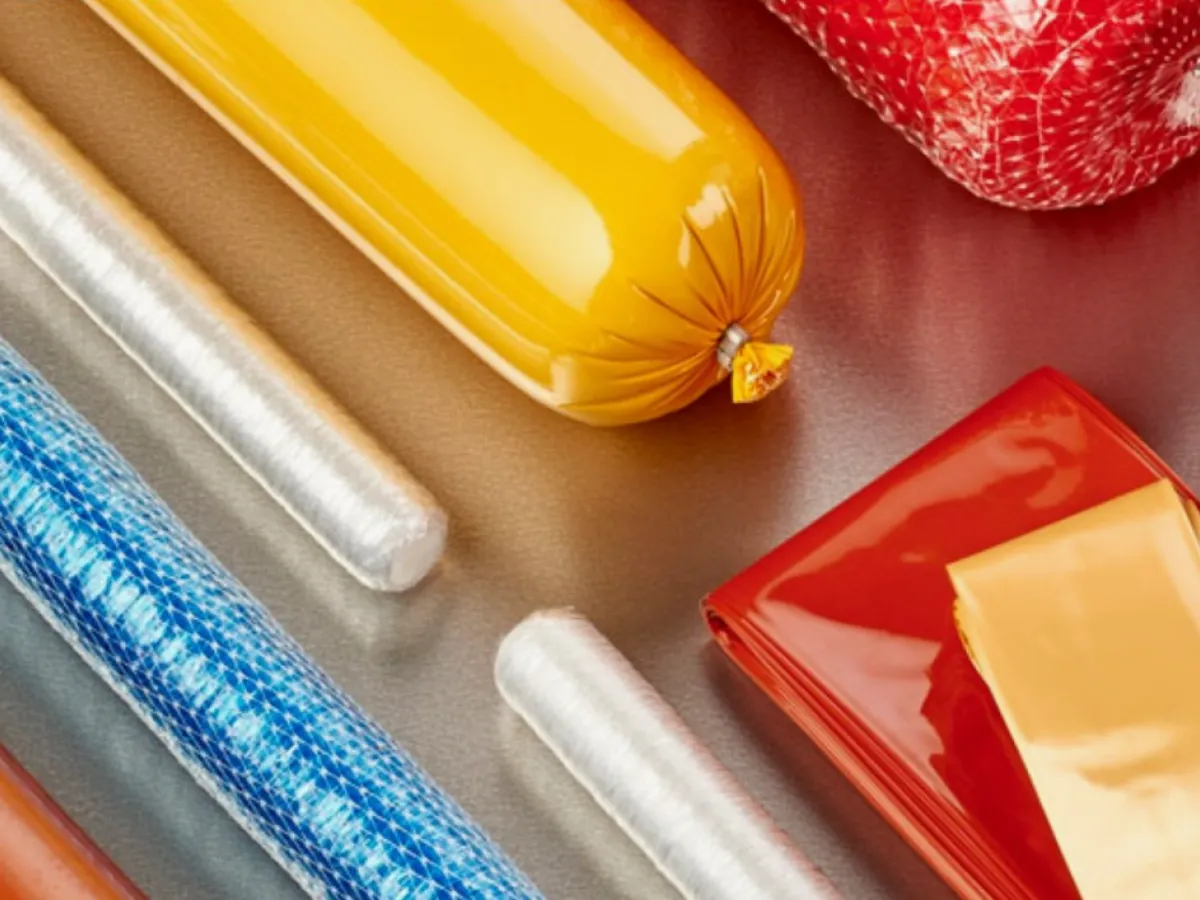
Collagen and plastic casings sit at opposite ends of the artificial casing spectrum. Collagen is protein-based, edible, and permeable to smoke and moisture. Plastic—most commonly p
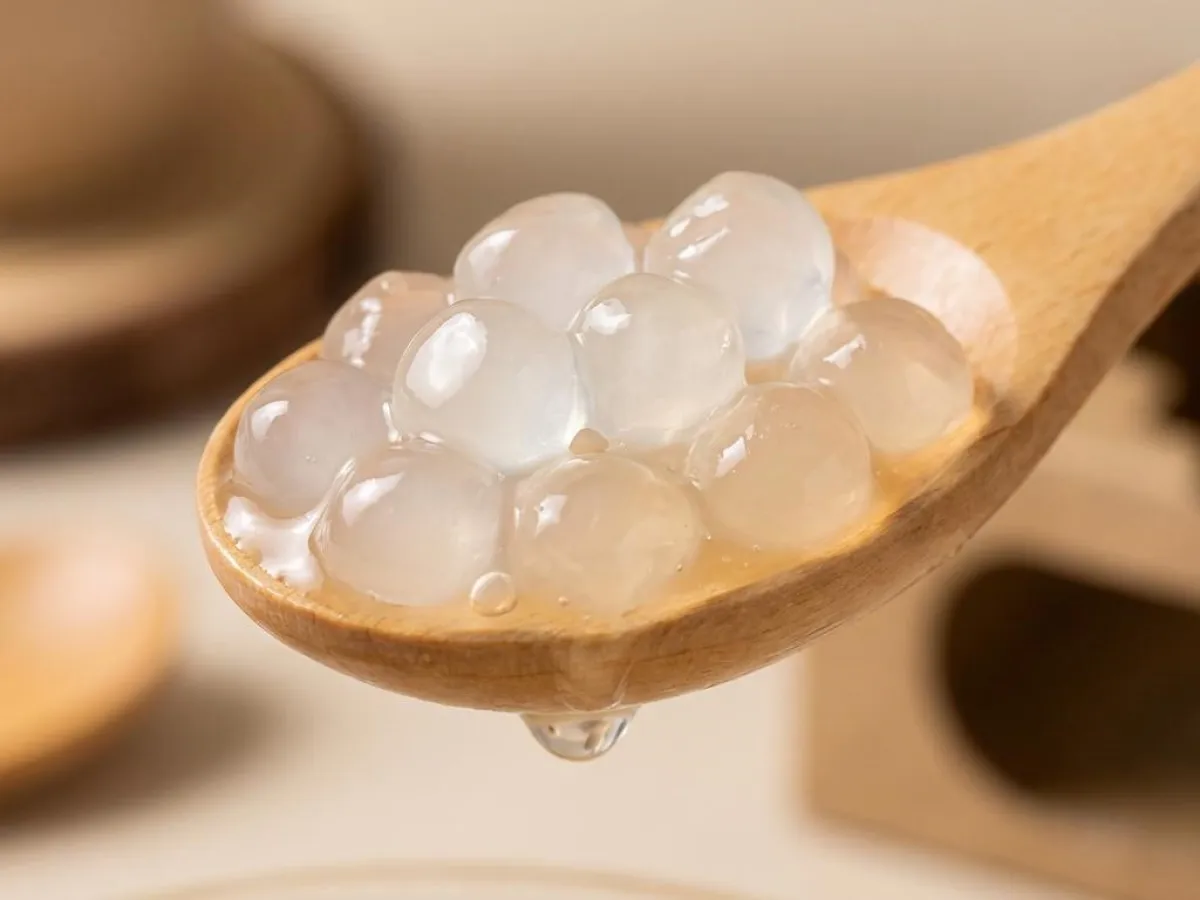
As plant-based beverages, fruit drinks, and innovative gel-based products continue to expand, popping boba manufacturers face growing demands for attractive appearance, consistent

The global artificial casings market was valued at $4.95 billion in 2024 and is projected to reach $8.6 billion by 2035, growing at a CAGR of 5.1%—outpacing the overall sausage cas
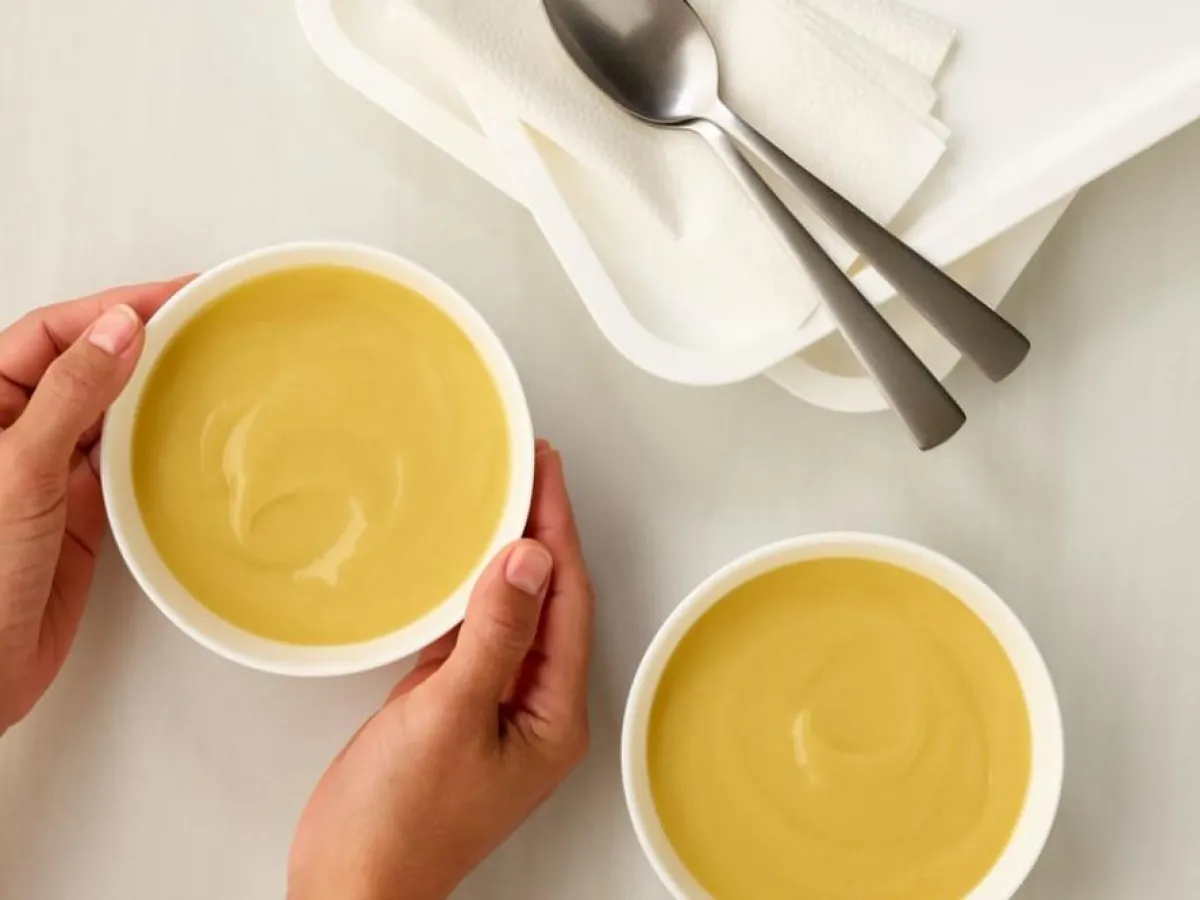
When developing thickened drinks and texturemodified foods, food manufacturers face more challenges than simply raising viscosity. Products must deliver uniform texture, acceptable
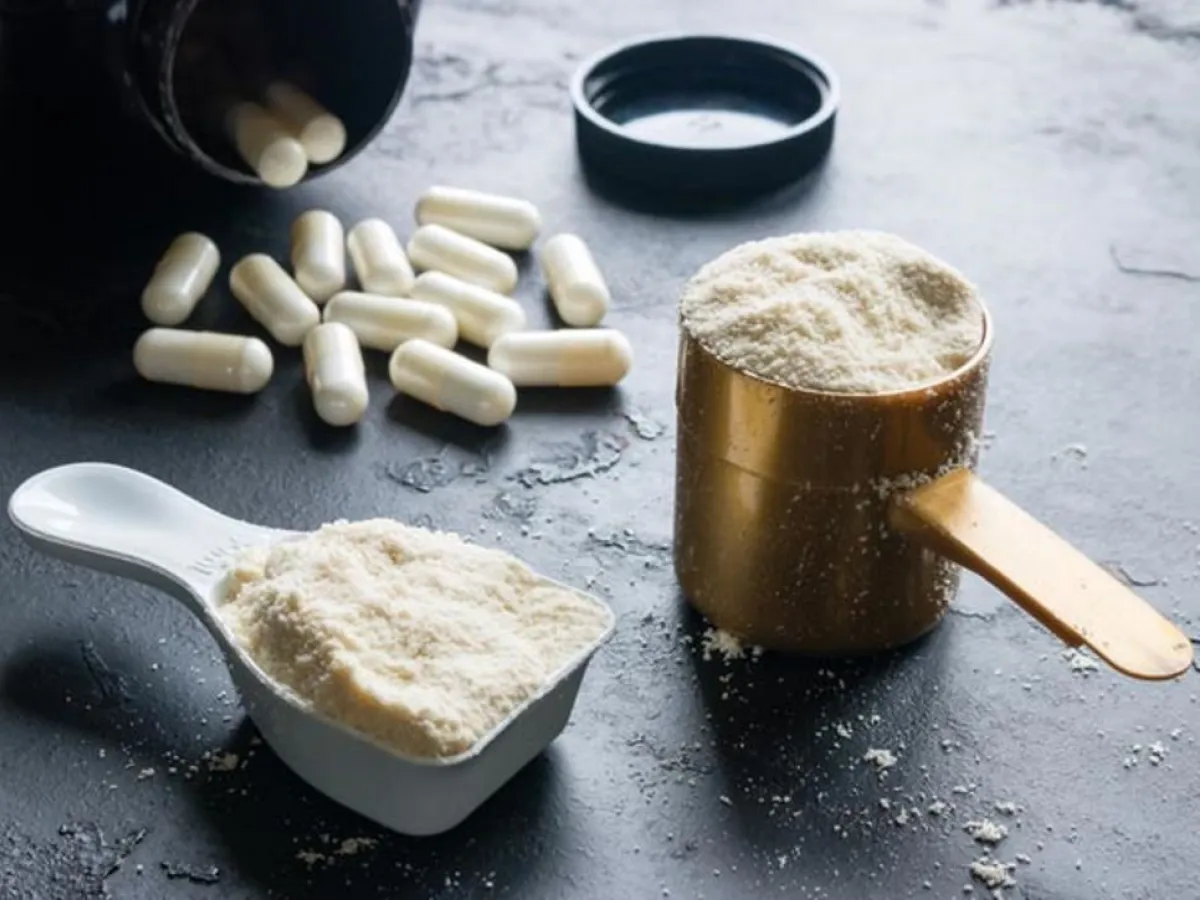
Upon contact with gastric acid, sodium alginate forms a gentle hydrogel that delays gastric emptying and prolongs the feeling of fullness. This helps stabilize post-prandial blood

Beauty beverages place demanding requirements on the solubility and sensory performance of raw materials. Nourisi® Tilapia Collagen Peptides have a viscosity of only 3–10 cP in a 1
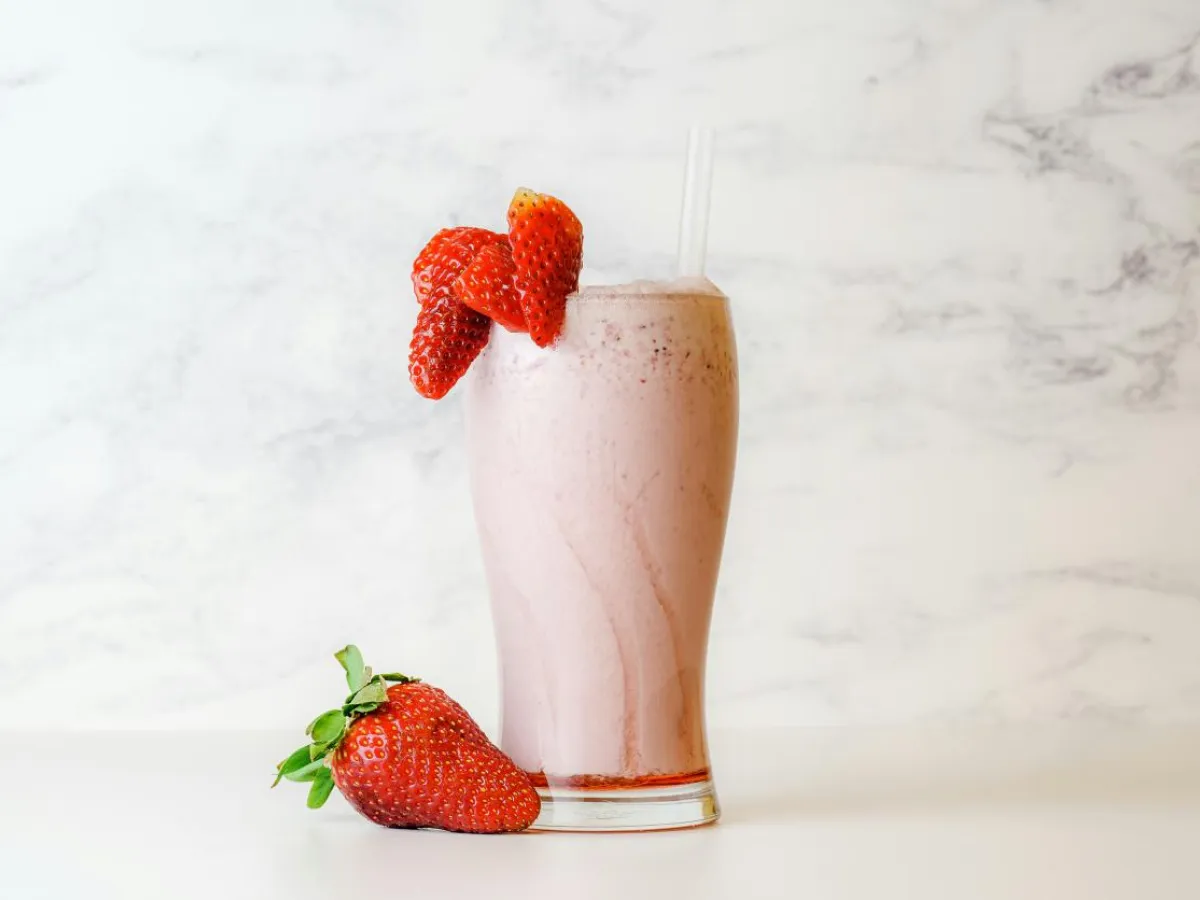
How do you keep protein particles suspended in a high-acid, high-heat environment? The answer lies in High Methoxyl (HM) pectin.
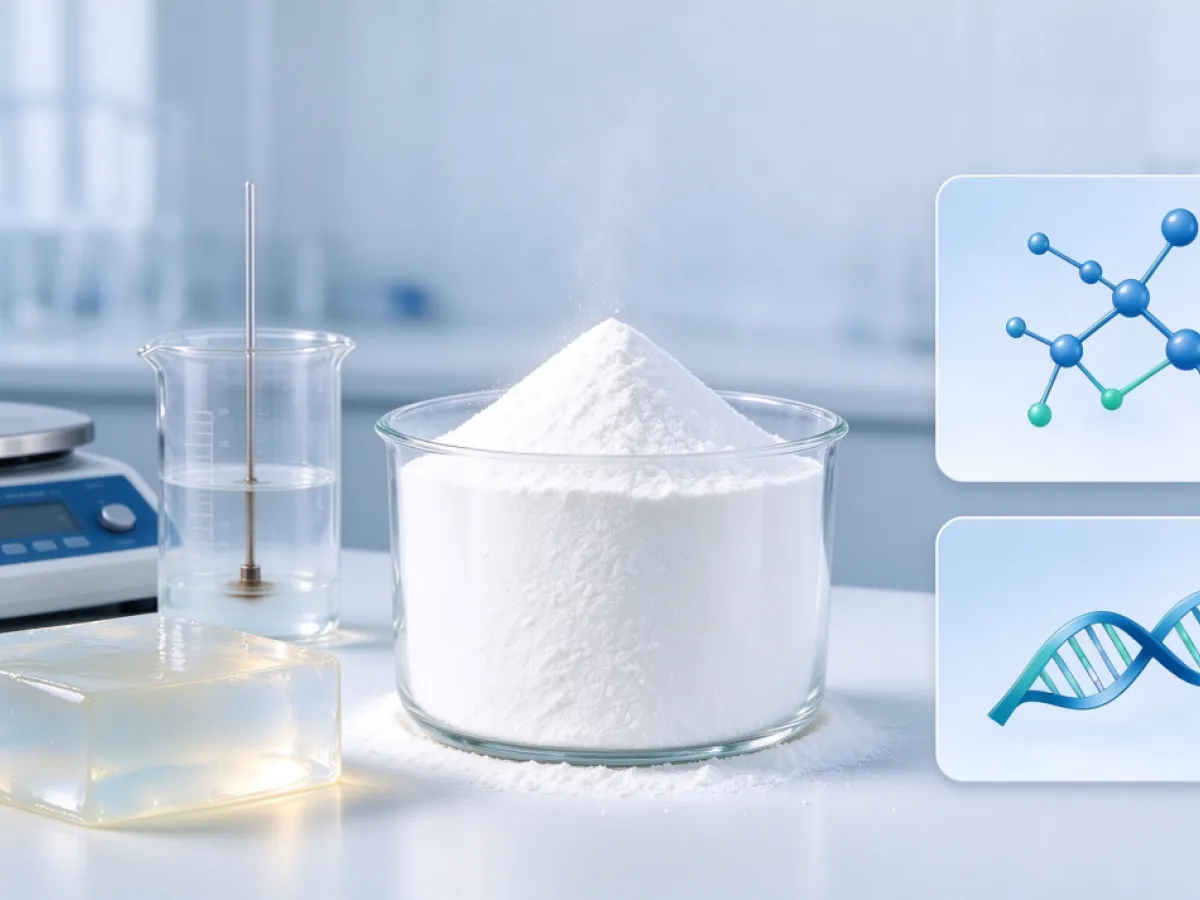
Curdlan gum is a β -1, 3-glucan with a triple helix structure that can specifically bind to the Dectin-1 receptor on immune cells, activate macrophages and dendritic cells, and pro