Introduction
The global artificial casings market was valued at $4.95 billion in 2024 and is projected to reach $8.6 billion by 2035, growing at a CAGR of 5.1%—outpacing the overall sausage casings market. This growth reflects a structural shift: artificial casings now represent the majority of casings used in industrial sausage production, driven by their uniformity, machinability, and compatibility with high-speed automated lines.
But “artificial casing” is not a single product. It spans five distinct material families—collagen, cellulose, plastic (polyamide), fibrous, and alginate—each with a fundamentally different property set and intended application. Choosing the wrong type for a given product can result in peeling failures, casing blowouts, inadequate smoke uptake, or an unacceptable eating texture.
This guide compares all five types across composition, permeability, edibility, processing compatibility, and application fit, and closes with a selection framework for production planning.
The Five Types at a Glance
|
Casing Type |
Base Material |
Edible |
Caliber Range(mm) |
Defining Strength |
Defining Limitation |
|
Collagen |
Bovine/ porcine hide collagen |
Yes (standard grades) |
13–40 |
Edible, natural snap, high strength |
Less forgiving cooking performance than other options |
|
Cellulose |
Regenerated plant cellulose |
No |
14–48 (small); larger for fibrous |
Excellent smoke permeability; peelability |
Must be peeled before consumption |
|
Plastic (Polyamide) |
Synthetic polymers |
No |
30–120+ |
Impermeable barrier; microbial protection |
Most are not permeable to smoke or moisture |
|
Fibrous |
Cellulose reinforced with paper fibers |
No |
35–200 |
Highest strength for large diameters |
Non-edible; higher market value than collagen or small cellulose |
|
Alginate |
Seaweed-derived sodium alginate |
Yes |
Up to ~32 |
Plant-based; coextrusion compatible |
Lower structural strength; soft bite rather than snap |
Collagen Casings: The Edible Workhorse
Collagen casings are the only edible artificial casing and account for the largest share of the artificial casings market. They resolve the uniformity and storage problems of natural casings while remaining edible and delivering a familiar bite.
1)Collagen casings are readily permeable to smoke, closely resembling natural casings in this respect. Smoke permeates well, and edible collagen casings have developed to match natural casings in mouthfeel.
Mechanical strength. Collagen offers great resistance, standing up to fast filling, overcooking, and hanging. This makes production performance efficient and predictable. Small calibers have good frying properties and a “perfect bite”.-
2)Key limitation. Cooking performance is less forgiving than some other options—overcooking thicker collagen casings can produce a rubbery texture.-
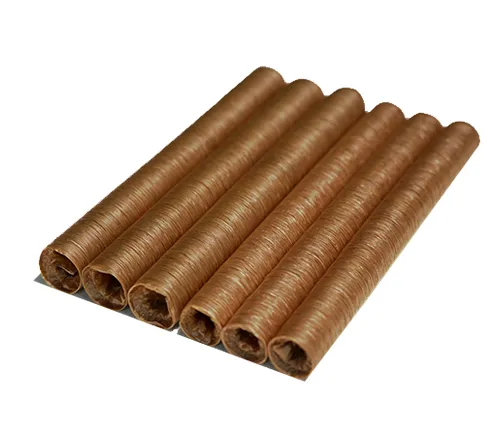
3)Applications. Fresh sausages, frankfurters, smoked links, snack sticks, and dry-cured products. Collagen is also available in sheet form (e.g., Coffi) and pleated with a net (Coffinet), enabling cooked hams, cylindrical sausages, and marinated/smoked items beyond traditional shapes.-
Cost position. Collagen casings benefit from lower production costs than gut casings and other artificial types due to higher production speeds and lower labor requirements.
Cellulose Casings: Peelable and Smoke-Permeable
Cellulose casings are made from regenerated plant cellulose (wood pulp or cotton linters). They are non-digestible and must be peeled before consumption.
1)The peelability advantage. Cellulose casings are engineered for ease of peeling, which guarantees a fast, uninterrupted production process—critical for skinless products. They yield “skinless” products where the casing is removed at the plant after cooking.
2)Permeability. Cellulose casings are water and smoke permeable unless coated with plastic. Small-caliber cellulose casings are characterized by high elasticity, size consistency, and homogeneity, with excellent smoking properties and perfect absorption of color and flavor.
3)Mechanical profile. Cellulose offers high elasticity in small calibers, but lower adhesion to the meat than collagen—bacterial cellulose casings have shown “insufficient adhesion between the casing and the content” and an “unpleasant resemblance to paper” when consumed (though cellulose is not intended for consumption).
4)Applications. Industrially cooked sausages—frankfurters, Vienna sausages, hot dogs—and raw-cured products. Cellulose is the standard for skinless hot dog production.
Key distinction. Cellulose is not the same as non-edible collagen. Non-edible collagen remains protein-based; cellulose is plant-based and a separate category.
Plastic (Polyamide) Casings: The Barrier Option
Plastic casings, typically polyamide (nylon), polypropylene, or polyethylene, are impermeable barriers designed for products where protection from the external environment is paramount.
Barrier function. Plastic casings are the most impermeable of all casing types. Most are not permeable to moisture or smoke, though some specialized plastic casings for dry sausage are moisture- and smoke-permeable.
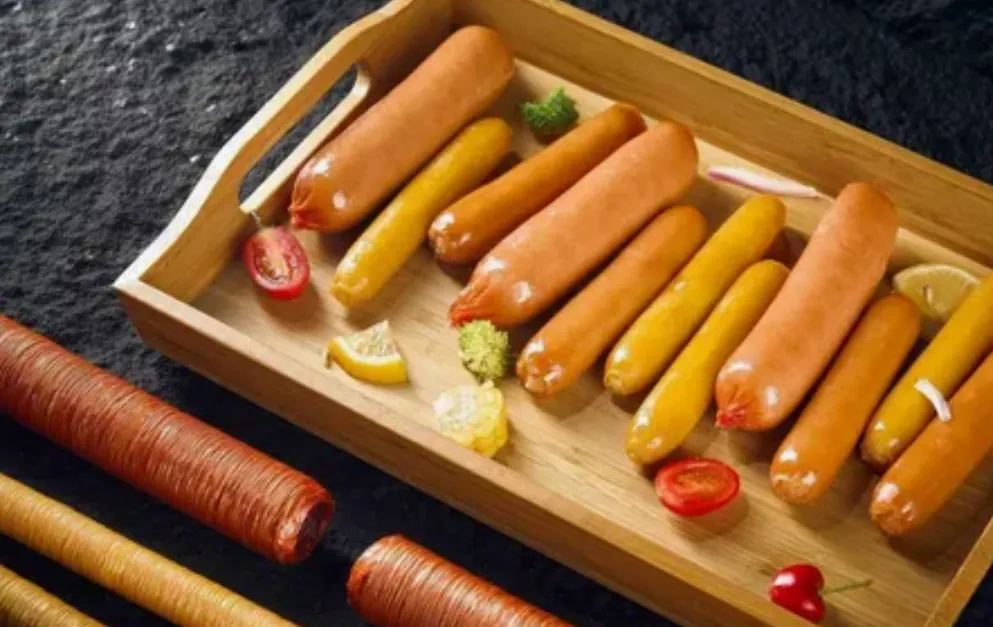
Why impermeability matters. For processors producing hams, pâtés, and lunch meats who do not want the product exposed to possible pathogenic contamination after cooking, plastic casings provide a complete barrier. They are also used for high-speed automated processing of hot dogs, chorizo, and meat snack sticks, where barrier protection against microorganisms is required.
Adhesion and texture. Polyamide casings demonstrate good adhesive properties similar to protein (collagen) casings and help prevent excessive drying during storage, producing a softer surface layer in cooked smoked sausages.
5)Appearance.
Since plastic casings are impermeable, flavor or color coatings are sometimes added to simulate traditional processing results on the product surface.
6)Applications. Cooked hams, liver sausage, pâté, lunch meats, hot dogs, meat snack sticks, and products requiring extended ambient shelf stability.
Fibrous Casings: Strength at Large Diameter
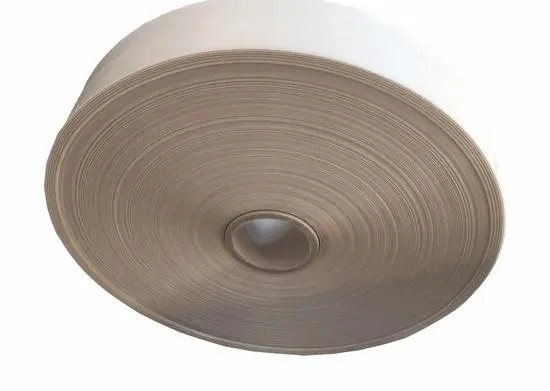
Fibrous casings are cellulose casings reinforced with a paper-like fiber matrix, creating a structure with exceptionally high strength for large-format products.
Strength advantage. Industrial customers with high automation benefit from the high strength properties of fibrous casing paper compared to cellulose or collagen casings. This is especially relevant for automatic slicing and peeling of long sausages up to 1.3 meters in length.
2)Caliber range.
Fibrous casings span 35–200 mm, the widest range of any artificial type. Large fibrous casings (60–120 mm) are used for polony, cooked loaves, and large-format salami.
3)Permeability. Uncoated fibrous casings are highly permeable to gases (water, smoke, and oxygen), similar to collagen and cellulose. PVDC-coated fibrous casings reduce permeability for specific applications requiring moisture control, and are used for cooked cold-cut sausages and other large-diameter products.
4)Cost and market position. The market value of fibrous casings is higher than that of edible collagen casings or small-caliber cellulose casings, reflecting their specialized role in large-format production.
5)Applications.
Polony, cooked loaves, large-format salami, luncheon meats, cooked cold cuts, and any product where dimensional stability and strength under hanging, slicing, and peeling are non-negotiable.
Alginate Casings: The Plant-Based Coextrusion Route
Alginate casings are formed from sodium alginate (seaweed extract) that gels instantly on contact with calcium ions. Unlike other casings, they are typically applied via coextrusion directly onto the sausage strand during production, rather than being pre-formed and shirred.
1)Edibility and dietary compatibility. Alginate casings are fully edible and compatible with vegan and vegetarian diets. The raw material is harvested from sustainable sources, and alginates are available with halal and kosher certification and approved for organic foods.-
2)Processing characteristics. The coextrusion process applies a thin film (typically 0.1–0.3 mm) at speeds up to 2 m/s. No soaking is required. Alginate casings are built for speed—expect a soft bite and no crispness, rather than the snap of collagen.-
3)Versatility in processing. Alginate-encased products can be frozen, dried, heated in water, oil, or hot air, fried, barbecued, and smoked. They can also be matured and enriched with mold for dry sausage applications.-
4)Diameter limitation. Maximum product diameter for alginate casings is approximately 32 mm—hot dog or bratwurst size.
Cost. Alginate casings cost less than gut or collagen casings, and the coextrusion process can further cut production costs.
6)Applications.
Vegan and vegetarian sausages, plant-based “clean meat” products, fresh bratwurst, raw sausage, scalded sausage, and high-speed coextruded snack products.
Summary
The five artificial casing types are not interchangeable commodities. They occupy distinct functional niches defined by edibility, permeability, mechanical strength, and processing method:
• Collagen is the edible, smoke-permeable workhorse for small- and medium-caliber products where the casing is consumed.
• Cellulose is the peelable, smoke-responsive standard for skinless cooked products.
• Plastic is the barrier solution for products requiring microbial protection and extended shelf stability.
• Fibrous provides unmatched strength for large-diameter products that must withstand slicing and peeling at length.
• Alginate is the plant-based, coextrusion-compatible option for vegan products and high-speed continuous production.
Specifying the correct type before production begins prevents peeling failures, smoke-uptake deficiencies, casing blowouts, and texture mismatches—and ensures the casing performs its intended role, whether as an edible component of the product or as a processing tool to be removed.
Company Information
Nourisi Group, as the leading manufacturer and supplier of collagen casing for 20 years’ experience since 2006, committed to innovation and continuous improvement, and growing together with our customers globally.
The global artificial casings market was valued at $4.95 billion in 2024 and is projected to reach $8.6 billion by 2035, growing at a CAGR of 5.1%—outpacing the overall sausage cas
When developing thickened drinks and texturemodified foods, food manufacturers face more challenges than simply raising viscosity. Products must deliver uniform texture, acceptable
Upon contact with gastric acid, sodium alginate forms a gentle hydrogel that delays gastric emptying and prolongs the feeling of fullness. This helps stabilize post-prandial blood

Beauty beverages place demanding requirements on the solubility and sensory performance of raw materials. Nourisi® Tilapia Collagen Peptides have a viscosity of only 3–10 cP in a 1

How do you keep protein particles suspended in a high-acid, high-heat environment? The answer lies in High Methoxyl (HM) pectin.

Curdlan gum is a β -1, 3-glucan with a triple helix structure that can specifically bind to the Dectin-1 receptor on immune cells, activate macrophages and dendritic cells, and pro
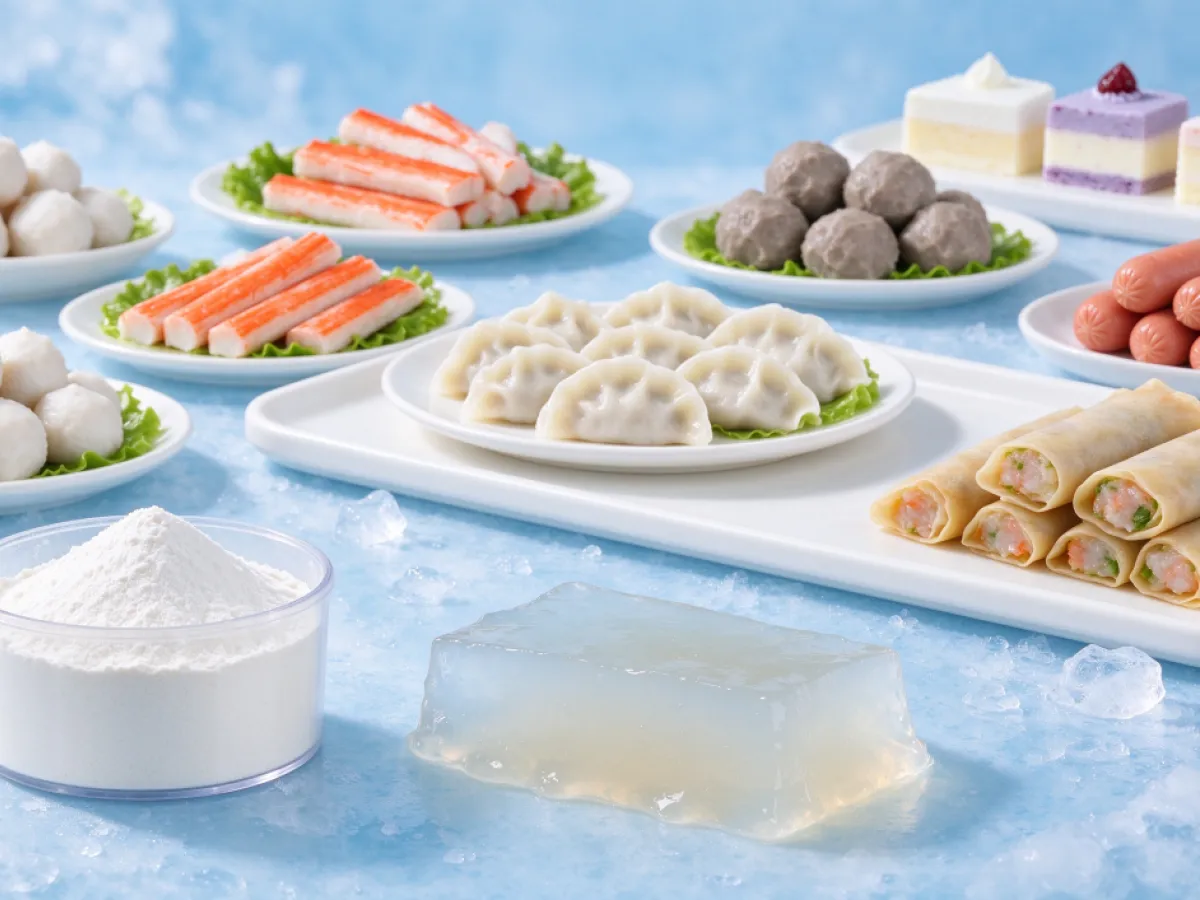
Excellent freeze-thaw stability Its formed gel structure resists damage during repeated freezing, storage and thawing. It effectively reduces water separation (syneresis), prevents
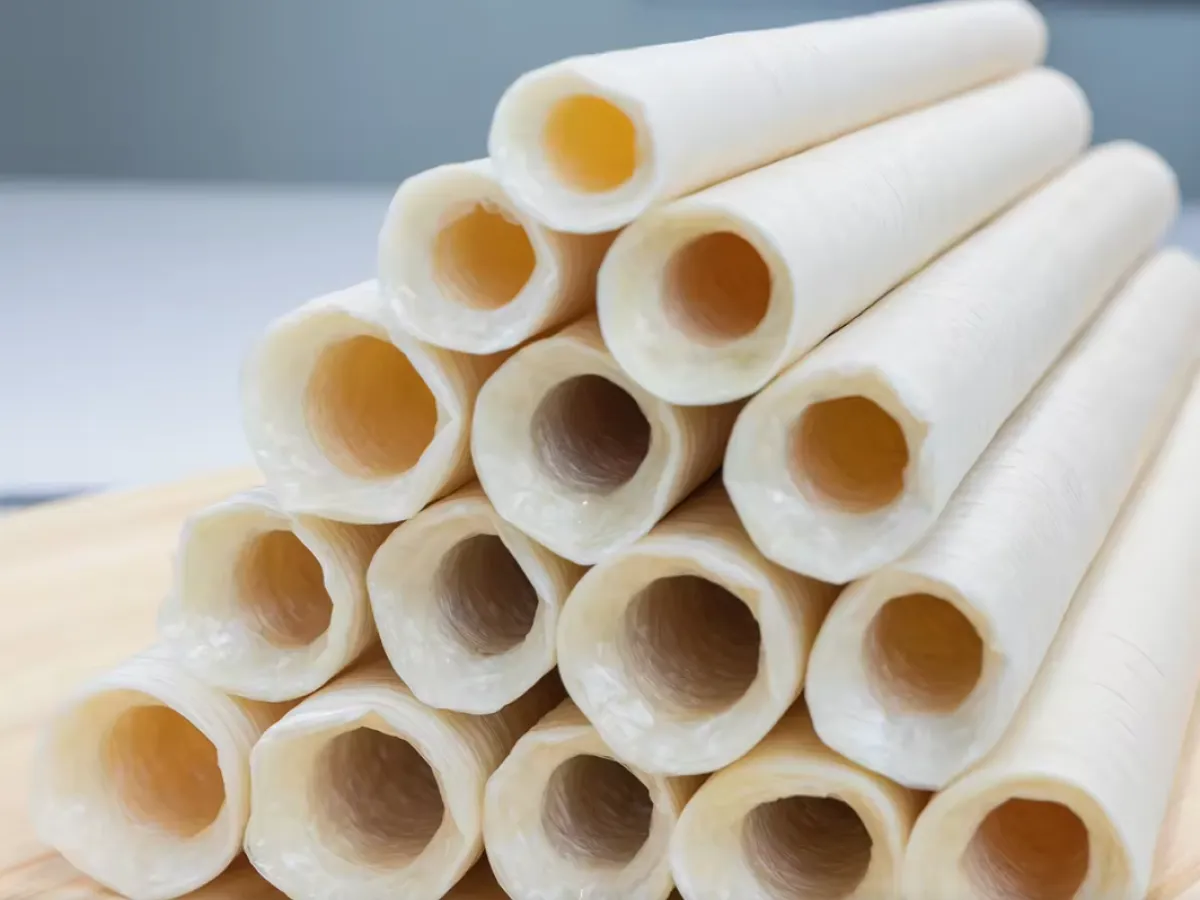
Collagen casings are the only manufactured casing that can be either edible or non-edible depending on formulation and intended end use. This dual nature is both an advantage and a

Porridges and soups are typical multi-phase systems: water, starches, proteins, and solid particles coexist. During heating, filling, sterilization, and storage, particles tend to
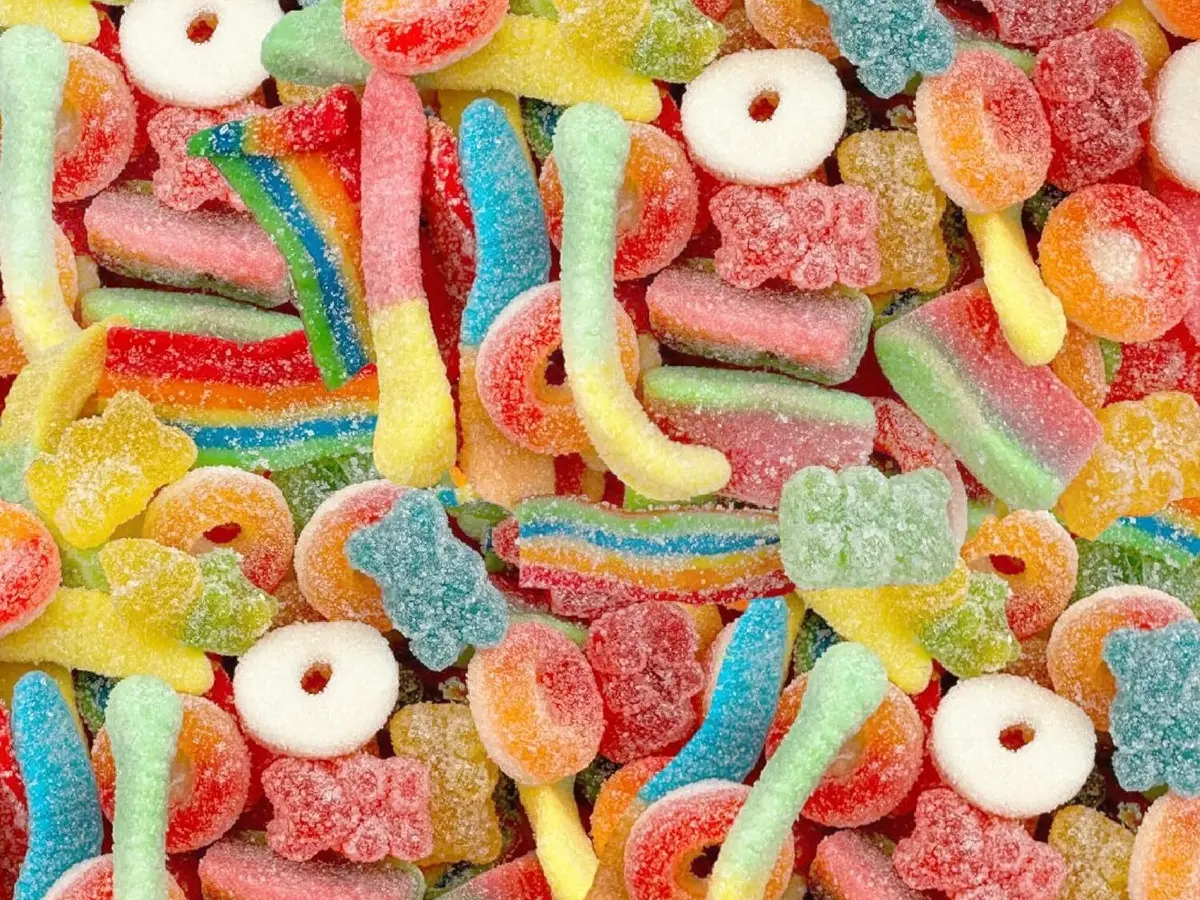
The most core role of gelatin in gummies is as a gelling agent, building the entire skeletal structure of the gummy. Gelatin is derived from the partial hydrolysis of animal collag