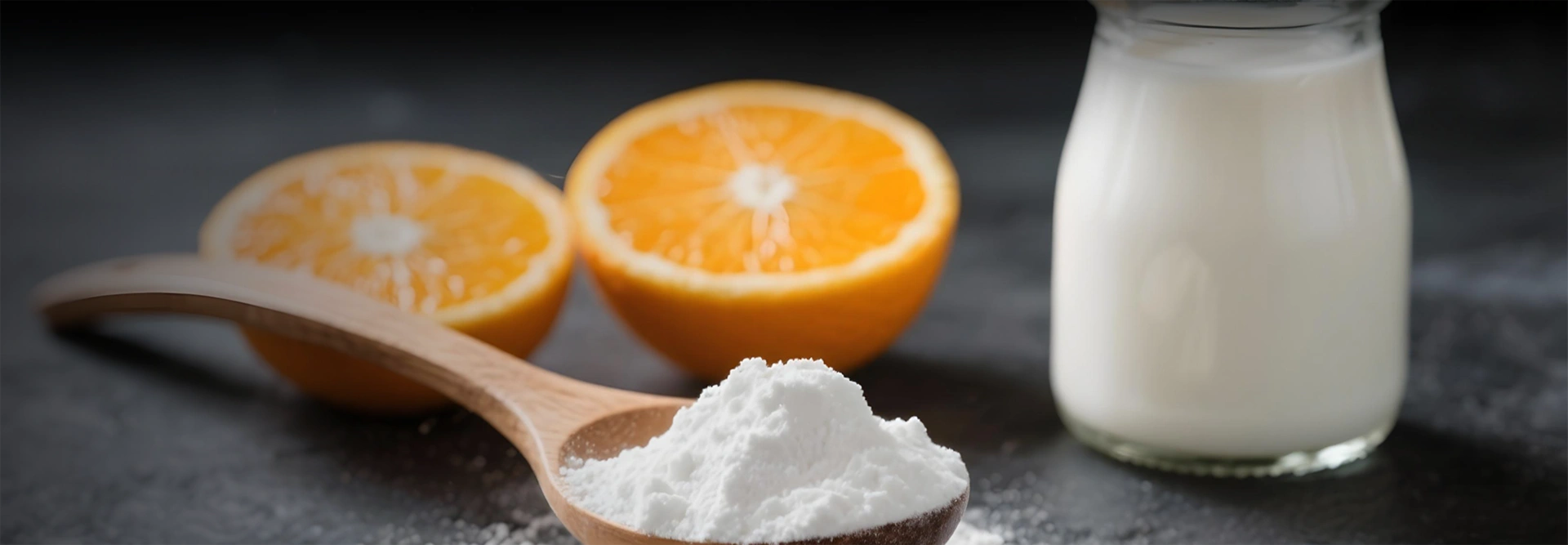
Acidified milk drinks — such as fruit-flavored milks, acidic whey beverages, and plant-based protein drinks — are among the most challenging products for beverage formulators. The core issue is stability. When milk proteins (caseins) are exposed to acidic conditions (typically pH 3.8 to 4.2), they rapidly aggregate, leading to severe sedimentation, phase separation, and an unacceptable chalky mouthfeel.
How do you keep protein particles suspended in a high-acid, high-heat environment? The answer lies in High Methoxyl (HM) pectin.
Why Pectin Works: The Protective Shield
Not all pectins are suitable for acidic milk drinks. The secret lies in High Methoxyl (HM) pectin, specifically those with a high degree of esterification (DE > 68%).
When HM pectin is added to an acidic milk system, it adsorbs onto the surface of casein micelles. The uncharged methyl ester groups create a highly hydrated layer that provides steric stabilization, preventing the proteins from aggregating. This dual mechanism keeps the protein particles evenly dispersed, even after UHT sterilization and during months of storage.
If the pectin type is wrong, or the dosage is insufficient, the protective shield fails, resulting in a layer of sediment at the bottom of the bottle.
Choosing the Right Grade: Match the Protein Load
For acidified milk drinks, standard jam-grade pectins will not work. You need pectin grades specifically optimized for protein stabilization.
Based on advanced manufacturing capabilities, different protein loads require different grades:
1.Medium Protein Stabilization: Suitable for standard acidic milk drinks with normal protein content.
2.High Protein Stabilization: Ideal for high-protein fruit milks and yogurt drinks (e.g., formulations using our C68H or A70P grades).
3.Ultra-High Protein Stabilization: Designed for premium, high-protein beverages (e.g., our C68U grade), providing exceptional stability even under extreme processing conditions.
Key Formulation Considerations
1.pH Range: HM pectin performs best in the pH 3.8–4.2 range. Below pH 3.8, the pectin may precipitate; above pH 4.2, the protein may not be fully acidified and destabilized.
2.Dosage: Typical usage levels range from 0.2% to 0.5%, depending on the protein content and target shelf life. It is highly recommended to run a small-scale trial to determine the optimal dosage curve.
3.Hydration: Pectin must be fully dissolved before being added to the milk system. Proper hydration ensures the pectin molecules are available to coat the protein particles effectively.
The Business Value
Switching to a high-performance HM pectin from a reliable supplier does more than just stop sedimentation. It allows you to:
1.Extend Shelf Life: Maintain a uniform, homogenous texture for 6 to 9 months without shaking.
2.Improve Mouthfeel: Deliver a clean, refreshing acidity without the typical "grainy" texture of unstable protein
3.Meet Clean Label Demands: Replace synthetic stabilizers with a natural, plant-based polysaccharide.
We supply a comprehensive range of HM pectins specifically engineered for acidified milk drinks, including medium, high, and ultra-high protein stabilization grades (e.g., A70P, C68H, C68U). Our products ensure consistent protection for your protein formulations.
How do you keep protein particles suspended in a high-acid, high-heat environment? The answer lies in High Methoxyl (HM) pectin.
Curdlan gum is a β -1, 3-glucan with a triple helix structure that can specifically bind to the Dectin-1 receptor on immune cells, activate macrophages and dendritic cells, and pro
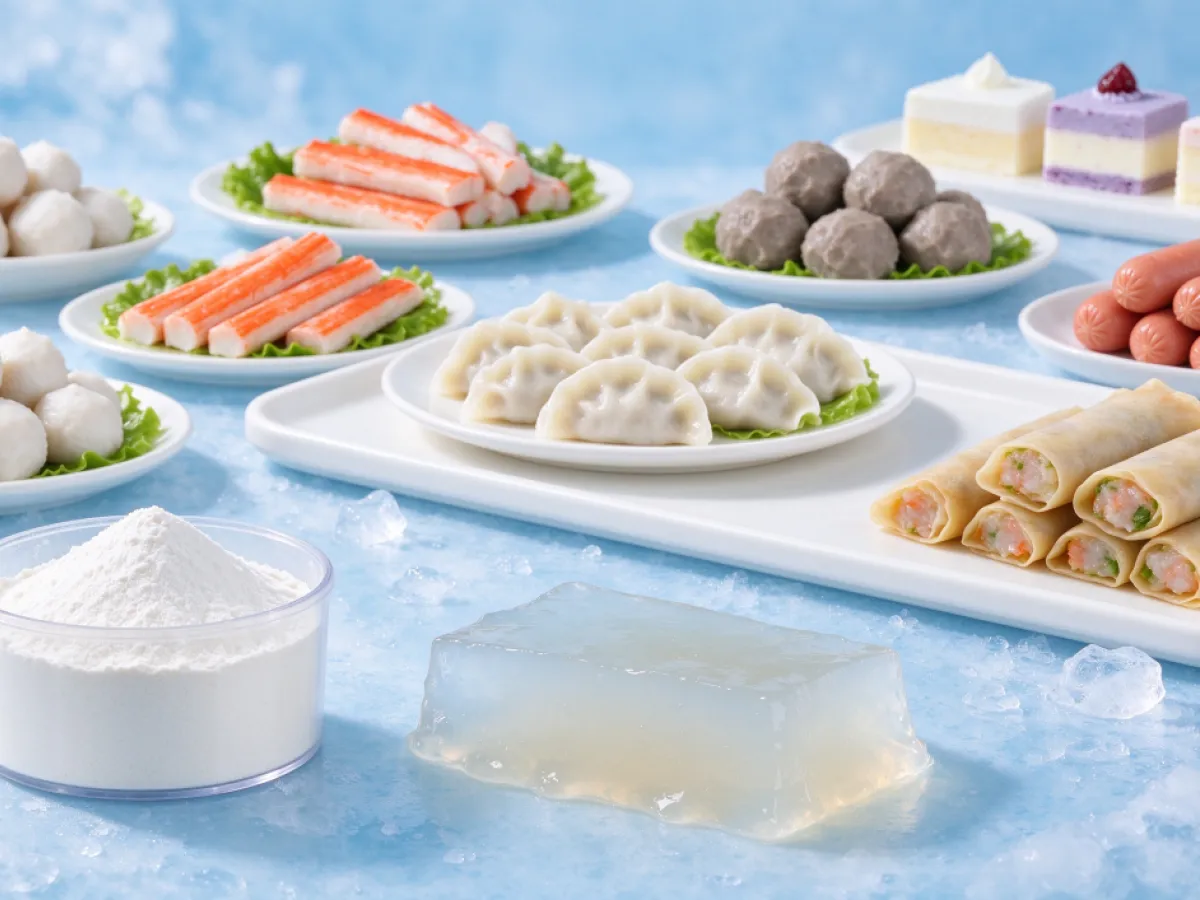
Excellent freeze-thaw stability Its formed gel structure resists damage during repeated freezing, storage and thawing. It effectively reduces water separation (syneresis), prevents
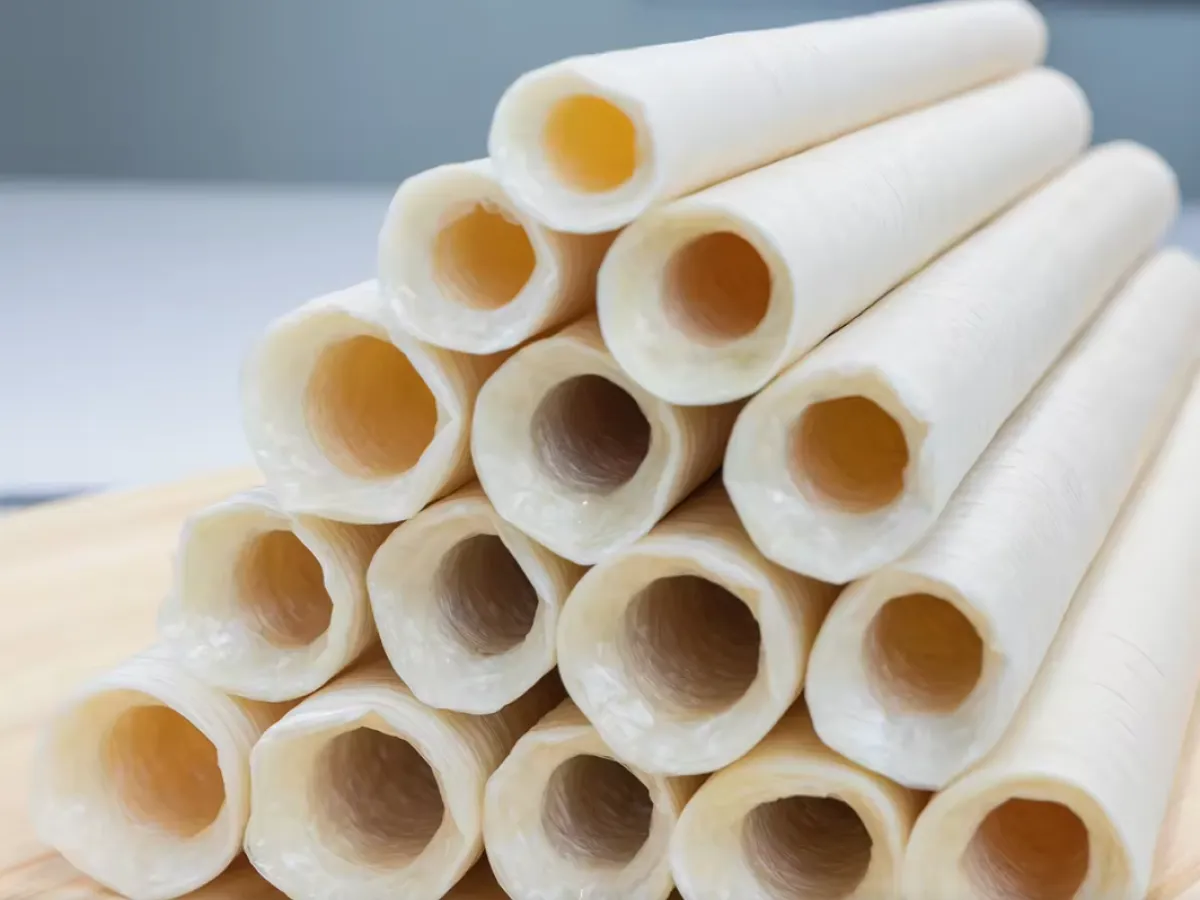
Collagen casings are the only manufactured casing that can be either edible or non-edible depending on formulation and intended end use. This dual nature is both an advantage and a

Porridges and soups are typical multi-phase systems: water, starches, proteins, and solid particles coexist. During heating, filling, sterilization, and storage, particles tend to
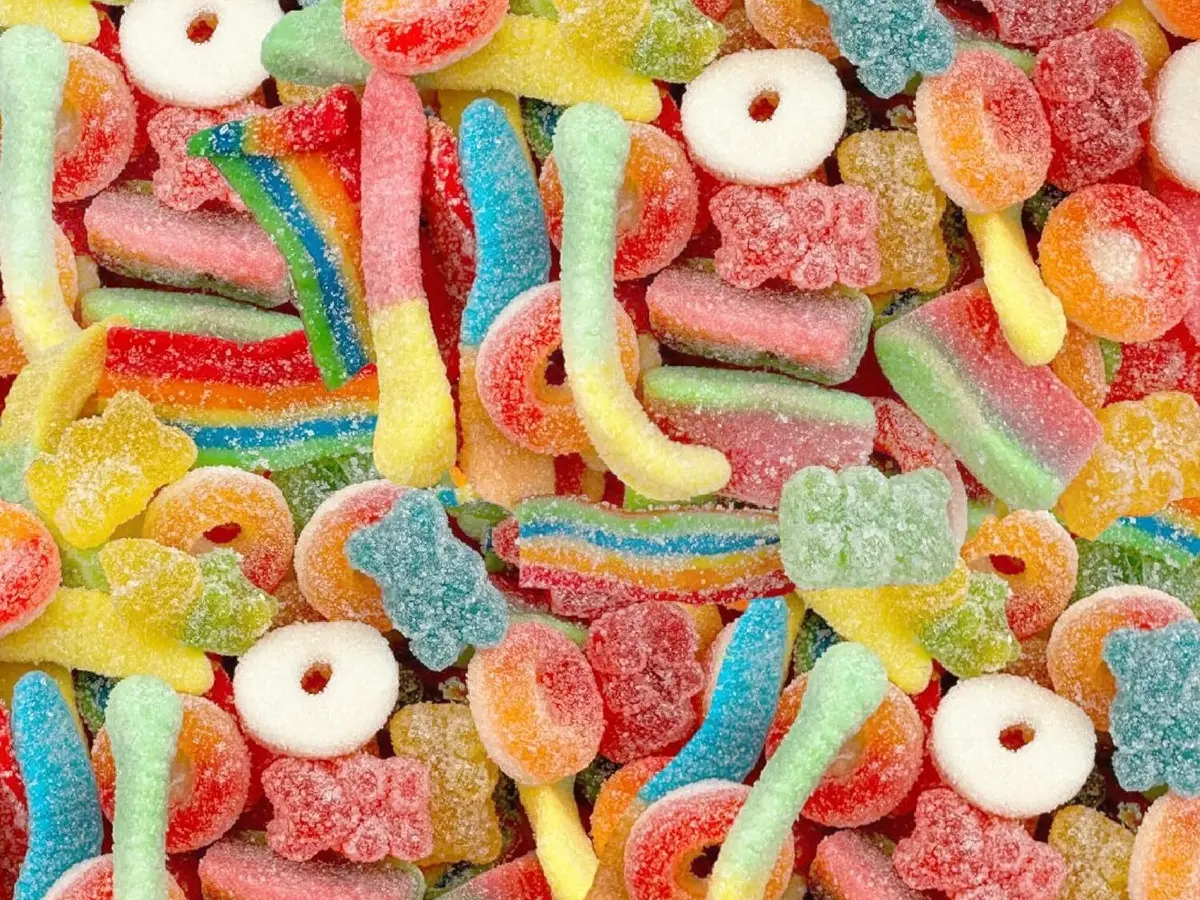
The most core role of gelatin in gummies is as a gelling agent, building the entire skeletal structure of the gummy. Gelatin is derived from the partial hydrolysis of animal collag
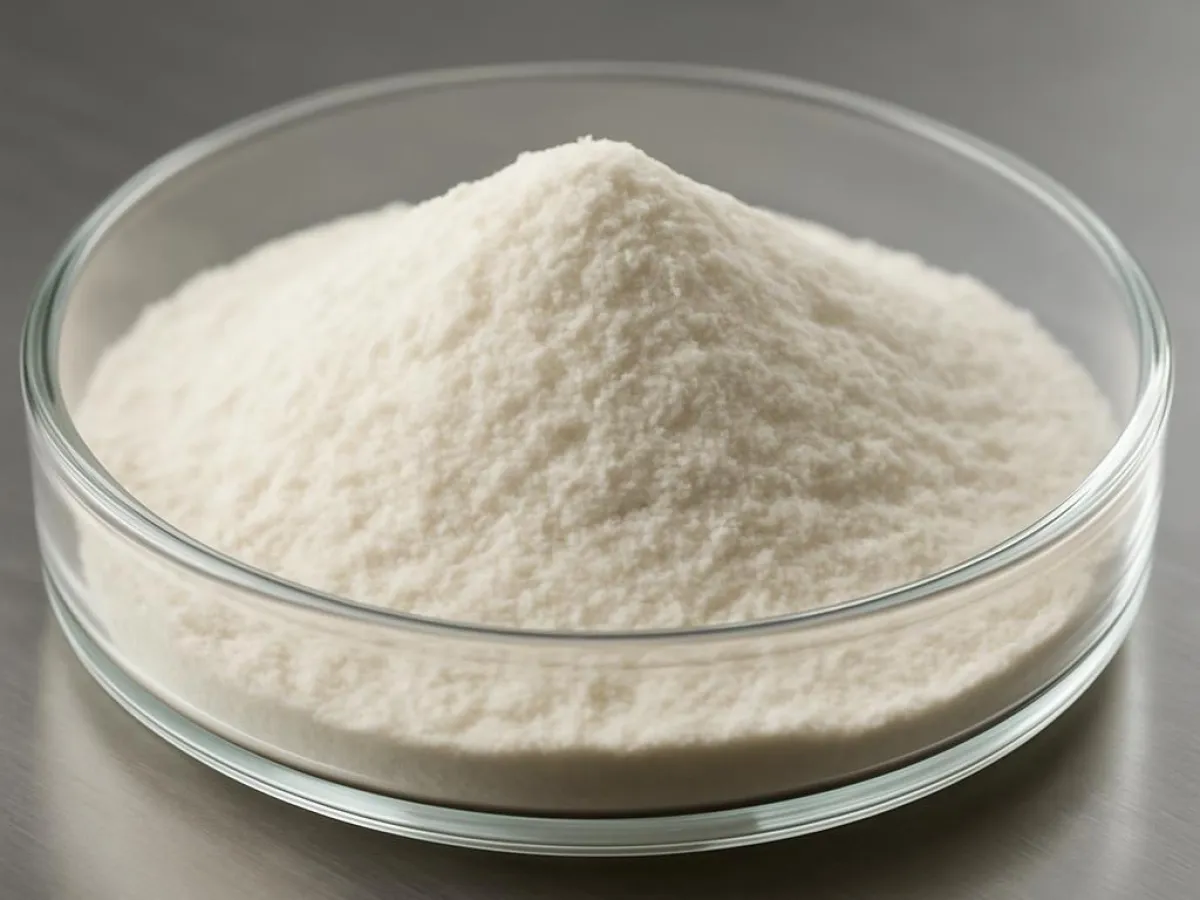
Plant-based meat alternatives have evolved significantly in terms of protein sources, flavor systems, and processing technologies. Yet replicating the juiciness, tenderness, and mo
Pregelatinized starch solves this problem. This physically modified starch has already been cooked and dried during production, giving it the ability to absorb water and swell at a
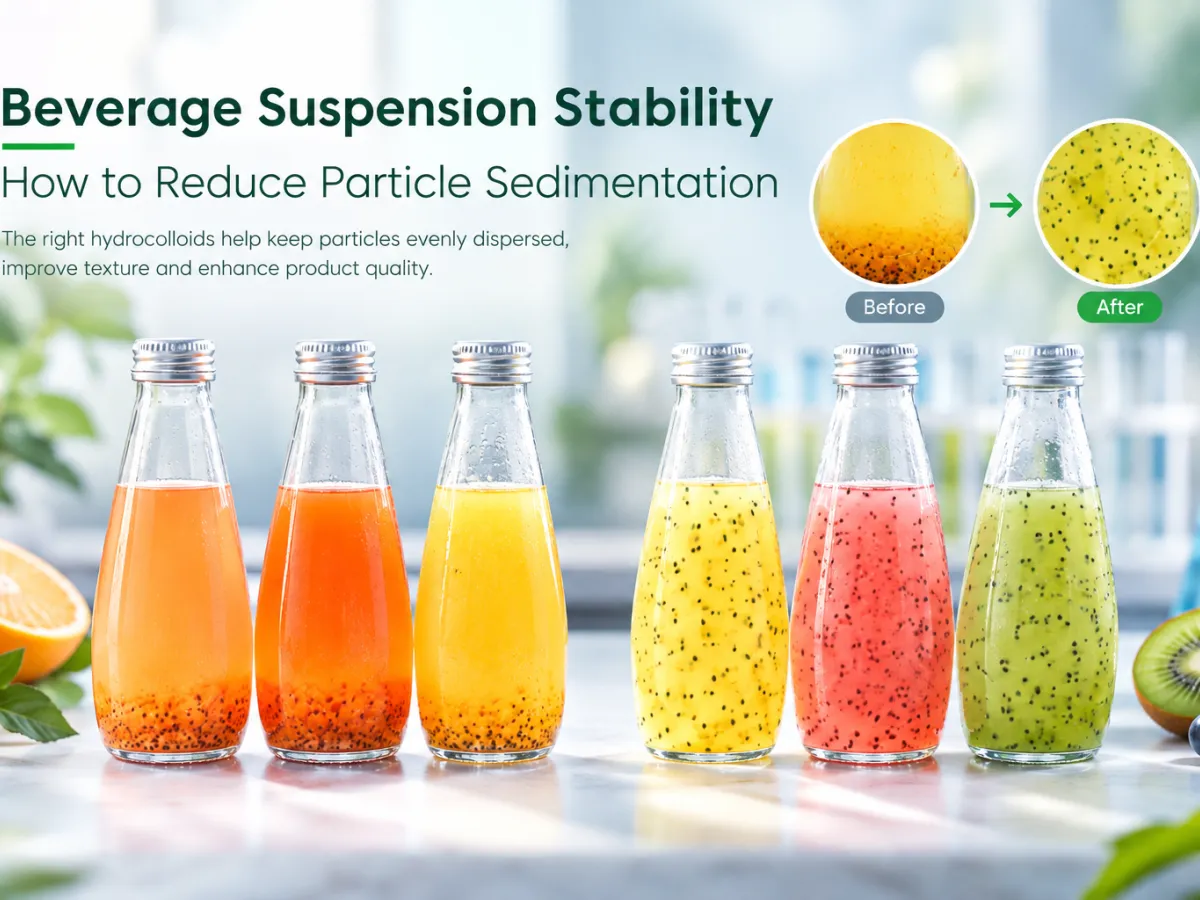
With the development of beverages containing fruit pieces, plant-based particles, fruit juice, and functional ingredients, food manufacturers are increasingly focusing on product a

As a classic clarifying agent, the mechanism of gelatin in beverage clarification is quite ingenious. Gelatin is a protein carrying a positive charge, while many of the turbid subs