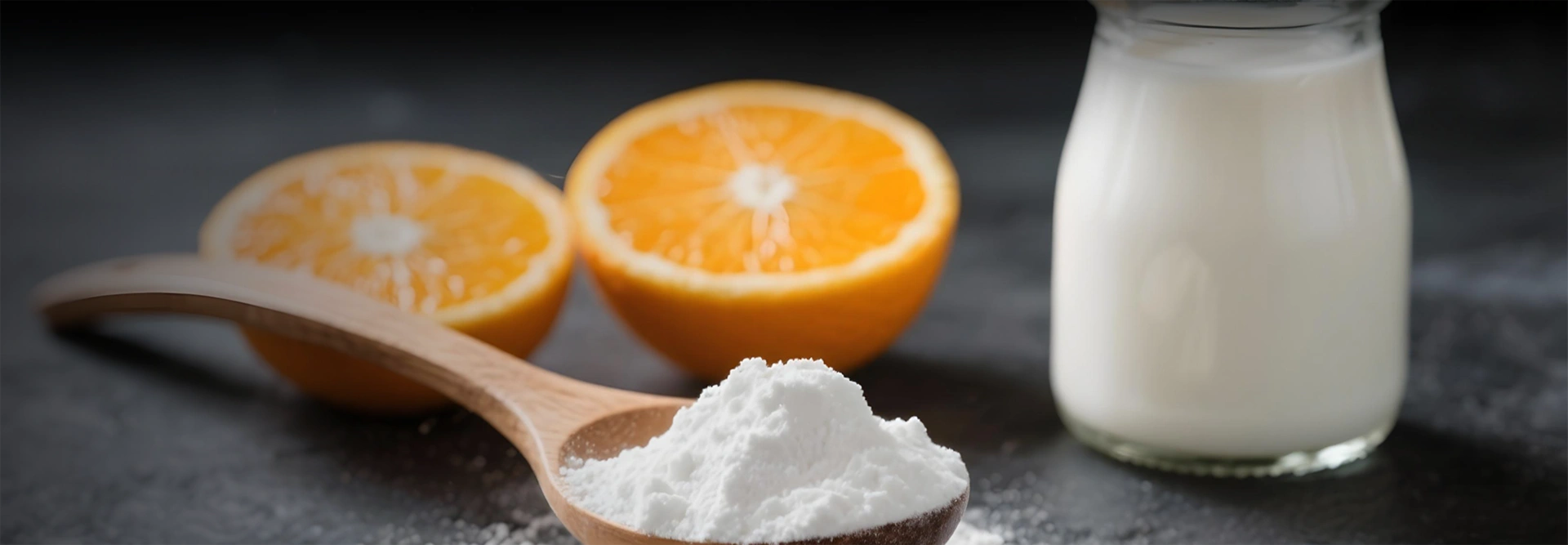
Instant food products share a common challenge: they must thicken quickly when reconstituted with cold or hot water, without requiring the consumer to cook them. Native starches fail this test. They need heat to gelatinize and develop viscosity — typically above 60°C.
Pregelatinized starch solves this problem. This physically modified starch has already been cooked and dried during production, giving it the ability to absorb water and swell at ambient temperature. For instant soups, sauces, gravies, and dry mixes, it delivers thickening on demand.
How Pregelatinized Starch Works
Pregelatinized starch is produced by cooking starch slurry and then drying it on a drum drier, extruder, or spray drier. During this process, the starch granules lose their crystalline structure. When the dried powder meets water, it hydrates immediately and builds viscosity — no heating required.
This property makes it essential for products that cannot be heated during preparation. Cold desserts, salad dressings, mayonnaise, baby foods, and instant soups all depend on pregelatinized starch for their texture.
Why Choose It for Instant Applications
1.Cold-water solubility. The defining feature of pregelatinized starch is its ability to dissolve and thicken in cold water. This eliminates the need for heating equipment during production and simplifies the consumer's preparation process.
2.Process tolerance. Different pregelatinized starches offer varying degrees of tolerance to heat, shear, and acid. Some are designed for systems where heat and mechanical stress are minimal, making them suitable for delicate flavors that would be damaged by high-temperature processing.
3.Texture control. Pregelatinized starches can provide both thickening and specific textural characteristics — from smooth and creamy to pulpy and body-giving. This allows formulators to match the mouthfeel consumers expect from traditional cooked products.
Applications
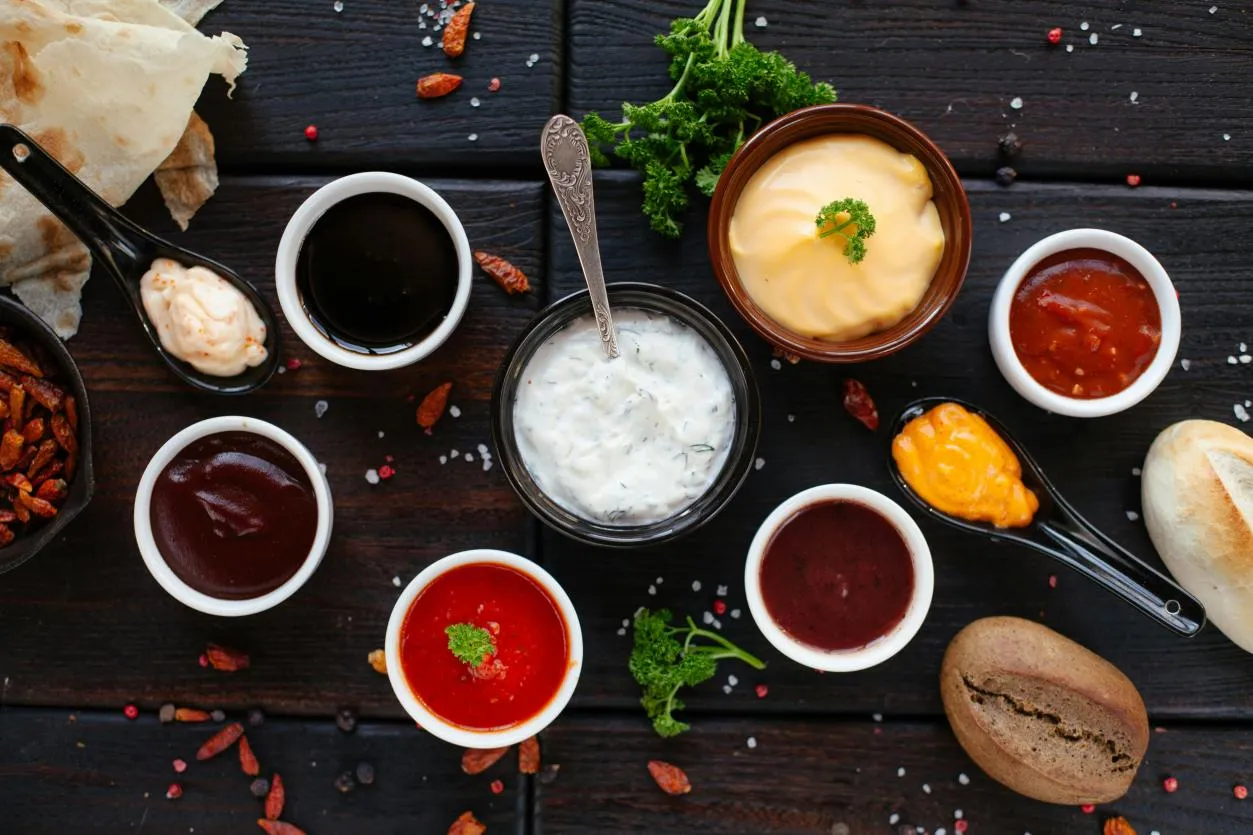
1.Instant soups and sauces. Pregelatinized starch provides rapid viscosity development and maintains texture in dry mix systems. It is specifically recommended for instant soups and sauces where ease of dispersion is important.
2.Dry mix bakery products. From cake mixes to breakfast cereals, pregelatinized starch delivers thickening without cooking, making it valuable in products that are prepared at home by simply adding liquid.
3.Instant desserts and puddings. The smooth, creamy mouthfeel achievable with pregelatinized starch makes it a preferred choice for instant pudding mixes and dessert powders.
Cold-prepared products. Mayonnaise, salad dressings, and cold sauces benefit from the cold-water swelling capability of pregelatinized starch.
Note
Organic acids : common in fruit-flavored instant products and acidic sauces, can affect pregelatinized starch performance. Acetic acid reduces cold-water viscosity, paste firmness, and freeze-thaw stability. The effect increases with acid concentration.
For acidic instant formulations, selecting a pregelatinized starch with higher acid tolerance or adjusting the acid addition timing is recommended.
Choosing the Right Pregelatinized Starch
Pregelatinized starches vary by source (corn, tapioca, potato, wheat) and by processing method. Drum-dried starches typically show higher cold-water viscosity and greater structural disruption, while spray-dried starches retain more granular integrity but build viscosity more slowly.
The right choice depends on your target texture, processing conditions, and the pH of your formulation. We recommend testing multiple grades to identify the optimal match.
We supply food-grade pregelatinized starch suitable for instant soups, sauces, dry mixes, and cold-prepared products. Our technical team can help you select the right grade based on your specific application requirements.

As the autumn breeze brings a touch of mystery and magic, Halloween is here!
Pregelatinized starch solves this problem. This physically modified starch has already been cooked and dried during production, giving it the ability to absorb water and swell at a
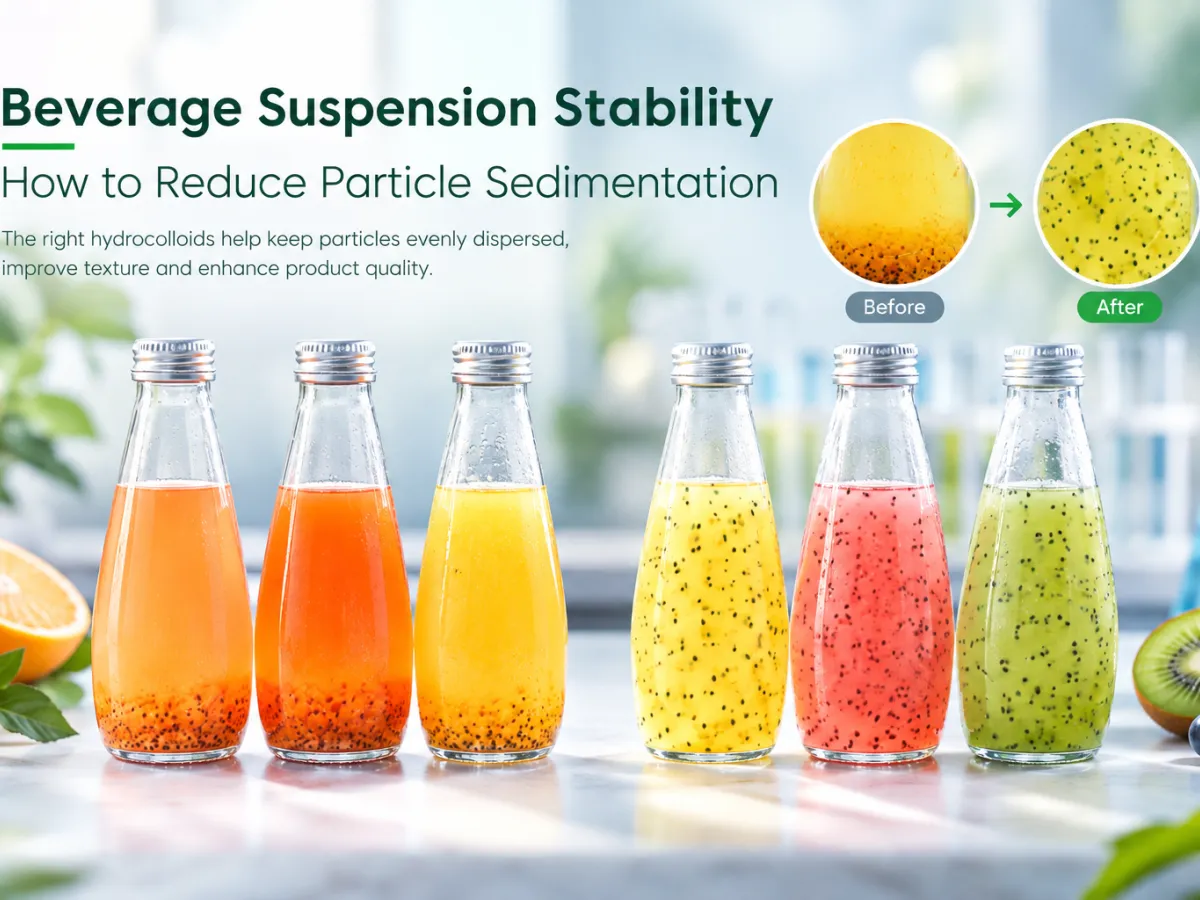
With the development of beverages containing fruit pieces, plant-based particles, fruit juice, and functional ingredients, food manufacturers are increasingly focusing on product a
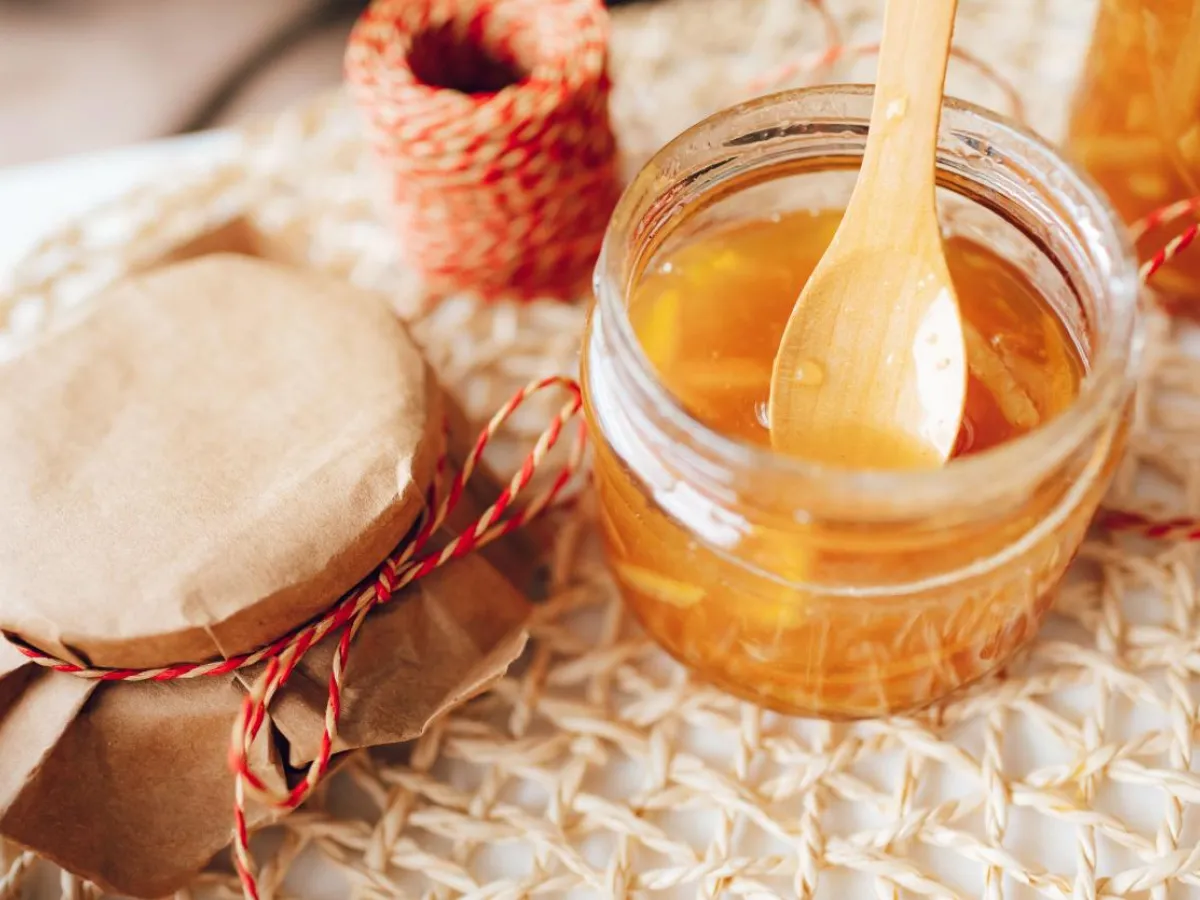
In simple terms, it is pectin that has gone through an additional "ammonia treatment" step during production, which attaches amide groups to the pectin molecule.
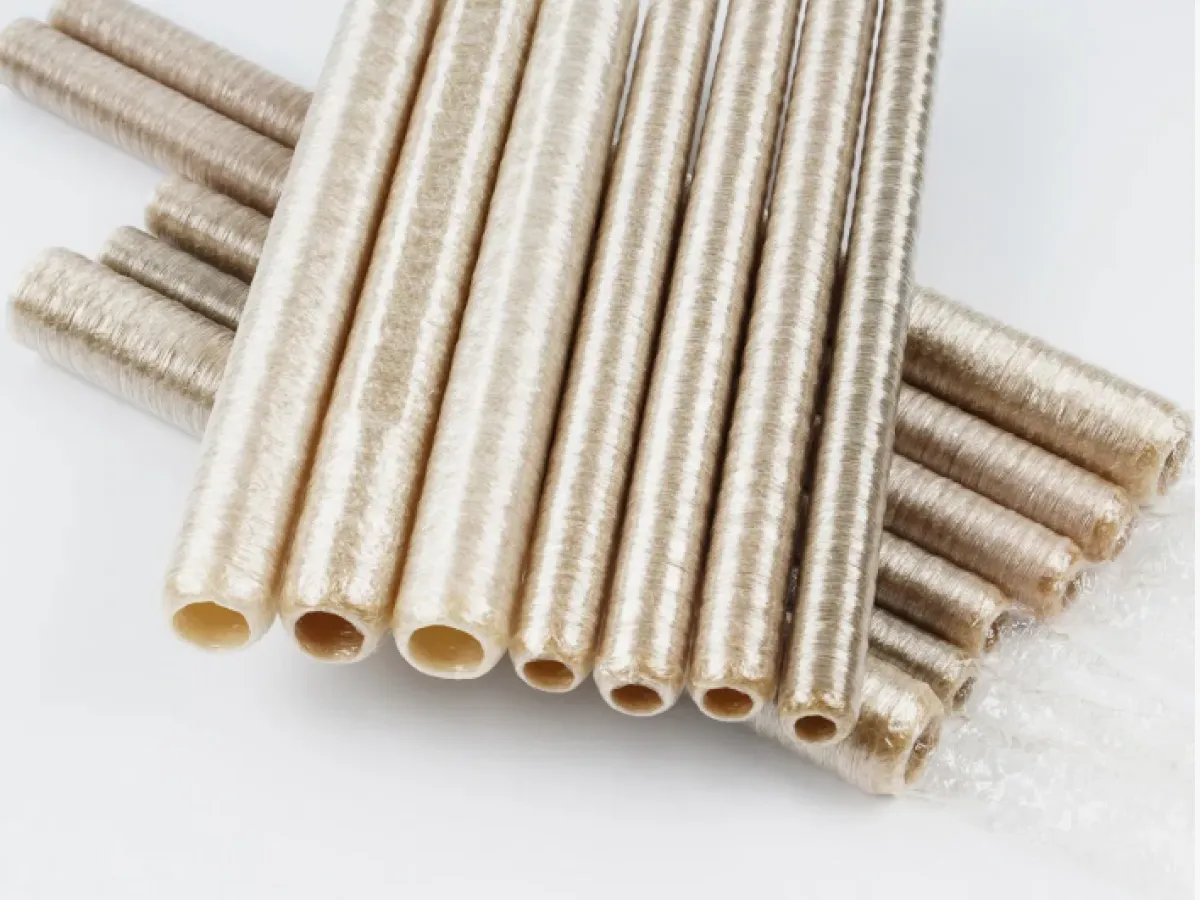
This guide provides a detailed comparison to help you determine which casing type best fits your production requirements.
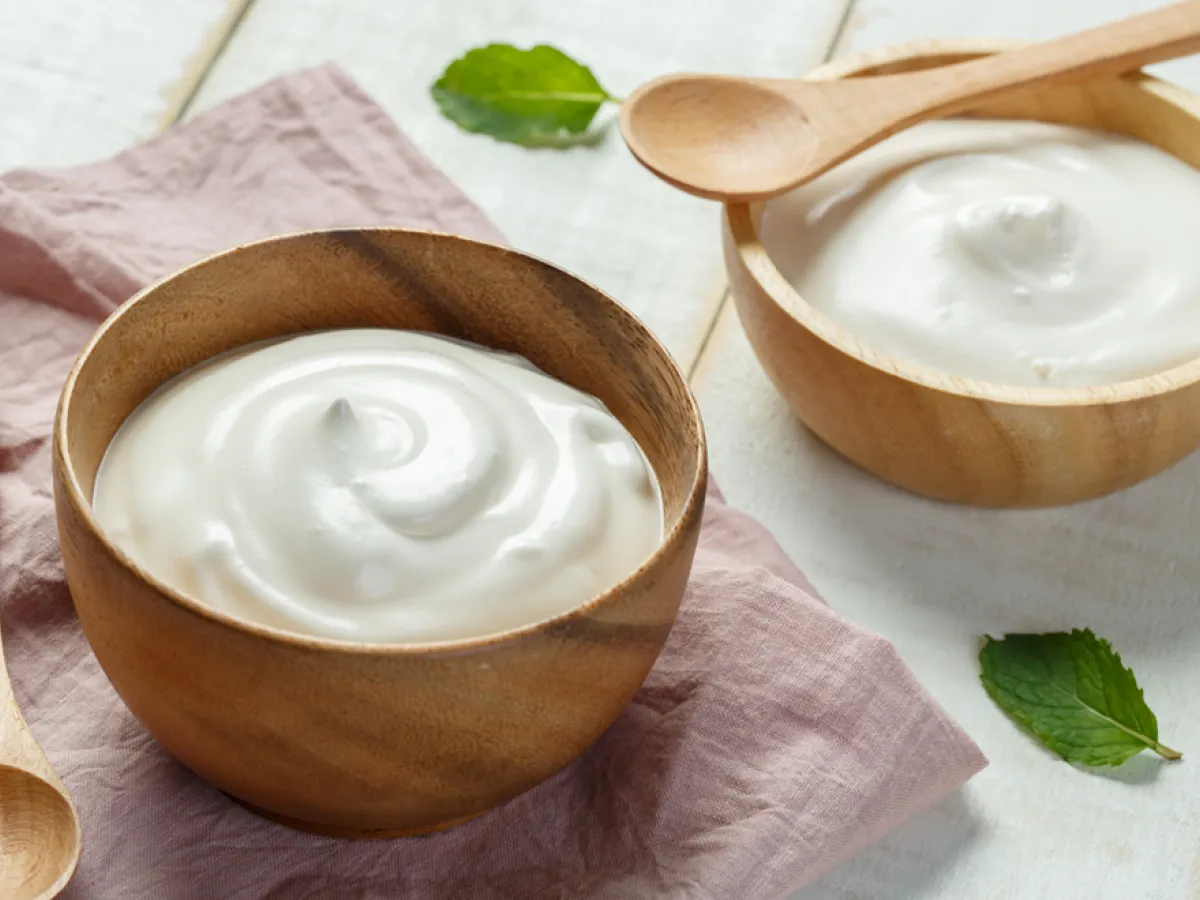
The casein gel network formed during yogurt fermentation is structurally fragile and prone to rupture during transportation or refrigeration, leading to whey separation. Upon cooli
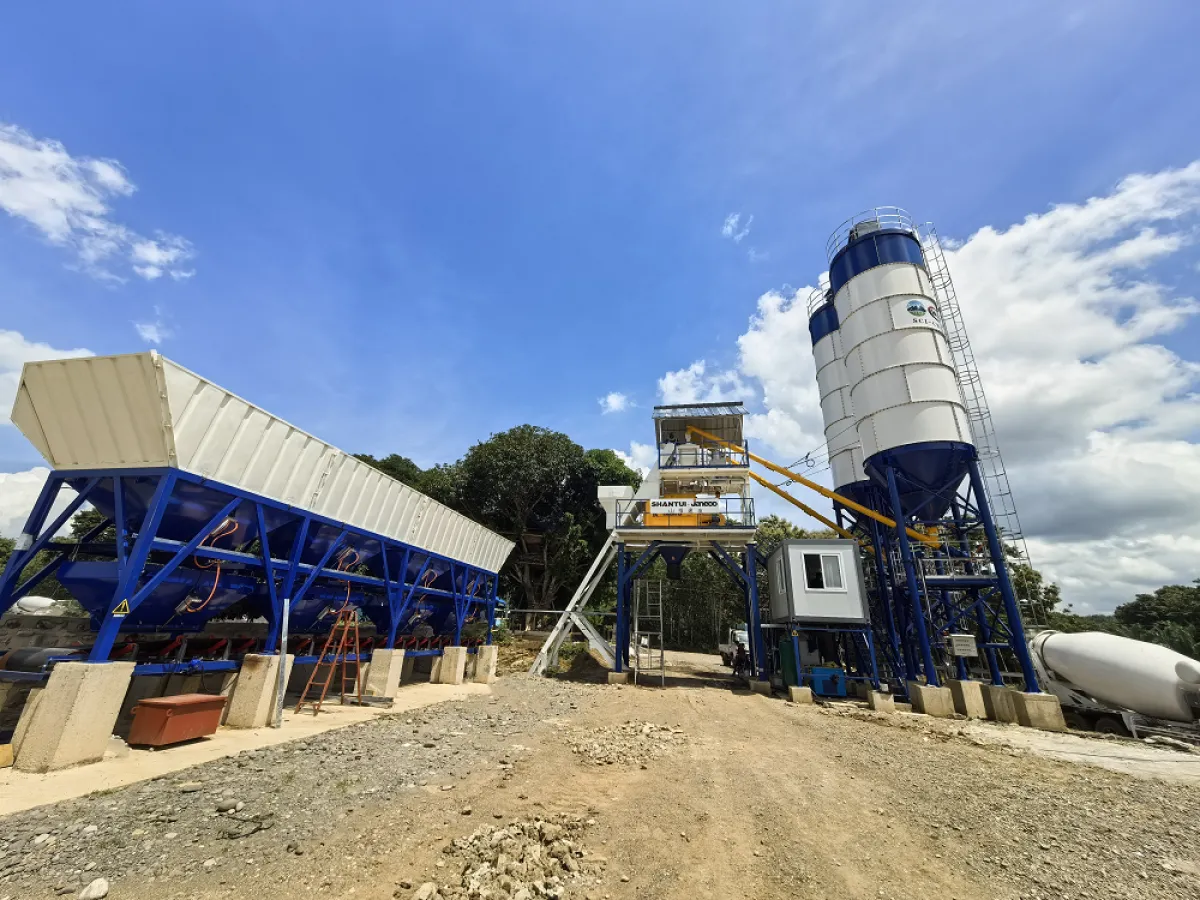
Aqueous solutions of welan gum exhibit typical pseudoplastic fluid characteristics, namely high apparent viscosity at low shear rates and a pronounced decrease in viscosity as the
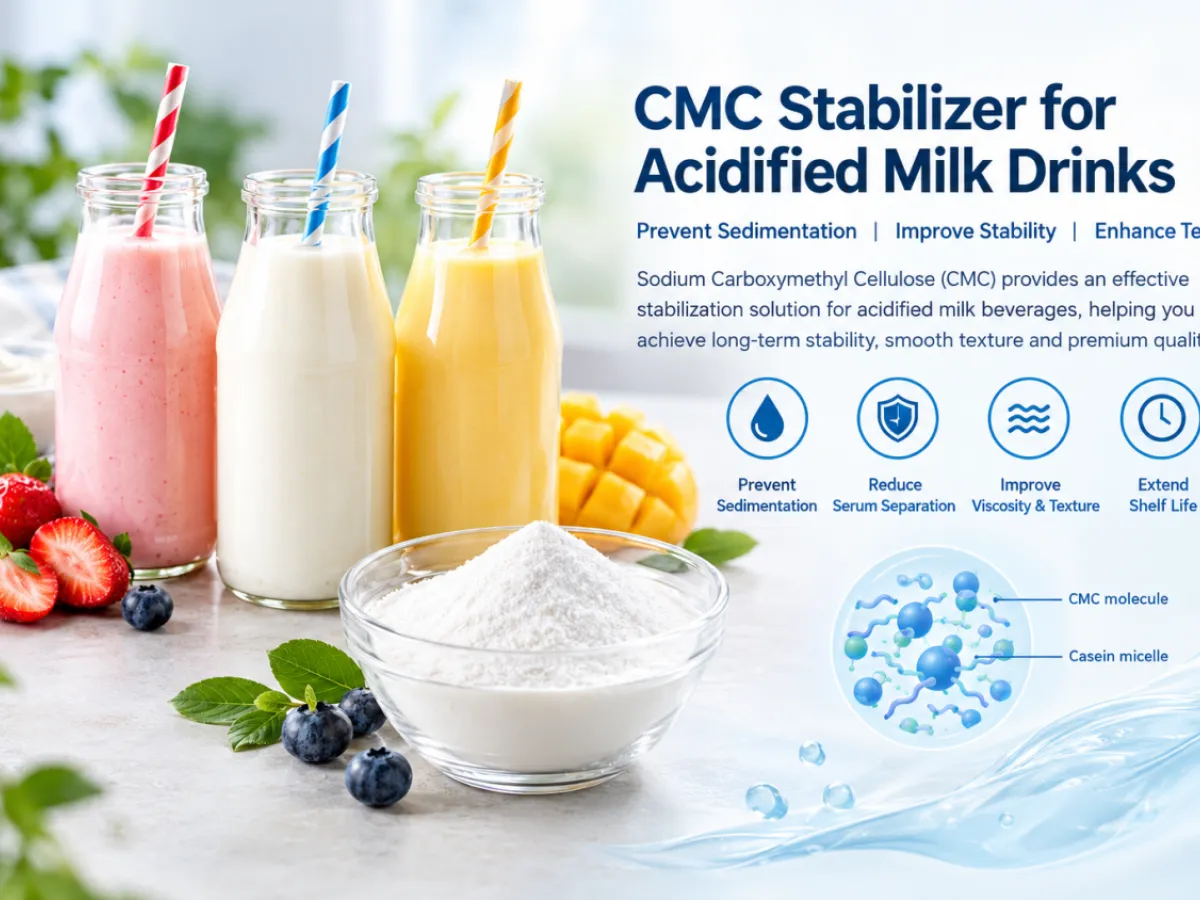
During storage, many acidified dairy beverages may experience problems such as protein aggregation, sedimentation, serum separation and viscosity loss, resulting in poor appearance
Sodium alginate is primarily derived from brown algae and exhibits excellent thickening, stabilizing, film-forming, and gelling properties.

From an application perspective, collagen powder has good compatibility. It can be compounded with vitamins, hyaluronic acid, elastin, probiotics, dietary fiber, and many other ing