Selecting the right casing is one of the most consequential decisions a sausage producer makes. It affects product appearance, texture, production efficiency, shelf life, and ultimately, consumer satisfaction. Among manufactured casings, two types dominate the market: collagen casings and cellulose casings. Both offer advantages over natural casings in terms of uniformity and machinability, but they are fundamentally different in composition, performance, and intended use.
This guide provides a detailed comparison to help you determine which casing type best fits your production requirements.
What Are Collagen Casings?
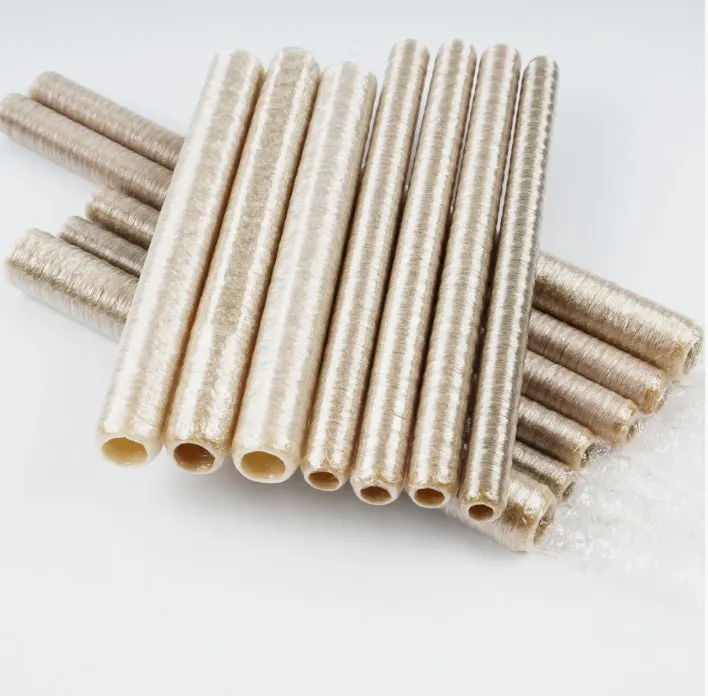
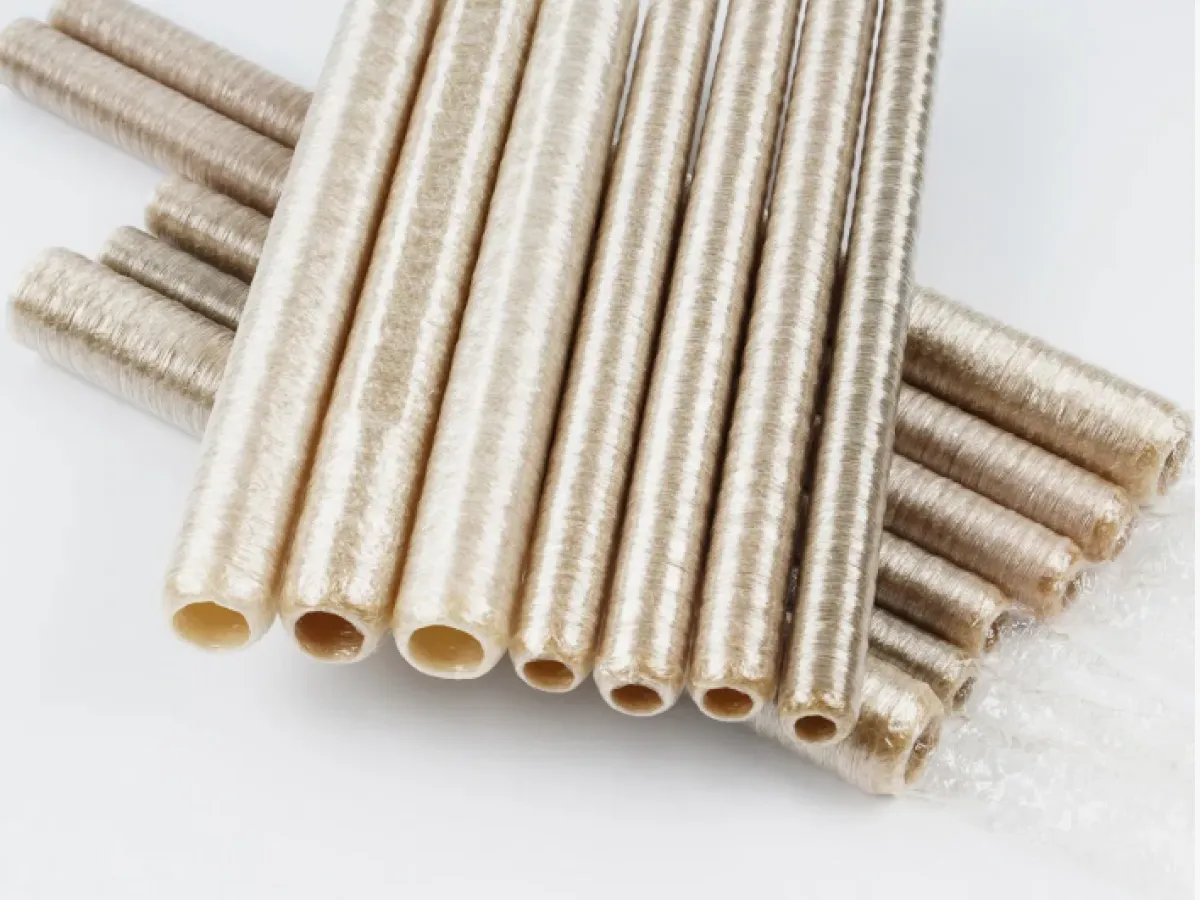
Collagen casings are edible, manufactured casings produced from processed collagen derived primarily from the corium layer of bovine hides. Through extrusion technology, the collagen is formed into uniform, seamless tubes that deliver consistent diameter, wall thickness, and mechanical strength.
Collagen casings resolve the uniformity and storage issues associated with natural casings; they can be straight or curved and used right out of the box. They are available in a wide range of calibers, colors, and formulations tailored to specific processing methods, including fresh, cooked, smoked, and dried applications.
What Are Cellulose Casings?
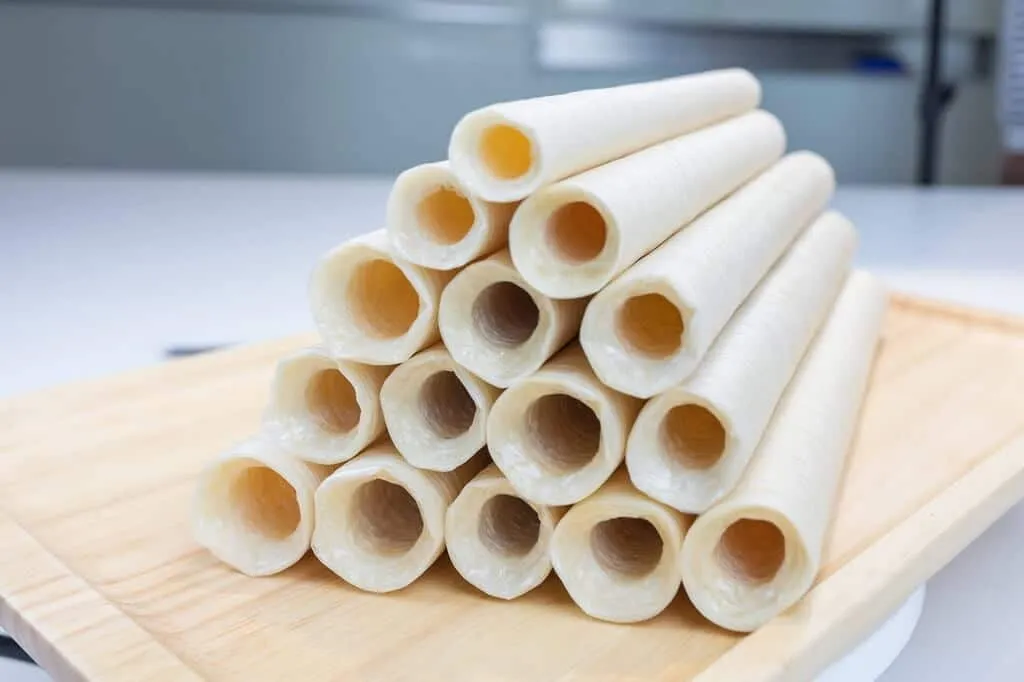
Cellulose casings are non-edible, manufactured casings made from regenerated cellulose derived from wood pulp or cotton linters. First introduced in 1870 as parchment paper casings, modern cellulose casings are very strong and can be used on highly automated equipment.
Cellulose casings are not digestible and must be peeled off prior to consumption. For small-diameter products like hot dogs, the casing is peeled at the plant by automated high-speed peelers. For larger products like salami, the casing is typically peeled off by the consumer.
When to Choose Collagen Casings
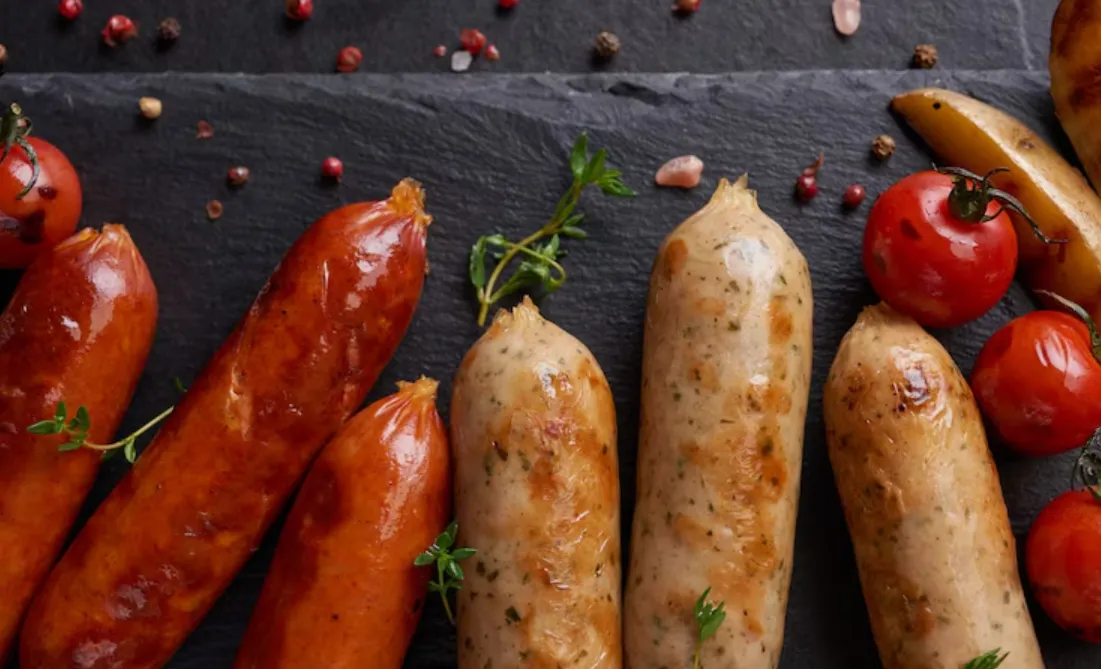
Collagen casings are the ideal choice when the casing is meant to be eaten as part of the product. Their edible nature, combined with a satisfying "snap" that mimics natural casings, makes them suitable for:
Fresh Sausages
Breakfast links, bratwurst, Italian sausage, and fresh pork sausages benefit from collagen's tenderness and excellent machinability.
Smoked Sausages
Smoked links, kielbasa, and frankfurters use collagen casings for balanced smoke uptake and consistent color development.
Dried and Semi-Dried Sausages
Snack sticks, pepperoni, and dried sausages rely on collagen's controlled moisture permeability.
Fried Sausages
Pre-cooked breakfast links and foodservice products use specialized collagen grades that resist bursting and curling during frying.
Key Consideration: Collagen casings have excellent barrier properties against contamination. A study found that synthetic casings like collagen exhibited better barriers against PAH contamination than cellulose and natural casings. Additionally, bacterial adhesion is significantly lower on collagen casings than on animal casings.
When to Choose Cellulose Casings
Cellulose casings are the ideal choice when the casing is meant to be removed before consumption. Their superior peelability makes them the standard for skinless products:
Skinless Hot Dogs and Wieners
Cellulose casings are peeled away after cooking, leaving a smooth, uniform surface. Automated high-speed peelers remove the casing at the plant.
Large-Diameter Cooked Sausages
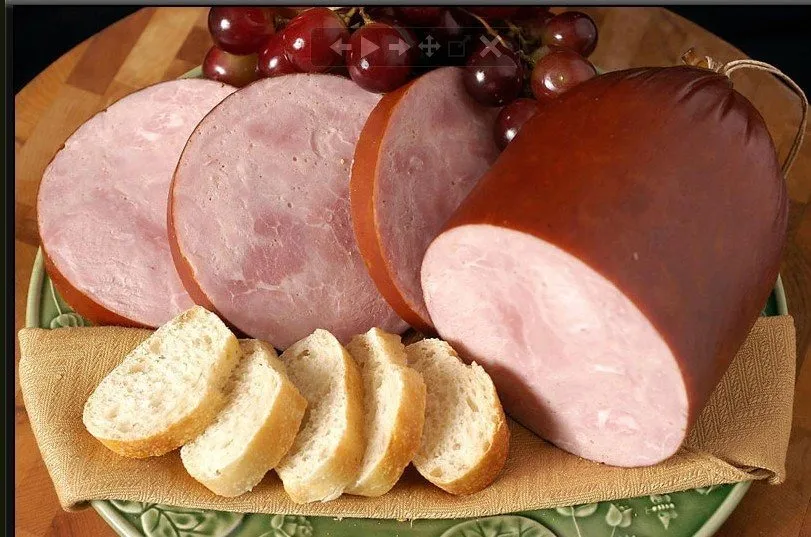
Bologna, mortadella, and deli ham use large cellulose casings designed to give processed meats a cylindrical or oval shape.
Dry-Cured Sausages
Salami and other dry-cured products benefit from cellulose's water and smoke permeability during ripening.
High-Volume Automated Production
Cellulose casings offer exceptional uniformity for hand-stuffing operations to minimize give-away and are compatible with high-speed automated equipment.
Key Consideration: Cellulose casings are water and smoke permeable unless coated with plastic. This permeability allows proper moisture loss and smoke penetration during processing.
Critical Handling Differences
Collagen Casings
• Do not soak—use directly from the package
• Store in a cool, dry place (10–25°C / 50–77°F)
• Reseal opened packaging to prevent moisture loss
Cellulose Casings
• Do not soak—ready-to-use out of the box
• Once the carton is opened, caddies must be properly stored to prevent moisture loss
• Keep the poly bag liner and carton sealed when not in use
Conclusion
The choice between collagen and cellulose casings comes down to a single fundamental question: Will the casing be eaten or removed?
If the casing is part of the eating experience, choose collagen—it is edible, delivers a satisfying snap, and performs reliably across fresh, smoked, fried, and dried applications.
If the casing is a production tool to be peeled away, choose cellulose—it offers superior peelability, excellent strength, and is the industry standard for skinless hot dogs, bologna, and dry-cured sausages.
Both casing types offer the consistency, machinability, and storage advantages that natural casings cannot match. Understanding their fundamental differences ensures you select the right casing for your product, your production line, and your customers.
Nourisi Group, as the leading manufacturer and supplier of collagen casing for almost 20 years’ experience since 2006, committed to innovation and continuous improvement, and growing together with our customers globally. If you have any demand or problem on casing, please feel free to contact with us.
This guide provides a detailed comparison to help you determine which casing type best fits your production requirements.

The casein gel network formed during yogurt fermentation is structurally fragile and prone to rupture during transportation or refrigeration, leading to whey separation. Upon cooli

Aqueous solutions of welan gum exhibit typical pseudoplastic fluid characteristics, namely high apparent viscosity at low shear rates and a pronounced decrease in viscosity as the
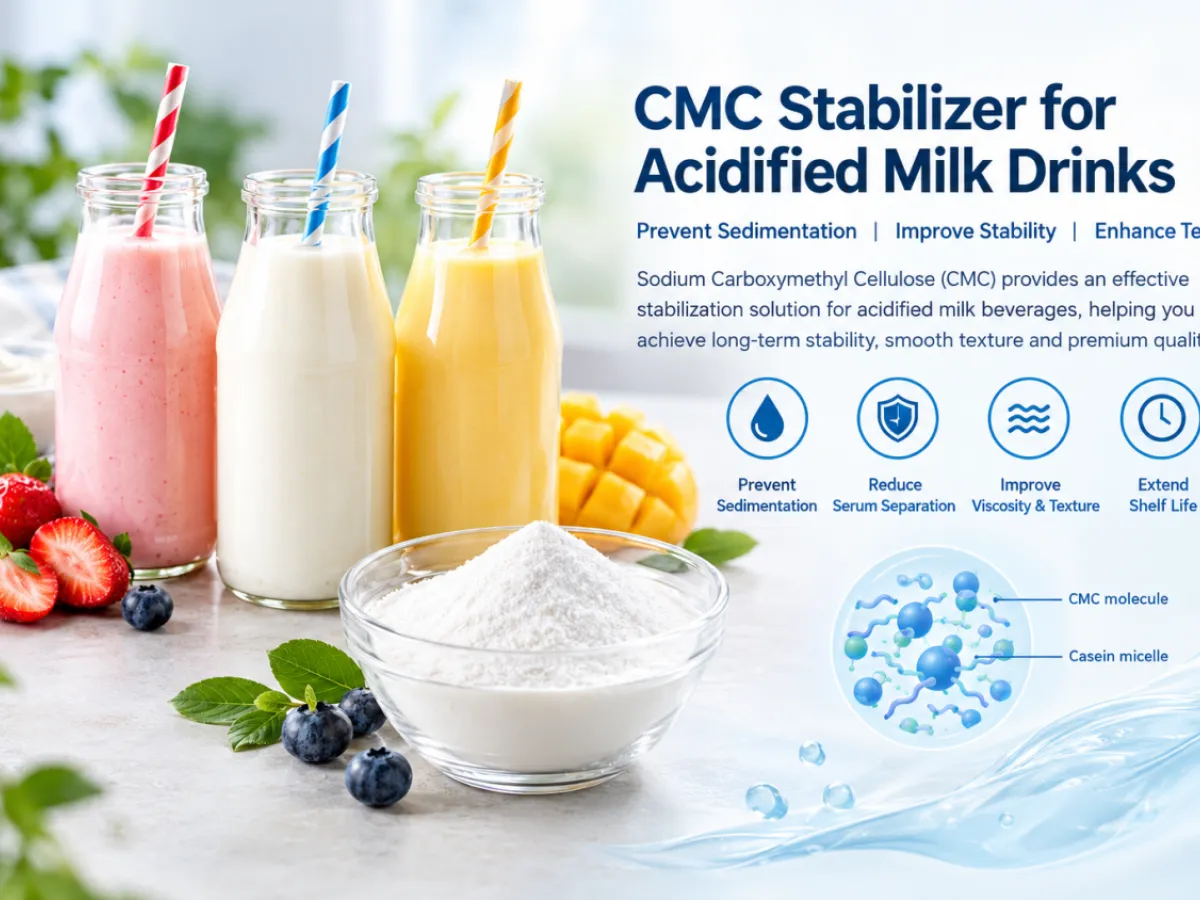
During storage, many acidified dairy beverages may experience problems such as protein aggregation, sedimentation, serum separation and viscosity loss, resulting in poor appearance
Sodium alginate is primarily derived from brown algae and exhibits excellent thickening, stabilizing, film-forming, and gelling properties.

From an application perspective, collagen powder has good compatibility. It can be compounded with vitamins, hyaluronic acid, elastin, probiotics, dietary fiber, and many other ing
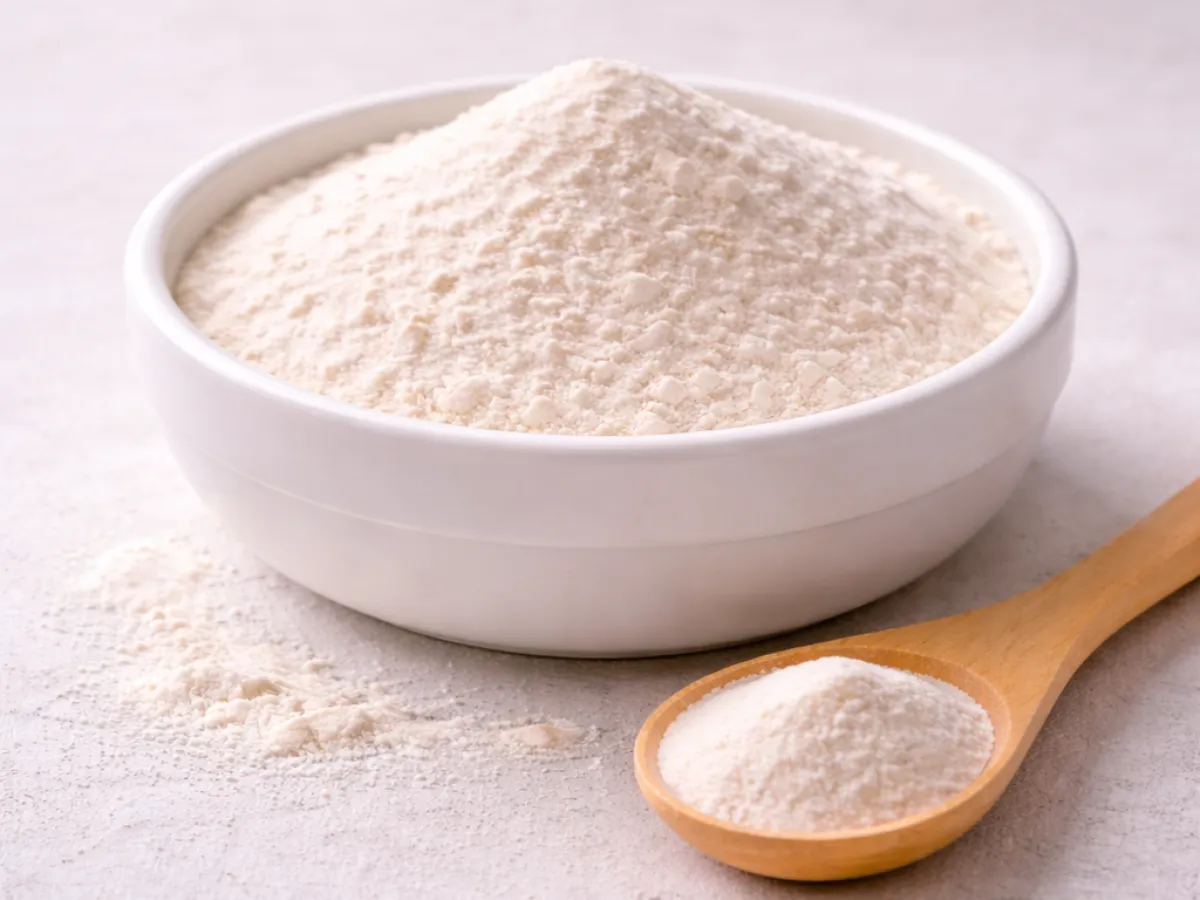
Modified starch relies on heat-induced gelatinization to form a viscous system; it establishes stable viscosity only after sufficient heating and provides no thickening effect in c

Single hydrocolloids always have limitations: xanthan gum alone provides insufficient oil dispersion and tends to release oil; agarose alone lacks suspension power and tends to sep
Dust pollution generated during coal mining, transportation, stockpiling, and handling poses severe health risks to workers, contaminates the environment, and creates safety hazard
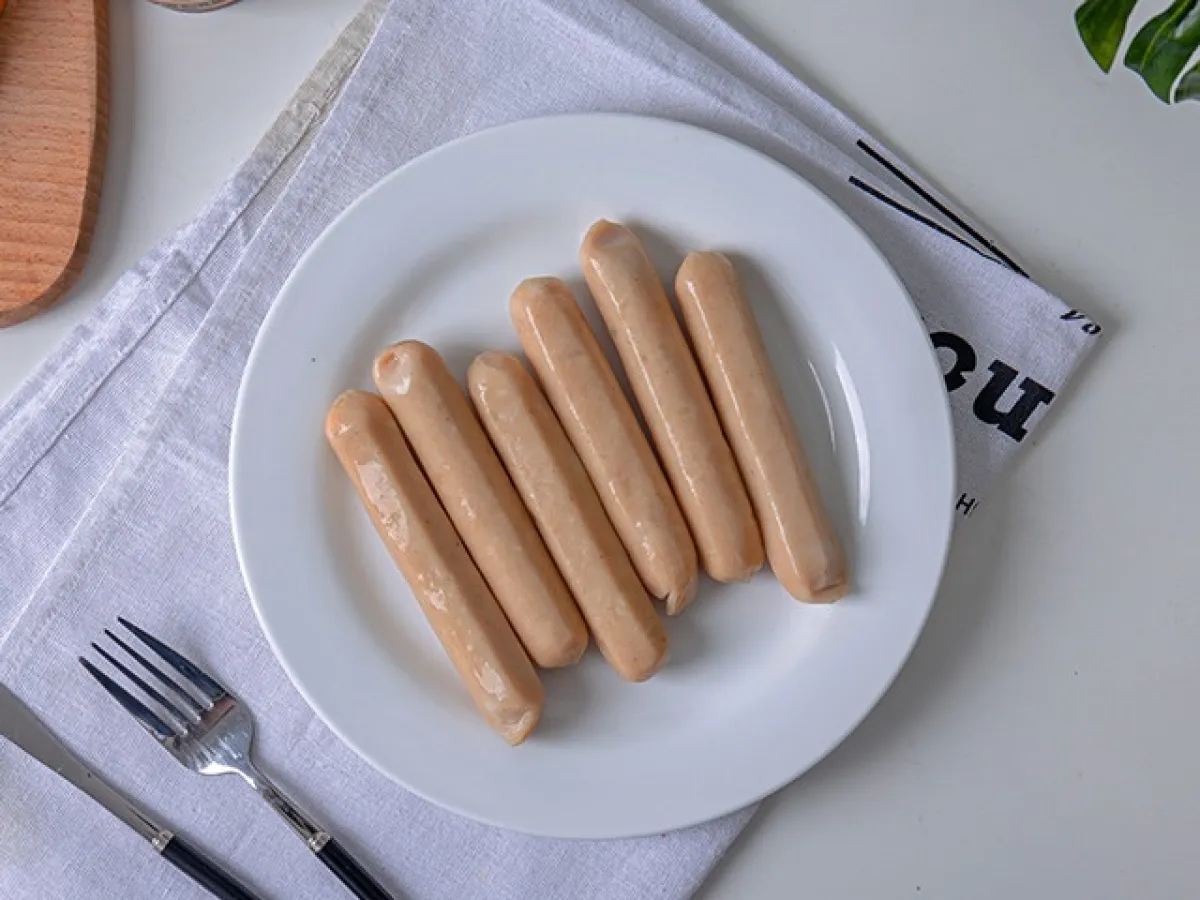
This knowledge article explains the fundamental differences between edible and non-edible collagen casings across material composition, manufacturing, applications, handling, and p