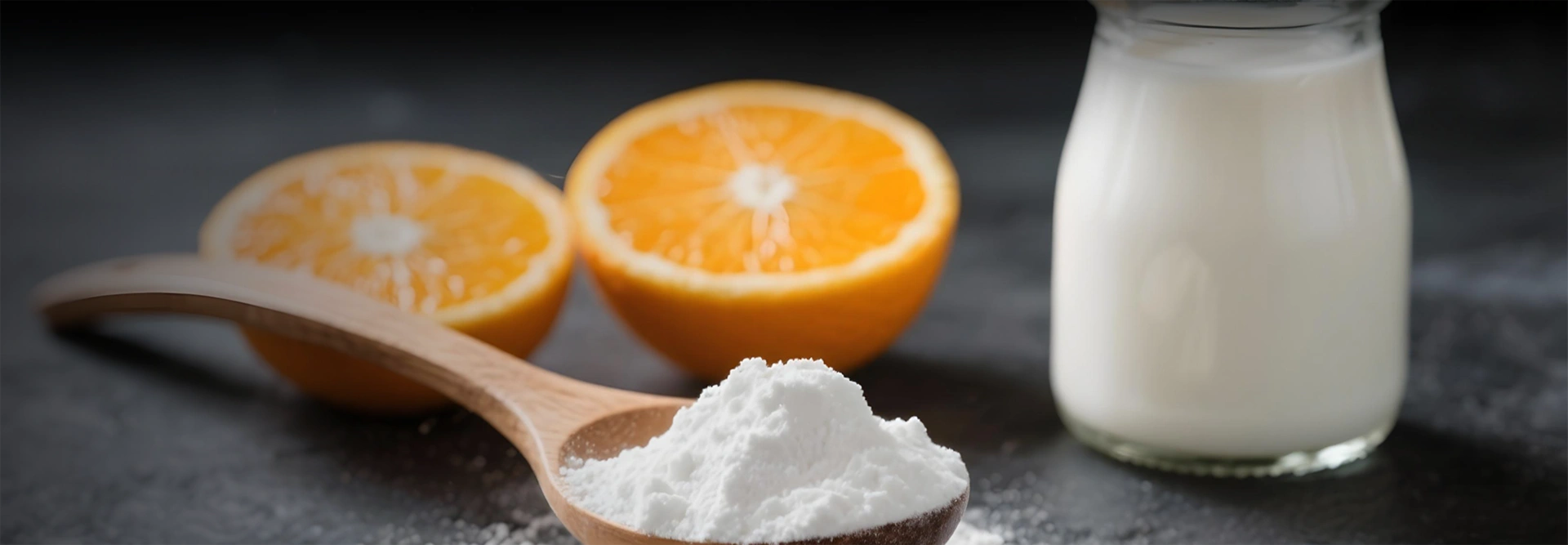
In the production of porridges and soups, formulators often face a seemingly simple yet difficult problem: separation between solid particles and the liquid base. Whether it is beans sinking to the bottom of an eight-treasure porridge or uneven distribution of the jelly-like texture in snow fungus soup, this directly impacts the consumer's first impression. In this context, the value of agar goes far beyond just being a "gelling agent."
Why Porridges and Soups Need Agar
Porridges and soups are typical multi-phase systems: water, starches, proteins, and solid particles coexist. During heating, filling, sterilization, and storage, particles tend to sink and the liquid tends to separate. Here, agar acts as a suspension stabilizer.
Agar has exceptionally high gel strength—its gelling ability is roughly ten times that of animal gelatin—meaning it is highly effective at very low usage levels. More importantly, agar gels do not melt below 85°C, a property that is crucial for the sterilization process of canned porridges and soups. The product must undergo high-temperature sterilization, and agar gel can withstand this process without losing its structure.
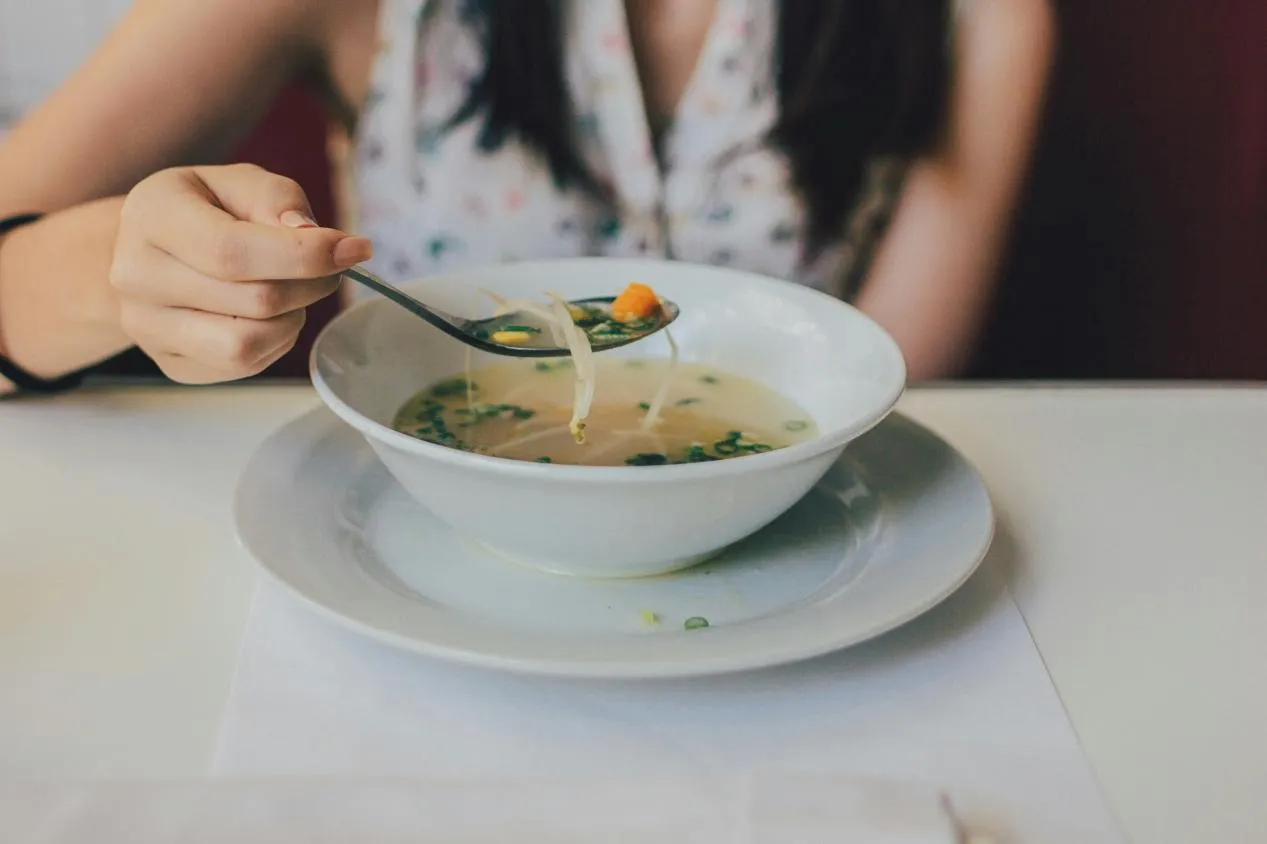
Eight-Treasure Porridge and Thick Soups: A 0.3%–0.5% Stabilization Solution
In canned foods such as eight-treasure porridge, bird's nest with snow fungus, and thick soups, industry practice uses agar at 0.3%–0.5% as a thickening and stabilizing agent. Its role is to keep other added ingredients evenly dispersed, preventing sedimentation and separation while improving mouthfeel.
This usage level is noteworthy: it does not aim to form a hard gel, but rather utilizes the weak gel network formed by agar during cooling to suspend solid particles. For porridges that need to maintain a "flowable" texture, this is the critical balance.
Soups and Aspics: From Thickening to Setting
Agar has two distinct application directions in soups.
Direction 1: As a soup thickener. In vegetable soup powders and dry soup mixes, agar can be used as a thickener. A study on seaweed-based soup powders showed that agar and carrageenan can successfully replace cornstarch as soup thickeners with high sensory acceptability. Agar itself is tasteless and will not interfere with the soup's original flavor—a particularly important point for light-colored or delicate soups.
Direction 2: Making soup aspics (meat jelly). This is a more unique application. When boiling chicken, duck, or pork broth, adding about 1% agar, boiling, and then cooling creates a high-quality soup aspic. This aspic retains the full flavor of the broth while giving the product a sliceable, moldable form, suitable as a cold dish or side.
An Often-Overlooked Processing Detail
There are two key operational points to note when using agar in porridges and soups.
First, agar does not dissolve in cold water and must be heated above 90°C to fully dissolve. In porridge production, this means agar must be added during the cooking phase with thorough stirring, rather than simply mixed in at a later stage.
Second, agar should not be mixed with highly acidic foods, as acidic conditions affect its gelling ability. For acidic soups like tomato soup or hot and sour soup, agar selection requires more caution, or the acidity should be adjusted before adding agar.
Additionally, in sweetened porridges, agar does not dissolve in sugar solutions. The correct method is to add sugar to the hot agar solution, not the other way around.
We supply food-grade agar with consistent gel strength, suitable for eight-treasure porridges, canned thick soups, soup bases, and soup aspics. Our technical team can recommend the right agar grade and dosage for your specific porridge or soup formulation, helping you solve separation and sedimentation issues.

Collagen casings are the only manufactured casing that can be either edible or non-edible depending on formulation and intended end use. This dual nature is both an advantage and a

Porridges and soups are typical multi-phase systems: water, starches, proteins, and solid particles coexist. During heating, filling, sterilization, and storage, particles tend to

The most core role of gelatin in gummies is as a gelling agent, building the entire skeletal structure of the gummy. Gelatin is derived from the partial hydrolysis of animal collag
Plant-based meat alternatives have evolved significantly in terms of protein sources, flavor systems, and processing technologies. Yet replicating the juiciness, tenderness, and mo
Pregelatinized starch solves this problem. This physically modified starch has already been cooked and dried during production, giving it the ability to absorb water and swell at a
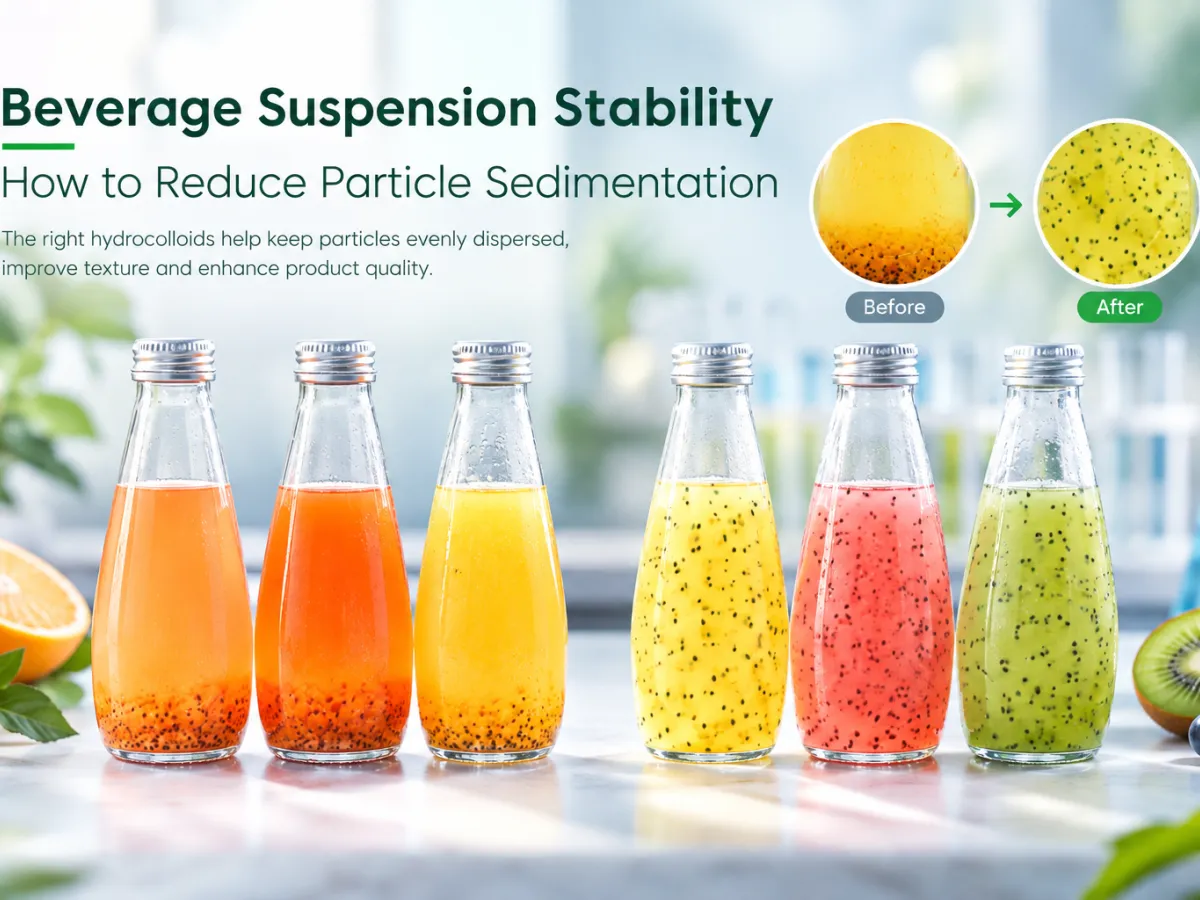
With the development of beverages containing fruit pieces, plant-based particles, fruit juice, and functional ingredients, food manufacturers are increasingly focusing on product a

As a classic clarifying agent, the mechanism of gelatin in beverage clarification is quite ingenious. Gelatin is a protein carrying a positive charge, while many of the turbid subs

In simple terms, it is pectin that has gone through an additional "ammonia treatment" step during production, which attaches amide groups to the pectin molecule.

This guide provides a detailed comparison to help you determine which casing type best fits your production requirements.
The casein gel network formed during yogurt fermentation is structurally fragile and prone to rupture during transportation or refrigeration, leading to whey separation. Upon cooli