Curdlan gum inherently possesses Dectin-1 targeted immune activity, a unique dual-mode thermogel (thermally reversible/thermally irreversible), gastrointestinal enzyme inertiousness, easy chemical modification, resistance to moist heat sterilization, and forms a differentiated advantage from sodium alginate, gelatin, chitosan, AGAR, and hyaluronic acid.
Natural immune activity
Curdlan gum is a β -1, 3-glucan with a triple helix structure that can specifically bind to the Dectin-1 receptor on immune cells, activate macrophages and dendritic cells, and promote Th1-type immune responses. It is suitable for vaccine adjuvants, tumor immunity, and wound repair PMC.
- Original glue: Immune-stimulating, promoting regeneration
- Sulfated derivatives (CRDS) : Antiviral (HIV, HBV, etc.), antimalarial, heparin-like anticoagulant activity;
- It can achieve the dual function of a carrier and an adjuvant: delivering antigens/drugs while carrying out immune activation
In comparison, sodium alginate and gelatin basically have no innate immune activation function and only serve as carrier skeletons.
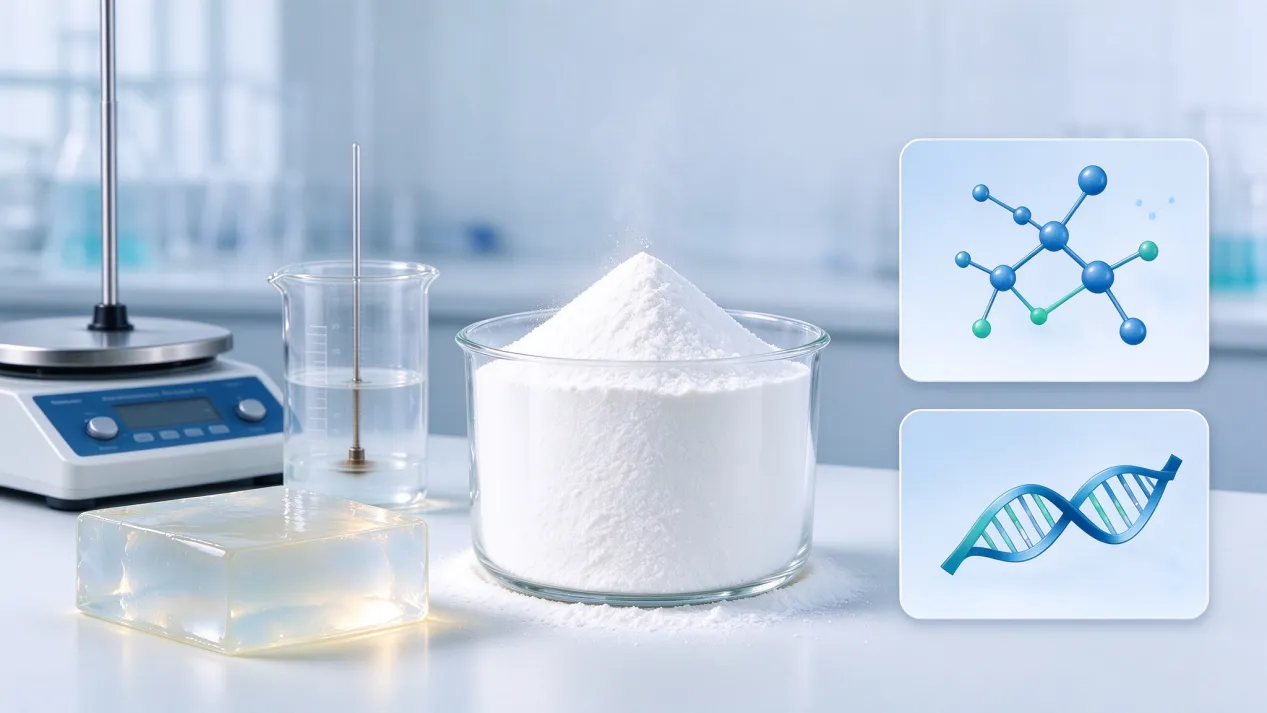
Unique dual-mode thermogel properties
- Low-temperature gel (55-65℃, thermally reversible) : It cools to form a gel and can flow again upon reheating. It is suitable for in situ injection gel, injectable drug administration, and minimally invasive filling.
- High-temperature gel (≥80℃, thermal irreversible) : It does not melt when reheated after molding, is resistant to steaming and boiling, and can withstand moist heat sterilization. Its structure does not collapse after high-pressure steam sterilization. This is a huge advantage that AGAR, gelatin, and carrageenan cannot achieve
The gel strength, porosity and swelling degree can be simply regulated by concentration, heating temperature and holding time without the need for toxic crosslinking agents.
- Three-dimensional porous network and high liquid absorption capacity, suitable for absorbing exudate in wound dressings, tissue engineering scaffolds, and enzyme immobilization carriers.
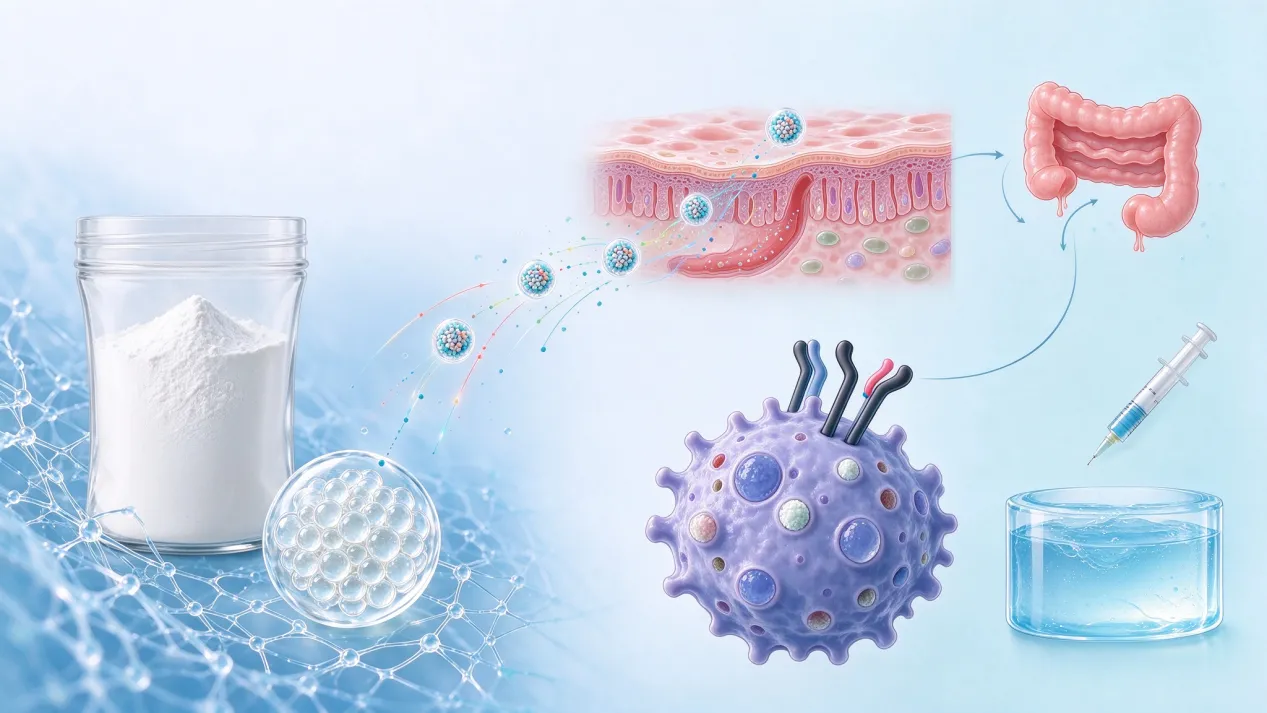
It is inert to degradation and digestion in vivo and is highly suitable for oral colon-targeted and live bacteria encapsulation
The human digestive tract lacks β -1, 3-glucanase:
It is hardly digested or decomposed in the stomach and small intestine. It is slowly degraded by intestinal microorganisms only when it reaches the colonic microbiota area.
- Highly suitable for: oral protein/peptide drugs, probiotics, live bacteria embedding, colon-targeted drug delivery, protecting active substances against gastric acid and upper gastrointestinal enzymatic hydrolysis;
The degradation is controllable and not rapid dissolution. It can achieve sustained release for several days to several weeks.
It has good safety, low toxicity, low innate immunogenicity, and a mature raw material foundation
- Microbial fermented polysaccharides, no animal source risk (no virus hazard, superior to gelatin);
It has been approved for food grade, with sufficient toxicological data, low hemolysis and good cytocompatibility.
Odorless and colorless, it does not interfere with the activity of proteins and antigens.
- Stable pH (pH 2 to 10 can be stabilized), suitable for acidic gastrointestinal environment and inflammatory microenvironment preparations.
The chemical modification space is extremely large and functions can be customized as needed
A large number of hydroxyl groups can be modified at a low cost.
Carboxymethylation: Water-soluble, pH (differential release in acidic/neutral environments), made into self-assembled nanoparticles loaded with chemotherapy drugs;
Sulfation: Antiviral, anticoagulant, and immune-boosting;
- Grafted cholesterol, polypeptides, and targeted ligands: Achieving cell-targeted and hydrophobic drug loading;
- Grafted fluorescent groups and aptamers: used for biosensing and tracing;
After modification, part of the glucan immune activity can be retained simultaneously (provided that the triple helix is not damaged).
Advantages in processing and sterilization
- Direct in-situ thermoforming sterilization is available: After embedding the drug/cell, direct moist heat sterilization is carried out, and the gel is formed simultaneously. Many polymer carriers will become ineffective and degrade during sterilization.
It is freeze-thaw resistant and can be made into porous sponge dressings and scaffolds after freeze-drying.
It can be processed through various techniques such as electrospinning, casting, freeze-forming, and microsphere emulsification.
- Not dependent on ion cross-linking (sodium alginate depends on calcium ions, and it is prone to disintegration when calcium ions are lost in the body).
An additional advantage as a wound/tissue scaffold material
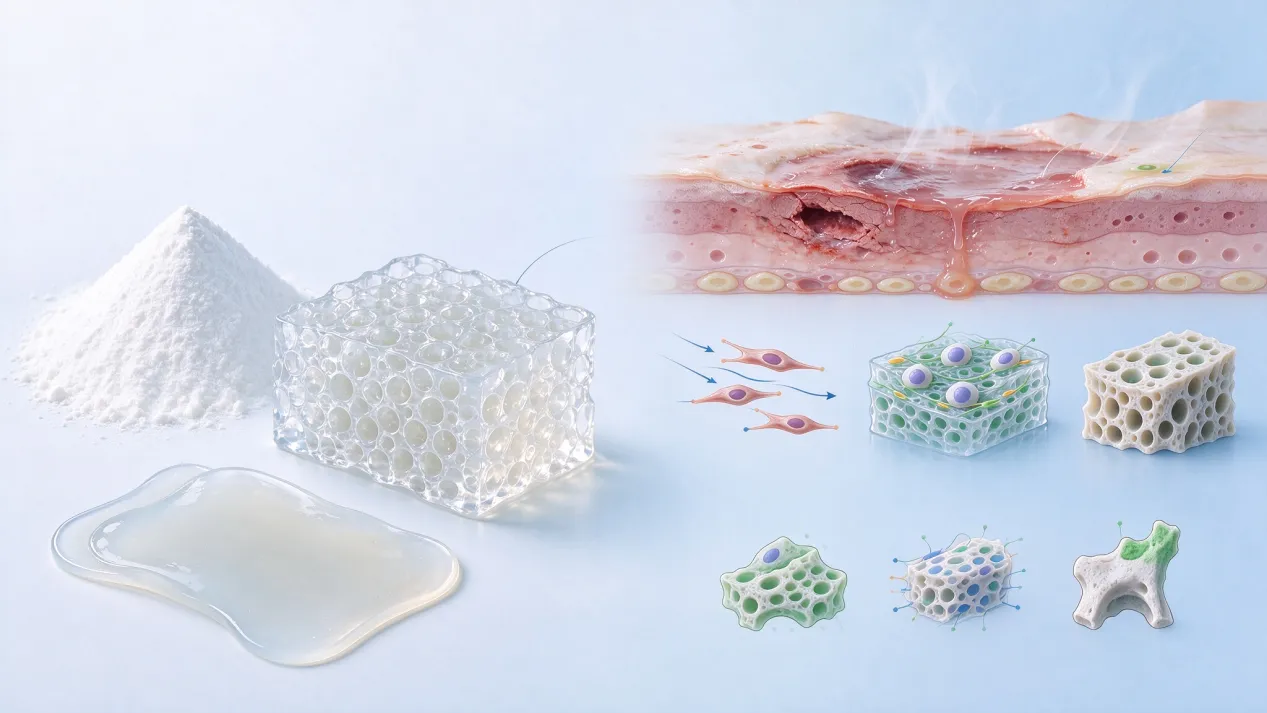
The gel network is moisturizing and breathable, maintaining a wet healing environment.
The immune activation effect directly accelerates wound healing, not just passive coverage.
It can be compounded with silver, copper, chitosan and growth factors to make anti-infection and restoration-promoting compound dressings.
The pores are adjustable, supporting stem cell adhesion and proliferation, and are used in the research of skin and bone tissue engineering scaffolds.
Shortcomings (To be considered in conjunction when initiating the project)
1. The original curdlan gum is insoluble in water, has a high viscosity in the dispersion system, and has a high threshold for prescription processing.
2. Pure gel is relatively brittle and has weak mechanical properties. Generally, it needs to be compounded with chitosan, PVA, and gelatin.
3. The degradation rate of long-term implantation in the body is relatively slow, and there is a risk of foreign body reaction after long-term implantation.
4. Medical-grade purification and endotoxin control are costly.
5. Immune activation is a double-edged sword: In scenarios of autoimmune diseases, the dosage and modification degree need to be controlled.
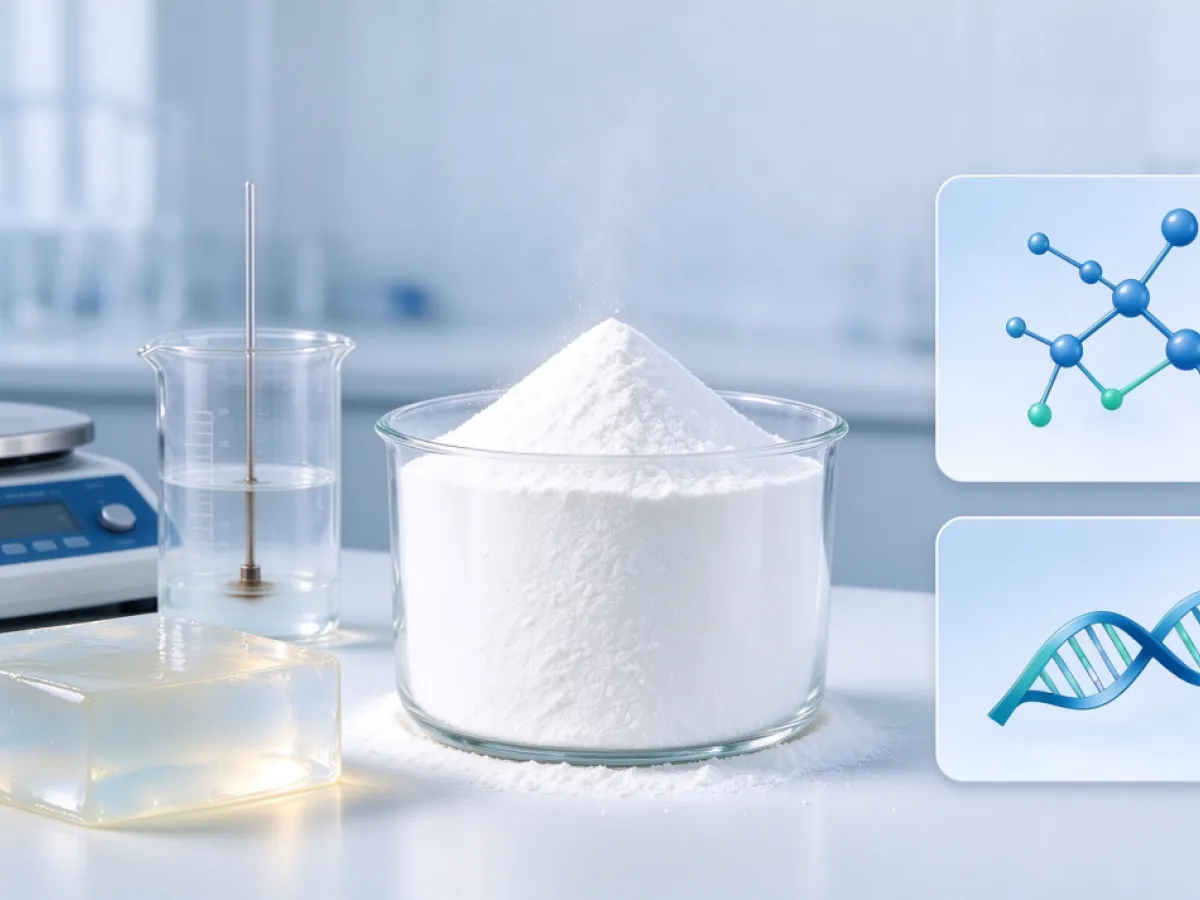
Curdlan gum is a β -1, 3-glucan with a triple helix structure that can specifically bind to the Dectin-1 receptor on immune cells, activate macrophages and dendritic cells, and pro
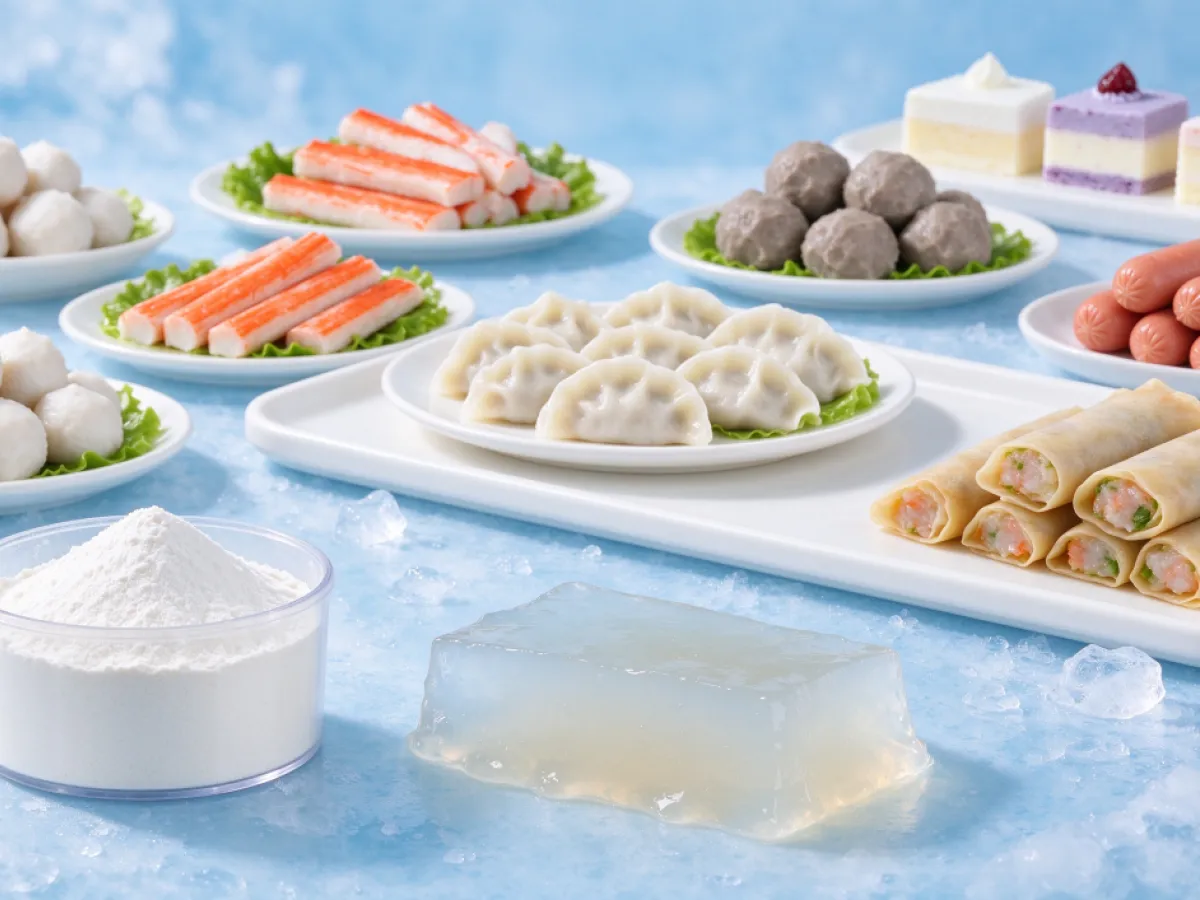
Excellent freeze-thaw stability Its formed gel structure resists damage during repeated freezing, storage and thawing. It effectively reduces water separation (syneresis), prevents
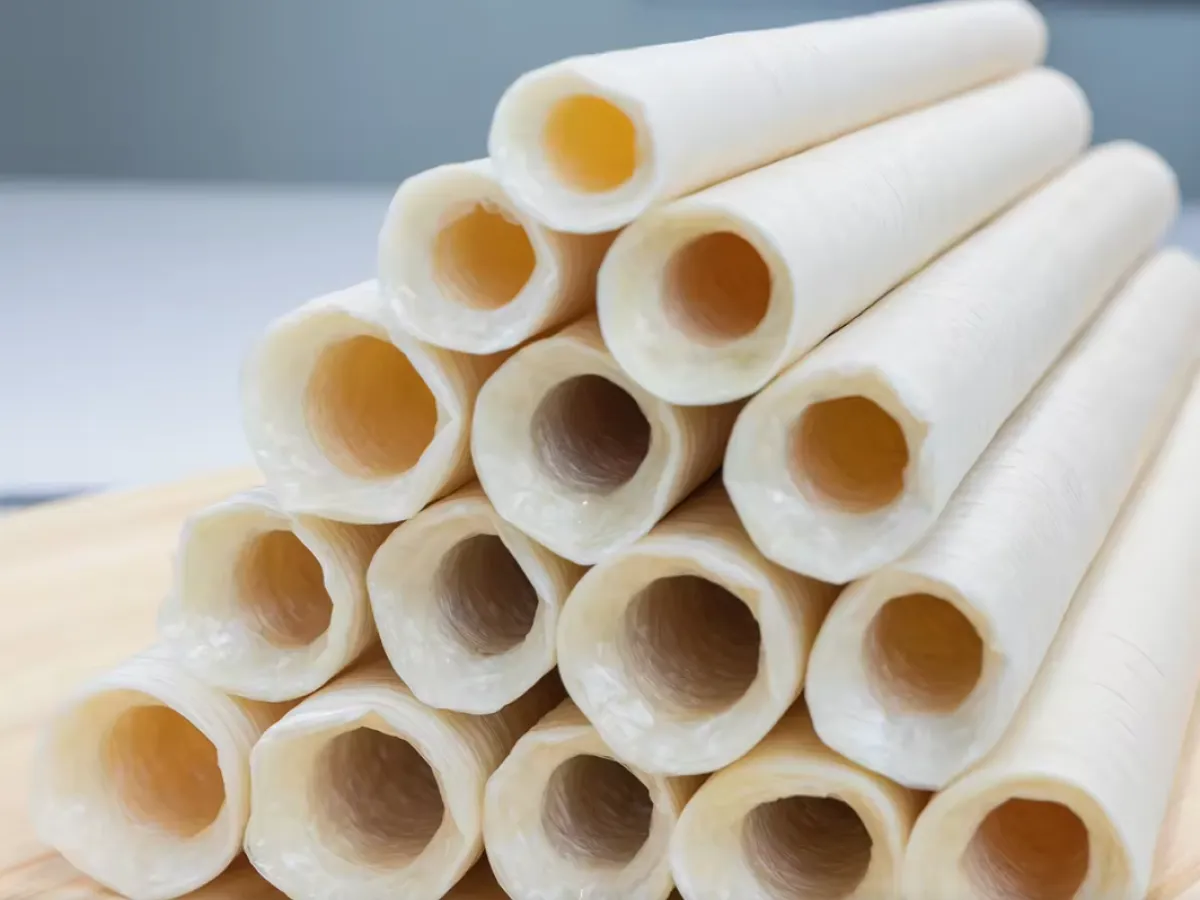
Collagen casings are the only manufactured casing that can be either edible or non-edible depending on formulation and intended end use. This dual nature is both an advantage and a

Porridges and soups are typical multi-phase systems: water, starches, proteins, and solid particles coexist. During heating, filling, sterilization, and storage, particles tend to
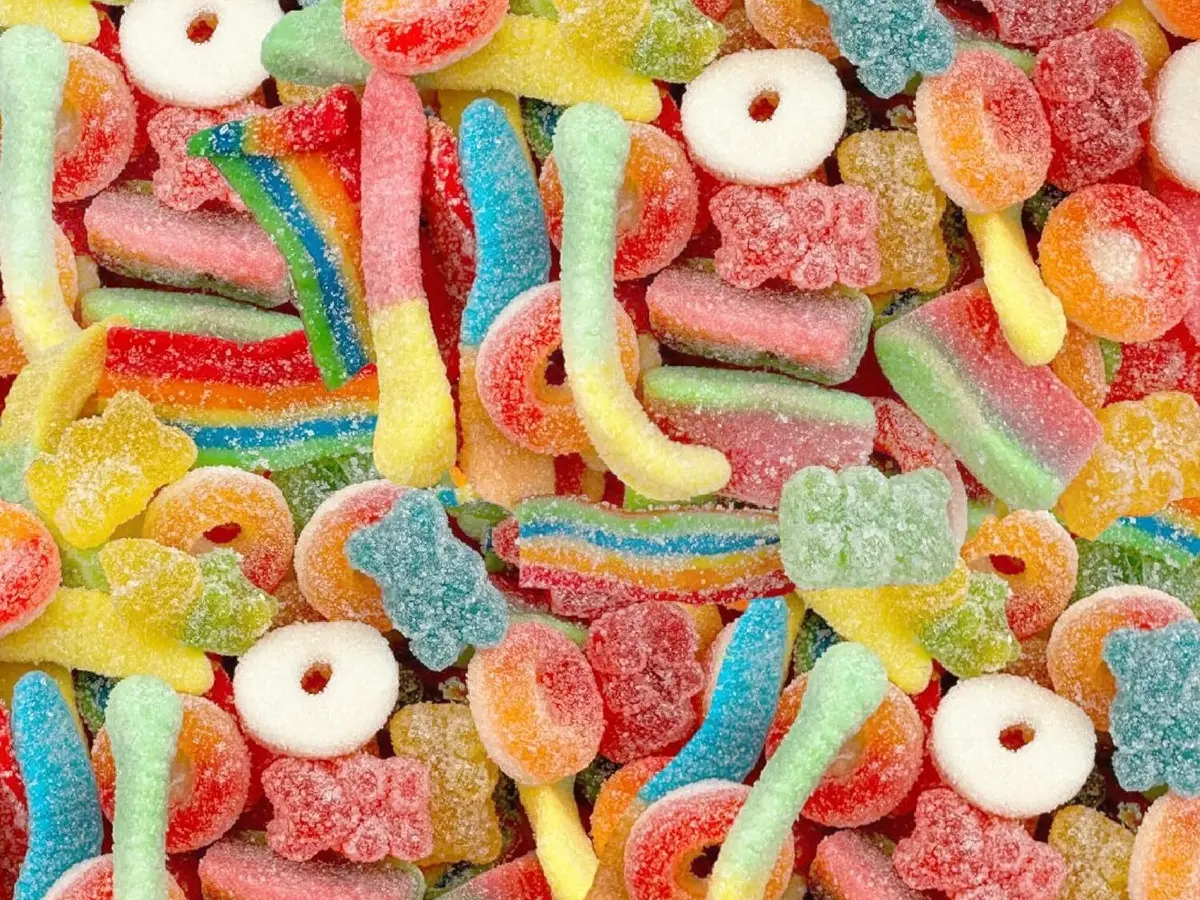
The most core role of gelatin in gummies is as a gelling agent, building the entire skeletal structure of the gummy. Gelatin is derived from the partial hydrolysis of animal collag
Plant-based meat alternatives have evolved significantly in terms of protein sources, flavor systems, and processing technologies. Yet replicating the juiciness, tenderness, and mo
Pregelatinized starch solves this problem. This physically modified starch has already been cooked and dried during production, giving it the ability to absorb water and swell at a
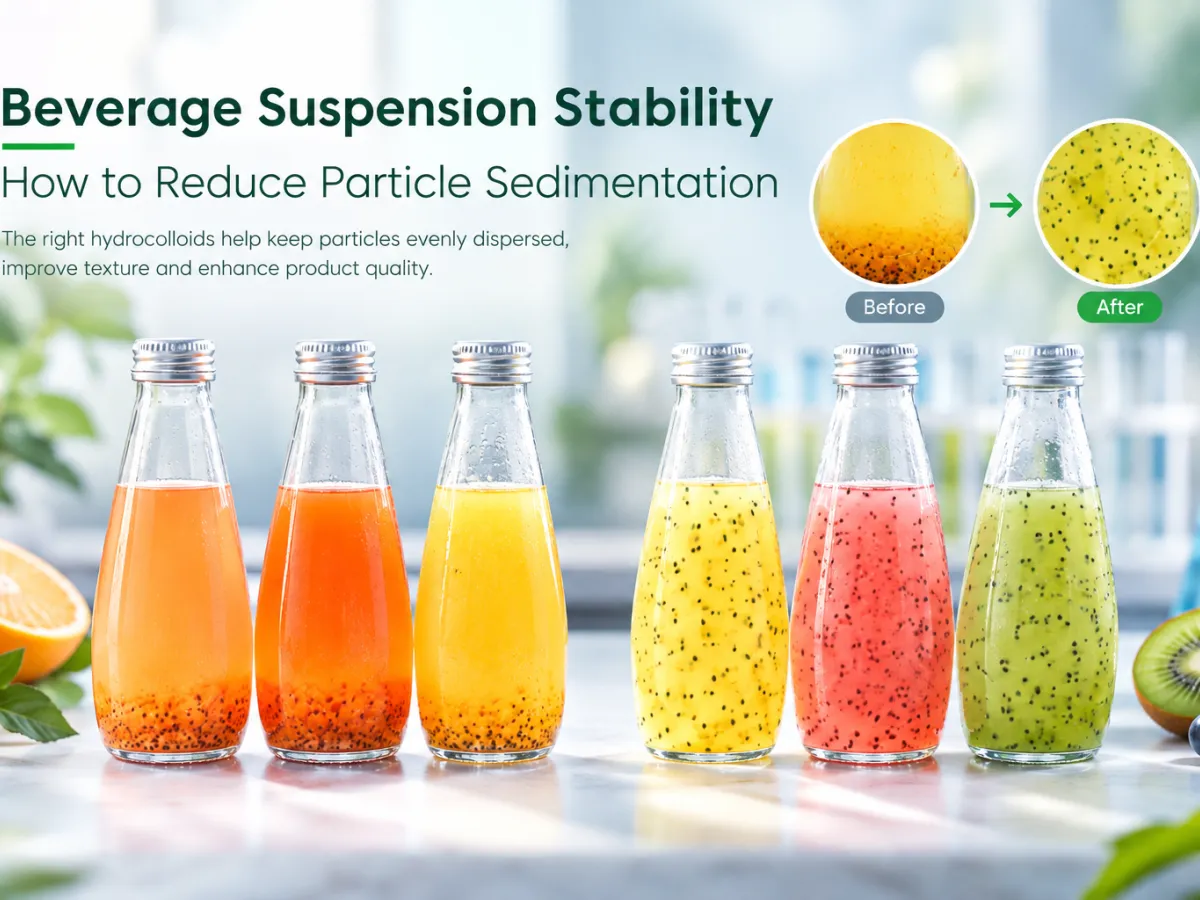
With the development of beverages containing fruit pieces, plant-based particles, fruit juice, and functional ingredients, food manufacturers are increasingly focusing on product a

As a classic clarifying agent, the mechanism of gelatin in beverage clarification is quite ingenious. Gelatin is a protein carrying a positive charge, while many of the turbid subs
In simple terms, it is pectin that has gone through an additional "ammonia treatment" step during production, which attaches amide groups to the pectin molecule.