Nourisi,Your Trusted Partner for Premium Collagen Sausage Casings. Engineered for Performance. Built for Consistency.
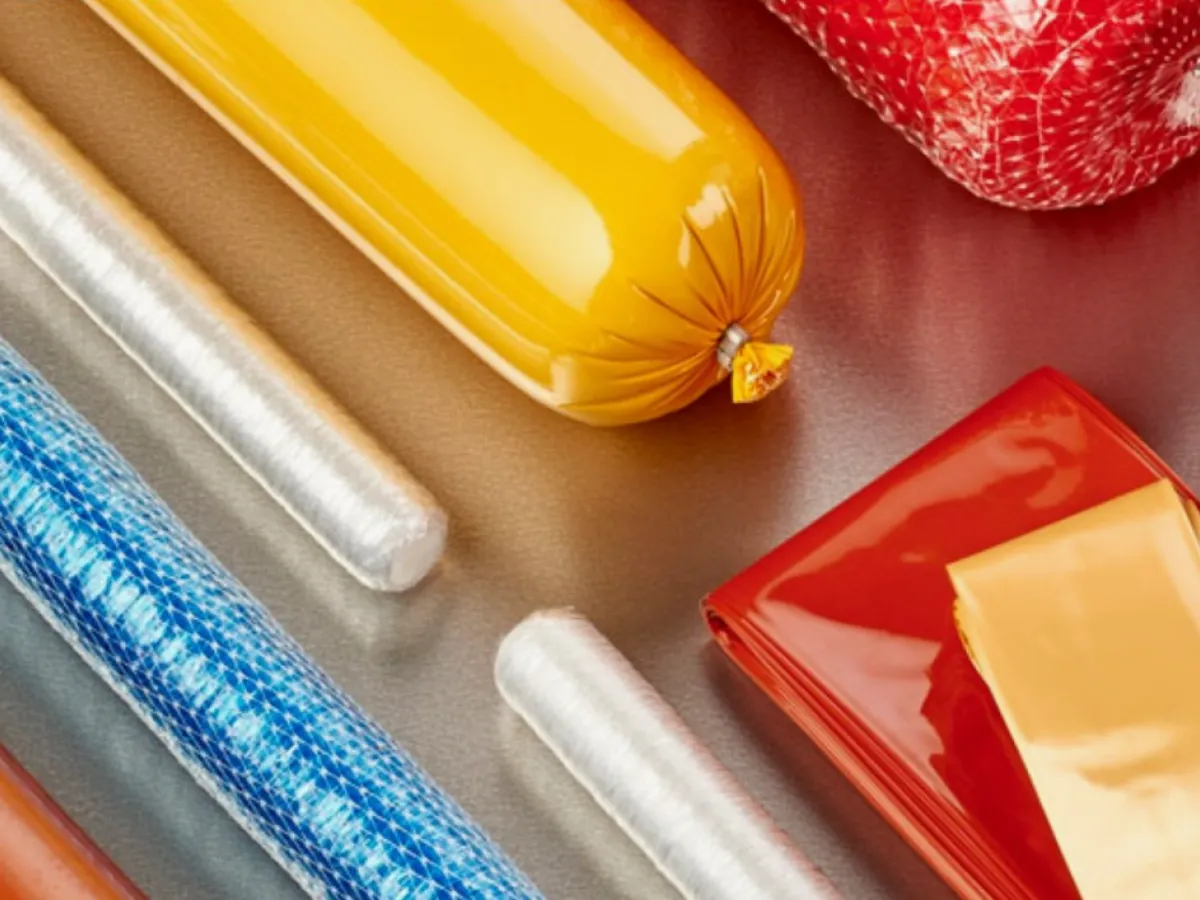
Collagen and plastic casings sit at opposite ends of the artificial casing spectrum. Collagen is protein-based, edible, and permeable to smoke and moisture. Plastic—most commonly polyamide (nylon)—is synthetic, non-edible, and prized for its barrier properties. Choosing between them is not a question of which is “better,” but of which function the casing is meant to serve: Is the casing part of the product, or is it a protective package that will be removed?
This guide compares the two across material composition, permeability, shelf-life impact, eating experience, processing behaviour, and application fit, and closes with a selection framework for production planning.
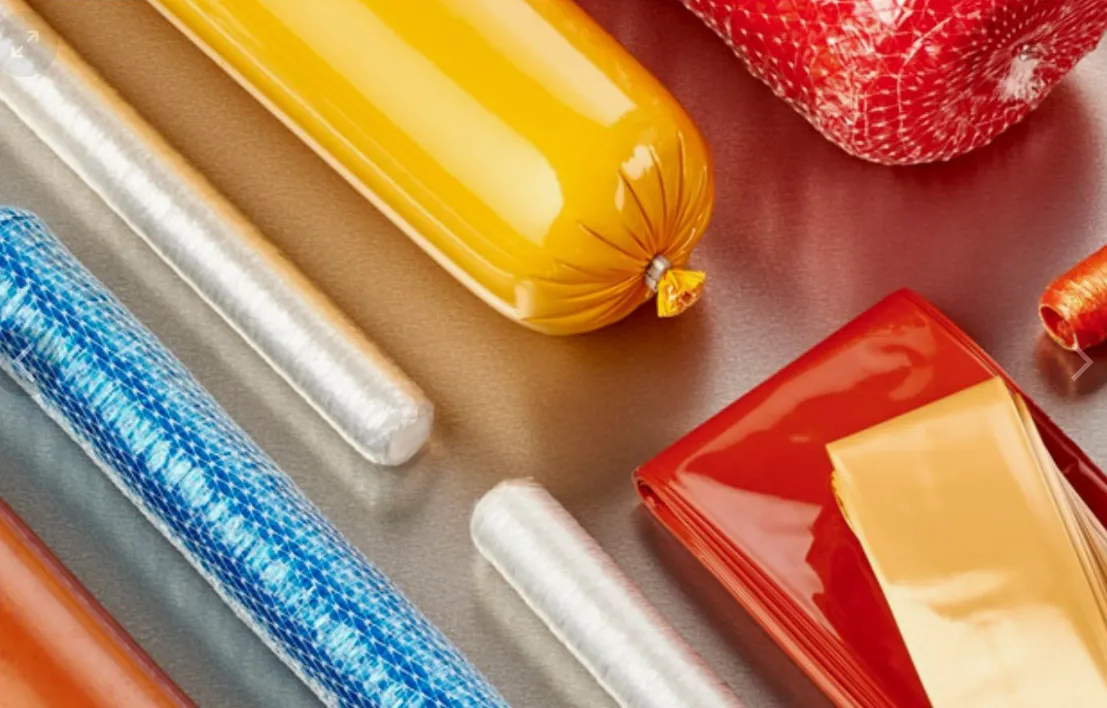
The Fundamental Divide: Edible Component vs. Protective Barrier
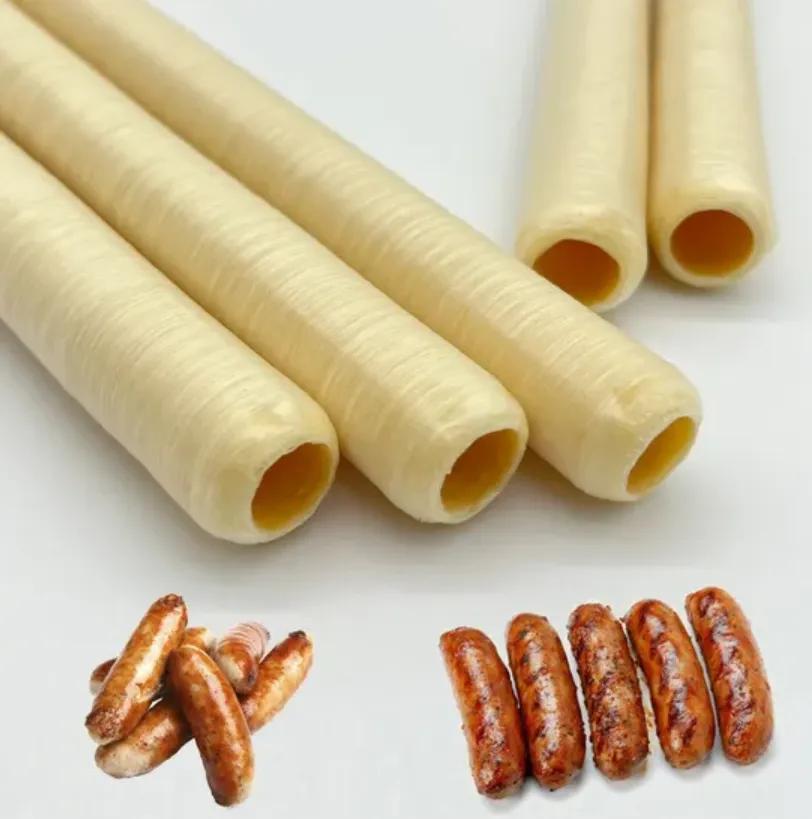
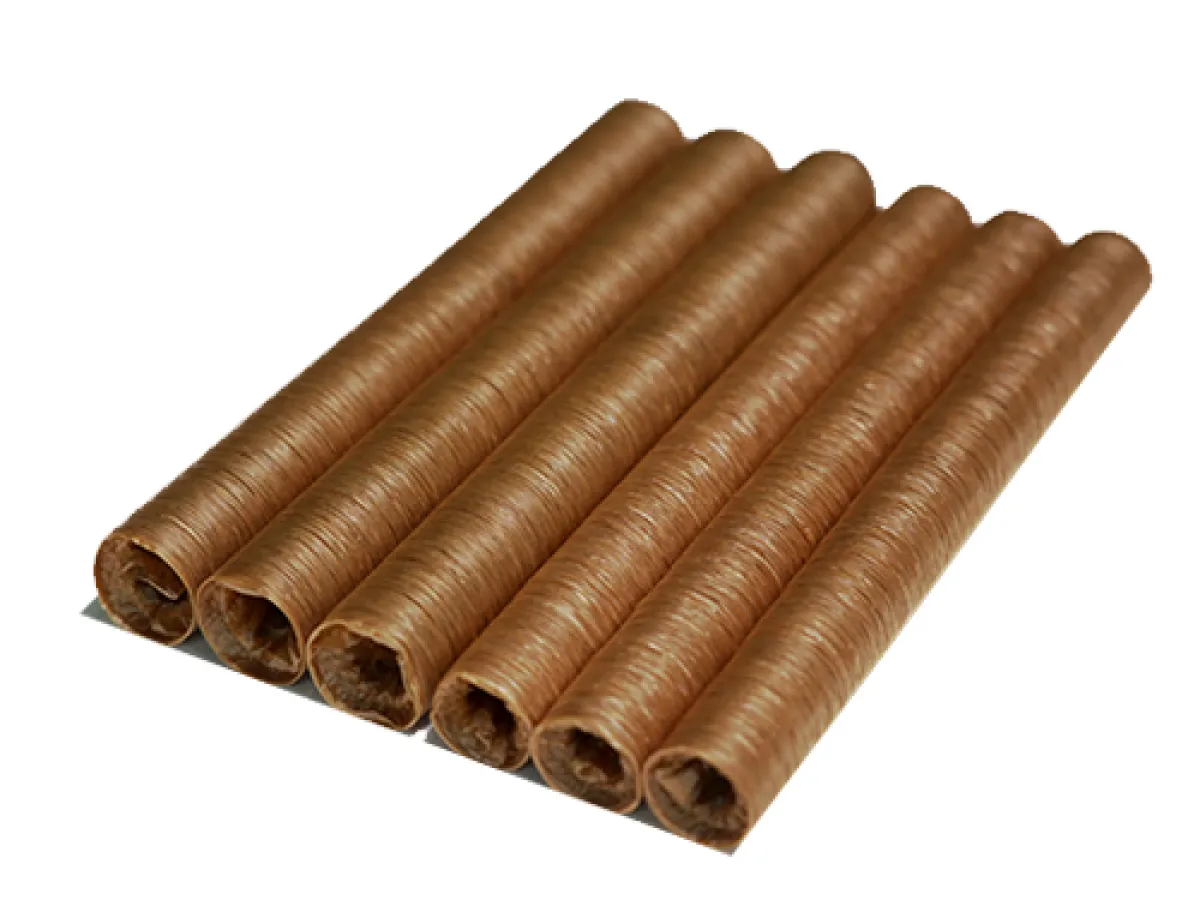
Collagen casings are edible and consumed with the sausage. They are made from animal collagen, a protein, and are designed to integrate with the eating experience—providing bite, snap, and a natural appearance.
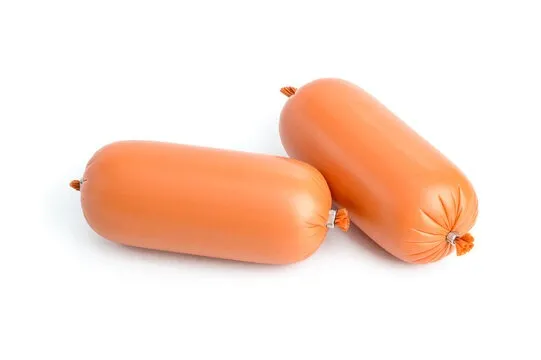
Plastic casings are non-edible and removed before consumption. Their primary role is protection: creating a barrier that shields the cooked product from post-processing contamination, moisture loss, and oxygen exposure. In this sense, a plastic casing functions more like a package than a component of the food.
This single distinction drives nearly every performance difference that follows.
Permeability: The Decisive Performance Axis
1)Collagen: Permeable to Smoke and Moisture
Collagen casings are readily permeable to smoke and steam. This permeability allows smoke components to penetrate the casing during smoking, developing colour and flavour. It also permits moisture migration, which is essential for drying and for achieving the desired surface texture in smoked and dry-cured products.
The trade-off is that this permeability works both ways. Collagen casings can allow excessive drying during storage, leading to weight loss and a drier surface layer than might be desired for some products. In a controlled study of cooked smoked sausages, weight losses over 15 days of storage ranged from 12.5% to 16.2% for collagen and fibrous casings, compared with just 6.6% to 7.3% for a polyamide casing.
2)Plastic: Impermeable (with Rare Exceptions)
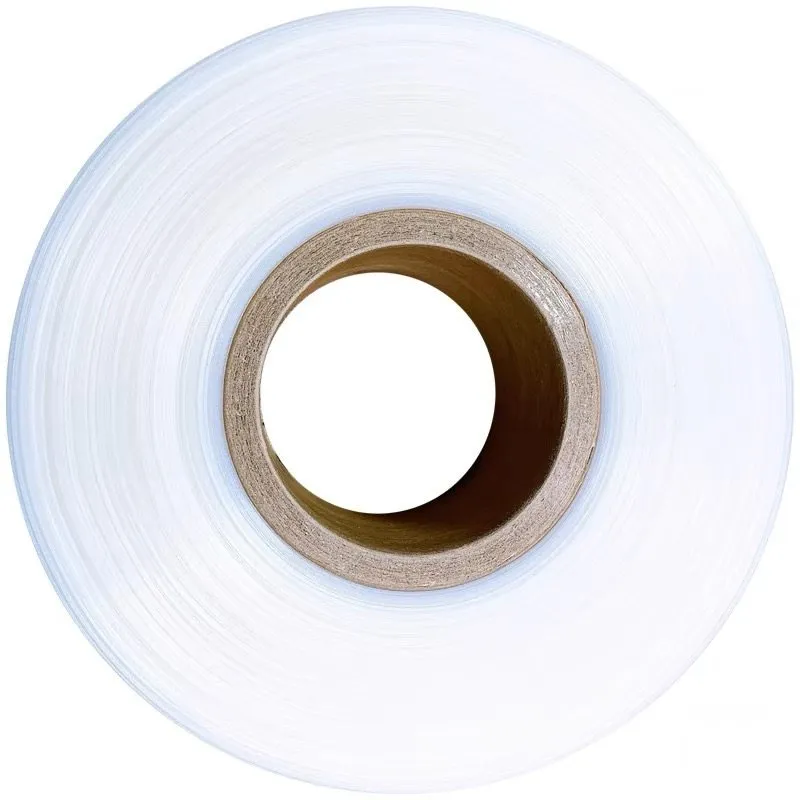
Most plastic casings are impermeable to moisture, smoke, and oxygen. They do not allow smoke to penetrate, and they do not permit moisture loss from the product. This is precisely the point: the barrier protects the product from the external environment.
There are exceptions. Some plastic casings used for dry sausage are permeable to moisture and smoke, and a new generation of high-permeability polyamides has been developed specifically to allow smoke and moisture transfer while retaining strength. But for the majority of standard plastic casings, the default is barrier, not permeability.
Shelf Life and Microbial Protection
1)Plastic: A Barrier Against Post-Cook Contamination
The defining advantage of plastic casings is microbial protection after cooking. For processors producing hams, pâtés, and lunch meats who do not want the product exposed to possible pathogenic contamination once cooked, plastic casings provide a complete barrier.
The shelf-life impact is substantial. Cooked sausages in permeable casings (collagen, cellulose) typically have a shelf life not exceeding 5 days. Cooked-smoked and semi-smoked products extend to around 15 days. Polyamide casings with high barrier capability can increase the shelf life of cooked sausages up to 60 days.
2)Collagen: Protection Through Permeability and Smoke
Collagen does not offer the same barrier protection.
Its value lies elsewhere: smoke components that pass through the casing can help extend shelf life by lowering microbial growth (acid components in smoke are antimicrobial), and the drying effect of moisture loss can reduce surface water activity. But this is a different mechanism from the barrier function of plastic, and it does not provide the same post-cook protection against recontamination.
Eating Experience and Consumer Perception
1)Collagen casings are edible and tender enough to be easily chewed, and they do not create off-flavours. They have a texture similar to natural casings, appealing to consumers who want a “natural” experience. For products where the casing is eaten—fresh sausages, frankfurters, smoked links—this is a decisive advantage.
2)Plastic casings are removed before eating. The eating experience is defined by the meat itself, not by the casing. On some plastic casings, flavour or colour coatings are added to simulate traditional processing results on the product surface, because the casing itself does not interact with the product in the way collagen does.
5. Processing and Production Behaviour
1)Adhesion to the Meat
A point of convergence: polyamide casings demonstrate good adhesive properties similar to those of protein (collagen) casings. This adhesion prevents separation between casing and meat during cooking and slicing, which matters for product appearance and integrity.
Surface Formation and Moisture Management
The same study found that polyamide casings ensured a softer consistency of the sausage surface layer and prevented excessive drying during storage, compared with collagen and fibrous casings. For producers targeting a softer bite or a product that retains moisture over an extended shelf life, this is a meaningful difference.
Machinability
Collagen casings are easy to handle with automated equipment, withstand cooking and smoking temperatures, and reduce labour costs. They can be used directly from the package without soaking, making them suitable for continuous high-speed lines. Plastic casings are also compatible with automated equipment, particularly for co-extrusion and high-speed peeling of skinless products, but their rigidity and barrier nature impose different handling requirements.
Application Matrix: Which Casing for Which Product
|
Product Category |
Recommended Casing |
Rationale |
|
Fresh sausages (breakfast links, bratwurst) |
Collagen |
Edible; tender bite; no peeling; smoke and moisture permeability |
|
Smoked links / frankfurters (edible style) |
Collagen |
Consumed with product; smoke penetration for colour and flavour |
|
Snack sticks |
Collagen |
Small caliber; edible; drying compatible |
|
Cooked ham / pâté / lunch meats |
Plastic (polyamide) |
Impermeable barrier against post-cook contamination; extended shelf life |
|
Liver sausage |
Plastic |
Barrier protection; product is sliced and served without casing |
|
Long-shelf-life cooked sausages |
Plastic (high-barrier) |
|
|
Dry sausage (selected types) |
Permeable plastic |
Some plastic casings are moisture- and smoke-permeable for drying applications |
A Note on the Hybrid Trend
The boundary between collagen and plastic is not entirely fixed. High-permeability thermoplastic polyamides have been introduced that combine the strength of plastic with the smoke and moisture permeability traditionally associated with collagen. These materials allow smoke aromas to pass through the casing and enable drying directly in the casing, while retaining the structural advantages of polyamide. For producers who need the barrier strength of plastic but also require smoke penetration or in-casing drying, these hybrid materials are worth evaluating.
Selection Framework: A Decision Checklist
1). Will the casing be eaten?
If yes, choose collagen. If the product is peeled or sliced without the casing, plastic is a candidate.
2). Is post-cook microbial protection a priority?
For hams, pâtés, and lunch meats where recontamination risk must be minimised, plastic’s barrier function is the decisive factor.
3). Does the process require smoke penetration?
Collagen is inherently smoke-permeable. Standard plastic is not; only specific permeable plastic grades are suitable.
4). What shelf life is targeted?
For short-shelf-life products where smoking and drying are part of the process, collagen fits. For extended ambient or chilled shelf life (up to 60 days), high-barrier plastic is the appropriate choice.
5). How important is moisture retention vs. moisture loss?
Collagen permits moisture loss, which can cause weight loss during storage. Plastic retains moisture, producing a softer surface layer and higher yield over time.
Summary
Collagen and plastic casings serve different masters. Collagen is a component of the product—edible, smoke-permeable, and designed to be experienced by the consumer. Plastic is a protective barrier—impermeable, non-edible, and engineered to shield the product from contamination, moisture loss, and oxygen during storage.
Choose collagen when the casing is eaten and smoke or drying is part of the process. Choose plastic when the casing is a processing and packaging tool, and when microbial protection and extended shelf life outweigh the benefits of permeability. Understanding this fundamental divide prevents the most common casing selection error: specifying an edible casing for a product that should be protected, or a barrier casing for a product that needs to breathe.
Company Information
Nourisi Group, as the leading manufacturer and supplier of collagen casing for 20 years’ experience since 2006, committed to innovation and continuous improvement, and growing together with our customers globally.
Collagen and plastic casings sit at opposite ends of the artificial casing spectrum. Collagen is protein-based, edible, and permeable to smoke and moisture. Plastic—most commonly p

As plant-based beverages, fruit drinks, and innovative gel-based products continue to expand, popping boba manufacturers face growing demands for attractive appearance, consistent
The global artificial casings market was valued at $4.95 billion in 2024 and is projected to reach $8.6 billion by 2035, growing at a CAGR of 5.1%—outpacing the overall sausage cas

When developing thickened drinks and texturemodified foods, food manufacturers face more challenges than simply raising viscosity. Products must deliver uniform texture, acceptable
Upon contact with gastric acid, sodium alginate forms a gentle hydrogel that delays gastric emptying and prolongs the feeling of fullness. This helps stabilize post-prandial blood

Beauty beverages place demanding requirements on the solubility and sensory performance of raw materials. Nourisi® Tilapia Collagen Peptides have a viscosity of only 3–10 cP in a 1

How do you keep protein particles suspended in a high-acid, high-heat environment? The answer lies in High Methoxyl (HM) pectin.
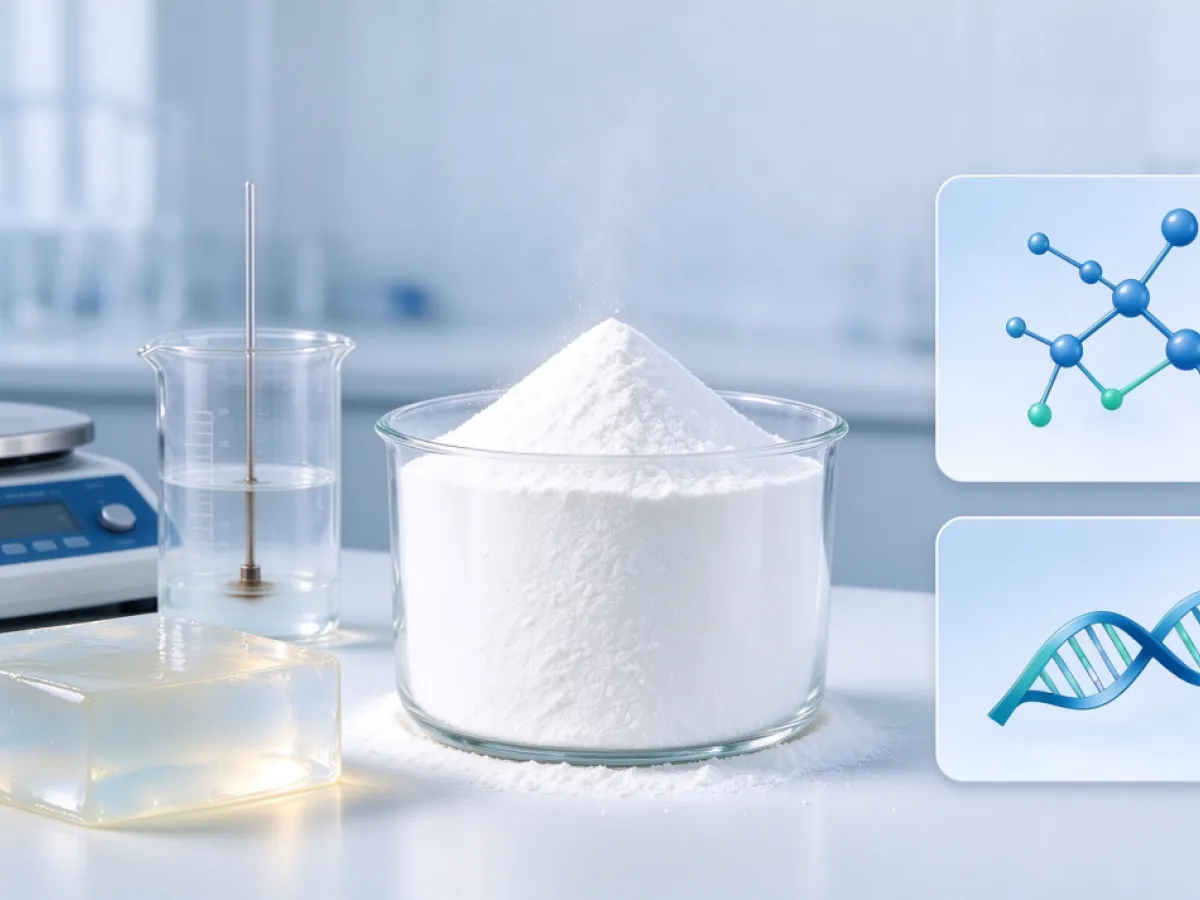
Curdlan gum is a β -1, 3-glucan with a triple helix structure that can specifically bind to the Dectin-1 receptor on immune cells, activate macrophages and dendritic cells, and pro
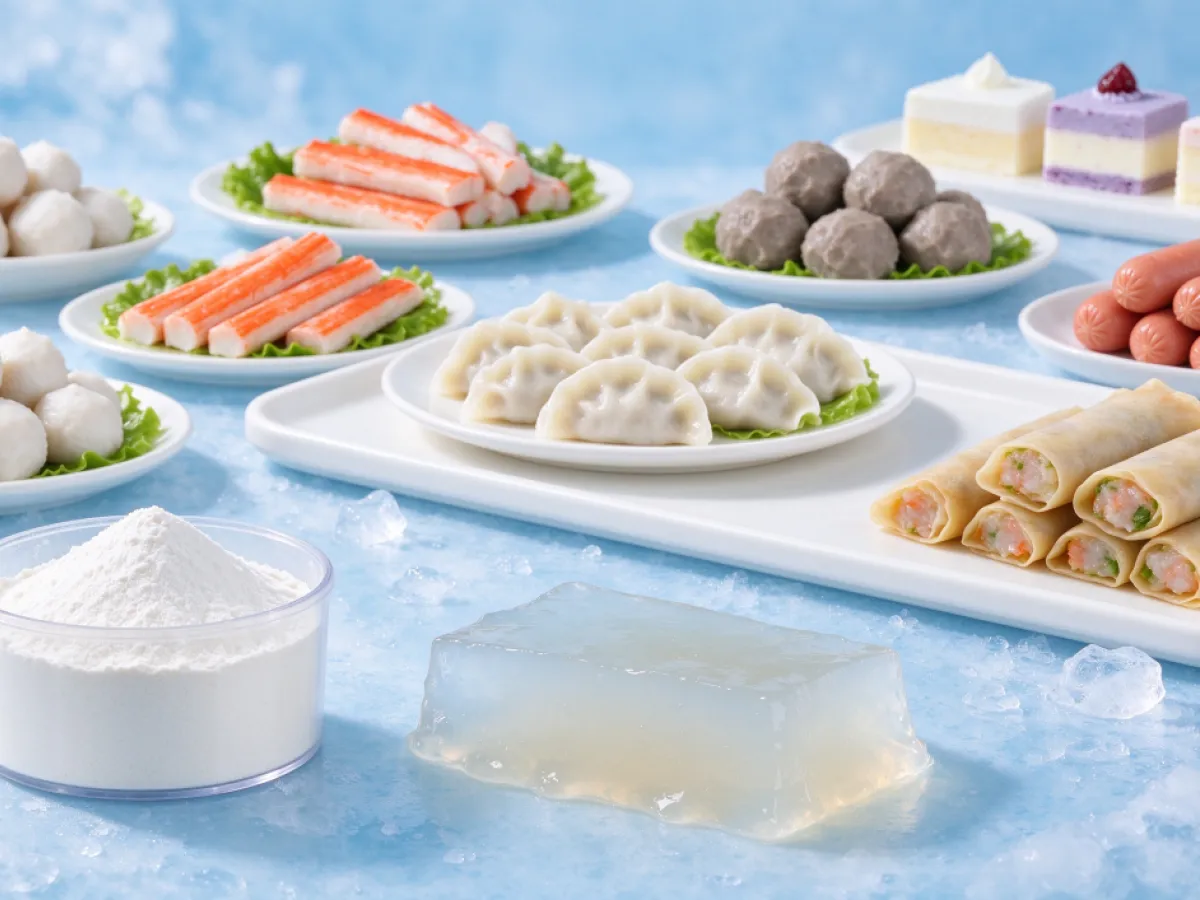
Excellent freeze-thaw stability Its formed gel structure resists damage during repeated freezing, storage and thawing. It effectively reduces water separation (syneresis), prevents
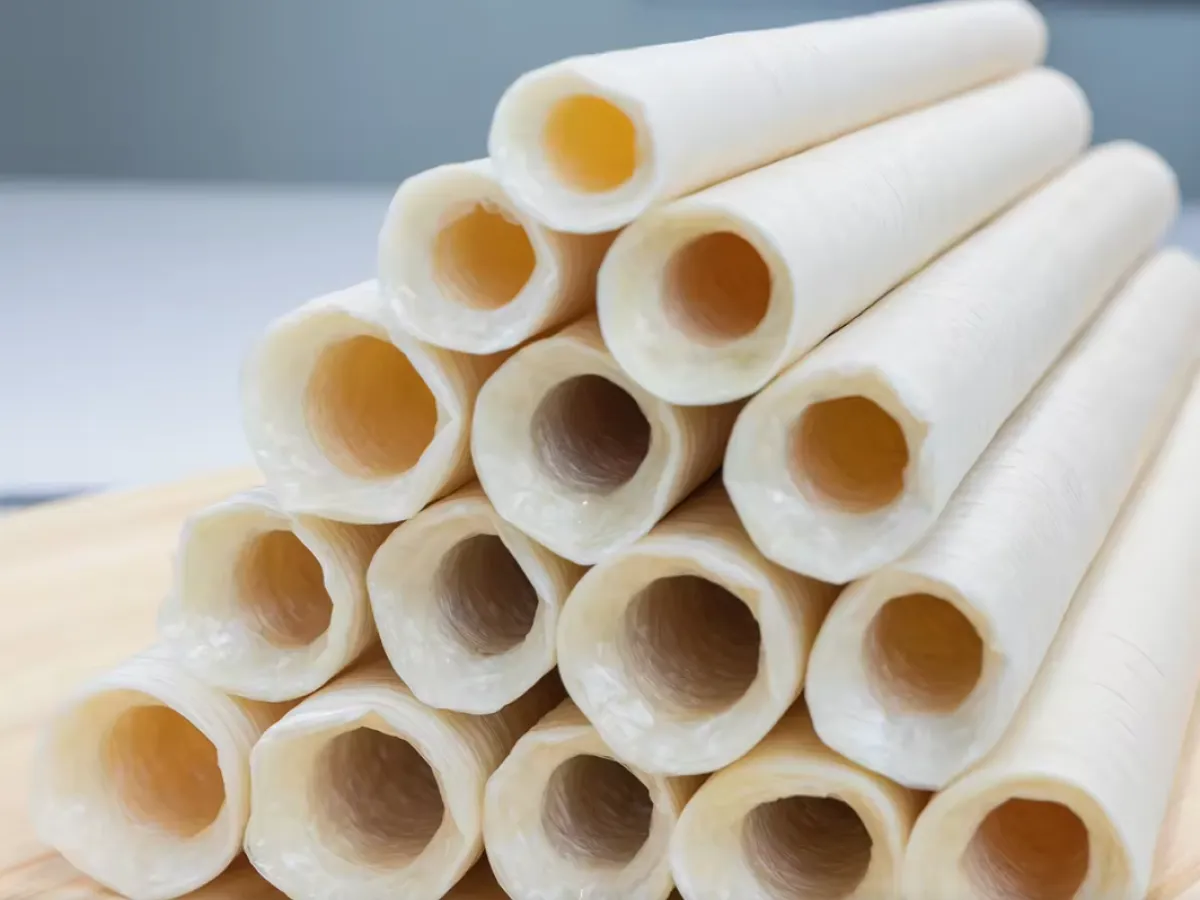
Collagen casings are the only manufactured casing that can be either edible or non-edible depending on formulation and intended end use. This dual nature is both an advantage and a