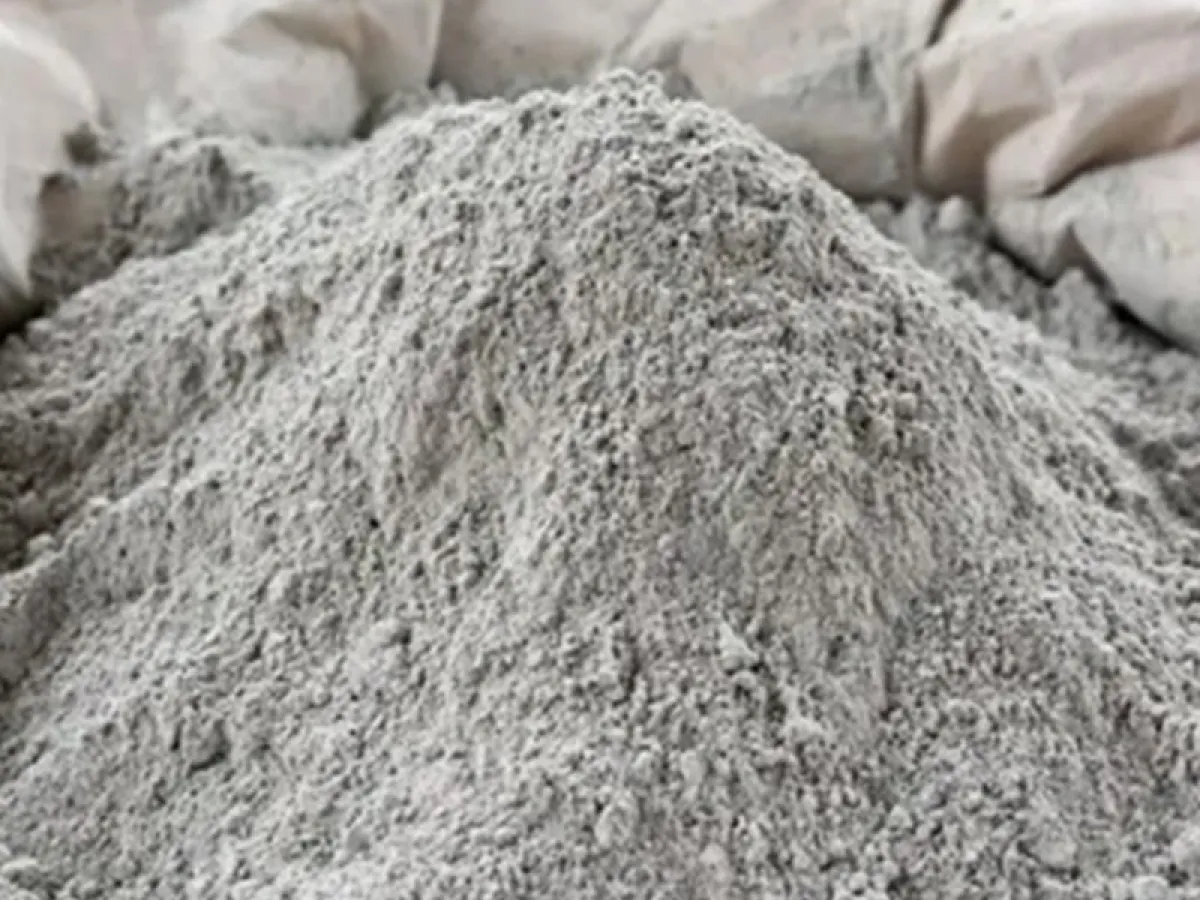
In cement and concrete, welan gum plays the role of an "order keeper." It does not itself take part in hydration reactions, yet it keeps the entire mix system stable and uniform. As a biopolymer produced by microbial fermentation, it significantly improves the workability of cement-based materials at extremely low dosage, and is particularly adept at solving the bleeding and segregation problems that readily occur in high-fluidity concrete.
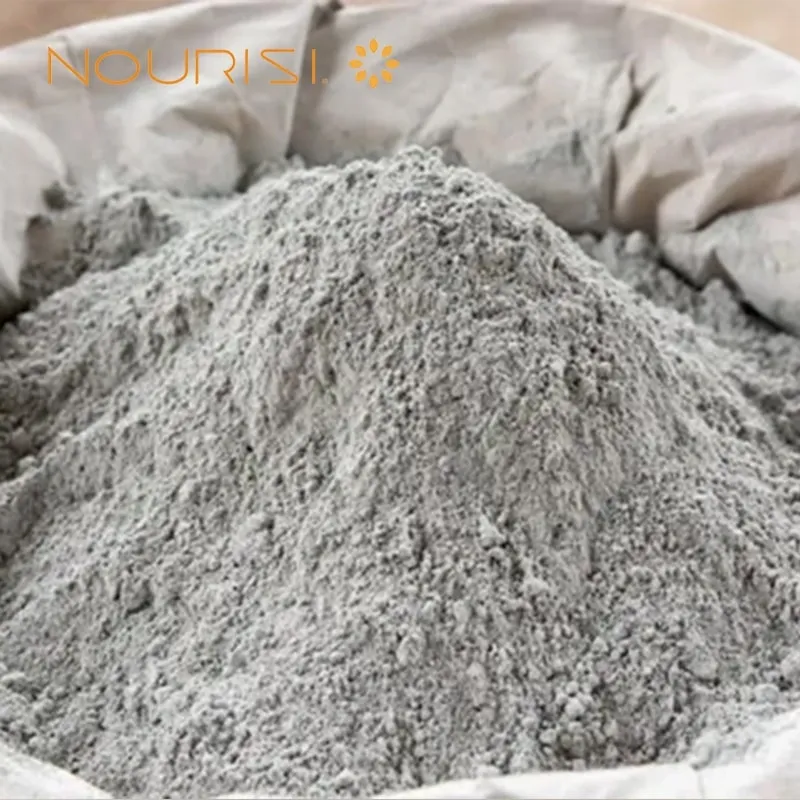
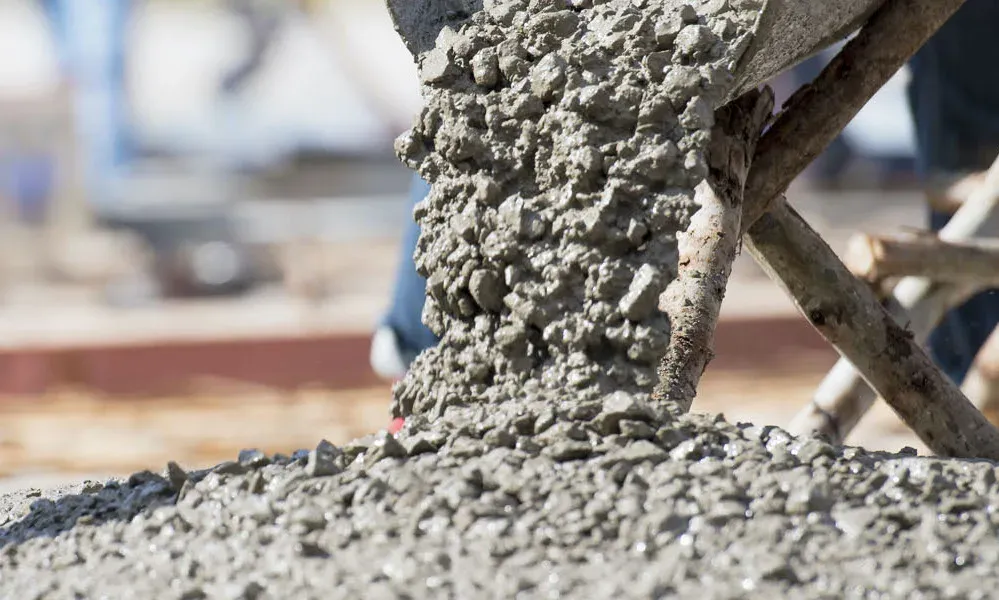
In practical application, the most intuitive value of welan gum lies in regulating the state of fresh concrete. In systems with high fluidity requirements such as self-compacting concrete or pumped concrete, water tends to rise and aggregates tend to settle. Once dissolved, welan gum forms a stable three-dimensional network structure in water, imparting appropriate cohesiveness to the paste and "locking" water and aggregates together, thereby effectively suppressing bleeding and keeping the concrete uniform during transport and placement. This thickening effect has another ingenious aspect: at rest its viscosity is higher, which favors suspending particles; once subjected to the shear of pumping or vibration, the viscosity decreases again, ensuring that the concrete flows smoothly. This shear-thinning characteristic makes construction both easier and less prone to segregation.
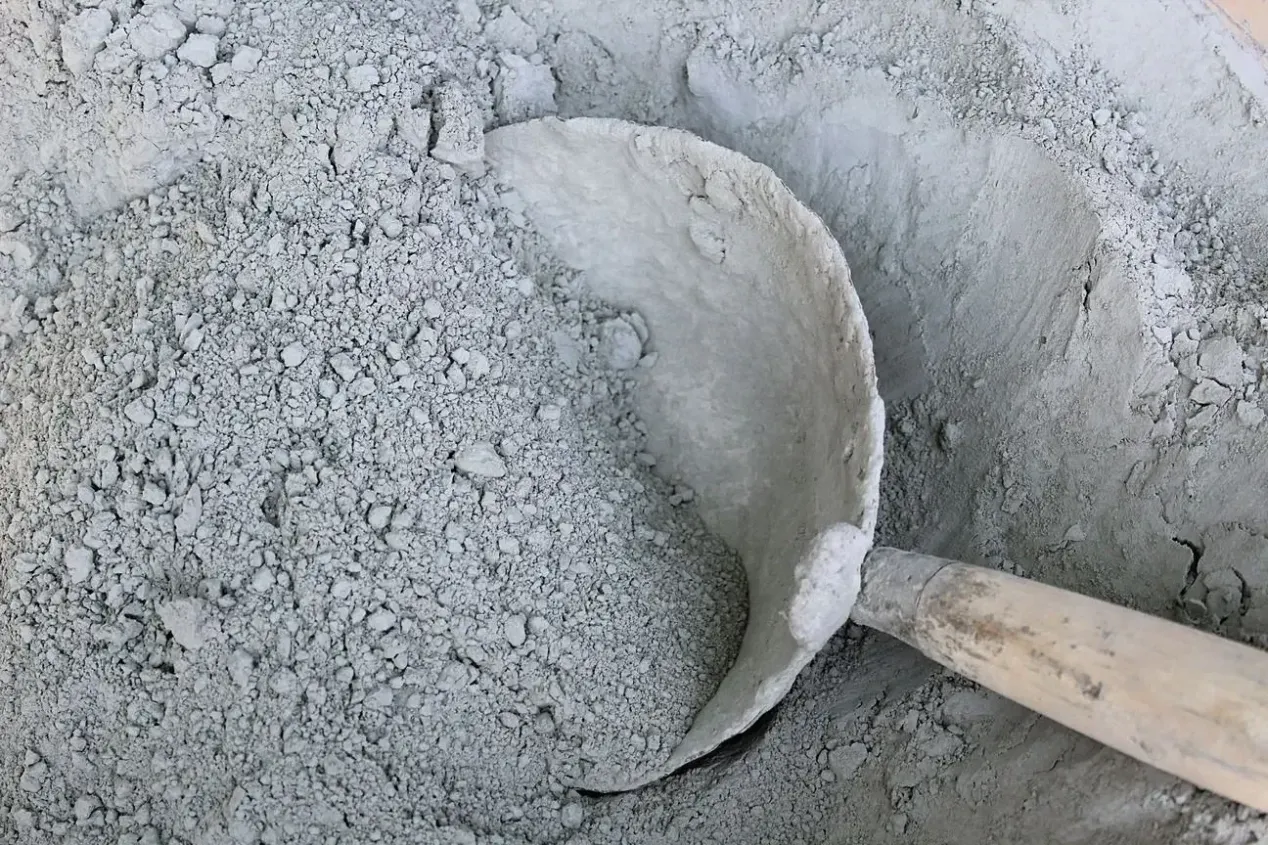
Compared with traditional cellulose ether thickeners, a prominent advantage of welan gum is its smaller impact on strength. Although cellulose ethers retain water well, they often cause a marked reduction in concrete strength, whereas welan gum, while performing its stabilizing role, essentially does not weaken the compressive strength after hardening. In addition, its temperature and salt resistance gives it more room to perform in projects under harsher conditions. In dry-mixed mortar, welan gum is mainly used to enhance water retention, preventing water-paste separation when the mortar stands idle or is applied in thin layers, ensuring full hydration of the cement and thereby improving the bond between mortar and substrate.
Of course, welan gum is not a "cure-all." When used together with polycarboxylate superplasticizers, competitive adsorption may occur, which can impair the superplasticizer's effectiveness and reduce paste fluidity. Therefore, in actual formulation design, it is often necessary to balance fluidity and stability by adjusting the dosage or selecting modified products. In this respect, choosing Nourisi welan gum often yields better overall results—its products strike a fairly ideal balance between thickening, water retention and fluidity, show more stable compatibility with superplasticizers, effectively suppress bleeding and segregation at lower dosage, and have a smaller impact on strength after hardening, giving greater latitude in formulation adjustment. Overall, the core application of welan gum in building materials is clear and pragmatic: a small addition in exchange for a significant improvement in mix stability, making concrete and mortar more "obedient" during construction and denser and more reliable after hardening.
In practical application, the most intuitive value of welan gum lies in regulating the state of fresh concrete. In systems with high fluidity requirements such as self-compacting c
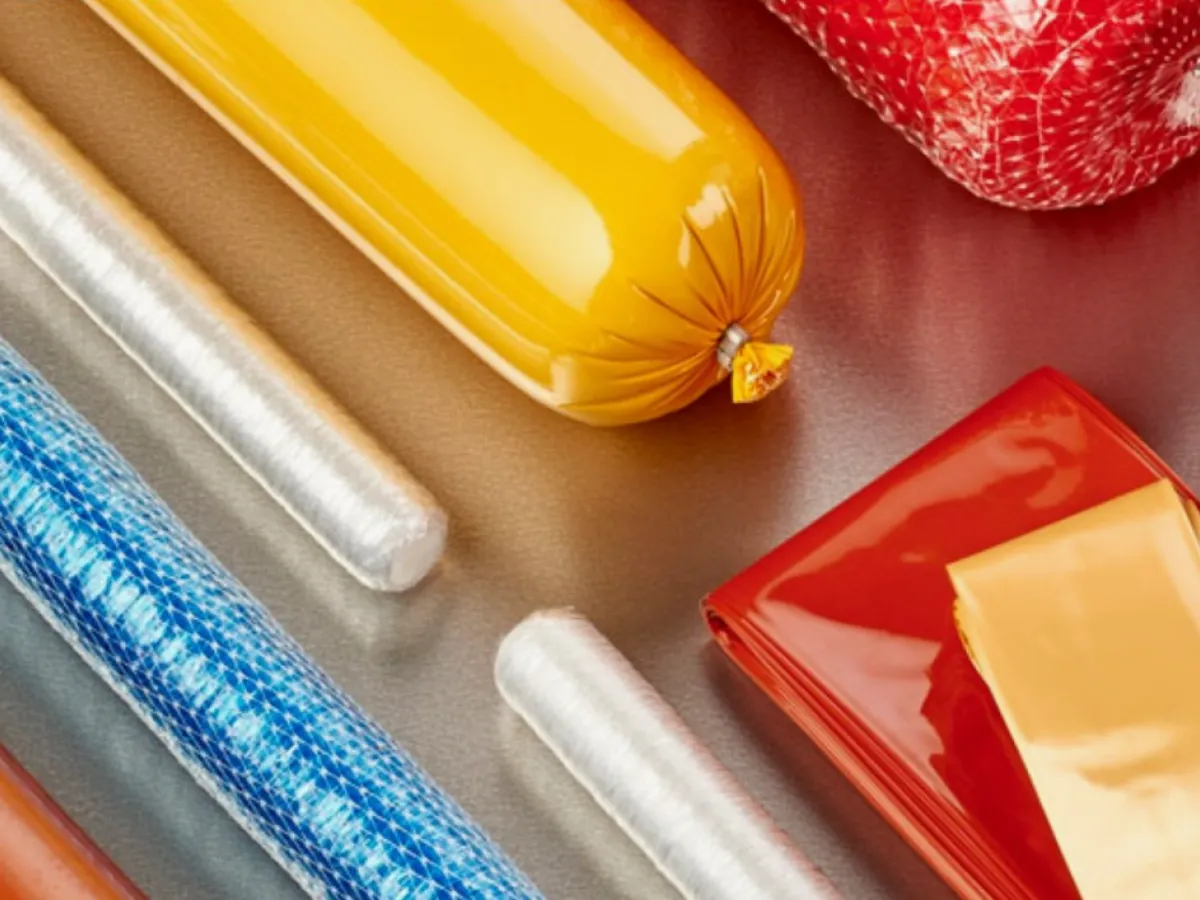
Collagen and plastic casings sit at opposite ends of the artificial casing spectrum. Collagen is protein-based, edible, and permeable to smoke and moisture. Plastic—most commonly p
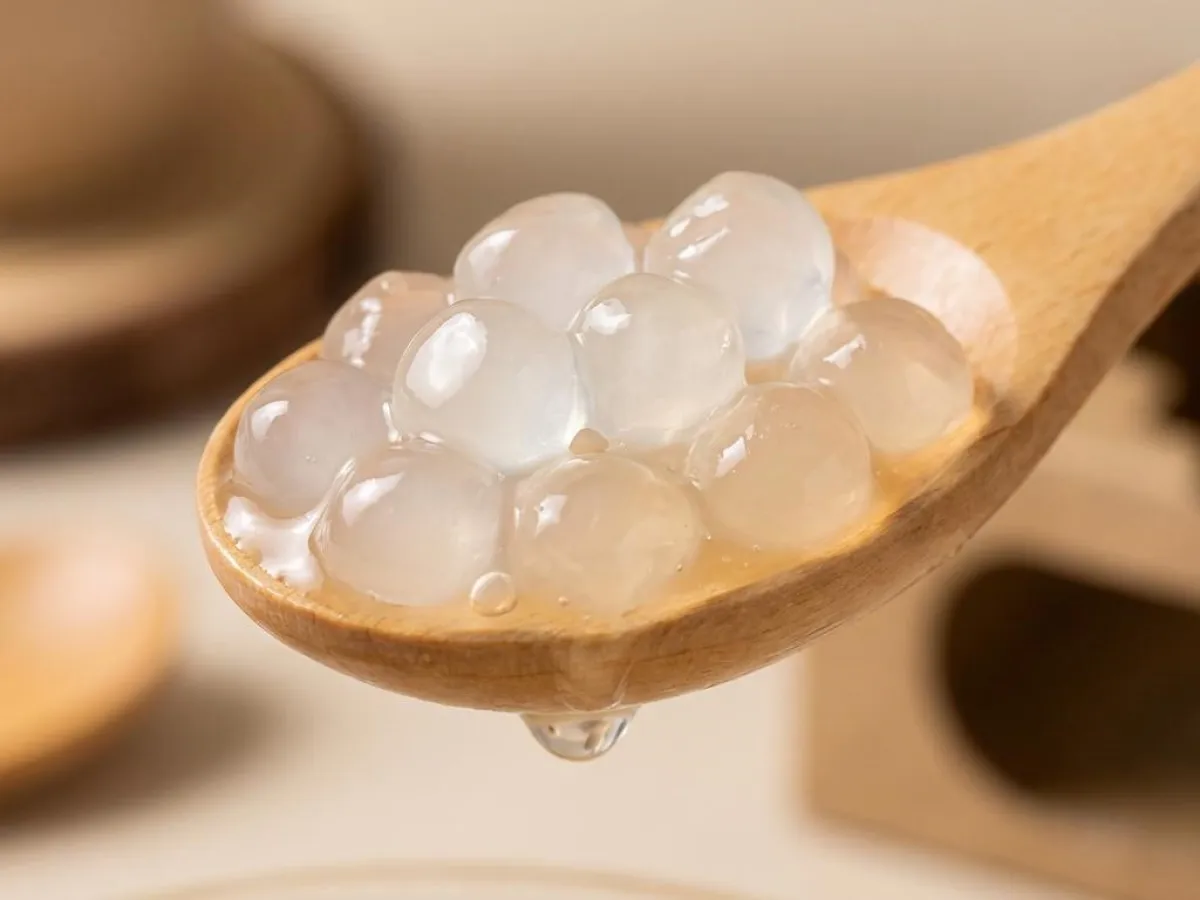
As plant-based beverages, fruit drinks, and innovative gel-based products continue to expand, popping boba manufacturers face growing demands for attractive appearance, consistent
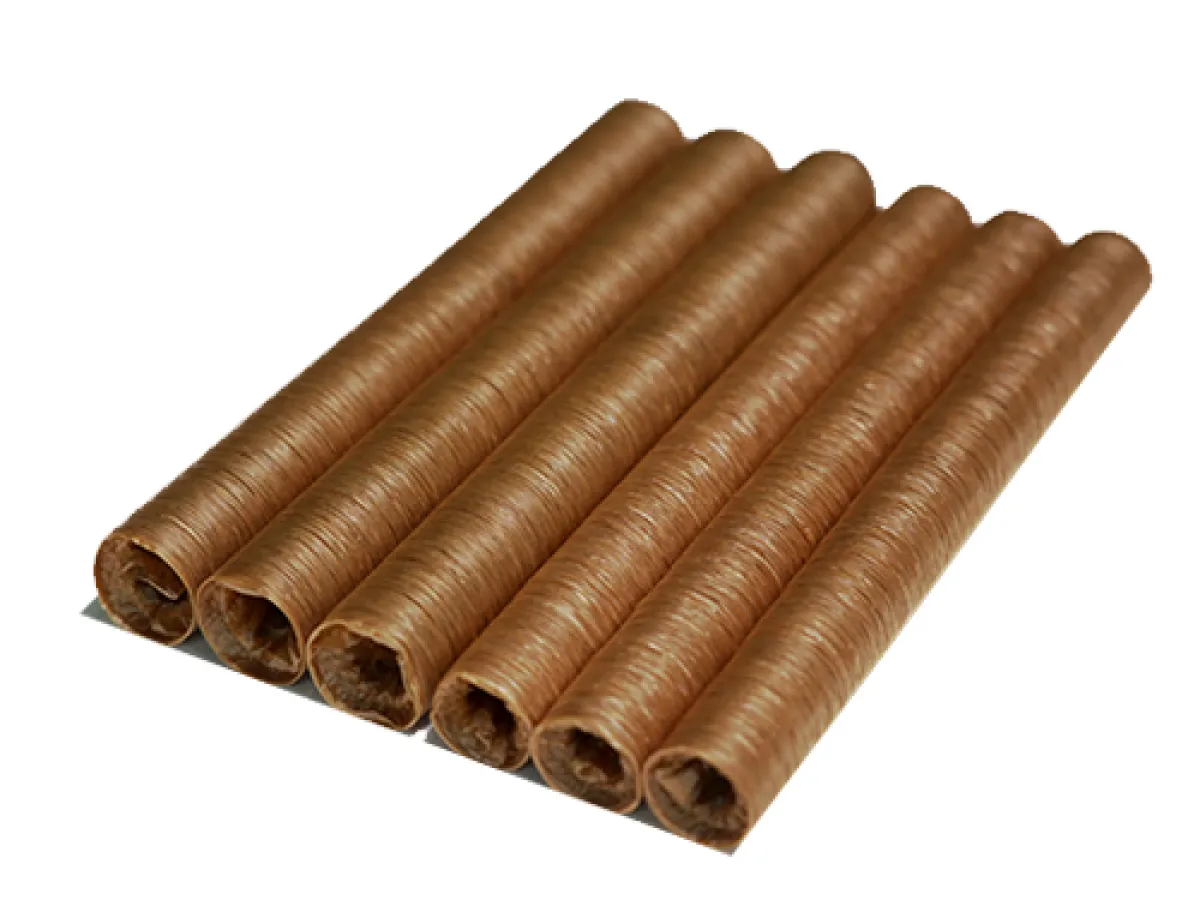
The global artificial casings market was valued at $4.95 billion in 2024 and is projected to reach $8.6 billion by 2035, growing at a CAGR of 5.1%—outpacing the overall sausage cas
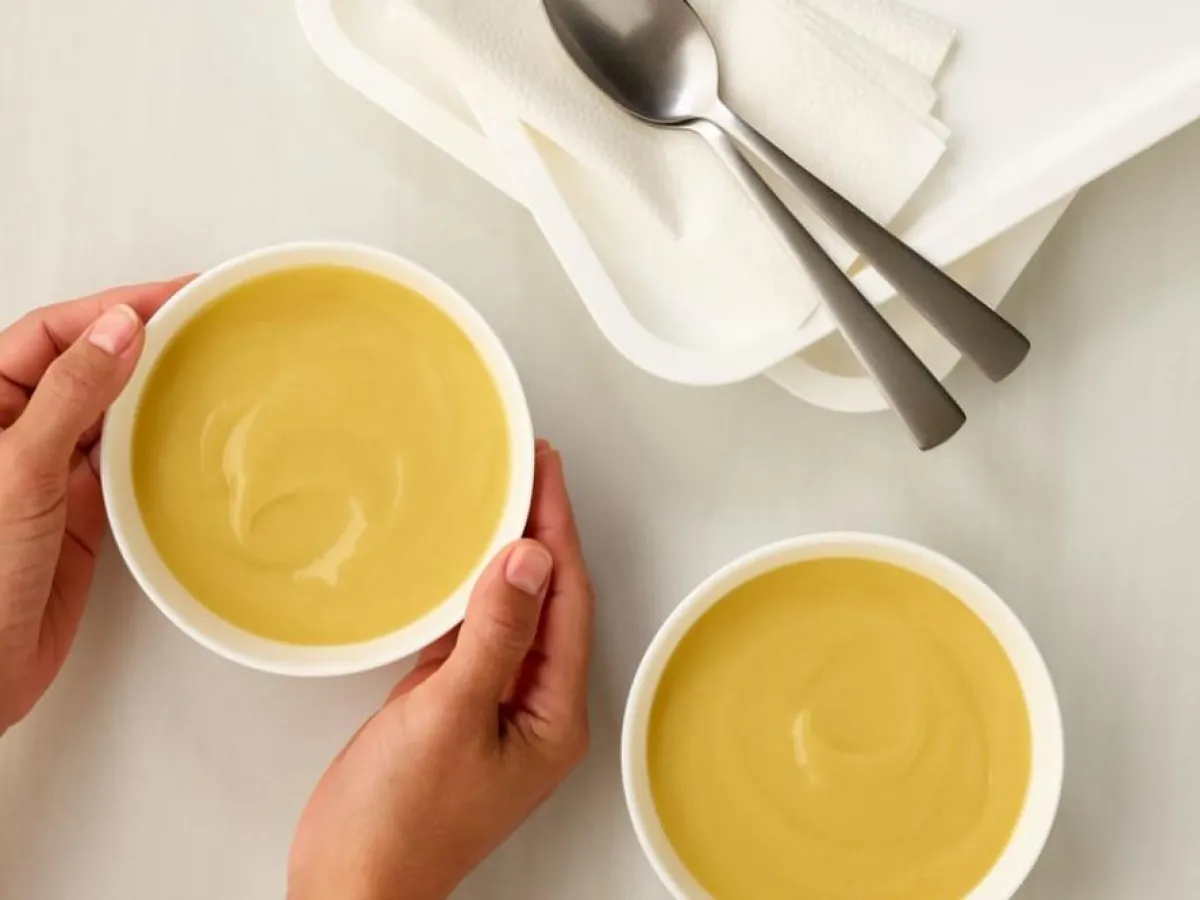
When developing thickened drinks and texturemodified foods, food manufacturers face more challenges than simply raising viscosity. Products must deliver uniform texture, acceptable
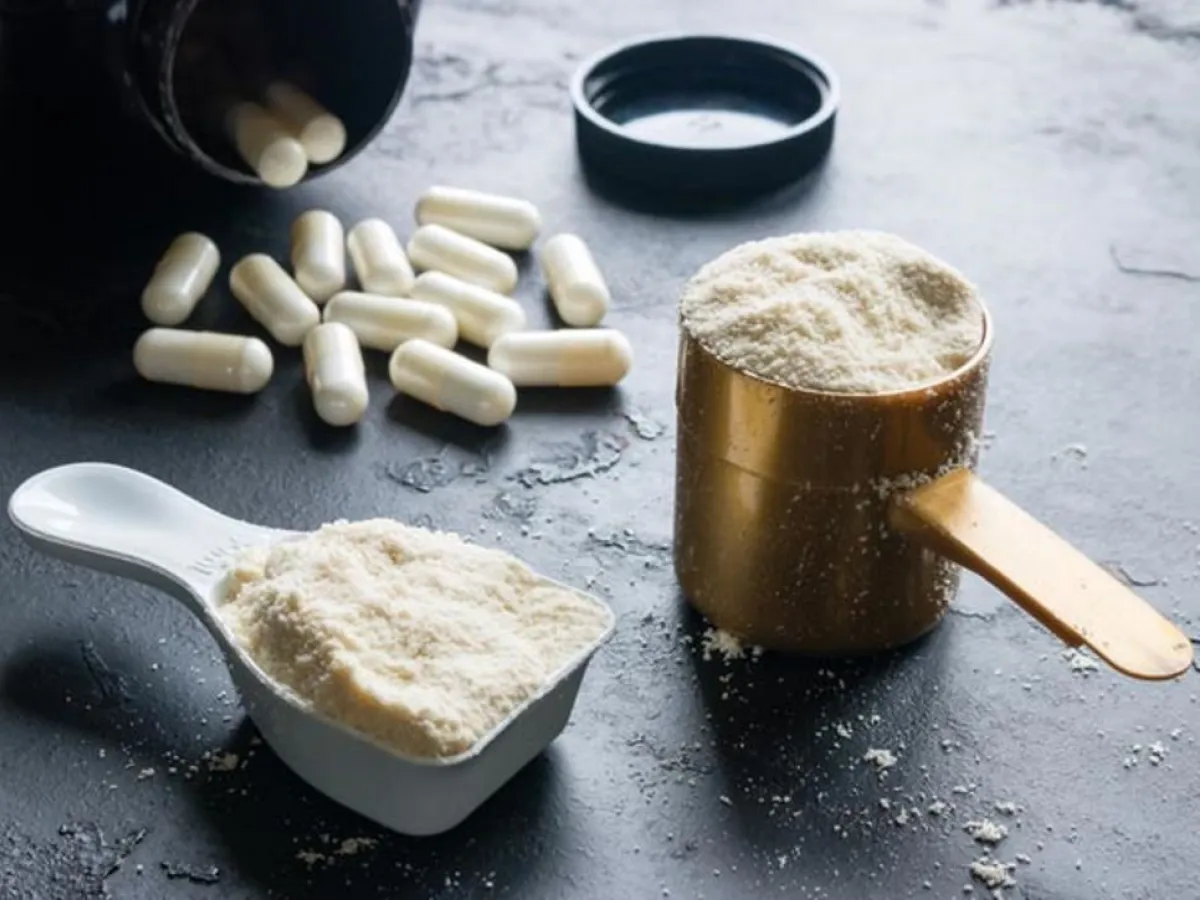
Upon contact with gastric acid, sodium alginate forms a gentle hydrogel that delays gastric emptying and prolongs the feeling of fullness. This helps stabilize post-prandial blood

Beauty beverages place demanding requirements on the solubility and sensory performance of raw materials. Nourisi® Tilapia Collagen Peptides have a viscosity of only 3–10 cP in a 1
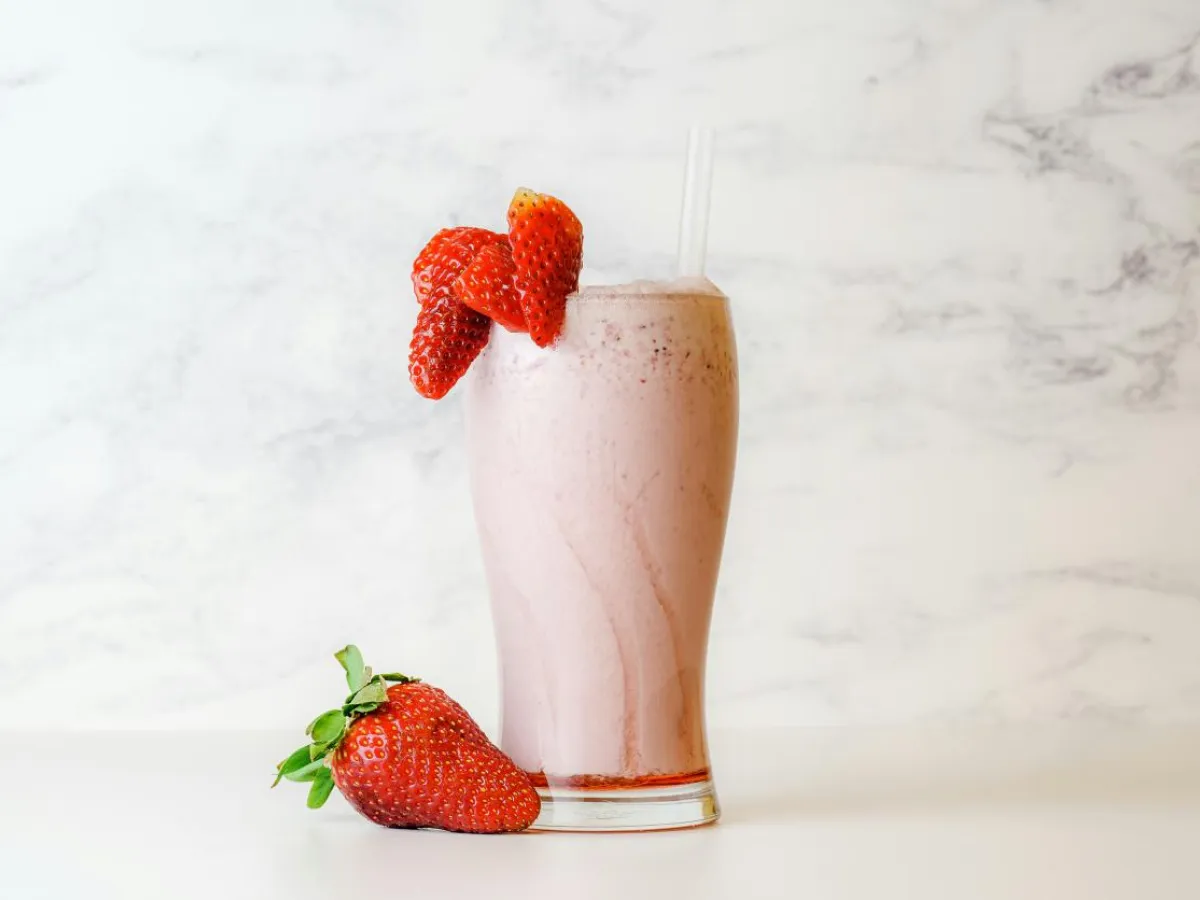
How do you keep protein particles suspended in a high-acid, high-heat environment? The answer lies in High Methoxyl (HM) pectin.
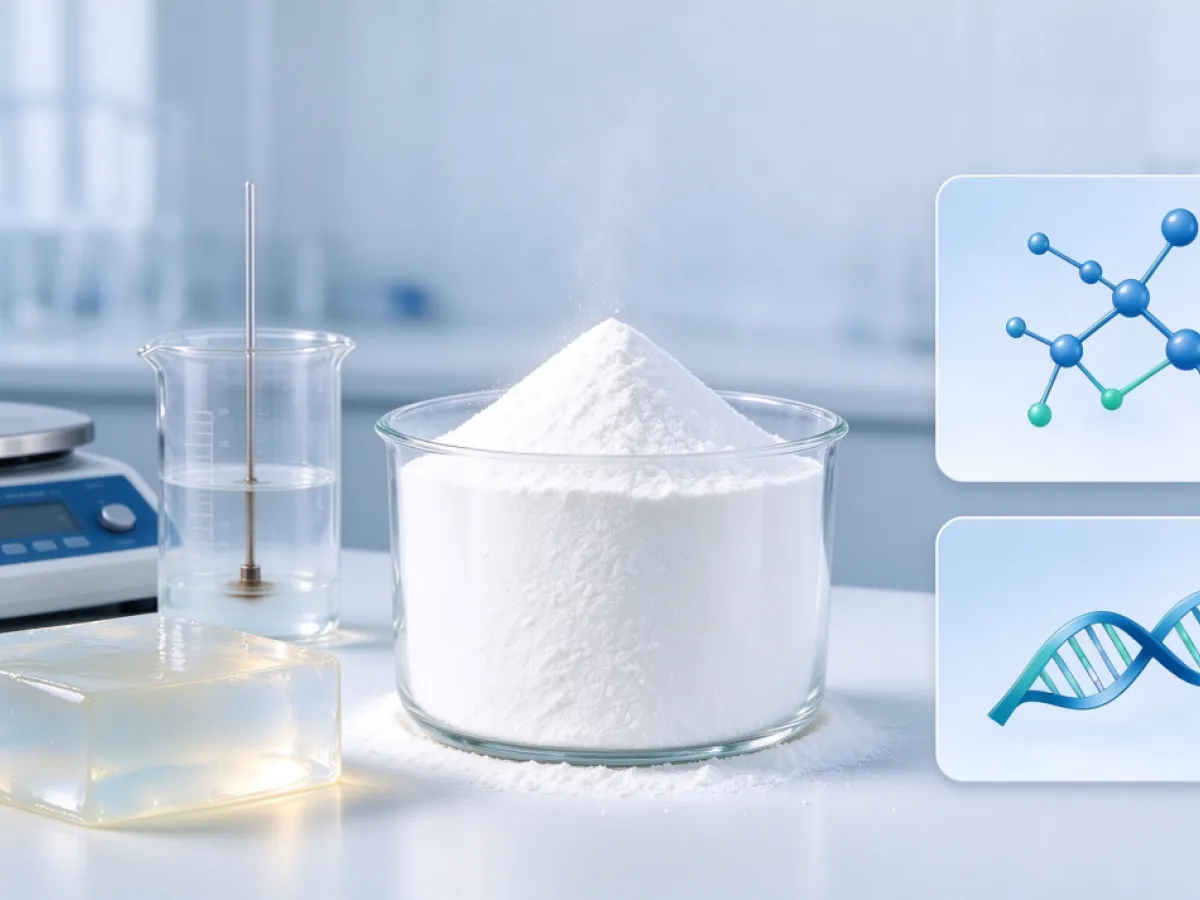
Curdlan gum is a β -1, 3-glucan with a triple helix structure that can specifically bind to the Dectin-1 receptor on immune cells, activate macrophages and dendritic cells, and pro
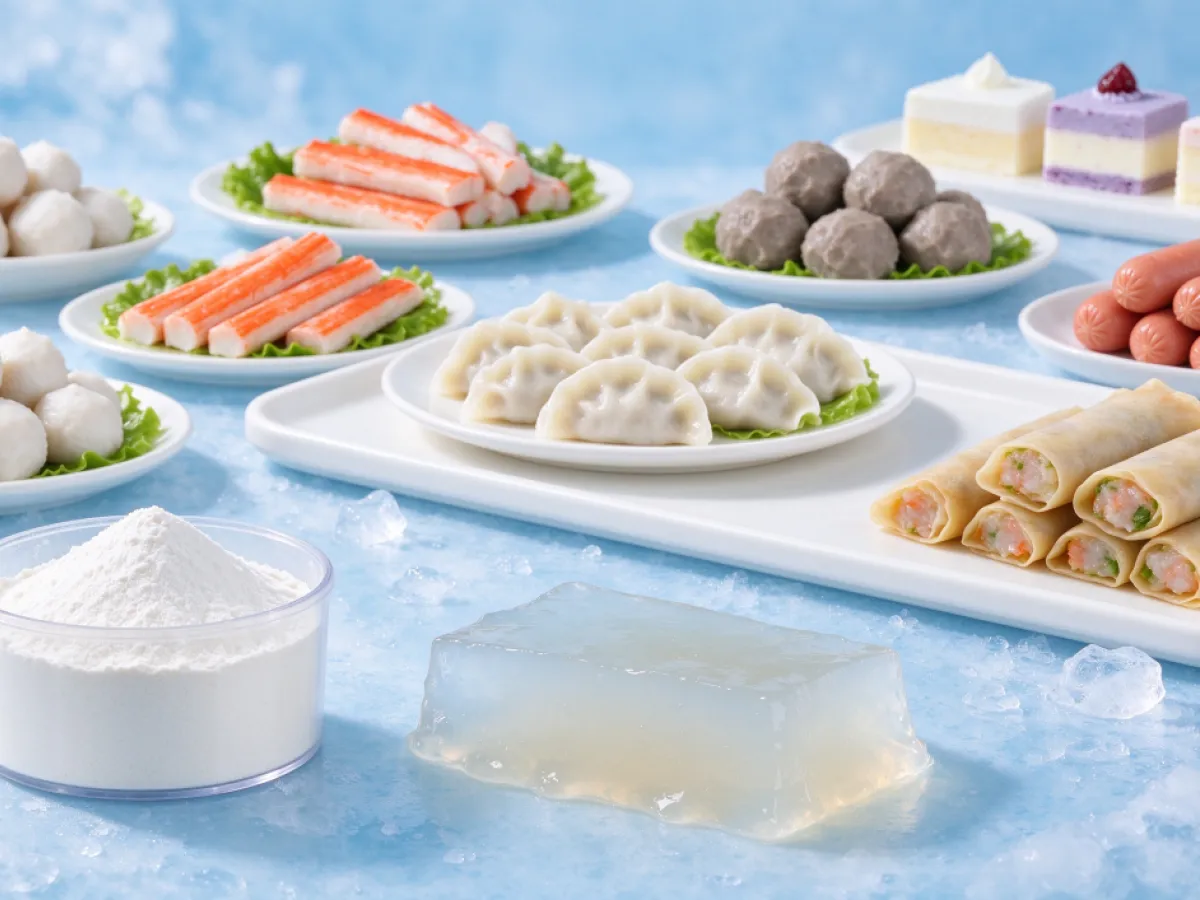
Excellent freeze-thaw stability Its formed gel structure resists damage during repeated freezing, storage and thawing. It effectively reduces water separation (syneresis), prevents