When developing a high-acid fruit beverage or jam, you will eventually face the same question: "Will the pectin still gel if the pH drops?" It is a very practical concern. Pectin is a polysaccharide, and like many hydrocolloids, it is sensitive to its chemical surroundings. But the answer is not a simple yes or no.
The truth is that HM pectin and LM pectin behave in opposite ways under acidic conditions — and understanding this difference is the key to avoiding costly formulation failures.
The Two Types of Pectin Behave Differently
High Methoxyl (HM) pectin, with a degree of esterification (DE) above 50%, actually requires acidic conditions to gel. It forms a gel network through hydrogen bonding and hydrophobic interactions between methyl ester groups, and this only happens when the pH is low enough (typically below 3.5) and sugar content is high (55–85%) . In other words, for HM pectin, acidity is not a threat — it is a prerequisite.
Low Methoxyl (LM) pectin, on the other hand, gels through calcium ion cross-linking and is far less dependent on pH. Research shows that LM pectin jelly is “not so sensitive to pH in comparison with high methoxyl pectin jelly” . LM pectin can gel across a broad pH range, from roughly 2.5 to 6.0, making it the more robust choice for acidic systems where pH may fluctuate.
Where Acid Does Cause Damage: The Temperature Factor
While pH alone does not destroy pectin gel strength in the short term, acid plus heat is a different story.
At elevated temperatures, pectin undergoes depolymerization through two competing mechanisms. At lower pH (below roughly 3.5), acid hydrolysis dominates, breaking the glycosidic bonds in the polymer backbone and reducing molecular weight . At higher pH (above 3.8), β-elimination takes over, which specifically cleaves the backbone at methyl-esterified galacturonic acid residues.
The practical implication is clear: if your process involves prolonged heating at low pH — such as UHT sterilization of an acidic fruit beverage — the pectin chain can degrade, leading to a noticeable loss in viscosity or gel strength even if the pH itself is within the “gelling range.”
Pectin shows optimal stability around pH 3.5–4.0, the natural pH range of many fruit preserves . Outside this window, degradation accelerates, especially at high temperatures.
Formulation Strategies to Protect Gel Strength
For HM pectin systems (jams, jellies, confectionery): Keep the pH within the 2.5–3.5 range where HM pectin gels most effectively, but minimize excessive heat exposure during processing. If your product requires high-temperature sterilization, consider whether a slower-set HM grade or a partial LM blend might offer better process tolerance.
For LM pectin systems (low-sugar jams, acidic fruit preparations): LM pectin is inherently more acid-tolerant, but calcium availability becomes the critical variable. In high-acid systems, ensure that the calcium level is adequate to support cross-linking, and be aware that very low pH (below 2.5) can still affect the final gel texture.
For acidic beverages: HM pectin used for protein stabilization in acidified milk drinks operates at pH 3.8–4.2, a range where the pectin is stable at refrigeration temperatures. The risk arises during UHT treatment, where the combination of heat and acid can degrade the pectin if the formulation is not optimized.
Pectin does not simply “lose gel strength” in acid. HM pectin actually needs acid to gel, while LM pectin tolerates a broader pH range. The real threat is acid combined with prolonged high-temperature processing, which can depolymerize the pectin backbone and compromise performance.
Choosing the right pectin type for your pH and processing conditions is the most reliable way to maintain gel strength — not simply avoiding acid.
Contact us for a free sample and technical consultation — and let us help you match the right pectin to your acidic formulation.
The truth is that HM pectin and LM pectin behave in opposite ways under acidic conditions — and understanding this difference is the key to avoiding costly formulation failures.
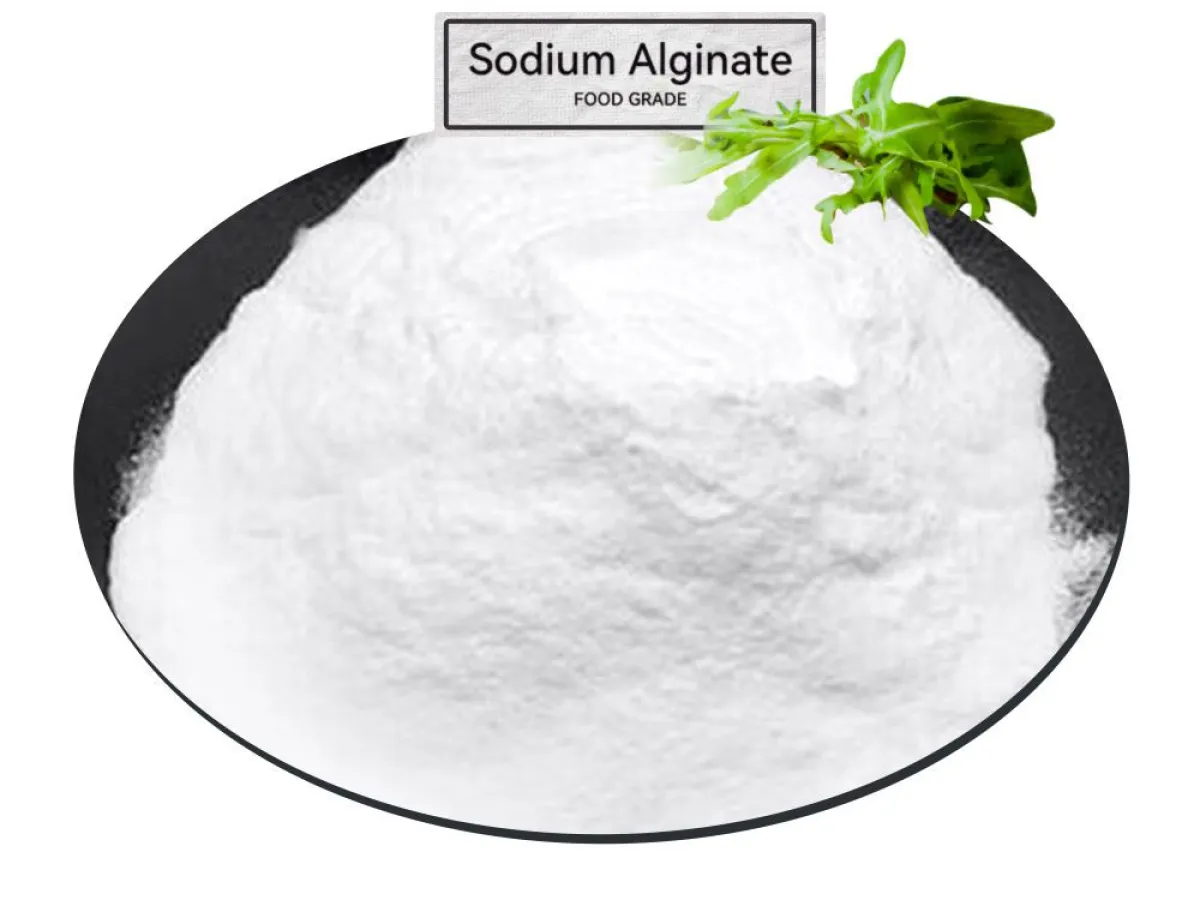
In ice cream mixes, sodium alginate is typically used at a dosage of 0.1%–0.3%. Once hydrated, it forms a network structure that binds free water, inhibiting the growth of ice crys
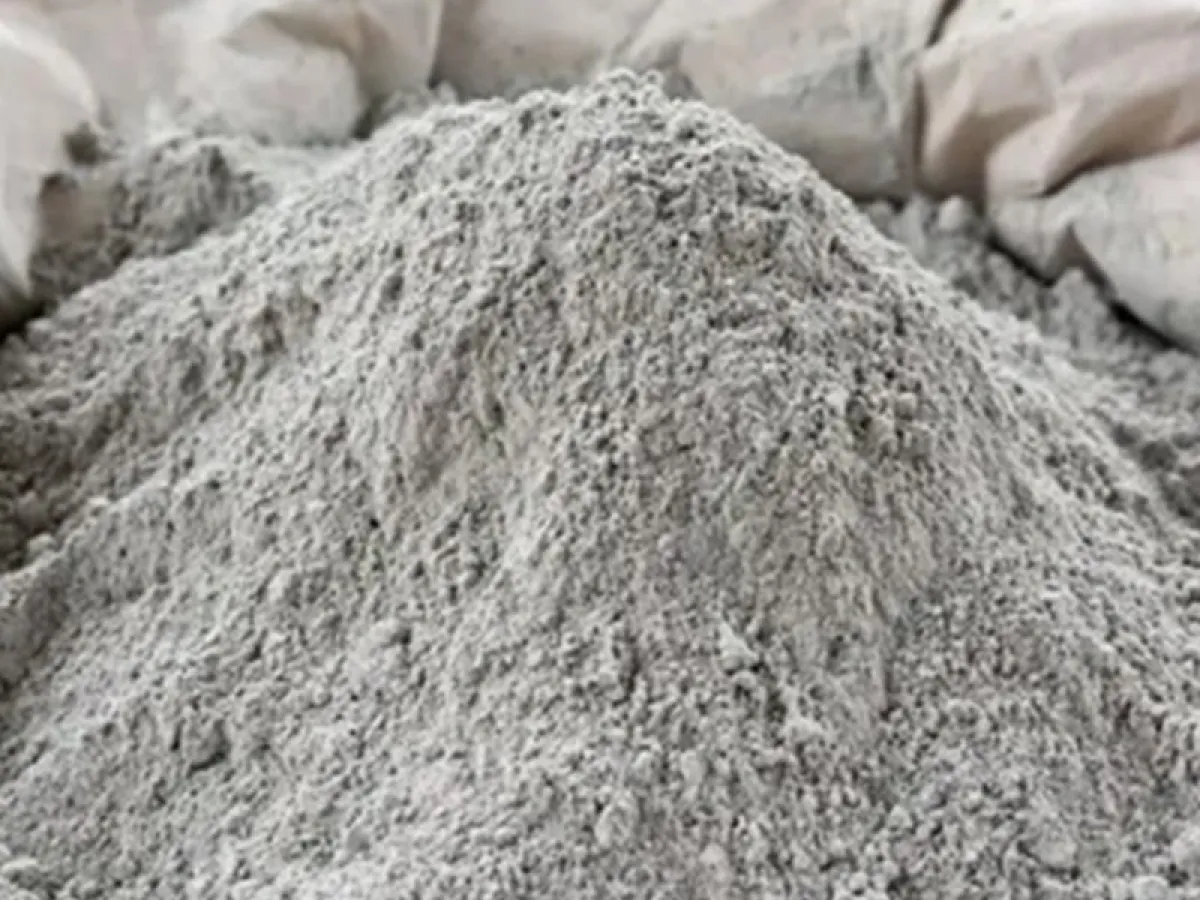
In practical application, the most intuitive value of welan gum lies in regulating the state of fresh concrete. In systems with high fluidity requirements such as self-compacting c
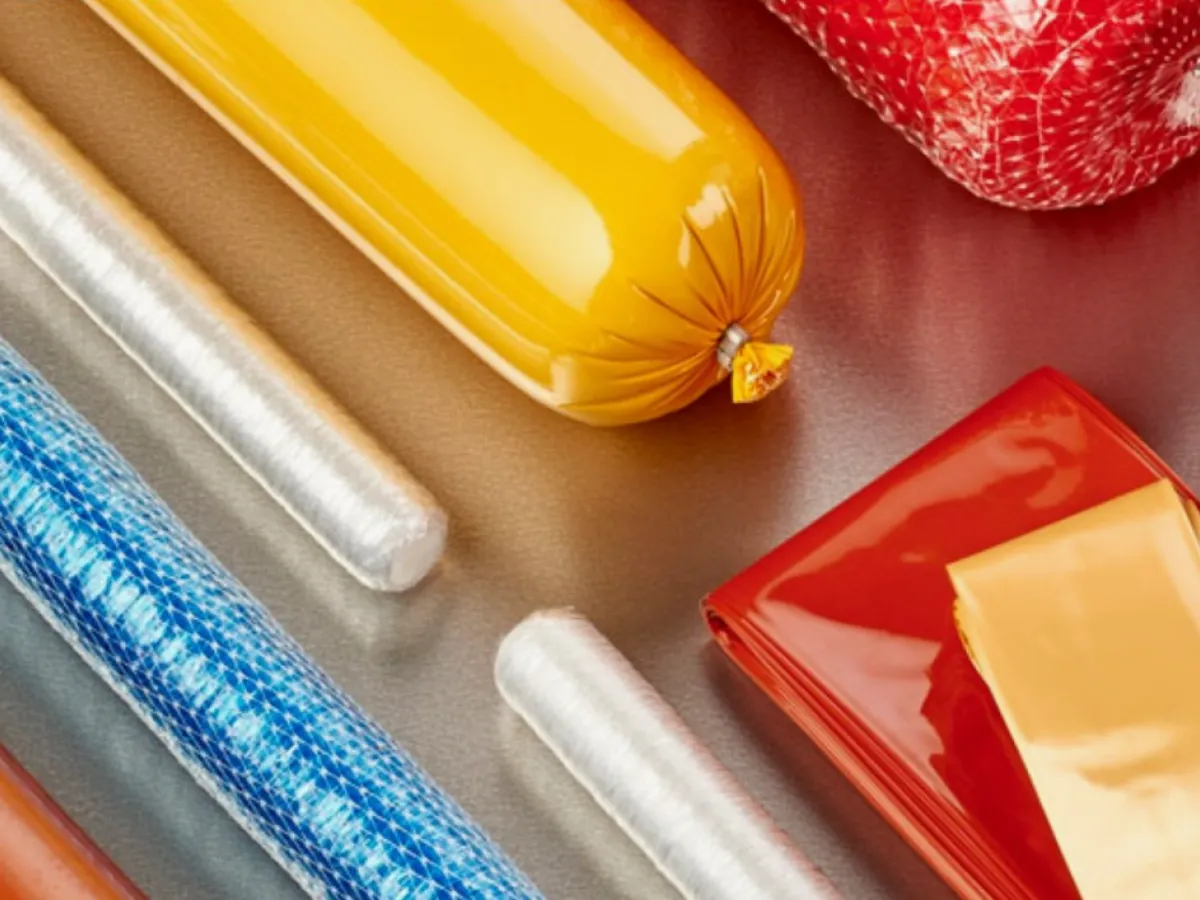
Collagen and plastic casings sit at opposite ends of the artificial casing spectrum. Collagen is protein-based, edible, and permeable to smoke and moisture. Plastic—most commonly p
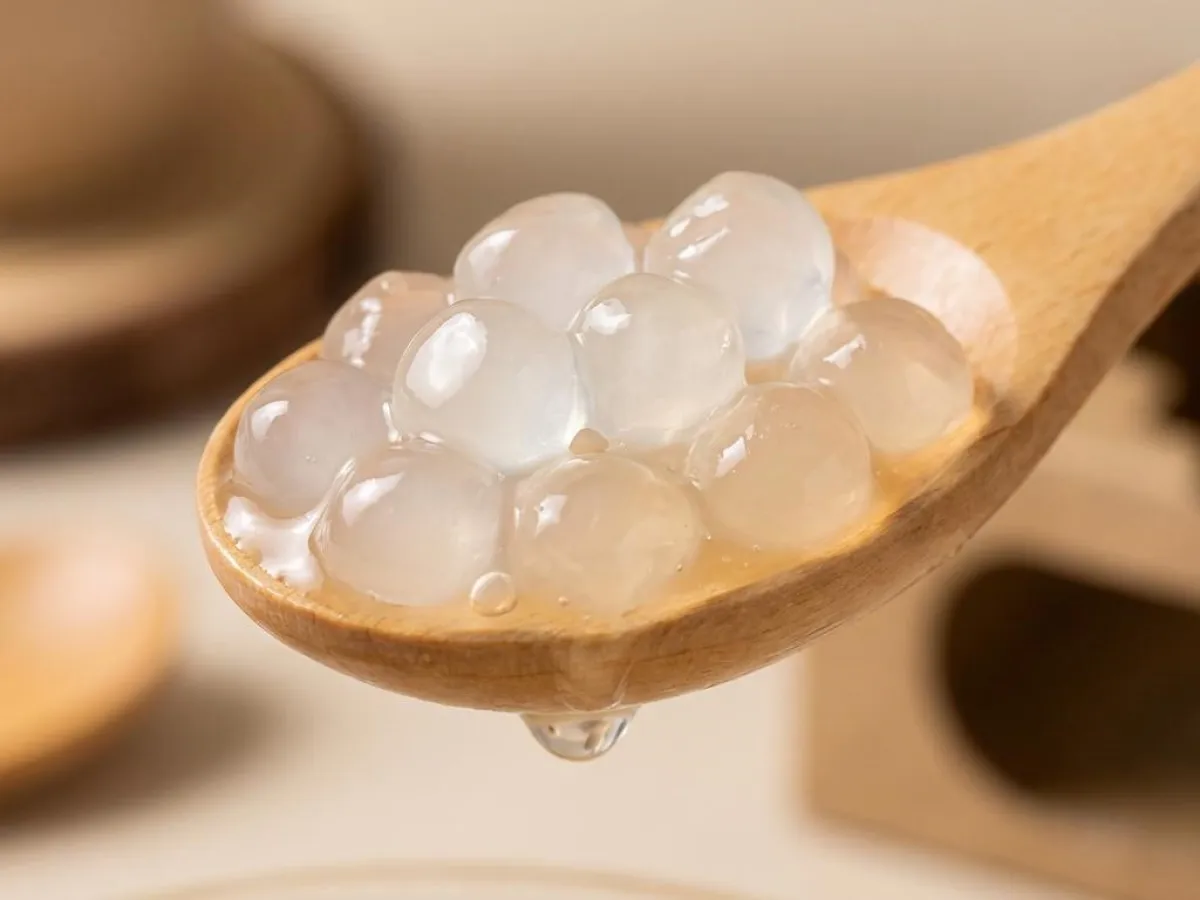
As plant-based beverages, fruit drinks, and innovative gel-based products continue to expand, popping boba manufacturers face growing demands for attractive appearance, consistent
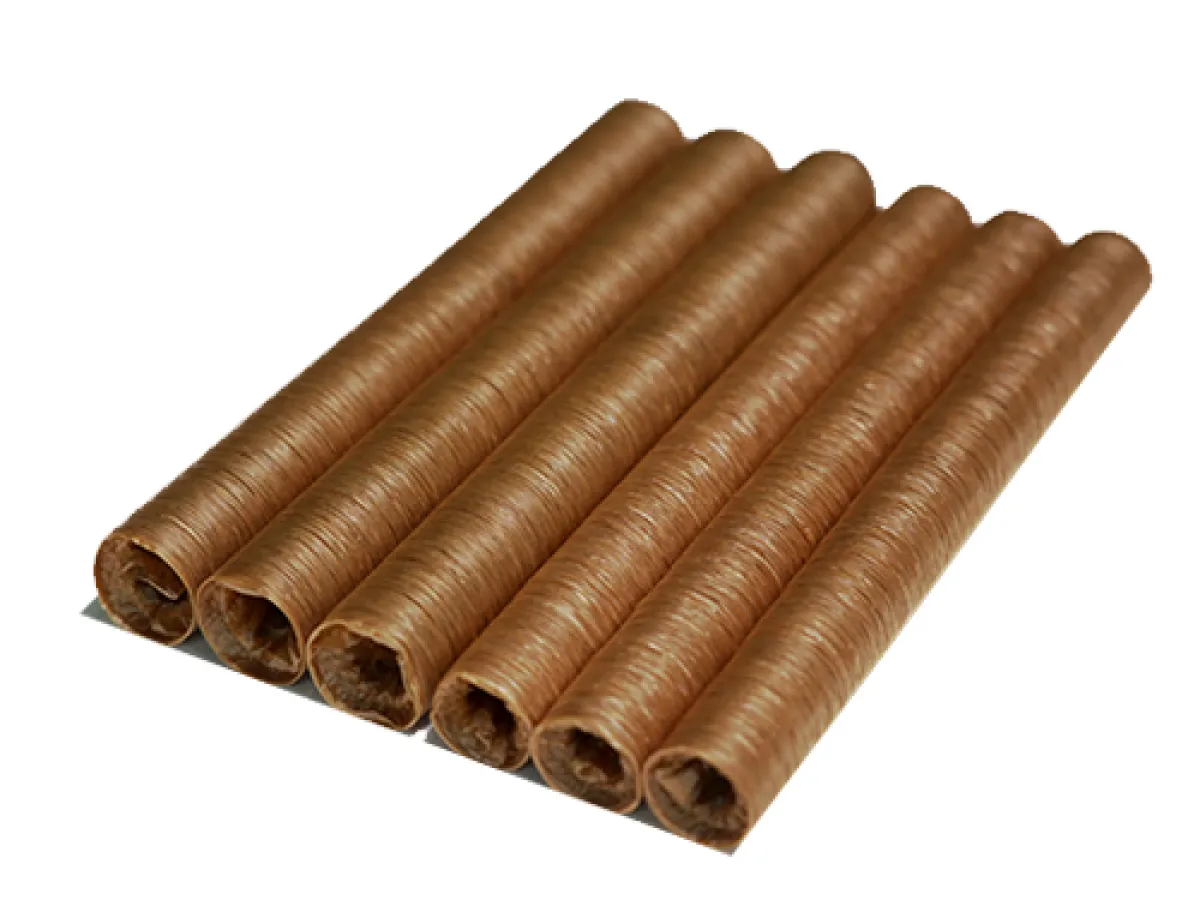
The global artificial casings market was valued at $4.95 billion in 2024 and is projected to reach $8.6 billion by 2035, growing at a CAGR of 5.1%—outpacing the overall sausage cas
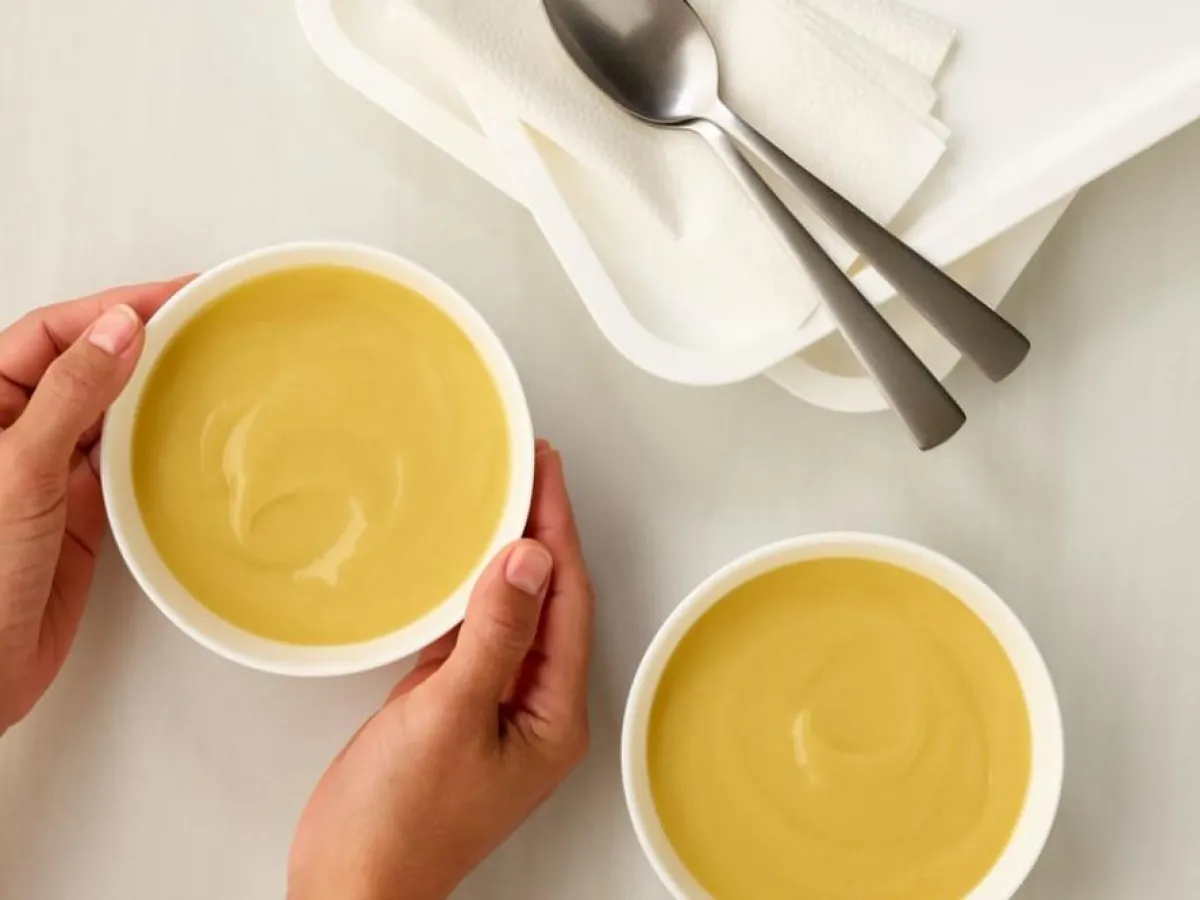
When developing thickened drinks and texturemodified foods, food manufacturers face more challenges than simply raising viscosity. Products must deliver uniform texture, acceptable
Upon contact with gastric acid, sodium alginate forms a gentle hydrogel that delays gastric emptying and prolongs the feeling of fullness. This helps stabilize post-prandial blood

Beauty beverages place demanding requirements on the solubility and sensory performance of raw materials. Nourisi® Tilapia Collagen Peptides have a viscosity of only 3–10 cP in a 1
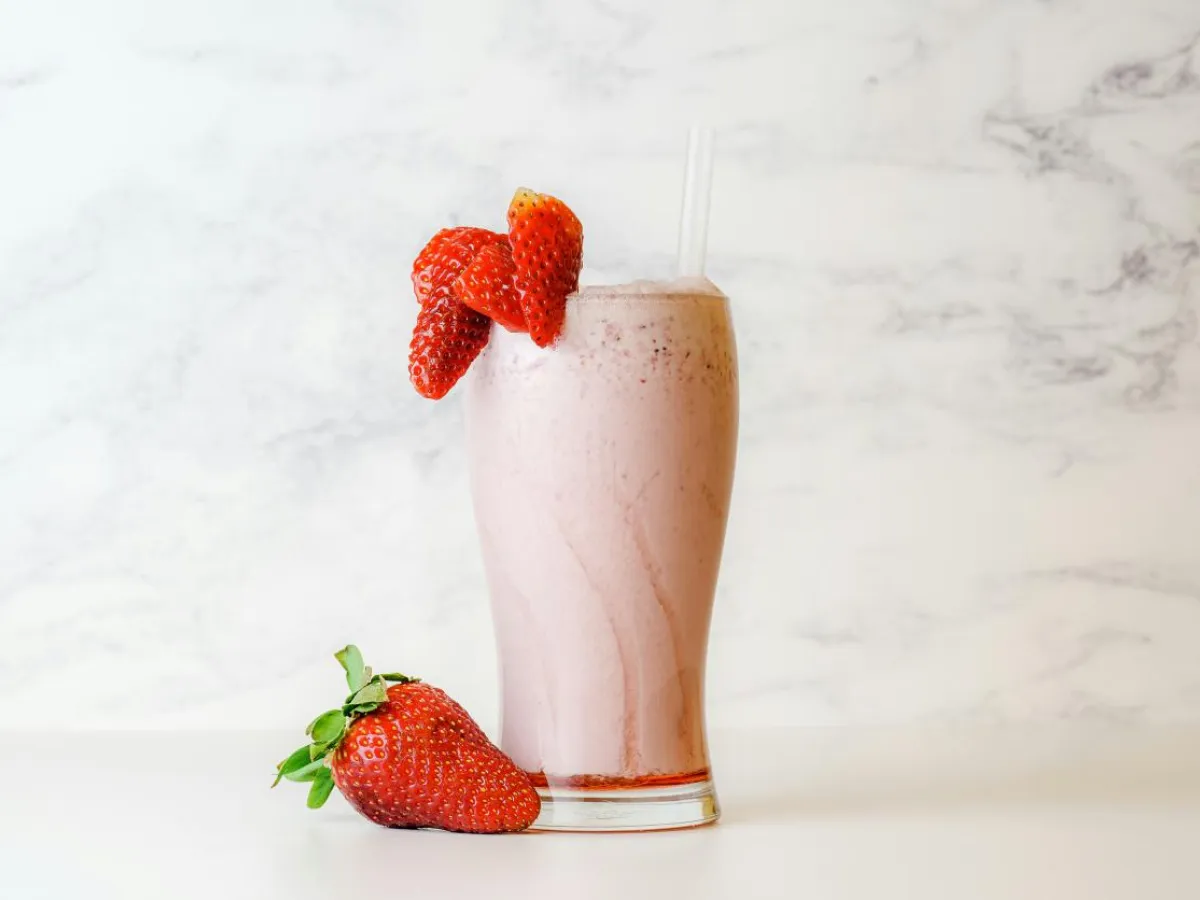
How do you keep protein particles suspended in a high-acid, high-heat environment? The answer lies in High Methoxyl (HM) pectin.