1. Define Product Type First, Then Select Pectin
| Product Positioning | Brix Range | Key Texture Requirements | Recommended Pectin Solution | Critical Process Control Points |
| Traditional High-Sugar Jam | 60-75% | Firm gel, fruit suspension, high gloss | HM Pectin Rapid-set type |
Filling temp ≥85°C,Control setting temperature |
| Low-Sugar/Sugar-Free Jam | 25-55% or with sweeteners | Soft spreadability, anti-syneresis, low calorie | LM Pectin + Calcium salts | Precise calcium ion calculation,avoid pre-gelation |
| Bakery Filling Jam | 50-70% | Heat resistant (≥200°C no flow),pump stability | HM Pectin (Slow-set) or Amidated Pectin + Xanthan/Kappa Carrageenan |
Pre-cooking temp &time control, Ensure heat stability |
| Functional Jam | Varies | Acid stability, protein protection,high fiber mouthfeel | LM Pectin+ CMC/Xanthan gum | pH buffer system design,prevent protein precipitation |
| Spreadable Fruit Puree(Baby food/Health concept) | 0-30% | tropic (spoonable, no drip),no particulate sensation | Pure LM Pectin or Pectin + Konjac gum (Low calcium sensitivity type) |
High-pressure homogenization, ensure smoothness |
2. HM Pectin vs LM Pectin
·Only choose high methoxyl pectin when your formula simultaneously meets:
Soluble solids (Brix) ≥ 60%
Final pH ≤ 3.6 (usually adjusted with citric acid)
Requires rapid gel for fruit suspension
Cost sensitive (HM pectin typically 15-25% cheaper than LM)
·Technical Risk Warnings:
1)"False Gel" Risk: When Brix is insufficient, HM pectin cannot form 3D networks, resulting in "gel surface, liquid interior" stratification.
2)Broken Gel: If filling temperature falls below setting point (usually 85-90°C), gel structure is mechanically destroyed during cooling, causing "weeping" and "mealy texture".
·When your formula shows any of these characteristics, you must use low methoxyl pectin:
Brix < 55% (including fillers like malt syrup, sorbitol)
Requires "thermoreversible" properties (e.g., bakery fillings withstand baking temps)
Contains calcium-sensitive ingredients (e.g., dairy)
·Necessity of Compounding: Single LM pectin in low-sugar environments tends toward syneresis (weeping). Recommended compound solutions:
1)Basic: LM Pectin + Calcium lactate (calcium ion at 10-20% of pectin weight)
2)Advanced: LM Pectin + CMC (1:0.5 ratio), improves water holding, prevents storage weeping
3. Technical-Economic Analysis of Compound Gums
Solution A: Economy High-Sugar Jam (Cost Priority)
Formula: HM Pectin 0.3-0.5% (single use)
Cost: ★★☆☆☆ (Lowest)
Risk Points: Poor heat stability, softens during summer transport; fruit suspension depends on rapid filling
Target: Price-sensitive retail products, short shelf life (<6 months)
Solution B: Stable Low-Sugar Jam (Performance Priority)
Formula: LM Pectin 0.8-1.2% + Calcium lactate 0.1-0.2% + Xanthan gum 0.1%
Cost: ★★★★☆ (20-30% higher)
Advantages: Anti-syneresis, heat resistant, excellent spreadability, stable texture >12 months shelf life
Target: Premium supermarkets, export orders, bakery channels
Solution C: Bakery Dedicated Filling (Process Adaptation)
Formula: Amidated LM Pectin 1.0-1.5% + Carrageenan 0.3%
Cost: ★★★☆☆
Key Performance: No flow at 200°C/15min baking, no hardening after cooling
Selection Advice: Clarify your channel attributes first—e-commerce long-distance transport requires enhanced heat stability (Choose B), while fresh bakery store delivery can use economy solutions.
4. Raw Material QC and Process Adaptation Essentials
Three Key Incoming Inspection Elements
1)Gel Strength: Request batch gel strength (Grade) data from supplier; batch variation should be <±5%; Simple verification: measure gel strength at 65% sugar, pH 2.4
2)Solubility: 10g pectin + 100g water, stir 5min at 25°C, no "fish-eye" particles; Dissolution rate must match your line speed (high-speed lines need rapid-dissolving types)
3)Calcium Sensitivity (LM only): New supplier samples must undergo calcium gradient testing (0.5%, 1.0%, 1.5% calcium addition), plot gel strength curve to confirm operational window
In the international food and dietary supplement industries, sodium alginate and carrageenan are two widely used seaweed-derived hydrocolloids. Despite their shared origin, the und

In oil and gas drilling operations, the prosperity of a drilling process heavily depends on the rheological properties and filtration behavior of drilling fluids . Uncontrolled flu
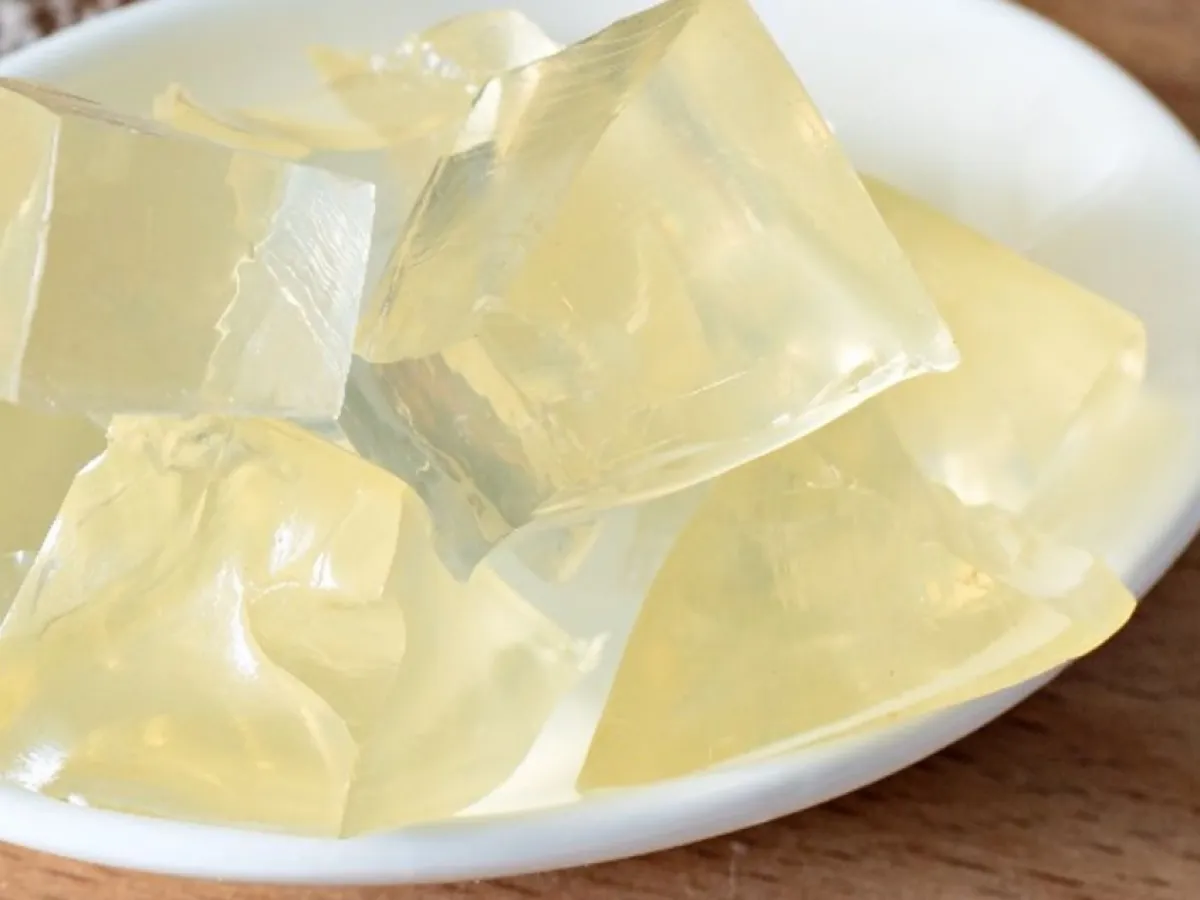
The first step in making gelatin gummies is to allow the gelatin to fully hydrate. Gelatin does not dissolve in cold water, but it can absorb water and swell in cold water. This pr
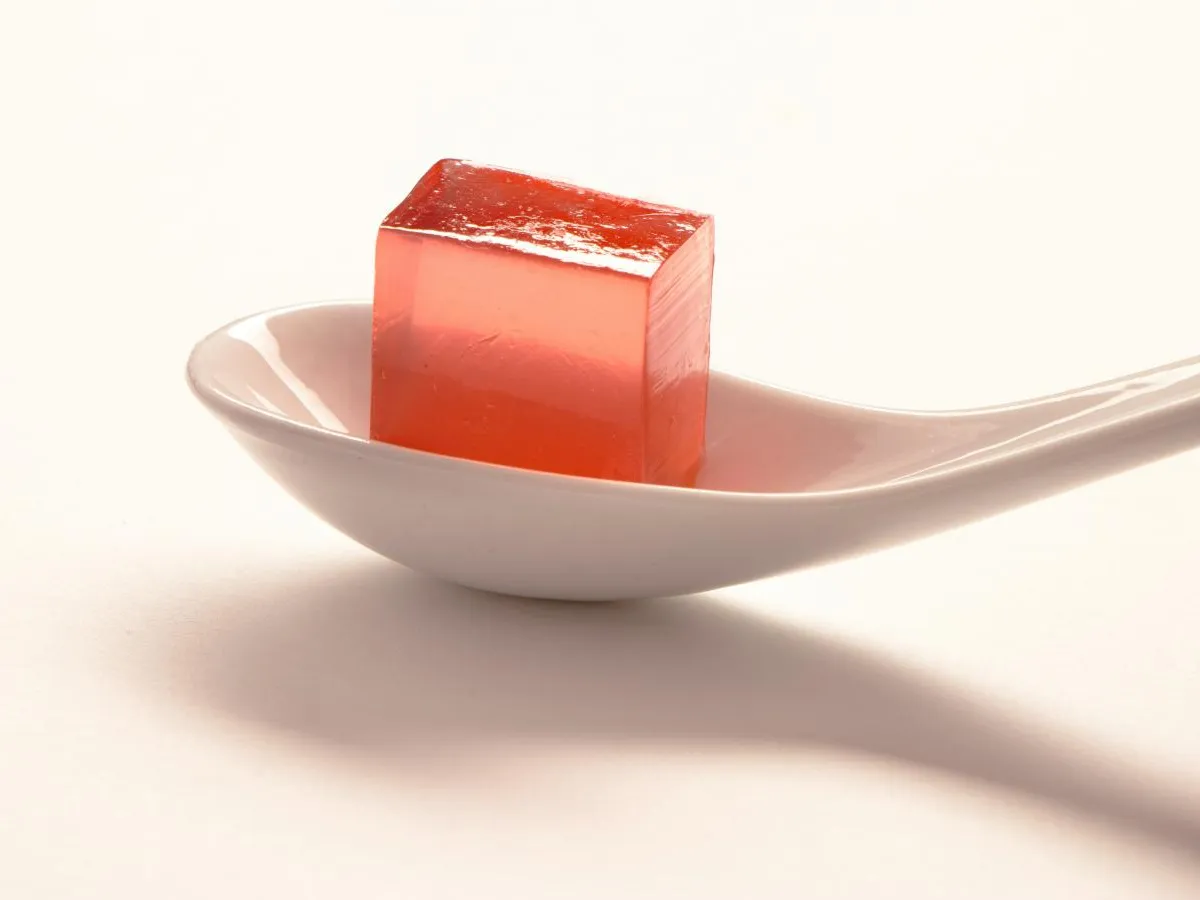
The key difference? Gelatin is a protein from animal collagen; agar is a carbohydrate from red algae.This fundamental distinction drives every other difference between them — and d

In the papermaking industry, modified starch is one of the core additives. Oxidized starch, cationic starch, and esterified starch are mainly used for surface sizing, internal sizi
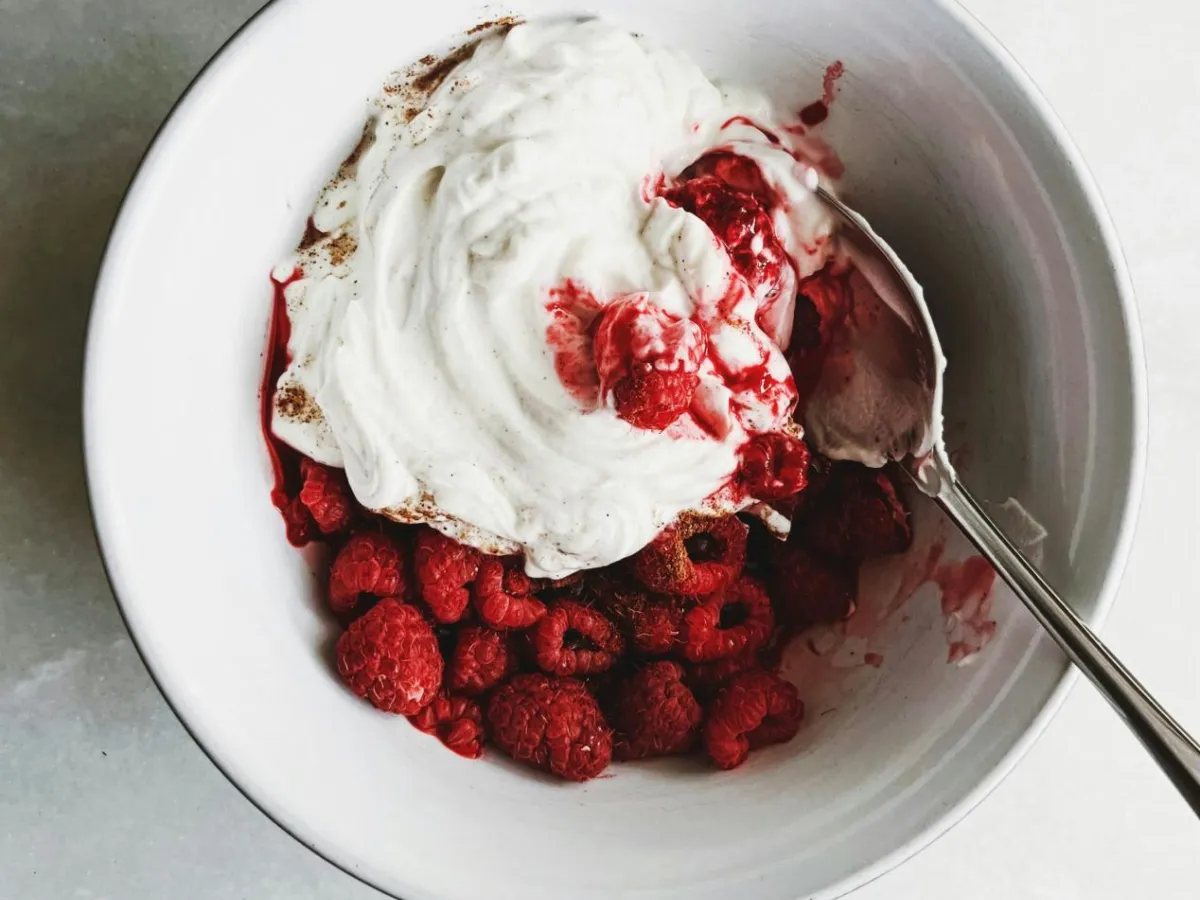
The adoption of pectin in yogurt is not just anecdotal. According to market data, more than half of all new spoonable yogurt launches now contain pectin. This widespread acceptance
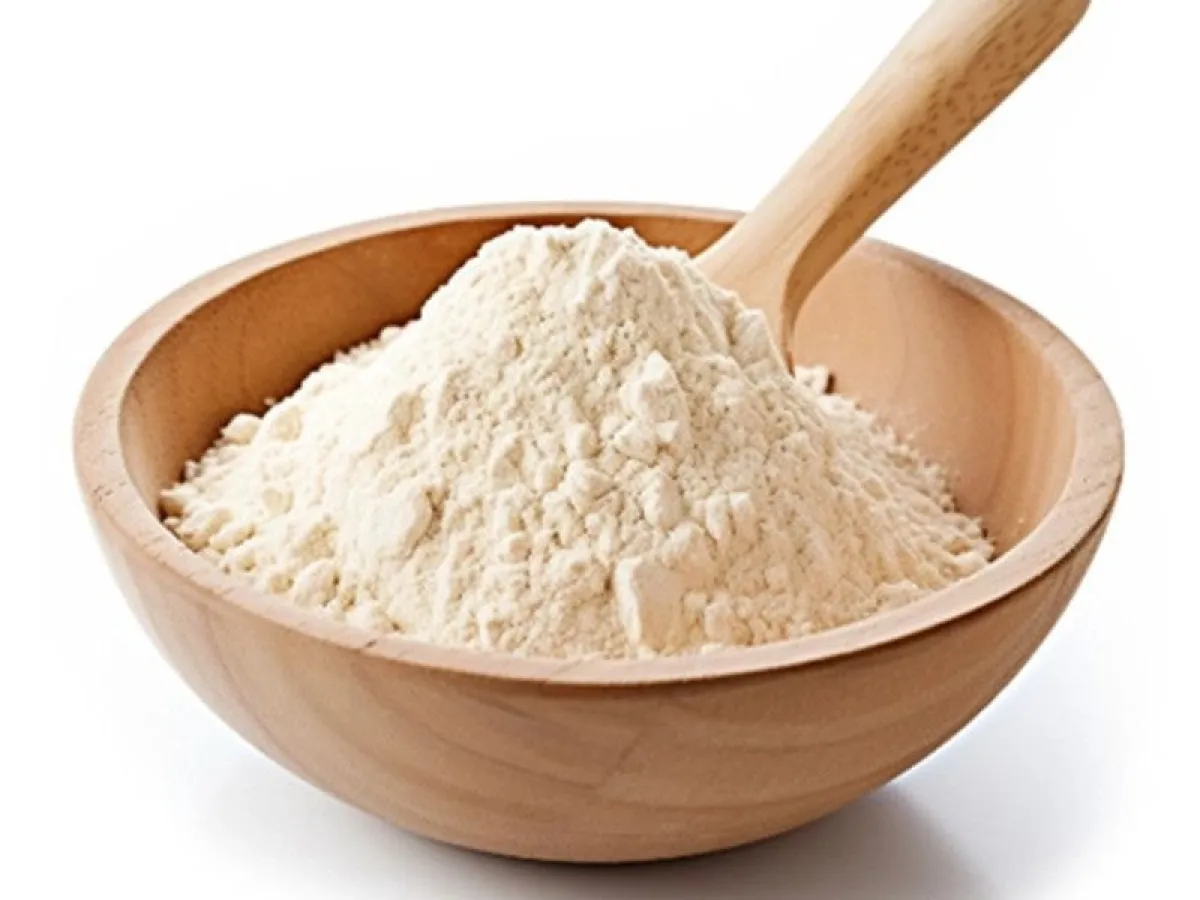
High concentrations of protein ingredients inherently carry a heavy, powdery mouthfeel and astringent notes. The key application detail of gelatin lies in its thermally reversible
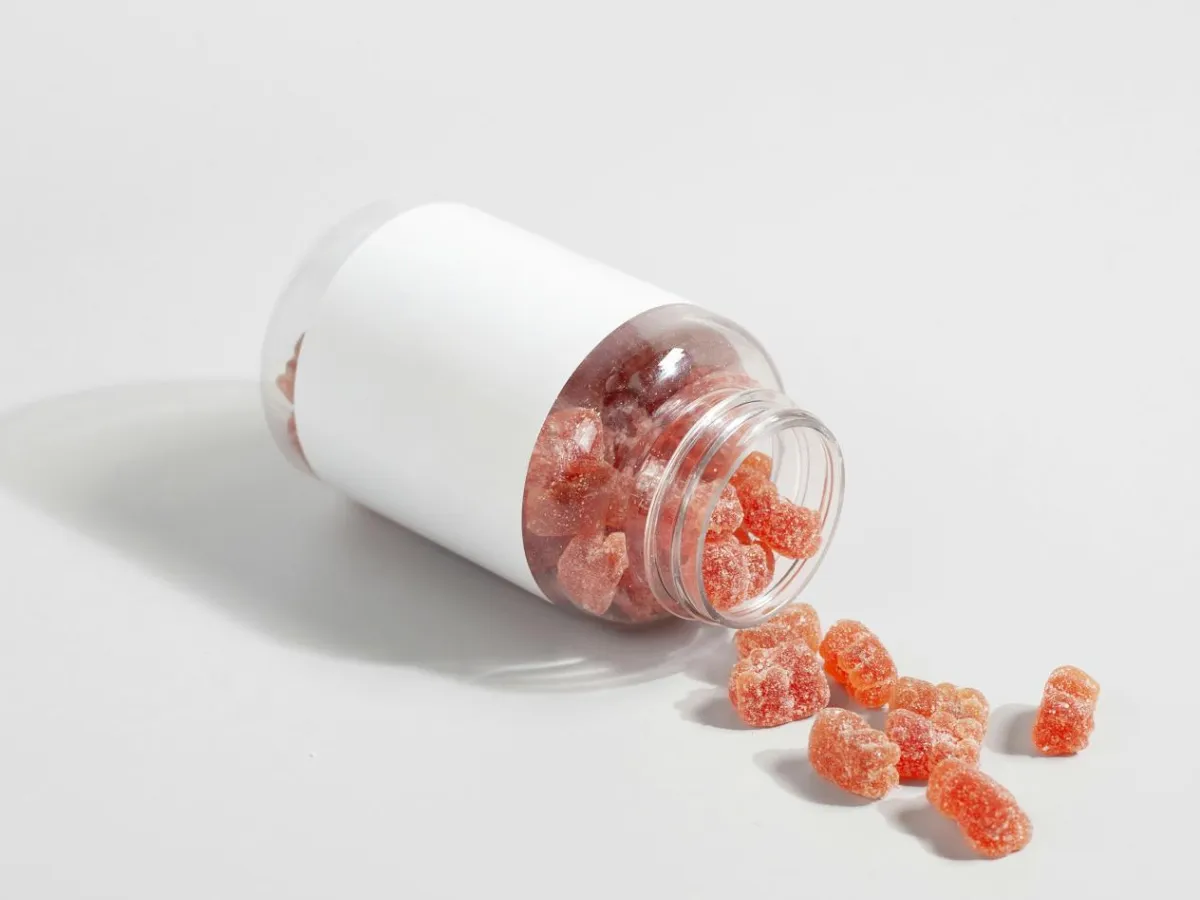
Today, vegan gummies are one of the fastest-growing segments in confectionery. And at the center of this shift stands pectin – a plant-derived hydrocolloid that is proving to be mo
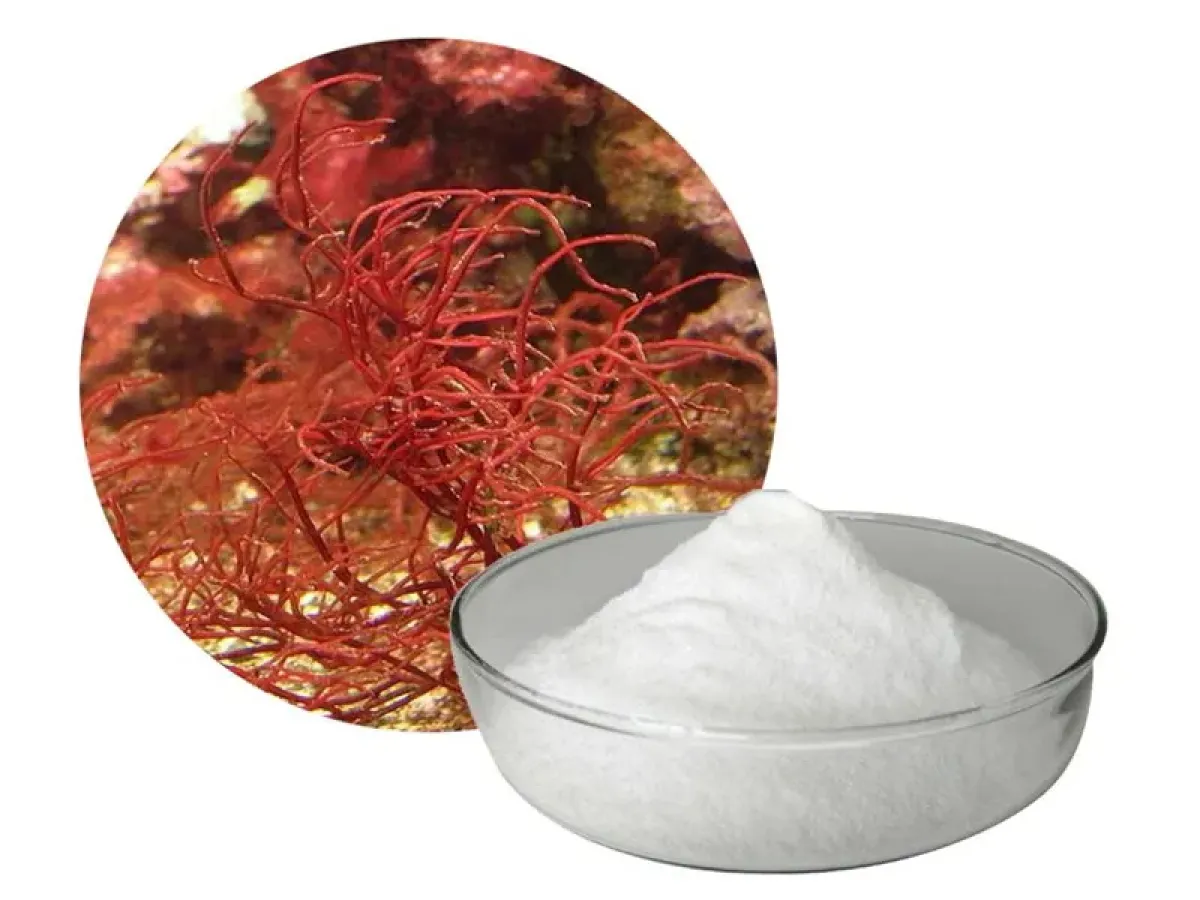
From a physicochemical perspective, carrageenan possesses unique solubility, dissolving in hot water at around 80°C to form a viscous, transparent solution, but insoluble in cold w
The primary role of CMC in toothpaste is to provide the desired texture, consistency, and stability. Specifically, it performs the following critical functions: