Polyanionic Cellulose (PAC) is a water-soluble polymer derived from natural cellulose through chemical modification. As a high-performance additive, PAC is widely used in water-based drilling fluids to enhance their rheological properties, control fluid loss, inhibit shale hydration, and stabilize wellbores, making it indispensable for safe and efficient drilling operations.
Drilling fluids, also known as drilling muds, serve multiple critical functions: cooling and lubricating the drill bit, transporting drill cuttings to the surface, maintaining wellbore stability, and preventing formation damage. Among the various additives used in drilling fluids, Polyanionic Cellulose stands out for its superior performance, especially in challenging environments such as high-temperature wells, high-salinity formations, and offshore drilling.
PAC is chemically modified to introduce anionic groups (e.g., carboxymethyl groups) into the cellulose backbone. This modification gives PAC its unique water solubility, high salt tolerance, and excellent thermal stability.
● Primary Applications of PAC in Oil Drilling
1. Fluid Loss Control and Filtration Control
One of the most critical functions of PAC in drilling fluids is controlling fluid loss. During drilling, the liquid phase of the drilling fluid can penetrate into the surrounding rock formations. Excessive fluid loss can lead to formation damage, wellbore instability, and increased operational costs.
PAC reduces fluid loss by forming a thin, dense, and low-permeability filter cake on the wellbore wall. This filter cake acts as a barrier, minimizing the escape of liquid into the formation while still allowing the drilling fluid to circulate effectively. The polar groups in PAC molecules adsorb onto the surface of clay particles in the drilling fluid, creating a stable colloidal structure that significantly reduces filtrate invasion.
Research has shown that combinations of different PAC variants (e.g., PAC-L and PAC-R) can achieve superior filtration performance through synergistic effects, with optimal concentrations around 0.7 wt% delivering minimal fluid loss.
2. Shale Inhibition and Wellbore Stabilization
Reactive shale formations are among the most challenging conditions encountered in drilling. Clay minerals in shale formations can hydrate and swell when exposed to water, leading to wellbore collapse, stuck pipe incidents, and even blowouts.
PAC effectively inhibits shale hydration and swelling through multiple mechanisms. Its anionic molecular chains preferentially adsorb onto the shale surface, forming a physical barrier that prevents water molecules from penetrating the formation. Additionally, the polymer can encapsulate clay particles, inhibiting their dispersion and expansion. This dual action significantly reduces the risk of wellbore instability in water-sensitive formations.
Studies have demonstrated that higher concentrations of PAC in drilling mud can increase the hydrophobic character of shale samples, with contact angles rising from 37.4° to 86.8°, indicating substantially reduced water affinity and enhanced wellbore stability.
3. Rheology Modification and Hole Cleaning
Proper rheological properties are essential for effective drilling. The drilling fluid must have sufficient viscosity and shear stress to suspend and transport drill cuttings to the surface, yet not so high as to create excessive circulation resistance.
PAC acts as an effective rheology modifier. Its molecular chains hydrate in water to form a three-dimensional network structure, increasing the plastic viscosity and yield point of the drilling fluid. This enhances the fluid's cuttings-carrying capacity, particularly important in deviated and horizontal wells where cuttings tend to settle at the bottom of the hole.
Importantly, PAC exhibits shear-thinning behavior, meaning its viscosity decreases under high shear (e.g., when pumped through the drill bit) and recovers when shear is reduced, optimizing both hydraulic efficiency and suspension performance.
4. High Temperature and High Salinity Environments
PAC is particularly valued for its excellent thermal stability and salt tolerance, making it ideal for deep-well drilling and offshore operations.
PAC remains effective in high-salinity environments, including seawater, brine, and even saturated salt solutions, where many other additives lose their functionality. Its thermal stability typically reaches 120°C to 150°C, with some high-temperature grades capable of withstanding temperatures above 180°C. This combination of salt and heat resistance allows PAC to perform reliably in extreme downhole conditions such as deep wells, geothermal drilling, and salt dome formations.
5. Environmental Compatibility
As a derivative of natural cellulose, PAC is biodegradable and non-toxic, meeting increasingly stringent environmental regulations in the oil and gas industry. Unlike synthetic polymers that may persist in the environment, PAC breaks down naturally over time, reducing ecological impact and simplifying waste management during cleanup operations. This environmental compatibility makes PAC a preferred choice for operators committed to sustainable drilling practices.
● PAC: HV and LV
PAC is available in two primary grades, each suited to different drilling conditions:
1.PAC-HV (High Viscosity) is characterized by higher molecular weight and is primarily used as a viscosifier in addition to providing fluid loss control. It is ideal for vertical and deviated wells requiring enhanced hole cleaning, improved gel strength, and better suspension of weighting materials and drill cuttings. PAC-HV is recommended for freshwater and moderate-salinity systems, with typical dosage ranging from 0.5 to 2.0 lb/bbl.
2.PAC-LV (Low Viscosity) provides effective filtration control with minimal impact on mud viscosity. It is designed for low-solids mud systems, clear brine fluids, and applications where precise viscosity control is required. PAC-LV is particularly suitable for horizontal drilling, extended-reach wells, and high-rate circulation operations where maintaining thin, manageable mud is crucial. The recommended dosage is typically 0.3 to 1.0 lb/bbl.
● Recommended Dosage Guidelines
1.General guidelines for PAC addition in drilling fluids:
2. Freshwater-based mud systems: 4–6 kg/m³
3. Saltwater-based mud systems: 3–10 kg/m³
Ultralow viscosity grade (primarily for fluid loss control): 0.71–2.85 kg/m³
These dosages should be adjusted based on specific downhole conditions, mud formulation, and performance requirements. Field testing and rheological monitoring are recommended to determine optimal concentrations.
● Synergistic Combinations
Recent studies have shown that combining different PAC variants can achieve superior performance compared to individual additives. For example, the combination of PAC-L and PAC-R at 0.7 wt% has been found to deliver exceptional filtration characteristics through synergistic effects. Similarly, combining PAC with amine-based shale inhibitors can significantly enhance wellbore stability by increasing the hydrophobic character of shale formations

Conclusion
Polyanionic Cellulose is a versatile, high-performance additive that plays a vital role in modern drilling fluid systems. Its ability to control fluid loss, inhibit shale hydration, modify rheology, and maintain stability in high-temperature and high-salinity environments makes it an essential component for efficient and safe drilling operations. With the added benefits of biodegradability and environmental compatibility, PAC represents a smart choice for the oil and gas industry as it continues to pursue more sustainable and cost-effective drilling solutions.
In the international food and dietary supplement industries, sodium alginate and carrageenan are two widely used seaweed-derived hydrocolloids. Despite their shared origin, the und
In oil and gas drilling operations, the prosperity of a drilling process heavily depends on the rheological properties and filtration behavior of drilling fluids . Uncontrolled flu
The first step in making gelatin gummies is to allow the gelatin to fully hydrate. Gelatin does not dissolve in cold water, but it can absorb water and swell in cold water. This pr
The key difference? Gelatin is a protein from animal collagen; agar is a carbohydrate from red algae.This fundamental distinction drives every other difference between them — and d
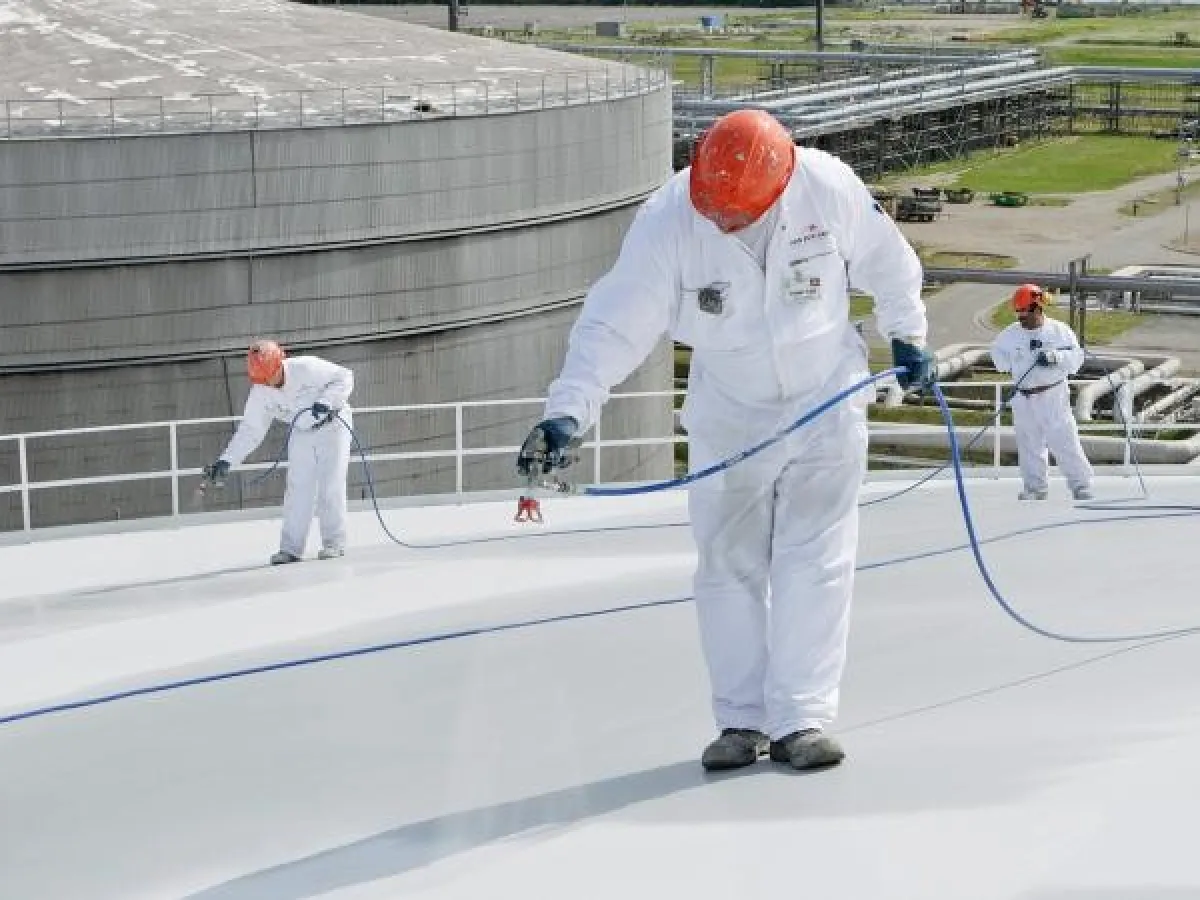
In the papermaking industry, modified starch is one of the core additives. Oxidized starch, cationic starch, and esterified starch are mainly used for surface sizing, internal sizi
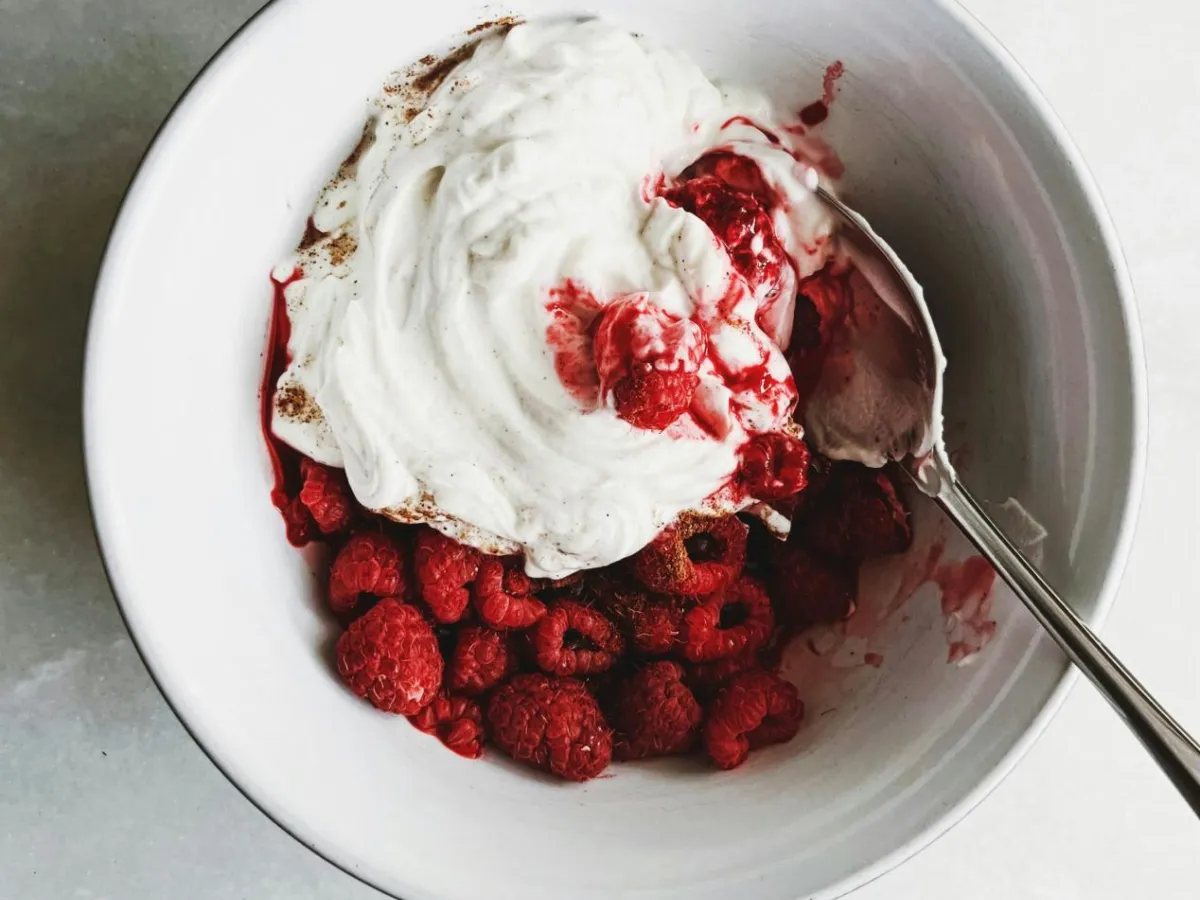
The adoption of pectin in yogurt is not just anecdotal. According to market data, more than half of all new spoonable yogurt launches now contain pectin. This widespread acceptance
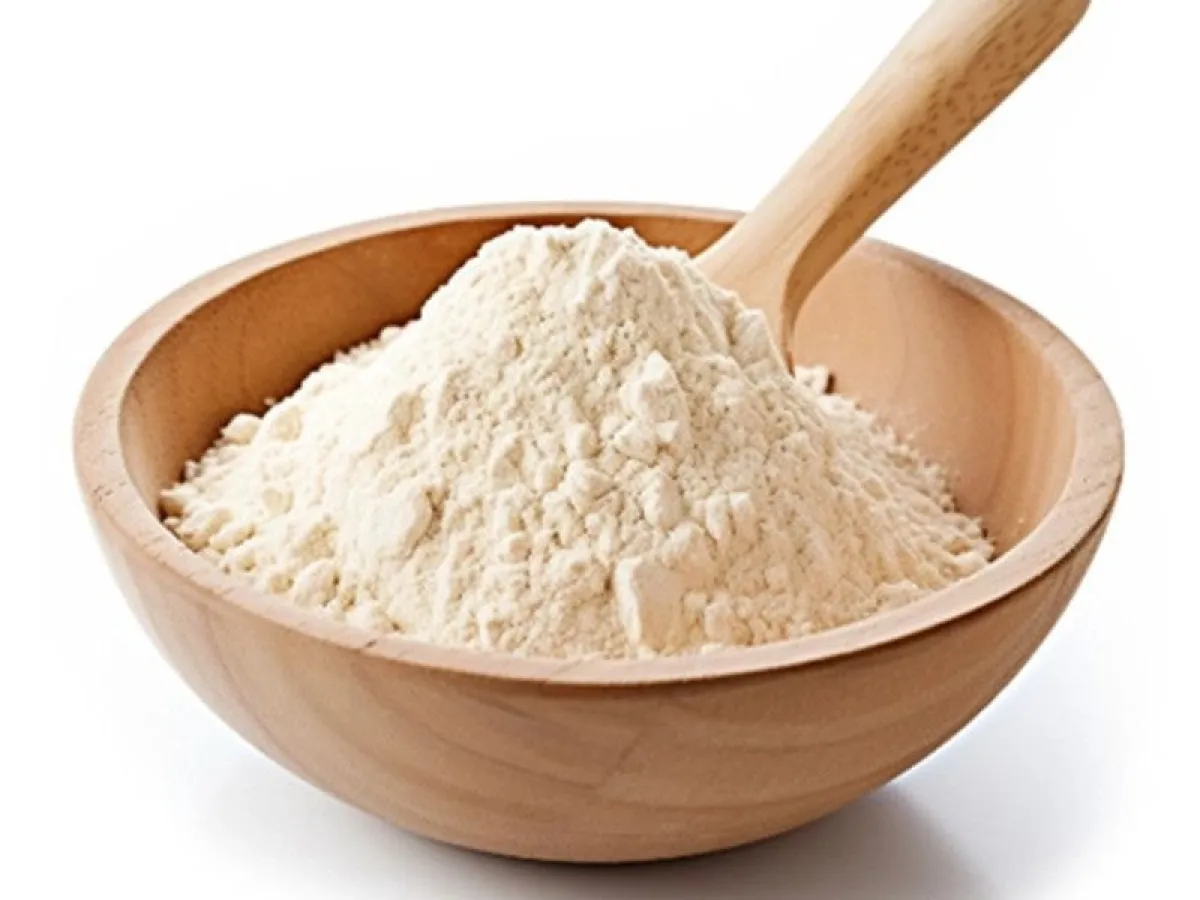
High concentrations of protein ingredients inherently carry a heavy, powdery mouthfeel and astringent notes. The key application detail of gelatin lies in its thermally reversible
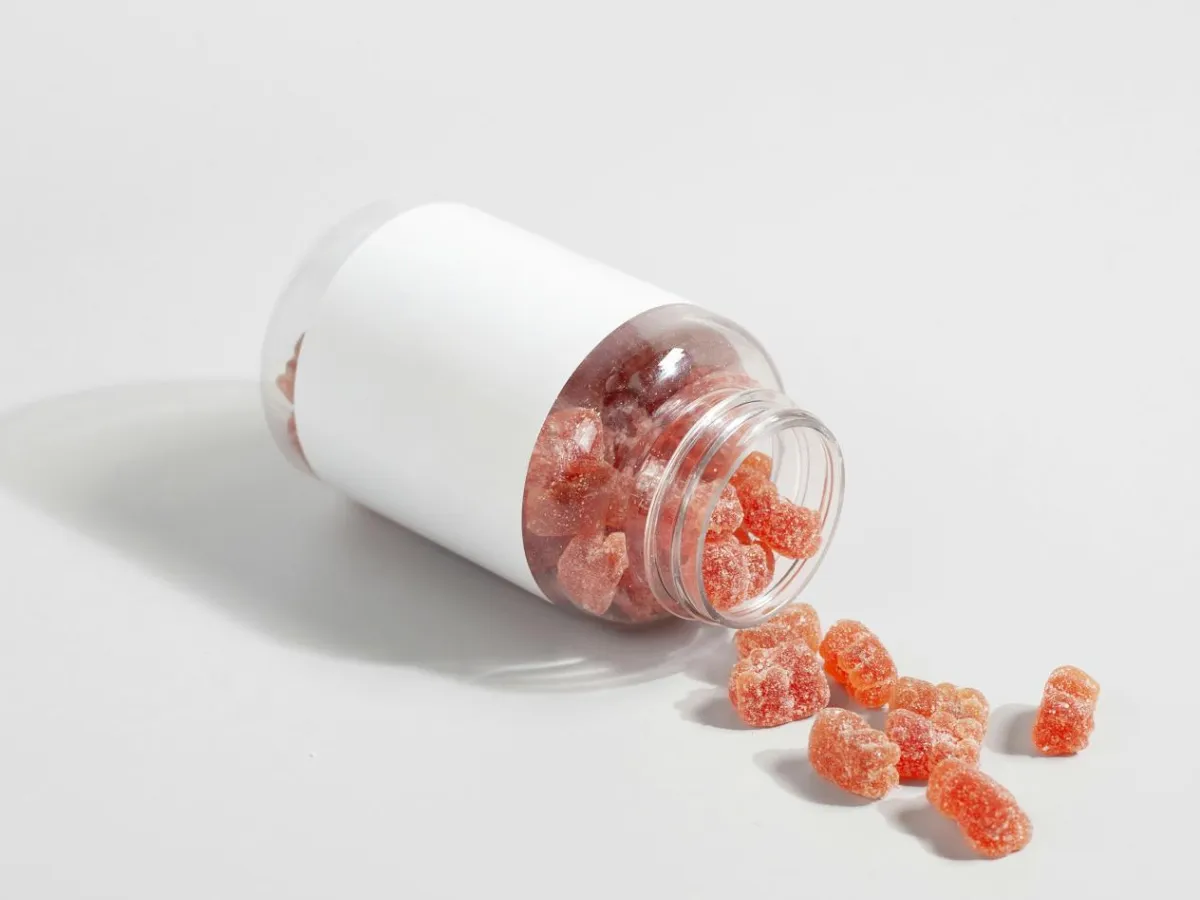
Today, vegan gummies are one of the fastest-growing segments in confectionery. And at the center of this shift stands pectin – a plant-derived hydrocolloid that is proving to be mo
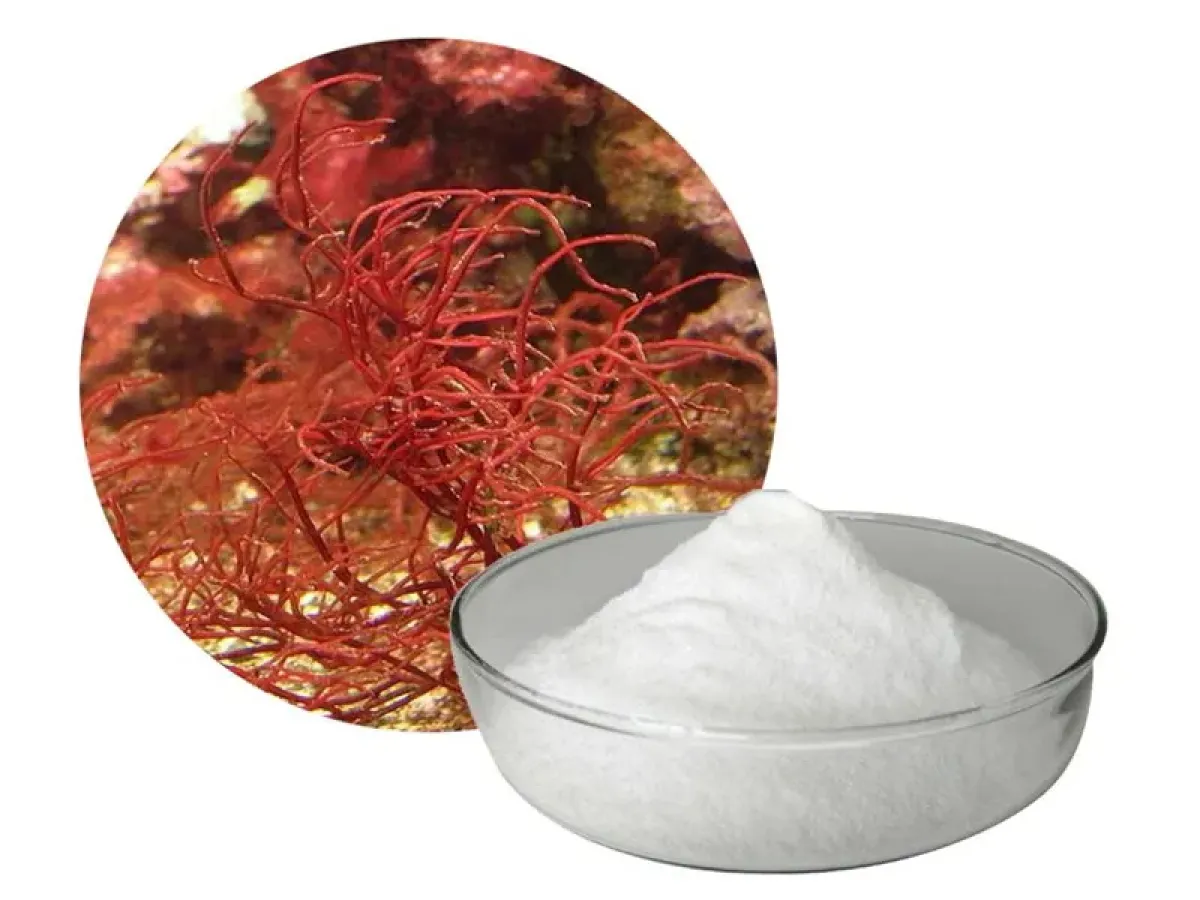
From a physicochemical perspective, carrageenan possesses unique solubility, dissolving in hot water at around 80°C to form a viscous, transparent solution, but insoluble in cold w
The primary role of CMC in toothpaste is to provide the desired texture, consistency, and stability. Specifically, it performs the following critical functions: