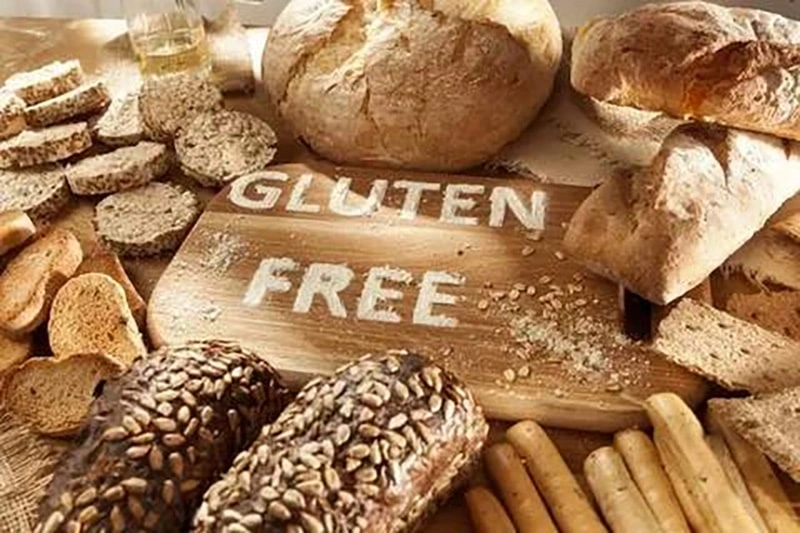
The gluten-free food sector has evolved from a niche dietary category into a dynamic, scientifically-driven global industry. This transformation is propelled by rising diagnoses of celiac disease, increased awareness of non-celiac gluten sensitivity (NCGS), and a broader consumer interest in health and wellness. For manufacturers, the core challenge is no longer simply removing gluten-containing grains, but replicating the unique functional properties of gluten—a protein responsible for elasticity, structure, gas retention, and moisture in traditional baked goods.
Among the arsenal of ingredients deployed to solve this complex puzzle, xanthan gum stands out as a foundational and indispensable hydrocolloid, enabling the texture, stability, and consumer acceptability of modern gluten-free products.
Understanding the Gluten-Free Formulation Challenge
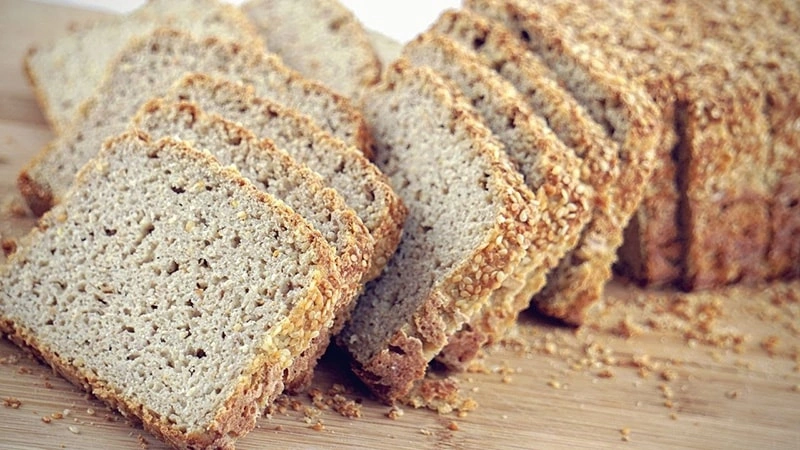
Gluten, found in wheat, rye, and barley, forms a viscoelastic network when hydrated and mixed. This network traps carbon dioxide during fermentation or leavening, giving bread its rise and chewy crumb. It also provides binding strength, elasticity in doughs, and contributes to shelf-life by retaining moisture. Removing it results in products that are often dense, crumbly, dry, and structurally unsound. Therefore, successful formulation requires a synergistic blend of alternative flours (e.g., rice, sorghum, tapioca starch) and functional ingredients that can mimic these lost properties. This is where hydrocolloids, particularly xanthan gum, become critical.
Xanthan Gum: A Functional Powerhouse
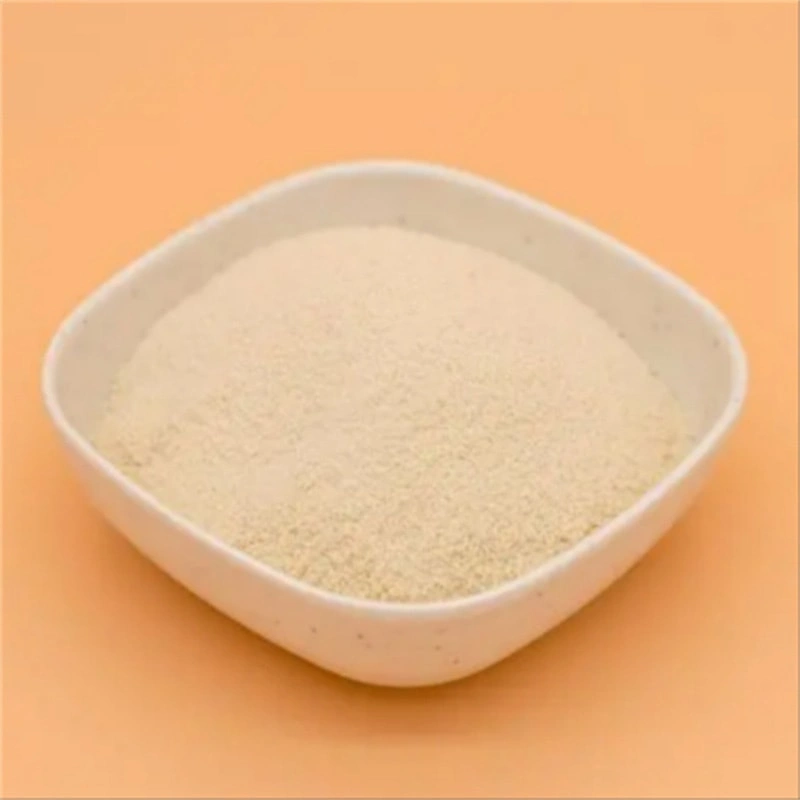
Xanthan gum is a polysaccharide produced through the fermentation of sugars by the bacterium Xanthomonas campestris. Its molecular structure grants it exceptional functional characteristics that make it uniquely suited to address the gaps left by gluten removal.
1. Structure and Binding Agent:
Xanthan gum's primary role is as a binder and texturizer. In gluten-free systems, it provides the cohesive "glue" that holds disparate flour particles and starches together. By forming a weak gel network and increasing viscosity in the water phase of a batter or dough, it prevents the catastrophic crumbling often associated with gluten-free breads, cookies, and pastries. This binding action is crucial for product integrity during slicing, handling, and consumption.
2. Moisture Retention and Shelf-Life Extension:
Gluten-free flours and starches often have different water-binding capacities than wheat flour, leading to rapid staling and dryness. Xanthan gum's high water-holding capacity helps lock in moisture, significantly improving the initial mouthfeel and extending the product's shelf-life by delaying retrogradation of starches. This results in softer, more palatable products that remain fresher for longer.
3. Dough Handling and Gas Retention:
One of gluten's most vital functions is its ability to form an extensible, elastic film that traps gases from yeast or chemical leavening. Xanthan gum imparts pseudo-plasticity (shear-thinning) to batters and doughs. At rest, it provides high viscosity, stabilizing the mixture and preventing ingredient separation. During mixing or pouring, viscosity decreases, making the dough easier to handle. More importantly, this viscous network helps to stabilize air bubbles incorporated during mixing and trap gases during proofing and baking, leading to a better rise and a more open, less dense crumb structure.
4. Freeze-Thaw Stability:
For the growing market of frozen gluten-free products (like doughs, par-baked bread, and ready meals), xanthan gum is invaluable. It helps control ice crystal formation and minimizes syneresis (water weeping) during freeze-thaw cycles, preserving the product's texture and preventing it from becoming gritty or soggy upon reheating.
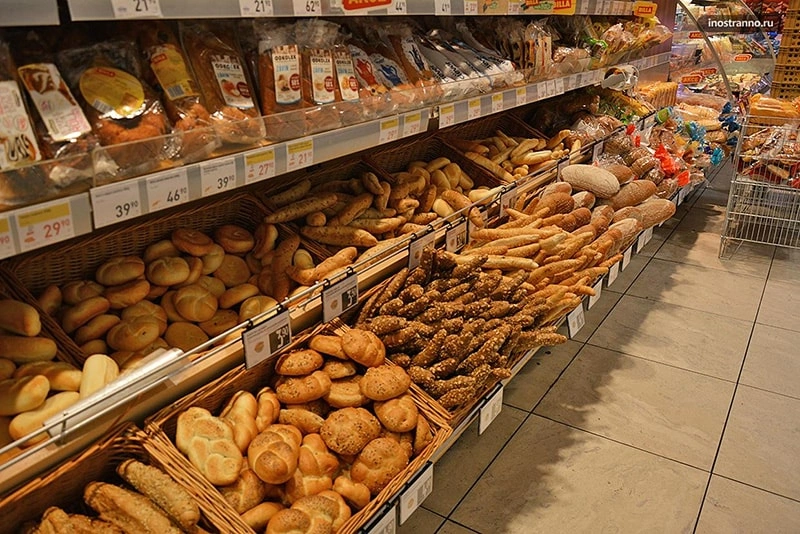
Application and Synergy in Gluten-Free Systems
Xanthan gum is highly effective at low usage levels, typically between 0.1% and 0.5% of the total formula weight. Its effectiveness is pH-stable and it performs well across a wide temperature range. However, it is rarely used alone. Its power is maximized through synergy with other ingredients:
With Other Gums: Combining xanthan gum with guar gum or locust bean gum can create enhanced gel strength and improved texture. For instance, xanthan-locust bean gum combinations can form stronger, more elastic gels beneficial for certain applications.
With Proteins and Fibers: In high-fiber or protein-enriched formulations (using ingredients like psyllium husk, chia, or pea protein), xanthan gum works to integrate these components smoothly, preventing grittiness and ensuring a uniform texture.
In Starch-Based Systems: In formulations reliant on rice or tapioca starch, xanthan gum provides the necessary structural framework that pure starches lack, preventing a pasty or overly sticky mouthfeel.
Conclusion: An Indispensable Tool for Industry Growth
The gluten-free category is maturing from a niche offering to a mainstream segment where quality and safety are non-negotiable. The future lies in continuous R&D, leveraging the sophisticated interplay of alternative flours, advanced hydrocolloids, and functional fibers to create products that stand on their own merit, not just as "free-from" alternatives. For industry players, success requires a dual commitment: mastering the complex art of gluten-free formulation with ingredients like xanthan gum, and upholding the rigorous, transparent standards of certification that build essential consumer trust. As product portfolios expand—spanning bakery (the leading segment), snacks, pasta, and ready-to-eat meals—this focus on ingredient science and supply chain integrity will define the industry leaders.
Contact us now for more Gluten-free ingredients!
In the international food and dietary supplement industries, sodium alginate and carrageenan are two widely used seaweed-derived hydrocolloids. Despite their shared origin, the und

In oil and gas drilling operations, the prosperity of a drilling process heavily depends on the rheological properties and filtration behavior of drilling fluids . Uncontrolled flu
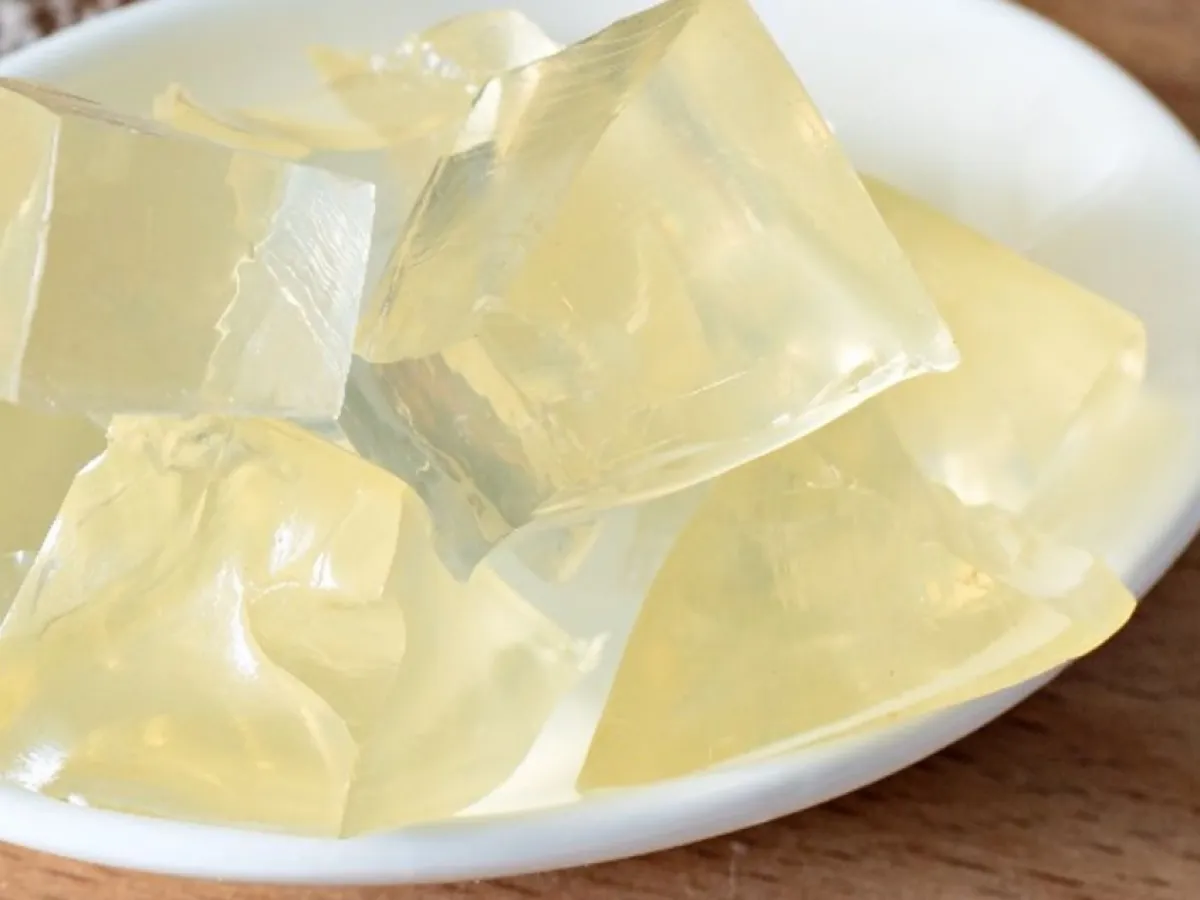
The first step in making gelatin gummies is to allow the gelatin to fully hydrate. Gelatin does not dissolve in cold water, but it can absorb water and swell in cold water. This pr
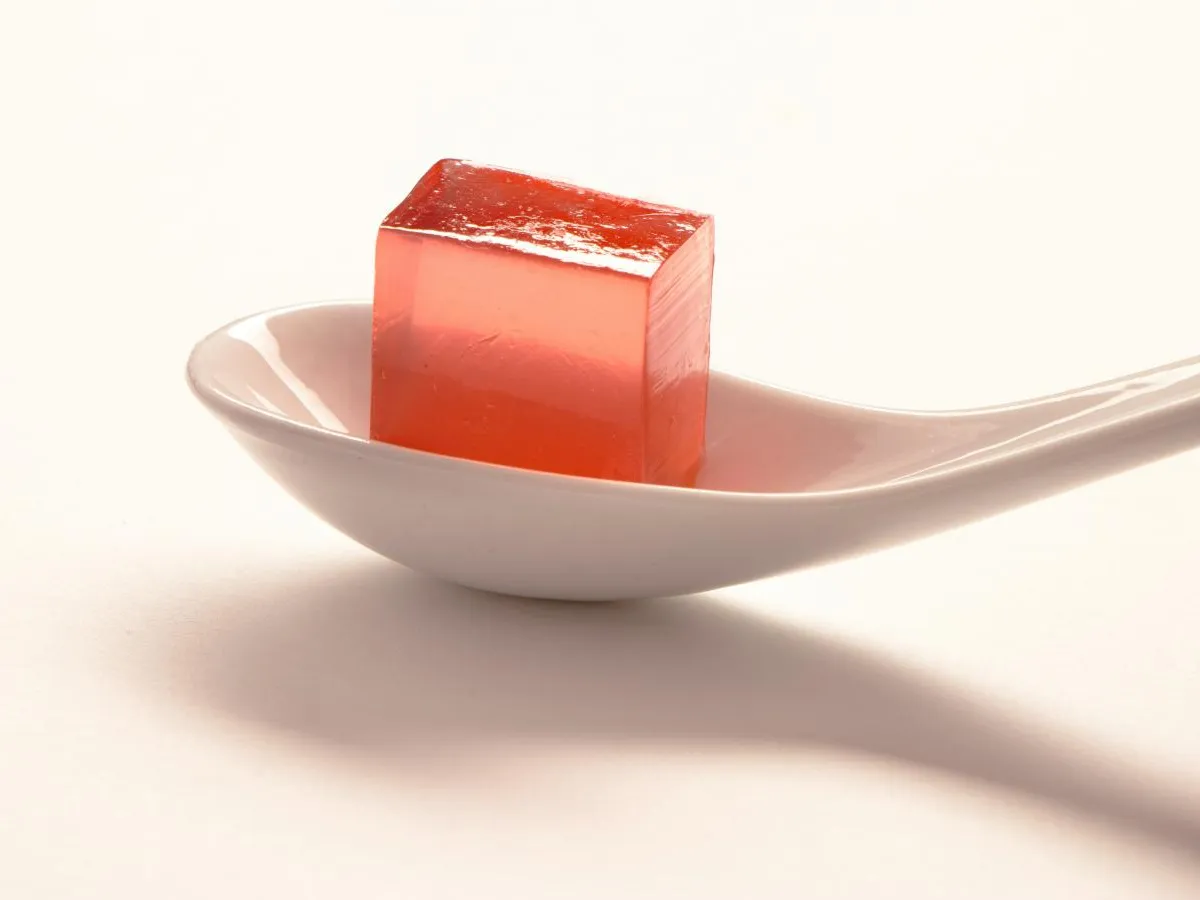
The key difference? Gelatin is a protein from animal collagen; agar is a carbohydrate from red algae.This fundamental distinction drives every other difference between them — and d

In the papermaking industry, modified starch is one of the core additives. Oxidized starch, cationic starch, and esterified starch are mainly used for surface sizing, internal sizi
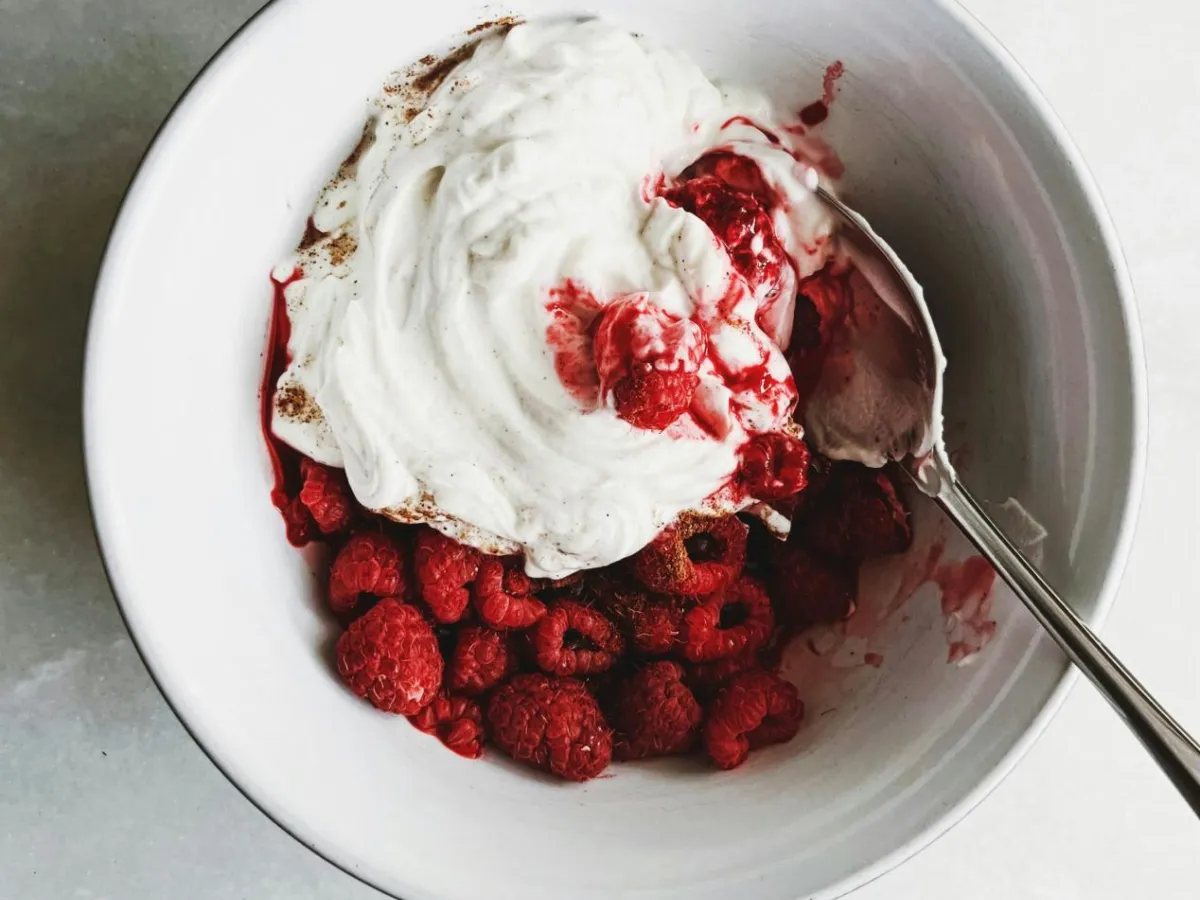
The adoption of pectin in yogurt is not just anecdotal. According to market data, more than half of all new spoonable yogurt launches now contain pectin. This widespread acceptance
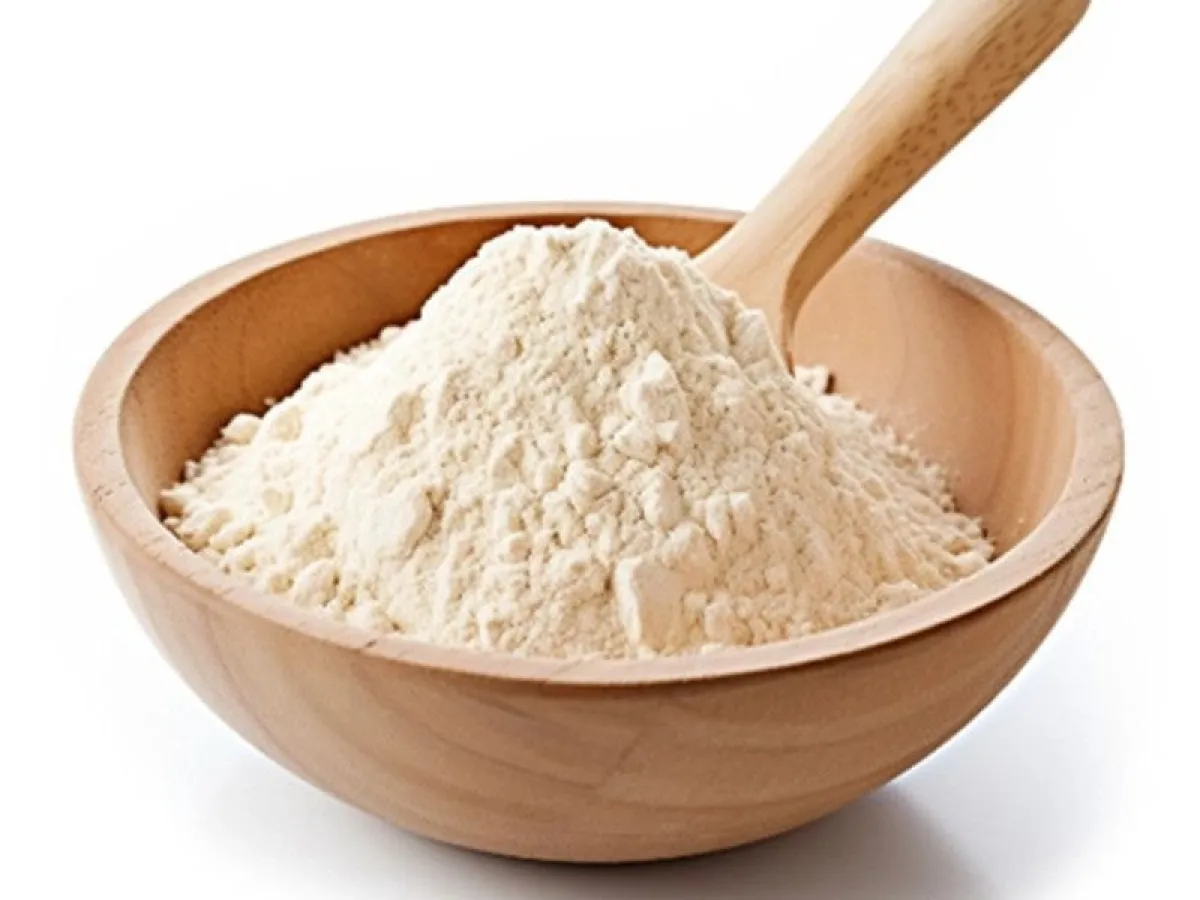
High concentrations of protein ingredients inherently carry a heavy, powdery mouthfeel and astringent notes. The key application detail of gelatin lies in its thermally reversible
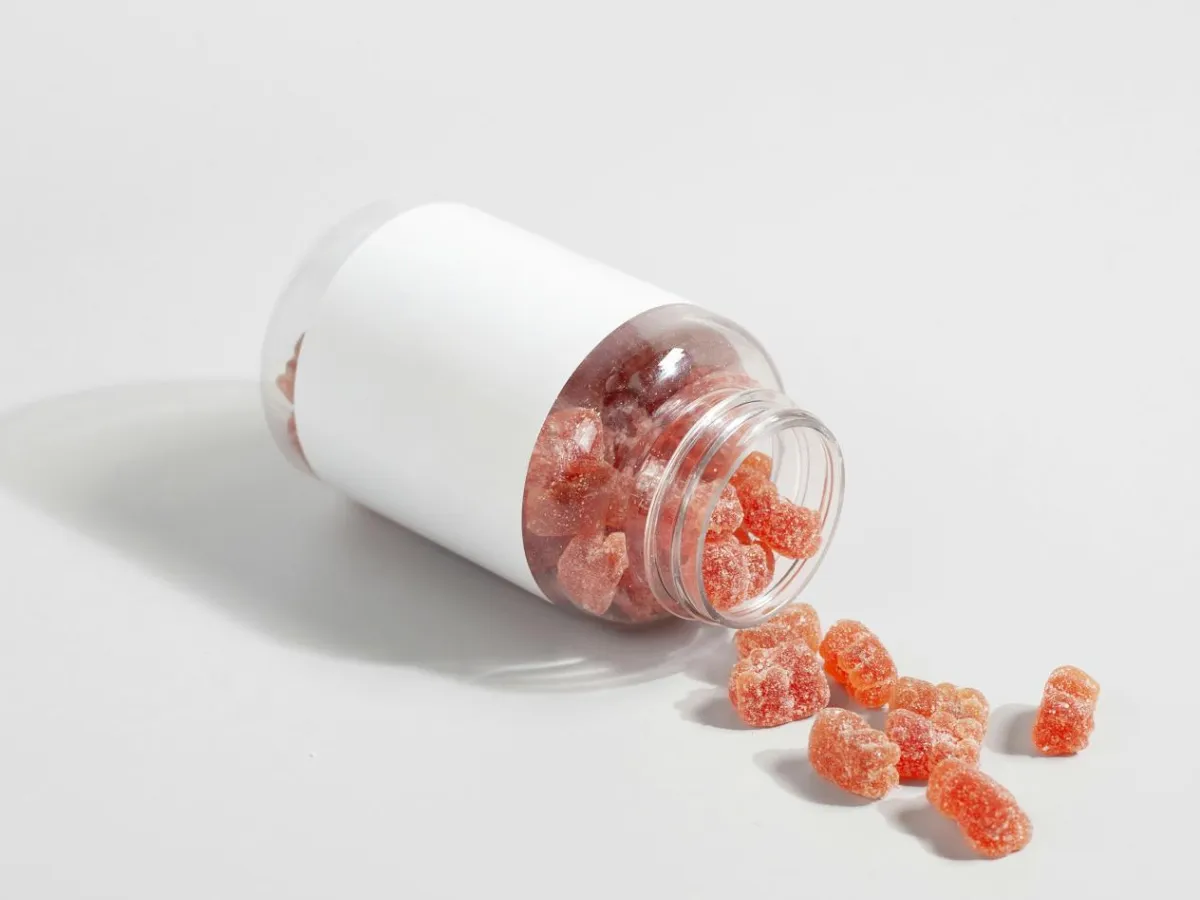
Today, vegan gummies are one of the fastest-growing segments in confectionery. And at the center of this shift stands pectin – a plant-derived hydrocolloid that is proving to be mo
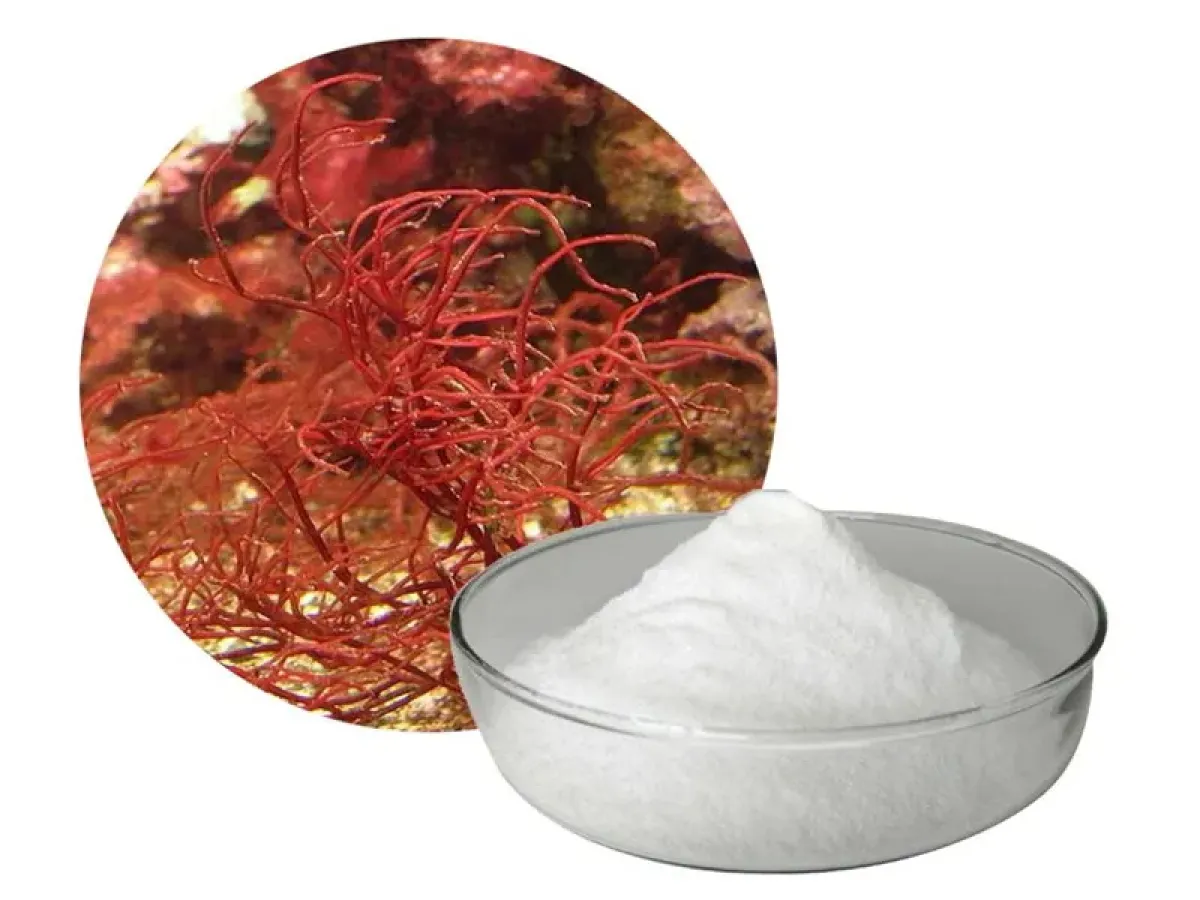
From a physicochemical perspective, carrageenan possesses unique solubility, dissolving in hot water at around 80°C to form a viscous, transparent solution, but insoluble in cold w
The primary role of CMC in toothpaste is to provide the desired texture, consistency, and stability. Specifically, it performs the following critical functions: