Pectin, as a natural polysaccharide, has become an indispensable functional additive in the modern food industry due to its excellent gelling, thickening, and stabilizing properties.
1. Differences in Source and Physicochemical Properties
1.1 Raw Material Sources
Apple pectin is mainly extracted from apple peel and pulp, with the highest content in the peel. Citrus pectin, on the other hand, is derived from the peel and pulp of citrus fruits such as oranges, lemons, and pomelos.
1.2 Chemical Structure and Key Indicators
Apple pectin has a higher galacturonic acid content, resulting in relatively higher acidity; while citrus pectin contains more galactofructose components, exhibiting higher viscosity characteristics.
Molecular Weight: Apple pectin has a higher molecular weight, with traditional products reaching 50,000-300,000 Da; citrus pectin has a relatively lower molecular weight
Degree of Esterification: Apple pectin's DE is typically 71.3% (high-methoxyl) and 60.9% (medium-methoxyl); citrus pectin's DE is 70.0% (high-methoxyl) and 60.1% (medium-methoxyl)
Gel Strength: Under the same conditions, apple pectin's gel strength is significantly higher than that of citrus pectin, requiring less dosage to achieve the same breaking strength
1.3 Processing Adaptability
Apple pectin shows higher standardization and superior gelling properties under weakly acidic conditions (pH 2.0-2.3). In contrast, citrus pectin's neutral color and taste give it an advantage in not affecting the original flavor of products.
2. Comparison of Application Areas
2.1 Baked Goods Sector
Apple pectin excels in this field, with its high-temperature thermal stability being the greatest advantage. Fruit fillings containing apple pectin can be baked at approximately 220°C for 15-20 minutes without deformation or syneresis, perfectly maintaining the shape stability of pies and filled pastries. Simultaneously, it can enhance dough toughness to meet special process requirements.
Although citrus pectin can also be used in baked goods, its main advantage does not lie in high-temperature resistance but rather in utilizing its thickening and texture-improving functions.
2.2 Dairy Products and Beverage Systems
Citrus pectin is the first choice for the dairy industry. Its relatively low molecular weight and viscosity characteristics can increase nutritional value without significantly increasing viscosity, making it particularly suitable for stabilizing fermented milk beverages, cheese, liquid yogurt, and other products. In fruit juice beverages, citrus pectin acts as a suspension stabilizer to prevent fruit pulp sedimentation while maintaining a smooth mouthfeel.
Although apple pectin can also be used in dairy products, its high gelling property may cause viscosity to increase too quickly, affecting the smoothness of liquid beverages.
2.3 Confectionery and Jelly Products
Apple pectin is more widely used in the confectionery field. It can provide elastic texture structure, enhance natural fruit flavor, create a bright and smooth appearance in candies, and offers good solubility with controllable gelling temperature and time, facilitating continuous production.
Citrus pectin can also be used for jelly and soft candy production, but more often as an auxiliary gelling agent. Commercially, high-methoxyl citrus pectin can also be categorized into rapid-set, medium-set, and slow-set types, with the slow-set type being suitable for confectionery industries.
2.4 Jam and Fruit Processing
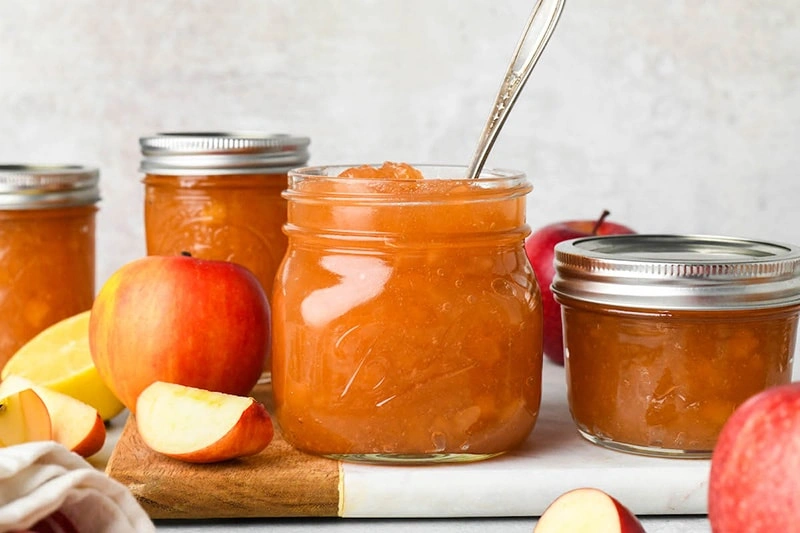
Apple Pectin imparts jam with good spreadability, low syneresis rate, and attractive gloss, enabling uniform fruit particle distribution
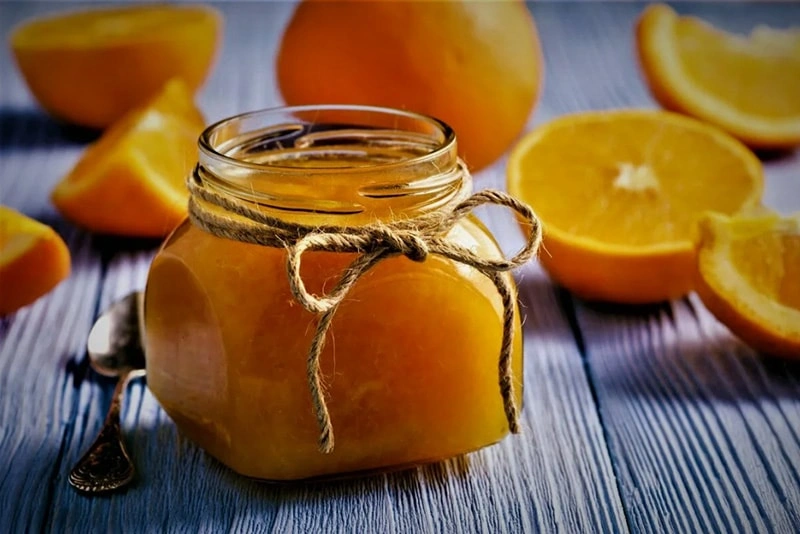
Citrus Pectin focuses more on thickening effects, with its solution viscosity decreasing as shear rate increases, making it suitable for fruit-containing products requiring fluidity
2.5 Health-functional Foods
Due to its neutral characteristics, citrus pectin is more commonly used in developing low-sugar, low-calorie functional foods. The high acidity characteristic of apple pectin makes it more suitable for traditional high-sugar, high-calorie jams and candies.
3. Selection Decision Recommendations
Scenarios Prioritizing Apple Pectin:
Fruit fillings for pies and tarts requiring high-temperature baking
Soft candies and jellies pursuing high elasticity and brightness
Product systems with low pH values (2.0-3.0)
Occasions requiring strict gel strength and shape maintenance
Scenarios Prioritizing Citrus Pectin:
Neutral or weakly acidic dairy products like yogurt and milk beverages
Fruit juice beverages requiring stability without significantly increased viscosity
Developing low-sugar, low-calorie healthy foods
Products with high requirements for color and flavor neutrality
Although apple pectin and citrus pectin belong to the same pectin family, they each lead in the food industry due to their "genetic" differences. Apple pectin dominates the baking and confectionery fields with its high gel strength and high-temperature resistance; citrus pectin has become the darling of dairy and beverage systems with its low viscosity, neutral flavor, and good emulsifying stability.
In the international food and dietary supplement industries, sodium alginate and carrageenan are two widely used seaweed-derived hydrocolloids. Despite their shared origin, the und

In oil and gas drilling operations, the prosperity of a drilling process heavily depends on the rheological properties and filtration behavior of drilling fluids . Uncontrolled flu
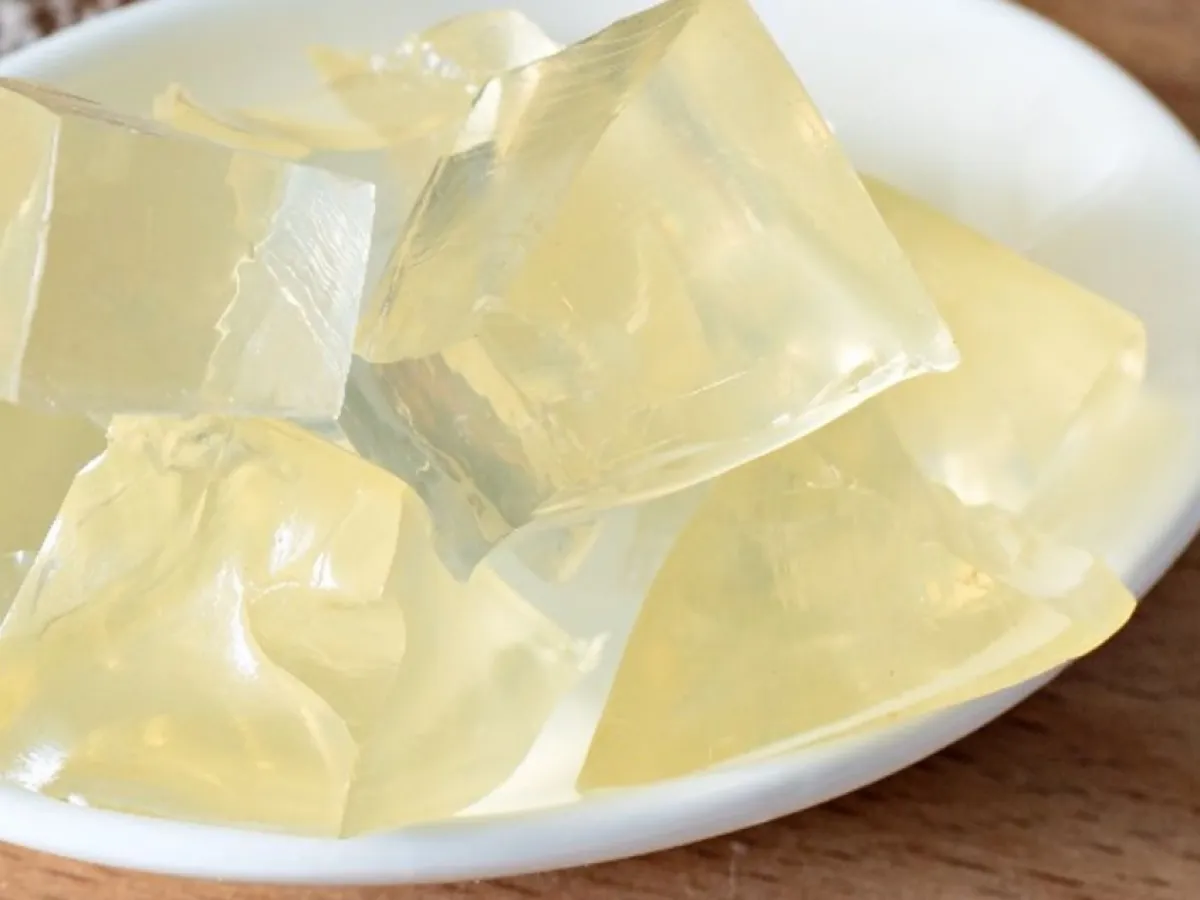
The first step in making gelatin gummies is to allow the gelatin to fully hydrate. Gelatin does not dissolve in cold water, but it can absorb water and swell in cold water. This pr
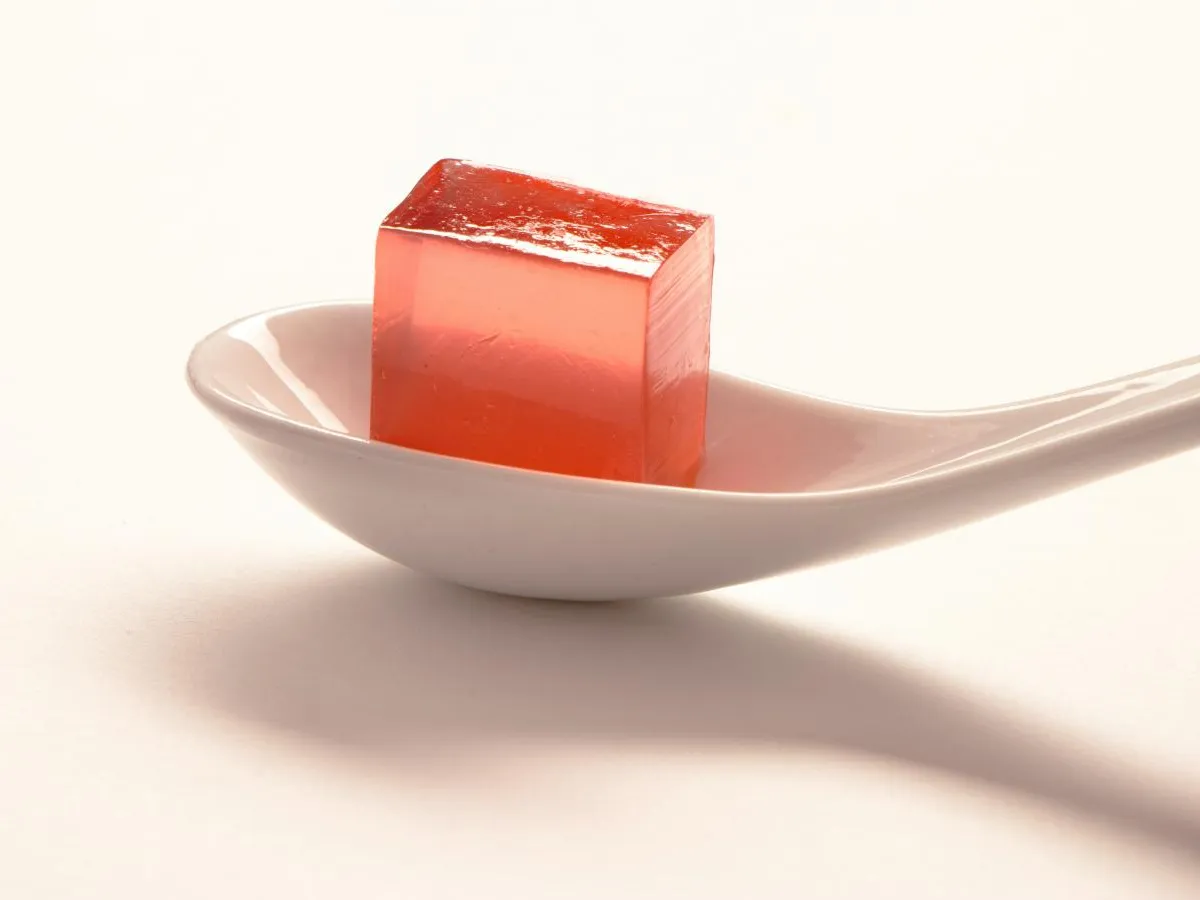
The key difference? Gelatin is a protein from animal collagen; agar is a carbohydrate from red algae.This fundamental distinction drives every other difference between them — and d

In the papermaking industry, modified starch is one of the core additives. Oxidized starch, cationic starch, and esterified starch are mainly used for surface sizing, internal sizi
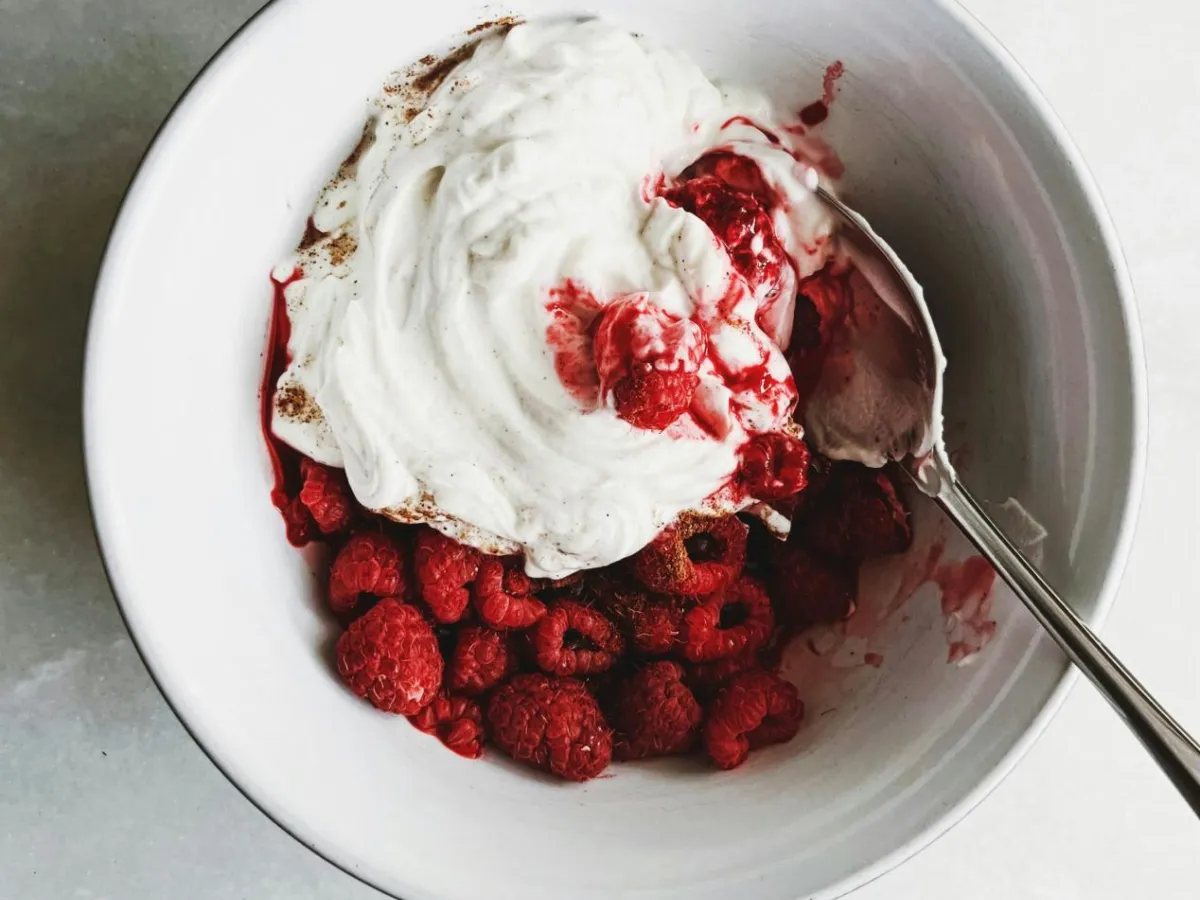
The adoption of pectin in yogurt is not just anecdotal. According to market data, more than half of all new spoonable yogurt launches now contain pectin. This widespread acceptance
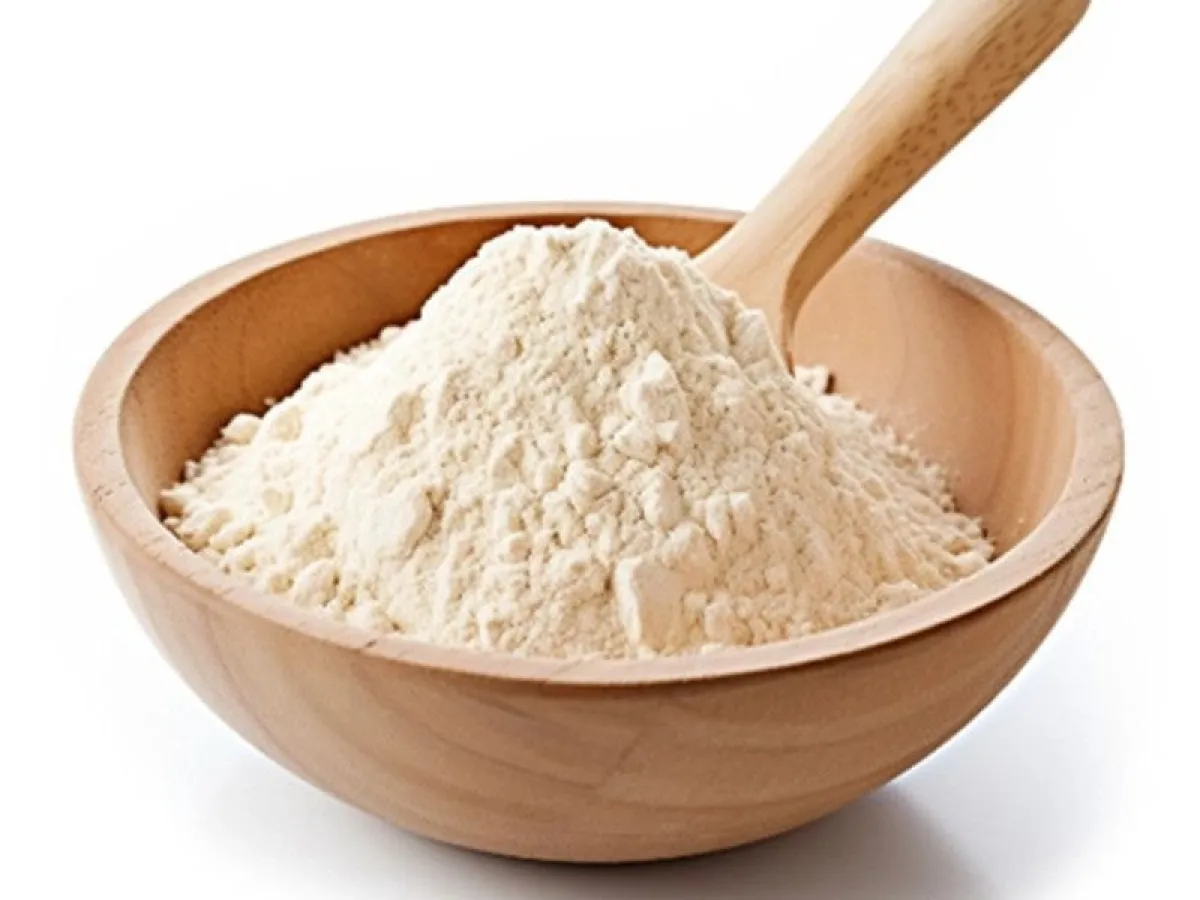
High concentrations of protein ingredients inherently carry a heavy, powdery mouthfeel and astringent notes. The key application detail of gelatin lies in its thermally reversible
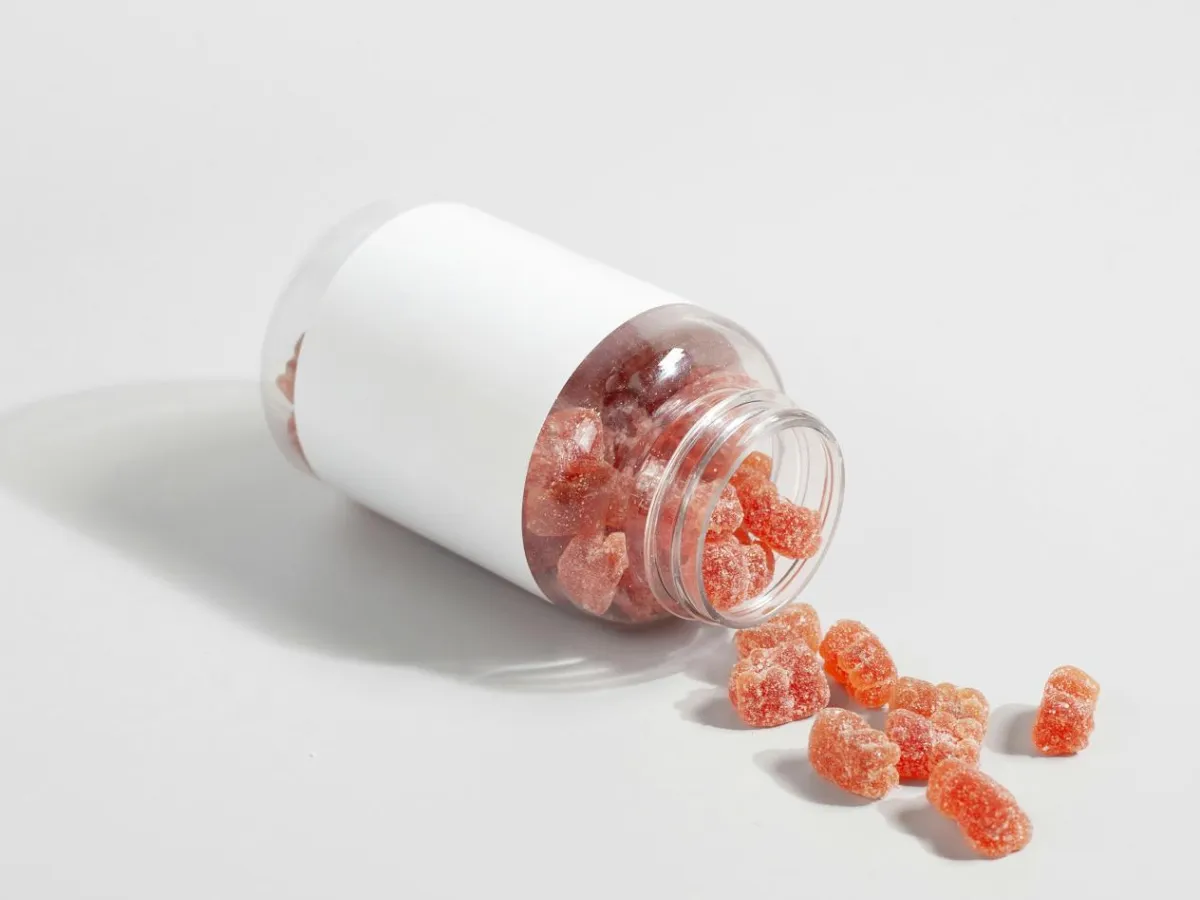
Today, vegan gummies are one of the fastest-growing segments in confectionery. And at the center of this shift stands pectin – a plant-derived hydrocolloid that is proving to be mo
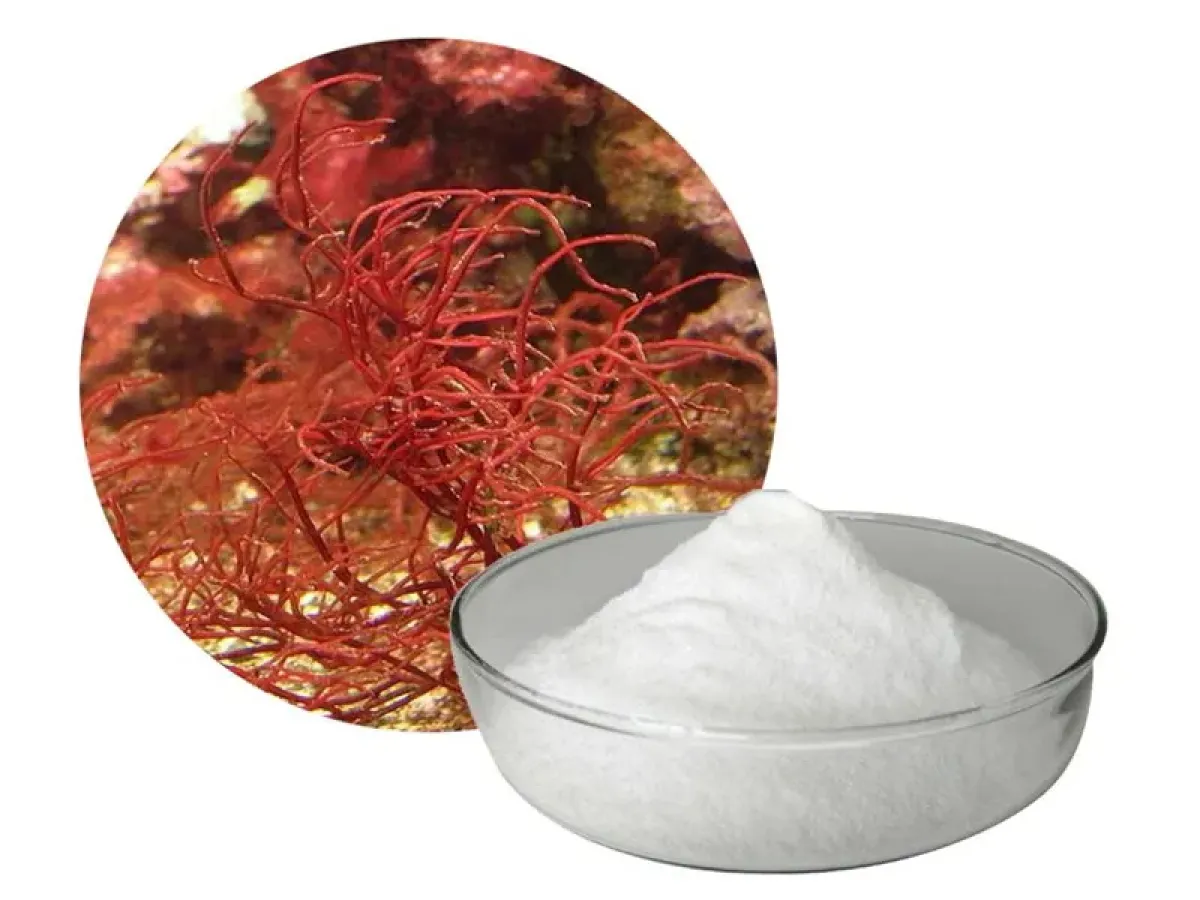
From a physicochemical perspective, carrageenan possesses unique solubility, dissolving in hot water at around 80°C to form a viscous, transparent solution, but insoluble in cold w

The primary role of CMC in toothpaste is to provide the desired texture, consistency, and stability. Specifically, it performs the following critical functions: