Here is a detailed comparison of Polyanionic Cellulose (PAC) and Carboxymethyl Cellulose (CMC), covering their product descriptions, key properties, functions, and primary applications, hope can help you find the right products between PAC and CMC.
1.Product Description & Chemical Basis
• Polyanionic Cellulose (PAC):A high-purity, chemically modified cellulose ether. It is specifically engineered for demanding drilling fluid applications, Higher and more uniform Degree of Substitution (DS). The carboxymethyl groups are more evenly distributed along the cellulose chain. Off-white to cream-colored, free-flowing powder. Available in various grades (HV, LV, R). A specialized, high-performance drilling fluid additive.
• A general-purpose cellulose ether produced by the reaction of cellulose with chloroacetic acid. Generally has a lower and less uniform DS compared to premium PAC. The substitution can be irregular. Usually a white to yellowish powder. Available in different purity and viscosity grades (e.g., technical grade).A versatile, general-purpose cellulose thickener and stabilizer.
2.Performance & Functional Comparison
1)Salt Tolerance
• Polyanionic Cellulose (PAC): Excellent. Especially PAC-R (Salt-Resistant) grades maintain viscosity and fluid loss control in brines and high-salinity environments.
• Carboxymethyl Cellulose (CMC): Poor. Viscosity drops significantly in the presence of polyvalent cations (Ca²⁺, Mg²⁺) or high salt concentrations.
2)Thermal Stability
• Polyanionic Cellulose (PAC):: Superior. Forms a tighter, more impermeable filter cake, especially in challenging conditions.
• Carboxymethyl Cellulose (CMC): Good in freshwater. Effective in simple, low-salinity muds but performance deteriorates in complex fluids.
1)Viscosity Building
• Polyanionic Cellulose (PAC): Efficient & Controllable. PAC-HV builds viscosity effectively. PAC-LV provides fluid loss control with minimal viscosity increase.
• Carboxymethyl Cellulose (CMC): Can cause high plastic viscosity. Often leads to thicker, harder-to-pump fluids with less shear-thinning behavior.
2)Shale Inhibition
• Polyanionic Cellulose (PAC):Very Good. Strongly adsorbs onto clay surfaces, providing better shale stabilization.
• Carboxymethyl Cellulose (CMC): Fair. Provides some inhibition but less effective than PAC.
3)Acid/Solubility
• Polyanionic Cellulose (PAC):Soluble in hot or cold water; solutions are generally stable across a wider pH range
• Carboxymethyl Cellulose (CMC): Soluble in hot or cold water; solutions can thin under acidic conditions.
3.Application Comparison
• Polyanionic Cellulose (PAC): High-performance water-based drilling, completion, and workover fluids. Can bu used in Freshwater, seawater, and saturated saltwater muds, High-angle, horizontal, and troublesome shale wells, Low-solids, non-damaging completion fluids;Reliable performance in difficult conditions (salt, high temp, sensitive formations). Essential for wellbore stability and fluid control where CMC fails.
• Carboxymethyl Cellulose (CMC): General-purpose fluids, non-critical applications, and non-oilfield industries. Can be Primarily used in freshwater drilling muds and Spud muds and shallow, low-temperature wells.Cost-effectiveness in benign conditions. An economical choice for simple fluids where high performance is not required.
4. Summary: How to Choose?
1) Choose PAC when:
• Drilling in saltwater, brine, or high-hardness formations.
• Wellbore stability in water-sensitive shales is critical.
• You need precise rheology and fluid loss control in deep or high-temperature wells.
• Formulating high-quality, low-solids completion fluids.
2)Choose CMC when:
• Drilling simple, freshwater-based muds for shallow wells.
• Cost is the primary driver and well conditions are benign.
• The application is in non-oilfield industries like food, detergents, or paper.
PAC is a specialized, high-end product engineered for the demanding conditions of modern drilling. CMC is a versatile, cost-effective generalist that performs well in simple, freshwater systems but has significant limitations in complex fluids.
If you need more specific data on dosage or performance under a particular salinity or temperature, feel free to connect.
Nourisi Group, as the leading manufacturer and supplier of Polyanionic cellulose(PAC) for almost 20 years’ experience since 2006, committed to innovation and continuous improvement, and growing together with our customers globally.
In the international food and dietary supplement industries, sodium alginate and carrageenan are two widely used seaweed-derived hydrocolloids. Despite their shared origin, the und
In oil and gas drilling operations, the prosperity of a drilling process heavily depends on the rheological properties and filtration behavior of drilling fluids . Uncontrolled flu
The first step in making gelatin gummies is to allow the gelatin to fully hydrate. Gelatin does not dissolve in cold water, but it can absorb water and swell in cold water. This pr
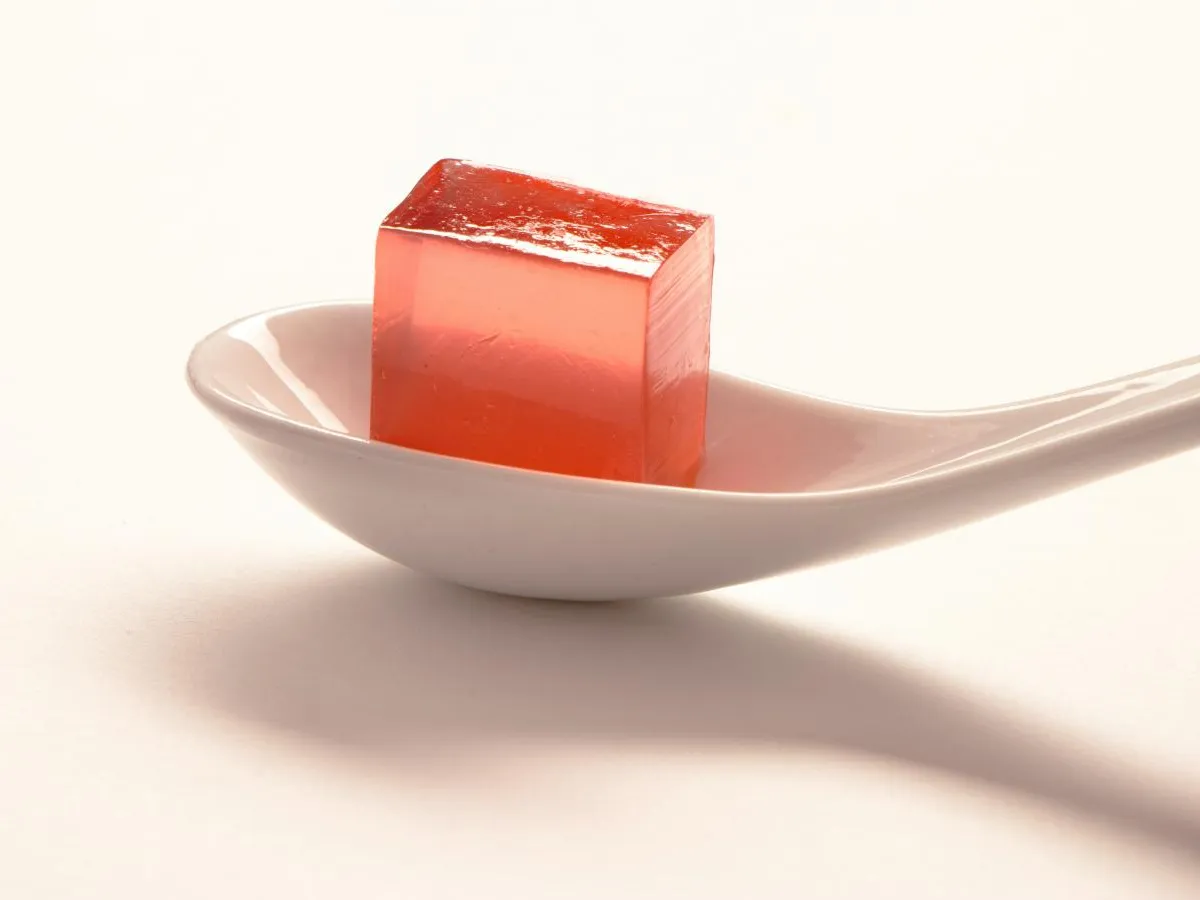
The key difference? Gelatin is a protein from animal collagen; agar is a carbohydrate from red algae.This fundamental distinction drives every other difference between them — and d
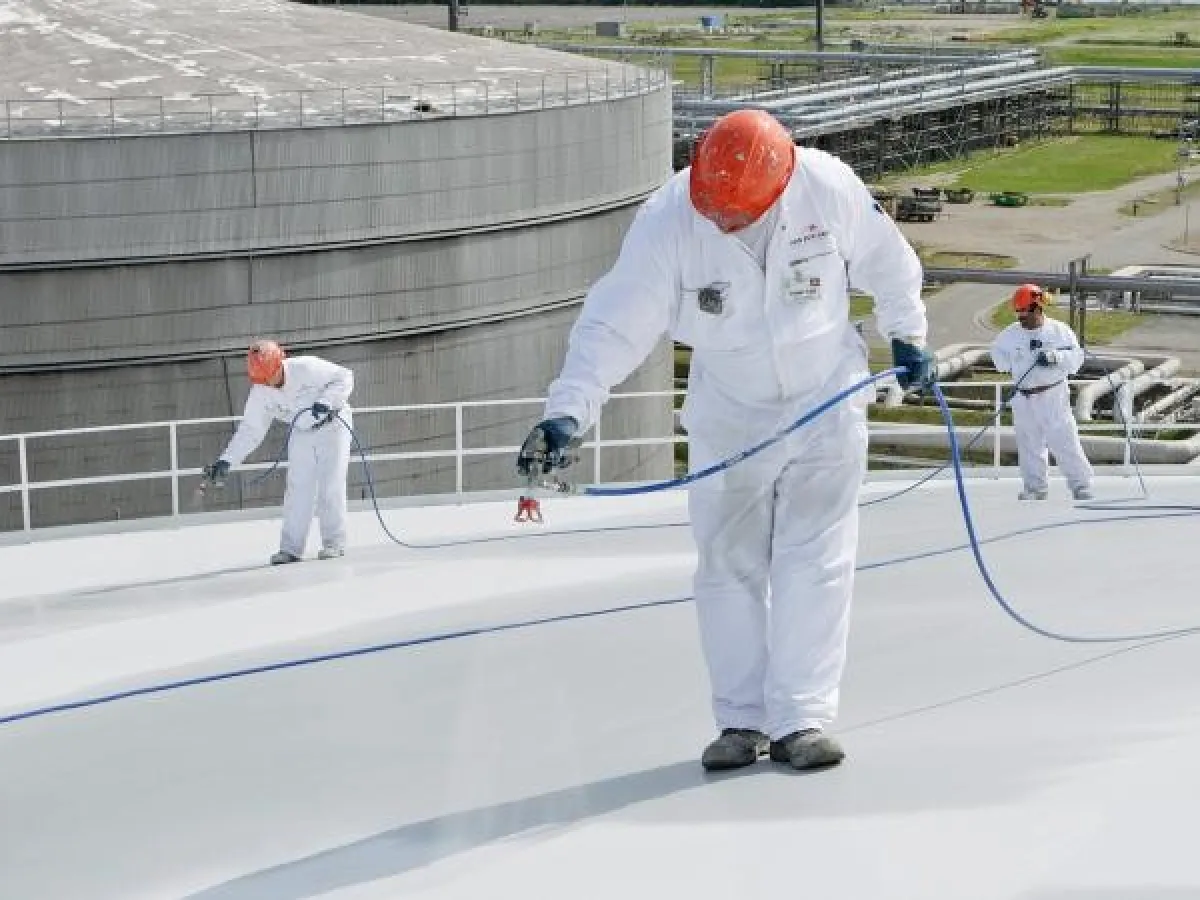
In the papermaking industry, modified starch is one of the core additives. Oxidized starch, cationic starch, and esterified starch are mainly used for surface sizing, internal sizi
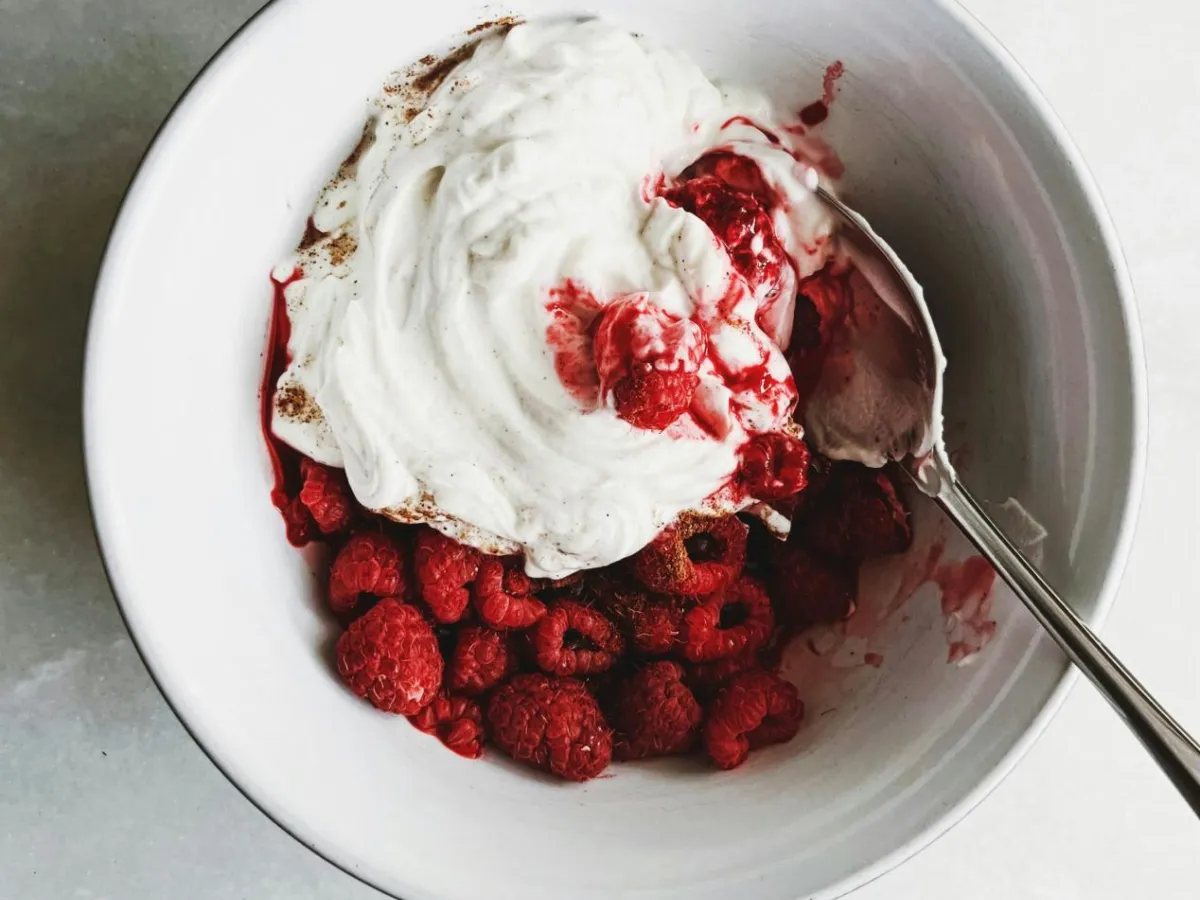
The adoption of pectin in yogurt is not just anecdotal. According to market data, more than half of all new spoonable yogurt launches now contain pectin. This widespread acceptance
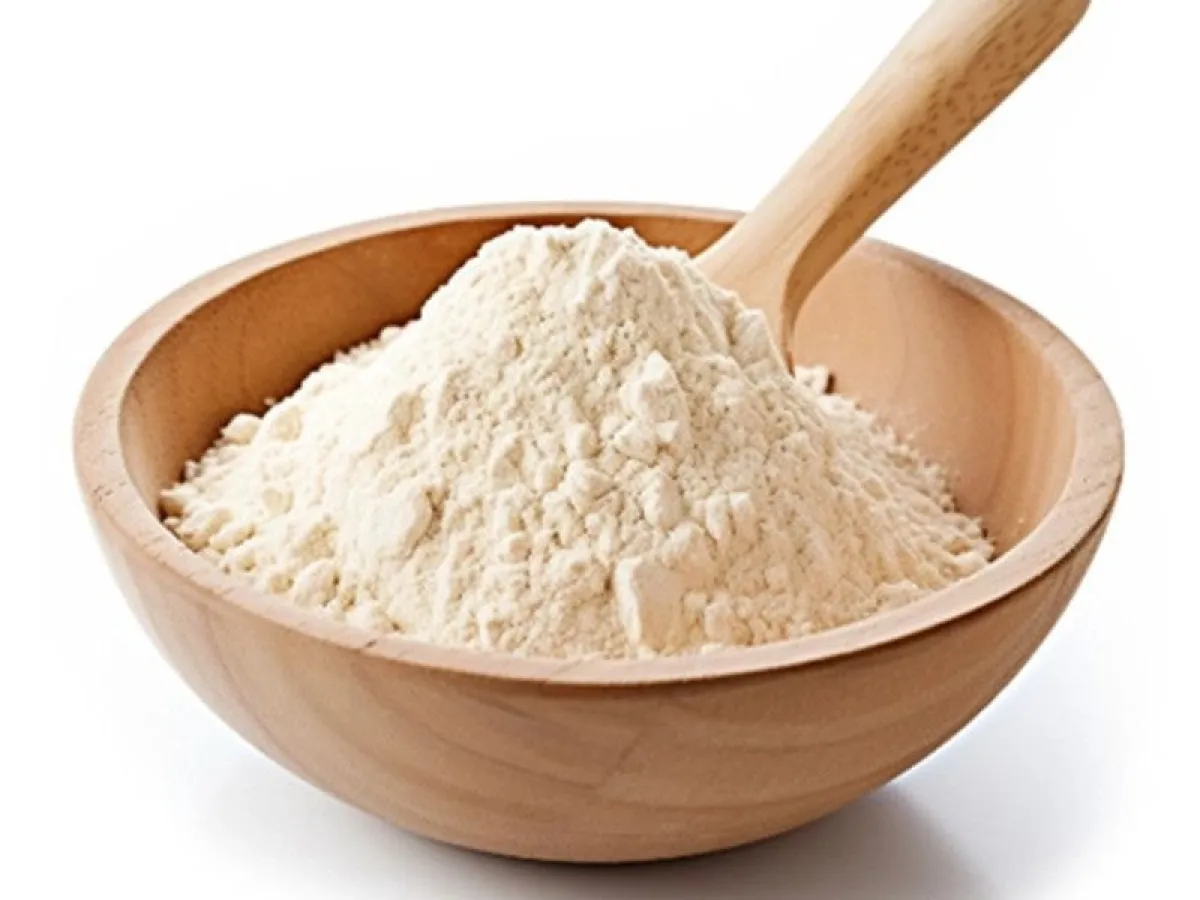
High concentrations of protein ingredients inherently carry a heavy, powdery mouthfeel and astringent notes. The key application detail of gelatin lies in its thermally reversible
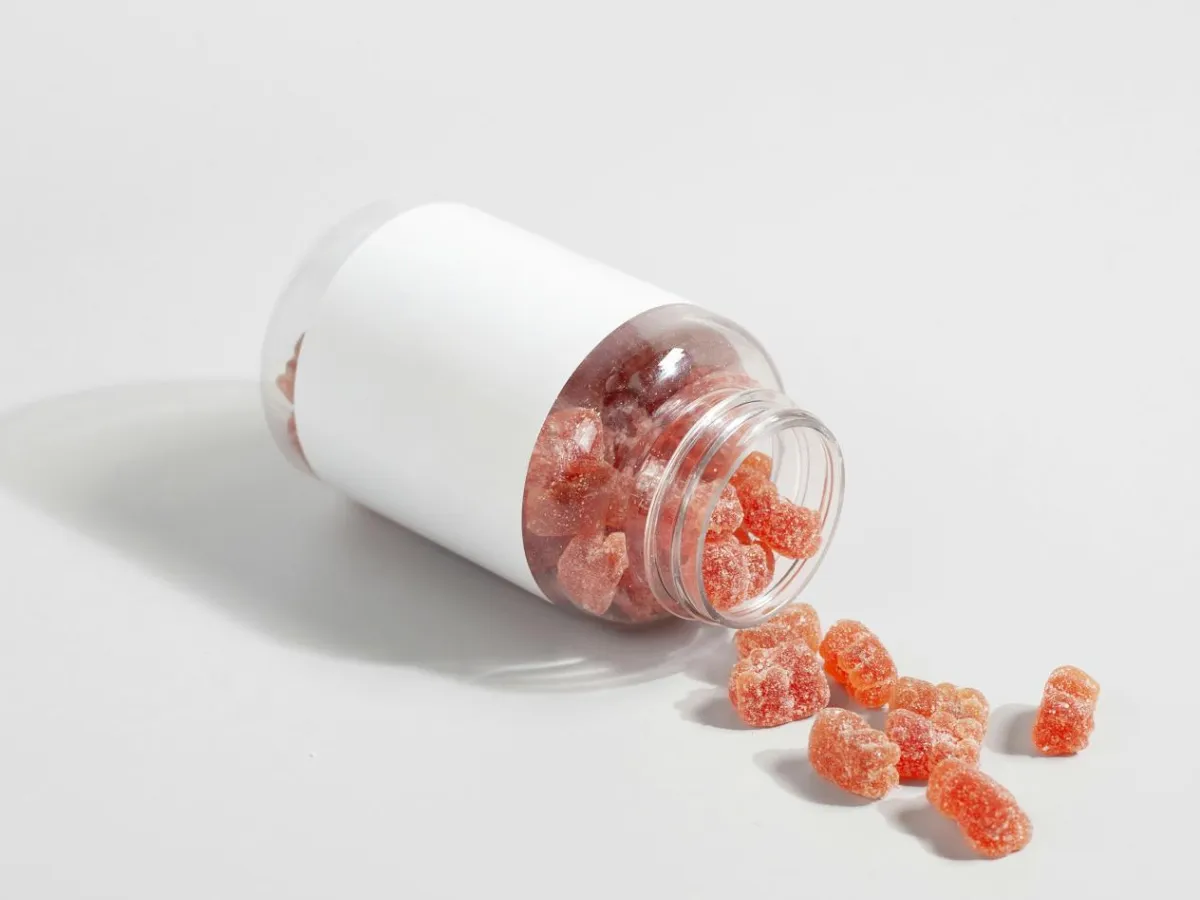
Today, vegan gummies are one of the fastest-growing segments in confectionery. And at the center of this shift stands pectin – a plant-derived hydrocolloid that is proving to be mo
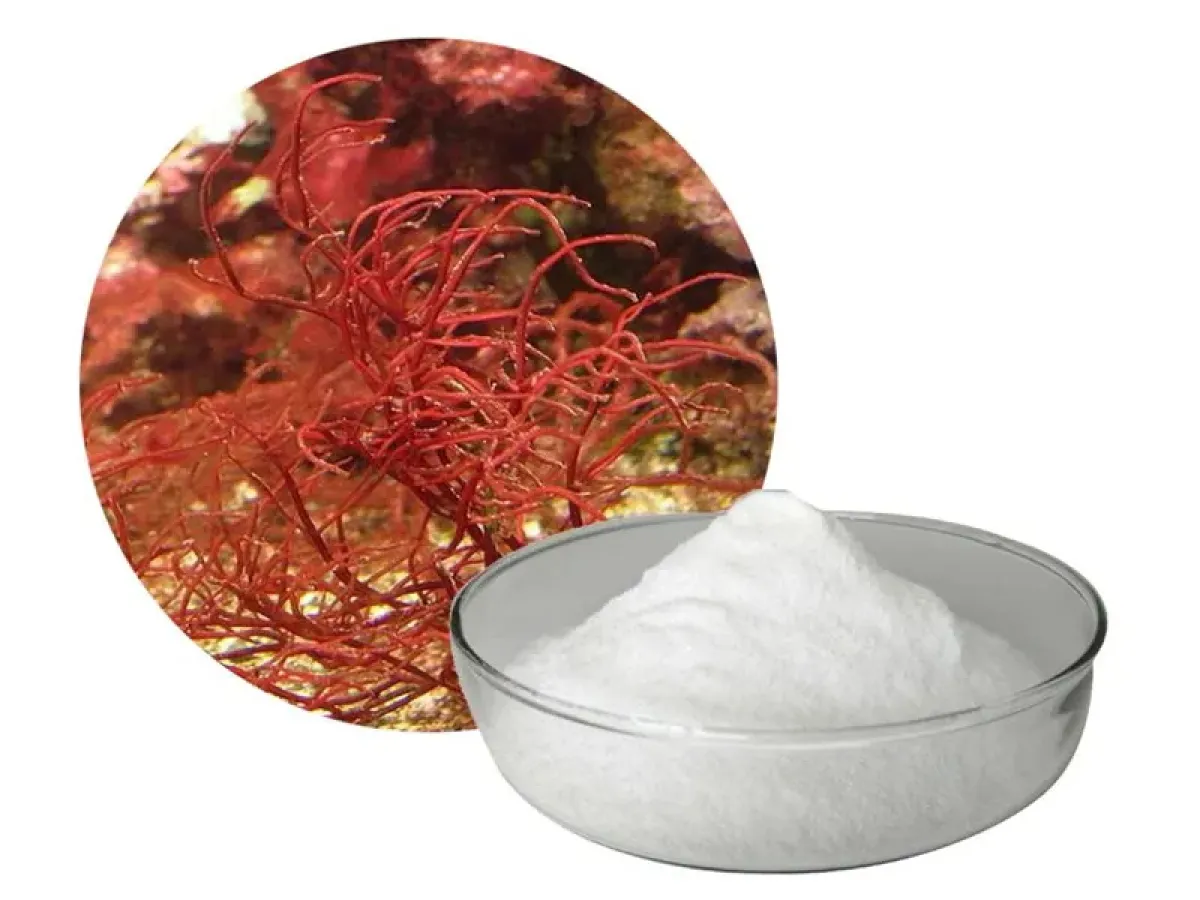
From a physicochemical perspective, carrageenan possesses unique solubility, dissolving in hot water at around 80°C to form a viscous, transparent solution, but insoluble in cold w
The primary role of CMC in toothpaste is to provide the desired texture, consistency, and stability. Specifically, it performs the following critical functions: