The global confectionery landscape is undergoing a significant transformation, driven by rising consumer demand for plant-based, clean-label, and sustainable products. In this evolving market, pectin—a polysaccharide extracted from citrus peels or apple pomace—has transitioned from a traditional jam ingredient to a cornerstone of advanced, functional gummy formulations. It represents not merely a gelatin substitute but a sophisticated scientific tool for achieving unique textures, superior flavor release, and reliable production.
1. Gelatin vs. Pectin: A Fundamental Shift in Texture and Concept
Replacing gelatin with pectin is not a simple ingredient swap but a complete reformulation requiring a different scientific approach.
Gelatin: An animal-derived protein that forms a thermoreversible gel (melts when heated, sets when cooled). This provides the classic, highly elastic and chewy "gummy" texture. However, its low melting point (approx. 35°C/95°F) makes it prone to softening and sticking in warm conditions.
Pectin: A plant-based polysaccharide that forms a three-dimensional network primarily through acid-sugar-gel (for High Methoxyl pectin) or calcium bridging (for Low Methoxyl pectin) mechanisms. This creates a thermoreversible gel with a clean, short bite and rapid, clean flavor release. Crucially, its gel network can withstand temperatures near 140°C (284°F), offering unmatched heat stability and simplifying logistics.
This fundamental difference necessitates a complete re-engineering of the entire process, from recipe design to production.
2. Pectin Selection: The Science of High Methoxyl (HM) vs. Low Methoxyl (LM)
Successful formulation begins with selecting the correct pectin type, primarily determined by its Degree of Esterification (DE).
High Methoxyl (HM) Pectin: The dominant choice for confectionery (approx. 90% of applications). It requires high soluble solids and a low pH (2.8 - 3.5) to form a gel. This "sugar-acid-gel" system creates the firm, clear bite of classic gummies. HM pectins are further categorized by setting speed (slow, medium, rapid), which is critical for matching production line deposition speeds.
Low Methoxyl (LM) Pectin: Its gelation is independent of high sugar and low pH, relying instead on calcium ions to form bridges between pectin chains (the "egg-box" model). This makes it ideal for:
Reduced-sugar/No-sugar gummies: Meeting health-conscious trends.
Neutral-flavor products: Such as vitamin gummies or dairy-containing gels, where acidity is undesirable.
Texture Innovation: Precise control of calcium type and addition rate allows designers to engineer textures ranging from soft and elastic to firm and tender—a flexibility gelatin lacks.
3. The Core Formulation System and Critical Process Control
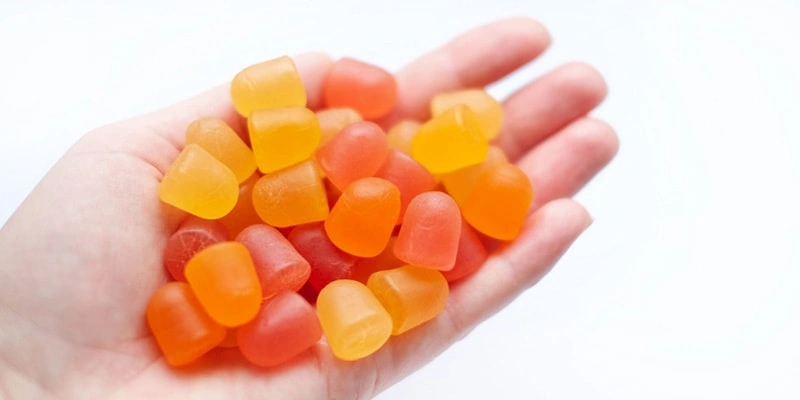
A successful pectin gummy is a precision-engineered system where each component plays a vital role:
1.Gelling Agent: Pectin provides the structural matrix.
2.Humectant/Plasticizer: Sugars (sucrose, glucose syrup) do more than sweeten; they plasticize the gel network, controlling texture, final moisture, and preventing sucrose crystallization (graining). The type and ratio of syrups directly affect chewiness and shelf life.
3.Acidulant: For HM pectin, citric or malic acid adjusts the pH to the gelling range. Timing is critical—it must be added at the final stage before depositing to prevent premature pectin degradation or setting in the cooking vessel.
4.Buffer Salts: Such as sodium citrate, are used to precisely control setting speed and gel texture, preventing uneven gelling from localized acidic hotspots.
5.Calcium Source: For LM pectin, calcium salts (e.g., calcium lactate) are essential. Using slow-release calcium salts allows for more uniform gelation.
Key Processing Challenges and Solutions:
Dispersion and Hydration: Pectin powder is highly prone to lumping. Standard practice is to pre-blend it with dry sugar before incorporating it into water under high shear agitation to ensure full hydration.
Cooking and Evaporation: Efficient evaporation systems are needed to rapidly raise solids content above 78%, requiring precise endpoint control.
Depositing: Due to high viscosity and rapid set, pectin mixes require specialized piston depositors with precise temperature control to ensure clean filling and accurate weight management.
4. Advanced Applications and Market Trends
Pectin's technical advantages are driving gummy innovation into new frontiers:
Foundation for Functional Gummies: The neutral pH and thermoreversible nature of pectin gels make them an ideal vehicle for acid- or heat-sensitive actives (like vitamin C, probiotics, or botanicals), protecting potency and stability.
Texture and Sensory Innovation: Blending different pectins or combining pectin with other hydrocolloids (e.g., starch, agar) enables complex textures like multi-layer, filled, or bursting-center gummies, creating a wide spectrum of mouthfeels.
Clean Label and Sustainability: Pectin inherently supports a clean label. Its raw material (e.g., citrus peel) is a by-product of juice production, and its upcycled origin aligns perfectly with circular economy principles.
5. Conclusion: From Alternative to Innovation Engine
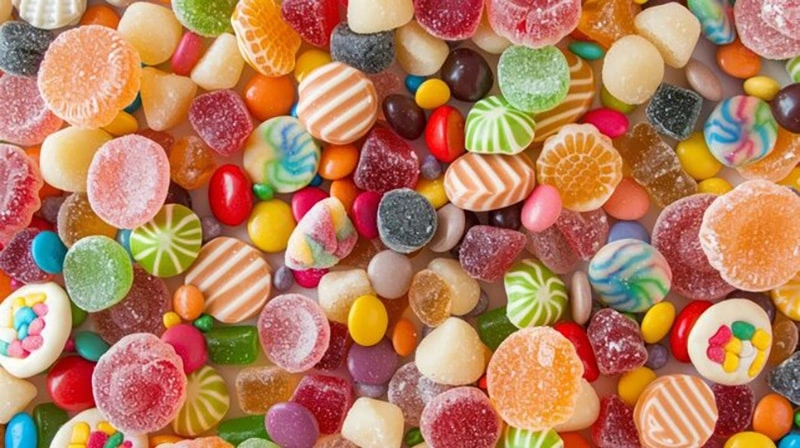
In summary, pectin's role in gummy confections has evolved far beyond that of a gelatin alternative. It represents a comprehensive food materials science system based on plant-derived ingredients. Mastering pectin science—from precise selection to understanding sugar-acid-calcium synergy and specialized processing—empowers brands to proactively create the next generation of gummies: products that are healthier, more stable, uniquely textured, and backed by a compelling story, securing a decisive competitive advantage in a dynamic market. “For brands ready to enter the plant
based space, pectin is the key, enabling chewy confections and gummy supplements that deliver on consumers’ sensory and label expectations.
In the international food and dietary supplement industries, sodium alginate and carrageenan are two widely used seaweed-derived hydrocolloids. Despite their shared origin, the und

In oil and gas drilling operations, the prosperity of a drilling process heavily depends on the rheological properties and filtration behavior of drilling fluids . Uncontrolled flu
The first step in making gelatin gummies is to allow the gelatin to fully hydrate. Gelatin does not dissolve in cold water, but it can absorb water and swell in cold water. This pr
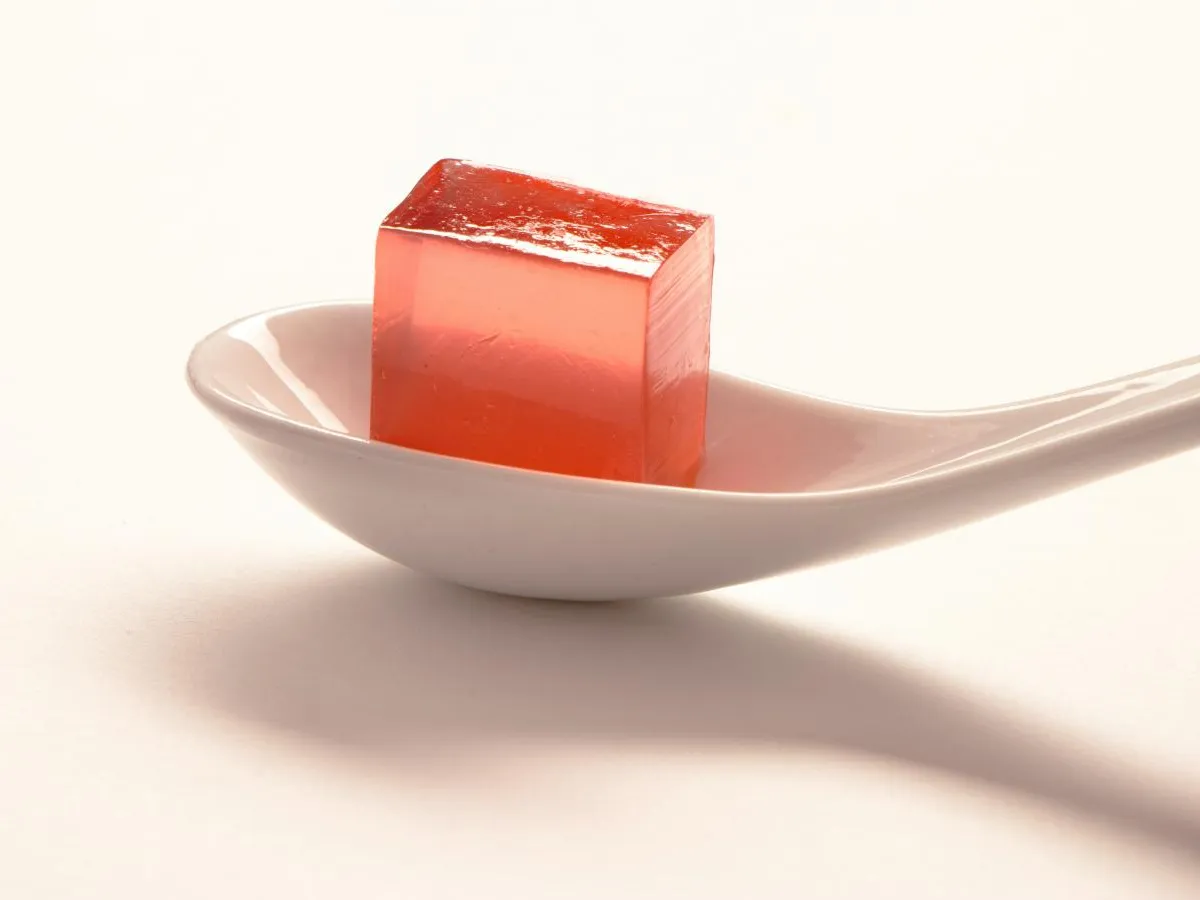
The key difference? Gelatin is a protein from animal collagen; agar is a carbohydrate from red algae.This fundamental distinction drives every other difference between them — and d

In the papermaking industry, modified starch is one of the core additives. Oxidized starch, cationic starch, and esterified starch are mainly used for surface sizing, internal sizi
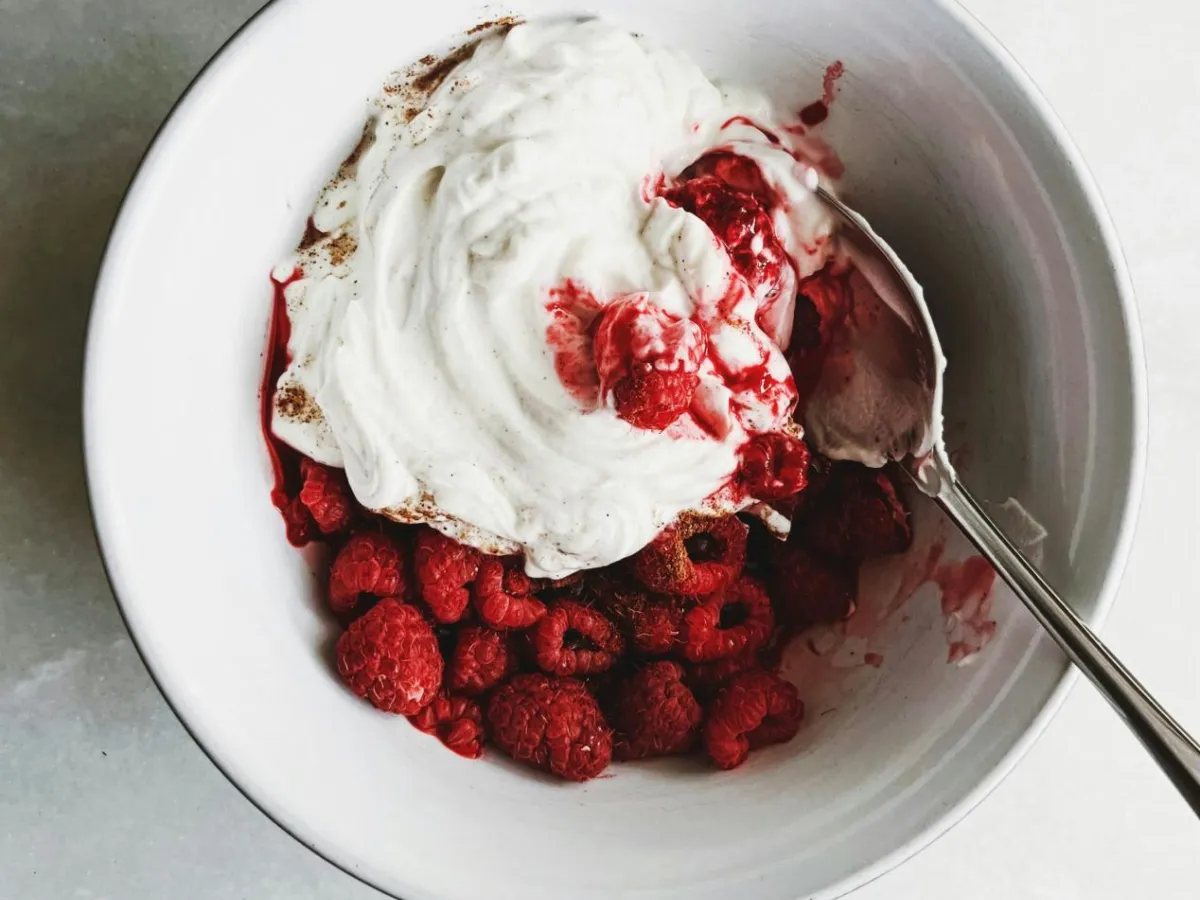
The adoption of pectin in yogurt is not just anecdotal. According to market data, more than half of all new spoonable yogurt launches now contain pectin. This widespread acceptance
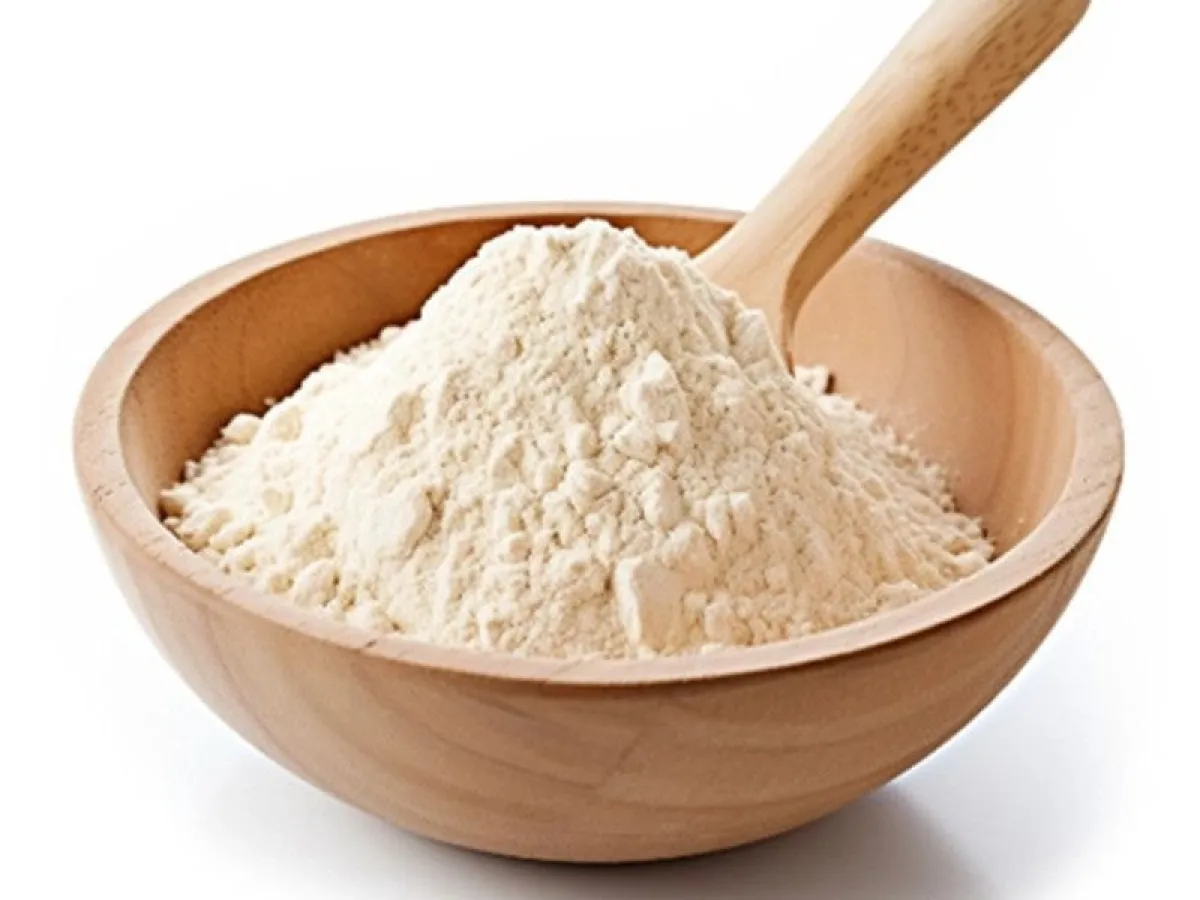
High concentrations of protein ingredients inherently carry a heavy, powdery mouthfeel and astringent notes. The key application detail of gelatin lies in its thermally reversible
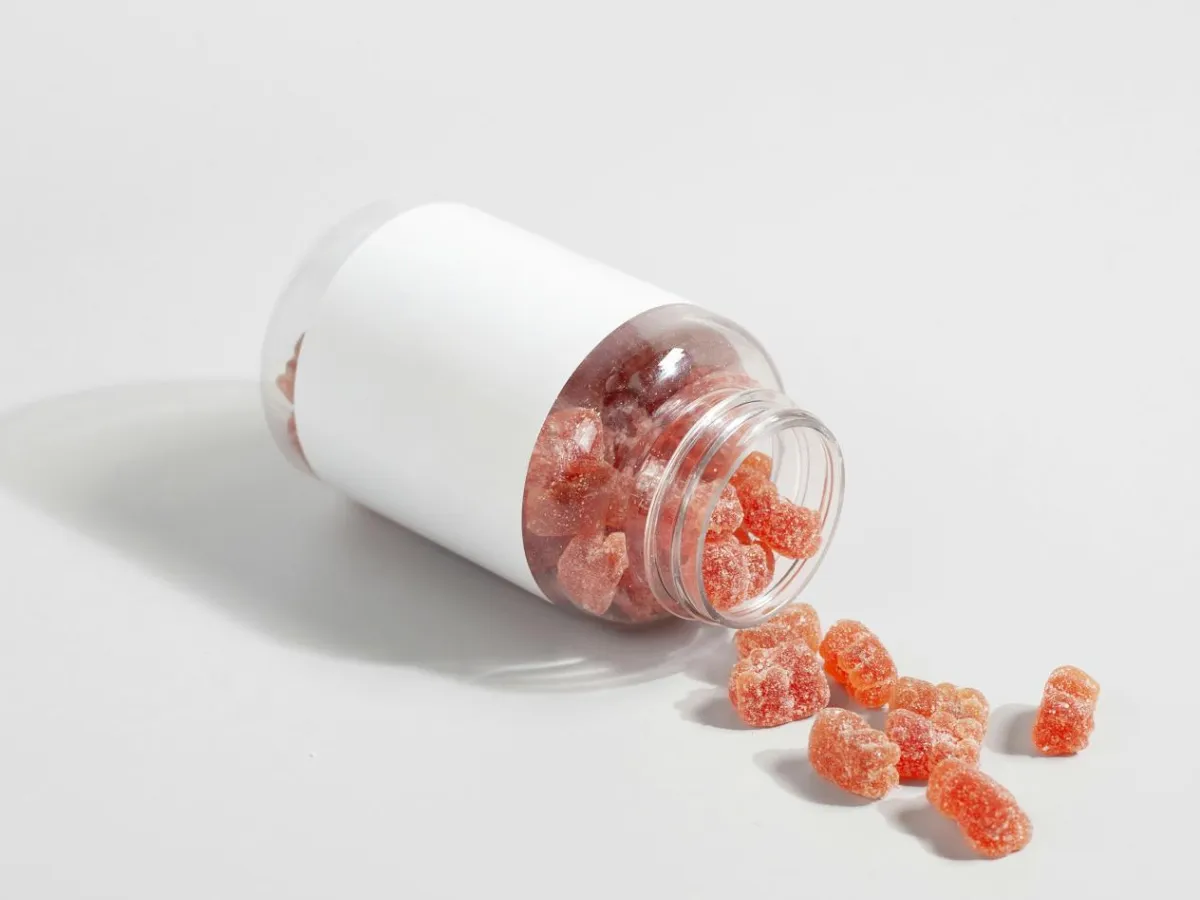
Today, vegan gummies are one of the fastest-growing segments in confectionery. And at the center of this shift stands pectin – a plant-derived hydrocolloid that is proving to be mo
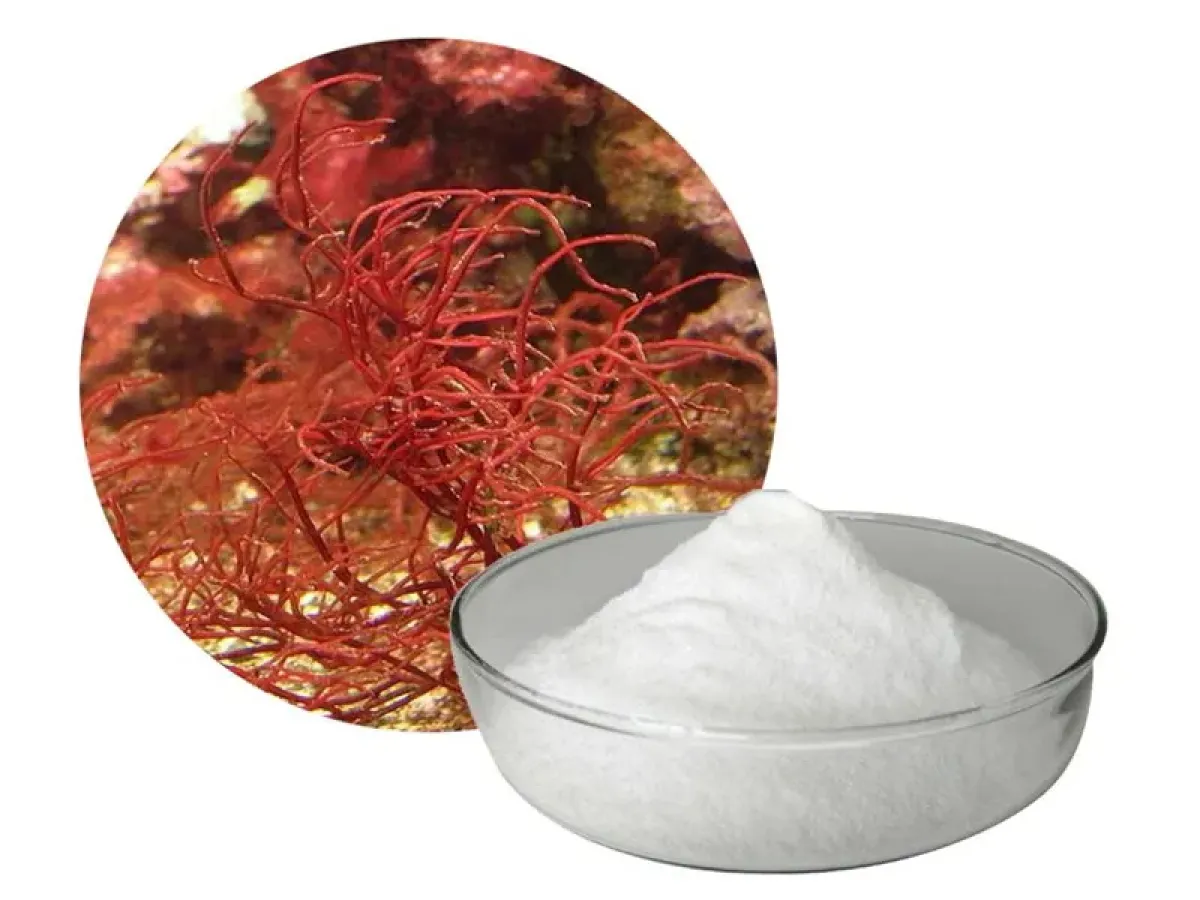
From a physicochemical perspective, carrageenan possesses unique solubility, dissolving in hot water at around 80°C to form a viscous, transparent solution, but insoluble in cold w
The primary role of CMC in toothpaste is to provide the desired texture, consistency, and stability. Specifically, it performs the following critical functions: