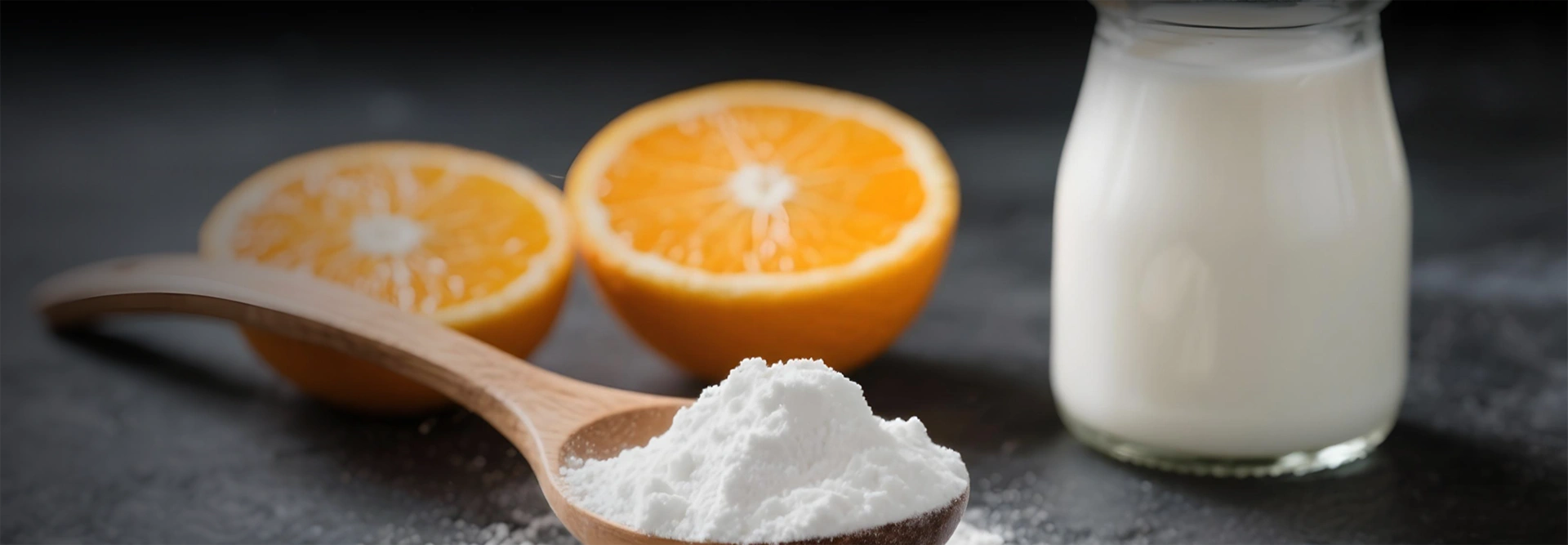
In recent years, 3D printing technology has revolutionized the food industry, offering new possibilities for food customization, precision, and innovation. Konjac gum, a natural polysaccharide derived from the konjac plant, has emerged as a promising ingredient for 3D print food due to its unique properties. Let’s explore the application of konjac gum in 3D print food and its potential benefits.

Properties of Konjac Gum
Konjac gum, derived from the tuber of the konjac plant (Amorphophallus konjac), is primarily composed of glucomannan, a high-molecular-weight polysaccharide. Its unique properties make it an ideal ingredient for 3D printed food:
High Water-Holding Capacity: Konjac gum can absorb up to 100 times its weight in water, making it an excellent thickener and stabilizer.
Gel Formation: It forms thermo-irreversible gels at pH >11, providing structural integrity to 3D printed products.
Viscosity: A 1% solution of konjac gum can achieve a viscosity of 35,000–50,000 cP, ensuring smooth extrusion during printing.
Synergistic Effects: When combined with other hydrocolloids like κ-carrageenan, xanthan gum, and cellulose, konjac gum enhances the overall functionality and texture of the final product.
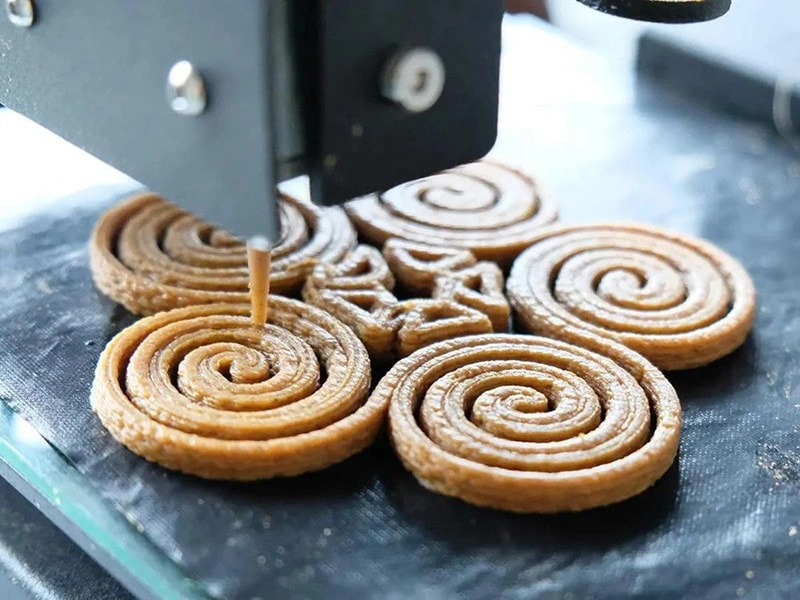
Applications in 3D Printed Food
1. Texture and Stability
Extrusion Consistency: The high viscosity and shear-thinning behavior of konjac gum ensure consistent and precise extrusion, crucial for maintaining the shape and structure of 3D printed food.
Thermal Stability: Konjac gum's ability to form stable gels at high temperatures makes it suitable for 3D printing processes that involve heat treatment, such as baking or cooking.
2. Fat Replacement
Mouthfeel and Texture: Konjac gum can mimic the mouthfeel and texture of fat, making it an excellent substitute in low-calorie and vegan 3D printed foods. For example, in 3D printed plant-based meat, konjac gum can provide the desired juiciness and firmness.
Caloric Reduction: By replacing fat with konjac gum, the caloric content of 3D printed foods can be significantly reduced without compromising on taste and texture.
3. Prebiotic Properties
Fiber Content: Konjac gum is a rich source of soluble fiber, contributing to the prebiotic properties of 3D printed foods. This can enhance gut health and support digestive well-being.
Targeted Release: When combined with other hydrocolloids, konjac gum can be used to create matrices that release prebiotics in the colon, maximizing their health benefits.
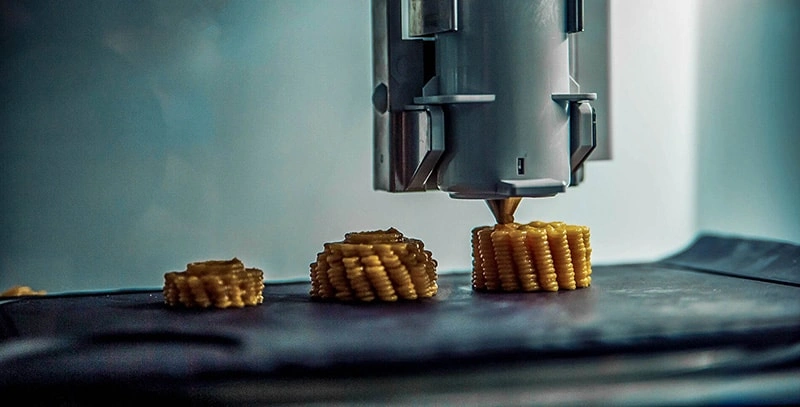
Synergistic Effects with Other Hydrocolloids
1. Konjac Gum and κ-Carrageenan
Elasticity and Firmness: Combining konjac gum with κ-carrageenan (0.2:0.1 ratio) enhances the elasticity and firmness of 3D printed gels, making them ideal for applications such as vegan cheese and gummies.
Temperature Stability: This combination improves the temperature stability of the gels, ensuring they maintain their structure during and after the printing process.
2. Konjac Gum and Xanthan Gum
Shear-Thinning Behavior: The addition of xanthan gum (0.05–0.1%) to konjac gum solutions enhances the shear-thinning behavior, allowing for better flow and extrusion during 3D printing.
Moisture Retention: Xanthan gum helps retain moisture, preventing the 3D printed food from drying out and maintaining its freshness over time.
3. Konjac Gum and Cellulose
Mechanical Strength: Incorporating cellulose (e.g., microcrystalline cellulose) into konjac gum-based formulations can significantly increase the mechanical strength of 3D printed structures, making them more durable and resistant to deformation.
Texture Enhancement: Cellulose can improve the texture of 3D printed foods, providing a more natural and appealing mouthfeel.
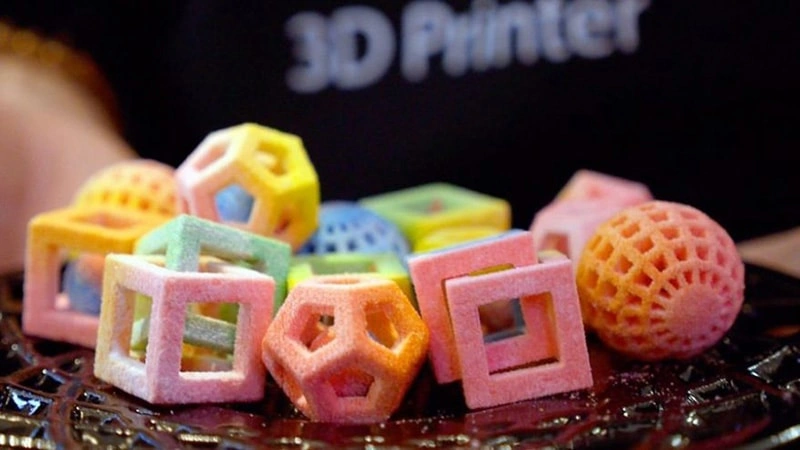
Case Studies and Innovations
1. 3D Printed Vegan Meat
Formulation: A blend of konjac gum (0.5%), pea protein (10%), and beet juice (for color) was used to create a 3D printed vegan meat alternative.
Results: The resulting product had a realistic texture and appearance, with the konjac gum providing the necessary binding and moisture retention properties.
2. 3D Printed Nutritional Bars
Formulation: Konjac gum (0.3%), xanthan gum (0.1%), and various nuts and seeds were combined to create a 3D printed nutritional bar.
Results: The bars maintained their shape and texture, with the konjac gum enhancing the chewiness and reducing the overall caloric content.
3. Baked Goods
In gluten - free baked goods, konjac gum can improve texture and moisture retention. When used in 3D printed gluten - free cakes or bread, it helps to create a more porous and soft structure, similar to traditional wheat - based products.

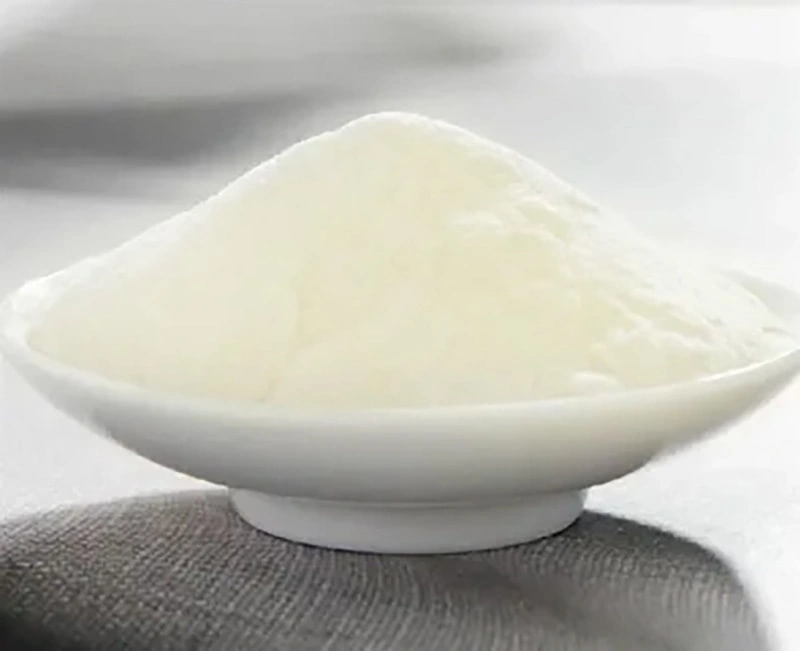
In conclusion, konjac gum has great potential in 3D print food. Its unique properties, such as gel - forming ability, water - holding capacity, and dietary fiber benefits, make it an ideal ingredient for improving printability, texture, and stability. By working in combination with other colloids, it can further enhance the performance of 3D print food. As 3D printing technology continues to develop, the application of konjac gum in the food industry is expected to expand, bringing more innovative and healthy food options to consumers.
For inquiries about konjac gum formulations or 3D printing applications, contact our technical team at info@nourisigroup.com.
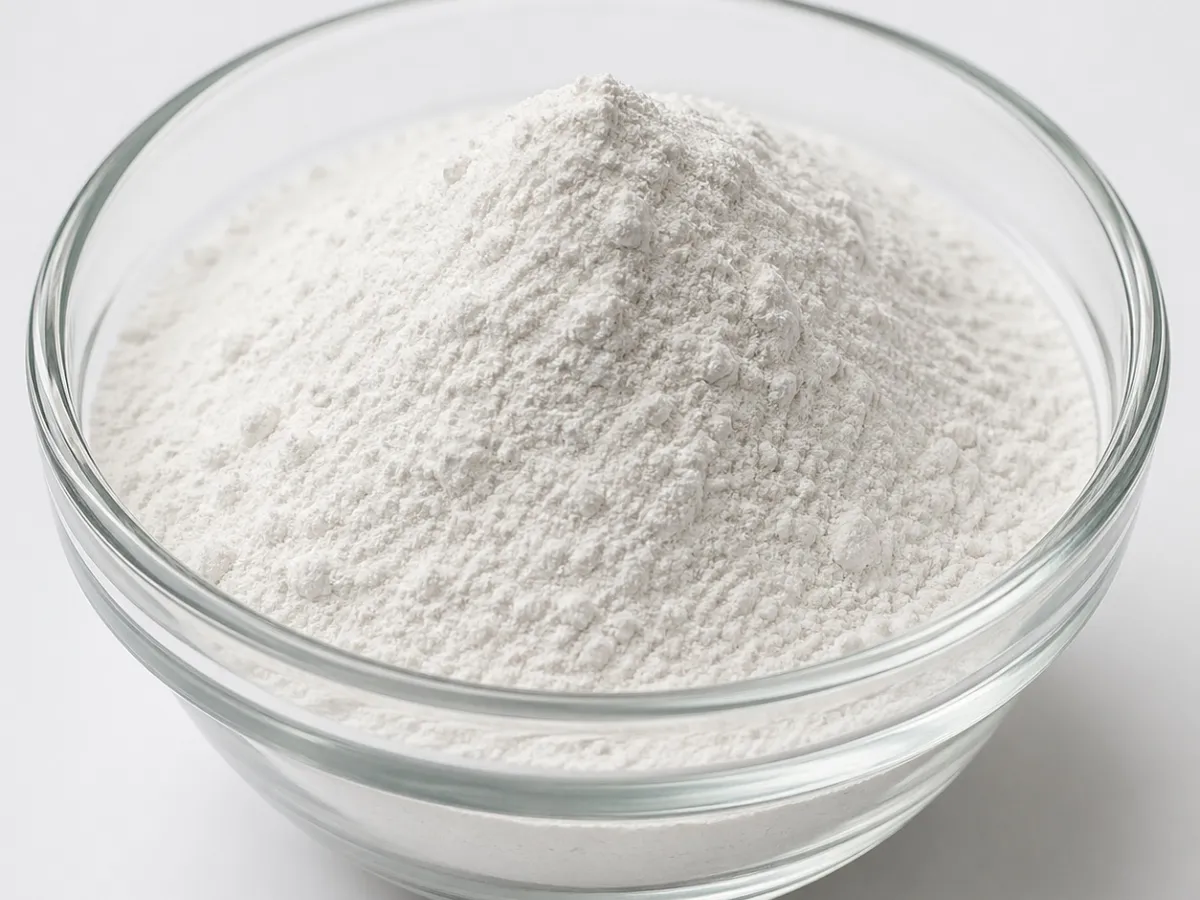
In the international food and dietary supplement industries, sodium alginate and carrageenan are two widely used seaweed-derived hydrocolloids. Despite their shared origin, the und

In oil and gas drilling operations, the prosperity of a drilling process heavily depends on the rheological properties and filtration behavior of drilling fluids . Uncontrolled flu
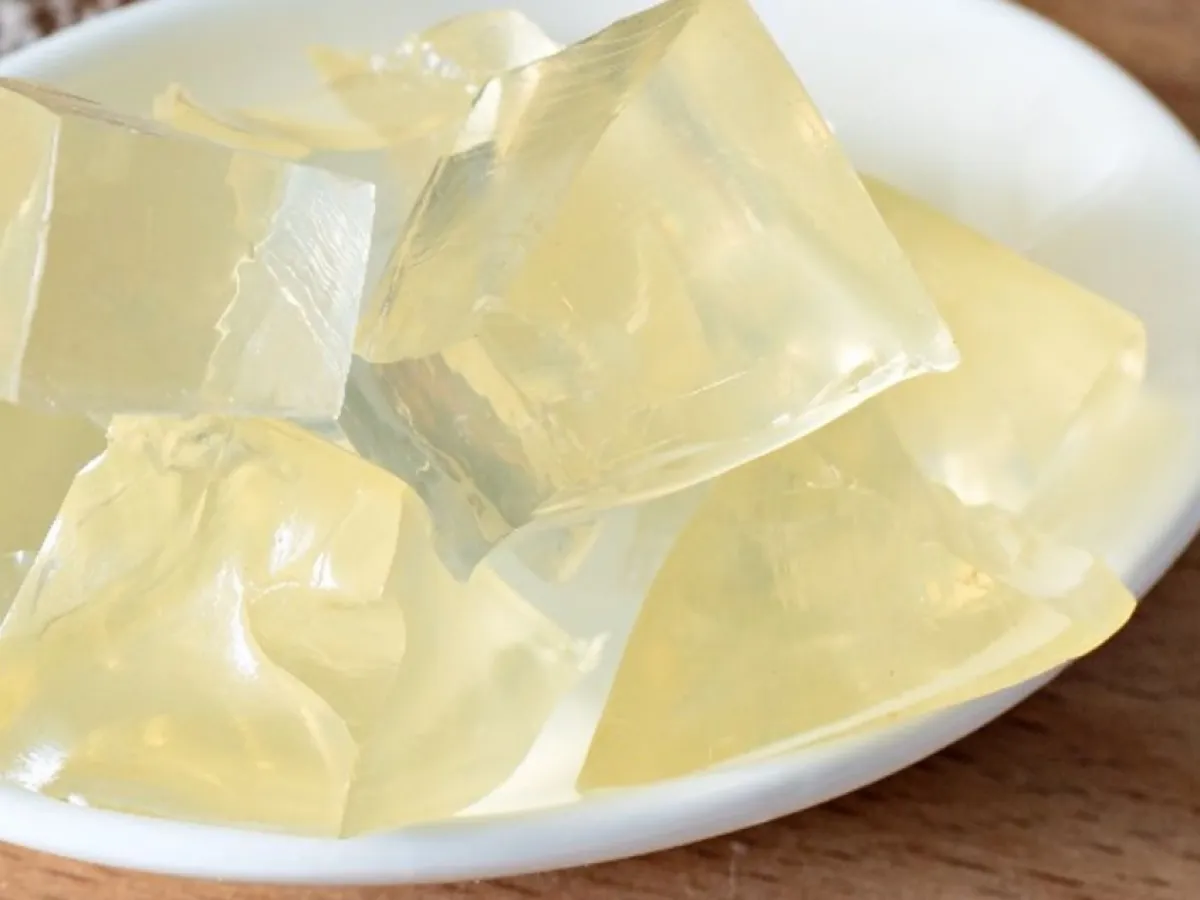
The first step in making gelatin gummies is to allow the gelatin to fully hydrate. Gelatin does not dissolve in cold water, but it can absorb water and swell in cold water. This pr
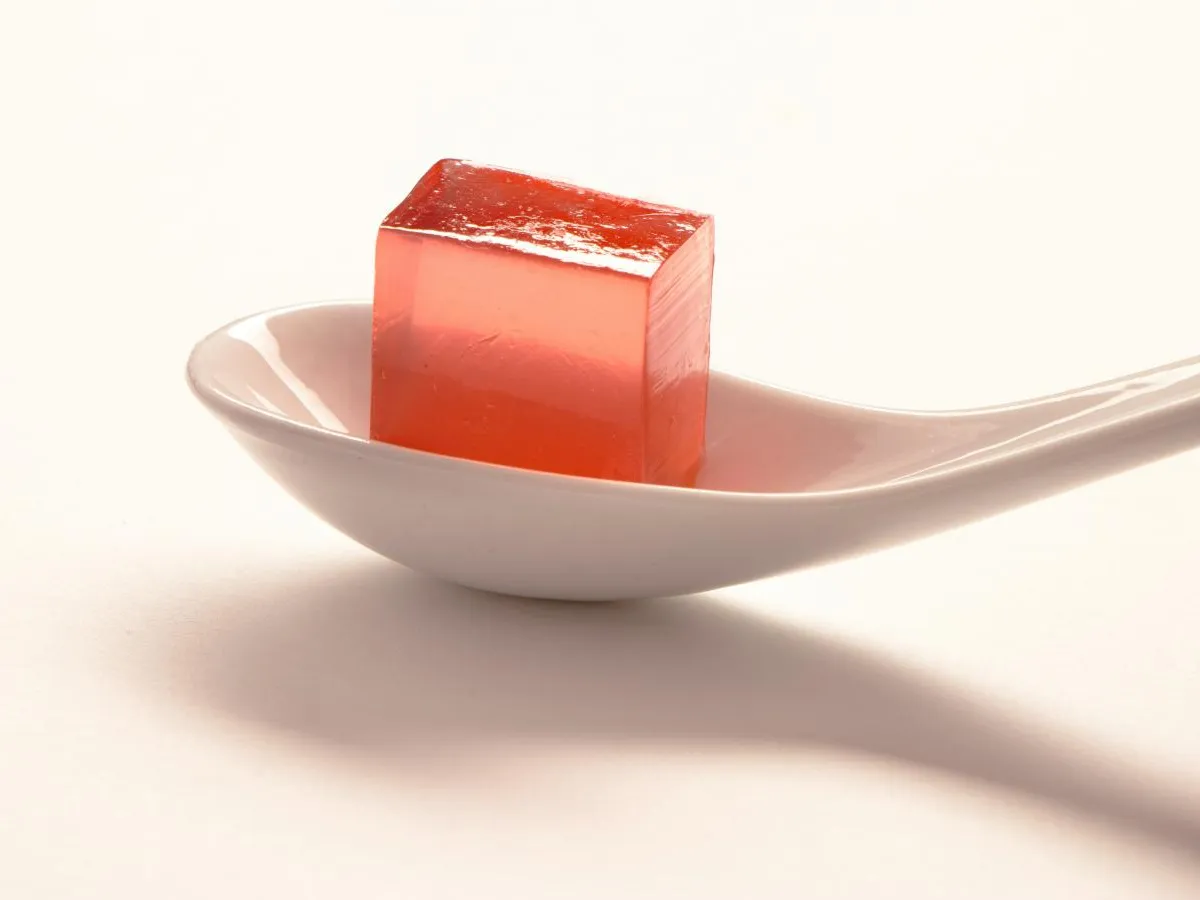
The key difference? Gelatin is a protein from animal collagen; agar is a carbohydrate from red algae.This fundamental distinction drives every other difference between them — and d

In the papermaking industry, modified starch is one of the core additives. Oxidized starch, cationic starch, and esterified starch are mainly used for surface sizing, internal sizi

The adoption of pectin in yogurt is not just anecdotal. According to market data, more than half of all new spoonable yogurt launches now contain pectin. This widespread acceptance

High concentrations of protein ingredients inherently carry a heavy, powdery mouthfeel and astringent notes. The key application detail of gelatin lies in its thermally reversible

Today, vegan gummies are one of the fastest-growing segments in confectionery. And at the center of this shift stands pectin – a plant-derived hydrocolloid that is proving to be mo

From a physicochemical perspective, carrageenan possesses unique solubility, dissolving in hot water at around 80°C to form a viscous, transparent solution, but insoluble in cold w

The primary role of CMC in toothpaste is to provide the desired texture, consistency, and stability. Specifically, it performs the following critical functions: