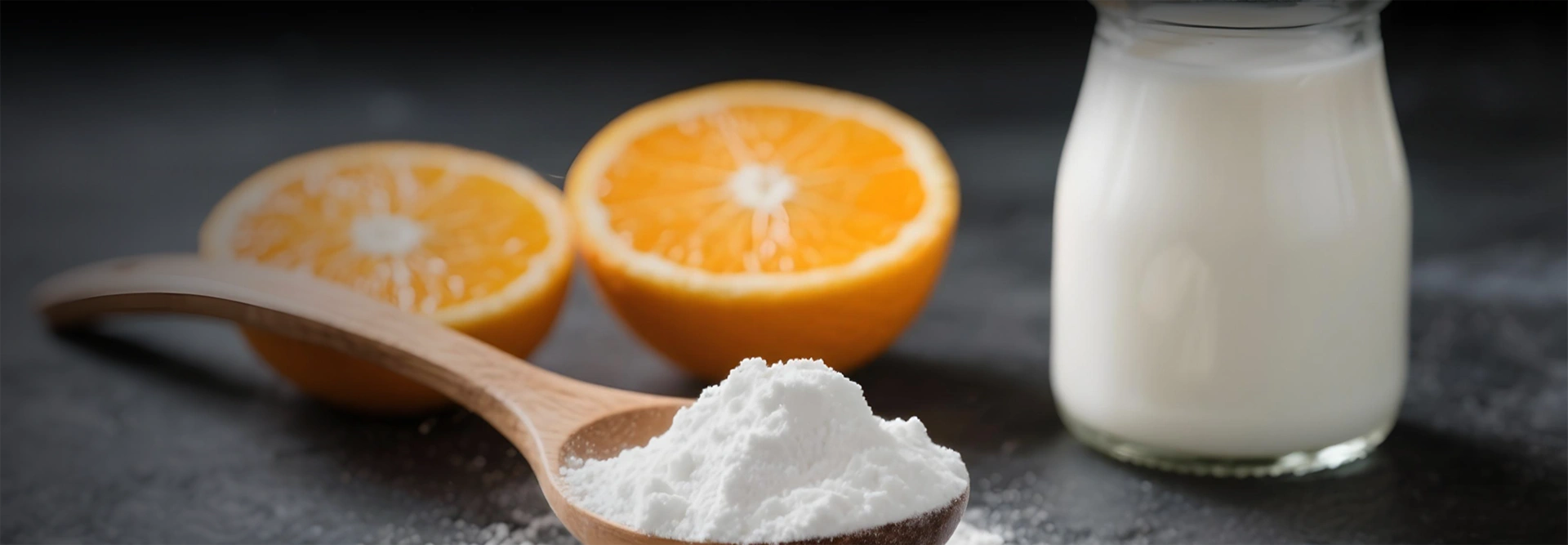
When people think of collagen, many first associate it with skincare, beauty, and anti-aging. However, in the field of dietary supplements, the value of collagen goes far beyond that. As an important structural protein, its application in strengthening bones with calcium, supporting joint health, and nourishing the body is gaining increasing attention, making it an ideal choice for the elderly, sports enthusiasts, and those focused on bone health.
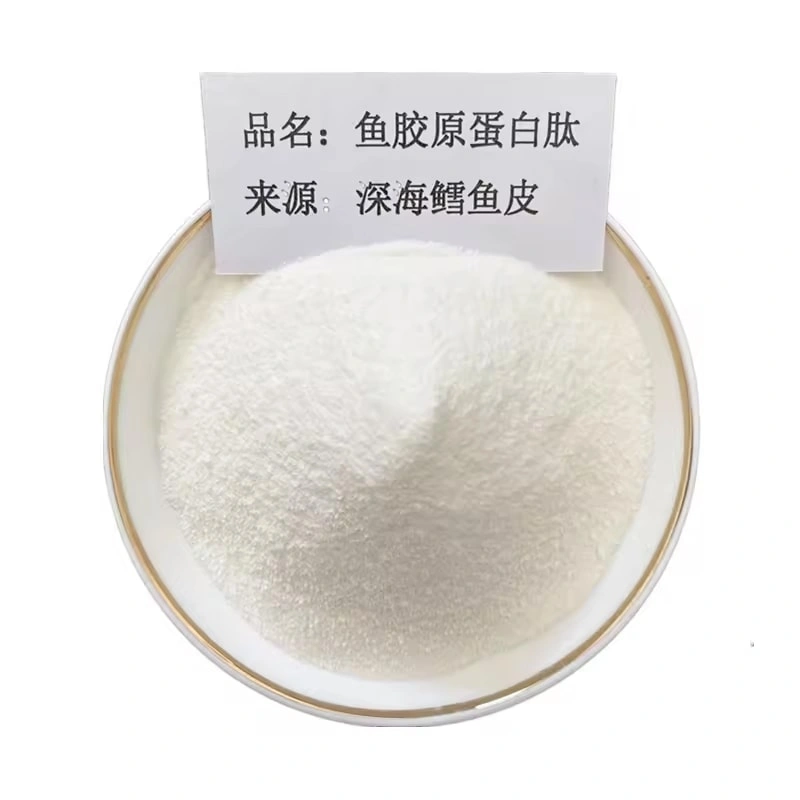
1. Collagen and Calcium: A "Golden Duo"
Traditional calcium supplements often focus only on calcium intake, neglecting the process of how calcium is "fixed" within the body. Bones are not simply calcium warehouses; they are composite structures built with collagen as the "steel framework" and minerals like calcium as the "concrete." Without sufficient collagen, calcium cannot be effectively deposited into the bones. No matter how much calcium is supplemented, building strong bones remains difficult.
Therefore, adding collagen to dietary supplements works synergistically with calcium. Collagen provides the necessary flexibility and tensile strength to bones, while calcium provides hardness and compressive strength. Together, they truly achieve the goal of "delivering calcium into the bones," effectively preventing and improving osteoporosis.
2. Specific Applications of Collagen in Calcium Supplements
Currently, many dietary supplements on the market combine collagen with nutrients such as calcium, vitamin D, and vitamin K. The main product forms include:
Compound Powders: Hydrolyzed collagen peptides are mixed with calcium carbonate or calcium citrate, vitamin D3, and other ingredients to create powdered products. These products generally have a refreshing taste and can be dissolved in water or added to milk, juice, etc. They offer high absorption rates and are especially suitable for the elderly and those with swallowing difficulties.
Tablets/Capsules: Collagen is compressed with other minerals into tablets or filled into capsules for easy portability and consumption. Some products also use slow-release technology to ensure a sustained release of nutrients in the body.
Liquid Oral Solutions: Collagen is dissolved with minerals such as calcium and magnesium into a liquid format that is ready to drink. These products have a good taste and are suitable for younger consumers seeking convenience.
3. Additional Benefits of Collagen for Joint Health
Beyond supporting bone strengthening with calcium, collagen (especially type II collagen) offers significant benefits for joint health. With aging or excessive exercise, joint cartilage gradually wears down, leading to joint pain and limited mobility. Studies have shown that oral intake of hydrolyzed collagen peptides can stimulate cartilage cells to synthesize new collagen fibers, reduce joint inflammation, and improve joint flexibility and comfort.
As a result, many joint-care dietary supplements targeting the elderly and sports enthusiasts include collagen as a core ingredient, often combined with glucosamine, chondroitin, and other components.
4. Safety and Selection Advice
Collagen is a safe ingredient for dietary supplements. Hydrolyzed collagen peptides have a small molecular weight, are easily absorbed, and pose a low risk of allergens. When selecting products, it is recommended to pay close attention to the ingredient list.
Summary:
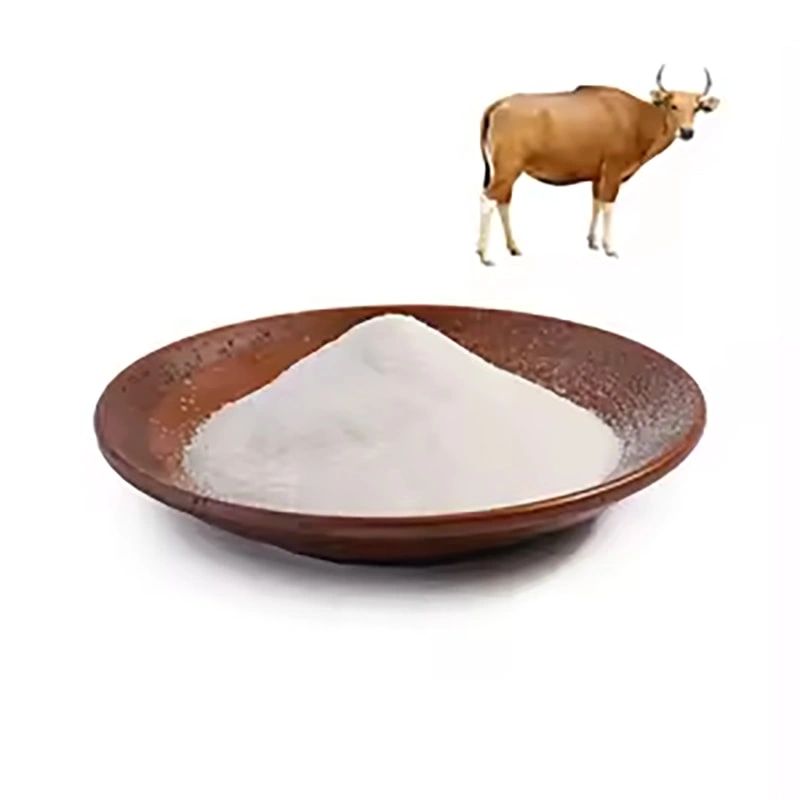
The application of collagen in dietary supplements has long surpassed the single label of "beauty." It plays an irreplaceable and key role in strengthening bones with calcium, supporting joint health, and enhancing overall physical fitness. For those seeking a scientific approach to calcium supplementation and maintaining bone and joint health, choosing a high-quality collagen compound supplement is a wise and worthwhile decision.
In the international food and dietary supplement industries, sodium alginate and carrageenan are two widely used seaweed-derived hydrocolloids. Despite their shared origin, the und

In oil and gas drilling operations, the prosperity of a drilling process heavily depends on the rheological properties and filtration behavior of drilling fluids . Uncontrolled flu

The first step in making gelatin gummies is to allow the gelatin to fully hydrate. Gelatin does not dissolve in cold water, but it can absorb water and swell in cold water. This pr
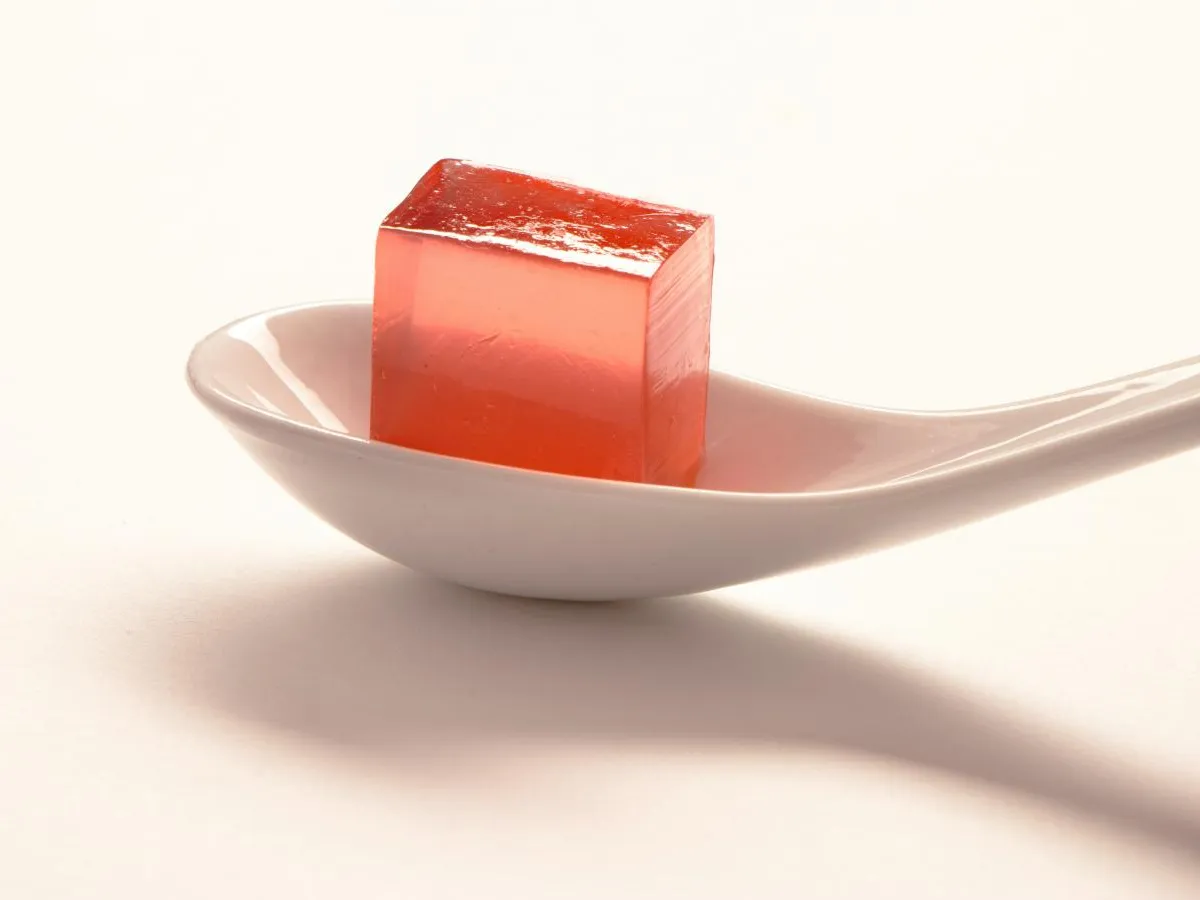
The key difference? Gelatin is a protein from animal collagen; agar is a carbohydrate from red algae.This fundamental distinction drives every other difference between them — and d

In the papermaking industry, modified starch is one of the core additives. Oxidized starch, cationic starch, and esterified starch are mainly used for surface sizing, internal sizi

The adoption of pectin in yogurt is not just anecdotal. According to market data, more than half of all new spoonable yogurt launches now contain pectin. This widespread acceptance
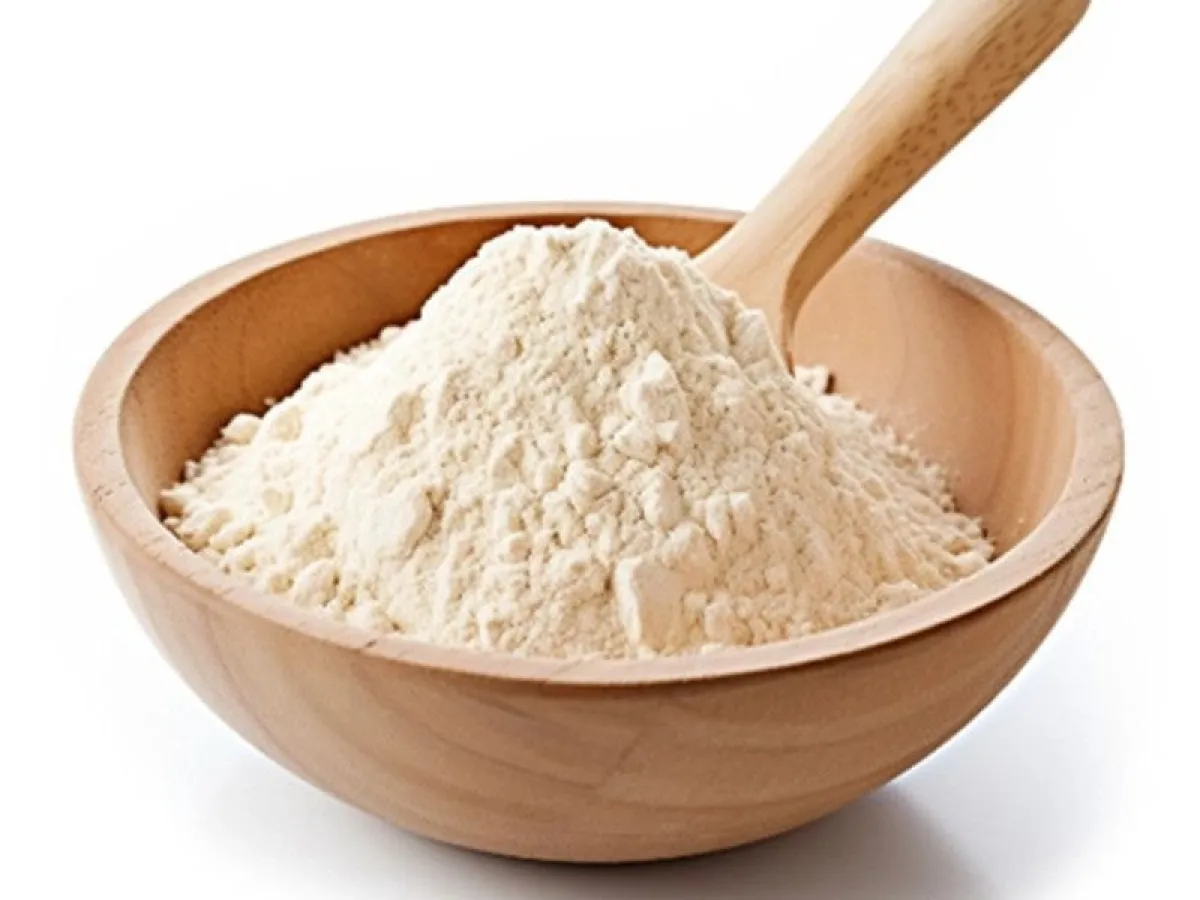
High concentrations of protein ingredients inherently carry a heavy, powdery mouthfeel and astringent notes. The key application detail of gelatin lies in its thermally reversible

Today, vegan gummies are one of the fastest-growing segments in confectionery. And at the center of this shift stands pectin – a plant-derived hydrocolloid that is proving to be mo
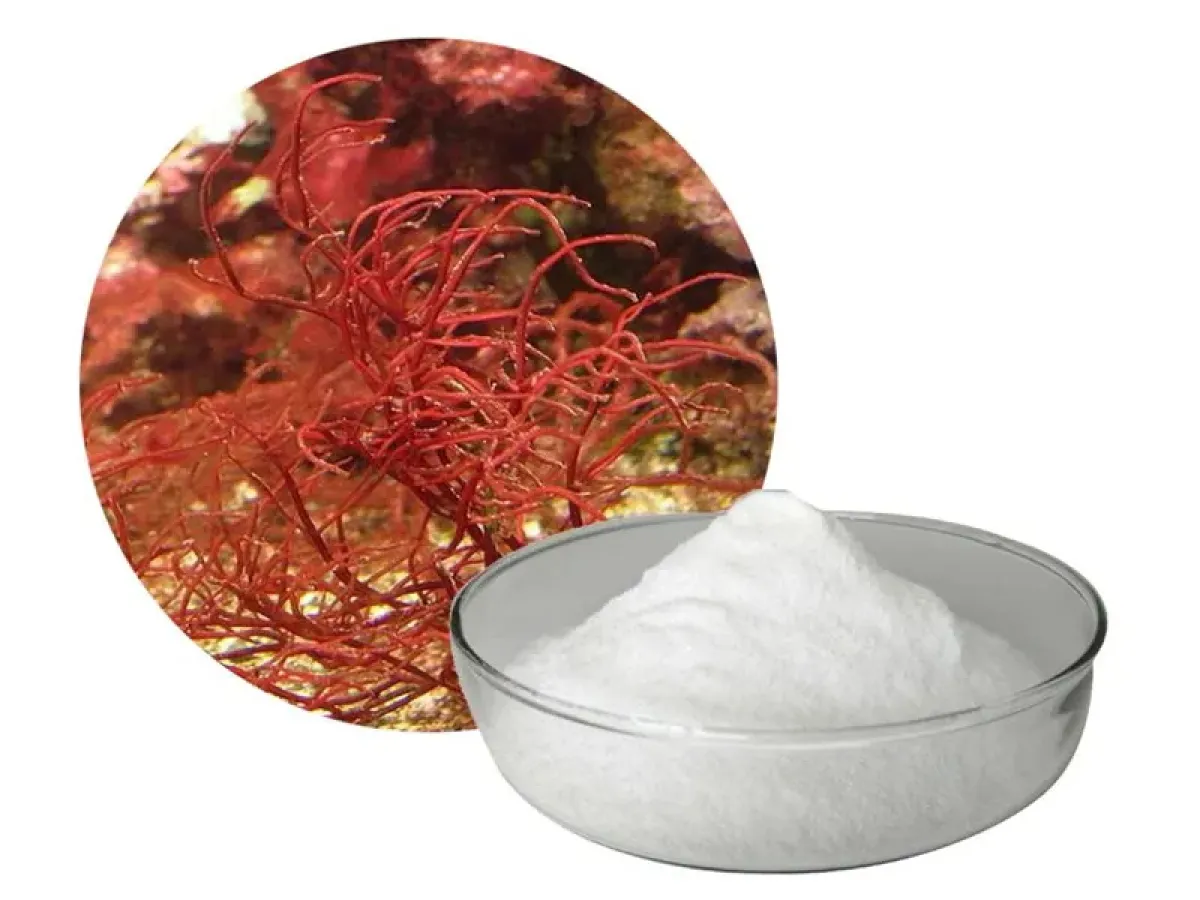
From a physicochemical perspective, carrageenan possesses unique solubility, dissolving in hot water at around 80°C to form a viscous, transparent solution, but insoluble in cold w
The primary role of CMC in toothpaste is to provide the desired texture, consistency, and stability. Specifically, it performs the following critical functions: