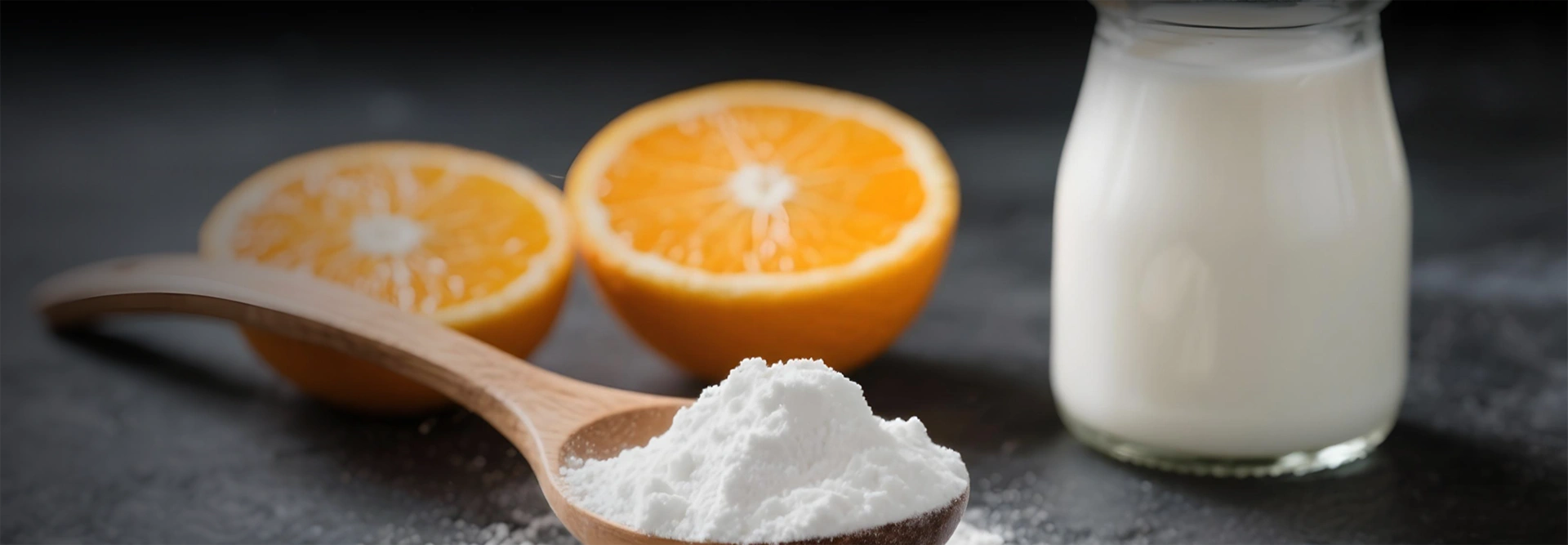
When we take our daily capsules—whether medicine or dietary supplements—few of us ever stop to think about the thin shell that holds the powder or liquid inside. In the vast majority of cases, that shell is made of gelatin. As the most classic and widely used material for capsule shells, gelatin holds an unshakable position in the global pharmaceutical and nutraceutical industries, thanks to its unique physical and chemical properties.
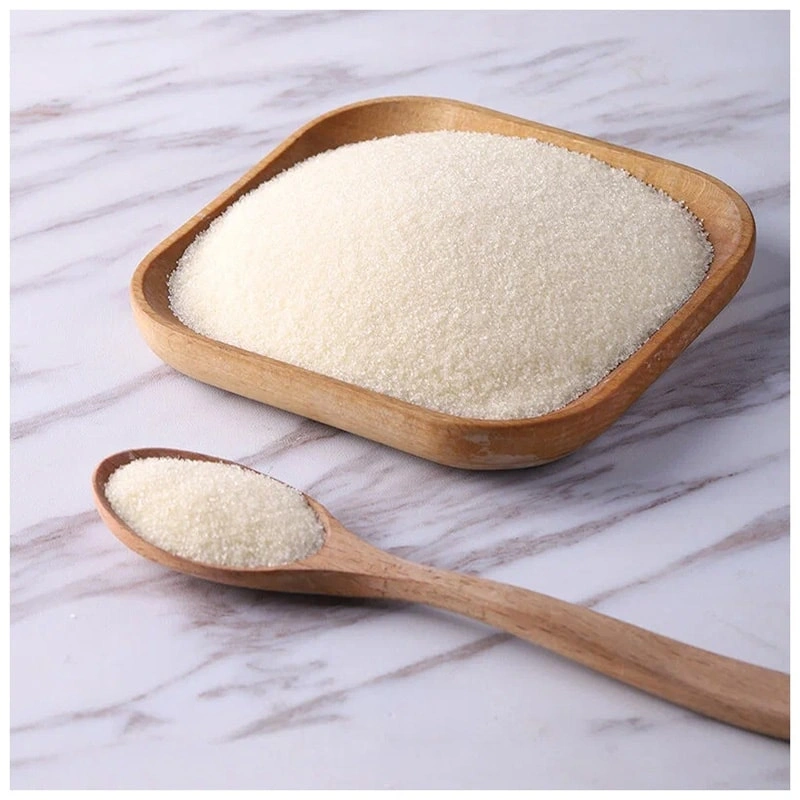
The Core Application of Gelatin in Capsules
Gelatin is a natural protein extracted from the skin and bones of animals (primarily cattle and pigs). In capsule production, gelatin is used to make two main types of capsules: hard capsules and soft capsules.
Hard capsules: These consist of two cylindrical shells that fit tightly together. They are used to fill powders, granules, or pellets. Common antibiotics and cold medications in capsule form are typically hard capsules.
Soft capsules: These have a one-piece shell made from gelatin combined with plasticizers (such as glycerin). They are used to encapsulate liquids or semi-solid contents. Fish oil and vitamin E softgels are classic examples.
During manufacturing, pharmaceutical-grade gelatin is mixed with water, plasticizers, and other excipients. The capsules are then formed using a dipping or rotary die process. As the gelatin cools, its molecules form a stable three-dimensional network that securely encloses the contents.
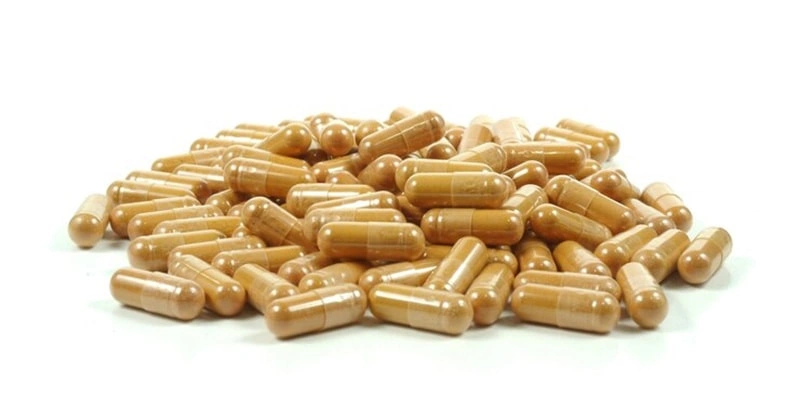
Unique Characteristics of Gelatin Capsules
Compared to newer plant-based capsules (such as those made from hypromellose/HPMC), gelatin capsules offer a range of irreplaceable characteristics:
Excellent film-forming ability and mechanical strength: Gelatin forms a tough, transparent, and elastic film. This means the capsules are resistant to breakage during packaging and transport, yet they disintegrate at the right time after swallowing. Gelatin capsules also have some antistatic properties, which makes filling with powdery contents (which tend to generate static electricity) smoother and more efficient.
Controlled disintegration and dissolution: The dissolution properties of gelatin are highly compatible with the human digestive environment. Gelatin swells but does not dissolve in cold water. However, at body temperature (37°C / 98.6°F) in gastric or intestinal fluids, it disintegrates quickly and uniformly, releasing the contents. This ensures proper bioavailability of the drug, allowing its therapeutic effect to be delivered in a timely manner.
Excellent oxygen barrier properties: The film formed by gelatin provides good resistance to oxygen. This is critical for contents that are prone to oxidation (such as fish oil or vitamin C), as it effectively extends the product's shelf life and prevents the degradation of active ingredients.
Good sealing and moisture protection: The two-piece design of hard capsules and the one-piece design of soft capsules both provide reliable sealing. Gelatin itself offers a certain degree of moisture protection, safeguarding the contents that are sensitive to humidity.
Smooth surface and easy to swallow: Gelatin capsules have a smooth surface and are moderately sized. When they come into contact with moisture, they become slightly slippery, making them easier to swallow than many tablets. This is particularly beneficial for the elderly, children, and patients who have difficulty swallowing.
Irreplaceable Product Advantages
For pharmaceutical companies and nutraceutical manufacturers, gelatin capsules offer multiple commercial and technical advantages:
Mature processing and high production efficiency: The manufacturing technology for gelatin capsules has over a century of history. The equipment is well-established, highly automated, and offers large production capacity at a relatively low cost. This helps keep medicines and supplements affordable for the general public.
Flexible formulation and strong adaptability: By adjusting the gel strength of the gelatin and the type and amount of plasticizers (glycerin, sorbitol), manufacturers can precisely control the hardness, elasticity, and disintegration speed of the capsules. Soft capsules can even be produced in various shapes, such as oval or round, to meet different product needs.
Good compatibility: Gelatin is compatible with the vast majority of drug ingredients and excipients, with no adverse reactions. For contents that have an unpleasant taste or odor, the capsule shell effectively masks these, improving patient compliance and making the product easier to take.
Safe, reliable, and time-tested: Gelatin has a proven safety record spanning over a century of use as a capsule material. Its toxicological safety has long been recognized by pharmaceutical regulatory agencies worldwide. For consumers, the "gelatin capsule" itself is a symbol of familiarity and trust.
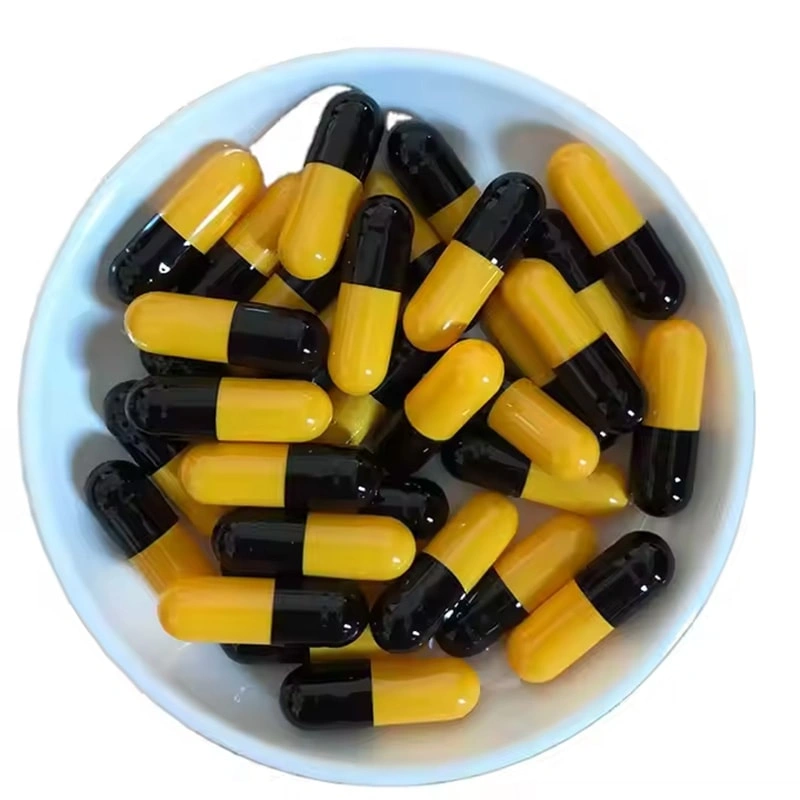
Customizable appearance: Gelatin capsules can be easily colored with food-grade dyes, allowing them to be made in a variety of colors. This not only makes them more visually appealing but also helps patients distinguish between different medications. Additionally, their transparent or translucent nature allows for visual inspection of the contents for any abnormalities.
The use of gelatin in capsules is a perfect marriage of a natural material and modern pharmaceutical manufacturing technology. Gelatin not only provides excellent film-forming properties, controlled disintegration performance, and good protective barrier qualities but also offers mature, stable processing, flexible formulation adaptability, and over a century of safe use. For these reasons, gelatin remains the undisputed "gold standard" for capsule dosage forms. From everyday cold remedies to premium fish oil supplements, gelatin capsules quietly protect every dose of active ingredients, ensuring they reach the human body safely, accurately, and on time to deliver their full health benefits.
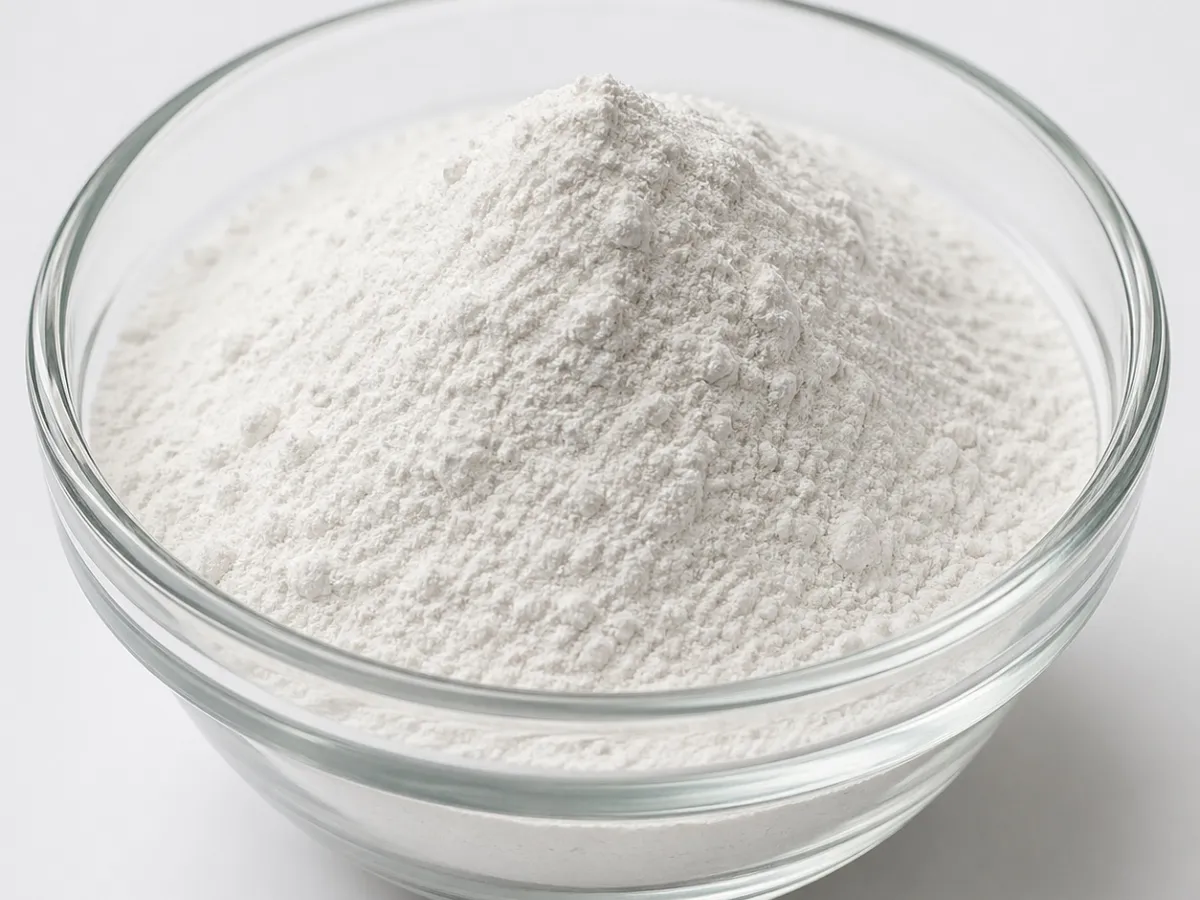
In the international food and dietary supplement industries, sodium alginate and carrageenan are two widely used seaweed-derived hydrocolloids. Despite their shared origin, the und

In oil and gas drilling operations, the prosperity of a drilling process heavily depends on the rheological properties and filtration behavior of drilling fluids . Uncontrolled flu
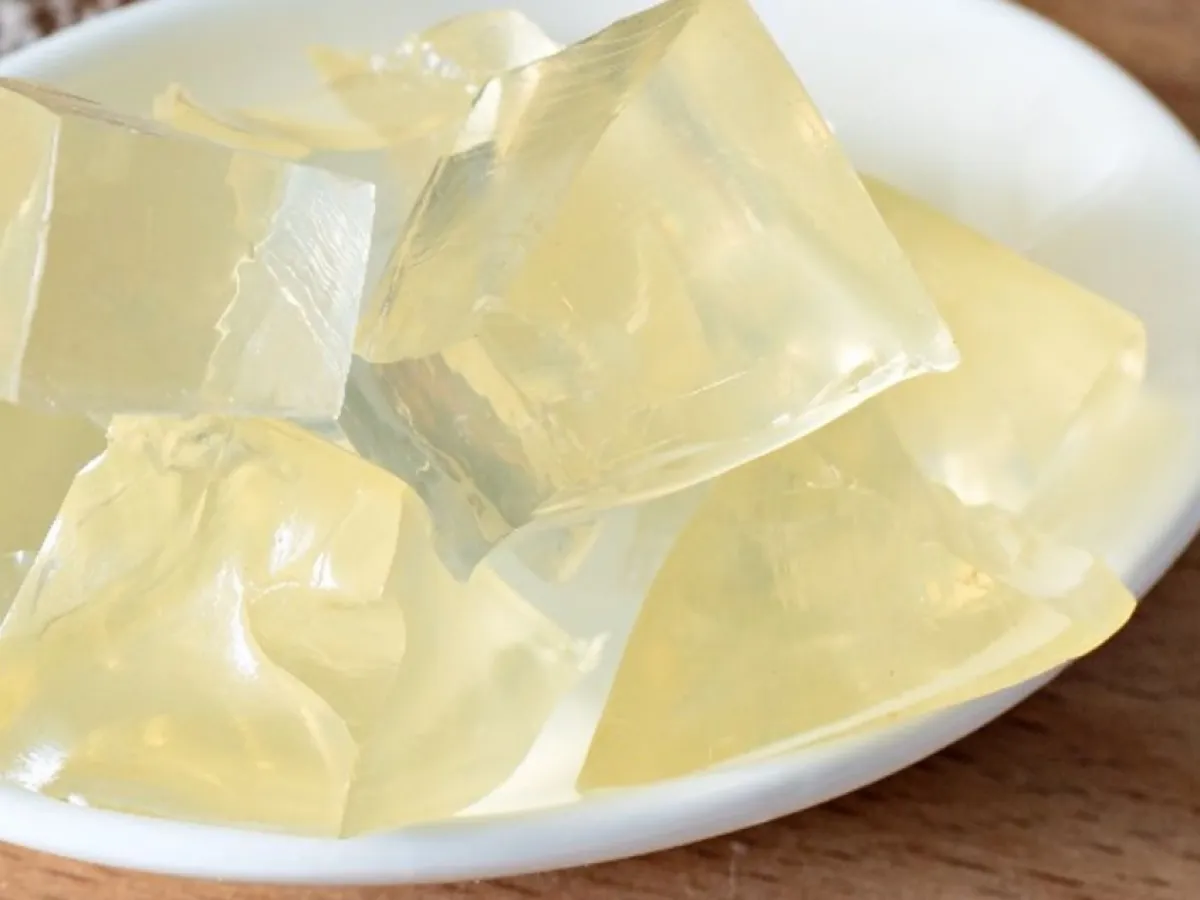
The first step in making gelatin gummies is to allow the gelatin to fully hydrate. Gelatin does not dissolve in cold water, but it can absorb water and swell in cold water. This pr
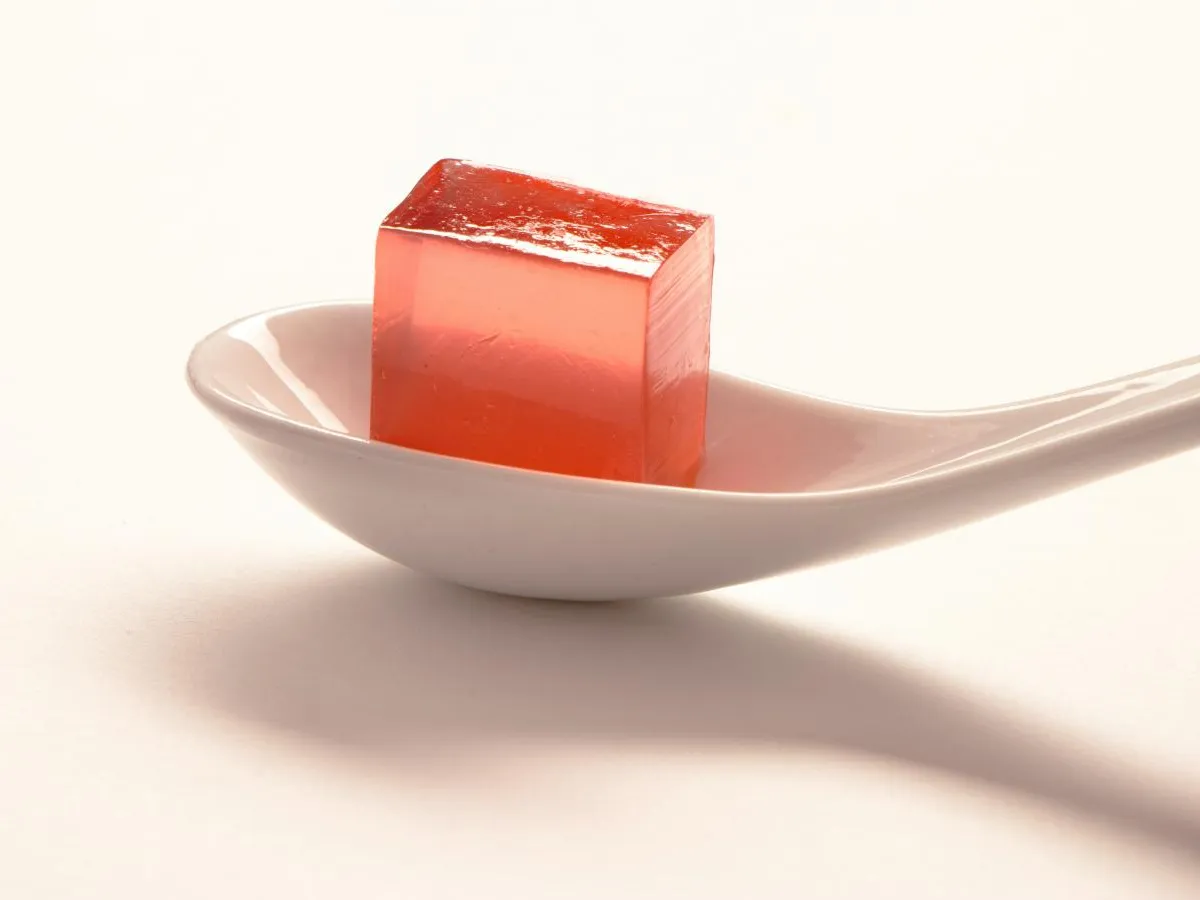
The key difference? Gelatin is a protein from animal collagen; agar is a carbohydrate from red algae.This fundamental distinction drives every other difference between them — and d

In the papermaking industry, modified starch is one of the core additives. Oxidized starch, cationic starch, and esterified starch are mainly used for surface sizing, internal sizi
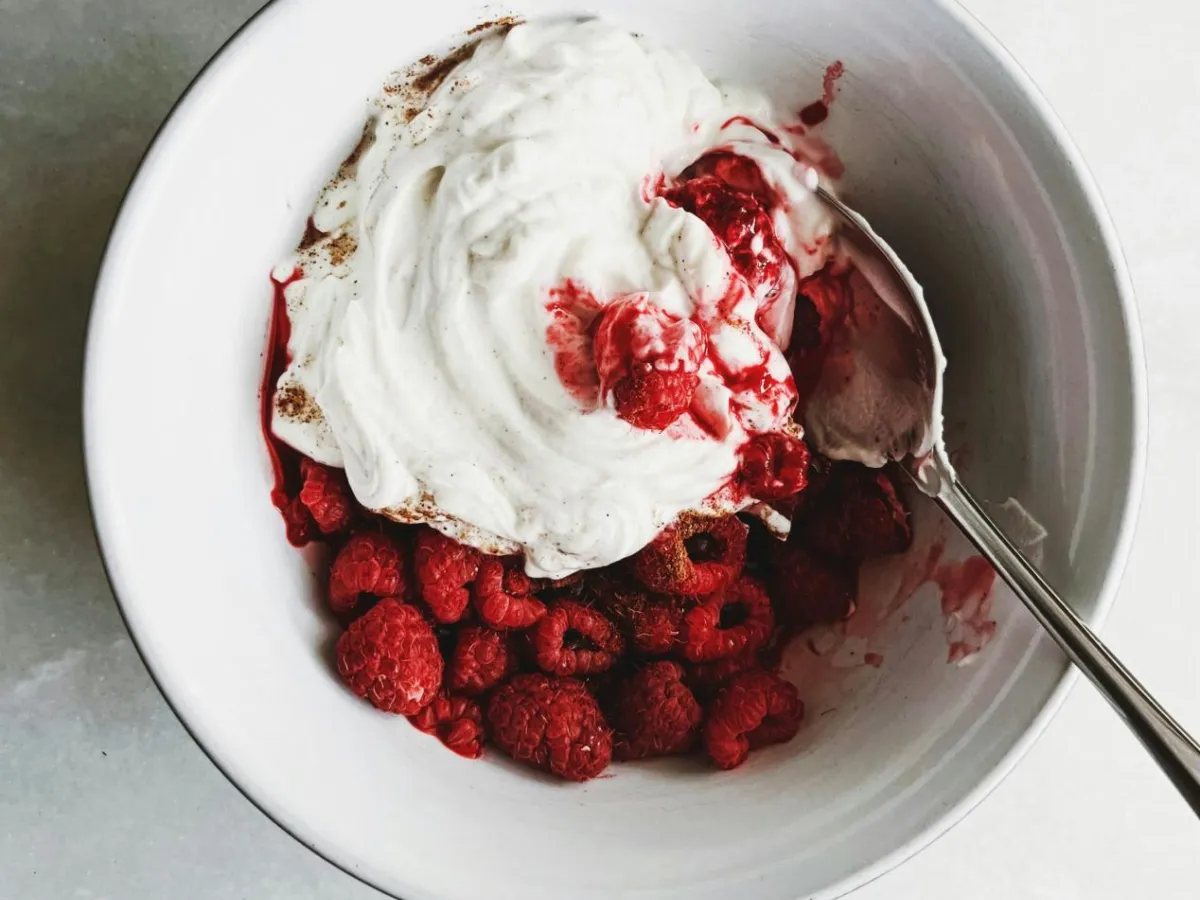
The adoption of pectin in yogurt is not just anecdotal. According to market data, more than half of all new spoonable yogurt launches now contain pectin. This widespread acceptance
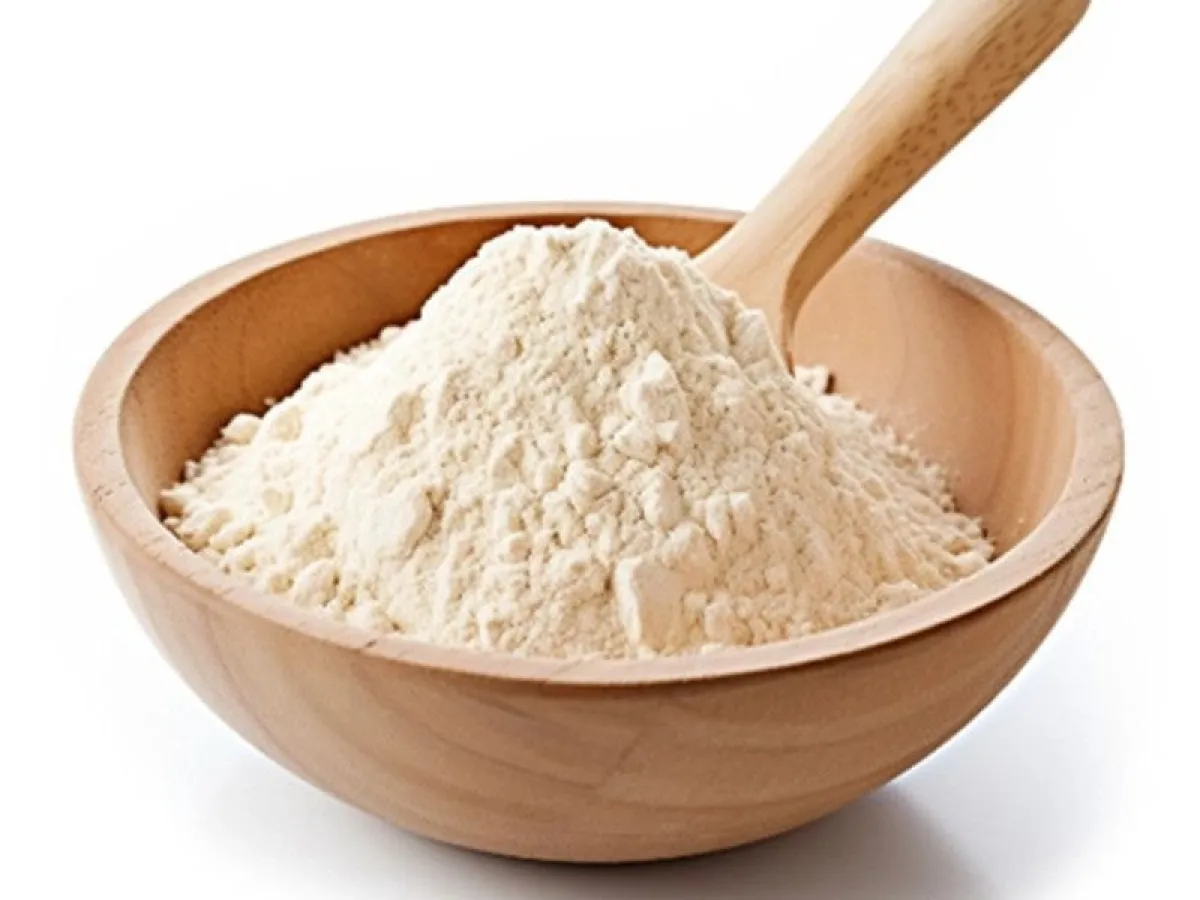
High concentrations of protein ingredients inherently carry a heavy, powdery mouthfeel and astringent notes. The key application detail of gelatin lies in its thermally reversible
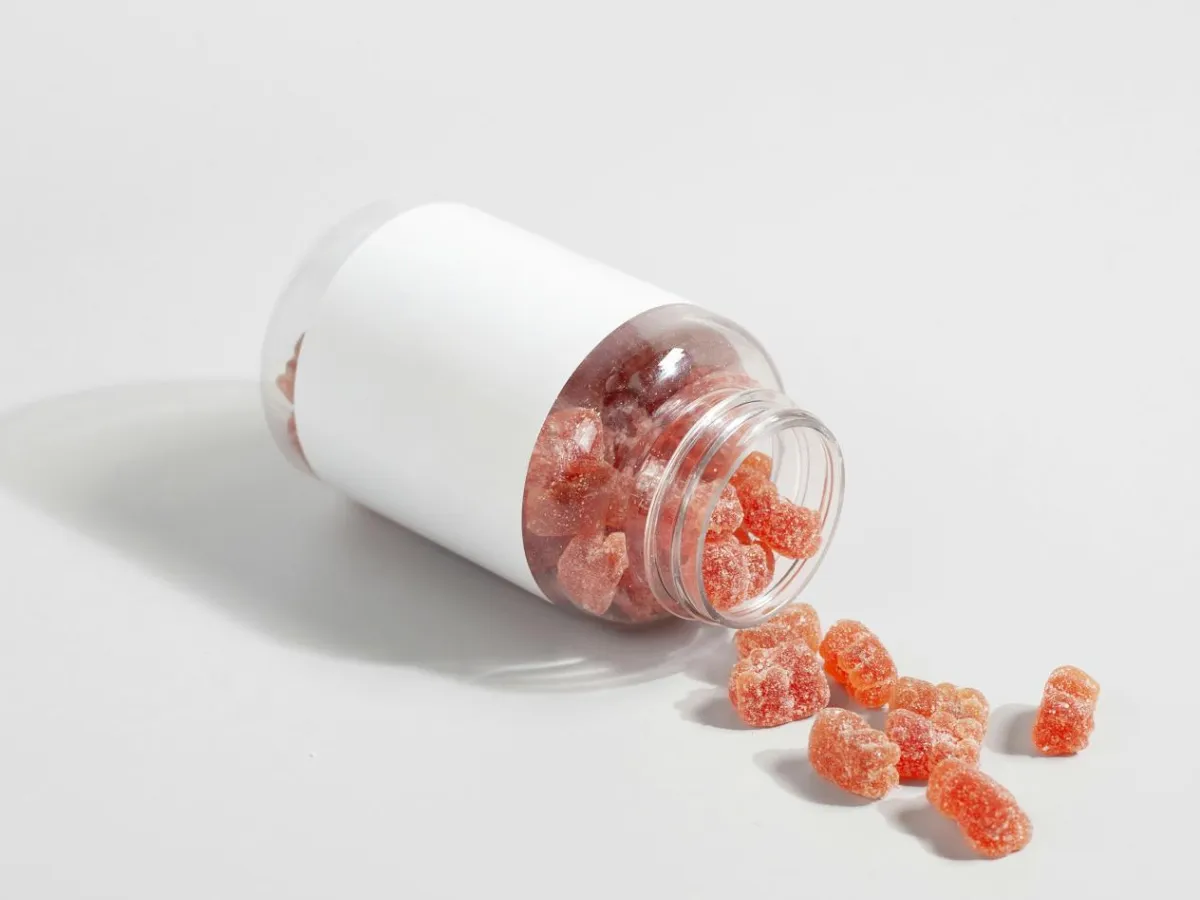
Today, vegan gummies are one of the fastest-growing segments in confectionery. And at the center of this shift stands pectin – a plant-derived hydrocolloid that is proving to be mo
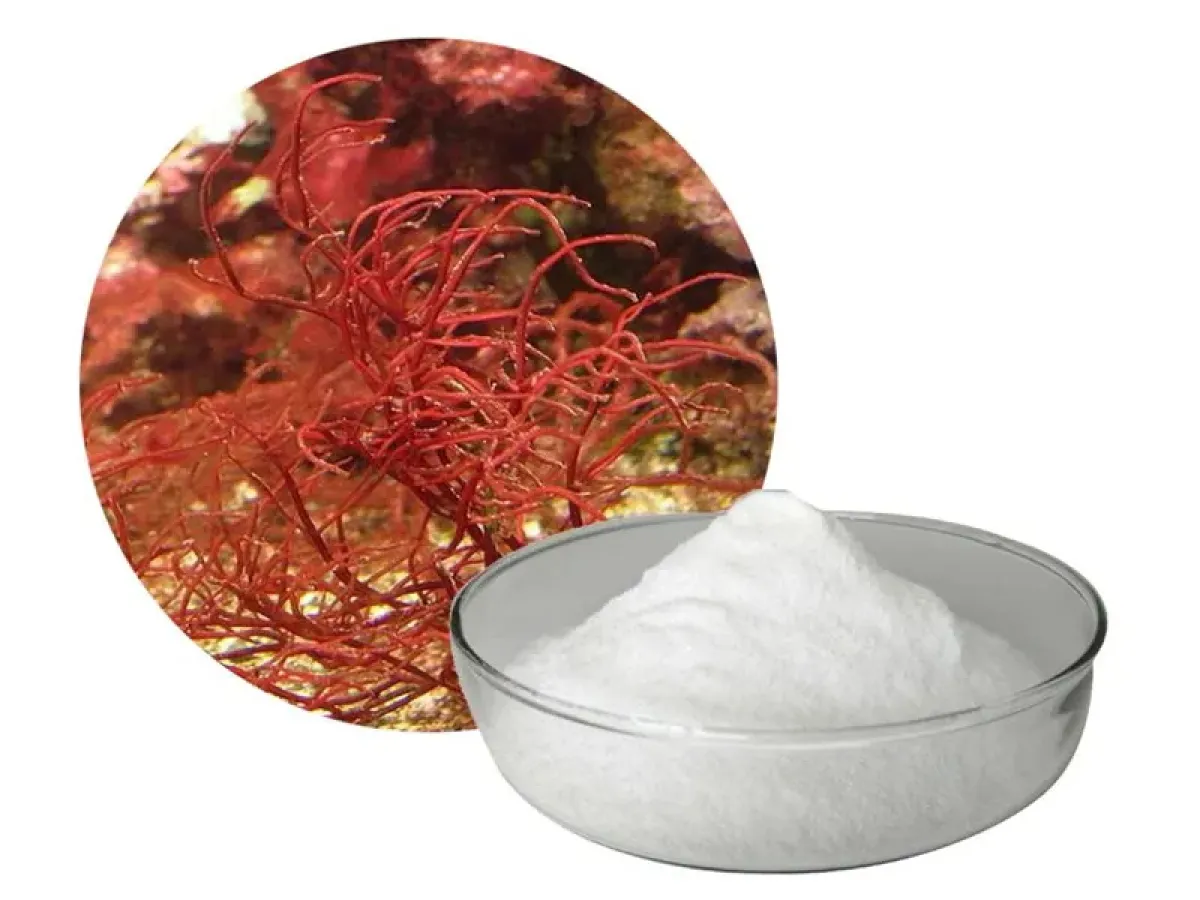
From a physicochemical perspective, carrageenan possesses unique solubility, dissolving in hot water at around 80°C to form a viscous, transparent solution, but insoluble in cold w
The primary role of CMC in toothpaste is to provide the desired texture, consistency, and stability. Specifically, it performs the following critical functions: