Does appearance matter? Do you want crystal-clear transparency like glass, or is semi-translucent acceptable? — Transparency determines the type of gelling agent.
How will it be sold? Room temperature shelf storage? Or refrigerated display?
Who is the target consumer? Mass market? Vegetarians? Premium segment? — Cost vs. clean label trade-offs.
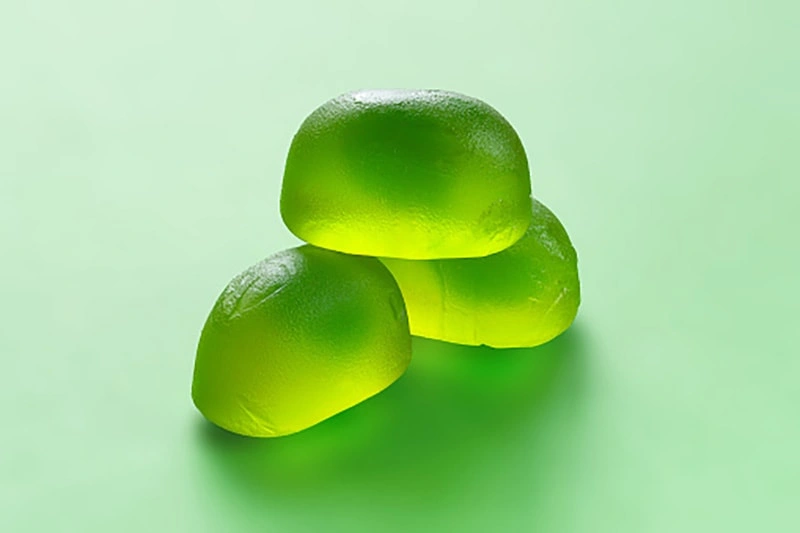
· Characteristics:Animal-derived, melts at 35°C in the mouth, excellent elasticity
· Best Applications:Mousse cakes, premium puddings, yogurt
· Fatal Flaws:Melts at high temperatures (cannot be sold at room temperature); not suitable for vegetarians
· Usage Rate:3-5%
· Summary:Choose this when pursuing ultimate texture with full cold chain control.
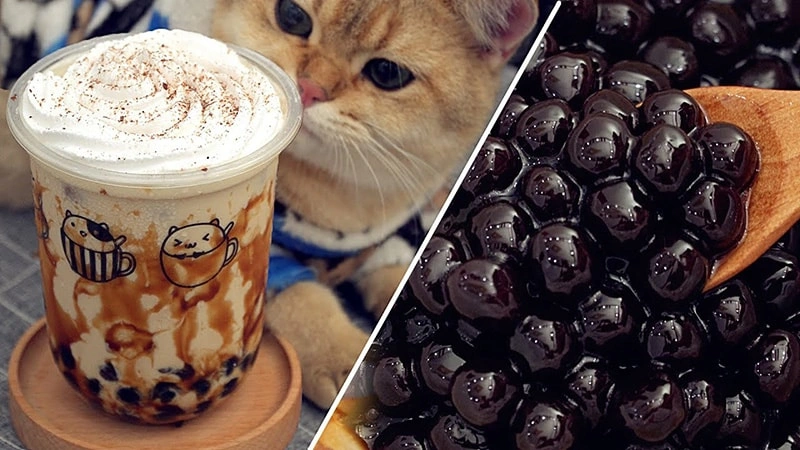
· Characteristics:Seaweed-extracted, heat-resistant, cost-effective
· Best Applications:Budget jellies, bubble tea pearls, plant-based meat
· Fatal Flaws:Hard and brittle texture; prone to syneresis (weeping)
· Usage Rate:1-1.5%
· Summary:Choose this when cost-sensitive, room temperature storage is needed, but texture requirements are moderate.
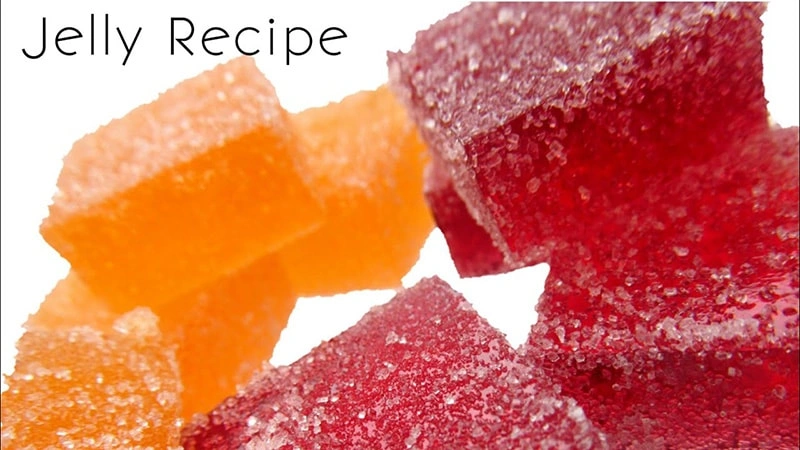
· Characteristics:Microbial fermentation, ultra-low dosage (0.2-0.5%), extremely high transparency, rock-solid heat stability
· Best Applications:Crystal jellies, molecular gastronomy, low-sugar healthy jellies
· Hidden Skill:Can create "fluid gels" — suspends particles like jelly but flows for drinking
· Note:Too brittle when used alone; blend with other gums for better texture
· Summary:Choose this when you want aesthetics, stability, and a healthy label.
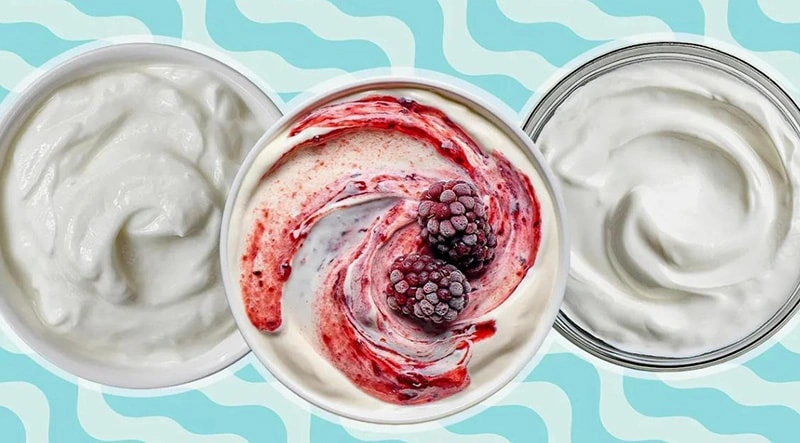
· Characteristics: Fruit-extracted, soft texture, clean-label friendly
· Best Applications: Jams, low-sugar jellies, bakery fillings
· High-Methoxyl (HM): Requires high sugar (>55%) + acid to set; ideal for traditional jams
· Low-Methoxyl (LM): Sets with calcium; suitable for low-sugar healthy products, but more expensive
· Summary:Choose this when promoting natural, healthy, low-sugar concepts.
|
Product You Want to Make |
Recommended Solution |
Reasoning |
|
Supermarket room-temperature jelly |
Carrageenan + small amount of konjac gum/CMC |
Heat-resistant for sterilization, low cost, improves hard/brittle texture |
|
Premium crystal jelly |
Low-acyl gellan gum + xanthan gum |
Ultimate transparency, low dosage, heat stable |
|
Drinkable jelly/squeeze pouch |
Gellan gum |
Flows yet suspends fruit pieces — unique experience |
|
Yogurt/mousse |
Gelatin |
Melts in mouth, delicate texture |
|
Sugar-free/low-sugar jelly |
Low-methoxyl pectin or gellan gum |
Sets without relying on high sugar |
|
Vegetarian/Halal products |
Gellan gum, carrageenan, pectin, agar |
Avoid animal-derived gelatin |
|
Canned fruit/high-temperature sterilization
|
Agar or carrageenan |
High melting point, heat resistant |
Every single hydrocolloid has weaknesses. Blending is the industry secret:
· Carrageenan too hard/brittle? → Add 0.3% CMC or konjac gum for instant softness and elasticity
· Gellan gum too brittle? → Add a small amount of xanthan gum for a chewy, bouncy texture
· Gelatin unstable? → Add a small amount of carrageenan to improve heat stability
For formulation consultation on specific products, contact Nourisi Group for customized application solutions.
In the international food and dietary supplement industries, sodium alginate and carrageenan are two widely used seaweed-derived hydrocolloids. Despite their shared origin, the und

In oil and gas drilling operations, the prosperity of a drilling process heavily depends on the rheological properties and filtration behavior of drilling fluids . Uncontrolled flu
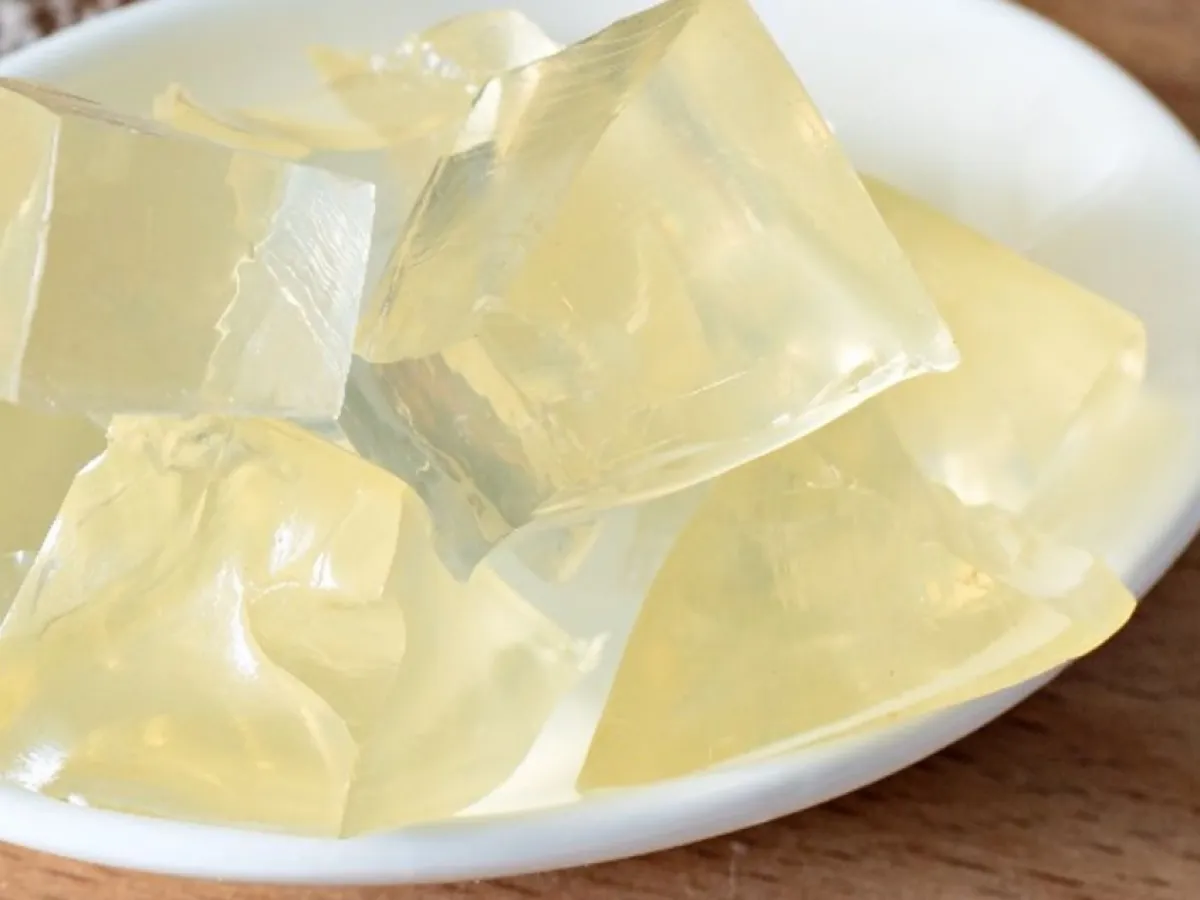
The first step in making gelatin gummies is to allow the gelatin to fully hydrate. Gelatin does not dissolve in cold water, but it can absorb water and swell in cold water. This pr
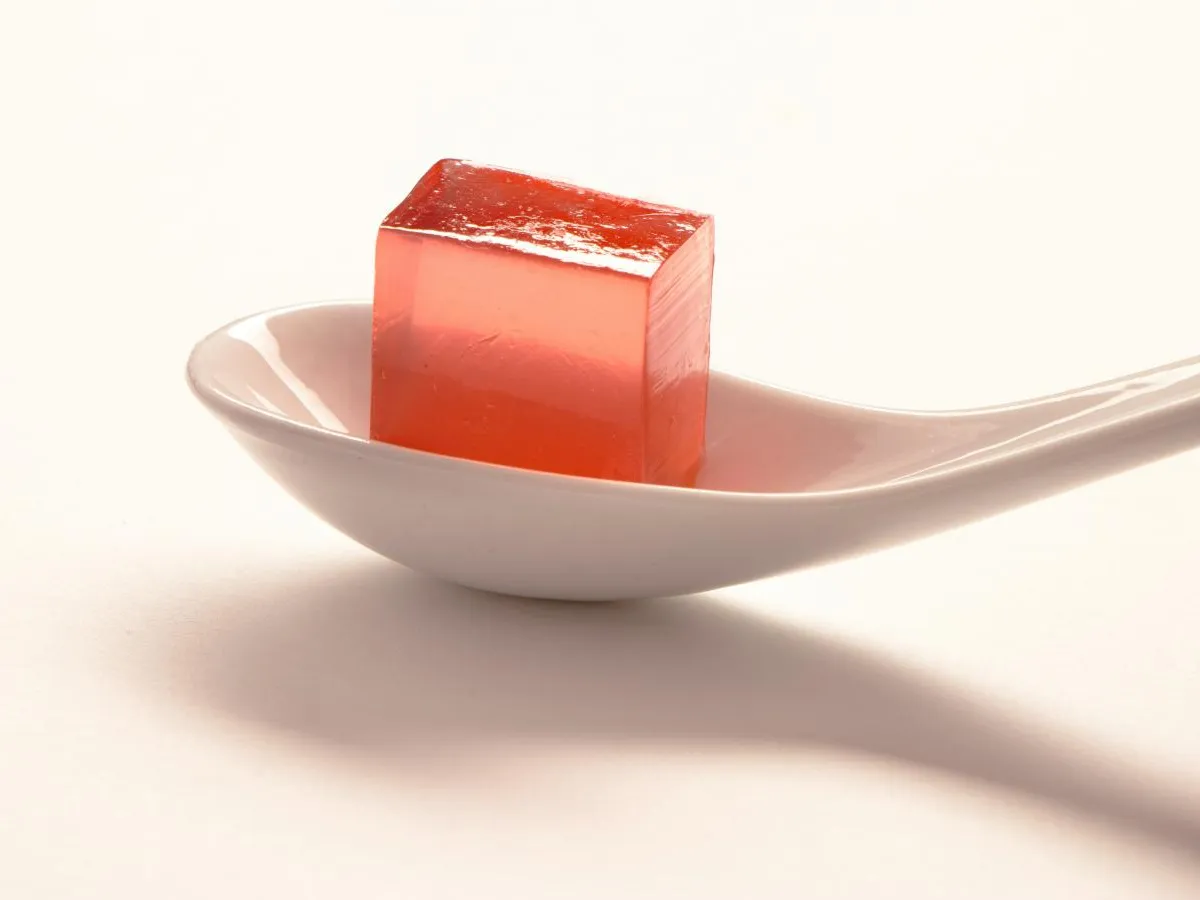
The key difference? Gelatin is a protein from animal collagen; agar is a carbohydrate from red algae.This fundamental distinction drives every other difference between them — and d

In the papermaking industry, modified starch is one of the core additives. Oxidized starch, cationic starch, and esterified starch are mainly used for surface sizing, internal sizi
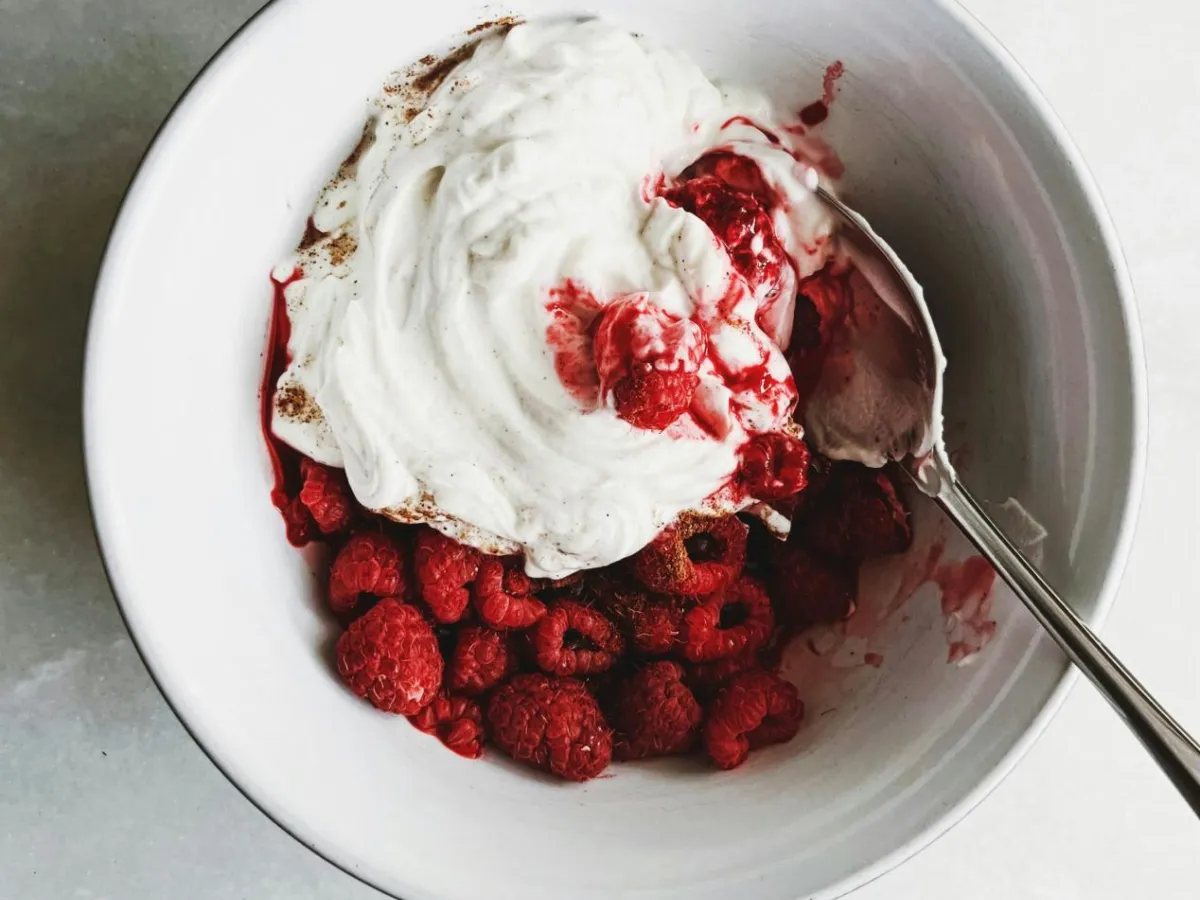
The adoption of pectin in yogurt is not just anecdotal. According to market data, more than half of all new spoonable yogurt launches now contain pectin. This widespread acceptance
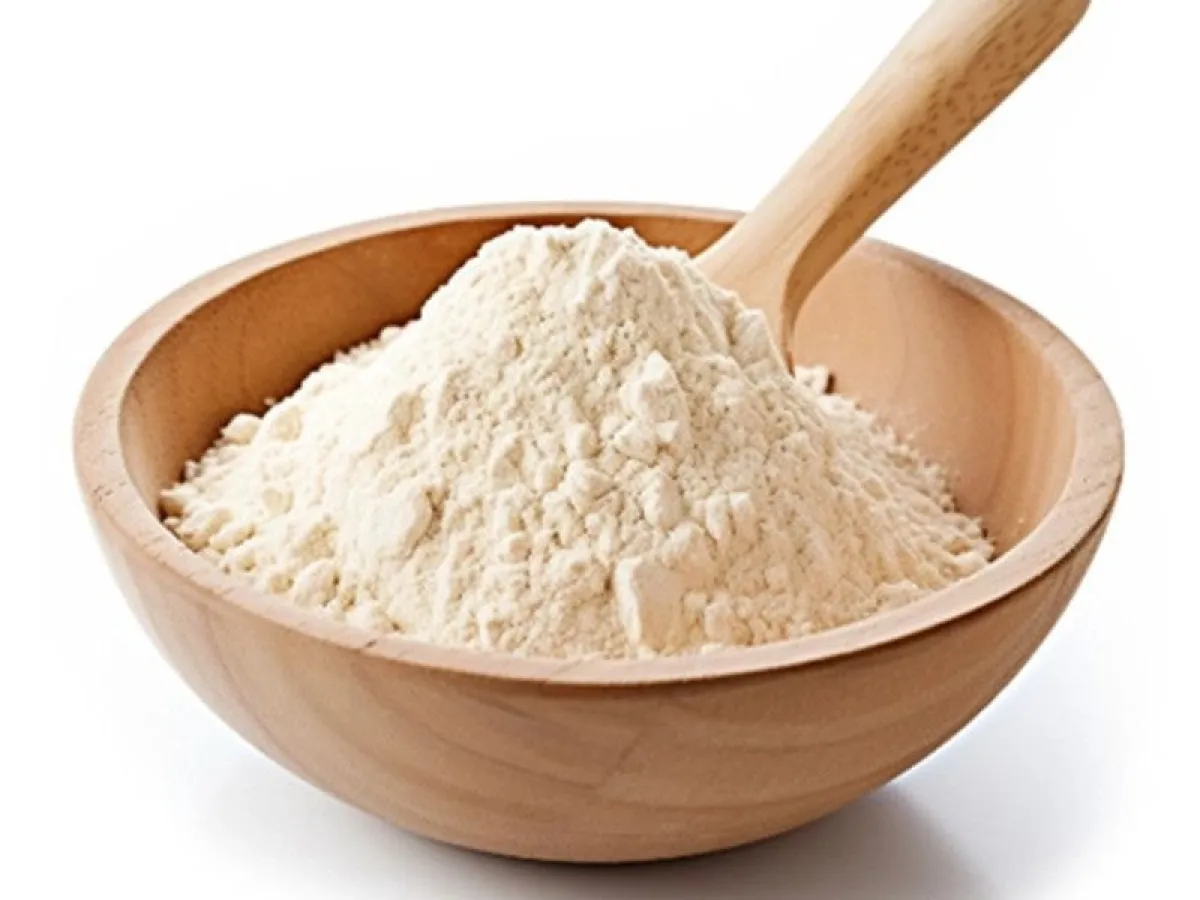
High concentrations of protein ingredients inherently carry a heavy, powdery mouthfeel and astringent notes. The key application detail of gelatin lies in its thermally reversible
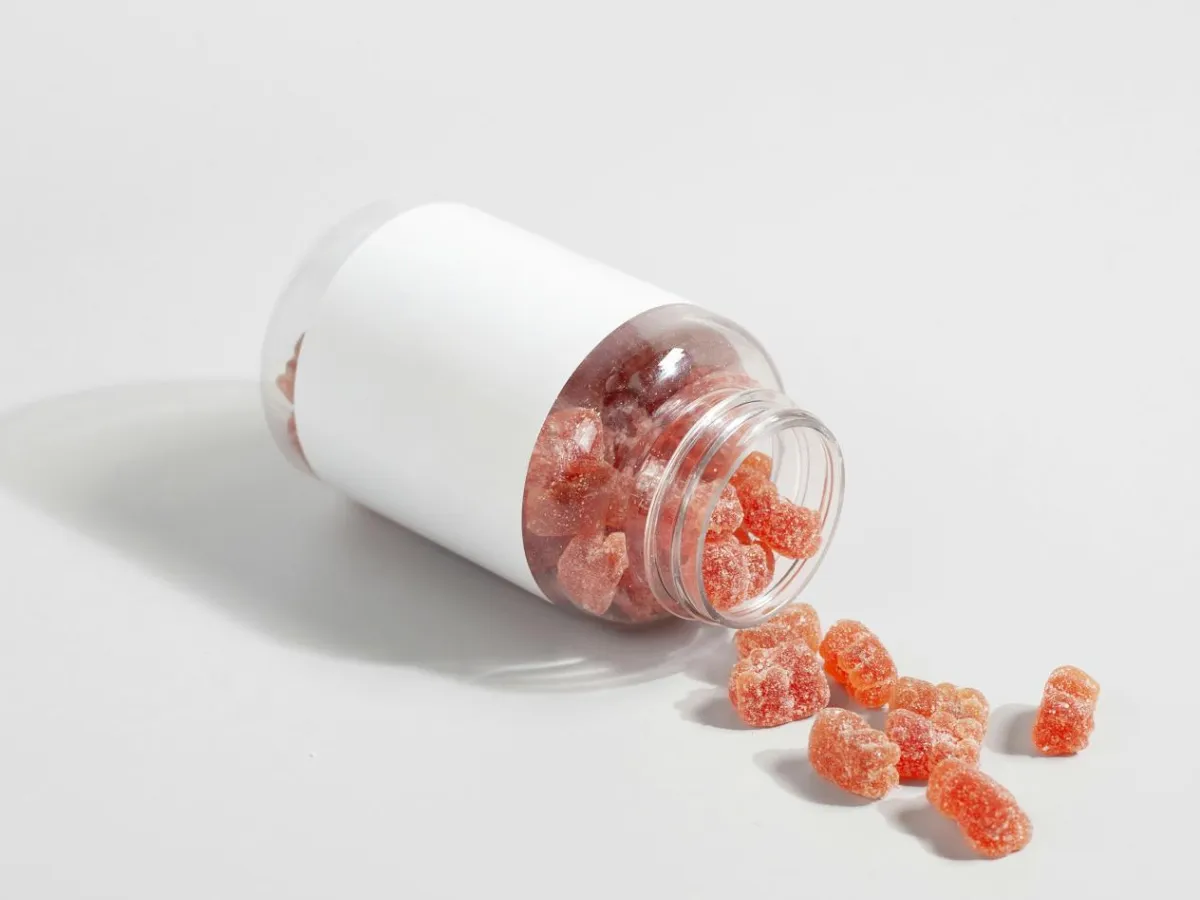
Today, vegan gummies are one of the fastest-growing segments in confectionery. And at the center of this shift stands pectin – a plant-derived hydrocolloid that is proving to be mo
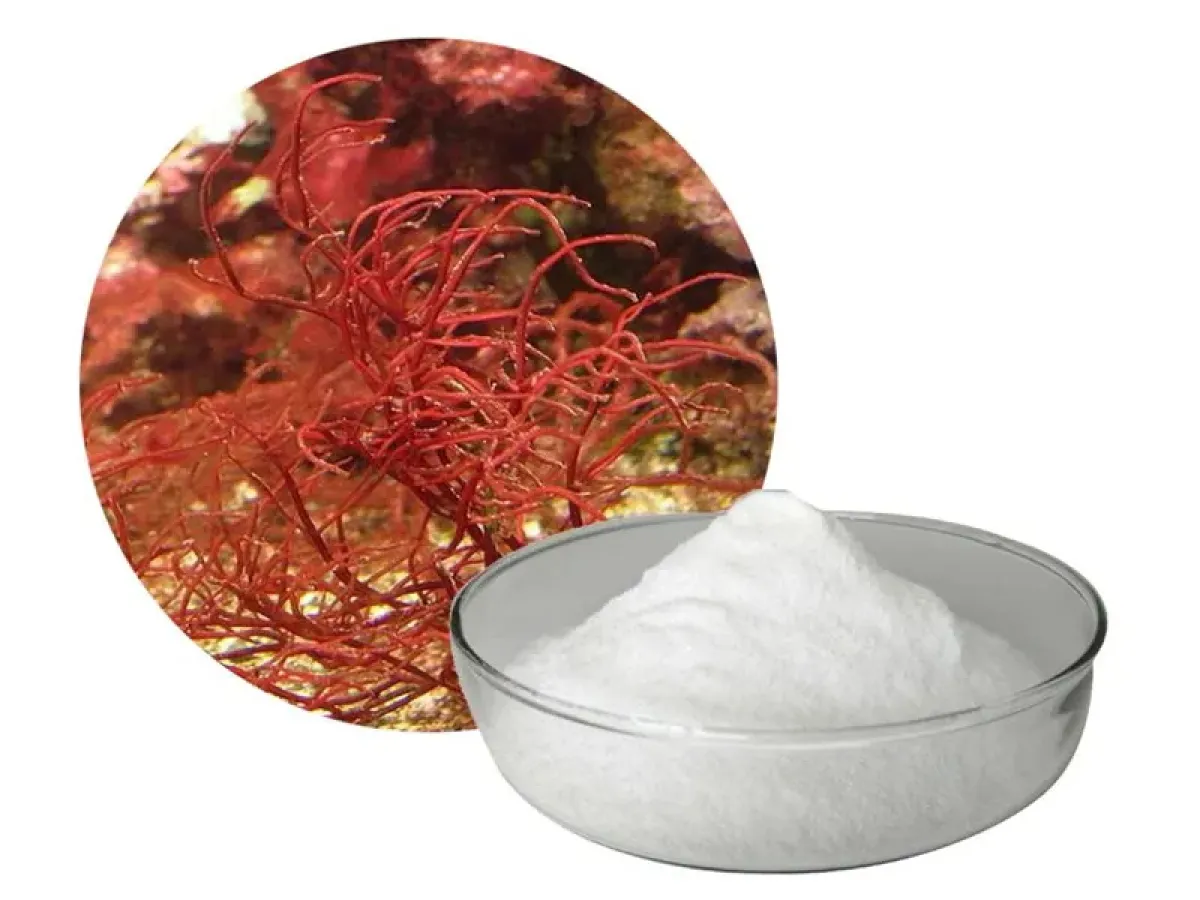
From a physicochemical perspective, carrageenan possesses unique solubility, dissolving in hot water at around 80°C to form a viscous, transparent solution, but insoluble in cold w
The primary role of CMC in toothpaste is to provide the desired texture, consistency, and stability. Specifically, it performs the following critical functions: