Introduction
Polyanionic Cellulose (PAC) is a water-soluble anionic polymer derived from natural cellulose through chemical modification. While widely recognized as a drilling fluid additive, PAC has gained significant attention in oil well cementing operations. In cementing, PAC serves primarily as a fluid loss control agent and rheology modifier, helping to ensure successful zonal isolation and well integrity .
Cementing is a critical operation in oil and gas well construction. It involves pumping cement slurry into the annular space between the casing and the borehole wall. The cement sheath must prevent fluid migration between underground formations and provide structural support for the casing . Any failure in the cement sheath can lead to costly remedial operations or even well control incidents.
Primary Functions of PAC in Cementing
1. Fluid Loss Control
The most important function of PAC in cementing is fluid loss control. During cement placement, water from the cement slurry can filtrate into permeable formations. Excessive fluid loss can:
● Alter the water-to-cement ratio, leading to weakened cement strength
● Cause dehydration and bridging in narrow annular spaces
● Result in incomplete zonal isolation
● Increase the risk of gas migration and sustained casing pressure
PAC addresses these challenges by forming a thin, low-permeability filter cake on the formation wall . The polymer molecules adsorb onto cement particles and formation surfaces, creating a barrier that limits water escape while allowing the slurry to maintain its intended properties.
2. Rheology Modification
PAC enhances the viscosity and gel strength of cement slurries . This improvement provides several benefits:
● Solids suspension: PAC helps keep cement particles and weighting agents uniformly distributed throughout the slurry, preventing sedimentation
● Hole cleaning: Improved rheology ensures effective displacement of drilling fluid from the annulus
● Consistent placement: Proper viscosity helps maintain laminar flow, reducing the risk of channeling
The degree of viscosity enhancement depends on the PAC grade selected. High-viscosity PAC (PAC-HV) provides greater thickening, while low-viscosity PAC (PAC-LV) offers fluid loss control with minimal viscosity impact .
3. Compressive Strength Enhancement
Research has demonstrated that PAC can positively influence the mechanical properties of set cement. A 2023 study investigating PAC-R copolymer in oil well cement found that compressive strength increased when polymer concentration was raised from 10% to 20% .
The mechanism behind this improvement involves PAC's ability to fill micro-cracks and gaps within the cement matrix. By occupying these voids, PAC creates a more uniform and compact microstructure, making the cement more resistant to compressive forces .
Understanding PAC-Cement Interactions
1.The Contamination Challenge
While PAC offers valuable benefits, its interaction with cement requires careful management. Research indicates that PAC can negatively affect cement properties if not properly formulated .
When PAC is added to cement slurry, water molecules bind with the hydroxyl groups (-OH) on the PAC molecular backbone through hydrogen bonds. This creates a cross-linking structure that traps free water, leading to:
● Deterioration of rheological properties
● Inhibition of the cement hydration process
● Reduction in calcium silicate hydrate (C-S-H) content
● Decreased compressive strength
This phenomenon is particularly relevant when PAC contamination occurs from residual drilling fluid, rather than PAC intentionally added to the cement formulation.
2.The Role of Hydration Ions
Cement hydration releases metal ions including Al³⁺ (aluminum) and Fe³⁺ (iron) . These ions can interact with PAC molecules, inducing gel formation through dynamic ionic bonds.
This ion-induced gelation can:
● Hinder homogeneous dispersion of cement particles
● Further deteriorate rheological properties
● Reduce slurry pumpabilityThe deterioration of rheological properties is therefore a coupling effect of both hydrogen bonding and ionic bonding mechanisms .
3.Mitigation Strategies
Research has identified potential solutions to mitigate undesirable PAC-cement interactions:
Metal masking agents: Using agents that bind with Al³⁺ and Fe³⁺ ions can prevent them from interacting with PAC molecules
pH adjustment: Raising the pH of the system can help break the entanglement network, improving contamination resistance
4.Research on Contamination Mitigation
The broader challenge of drilling fluid contamination in cementing has received significant research attention. A 2010 field study in offshore East Kalimantan, Indonesia, demonstrated successful implementation of a novel polyamine-based shale inhibitive system as an alternative to traditional KCl/polymer systems . This system, which combined xanthan gum and PAC for rheology and fluid loss control, successfully cemented 12 wells and reduced dilution rates by approximately two-thirds compared to conventional systems . This field application demonstrates that with proper formulation, PAC-containing systems can be effectively managed in cementing operations.
PAC Grades for Cementing Applications
PAC is available in different grades, each suited to specific cementing requirements :
|
Grade |
Viscosity |
Primary Application in Cementing |
|
PAC-LV (Low Viscosity) |
Low |
Fluid loss control with minimal viscosity increase; ideal for slurries requiring good flow properties |
|
PAC-HV (High Viscosity) |
High |
Fluid loss control combined with significant viscosity enhancement; improves solids suspension |
|
PAC-R |
Medium |
Balanced performance for general cementing applications |
PAC-LV is often preferred in cementing operations because it provides effective filtration control without excessively increasing slurry viscosity, which could complicate pumping operations.
Recommended Dosage
The appropriate PAC dosage depends on specific well conditions and cement formulation requirements. General guidelines include:
Typical range: 0.2% – 0.6% by weight of cement (bwoc)
Higher dosages: May be required for severe fluid loss zones or high-permeability formations
Lower dosages: Suitable for conventional applications with moderate fluid loss control needs
Laboratory testing is strongly recommended to determine optimal dosage for specific downhole conditions and cement formulations.
A supplier document indicates that PAC-LV at 0.57% concentration can achieve API fluid loss values of ≤25.0 mL . The same source indicates that increasing concentration to 0.86% reduces fluid loss to ≤15.0 mL, and to 1.14% further reduces it to ≤10.0 mL . These data points provide practical reference ranges for formulators.
Key Performance Data from Recent Research
A 2023 study from Nazarbayev University investigated PAC-R copolymer in oil well cement under controlled conditions (curing at 80°C for 1 and 3 days). Key findings included :
|
Parameter |
Finding |
|
Curing temperature |
80°C |
|
Curing duration |
1 and 3 days |
|
Effect on compressive strength |
Samples with 10% and 20% PAC-R showed reduced axial stress compared to controls |
|
Concentration effect |
Increasing polymer from 10% to 20% increased compressive strength |
|
Young's modulus |
Significant reduction at 10% concentration; increased at 20% |
|
Mechanism |
Polymer filled micro-cracks, creating more uniform matrix |
These results suggest that optimal PAC concentration requires careful balancing. Lower concentrations may reduce mechanical properties, while adequate concentrations can enhance them through crack-filling mechanisms.
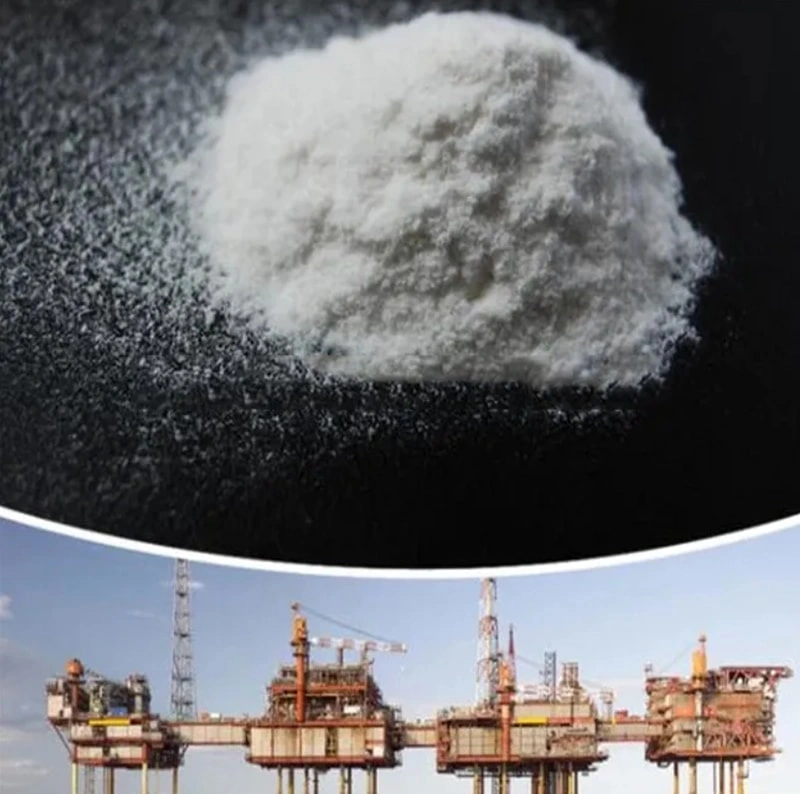
Advantages of PAC for Cementing
Challenges and Considerations
Potential Negative Effects
Despite its benefits, PAC must be carefully formulated to avoid:
● Rheological deterioration: Excessive PAC can cause unacceptable viscosity increases
● Hydration inhibition: PAC can slow cement hydration if not properly balanced
● Reduced early strength: Some formulations show decreased compressive strength at certain concentrations
Best Practices
To successfully apply PAC in cementing:
● Select appropriate grade: Use PAC-LV when viscosity control is critical; PAC-HV when suspension is the primary concern
● Optimize dosage through testing: Conduct laboratory tests to determine the ideal concentration for specific well conditions
● Consider ion interactions: Be aware that Al³⁺ and Fe³⁺ from cement hydration can create gels with PAC
● Use metal masking agents when needed: These can mitigate undesirable polymer-ion interactions
● Monitor pH conditions: Higher pH can help break entanglement networks
Conclusion
Polyanionic Cellulose is a valuable additive for oil well cementing, offering significant benefits in fluid loss control, rheology modification, and potentially compressive strength enhancement. When properly formulated, PAC helps ensure successful zonal isolation and long-term well integrity.
However, the interaction between PAC and cement is complex. The polymer's ability to trap water through hydrogen bonds and form gels with hydration-released ions requires careful formulation optimization. Metal masking agents and pH adjustment can mitigate these challenges.
As drilling operations target deeper, hotter, and more challenging formations, the role of high-performance additives like PAC in cementing will continue to grow. Success depends on understanding both the benefits and the mechanisms of PAC-cement interaction, followed by systematic laboratory testing to develop optimal formulations for specific well conditions.
In the international food and dietary supplement industries, sodium alginate and carrageenan are two widely used seaweed-derived hydrocolloids. Despite their shared origin, the und
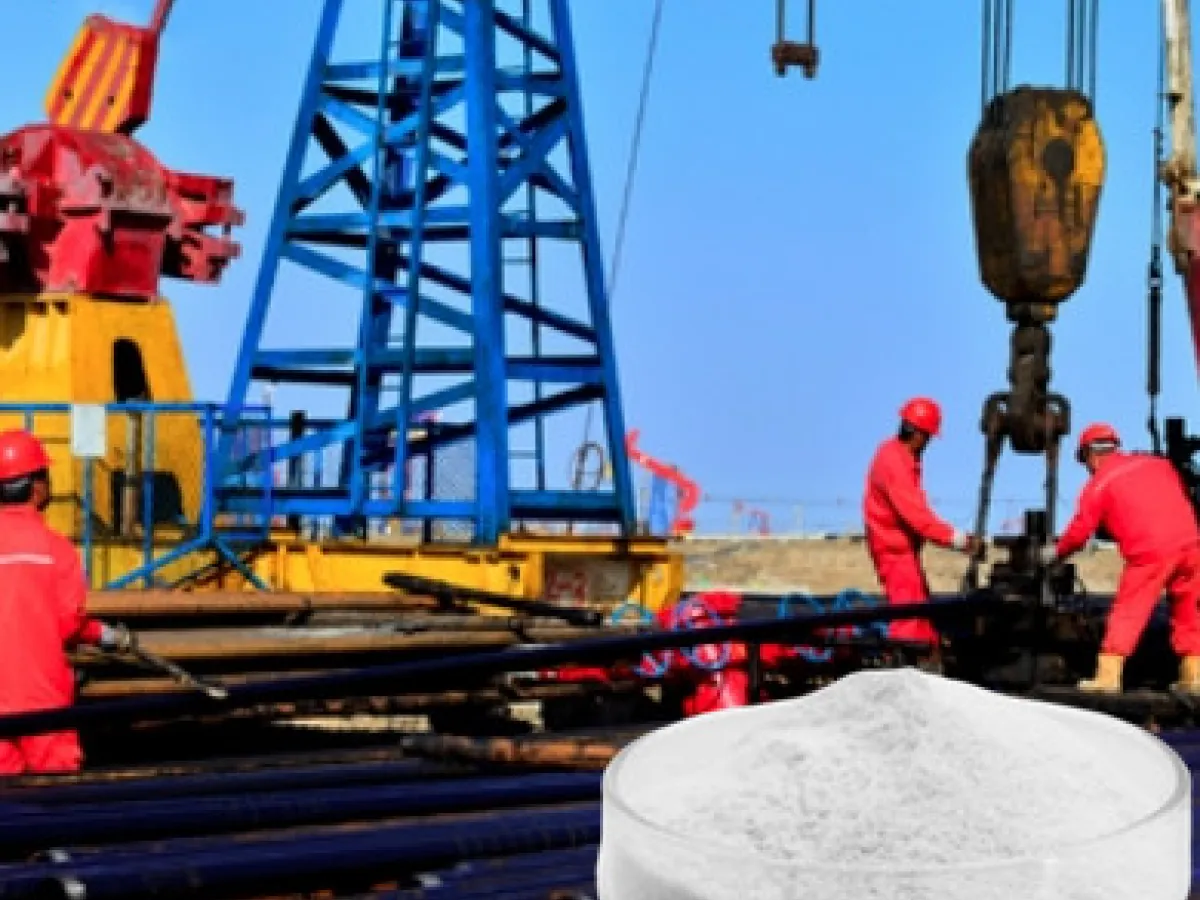
In oil and gas drilling operations, the prosperity of a drilling process heavily depends on the rheological properties and filtration behavior of drilling fluids . Uncontrolled flu
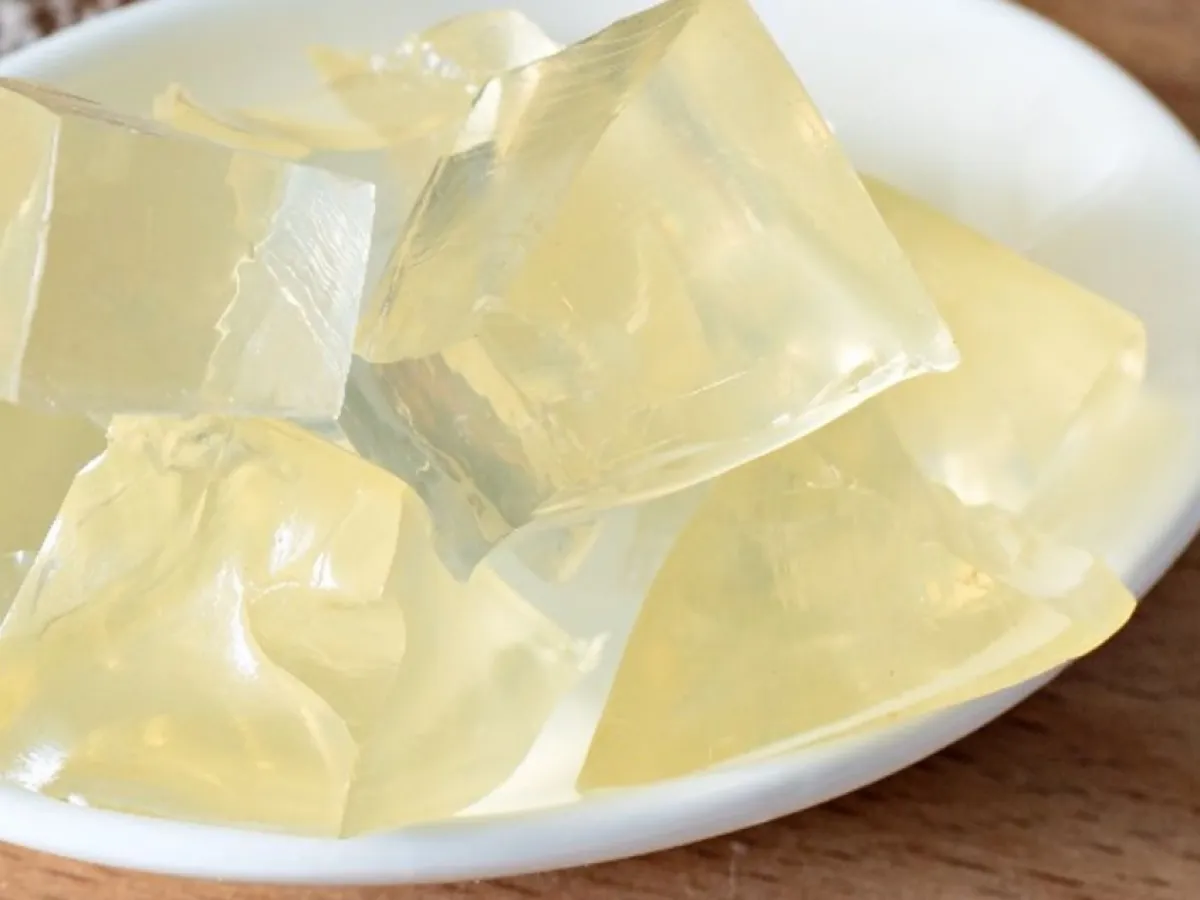
The first step in making gelatin gummies is to allow the gelatin to fully hydrate. Gelatin does not dissolve in cold water, but it can absorb water and swell in cold water. This pr
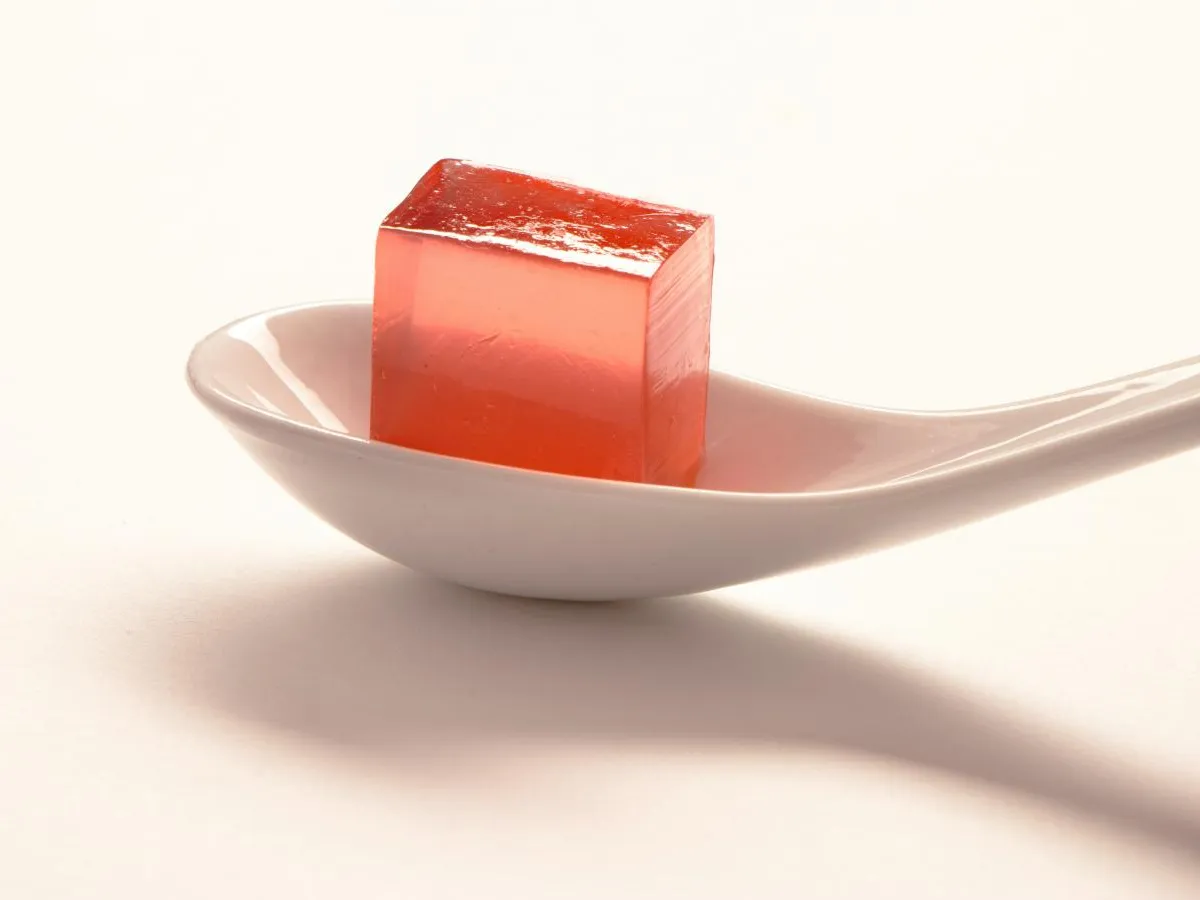
The key difference? Gelatin is a protein from animal collagen; agar is a carbohydrate from red algae.This fundamental distinction drives every other difference between them — and d

In the papermaking industry, modified starch is one of the core additives. Oxidized starch, cationic starch, and esterified starch are mainly used for surface sizing, internal sizi
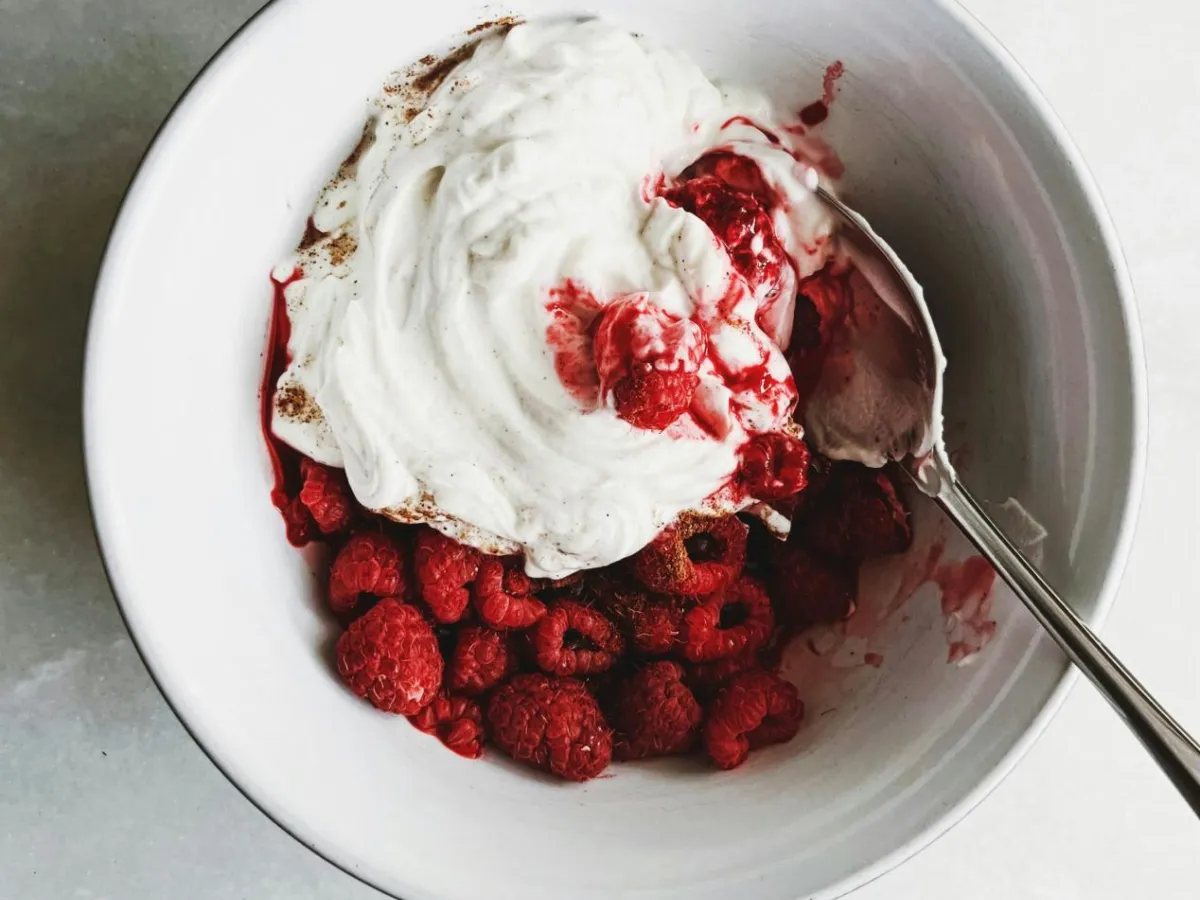
The adoption of pectin in yogurt is not just anecdotal. According to market data, more than half of all new spoonable yogurt launches now contain pectin. This widespread acceptance
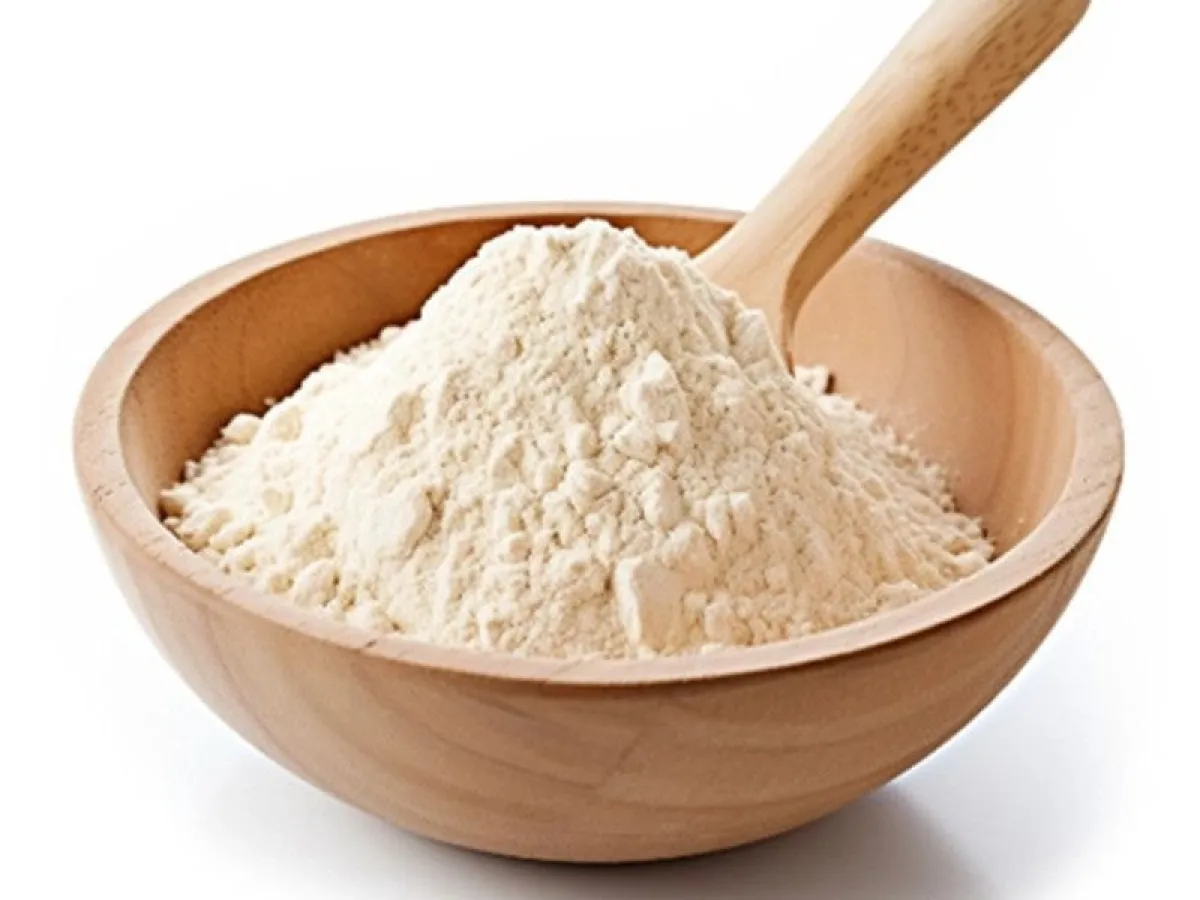
High concentrations of protein ingredients inherently carry a heavy, powdery mouthfeel and astringent notes. The key application detail of gelatin lies in its thermally reversible
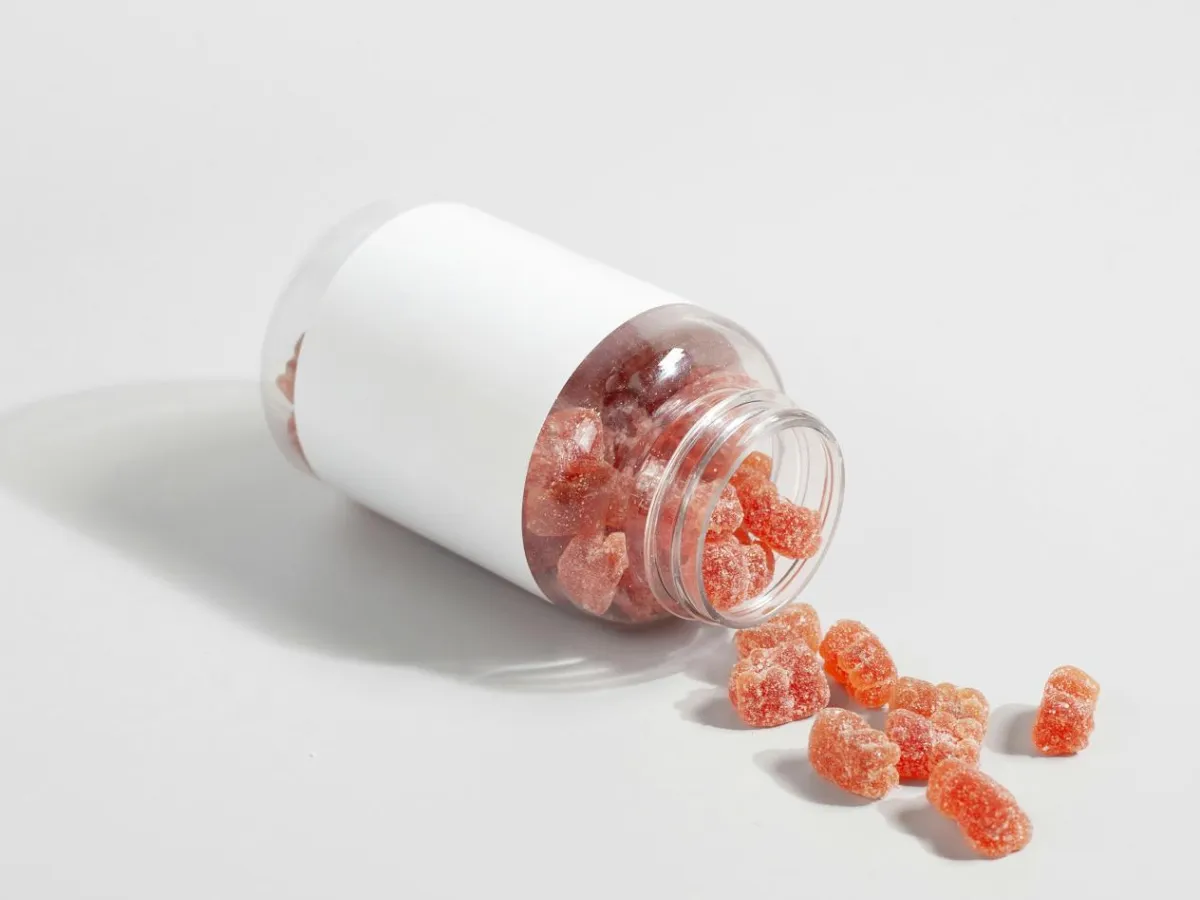
Today, vegan gummies are one of the fastest-growing segments in confectionery. And at the center of this shift stands pectin – a plant-derived hydrocolloid that is proving to be mo
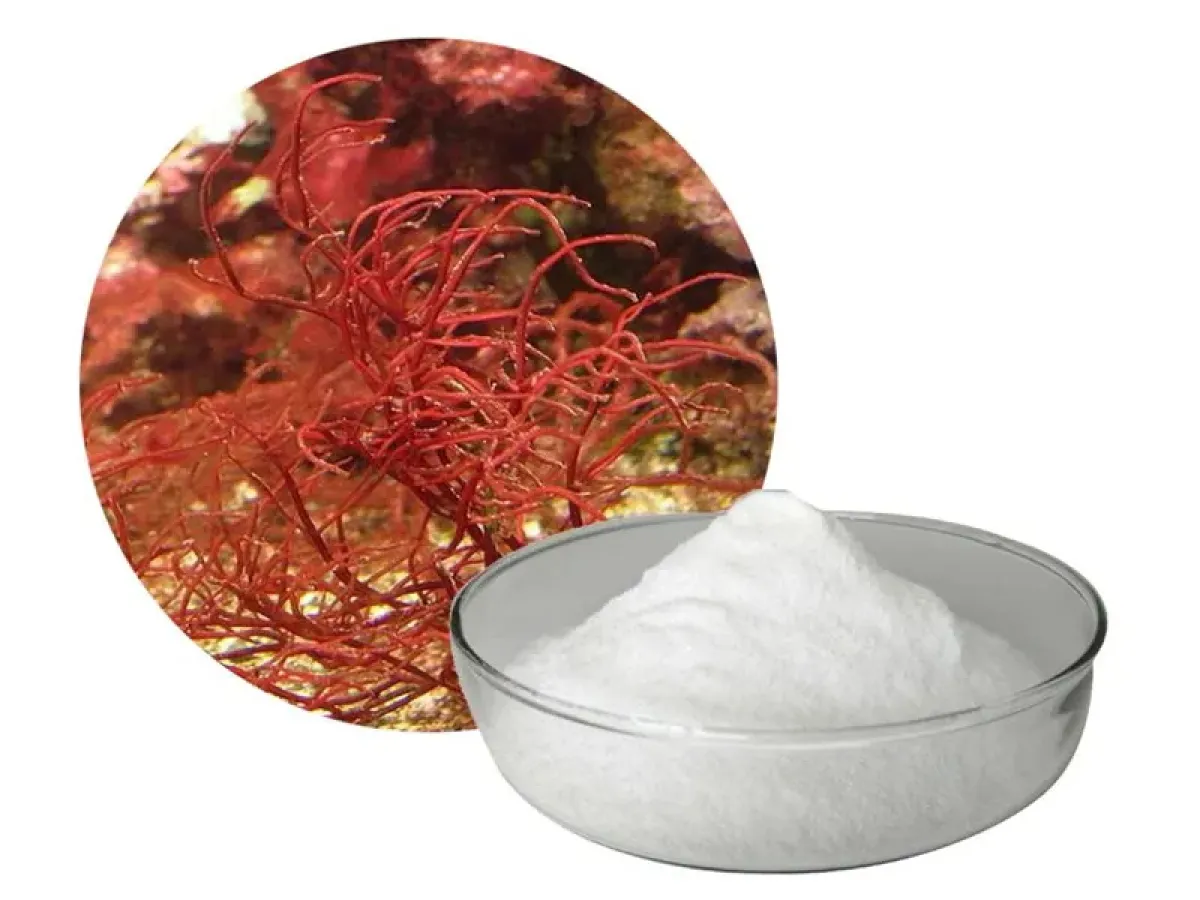
From a physicochemical perspective, carrageenan possesses unique solubility, dissolving in hot water at around 80°C to form a viscous, transparent solution, but insoluble in cold w
The primary role of CMC in toothpaste is to provide the desired texture, consistency, and stability. Specifically, it performs the following critical functions: