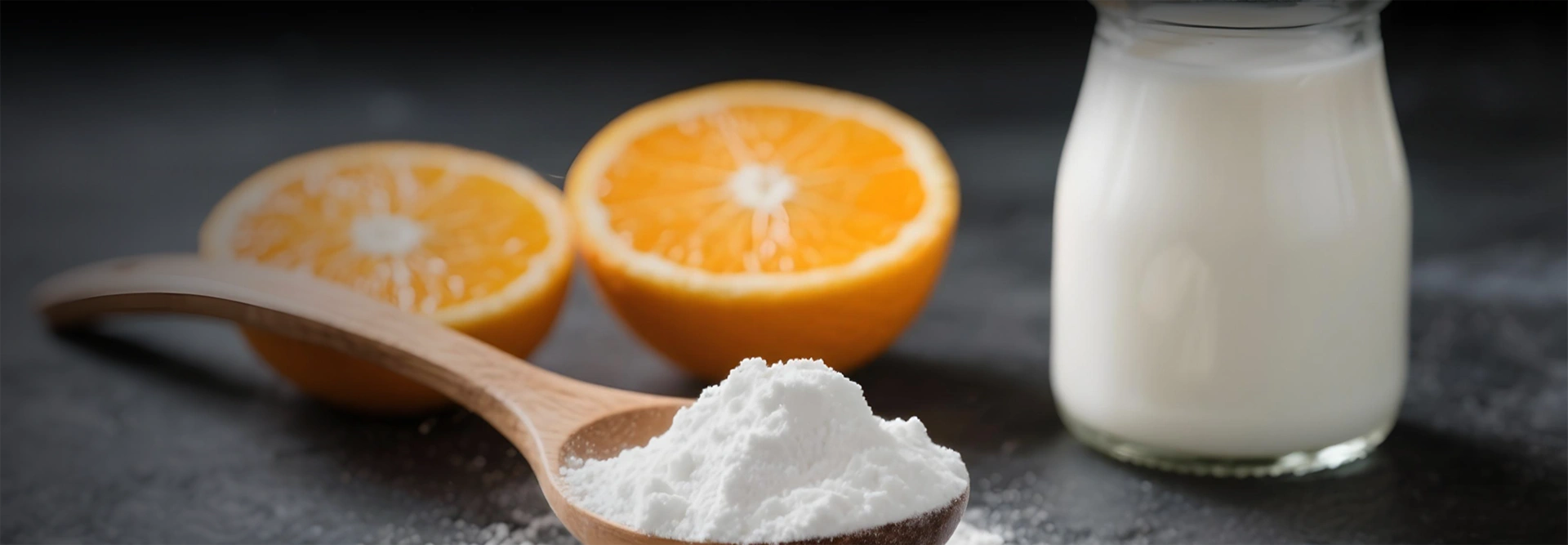
Anyone who has made desserts, prepared microbiological media, or tried their hand at plant-based puddings has likely experienced that frustrating moment: following the instructions precisely, waiting patiently for cooling, only to find the liquid remains stubbornly runny — or worse, sets weakly and crumbles at the slightest touch. As a professional agar supplier, we receive inquiries about "why won't my agar set" almost daily.
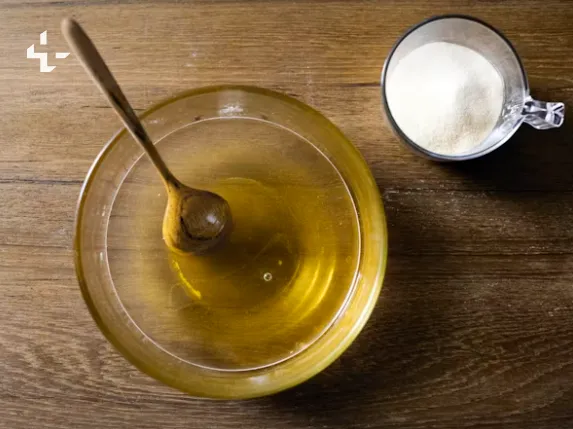
Insufficient Heating: Agar Requires Boiling to Activate
This is the most common and easily fixable mistake. Many assume that simply dissolving agar is sufficient, but agar's gelling mechanism depends on complete hydration and molecular chain unfolding — which can only be achieved at near-boiling temperatures. Agar does not dissolve in cold water; it only absorbs water and swells. It begins to dissolve at around 60-70°C, but the agar molecules can only fully unwind and form a uniform three-dimensional network when the liquid reaches 80-95°C and is maintained at a rolling boil for 1-2 minutes. If you only use warm water or stop heating at 50-60°C, the agar molecules will not fully unfold and will fail to form a gel upon cooling.
Solution: Stir continuously during heating. Bring the liquid to a full boil and maintain it for 1-2 minutes, ensuring all agar particles or strips are completely dissolved before removing from heat. Agar strips require longer boiling (approximately 3-5 minutes) to fully release their gelling components.
Incorrect Dosage — Too Little or Too Much
The amount of agar added directly affects gel firmness and stability. In microbiological media, the standard concentration for powdered agar is 1.0%–1.5% (10–15 grams per liter). In food applications, a good starting point is 1 gram of agar powder per 100 milliliters of liquid, adjusted according to your desired texture. Too little agar means the molecules cannot form a continuous network, resulting in a runny or semi-liquid product. Too much agar, on the other hand, leads to an overly firm, brittle gel, potentially with sediment at the bottom or surface syneresis (weeping).
Solution: Use a precision scale for measurement; avoid estimating by eye. Different brands and batches may vary in gel strength. When using a new product, run a small-scale test first to determine the optimal ratio.
3. Improper pH — The Overlooked Hidden Culprit
pH is a critical but often neglected factor in agar gelation. Agar performs best in a neutral pH range of 6.0–7.0. When pH drops below 4.0, the glycosidic bonds in the agar molecular backbone undergo acid-catalyzed hydrolysis under heating conditions, breaking the molecular chains and causing gel strength to plummet — or disappear entirely. If your recipe includes highly acidic fruits such as lemon, strawberry, kiwi, or pineapple, or uses acidic additives like vinegar or tartaric acid, this is likely the root cause of your failure. At the other extreme, when pH exceeds 10.0, alkaline conditions also compromise agar's structural integrity.
Solution: For highly acidic formulations, adjust the fruit juice pH to above 5.0 before adding agar (using a small amount of sodium bicarbonate or sodium citrate as a buffer). Alternatively, dissolve and boil the agar fully in neutral water first, then mix it with the acidic components. For applications requiring pH adjustment, use a pH meter for precise measurement and record your results.
4. Insufficient or Uneven Mixing
Agar powder tends to settle in solution, resulting in higher concentration at the bottom and lower concentration at the surface. Without thorough mixing before pouring or molding, gel consistency cannot be guaranteed. This is especially relevant when preparing microbiological media: failing to swirl the flask thoroughly after autoclaving and before pouring plates will lead to noticeable variations in solidification across different plates from the same batch.
Solution: Maintain continuous stirring during heating, and give the solution another thorough stir after removing from heat and before it cools to its gelling temperature. For larger-scale production, consider using heating equipment with built-in agitation.
5. Ionic Interference — Effects of Salts and Other Hydrocolloids
Certain ions in solution can interfere with agar gel network formation. Studies show that salts such as calcium chloride and sodium chloride reduce agar's gel strength and setting temperature at certain concentrations. Additionally, if your formulation includes other hydrocolloids (such as carrageenan, locust bean gum, or xanthan gum), improper ratios may inhibit gelation — synergistic effects only occur at specific proportions.
Solution: If your formulation has high salt content, compensate by increasing the agar dosage by 0.2%–0.5%. When using blended hydrocolloids, consult your supplier's technical team for recommended ratios before experimenting on your own.
6. Improper Cooling Conditions
Agar's gelling temperature range is approximately 32–45°C, significantly lower than its melting temperature (about 80–95°C) — a phenomenon known as thermal hysteresis. Many people place hot liquids directly into the refrigerator to speed up cooling, but if the liquid has not cooled sufficiently to below room temperature, the core region may not yet have reached the gelling point, leading to uneven solidification. On the other hand, if the ambient temperature is too high (such as in a summer kitchen), the liquid cools too slowly, and agar molecules may partially degrade during prolonged exposure to elevated temperatures.
Solution: Leave the container of agar solution at room temperature to cool naturally for 30–60 minutes, then transfer to the refrigerator. Avoid moving or shaking the container during this period, as this can disrupt the forming gel network. Chill for at least 1–2 hours; thicker gels require longer refrigeration.
7. Quality Issues with the Agar Itself
If all the above steps are correct but your agar still fails to set, the issue likely lies with the raw material. Low-quality agar may have lost gel strength due to improper storage (moisture absorption), or may contain excessive impurities from substandard production processes. Furthermore, agar powder and agar strips differ considerably in gel strength, and products from different origins (such as East Asia, South America, etc.) vary in viscosity and clarity — requiring selection based on your specific application.
Solution: Choose agar products with stable gel strength, traceable quality, and third-party test reports. Store in sealed, light-protected containers in a cool, dry place to prevent moisture absorption and degradation. Upon receiving a new batch, always conduct a small-scale validation test before moving to full production.
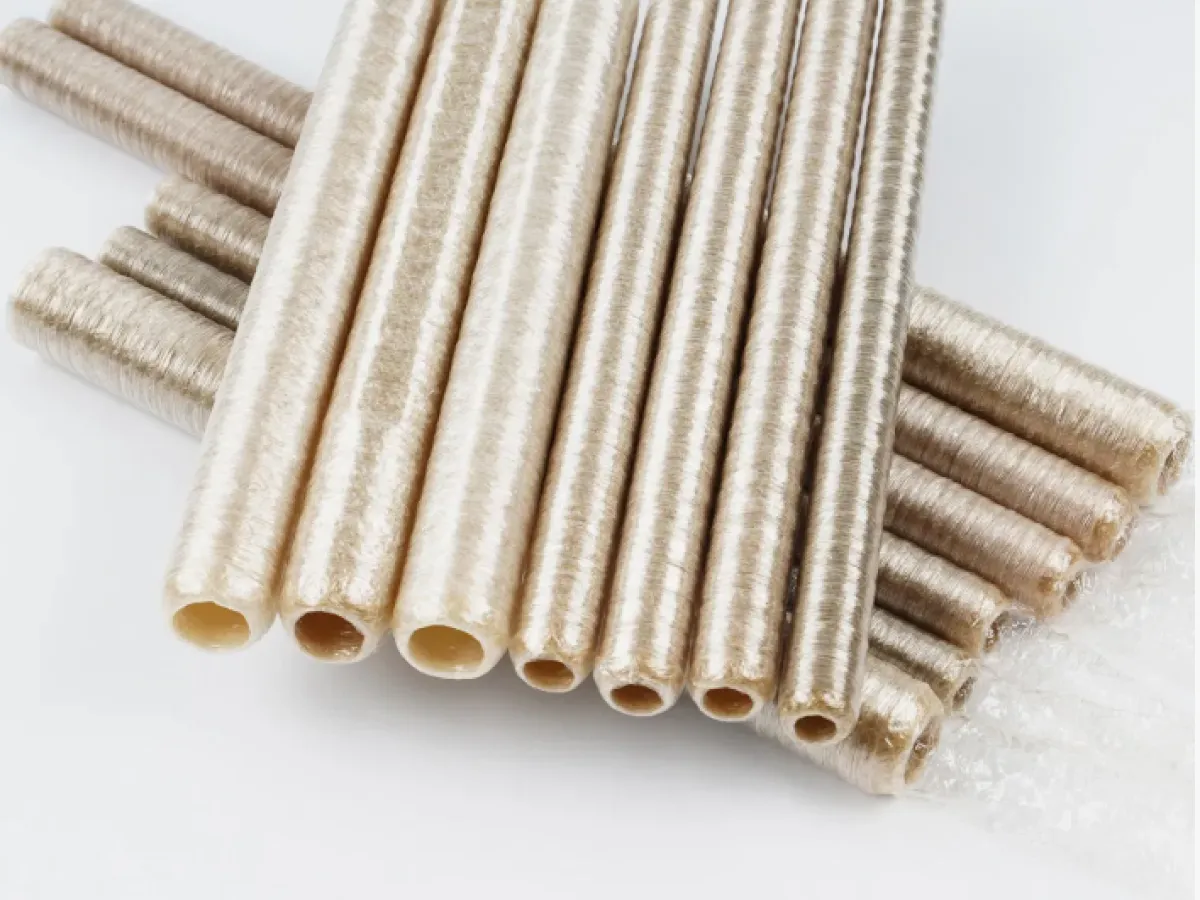
This guide provides a detailed comparison to help you determine which casing type best fits your production requirements.
The casein gel network formed during yogurt fermentation is structurally fragile and prone to rupture during transportation or refrigeration, leading to whey separation. Upon cooli

Aqueous solutions of welan gum exhibit typical pseudoplastic fluid characteristics, namely high apparent viscosity at low shear rates and a pronounced decrease in viscosity as the
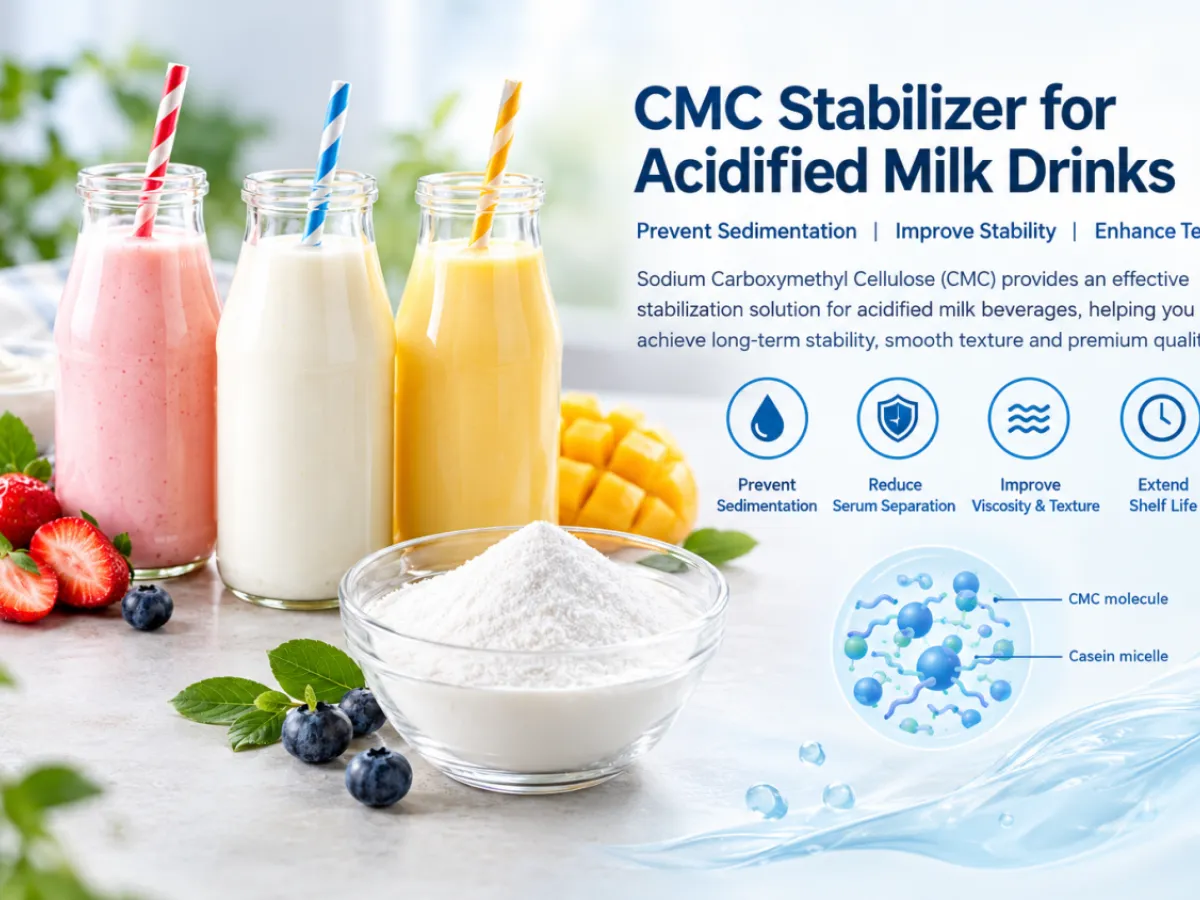
During storage, many acidified dairy beverages may experience problems such as protein aggregation, sedimentation, serum separation and viscosity loss, resulting in poor appearance
Sodium alginate is primarily derived from brown algae and exhibits excellent thickening, stabilizing, film-forming, and gelling properties.

From an application perspective, collagen powder has good compatibility. It can be compounded with vitamins, hyaluronic acid, elastin, probiotics, dietary fiber, and many other ing
Modified starch relies on heat-induced gelatinization to form a viscous system; it establishes stable viscosity only after sufficient heating and provides no thickening effect in c

Single hydrocolloids always have limitations: xanthan gum alone provides insufficient oil dispersion and tends to release oil; agarose alone lacks suspension power and tends to sep
Dust pollution generated during coal mining, transportation, stockpiling, and handling poses severe health risks to workers, contaminates the environment, and creates safety hazard
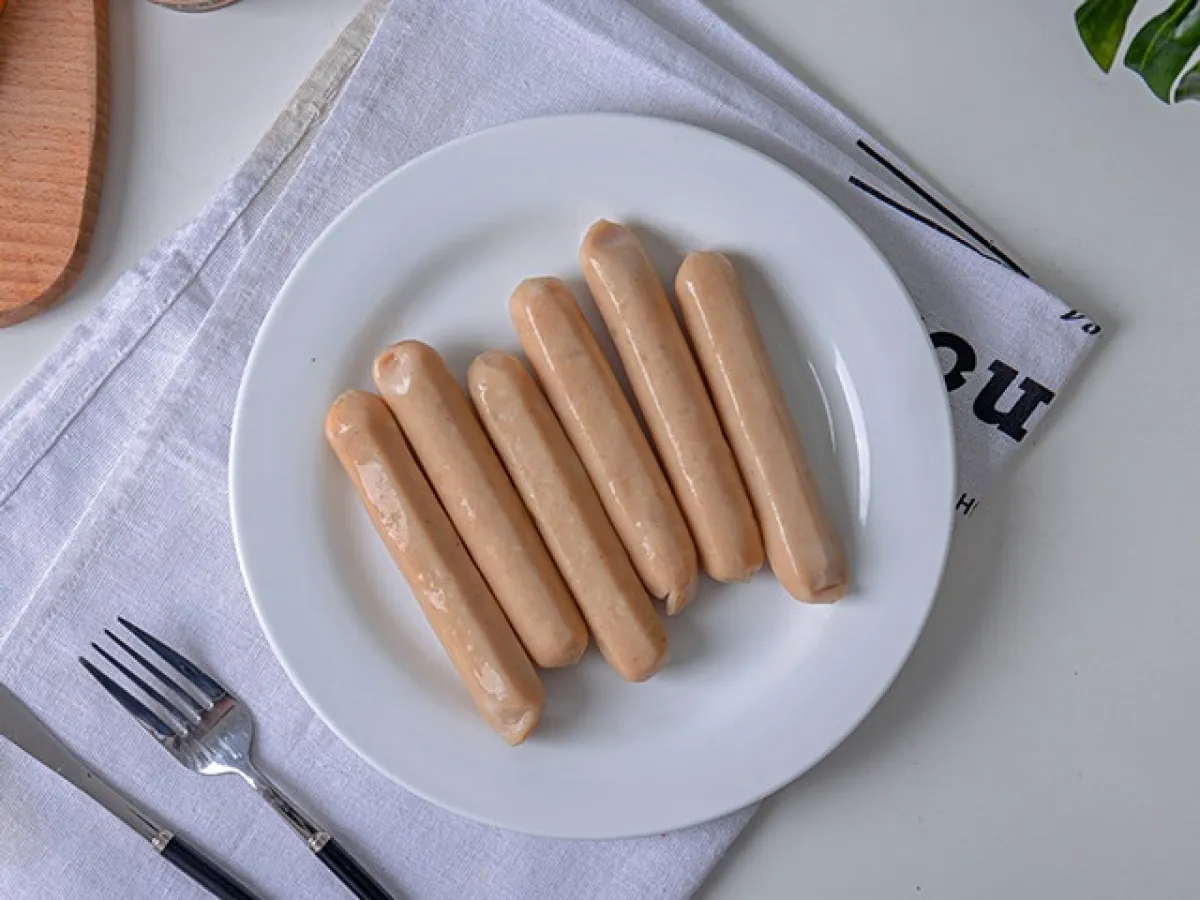
This knowledge article explains the fundamental differences between edible and non-edible collagen casings across material composition, manufacturing, applications, handling, and p