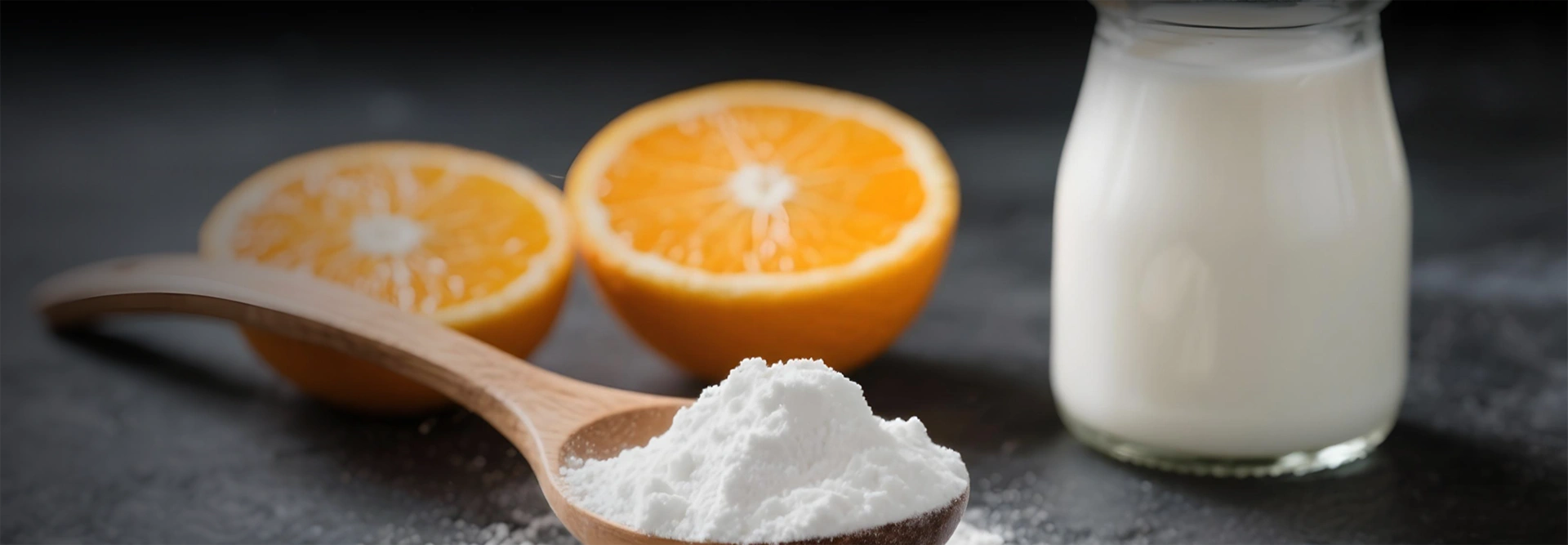
Walk down any beverage aisle, and you will find one ingredient appearing on label after label: citric acid. It is not there by accident. This organic acid does far more than provide a tart taste. It balances sweetness, protects color, extends shelf life, and even supports effervescence in powdered drink mixes.
What Makes the Monohydrate Form the Industry Standard
Citric acid monohydrate (C₆H₈O₇·H₂O) carries one molecule of crystallization water per citric acid unit. This small structural difference has significant practical implications.
In beverage production, the monohydrate form offers better handling characteristics in humid environments. Unlike anhydrous citric acid, which tends to absorb moisture and cake at relative humidity above 75%, the monohydrate remains free-flowing. This means consistent dosing, less production downtime, and fewer quality deviations during humid summer months. The monohydrate form also dissolves readily in cold water, making it ideal for syrups and liquid beverage systems.
A Clean, Bright Acidity That Works Across Beverage Categories
Citric acid delivers what food scientists describe as a "pleasantly sour, round and well-balanced" taste. This clean flavor profile is why it dominates carbonated beverages, fruit juices, and sports drinks worldwide. Its natural occurrence in citrus fruits makes it particularly compatible with orange, lemon, and lime flavor systems. However, its versatility extends far beyond citrus — it enhances berry, tropical fruit, and even cola profiles when balanced with other ingredients. A key advantage is how quickly the sourness hits and then fades. Unlike malic acid, which can leave a lingering sensation, citric acid provides an immediate, clean lift that refreshes without overstaying.
pH Control: The Foundation of Stability and Safety
The primary role of citric acid in beverages is pH adjustment — typically targeting a range of 2.5 to 4.0 for most soft drinks and juices. At these pH levels, microbial growth is suppressed, extending product shelf life without relying on synthetic preservatives. There is an important nuance here. Citric acid has three pKa values (3.13, 4.76, and 6.40) , giving it buffering capacity across a broader pH range than two-proton acids like malic or tartaric acid. This means beverage pH is less likely to drift during storage — a critical factor for large-scale production and global distribution.

How Citric Acid Compares to Other Acidulants
Malic acid provides a different sourness profile — less sharp initially but lingering longer on the palate. This makes it valuable in sugar-free beverages where it can mask the metallic aftertaste of certain sweeteners. However, malic acid has a narrower buffering range (only two pKa values) and weaker chelating ability than citric acid. Tartaric acid is the sharpest of the common acidulants, with a distinctive astringent note that pairs naturally with grape flavors, but its limited availability and higher cost restrict its use to specific applications. Phosphoric acid — the only inorganic acid in widespread beverage use — delivers a sharp, biting sourness and is the signature acidulant in colas, but it lacks any chelating function and offers no flavor synergy with fruit systems.
Recommended Starting Points
|
Beverage Category |
Typical Usage |
Primary Function |
|
Carbonated soft drinks |
1.2–1.5 g/kg |
Acidity, effervescence support |
|
Fruit juices |
0.1%–0.3% |
Flavor balance, color protection |
|
Energy/sports drinks |
0.1%–0.6% |
pH control, mouthfeel |
|
Effervescent powders |
30%–40% |
CO₂ generation |
Why the Monohydrate Form Is the Practical Choice
Beverage production is a wet environment — syrups, rinses, steam, and humidity are part of the daily routine. In this context, the monohydrate form's resistance to moisture absorption translates directly into operational reliability. It stores well, meters accurately, and dissolves quickly. These may not be glamorous qualities, but for production managers, they are the qualities that keep lines running.
Contact us for a free sample and technical consultation — and see how the right acidulant can transform your beverage.

Citric acid monohydrate (C₆H₈O₇·H₂O) carries one molecule of crystallization water per citric acid unit. This small structural difference has significant practical implications.
In modern meat processing, the casing you choose impacts more than just your sausage's appearance—it influences production efficiency, product consistency, and your bottom line. As
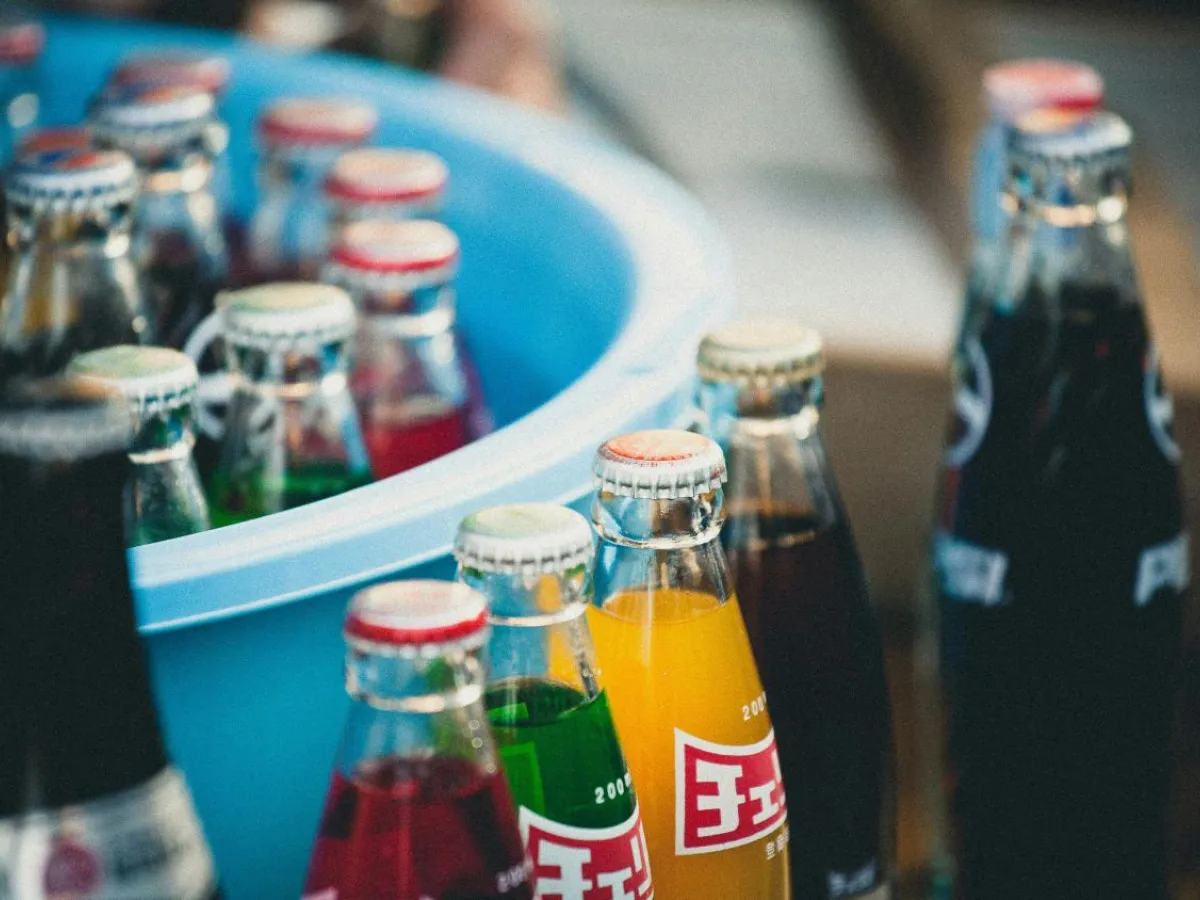
Citric acid monohydrate is the hydrated crystalline form of naturally occurring citric acid, found in citrus fruits. Its chemical formula is C₆H₈O₇·H₂O, and it appears as colorless
High-Temperature Resistant to Cooking, Unchanged Texture After Sterilization
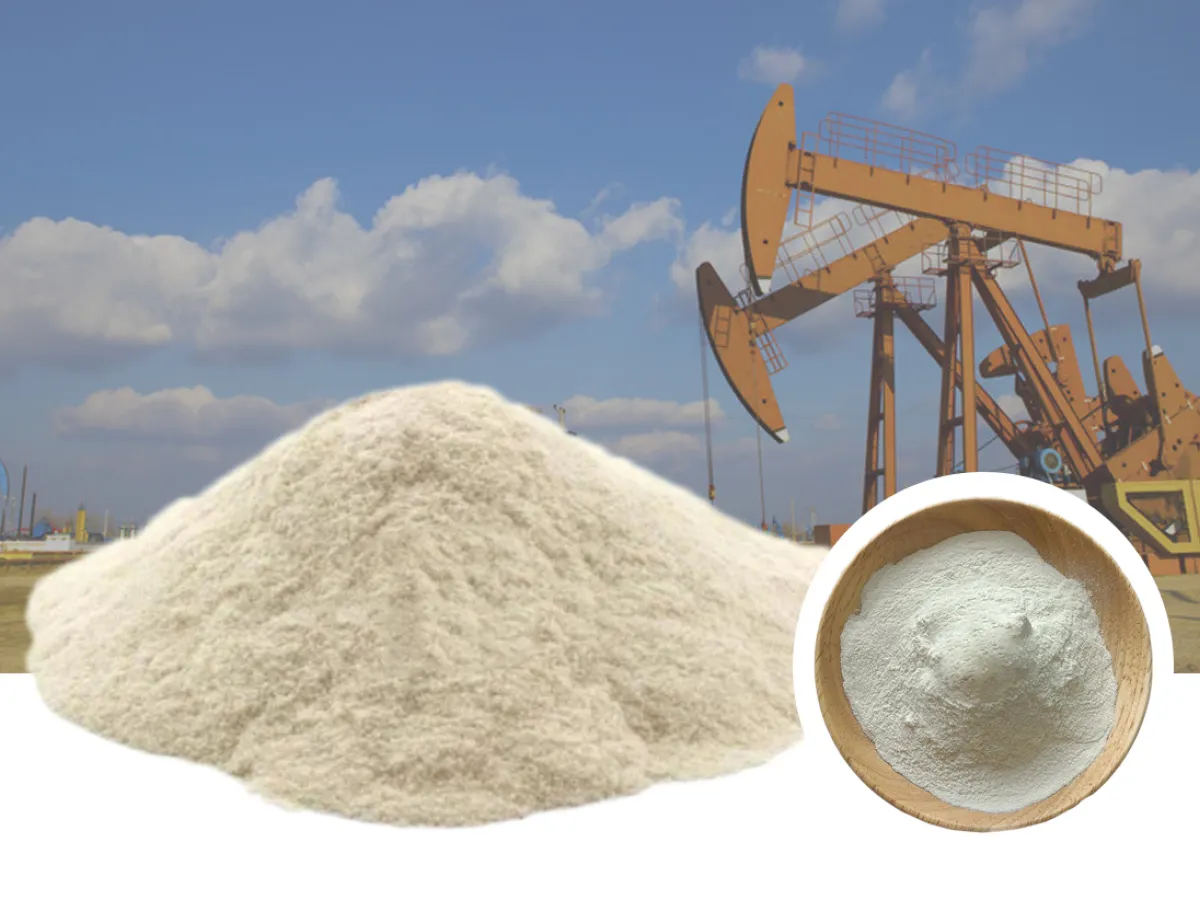
Polyanionic Cellulose (PAC) is a high-performance water-soluble polymer derived from cellulose through etherification, distinguished by its high degree of substitution (DS ≥ 0.85)
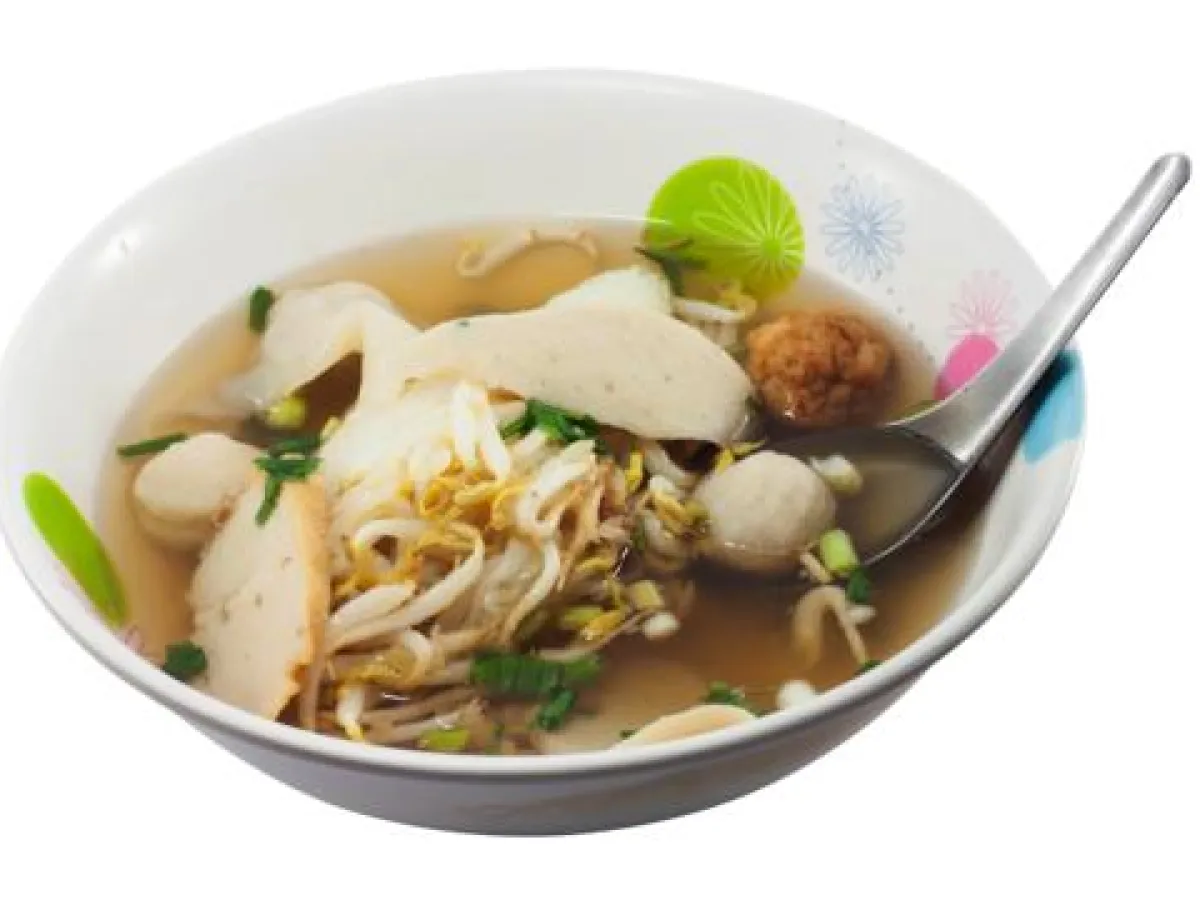
The global surimi market continues to expand as consumers increasingly seek convenient, nutritious, and high-quality seafood products. However, surimi manufacturers face ongoing ch
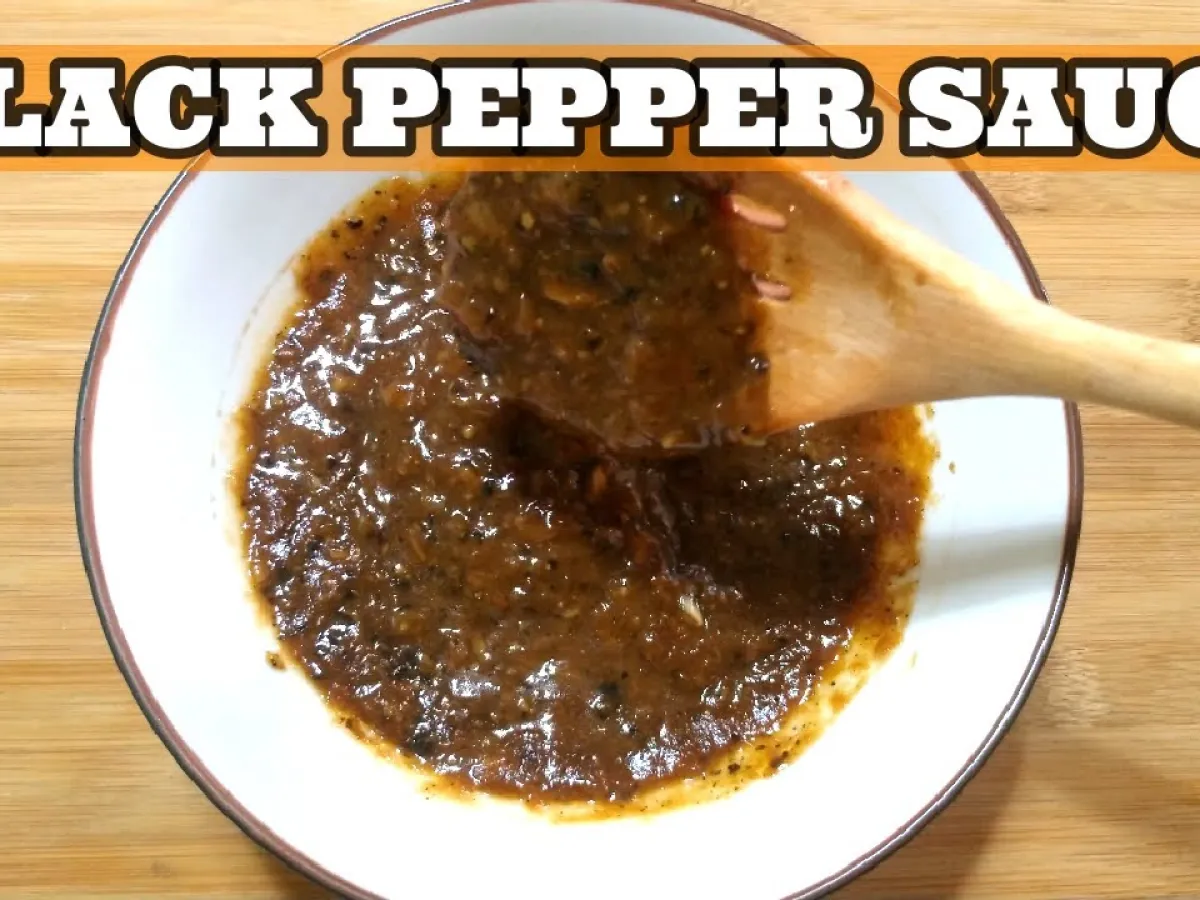
Nourisi® modified starch can cover all major sauce categories at home and abroad, and different formulas can be precisely matched with exclusive models. A professional technical te

This is the problem that bake-stable pectin was designed to solve.
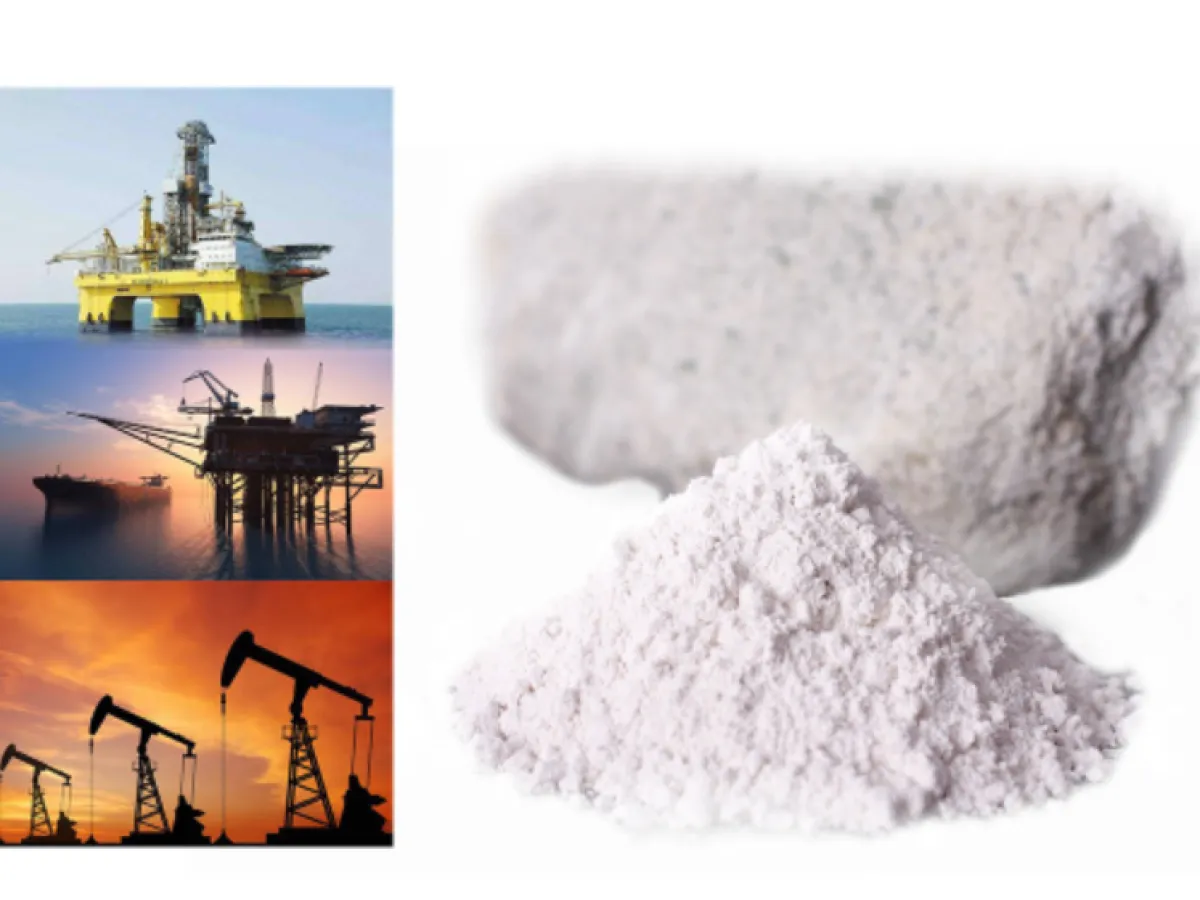
Polyanionic Cellulose (PAC) is a water-soluble anionic polymer derived from natural cellulose through chemical modification, specifically by introducing carboxymethyl groups onto t
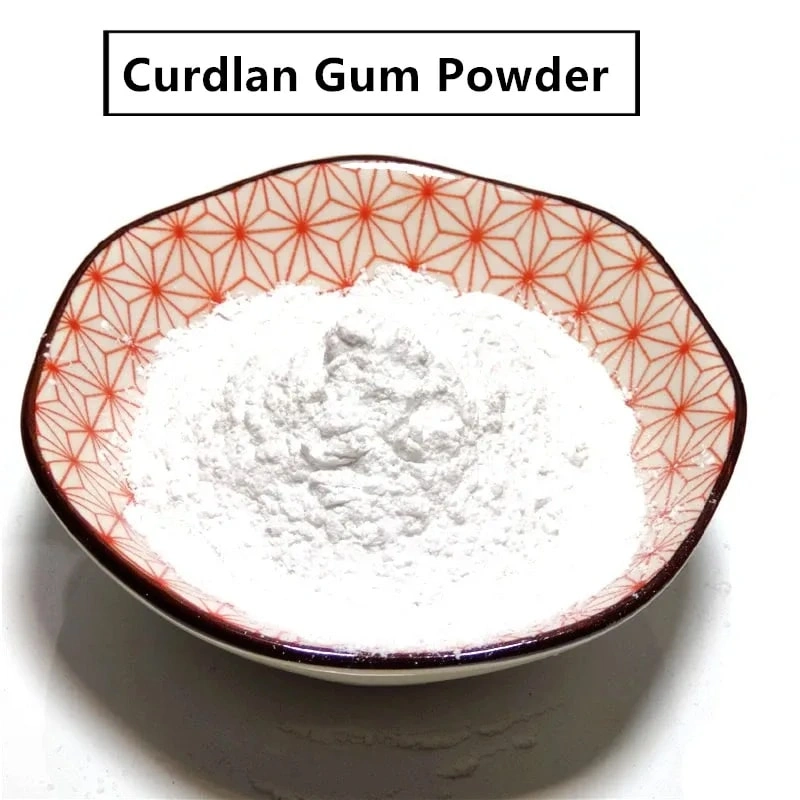
Nourisi Curdlan Gum, a natural polysaccharide produced by microbial fermentation, is becoming a reliable solution in the meat processing industry due to its unique gel properties.