Introduction
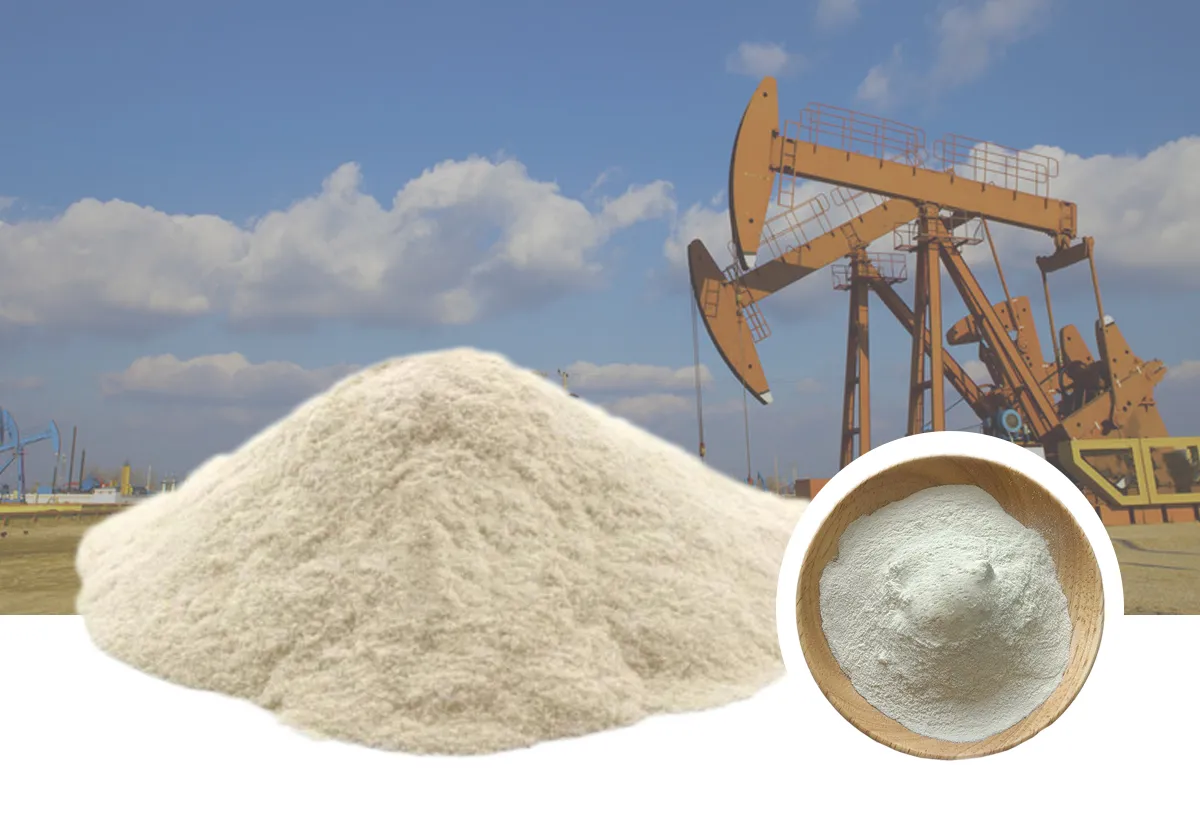
Polyanionic Cellulose (PAC) is a high-performance water-soluble polymer derived from cellulose through etherification, distinguished by its high degree of substitution (DS ≥ 0.85) and uniform substitution pattern. Its exceptional salt tolerance, thermal stability, and shear-thinning properties make it indispensable in demanding industrial processes.
Mechanism of Action
PAC functions through three primary mechanisms:
Adsorption – Polymer chains adsorb onto charged surfaces (clay particles, formation walls)
Network Formation – Intermolecular interactions create a three-dimensional gel structure that immobilizes water
Oilfield Applications
1. Cementing Operations
PAC is widely used in oil well cementing as a fluid loss control agent. Its primary functions include:
Fluid Loss Control Mechanism:
PAC adsorbs onto cement particles and formation surfaces
Forms a low-permeability filter cake on porous formations
Prevents excessive water loss into permeable zones during cement placement
PAC-Cement Interaction:
When PAC is added to cement slurry, water molecules bond with hydroxyl groups (-OH) on the PAC backbone through hydrogen bonds, creating cross-linked structures that:
• Trap free water
• Reduce fluid loss
• May extend thickening time
• Can enhance compressive strength at optimal concentrations
⚠️ Important Consideration: Cement hydration releases Al³⁺ and Fe³⁺ ions. These metal ions can induce gel formation with PAC molecules, potentially deteriorating rheological properties. Using metal masking agents or adjusting pH can mitigate this interaction.
2. Workover & Completion Fluids
PAC is essential in low-solids workover fluids where formation damage must be minimized:
Key Functions:
Rheology Control: Provides viscosity for hole cleaning without excessive solids
Fluid Loss Control: Maintains wellbore stability during workover operations
Bridging Agent Compatibility: Works synergistically with calcium carbonate and other bridging materials
3. Fracturing Fluids (Specialized Applications)
PAC serves as a gelling agent in water-based fracturing fluids:
Rapid Hydration:Quick gel formation at the wellsite
Proppant Suspension: Excellent sand-carrying capacity
Breaker Compatibility: Responds to oxidative breakers for residue removal
Low Formation Damage: Clean residue profile post-fracturing
Construction Materials – Advanced Applications
1. High-Temperature Cementing
PAC demonstrates exceptional thermal stability up to 150°C, making it valuable for:
Deep-well cementing (high geothermal gradients)
Thermal recovery wells (steam injection)
High-temperature grouting applications
2. Gypsum-Based Systems
A patent describes a plastering gypsum additive containing:
Component Proportion
Hydroxypropyl Methylcellulose (HPMC) 73 – 83 parts
PAC (Sodium Salt) 7 – 12 parts
Thixotropic Agent 8 – 14 parts
Retarder 1 – 2 parts
This combination improves:
Water retention for complete hemihydrate gypsum curing
Workability and constructability
Adhesion between gypsum and substrate
Enhanced bonding strength
3. Cementitious Grouts
PAC enhances grouts used for:
Post-tensioning tendon grouting
Soil stabilization and ground improvement
Anchor bolt grouting
Performance Metric Improvement with PAC
Water Retention + 30 – 40%
Settlement Resistance + 50% reduction in bleeding
Compressive Strength + 10 – 15% at optimal dosage
Recommended Dosage Guidelines
|
Application |
Recommended Dosage |
Notes |
|
Oilfield Cementing |
0.2 – 0.6% bwoc |
Adjust for temperature & pressure |
|
Gypsum Plasters |
7 – 12% of additive blend |
With HPMC and retarders |
|
Tile Adhesives |
0.2 – 0.5% of dry mix |
High viscosity grade |
|
Self-Leveling Compounds |
0.1 – 0.3% of dry mix |
Low/medium viscosity grade |
|
Workover Fluids |
2.0 – 6.0 lbm/bbl |
Based on salt concentration |
|
Fracturing Fluids |
2.0 – 6.0 kg/m³ |
Varies with formation type |
In the international food and dietary supplement industries, sodium alginate and carrageenan are two widely used seaweed-derived hydrocolloids. Despite their shared origin, the und
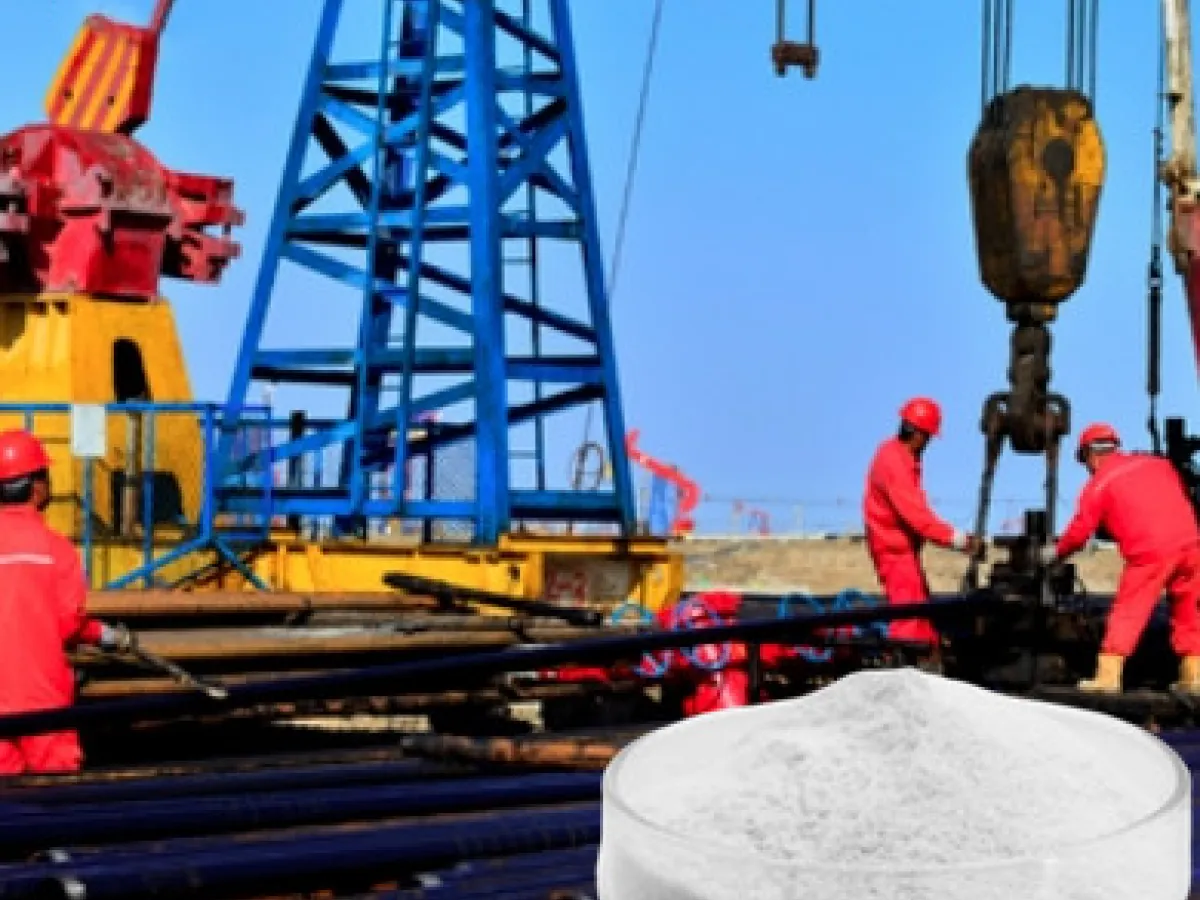
In oil and gas drilling operations, the prosperity of a drilling process heavily depends on the rheological properties and filtration behavior of drilling fluids . Uncontrolled flu
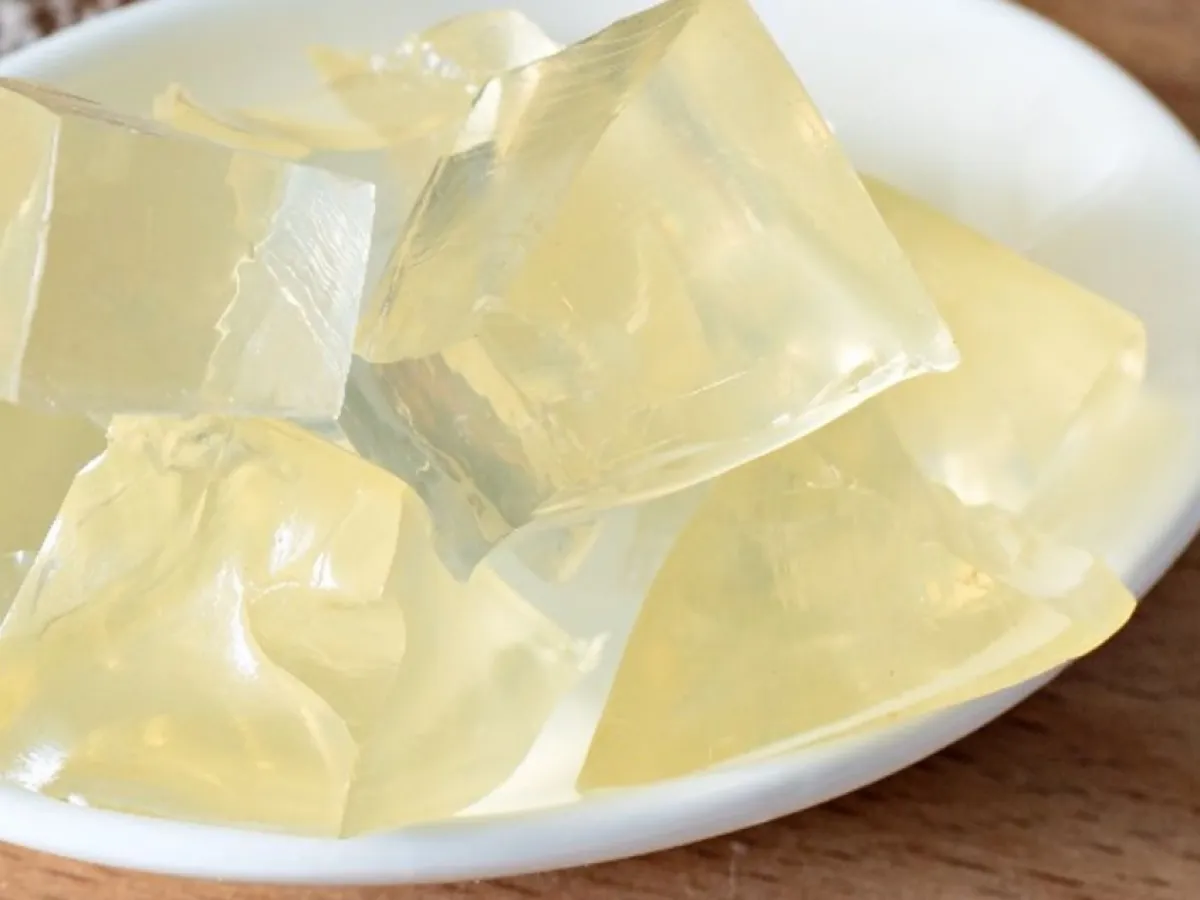
The first step in making gelatin gummies is to allow the gelatin to fully hydrate. Gelatin does not dissolve in cold water, but it can absorb water and swell in cold water. This pr
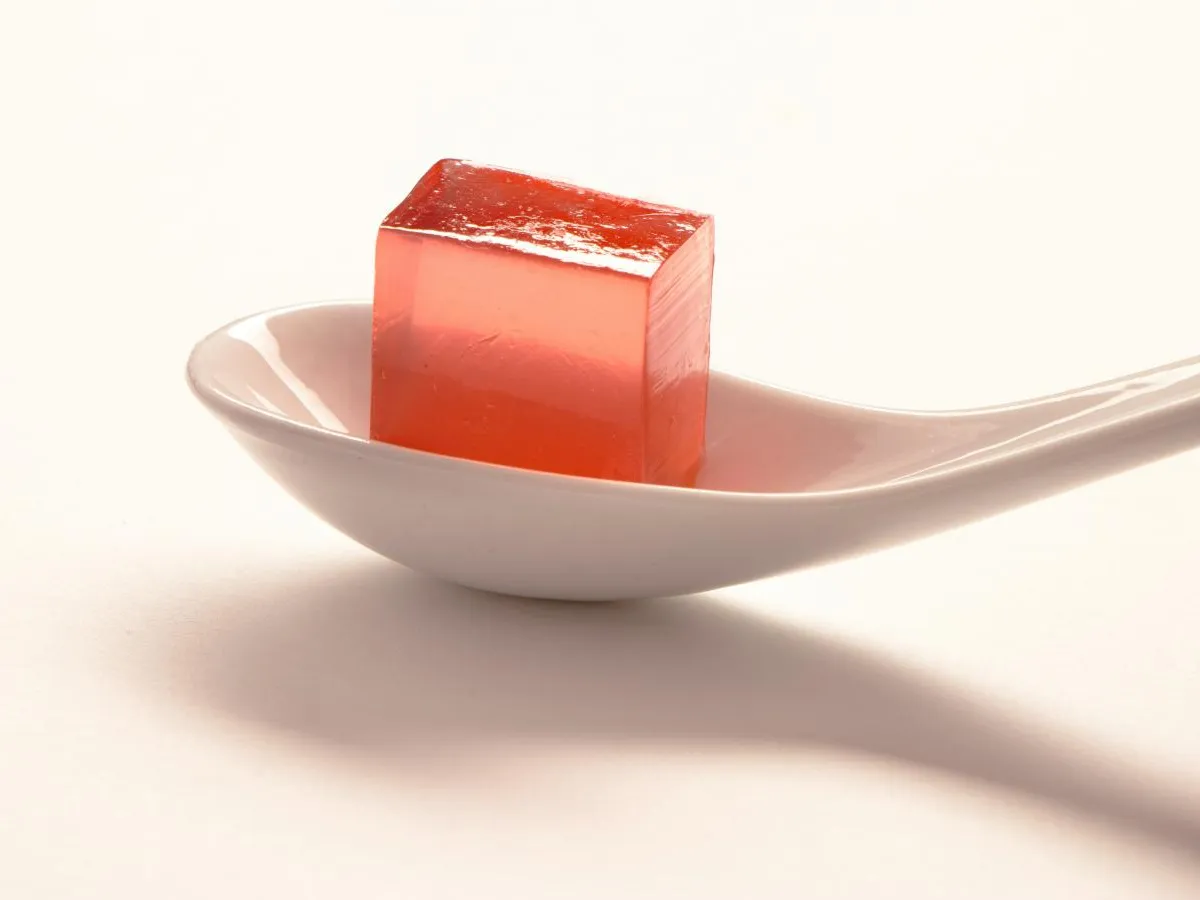
The key difference? Gelatin is a protein from animal collagen; agar is a carbohydrate from red algae.This fundamental distinction drives every other difference between them — and d
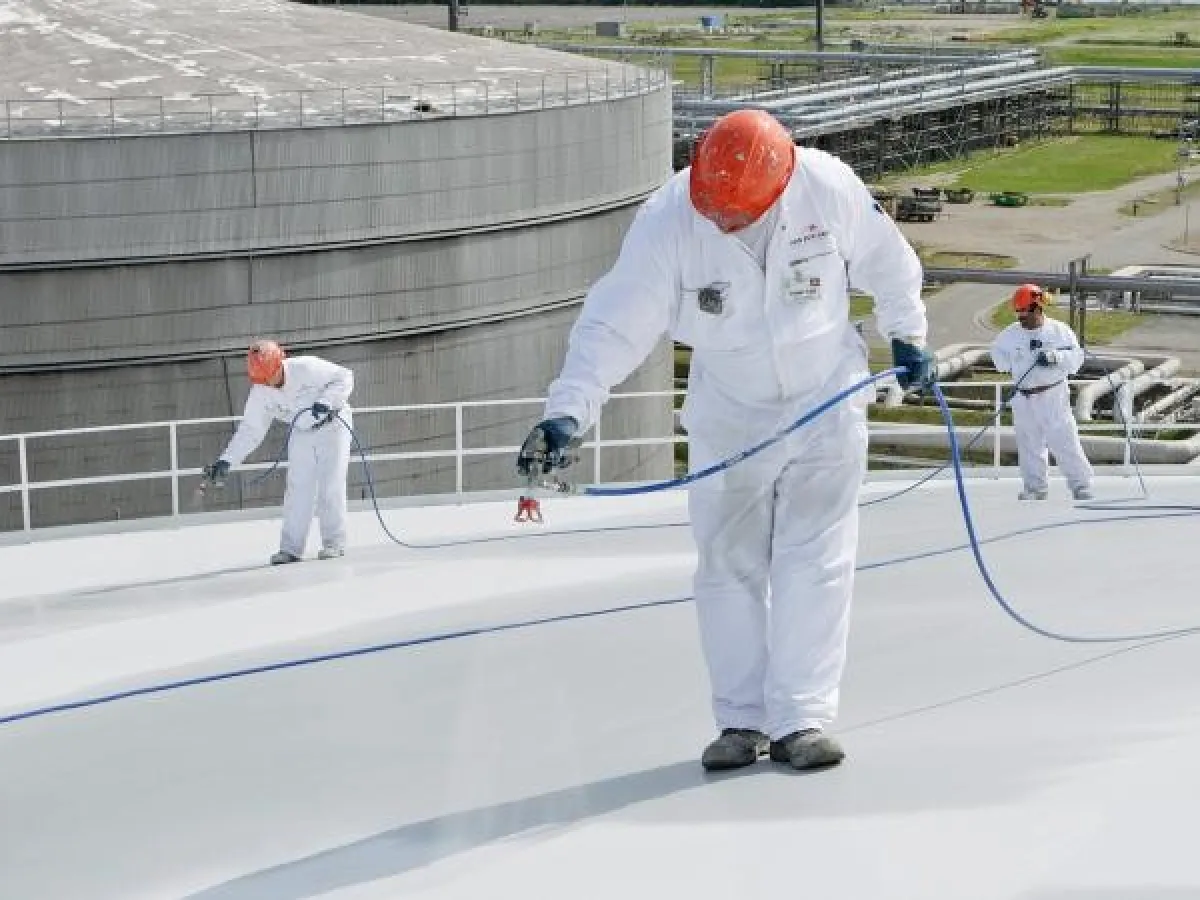
In the papermaking industry, modified starch is one of the core additives. Oxidized starch, cationic starch, and esterified starch are mainly used for surface sizing, internal sizi
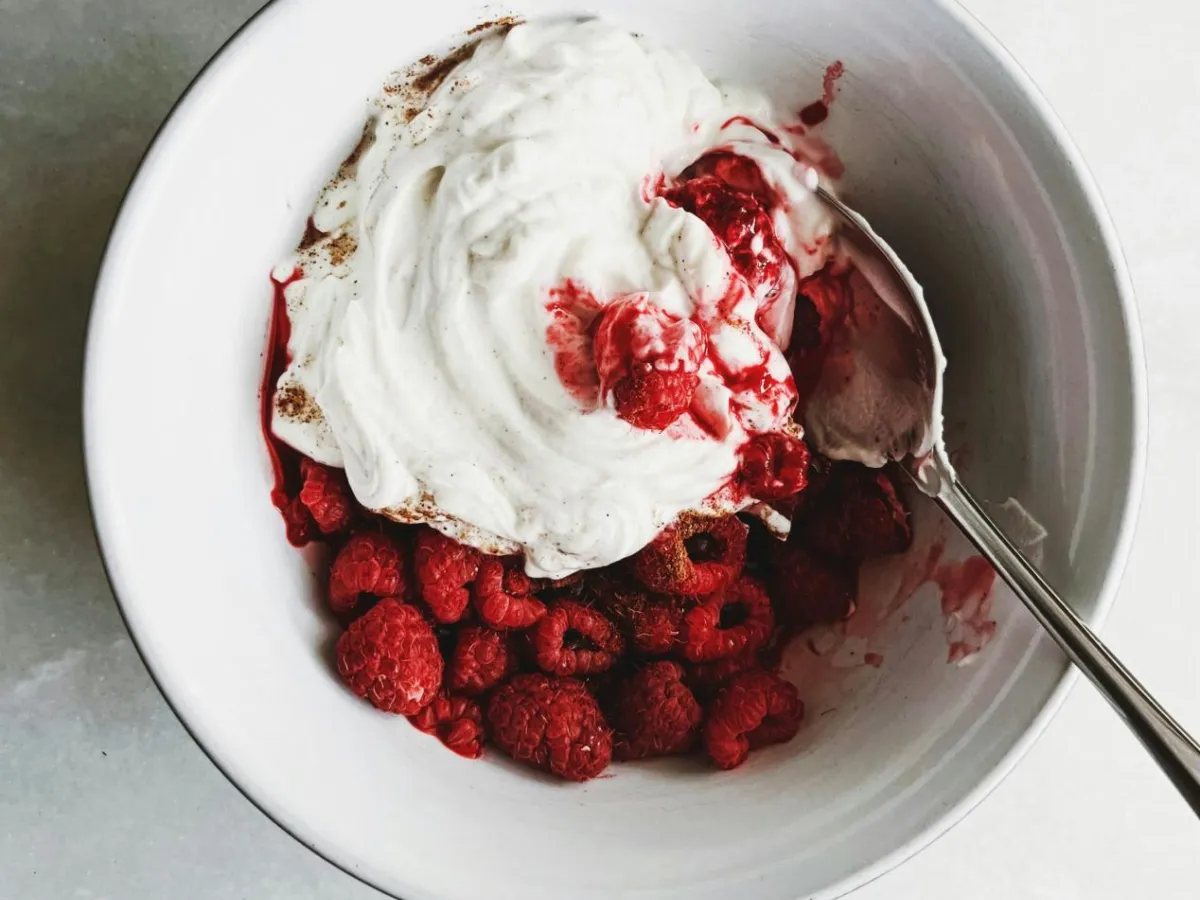
The adoption of pectin in yogurt is not just anecdotal. According to market data, more than half of all new spoonable yogurt launches now contain pectin. This widespread acceptance
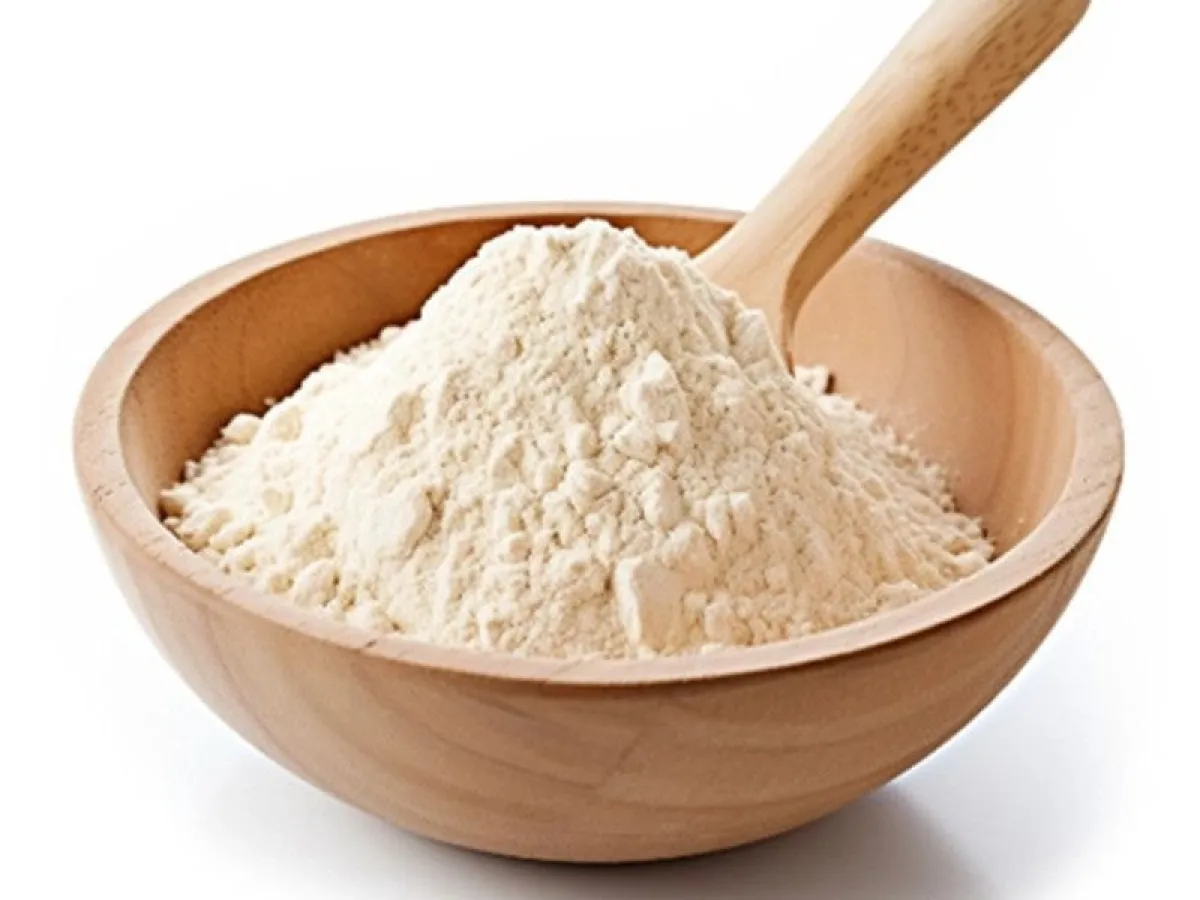
High concentrations of protein ingredients inherently carry a heavy, powdery mouthfeel and astringent notes. The key application detail of gelatin lies in its thermally reversible
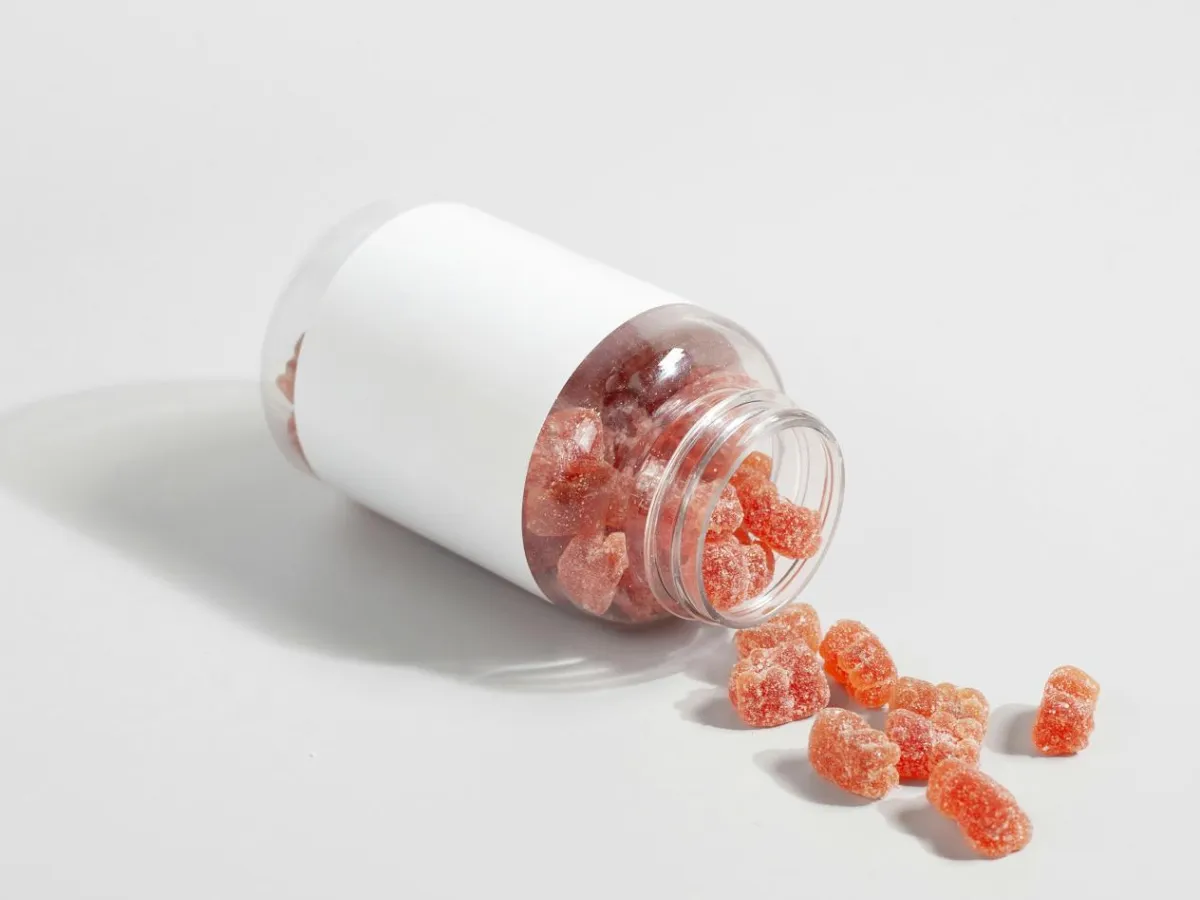
Today, vegan gummies are one of the fastest-growing segments in confectionery. And at the center of this shift stands pectin – a plant-derived hydrocolloid that is proving to be mo
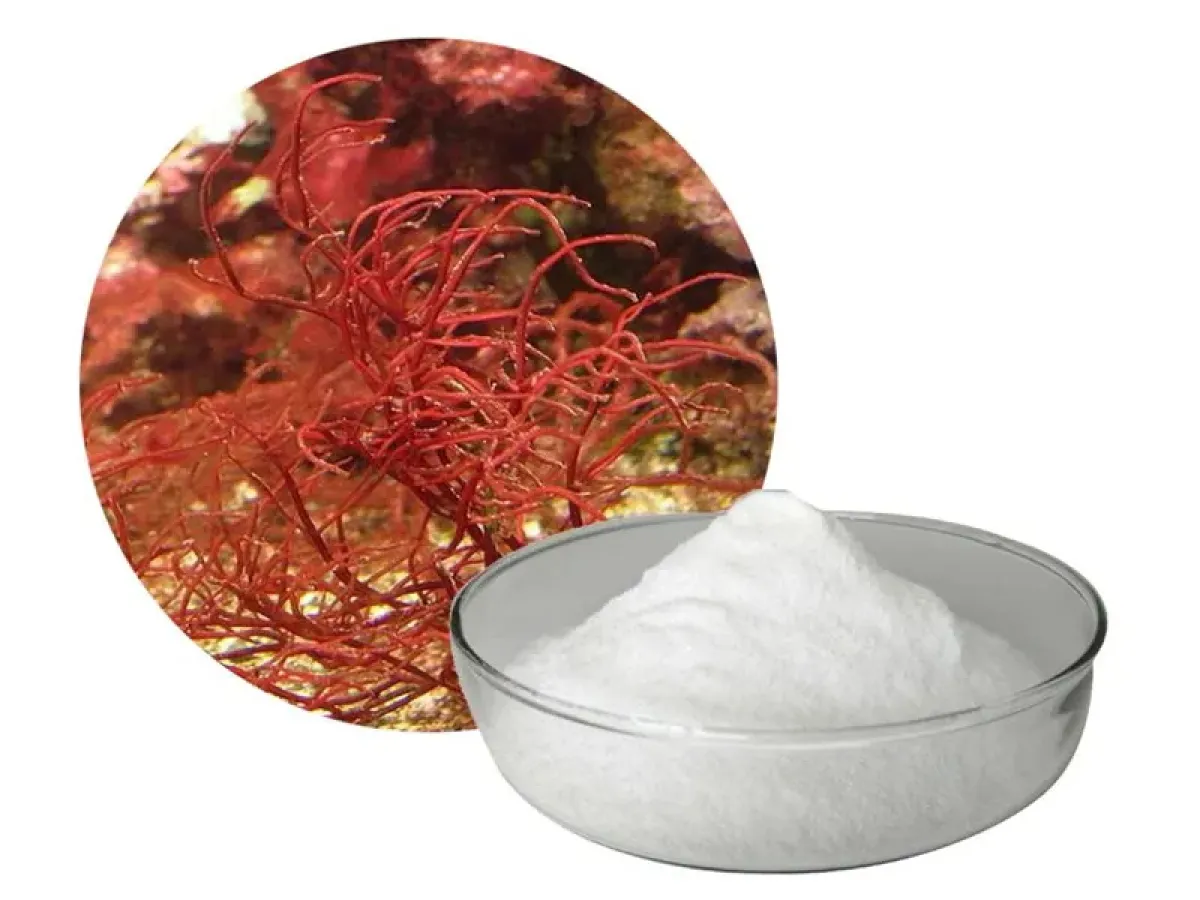
From a physicochemical perspective, carrageenan possesses unique solubility, dissolving in hot water at around 80°C to form a viscous, transparent solution, but insoluble in cold w
The primary role of CMC in toothpaste is to provide the desired texture, consistency, and stability. Specifically, it performs the following critical functions: