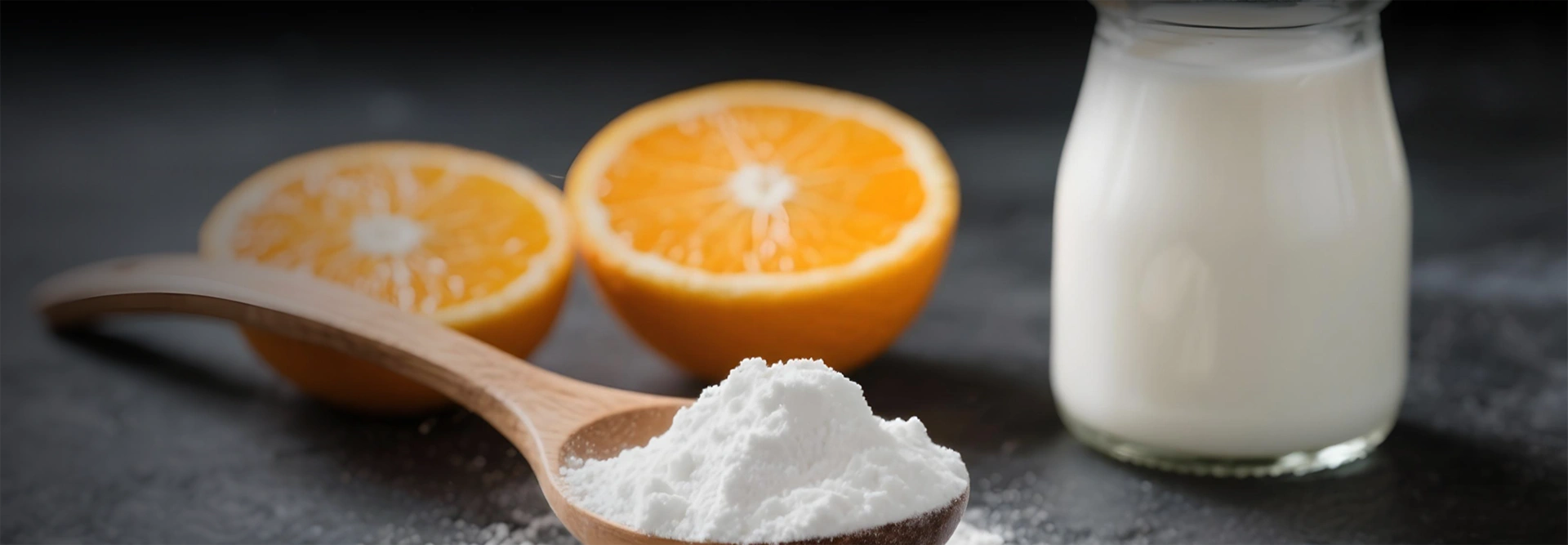
Balancing sweetness with acidity is the foundation of great-tasting confectionery and baked goods. Without a well-chosen acidulant, candies taste flat, cakes lack proper lift, and fruit-based fillings lose their vibrant color during storage.
What Sets Citric Acid Monohydrate Apart
Citric acid monohydrate is the hydrated crystalline form of naturally occurring citric acid, found in citrus fruits. Its chemical formula is C₆H₈O₇·H₂O, and it appears as colorless translucent crystals or a white crystalline powder. The "monohydrate" designation means each molecule carries one water of crystallization — a feature that gives it superior stability in humid processing environments compared to its anhydrous counterpart, which tends to cake and absorb moisture under high humidity .
This difference matters in real-world production. In humid climates or during summer months, anhydrous citric acid can clump, causing dosing inaccuracies and production downtime. The monohydrate form remains free-flowing, making it the more reliable choice for confectionery and baking operations .
Flavor: Clean Sourness, Instant Impact
One of the most compelling reasons formulators choose citric acid monohydrate is its clean, refreshing sour taste that delivers immediate flavor impact . Unlike some organic acids that leave lingering bitterness or metallic notes, citric acid provides a crisp, bright acidity that enhances fruit flavors without overpowering them.
In hard candies, gummies, and sour confectionery, typical usage ranges from 1% to 3% by weight. At these levels, it creates the tangy profile consumers expect while allowing fruit flavor systems to perform at their best . For fruit-flavored jellies and fillings, it helps achieve the optimal pH range of 3.0–3.5, which also supports rapid gelation when pectin is used .
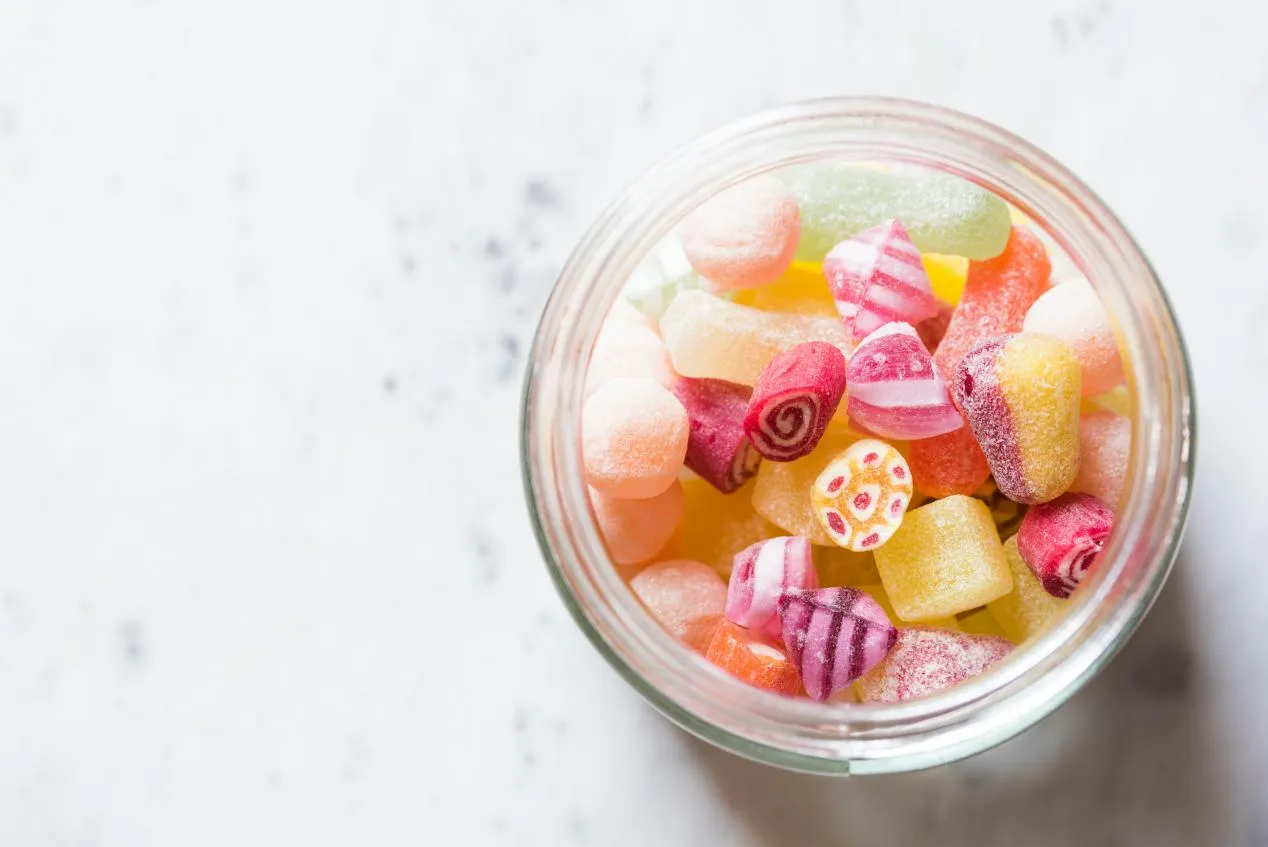
Leavening Performance: A Fast-Acting Partner for Baking Soda
In bakery applications, citric acid monohydrate serves a function that goes beyond flavor. When paired with sodium bicarbonate (baking soda), it releases carbon dioxide almost immediately during mixing, contributing to leavening and helping doughs and batters achieve proper rise .
The neutralizing value of citric acid is 159— significantly higher than other food-grade acids — meaning it reacts quickly and completely with baking soda . This rapid reaction is ideal for products that go into the oven immediately after mixing, such as cookies, biscuits, and certain cake batters.
However, formulation requires precision. Research has shown that over-reliance on citric acid for leavening in high-moisture cake systems can result in lower cake volumes, as most CO₂ is released during mixing rather than retained during baking . The key is balanced formulation — using citric acid alongside slower-acting leavening acids or adjusting the mixing time to preserve gas for oven spring.
Texture and Shelf-Life Benefits
Beyond flavor and leavening, citric acid monohydrate contributes in two additional ways:
1. Preventing Sugar Crystallization.In syrup-based confections, citric acid helps break sucrose into glucose and fructose (invert sugars), which inhibit crystal formation on product surfaces and packaging . This prevents the unsightly "sugar bloom" that can affect hard candies and gummies during storage.
2. Chelation for Color and Flavor Protection. Citric acid chelates metal ions such as iron and copper, which catalyze oxidation and browning reactions . In fruit preparations and baked goods containing dried fruit or nuts, this action helps preserve natural colors and delay rancidity.
Recommended Usage Levels
|
Application |
Typical Dosage |
Primary Function |
|
Hard candies / gummies |
1% – 3% |
Sour flavor, anti-crystallization |
|
Bakery products |
≤ 5.0 g/kg |
Leavening, flavor balance |
|
Jams / fruit fillings |
pH 3.0 – 3.5 |
Gelation support, color retention |
|
Carbonated beverages |
0.1% – 0.3% |
Tartness, pH control |

Practical Considerations
For manufacturers working in humid environments, the monohydrate form offers a clear advantage over anhydrous citric acid, which readily absorbs moisture and cakes at relative humidity above 75% . The monohydrate remains stable, ensuring accurate dosing and smooth production runs.
Storage recommendations: Keep in a cool, dry environment away from direct sunlight. Under these conditions, citric acid monohydrate maintains its quality for extended periods with minimal degradation.
Why It Remains the Preferred Choice
Citric acid monohydrate delivers a combination of attributes that few alternative acidulants can match: clean flavor release, rapid leavening response, anti-crystallization properties, and metal-chelating capability — all at a cost-effective price point. Its GRAS (Generally Recognized as Safe) status and compatibility with halal, kosher, and clean-label programs make it accessible to a broad range of markets.
Whether you are formulating sour gummies, laminated pastries, fruit preserves, or cake systems, citric acid monohydrate provides the functional versatility to support consistent, high-quality production.
Contact us for a free sample and technical guidance — and discover how the right acidulant can elevate your confectionery and bakery products.
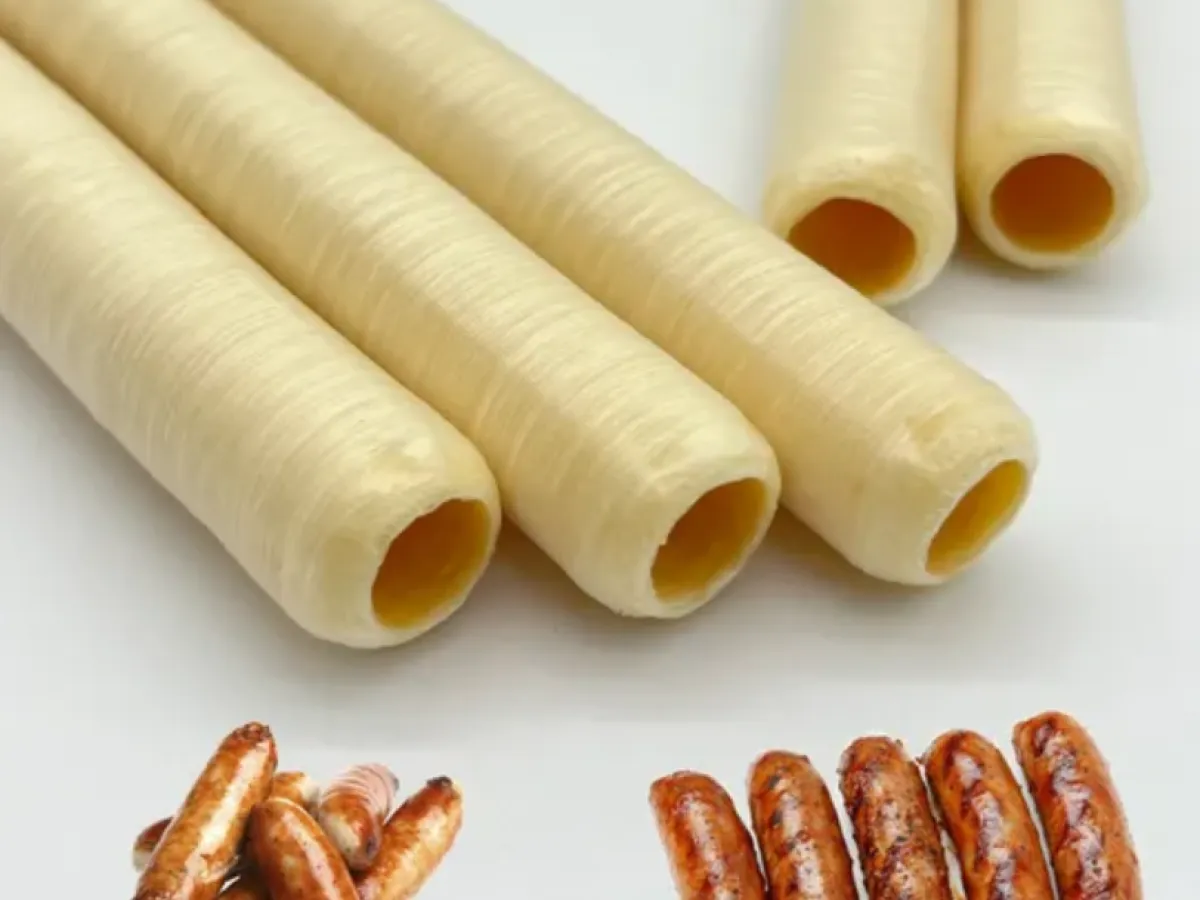
In modern meat processing, the casing you choose impacts more than just your sausage's appearance—it influences production efficiency, product consistency, and your bottom line. As

Citric acid monohydrate is the hydrated crystalline form of naturally occurring citric acid, found in citrus fruits. Its chemical formula is C₆H₈O₇·H₂O, and it appears as colorless
High-Temperature Resistant to Cooking, Unchanged Texture After Sterilization
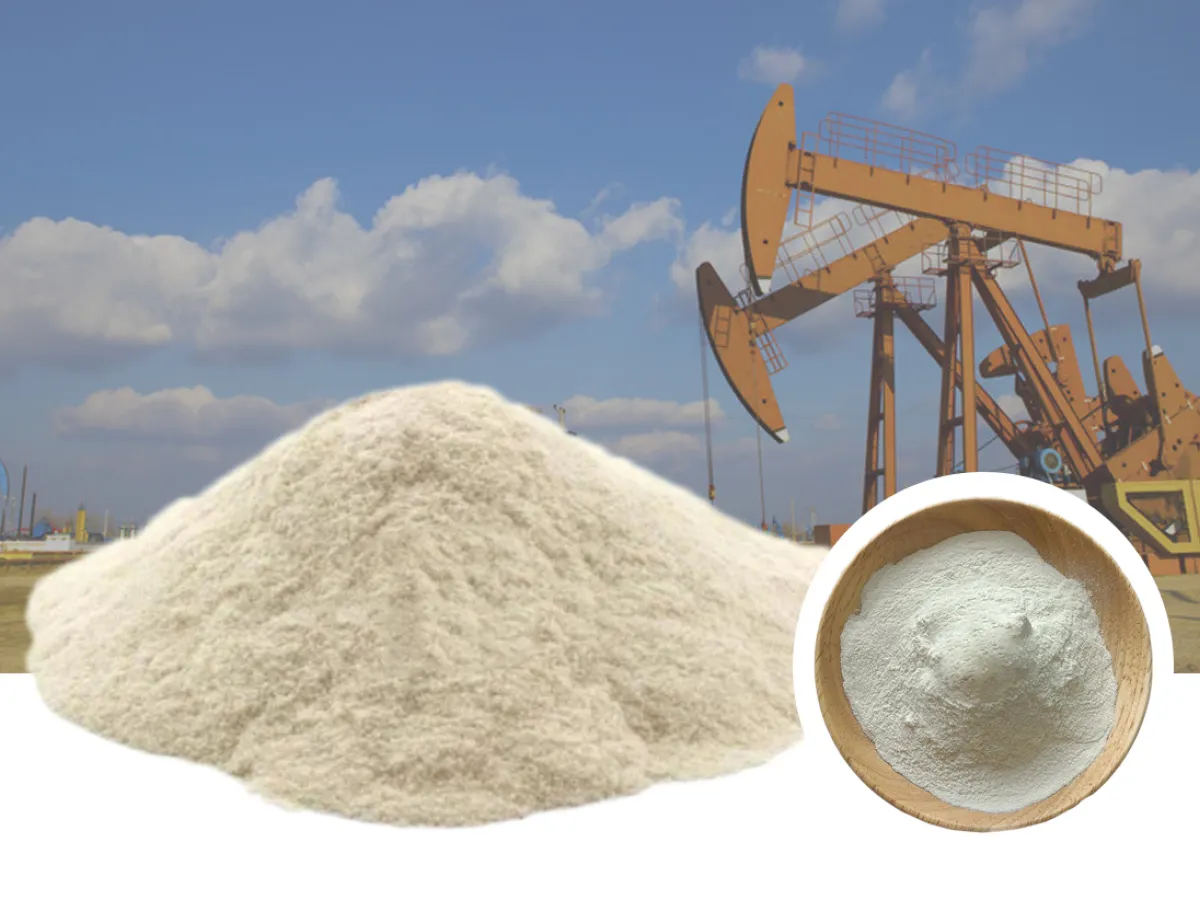
Polyanionic Cellulose (PAC) is a high-performance water-soluble polymer derived from cellulose through etherification, distinguished by its high degree of substitution (DS ≥ 0.85)
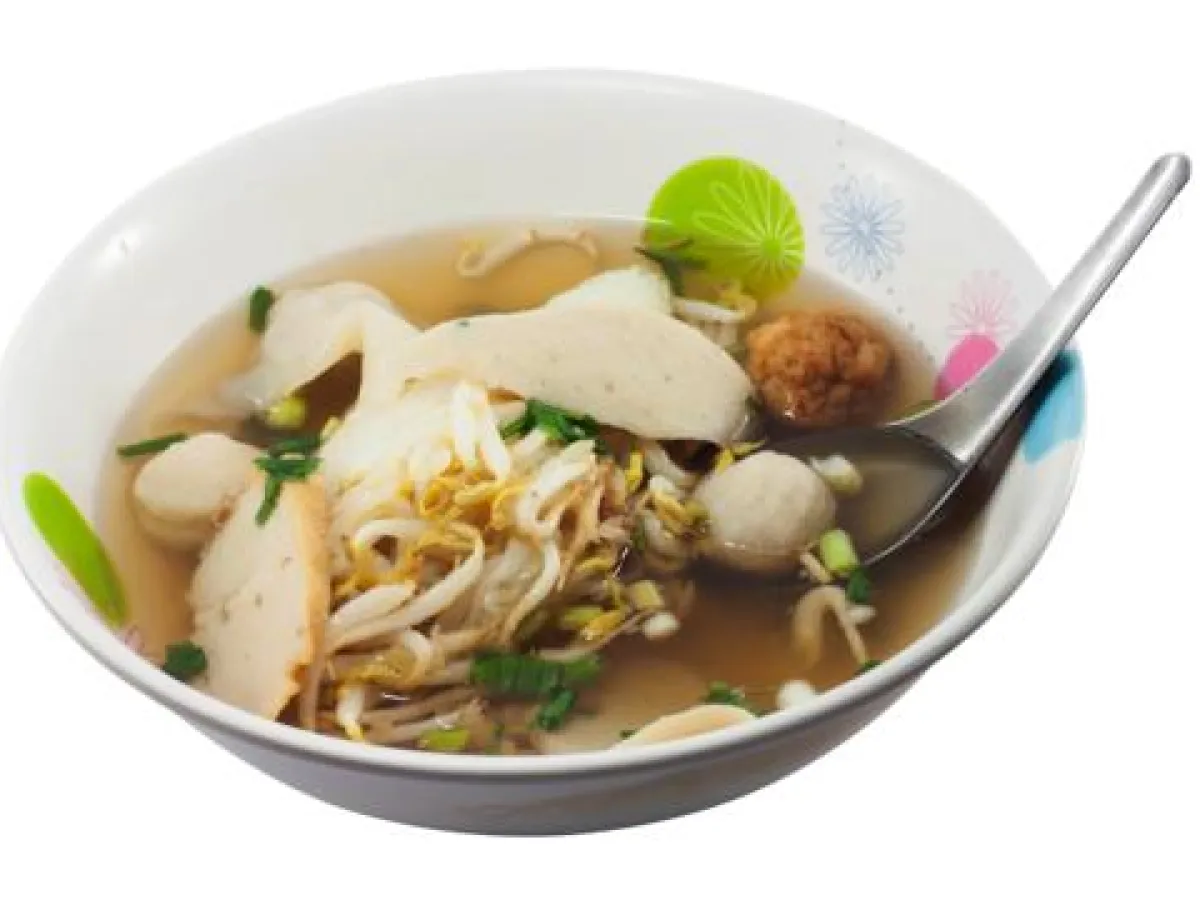
The global surimi market continues to expand as consumers increasingly seek convenient, nutritious, and high-quality seafood products. However, surimi manufacturers face ongoing ch
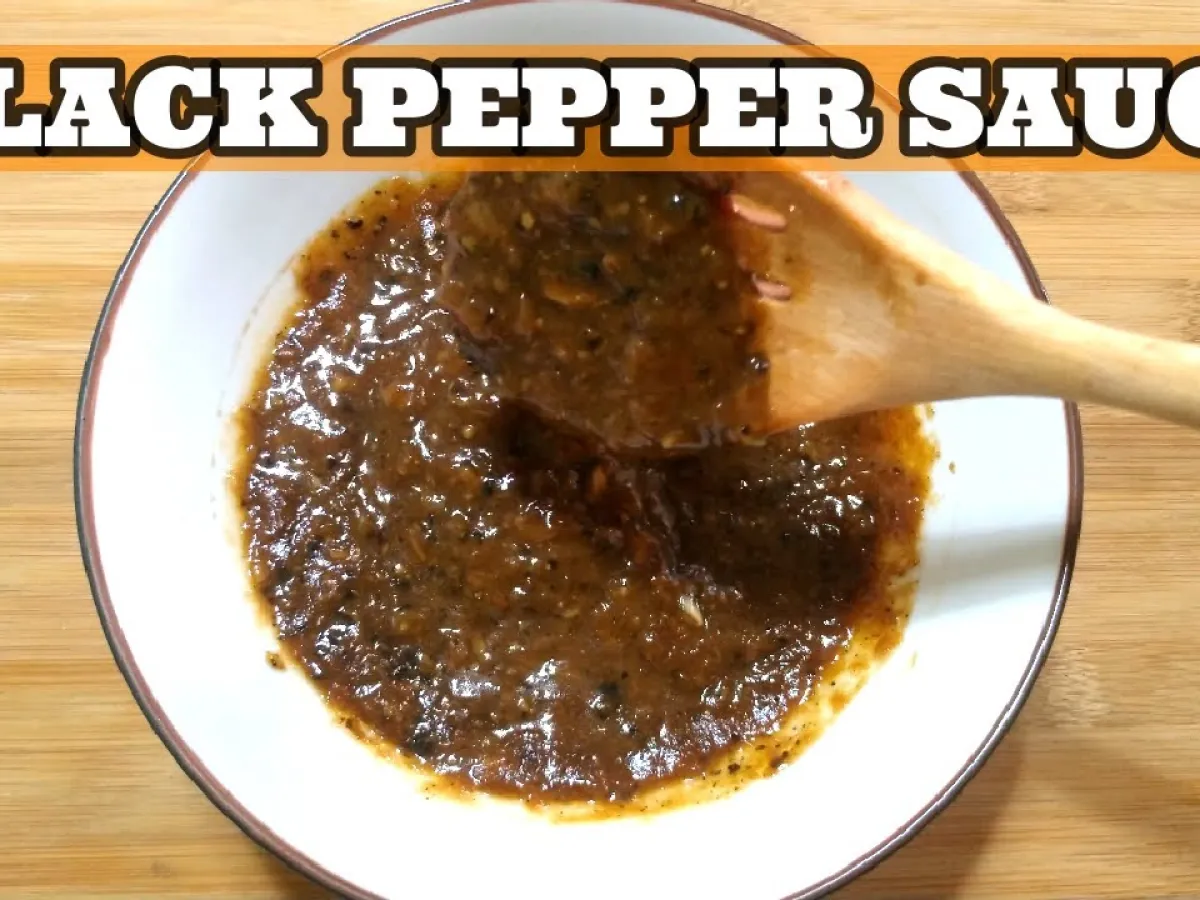
Nourisi® modified starch can cover all major sauce categories at home and abroad, and different formulas can be precisely matched with exclusive models. A professional technical te

This is the problem that bake-stable pectin was designed to solve.
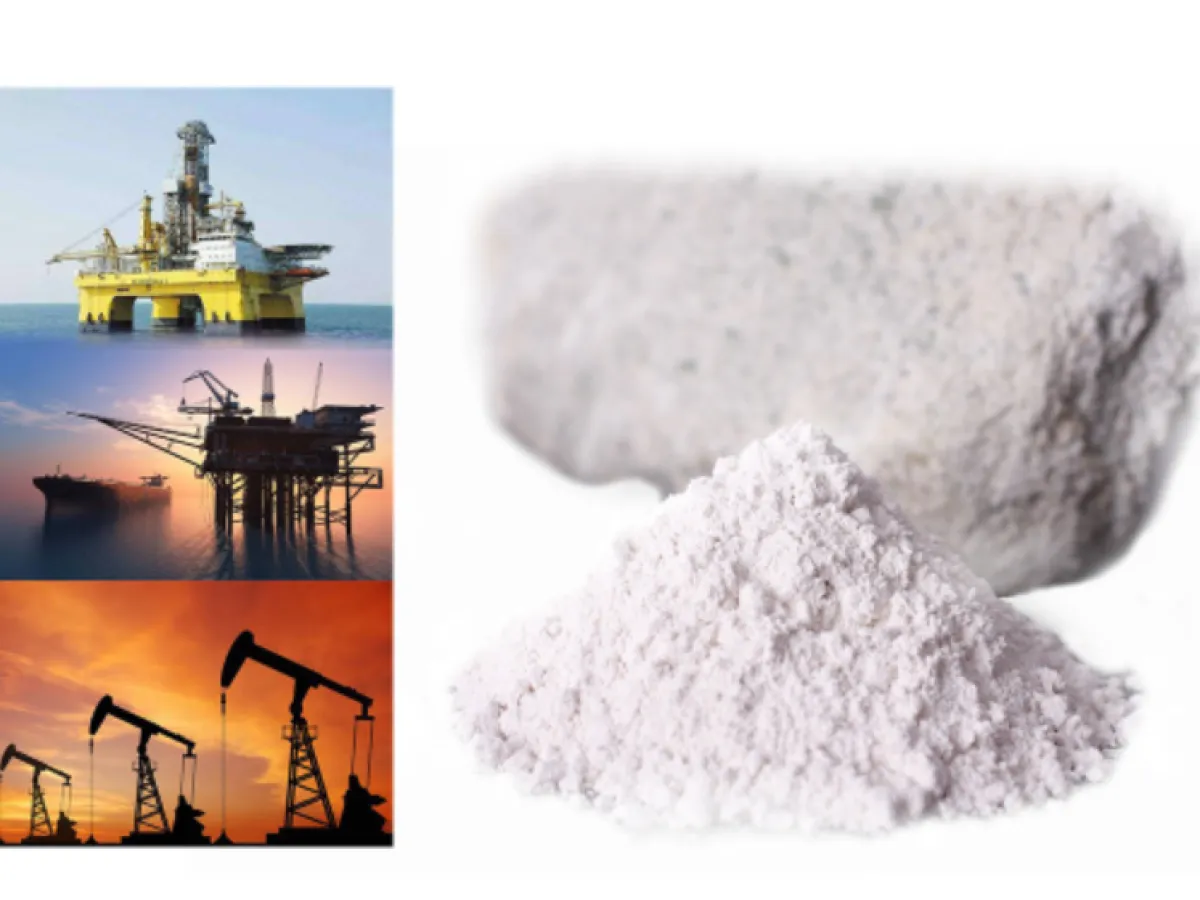
Polyanionic Cellulose (PAC) is a water-soluble anionic polymer derived from natural cellulose through chemical modification, specifically by introducing carboxymethyl groups onto t
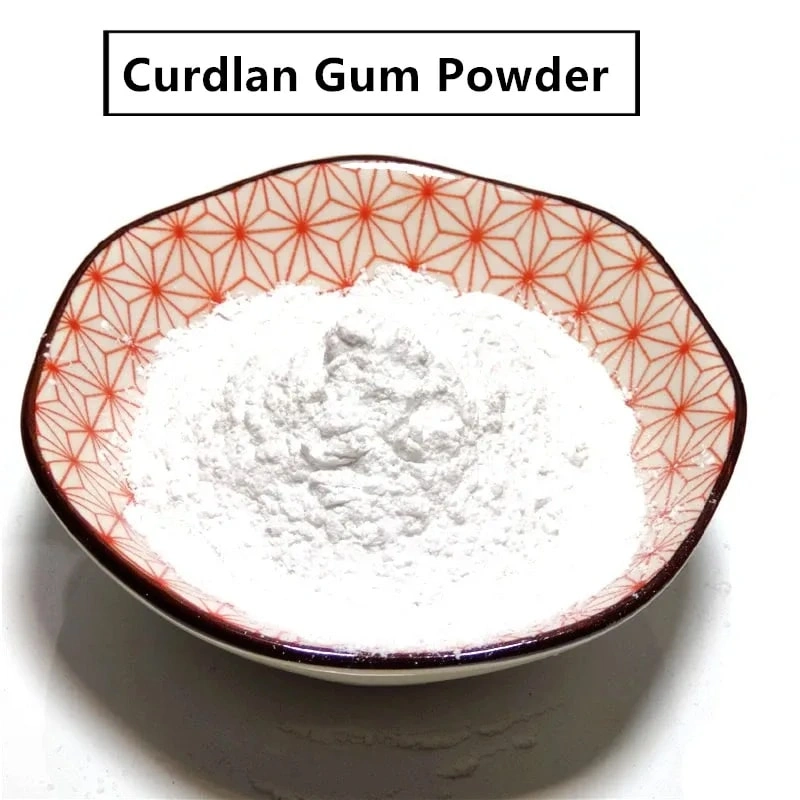
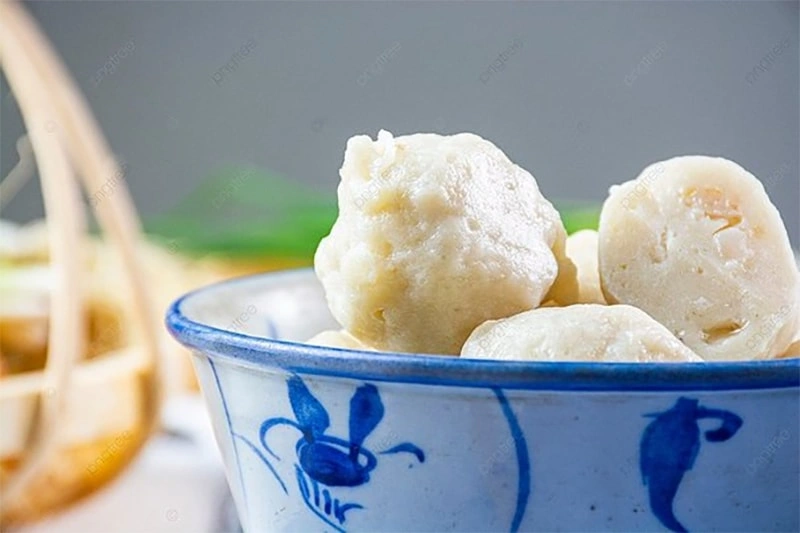
Nourisi Curdlan Gum, a natural polysaccharide produced by microbial fermentation, is becoming a reliable solution in the meat processing industry due to its unique gel properties.
Nourisi curdlan gum uses alcaligenes faecalis as the producing bacteria, sucrose or glucose as the main raw material, and is made by a specific biological fermentation process and purification, drying, and crushing.