In the manufacturing of vitamin D3 soft gels, gelatin is far more than a simple "shell"—it is a core functional material deeply involved in building product quality.
Vitamin D3 is chemically active and highly susceptible to degradation from light, heat, and oxygen, which places stringent demands on its protective layer—the gelatin capsule shell.
I. Key Application Details in Production
In the gelation stage, medicinal gelatin particles must be fully swollen in a specific proportion of purified water, allowing water molecules to completely penetrate between the gelatin peptide chains. A gentle gradient heating method is then used to dissolve the particles layer by layer. The key lies in preventing localized overheating, as high temperatures can cleave gelatin molecular chains, impairing gel strength and compromising the subsequent film's toughness. Meanwhile, the entire gelation system operates under negative pressure, where vacuum degassing thoroughly removes trace air dissolved in the gel solution. This detail is critical—residual air bubbles can become "hotbeds" for D3 oxidation reactions, while thoroughly degassed gel solution appears clear and transparent, effectively isolating oxygen at a physical level.
In the encapsulation stage, the temperature-controlled gel solution is uniformly coated into a film of appropriate thickness, enclosing the oil-based D3 content and instantly sealing under die pressure. Here, gelatin's rapid gelling property plays a crucial role: the film quickly transitions from liquid to a gel state with adequate strength at room temperature, ensuring tight seam closure and eliminating leakage risks.
In the drying stage, gelatin's natural hydrophilicity requires its internal moisture to migrate outward slowly and evenly. By stepwise regulating environmental temperature and humidity, the capsules contract uniformly from outside to inside, avoiding hard shell formation or internal stress caused by overly rapid surface dehydration, ensuring each capsule has a smooth, glossy appearance and a supple, appropriately resilient texture.
II. Core Advantages Derived from Gelatin's Properties
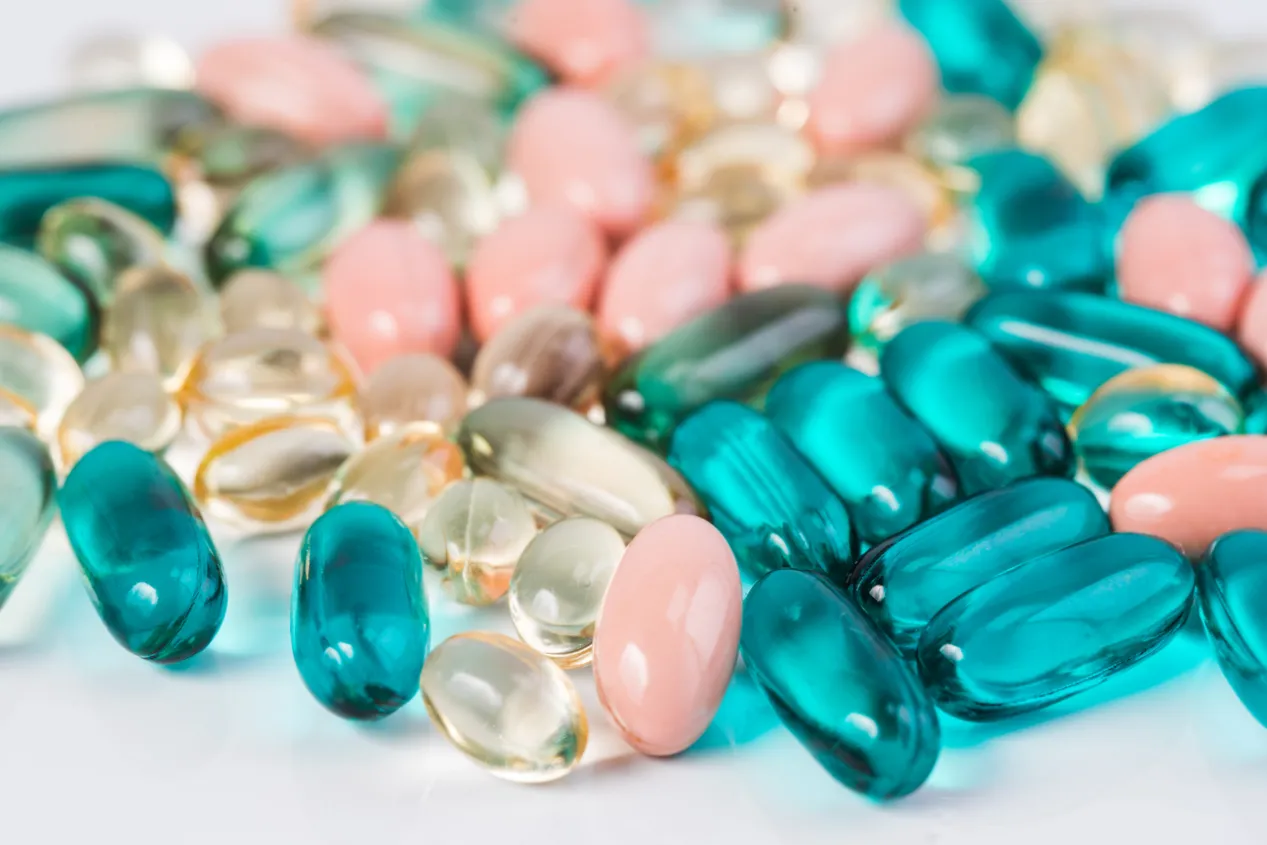
In terms of release performance, gelatin's molecular structure gives it favorable solubility in gastric fluid. Upon entering the body, the capsule shell rapidly absorbs water, swells, and disintegrates, promptly releasing the encapsulated vitamin D3 oil droplets and ensuring the active ingredients disperse quickly at the optimal absorption site, thereby safeguarding bioavailability. For fat-soluble vitamins, this efficient release is particularly critical, effectively avoiding missed absorption windows caused by delayed shell dissolution.
In terms of protective efficacy, the dense three-dimensional network structure formed by gelatin molecular chains is itself a natural physical barrier, effectively blocking external oxygen permeation. Combined with rigorous degassing during gelation, this creates a dual oxygen-barrier system that keeps potency loss extremely low throughout the product's shelf life, without requiring large amounts of synthetic antioxidants.
In terms of production economy, gelatin's excellent thermal reversibility allows leftover gel material or initial scrap capsules to be recovered and remelted under standard procedures, significantly reducing raw material waste. Meanwhile, the gelatin film possesses outstanding mechanical strength and elasticity, withstanding frequent die pressing at high speeds without cracking, ensuring stable equipment operation and effectively lowering reject rates and downtime.
In terms of patient compliance, precisely formulated gelatin films are flexible, smooth, comfortable to swallow, and leave no residual taste, significantly improving long-term adherence.
In the production of vitamin D3 softgels, gelatin—through its detailed application in gelation, encapsulation, and drying—achieves an integration of protective efficacy, release performance, and production economy.

When collagen powder is used in solid beverages, the primary challenge it faces is "solubility." High-quality collagen peptides, processed through specific enzymatic hydrolysis, ha
Vitamin D3 is chemically active and highly susceptible to degradation from light, heat, and oxygen, which places stringent demands on its protective layer—the gelatin capsule shell
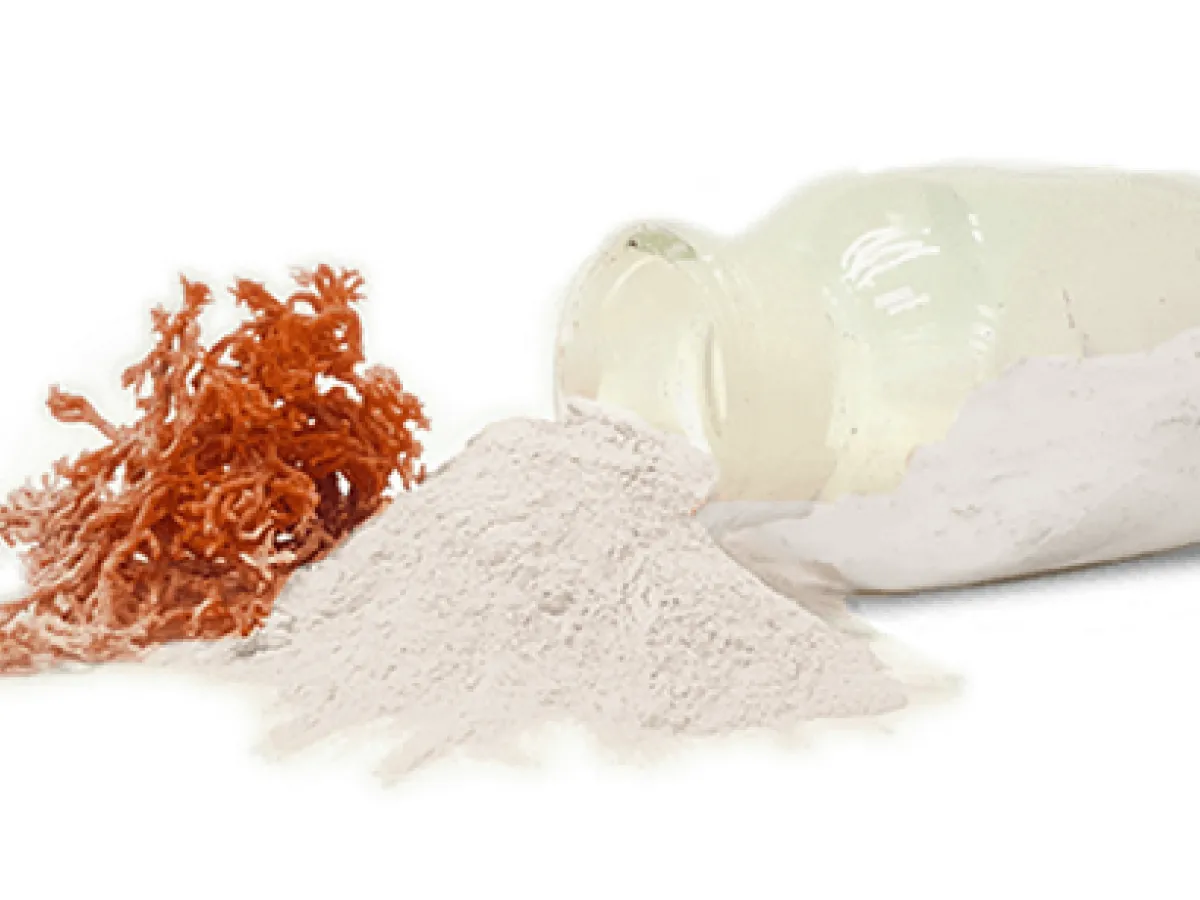
Low-temperature meat products utilize low-temperature cooking and sterilization processes to maximize the preservation of the meat's tender flavor. However, under low-temperature c

Citric acid monohydrate (C₆H₈O₇·H₂O) carries one molecule of crystallization water per citric acid unit. This small structural difference has significant practical implications.
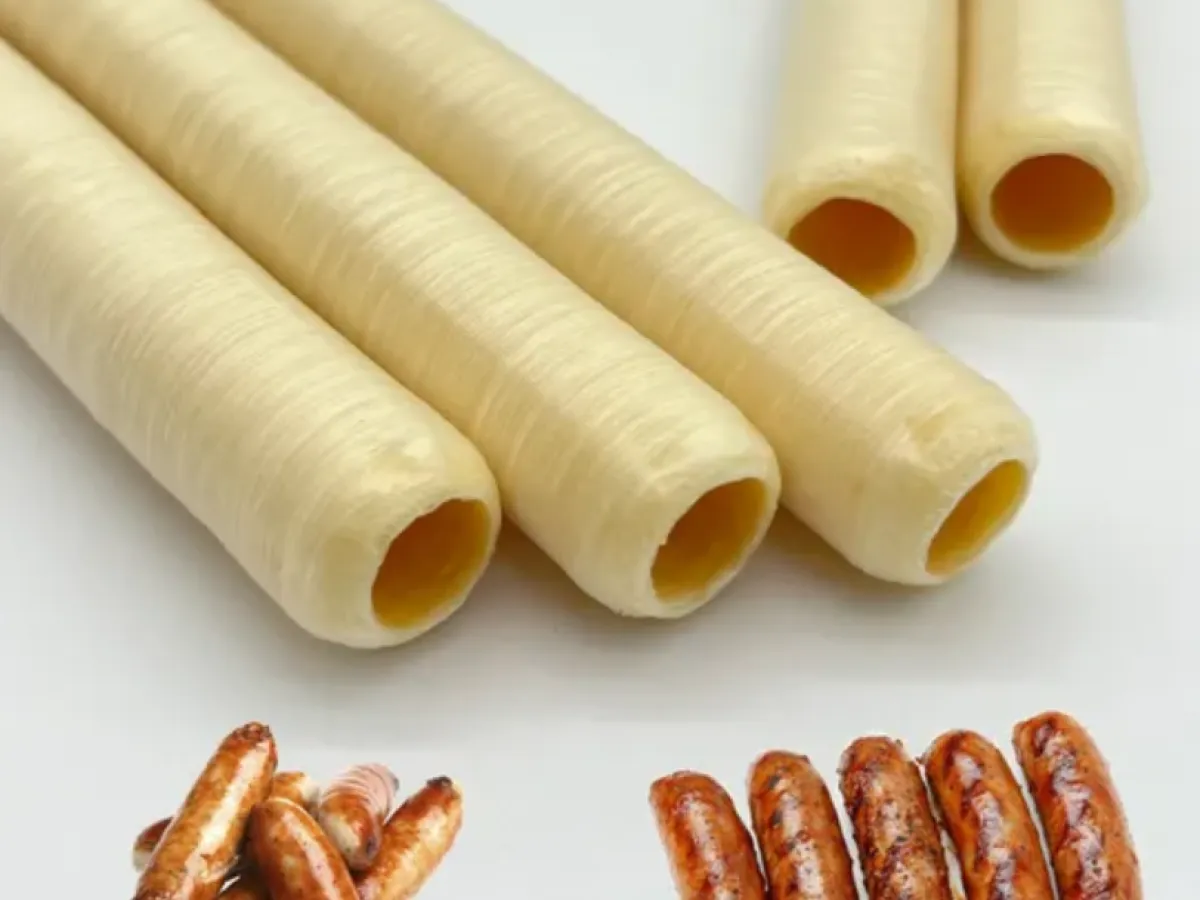
In modern meat processing, the casing you choose impacts more than just your sausage's appearance—it influences production efficiency, product consistency, and your bottom line. As
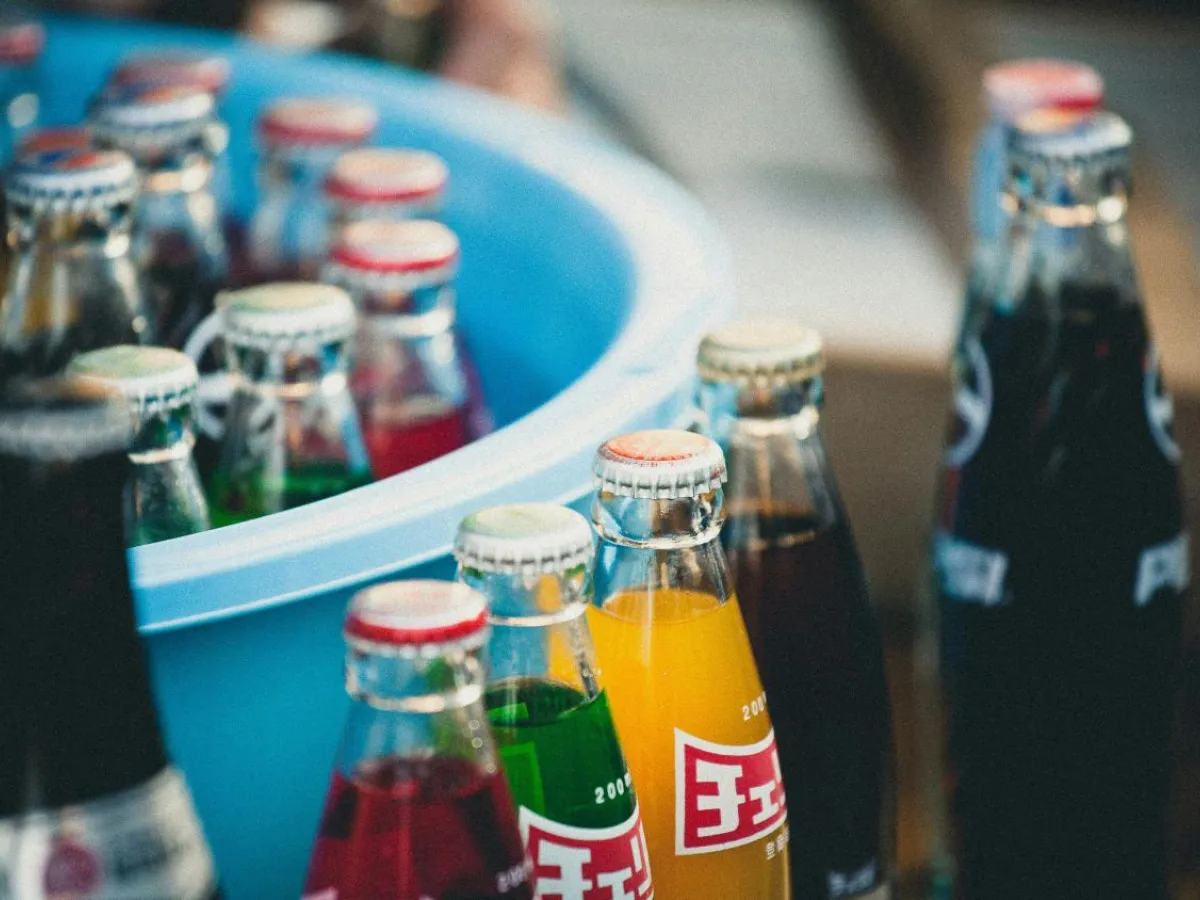
Citric acid monohydrate is the hydrated crystalline form of naturally occurring citric acid, found in citrus fruits. Its chemical formula is C₆H₈O₇·H₂O, and it appears as colorless
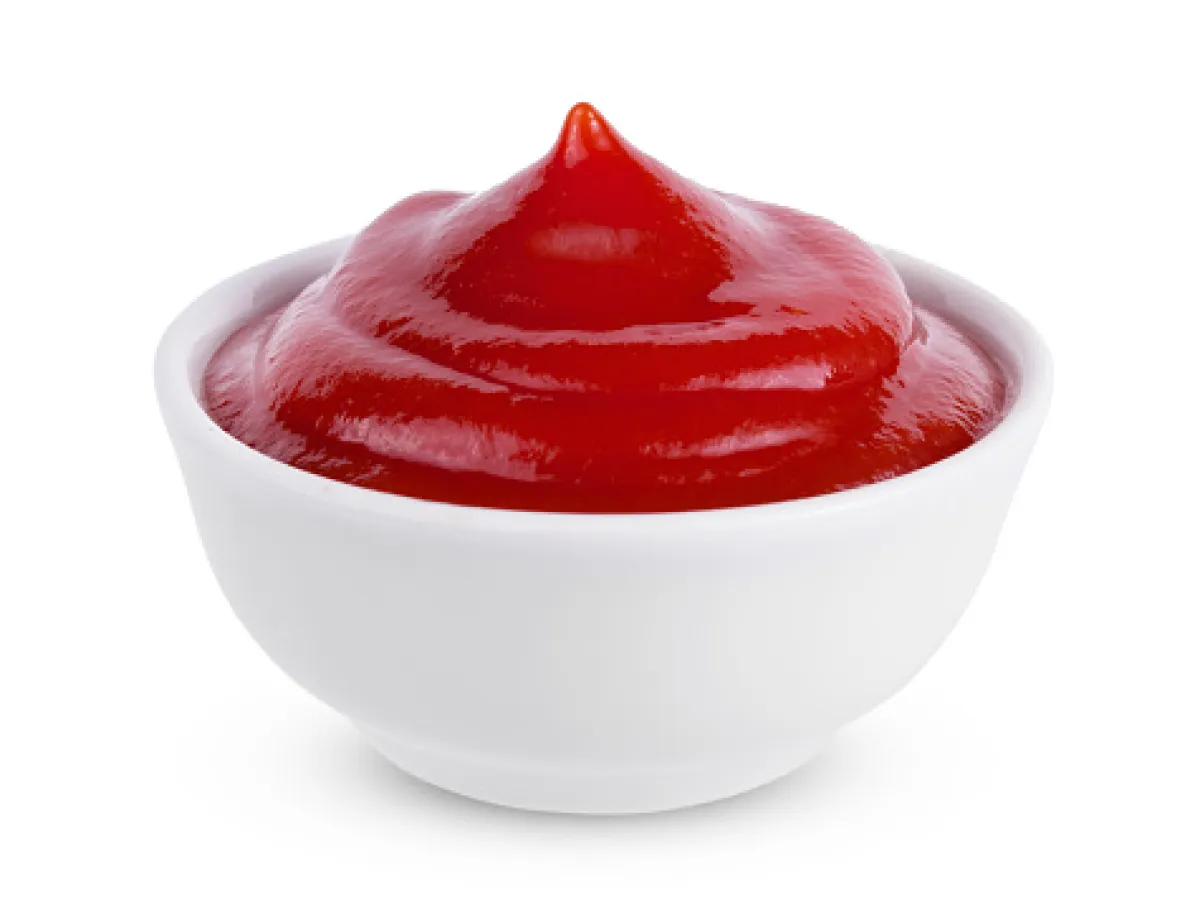
High-Temperature Resistant to Cooking, Unchanged Texture After Sterilization
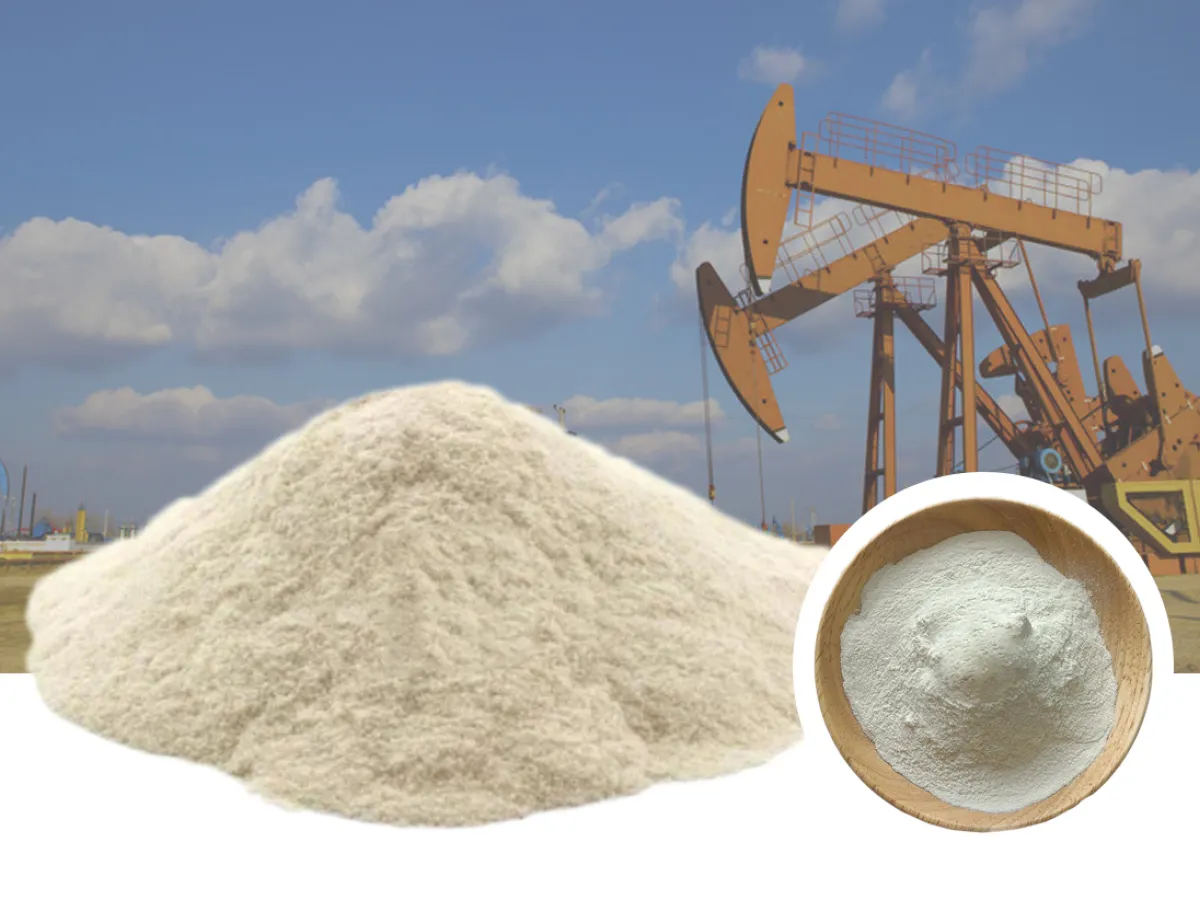
Polyanionic Cellulose (PAC) is a high-performance water-soluble polymer derived from cellulose through etherification, distinguished by its high degree of substitution (DS ≥ 0.85)
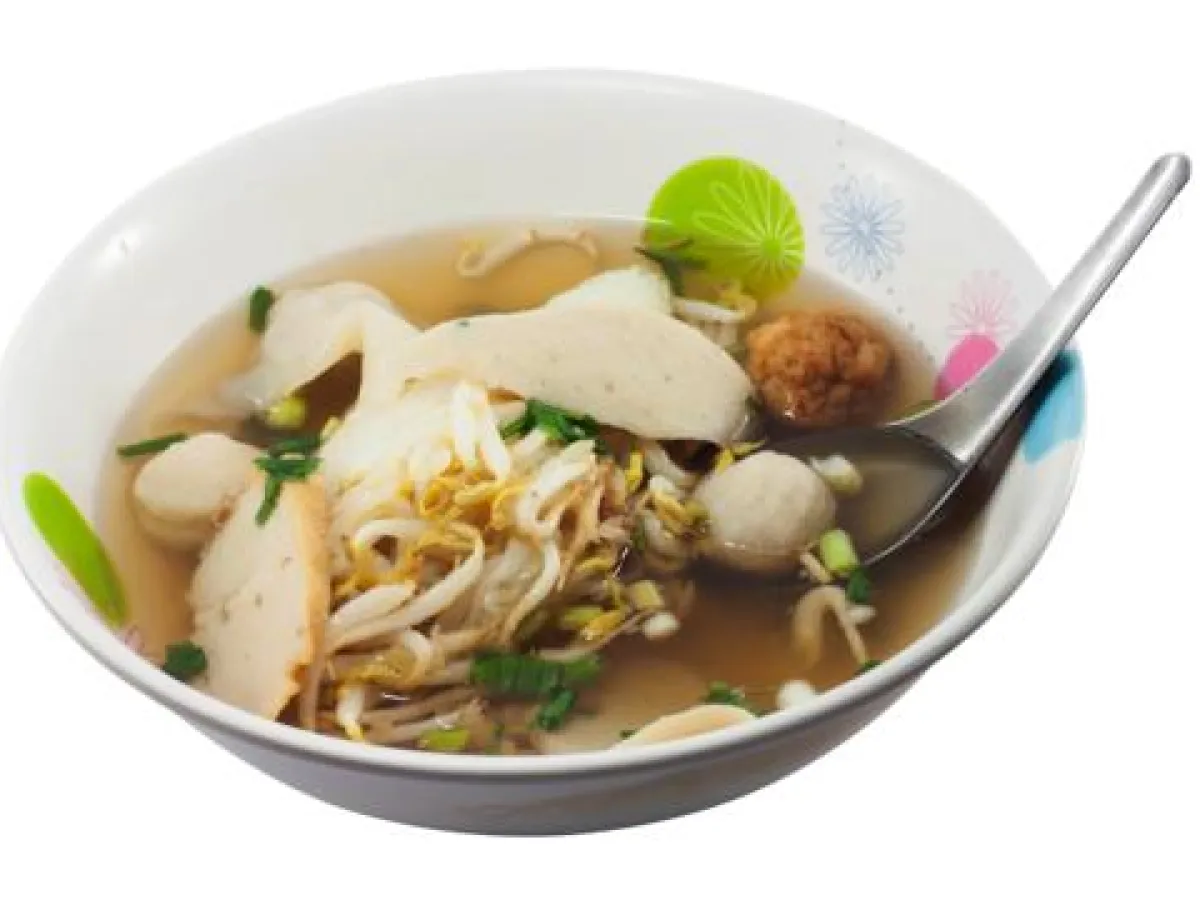
The global surimi market continues to expand as consumers increasingly seek convenient, nutritious, and high-quality seafood products. However, surimi manufacturers face ongoing ch
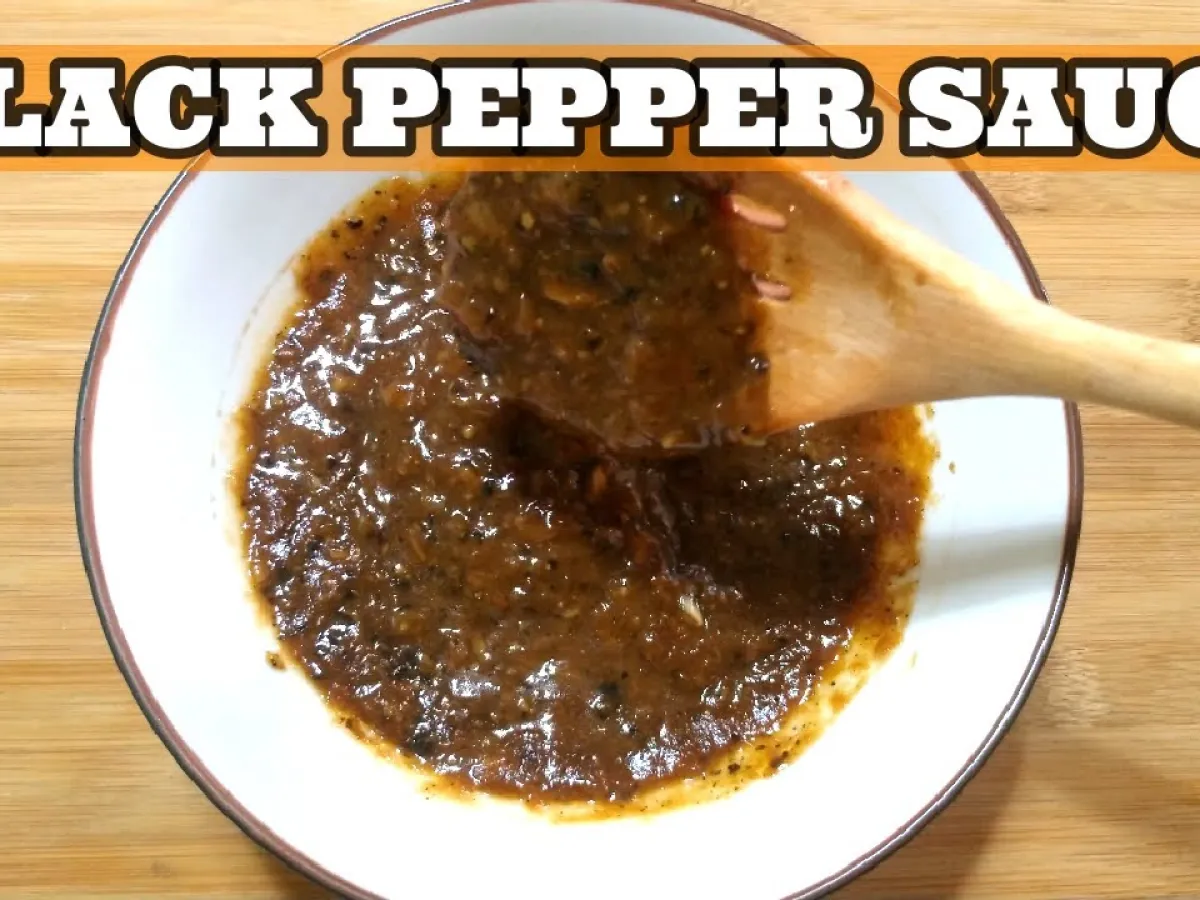
Nourisi® modified starch can cover all major sauce categories at home and abroad, and different formulas can be precisely matched with exclusive models. A professional technical te