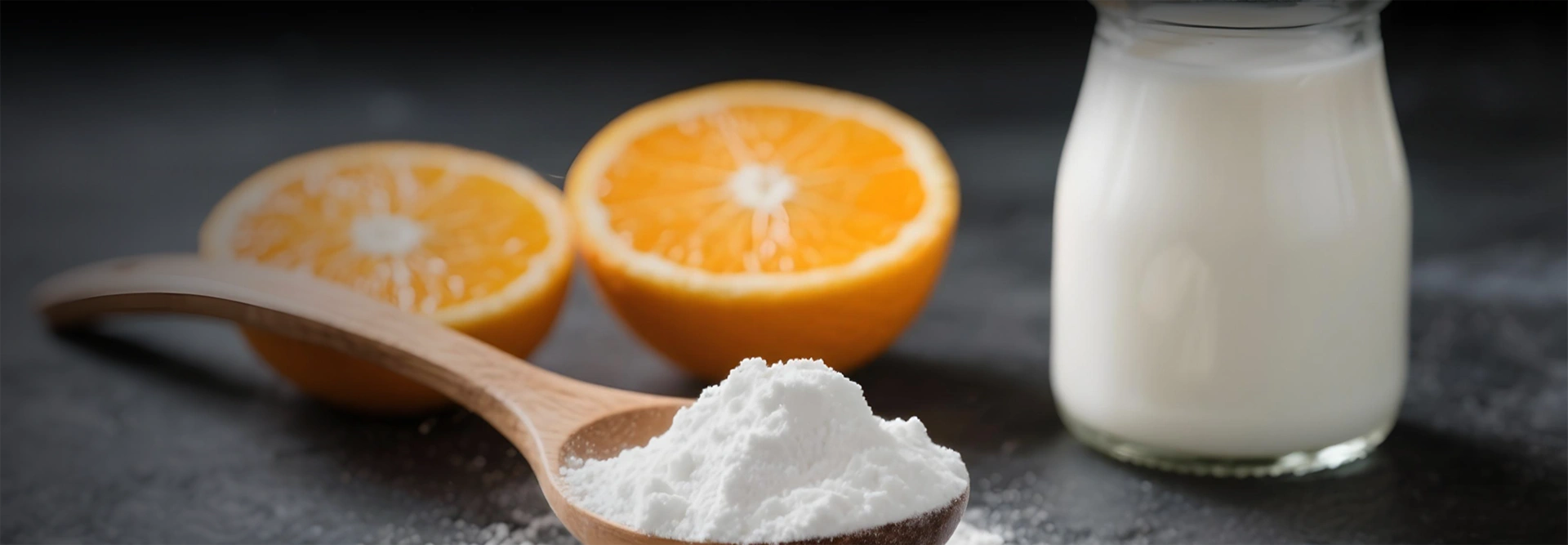
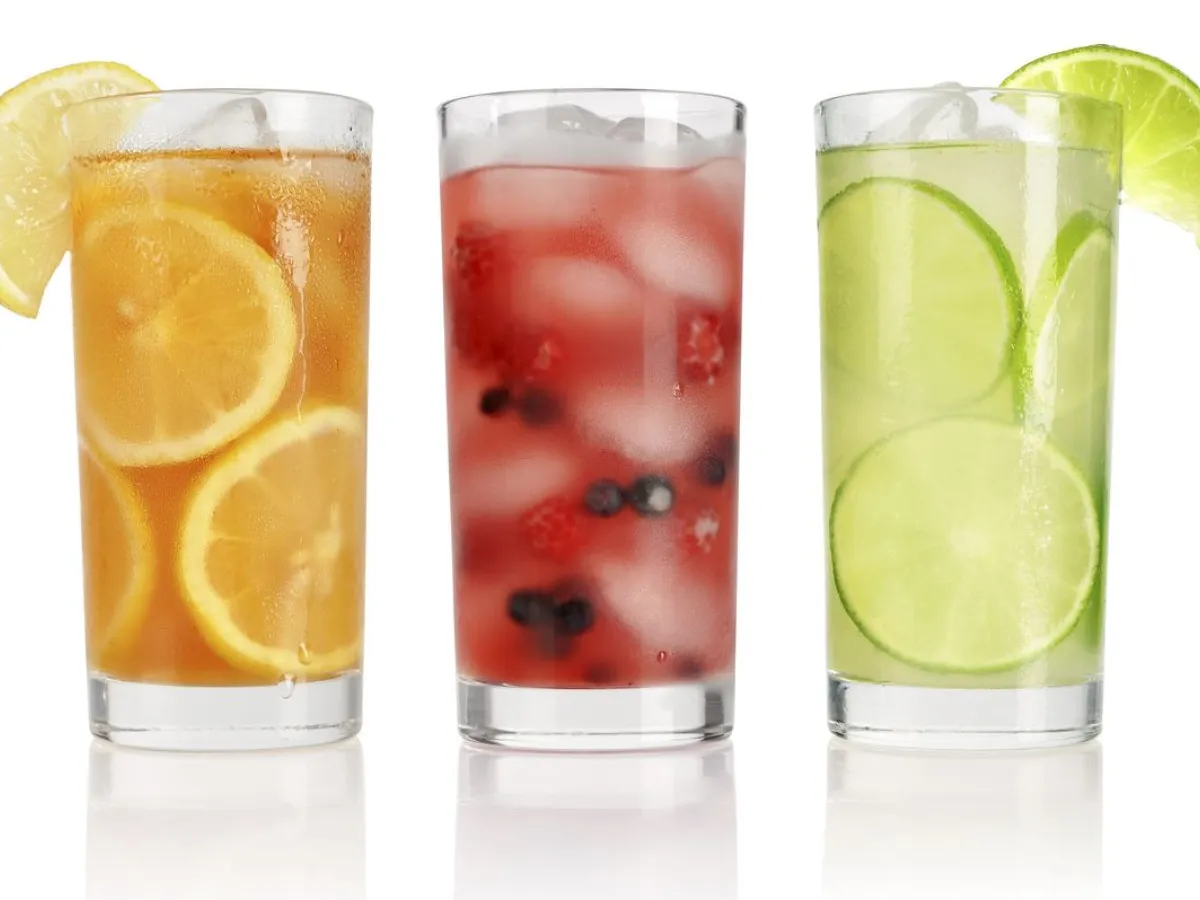
In the research, development, and production of functional solid beverages, collagen powder is evolving from a mere "nutritional additive" into a core base material that determines product form, mouthfeel, and efficacy experience. Its application spans formulation design, process control, and final consumption scenarios, with every detail directly impacting the product's market competitiveness.
I. Key Application Details in Production
When collagen powder is used in solid beverages, the primary challenge it faces is "solubility." High-quality collagen peptides, processed through specific enzymatic hydrolysis, have their molecular weight precisely controlled within an optimal range, endowing them with excellent cold-water instant dissolution properties. During production, formulation engineers must carefully consider the order of combining collagen with other excipients—such as vitamin C, hyaluronic acid, and fruit powders. To avoid agglomeration caused by excessively high local concentrations, a stepwise amplification mixing method is typically employed: the collagen powder is first premixed with a small amount of free-flowing excipients, then introduced into the main mixer to ensure every powder particle is uniformly dispersed.
After mixing, the material proceeds to the packaging stage. The flowability of collagen powder directly affects filling accuracy, and its particle morphology requires treatment via spray drying or fluidized bed granulation to achieve a uniform spherical or spherical-like microstructure. This morphology imparts excellent free-flowing properties to the powder, enabling automatic packaging machines to maintain consistent fill weight stability even at high speeds, avoiding packaging deviations caused by powder bridging or adhesion.
The reconstitution step represents the consumer's direct experiential touchpoint with the product. The wettability and dispersibility of collagen powder in both cold and hot water are critical details—premium products rapidly sink upon contact with water and completely dissolve with gentle stirring, forming a clear or slightly turbid uniform solution with no undissolved particles remaining at the bottom of the cup. This requires careful control over the powder's bulk density and surface hydrophobicity during production, allowing it to be quickly wetted under liquid surface tension rather than floating and forming clumps.

II. Core Advantages Derived from Collagen's Properties
In terms of absorption efficacy, collagen small-molecule peptides possess dipeptide and tripeptide structures that can be directly absorbed by the intestine in their intact form, bypassing the longer pathway required for ordinary proteins, which must first be broken down into free amino acids before absorption. This means that after ingestion, they enter the bloodstream and reach target tissues in a shorter time. For consumers seeking skin, bone, or joint health benefits, this efficient utilization mode translates directly into perceptible efficacy differences.
In terms of taste and flavor compatibility, collagen powder possesses a naturally mild character, exhibiting virtually no off-odors or bitterness. This stands in stark contrast to many functional ingredients, which often require substantial amounts of flavor-masking agents to cover unpleasant tastes. In solid beverage formulations based on collagen, only small amounts of natural fruit juice powders or plant extracts are needed to deliver a pleasant sweet-and-sour taste profile, thereby supporting a clean-label product positioning that meets modern consumers' preference for "fewer additives, more natural."
In terms of processing tolerance, collagen peptides demonstrate good thermal stability and pH stability. This ensures that the product does not undergo denaturation or deactivation during process steps such as spray drying and high-temperature instantaneous sterilization. Meanwhile, its isoelectric point lies far from the pH range of common beverage systems, preventing precipitation or flocculation due to pH fluctuations after reconstitution, thus guaranteeing the physical stability of the finished product throughout its shelf life.
In terms of formulation compatibility, collagen powder exhibits excellent synergistic potential with other functional ingredients. For example, when coexisting with vitamin C, the two do not interfere with each other structurally, while vitamin C can assist in collagen synthesis and utilization within the body. This compatibility provides broad space for formulation innovation, enabling brands to develop differentiated product lines targeting different population groups and varying efficacy demands.
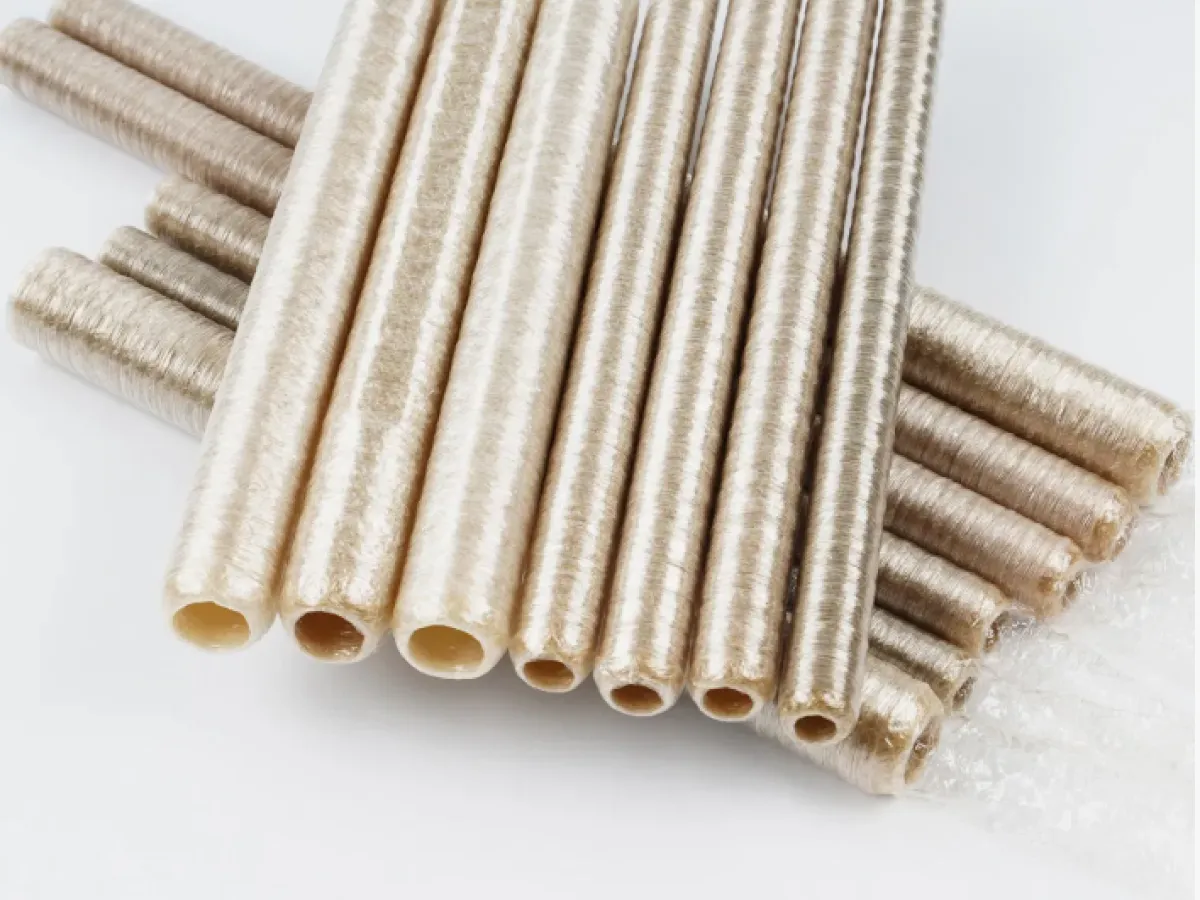
This guide provides a detailed comparison to help you determine which casing type best fits your production requirements.

The casein gel network formed during yogurt fermentation is structurally fragile and prone to rupture during transportation or refrigeration, leading to whey separation. Upon cooli

Aqueous solutions of welan gum exhibit typical pseudoplastic fluid characteristics, namely high apparent viscosity at low shear rates and a pronounced decrease in viscosity as the
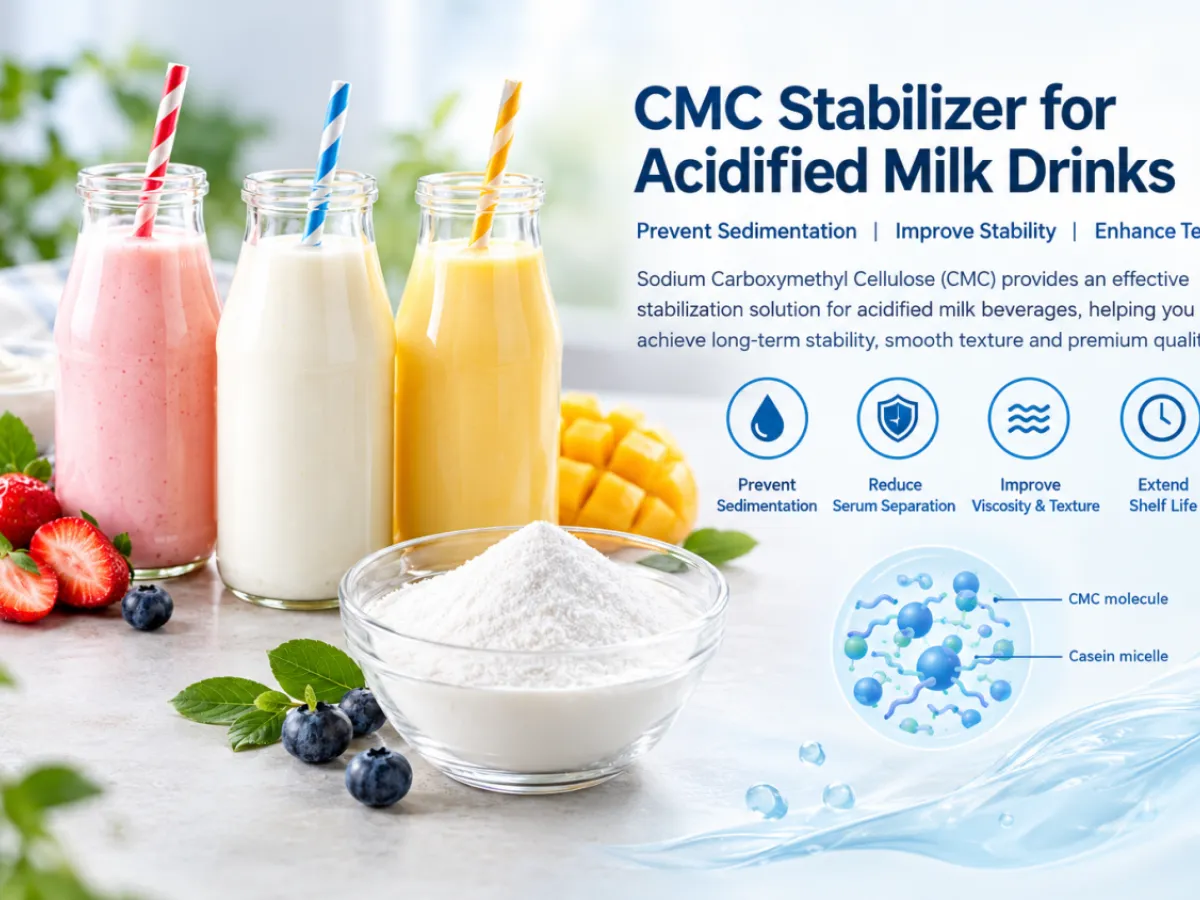
During storage, many acidified dairy beverages may experience problems such as protein aggregation, sedimentation, serum separation and viscosity loss, resulting in poor appearance
Sodium alginate is primarily derived from brown algae and exhibits excellent thickening, stabilizing, film-forming, and gelling properties.

From an application perspective, collagen powder has good compatibility. It can be compounded with vitamins, hyaluronic acid, elastin, probiotics, dietary fiber, and many other ing
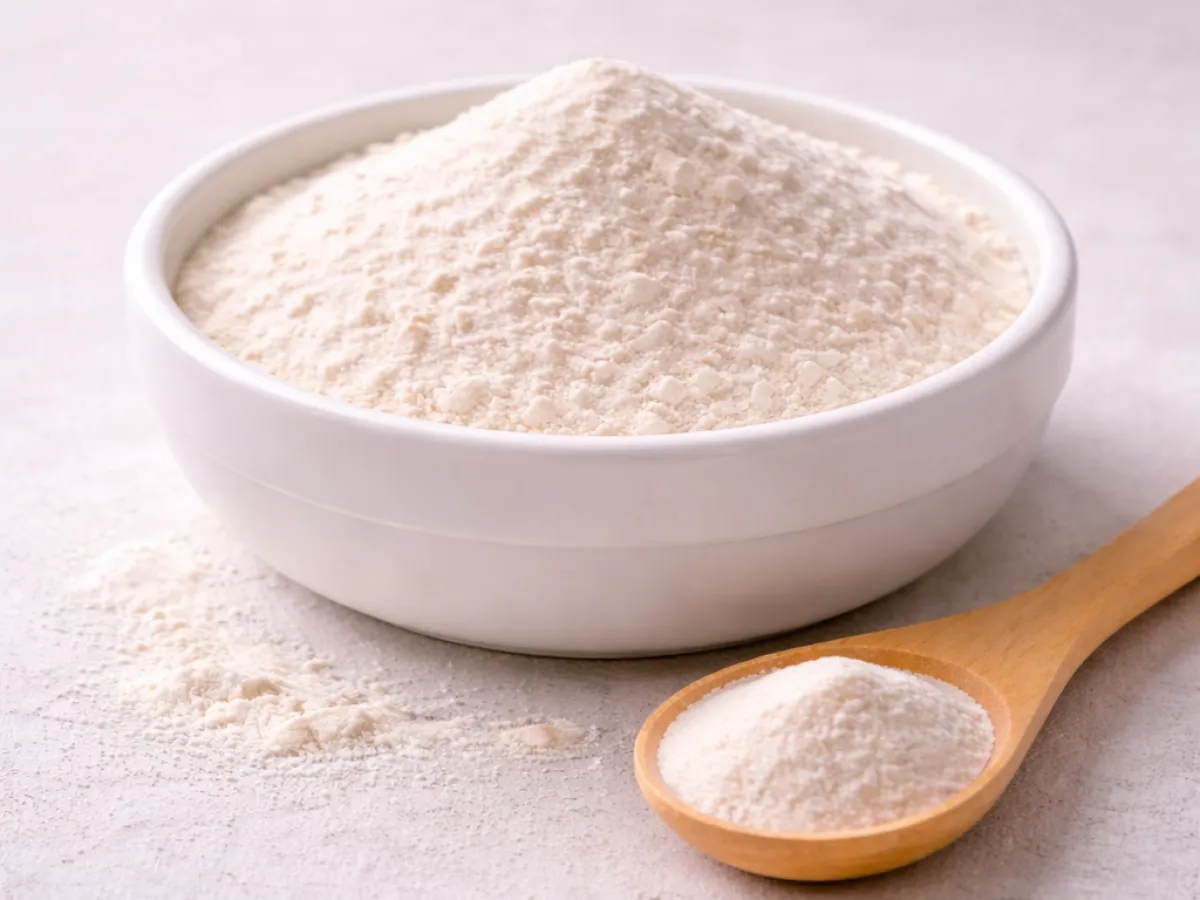
Modified starch relies on heat-induced gelatinization to form a viscous system; it establishes stable viscosity only after sufficient heating and provides no thickening effect in c

Single hydrocolloids always have limitations: xanthan gum alone provides insufficient oil dispersion and tends to release oil; agarose alone lacks suspension power and tends to sep
Dust pollution generated during coal mining, transportation, stockpiling, and handling poses severe health risks to workers, contaminates the environment, and creates safety hazard
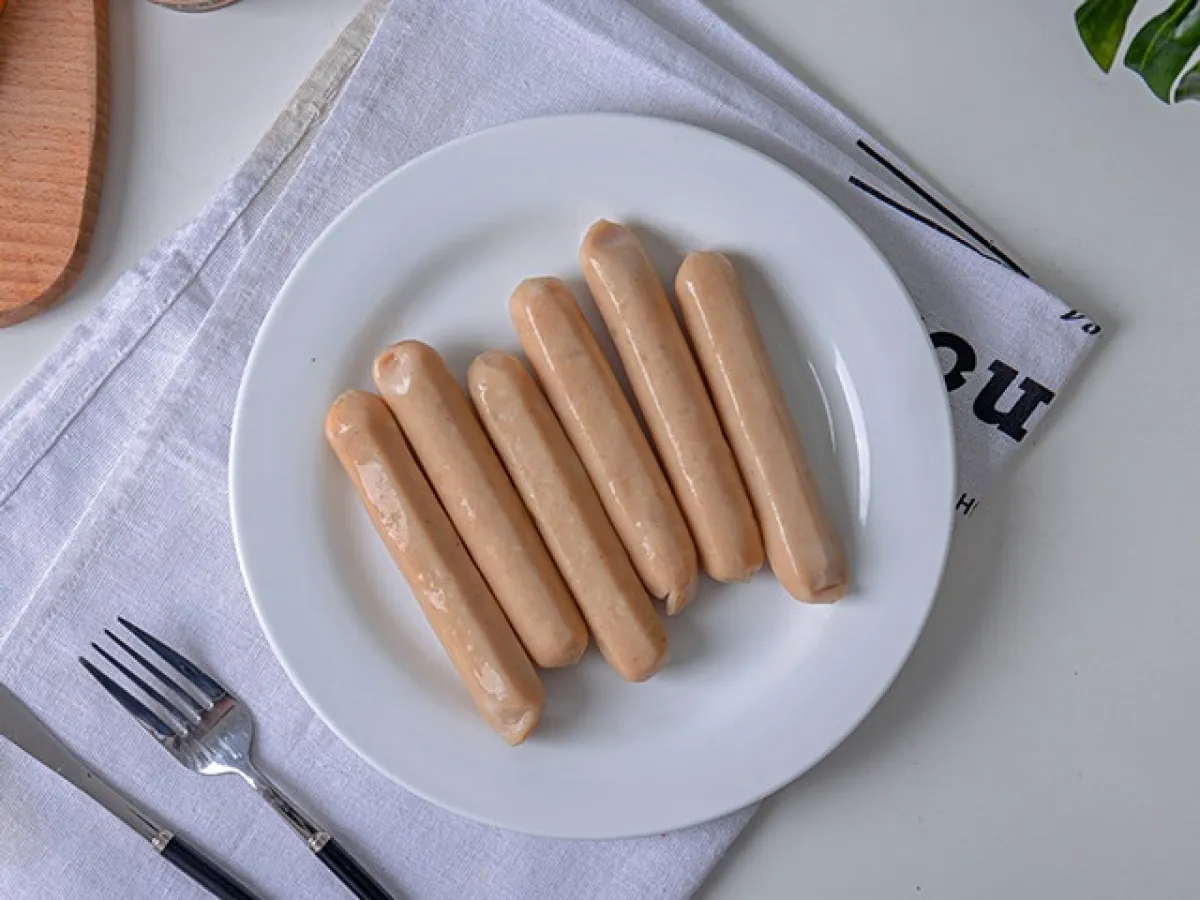
This knowledge article explains the fundamental differences between edible and non-edible collagen casings across material composition, manufacturing, applications, handling, and p