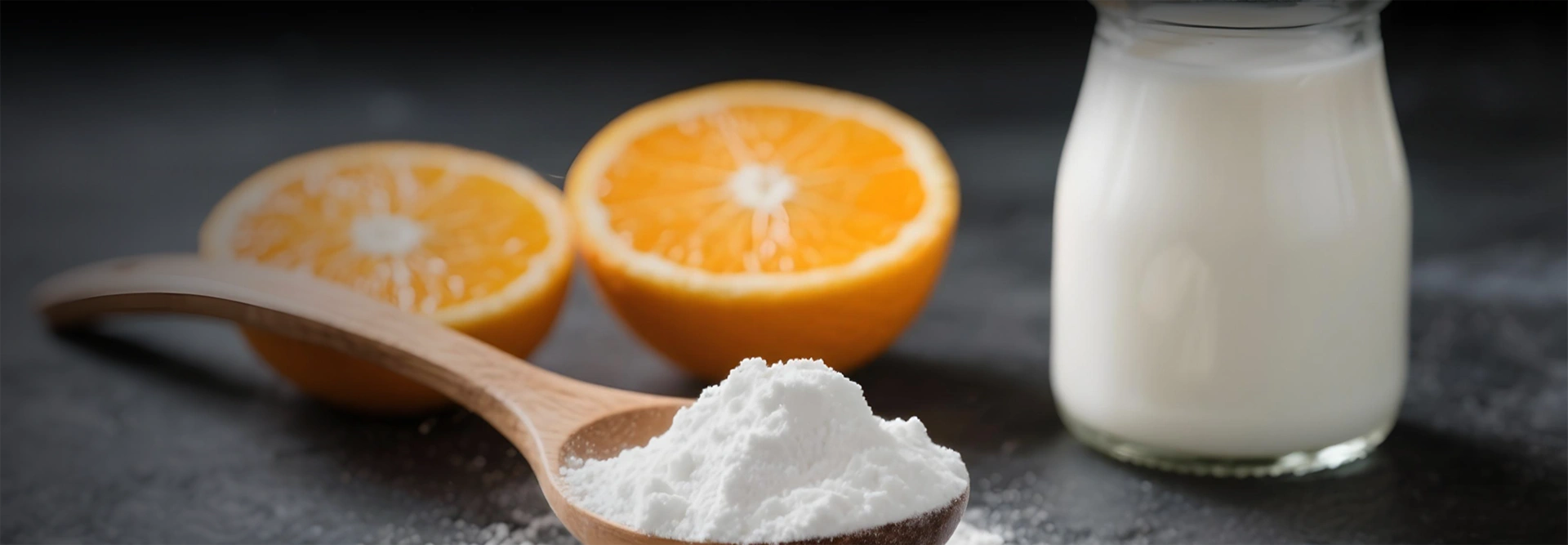
Many overseas sauce processing plants often encounter these problems: sauces become thinner after high-temperature sterilization, oil and water separate after a period of storage, chili oil floats to the surface, spices settle, low-fat salad dressings become loose and disorganized, rice sauces constantly seep water, and batches have inconsistent consistency. Nourisi® Sodium alginate, derived from natural brown algae, is a clean-label food additive that complies with the food regulations of most countries worldwide. It is a commonly used thickener and stabilizer in many condiment factories in Europe, America, and Southeast Asia, suitable for mass production of ketchup, chili sauce, salad dressing, barbecue sauce, and various compound seasonings.
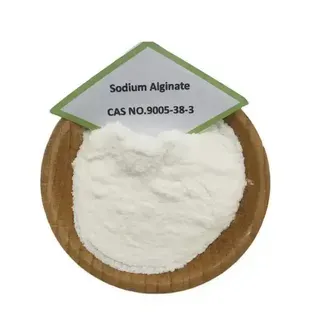
Four Practical Advantages of Local Production
High-Temperature Resistant to Cooking, Unchanged Texture After Sterilization
Many sauces require pasteurization and long cooking times. Starch-based colloids are easily hydrolyzed at high temperatures, causing the sauce to thin over time. Sodium alginate exhibits stable heat resistance, with minimal viscosity fluctuations after cooking and sterilization. Each batch of sauce has a uniform consistency, eliminating the need for repeated formula adjustments and allowing for more efficient large-scale production. Furthermore, its thickening effect is smooth, without a heavy, gelatinous feel. The sauce is smooth to drink, pours easily, and leaves a perfect coating on the saucer without masking its own spicy flavor.
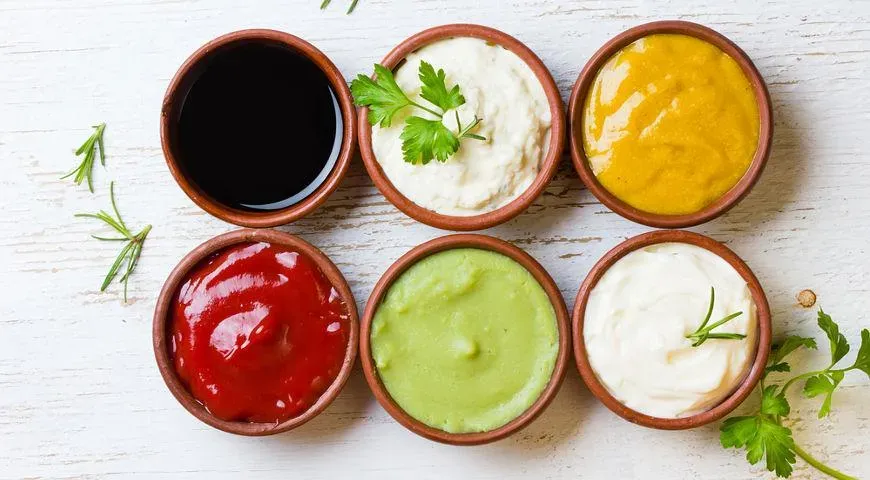
Locks in Oil and Water, Extending Shelf Life
Salad dressings, chili sauces, and Italian tomato juices are all oil-water mixtures. Long-distance sea transport and prolonged storage in supermarkets can easily cause separation and water loss. Sodium alginate forms a dense network structure within the sauce, encapsulating oils and binding free water, allowing chili flakes, fruit pulp, and spices to remain evenly suspended. Whether stored at room temperature or under refrigeration, it is less prone to oil floating, water seepage, and sedimentation throughout the entire process, effectively extending shelf life and reducing losses during overseas transportation and end-sales.

It is acid and high-salt resistant, compatible with the vast majority of seasoning formulas.
The range of sauce formulas on the market is vast: from sweet and sour dipping sauces with high vinegar content, to fermented bean paste and Korean chili sauce with high salt content, to low-fat sauces for weight loss. Sodium alginate is suitable for a pH range of 4-10, and its performance will not deteriorate rapidly under high-salt and acidic environments. Low-fat sauces, in particular, lack the support of oil, making them prone to crumbling. Adding sodium alginate can supplement the system's support, eliminating the need for large amounts of oil to maintain texture, aligning with the overseas trend of healthy, low-fat consumption.
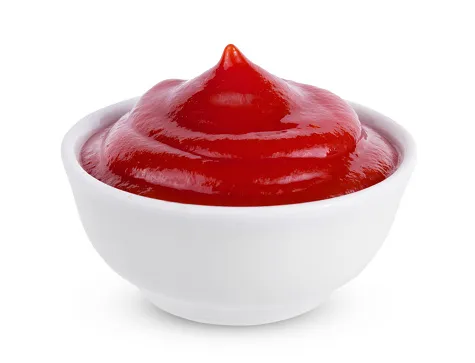
Excellent water-locking ability, preventing sauces from becoming watery.
Rice sauces, marinades, and hot pot dipping sauces easily release water, diluting the flavor and affecting appearance. Sodium alginate has a strong water-locking ability, locking in excess free water, resulting in a firm and delicate sauce that does not separate after filling. The finished product has a uniform and beautiful appearance, maintaining a stable quality regardless of whether it is bottled or packaged in a tube.
For condiment companies that export sauces and target multiple international markets, naturally sourced sodium alginate offers strong compliance and meets the food access requirements of various countries. It solves common mass production problems such as separation, water seepage, thinning at high temperatures, and unstable taste. It is suitable for various scenarios including high-temperature processing, long-distance sea transport, and room-temperature refrigeration. Furthermore, it is compatible with both traditional sauces and currently popular low-fat, healthy sauces, making it a stable thickening ingredient with high cost-effectiveness suitable for global sauce production.
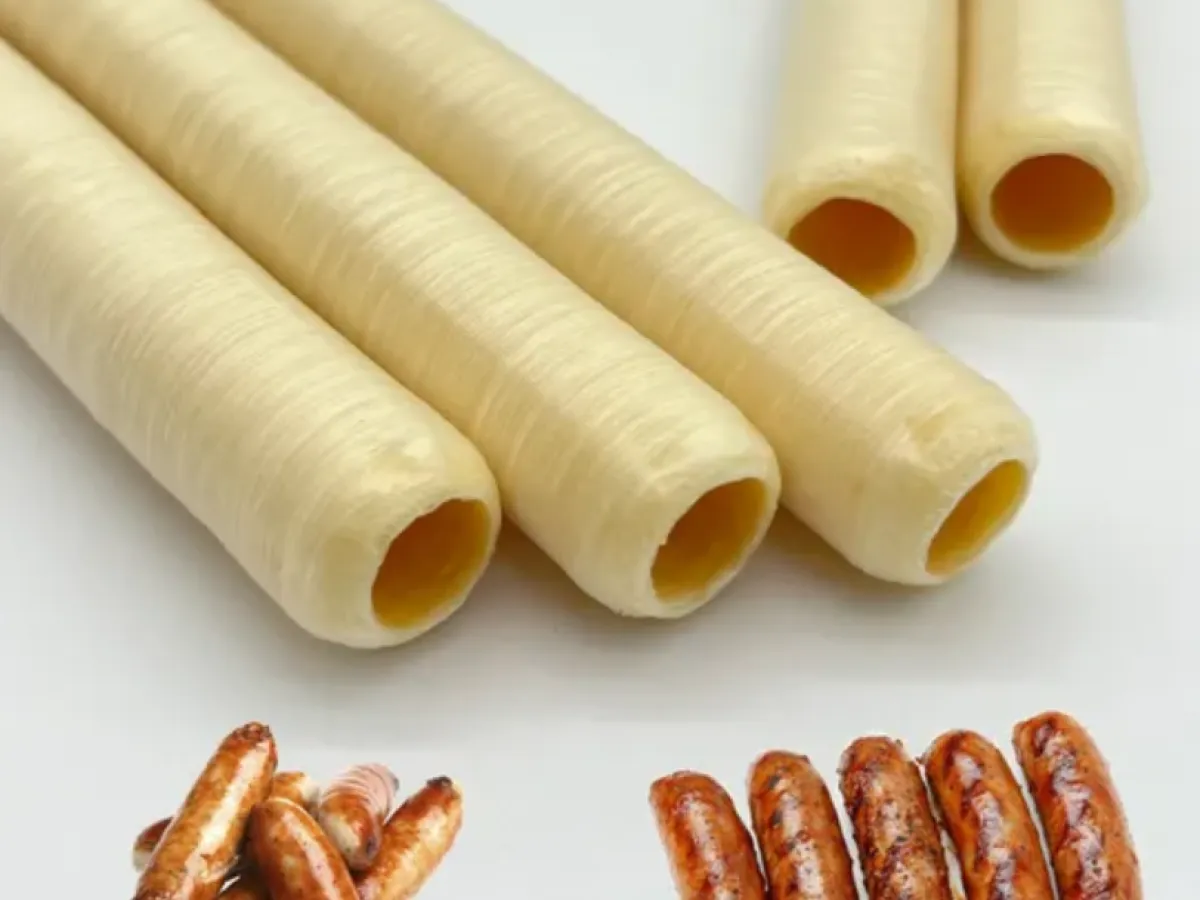
In modern meat processing, the casing you choose impacts more than just your sausage's appearance—it influences production efficiency, product consistency, and your bottom line. As

Citric acid monohydrate is the hydrated crystalline form of naturally occurring citric acid, found in citrus fruits. Its chemical formula is C₆H₈O₇·H₂O, and it appears as colorless
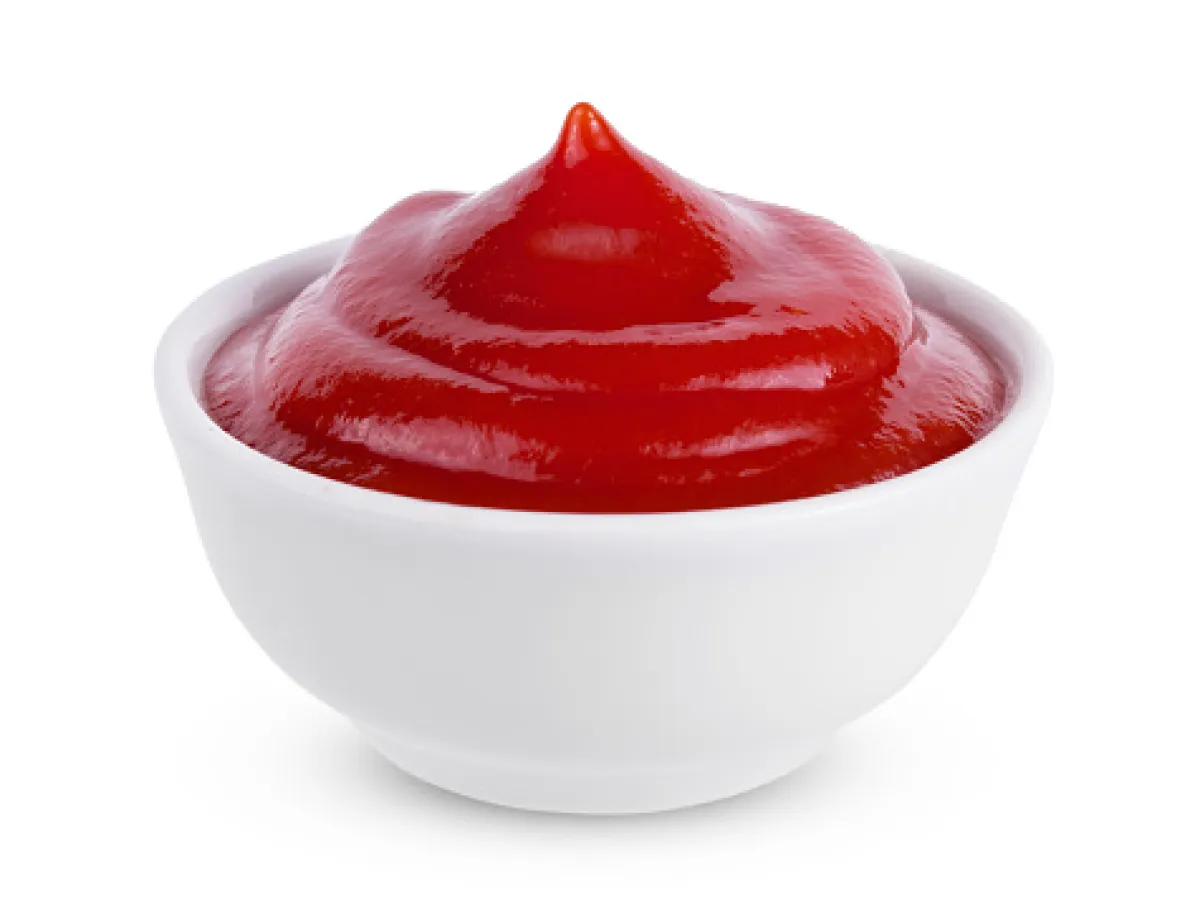
High-Temperature Resistant to Cooking, Unchanged Texture After Sterilization
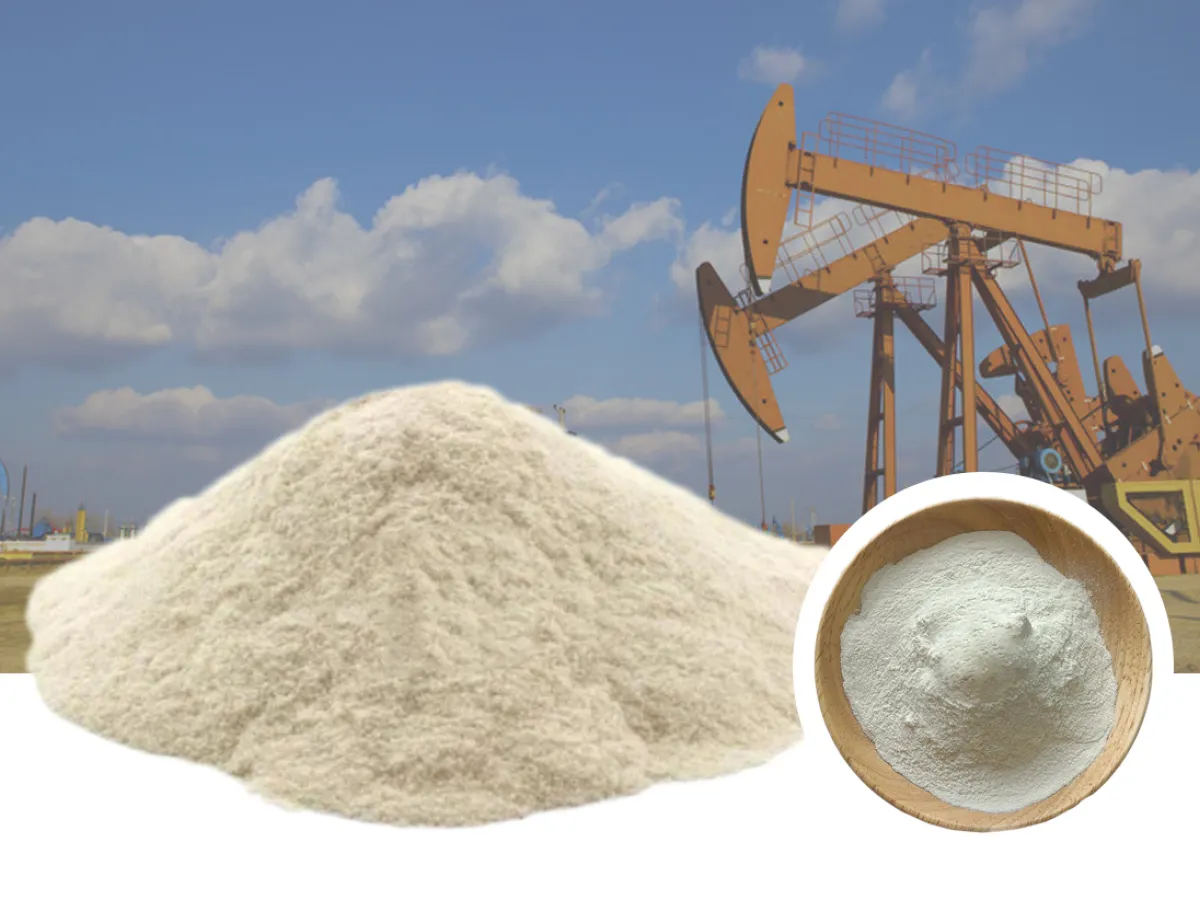
Polyanionic Cellulose (PAC) is a high-performance water-soluble polymer derived from cellulose through etherification, distinguished by its high degree of substitution (DS ≥ 0.85)
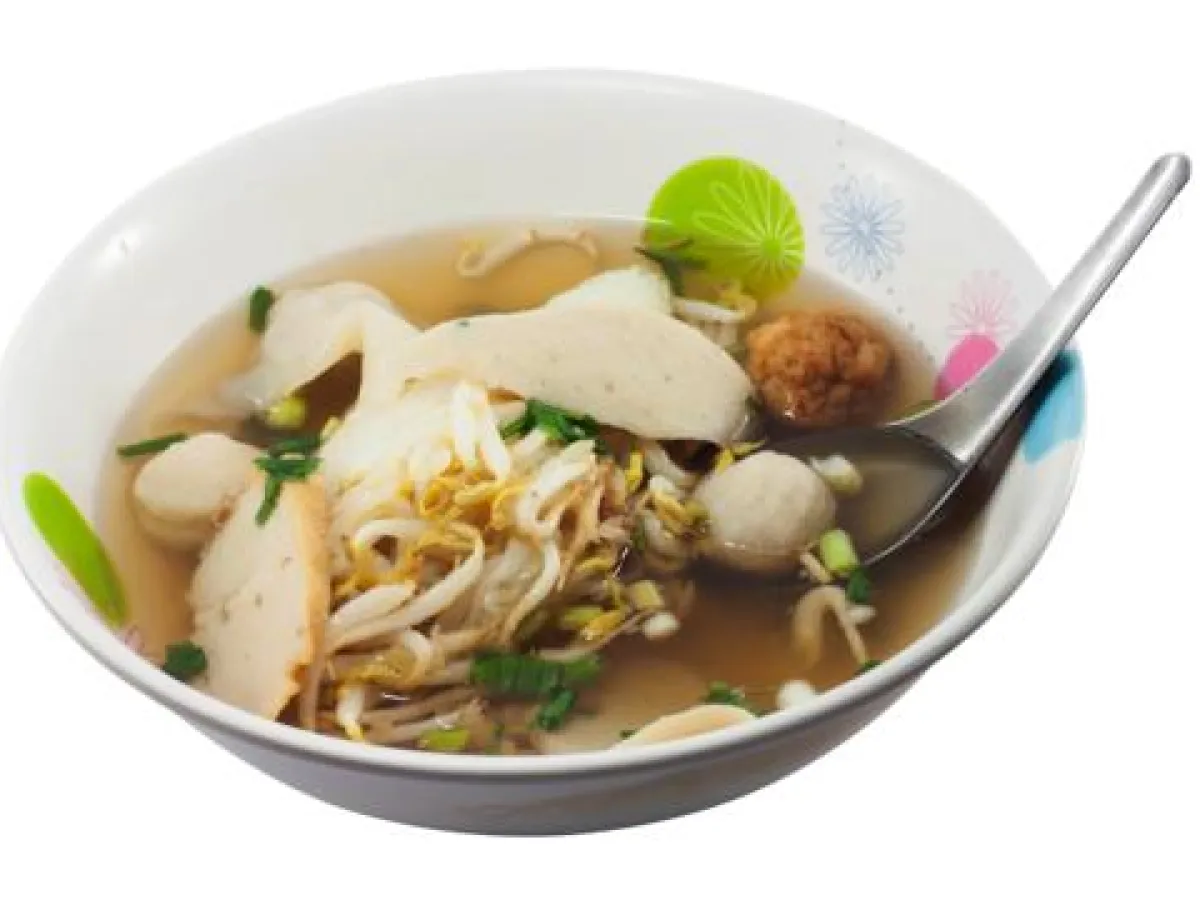
The global surimi market continues to expand as consumers increasingly seek convenient, nutritious, and high-quality seafood products. However, surimi manufacturers face ongoing ch
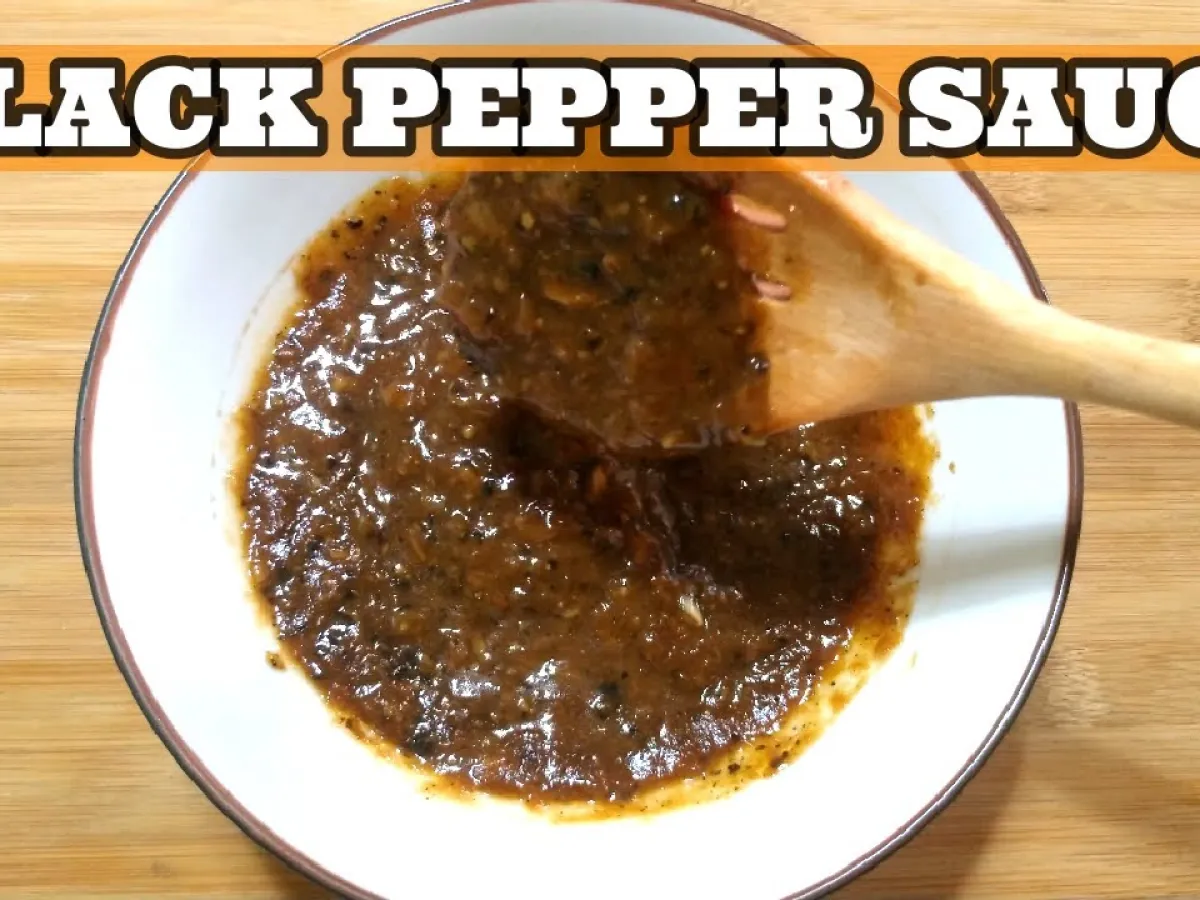
Nourisi® modified starch can cover all major sauce categories at home and abroad, and different formulas can be precisely matched with exclusive models. A professional technical te

This is the problem that bake-stable pectin was designed to solve.
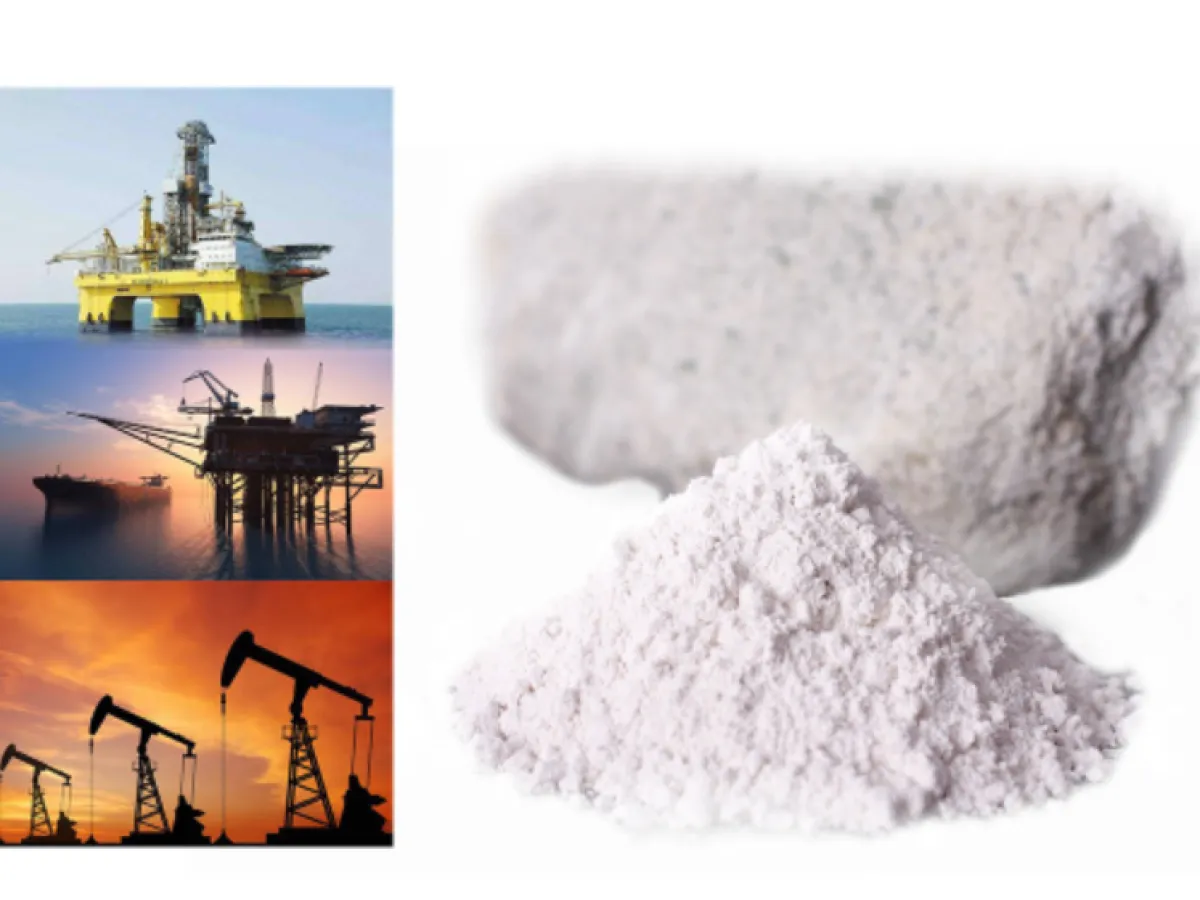
Polyanionic Cellulose (PAC) is a water-soluble anionic polymer derived from natural cellulose through chemical modification, specifically by introducing carboxymethyl groups onto t
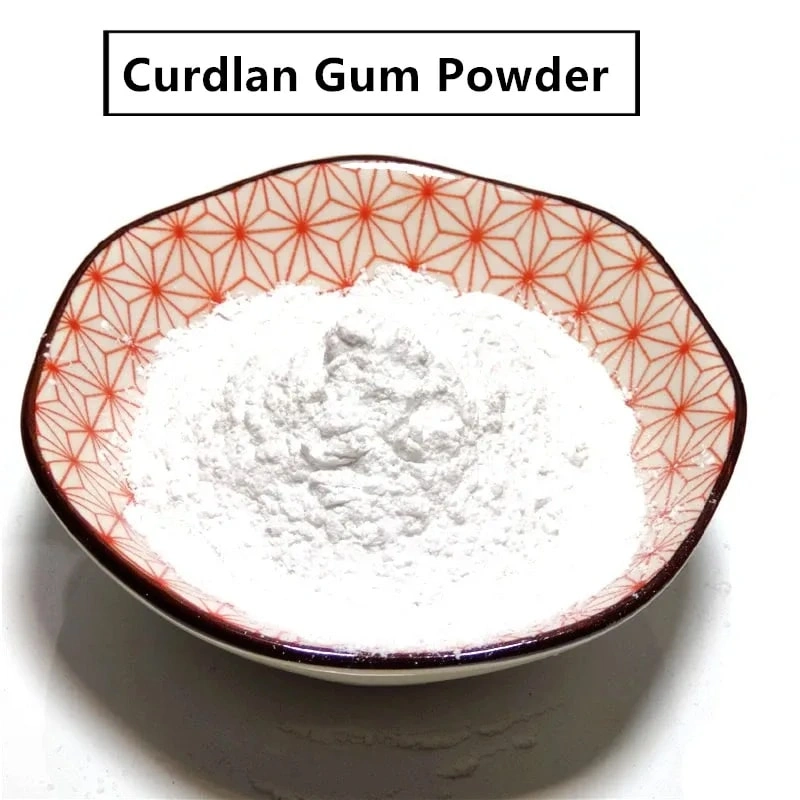
Nourisi Curdlan Gum, a natural polysaccharide produced by microbial fermentation, is becoming a reliable solution in the meat processing industry due to its unique gel properties.
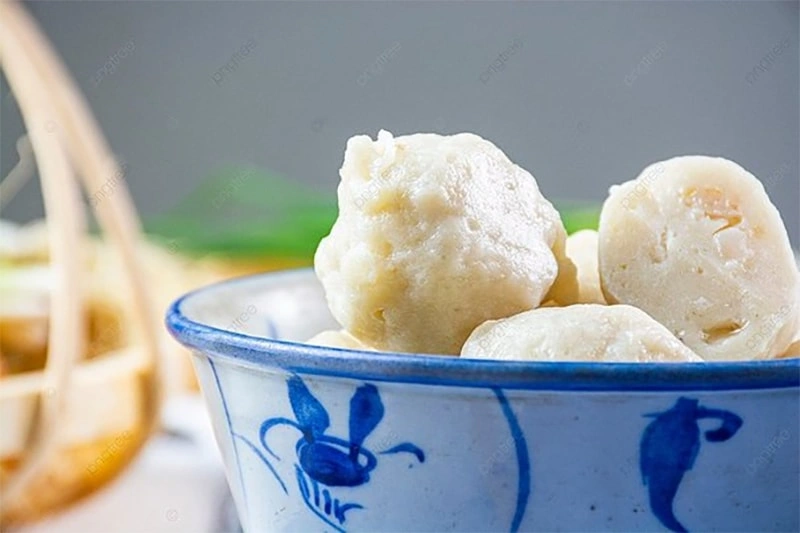
Nourisi curdlan gum uses alcaligenes faecalis as the producing bacteria, sucrose or glucose as the main raw material, and is made by a specific biological fermentation process and purification, drying, and crushing.