The plant‑based revolution has created a problem: how do you replicate gelatin's unique texture without animal ingredients?
Agar agar is brittle. Carrageenan can be tricky with dairy. Pectin doesn't work across pH ranges. But there is one solution that ticks all the boxes – and it comes from bacterial fermentation, not animal bones.
Gellan gum is not new. But its role as a gelatin replacement is finally getting the attention it deserves.
Three Problems with Gelatin You May Have Overlooked
First, supply chain vulnerability. Gelatin prices fluctuate with livestock markets and geopolitical factors. In 2020–2021, many confectionery brands faced unexpected cost spikes.
Second, formulation limits. Gelatin melts at relatively low temperatures (around 35°C). This means gummy bears left in a parked car become a sticky mess – a common consumer complaint.
Third, and most obvious, the animal origin.With 42% of global consumers now actively choosing plant‑based options (McKinsey, 2023), gelatin automatically excludes a growing market segment.
What Actually Happens When You Replace Gelatin with Gellan Gum?
In terms of gelation mechanism, gelatin sets upon cooling after heating, while gellan gum gels in the presence of cations like calcium or potassium. This gives formulators more control over the gelling process.
For usage levels, gelatin is typically needed at 1% to 5% of your formula. Gellan gum achieves comparable or better results at just 0.1% to 0.5% – making it up to ten times more efficient.
Heat stability is another major differentiator. Gelatin melts at around 35°C to 40°C, which is barely above body temperature. Low Acyl gellan gum, by contrast, remains stable at temperatures exceeding 120°C. High Acyl gellan gum is thermally reversible, offering flexibility for different processing needs.
When it comes to pH stability, gelatin performs poorly below pH 4.0, losing its gelling power in acidic environments. Gellan gum maintains its structure across a wide range from pH 3.5 to 8.0, making it ideal for fruit‑based and acidic products.
Clarity also differs significantly. Gelatin typically produces a yellowish to amber color, while Low Acyl gellan gum creates highly transparent gels – perfect for crystal‑clear jellies and confectionery.
Finally, texture range. Gelatin offers elastic to firm textures, but it cannot easily be adjusted. Gellan gum, through blending High Acyl and Low Acyl types, can produce everything from soft and elastic to firm and brittle – and everything in between.
The real power? Blending High Acyl and Low Acyl. Want a gummy that is firm but not brittle, clear but not glass‑like? A 70/30 blend might work. Need a spoonable dessert that holds fruit pieces in suspension but breaks down on the tongue? Adjust the ratio and cation level. This tunability is something gelatin simply cannot offer.
Four Under‑Appreciated Advantages of Gellan Gum
1. Heat Stability That Protects Your Brand Reputation
Gelatin‑based gummies melt in warm weather. Consumers hate this. Low Acyl gellan gum forms gels that remain intact at temperatures exceeding 120°C. Your candies can survive a delivery truck in August. That is a competitive advantage you can market.
2. Cost Neutral – or Better – Economics
Yes, gellan gum costs more per kilogram than gelatin. But look at usage levels. At 0.2% versus gelatin at 2%, your cost per batch may be similar or even lower when you factor in reduced waste, longer shelf life, and fewer customer complaints.
3. Acid Stability for Fruit‑Forward Products
Gelatin loses gelling power below pH 4.0. Many fruit preparations are exactly there. Gellan gum maintains structure down to pH 3.5. This means no more sagging fruit jellies on your bakery items.
4. Clean Label Compatibility
Gellan gum is listed as E418 but can also be declared simply as "gellan gum" on clean‑label products. It requires no chemical modifiers and has a short, recognizable ingredient list – something retailers increasingly demand.
Real Applications: Where Gellan Gum Outperforms Gelatin
Across multiple product categories, gellan gum delivers results that match or exceed gelatin. For vegan gummy bears, Low Acyl gellan gum creates firm, transparent, heat‑stable candies with no stickiness. For plant‑based panna cotta, High Acyl gellan gum provides a creamy mouthfeel without any dairy. In fruit preparations for yogurt, gellan gum suspends fruit pieces effectively while preventing syneresis (liquid separation). For bakery glazes, the heat stability of gellan gum means the glaze won't melt during secondary baking. And in pharmaceutical capsules, gellan gum meets the growing demand for vegetarian and vegan capsule options.
We have worked with customers across all these categories. One confectionery brand reduced their gelatin‑related customer complaints by over 70% after switching to a gellan‑based formula. Another bakery chain extended their fruit tart shelf life by three days because the glaze stopped weeping.
A Note on Halal, Kosher, and Certification
Because gellan gum is produced by fermentation – not from animal sources – it naturally qualifies for Halal and Kosher certification without complex processing. This opens export markets that gelatin cannot easily access.
Ready to Test?
We do not expect you to take our word for it. Request a sample. Run your own trials. Compare texture, stability, and cost side‑by‑side with your current gelatin formula.
We supply:
High Acyl gellan gum (soft, elastic, reversible)
Low Acyl gellan gum (firm, brittle, transparent)
Custom blends tailored to your specific application
Technical formulation support (no generic advice)
In the international food and dietary supplement industries, sodium alginate and carrageenan are two widely used seaweed-derived hydrocolloids. Despite their shared origin, the und

In oil and gas drilling operations, the prosperity of a drilling process heavily depends on the rheological properties and filtration behavior of drilling fluids . Uncontrolled flu
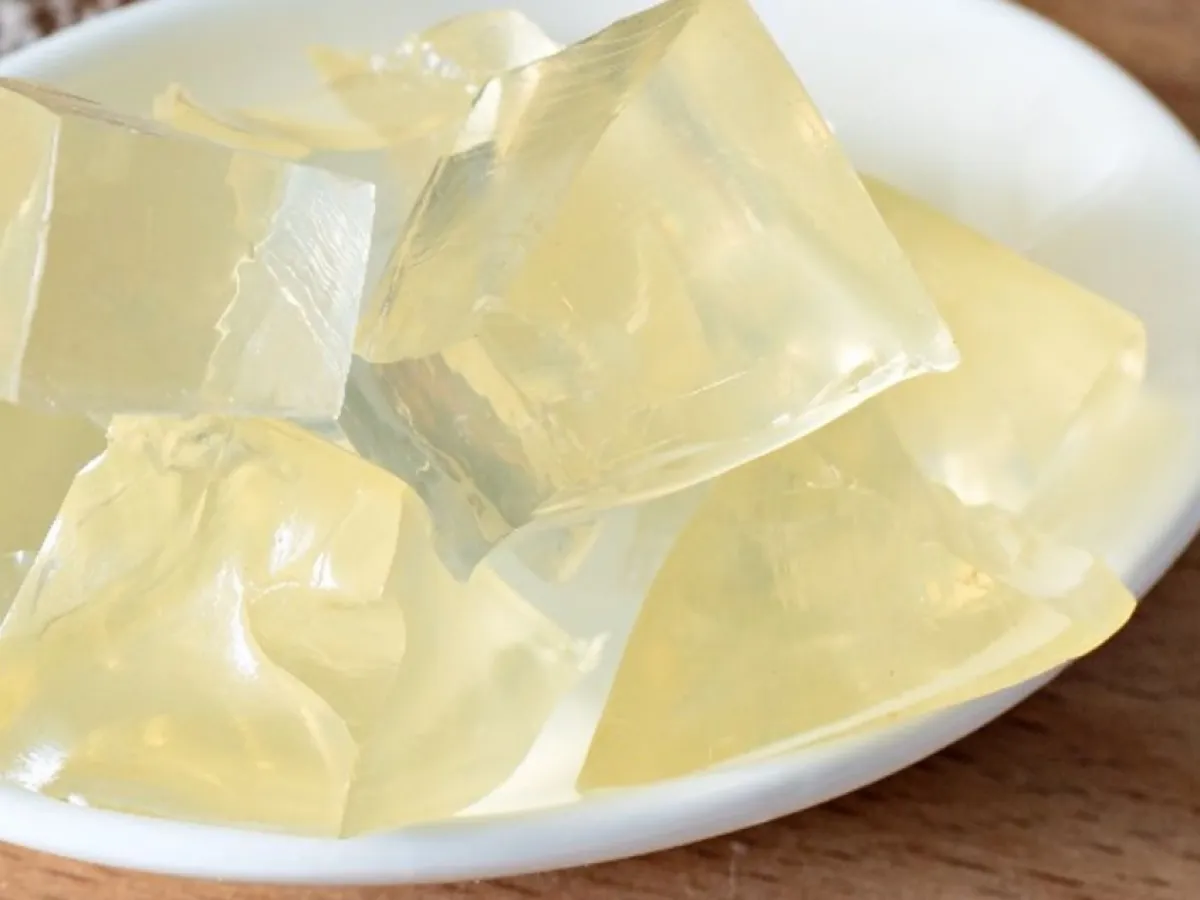
The first step in making gelatin gummies is to allow the gelatin to fully hydrate. Gelatin does not dissolve in cold water, but it can absorb water and swell in cold water. This pr
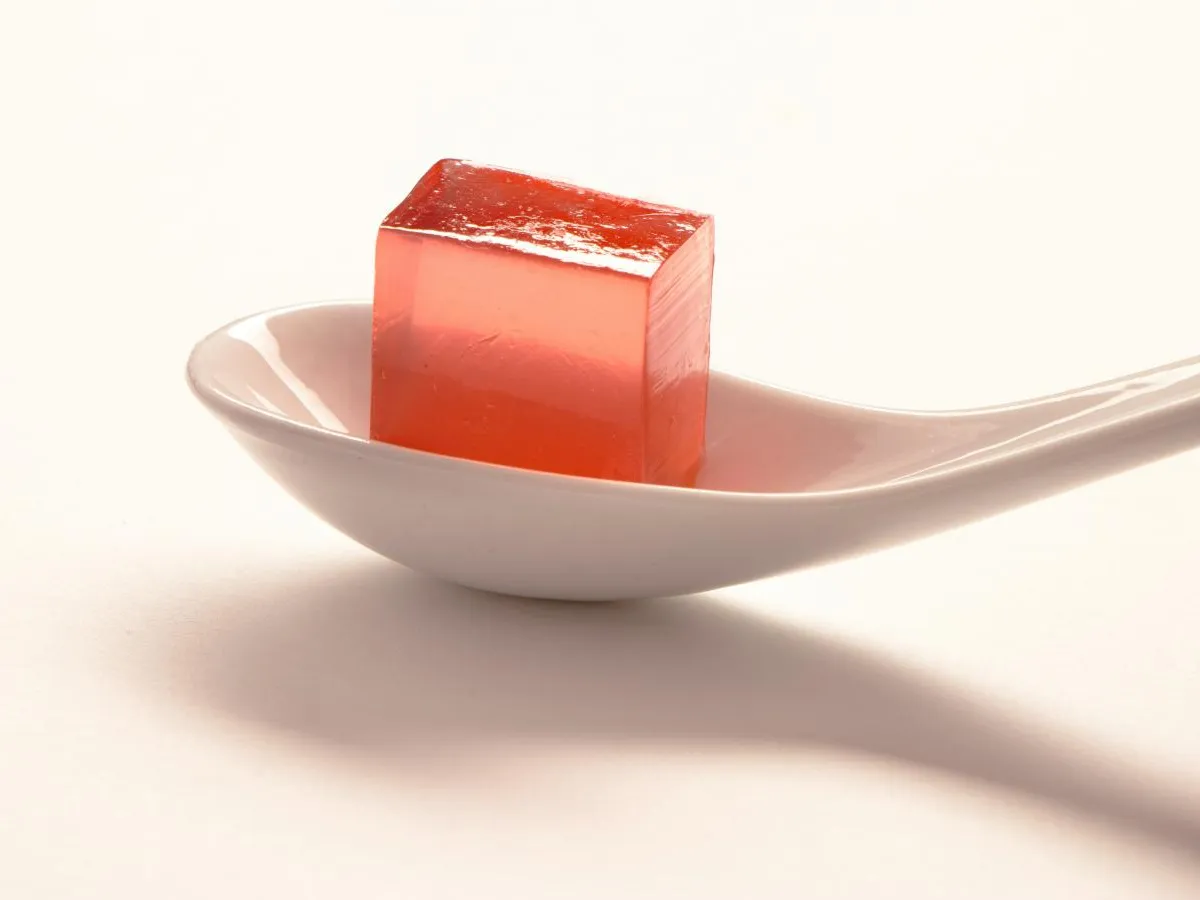
The key difference? Gelatin is a protein from animal collagen; agar is a carbohydrate from red algae.This fundamental distinction drives every other difference between them — and d

In the papermaking industry, modified starch is one of the core additives. Oxidized starch, cationic starch, and esterified starch are mainly used for surface sizing, internal sizi
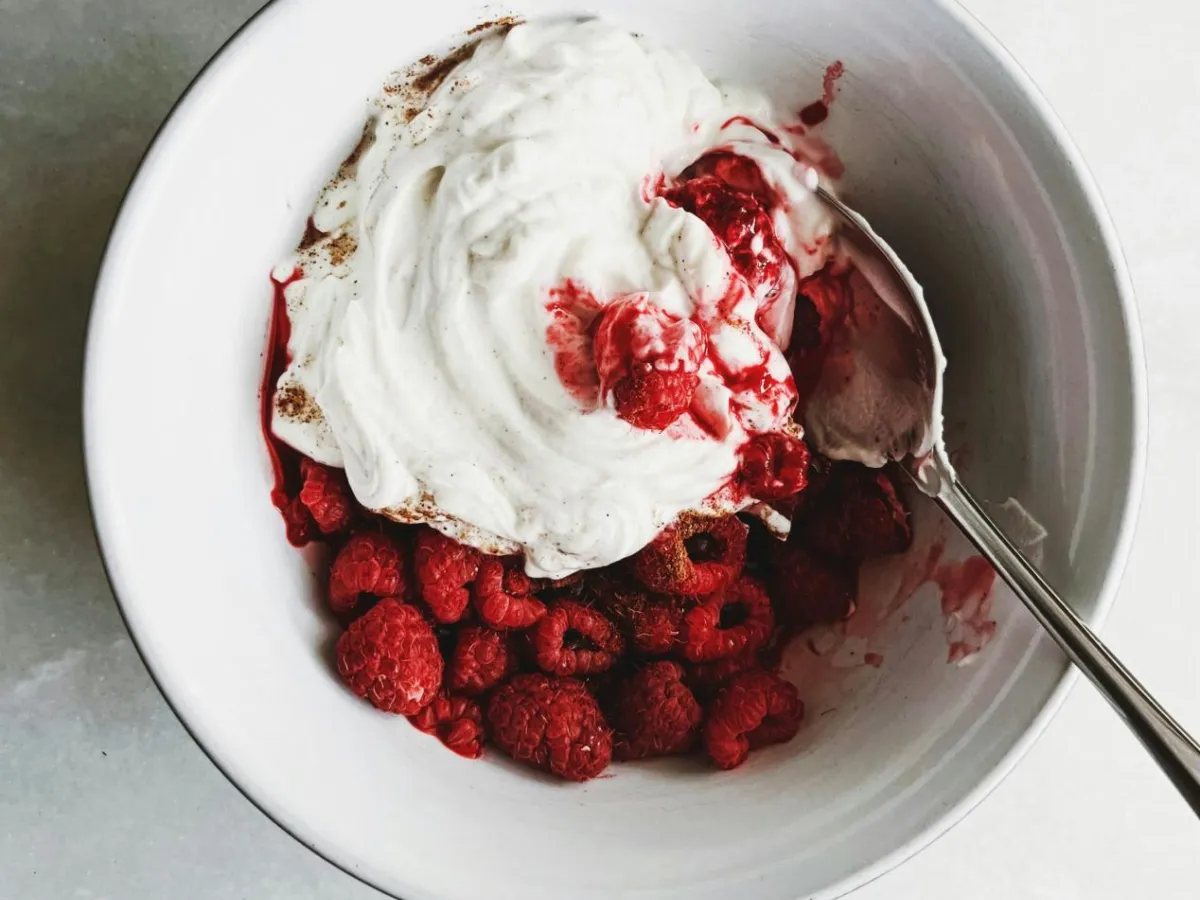
The adoption of pectin in yogurt is not just anecdotal. According to market data, more than half of all new spoonable yogurt launches now contain pectin. This widespread acceptance
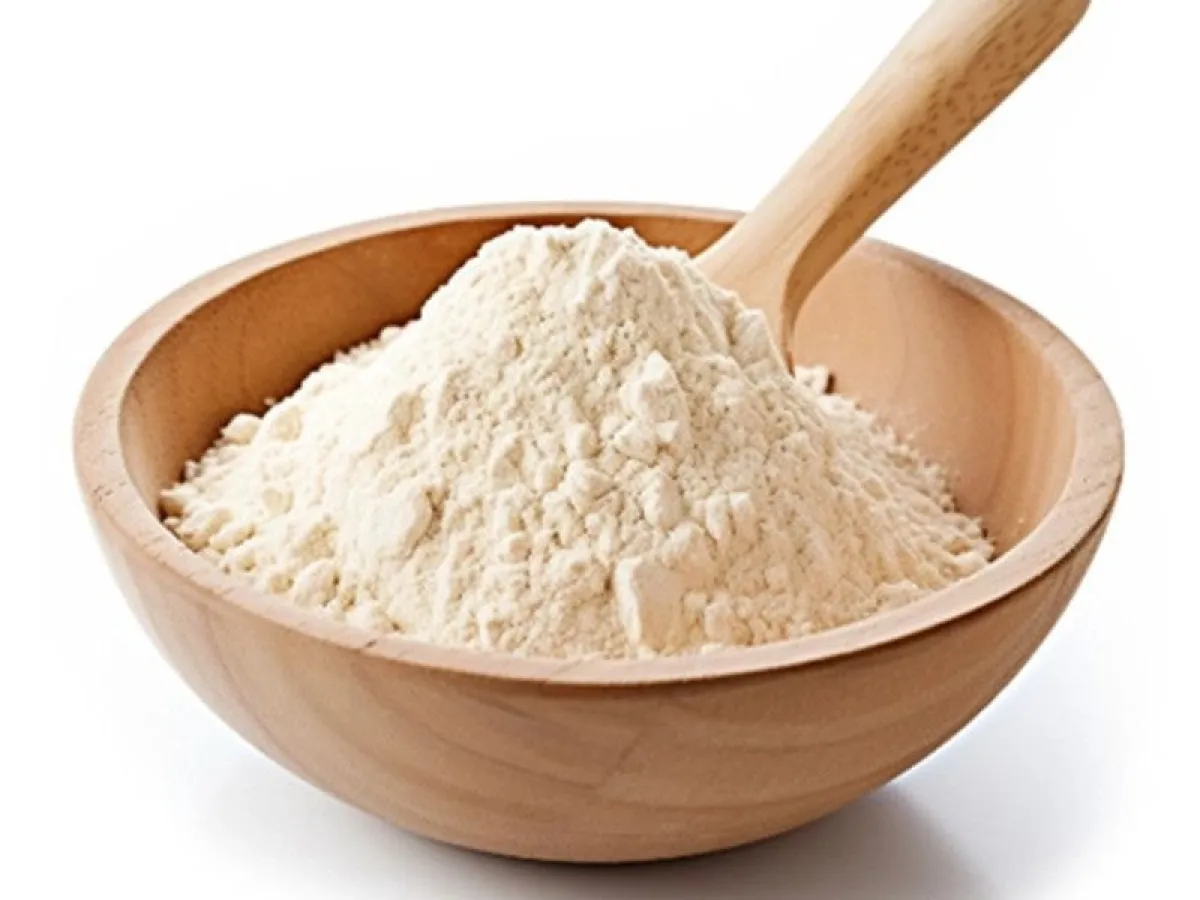
High concentrations of protein ingredients inherently carry a heavy, powdery mouthfeel and astringent notes. The key application detail of gelatin lies in its thermally reversible
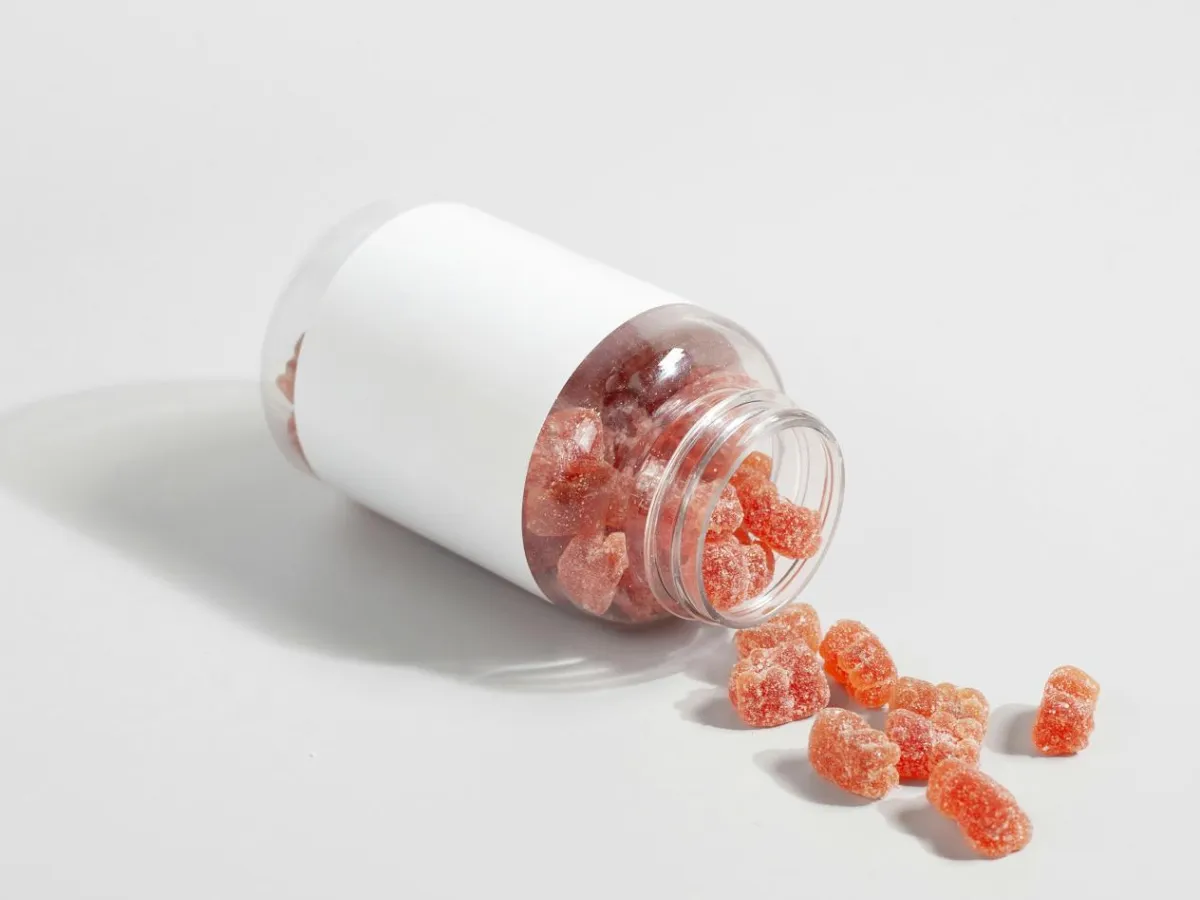
Today, vegan gummies are one of the fastest-growing segments in confectionery. And at the center of this shift stands pectin – a plant-derived hydrocolloid that is proving to be mo
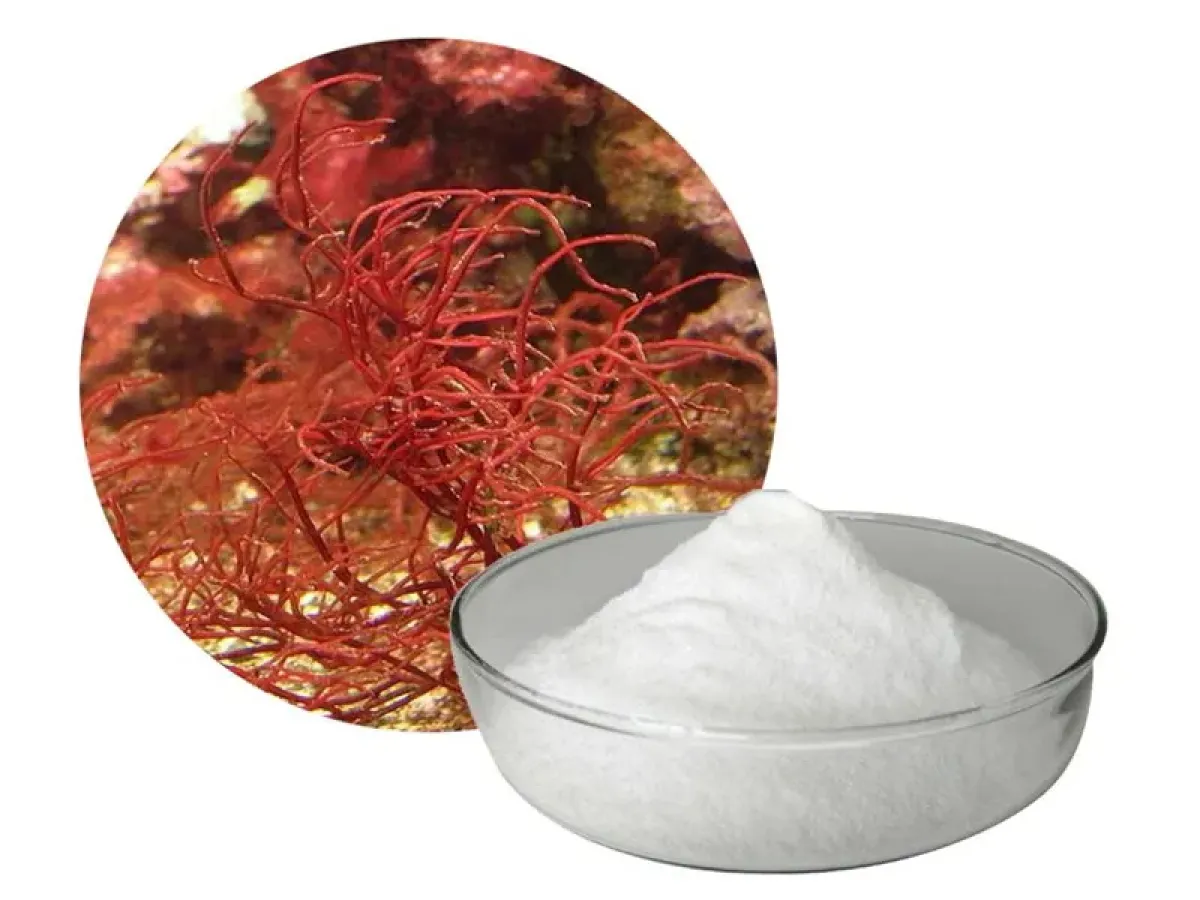
From a physicochemical perspective, carrageenan possesses unique solubility, dissolving in hot water at around 80°C to form a viscous, transparent solution, but insoluble in cold w
The primary role of CMC in toothpaste is to provide the desired texture, consistency, and stability. Specifically, it performs the following critical functions: