Gelatin: A Concise Overview
Gelatin is a natural polypeptide derived from collagen in animal skin, bones, and connective tissues. Through partial hydrolysis, collagen’s triple helix is broken down to produce gelatin that is soluble in hot water. Appearing as pale yellow to amber translucent granules or sheets, gelatin is odorless and tasteless, making it ideal for use in food, pharmaceuticals, and cosmetics without affecting original flavors. Its unique properties have secured it an irreplaceable position across these industries.
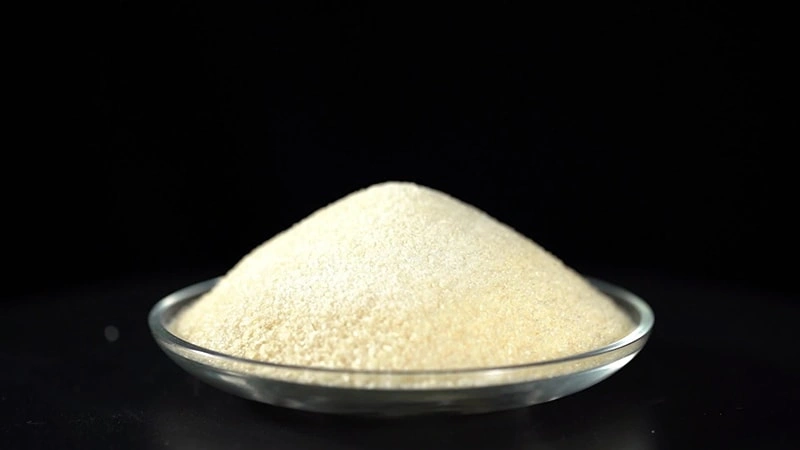
Gelatin is mainly divided into Type A (acid-processed, from pig skin, isoelectric point pH 7–9) and Type B (alkali-processed, from bovine sources, isoelectric point pH 4.8–5.2). Further classifications include edible, pharmaceutical, industrial, and photographic grades, each with specific quality requirements.
The production process involves raw material pretreatment, liming or acidification, hot water extraction, filtration, concentration, ion exchange, sterilization, drying, and milling. The alkali method can take weeks to months, ensuring high-quality gelatin with excellent stability.
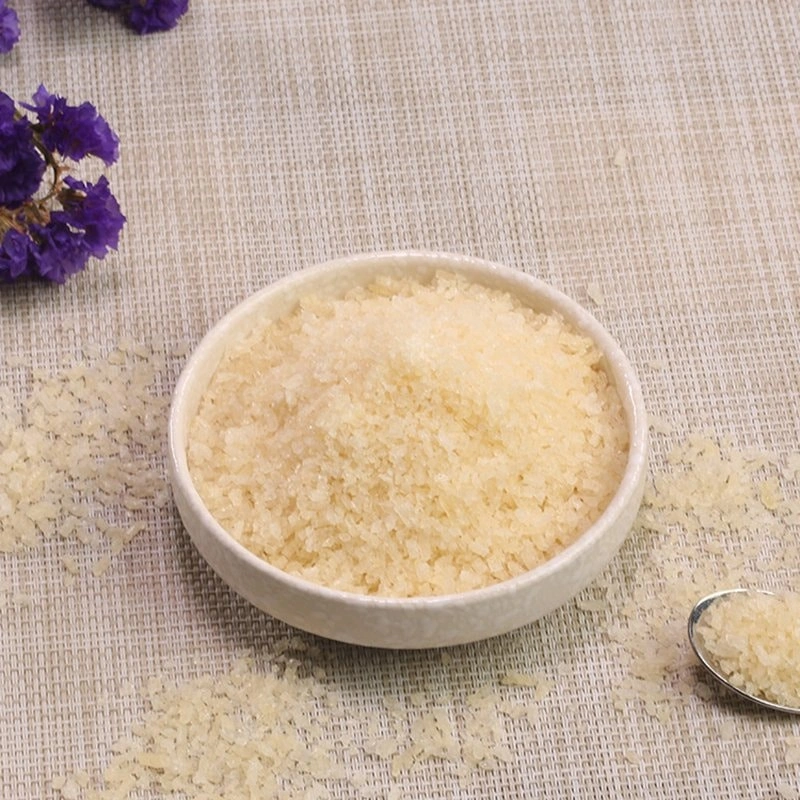
Key functional properties include thermo-reversible gelling (50–300 Bloom), film-forming ability, emulsifying and foaming properties, and a protective colloid effect. Nutritionally, gelatin is rich in glycine, proline, and hydroxyproline, supporting joint health, skin elasticity, and hair strength.
Gelatin is widely used in gummy candies, marshmallows, yogurts, puddings, meat products, jellies, and as a clarifying agent in juices, beer, and wine. In pharmaceuticals, it is essential for hard and soft capsules, plasma expanders, and tablet binders. It also appears in cosmetics (masks, lotions), photography, paper sizing, and abrasives.
A major advantage of gelatin is its synergy with other hydrocolloids. With carrageenan, it improves gel elasticity and transparency. With agar, it balances thermal stability and a pleasant mouthfeel. With pectin, it enhances texture in acidic dairy and fruit desserts. With gum arabic, it stabilizes emulsions in flavored beverages. These blends allow formulators to achieve superior textures unattainable by single hydrocolloids.
Key quality indicators include gel strength (Bloom), viscosity, pH (4.5–6.5), moisture (≤14%), ash (≤2%), transparency, and strict microbial limits (e.g., no Salmonella or E. coli).
In the international food and dietary supplement industries, sodium alginate and carrageenan are two widely used seaweed-derived hydrocolloids. Despite their shared origin, the und

In oil and gas drilling operations, the prosperity of a drilling process heavily depends on the rheological properties and filtration behavior of drilling fluids . Uncontrolled flu
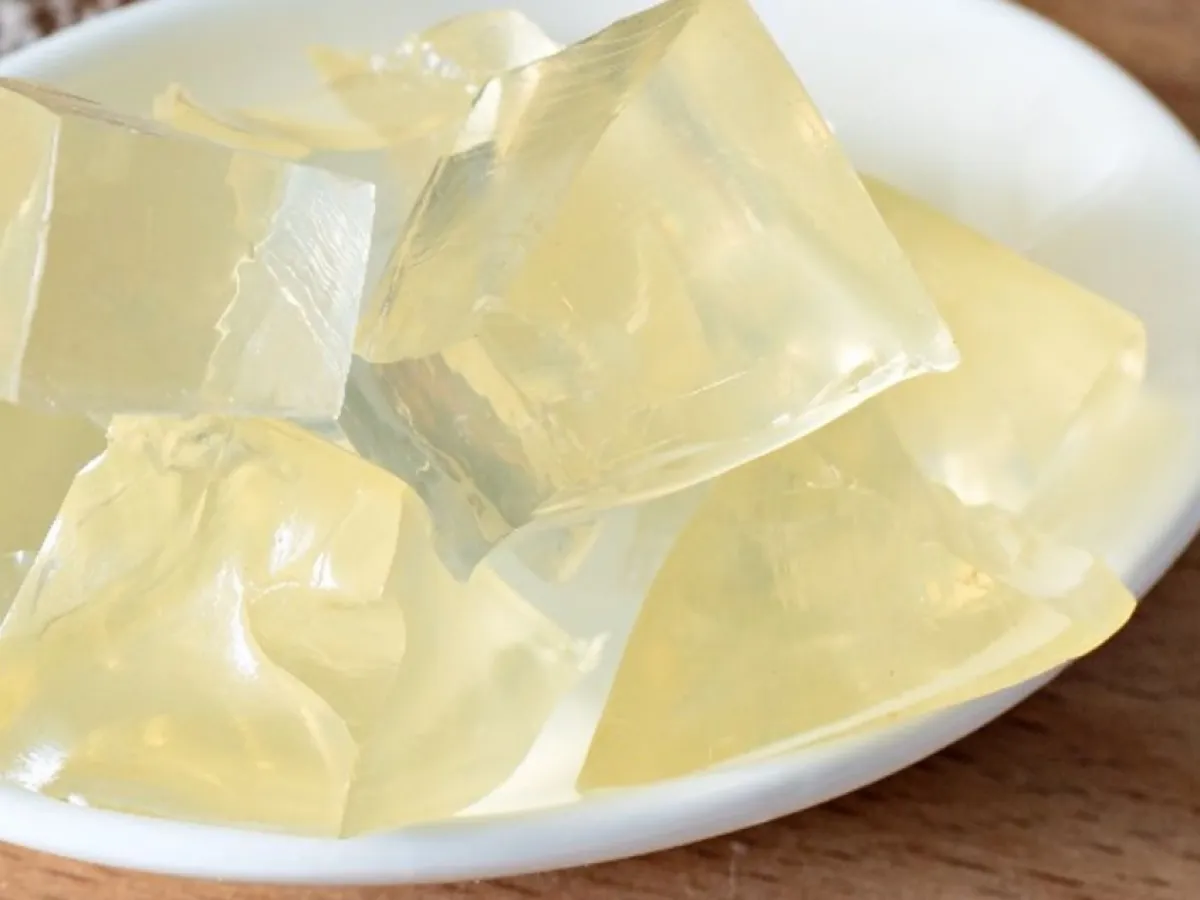
The first step in making gelatin gummies is to allow the gelatin to fully hydrate. Gelatin does not dissolve in cold water, but it can absorb water and swell in cold water. This pr
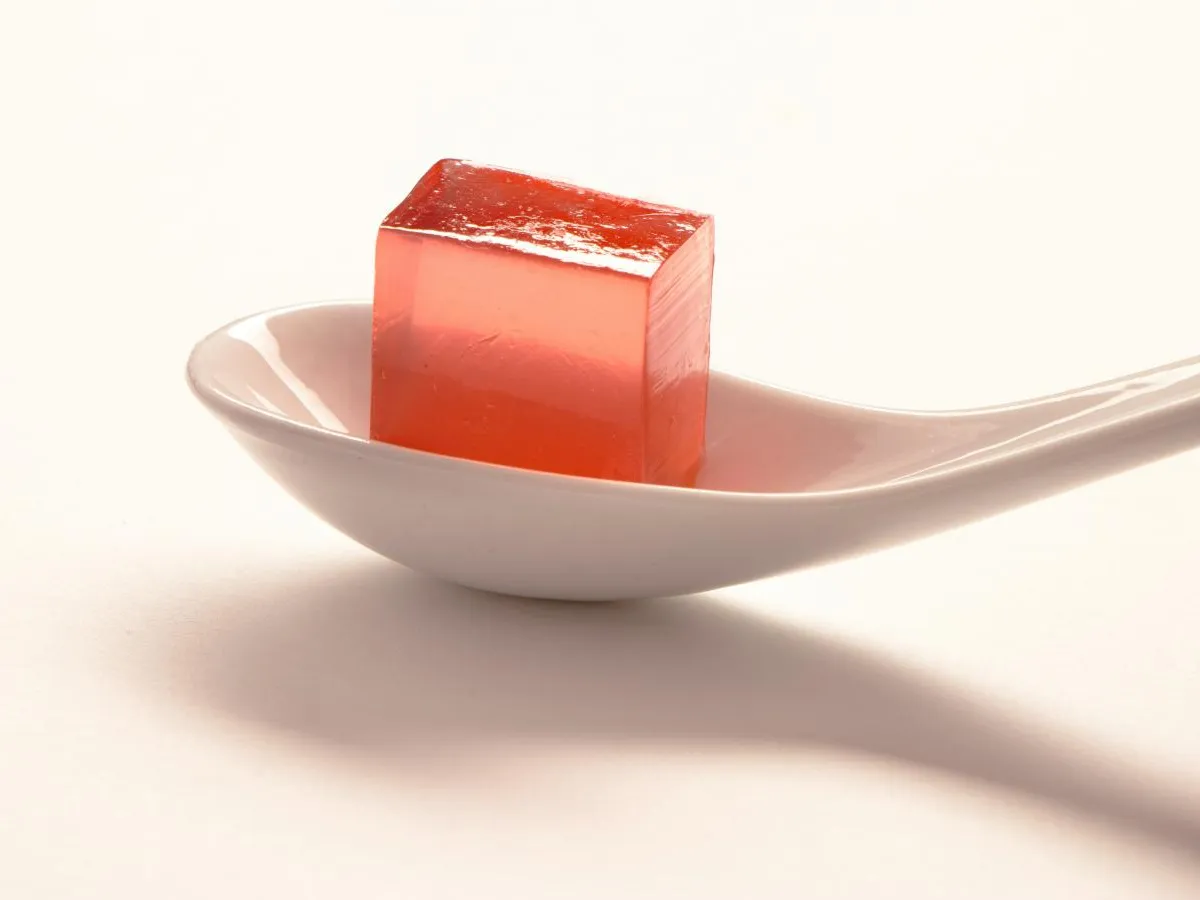
The key difference? Gelatin is a protein from animal collagen; agar is a carbohydrate from red algae.This fundamental distinction drives every other difference between them — and d

In the papermaking industry, modified starch is one of the core additives. Oxidized starch, cationic starch, and esterified starch are mainly used for surface sizing, internal sizi
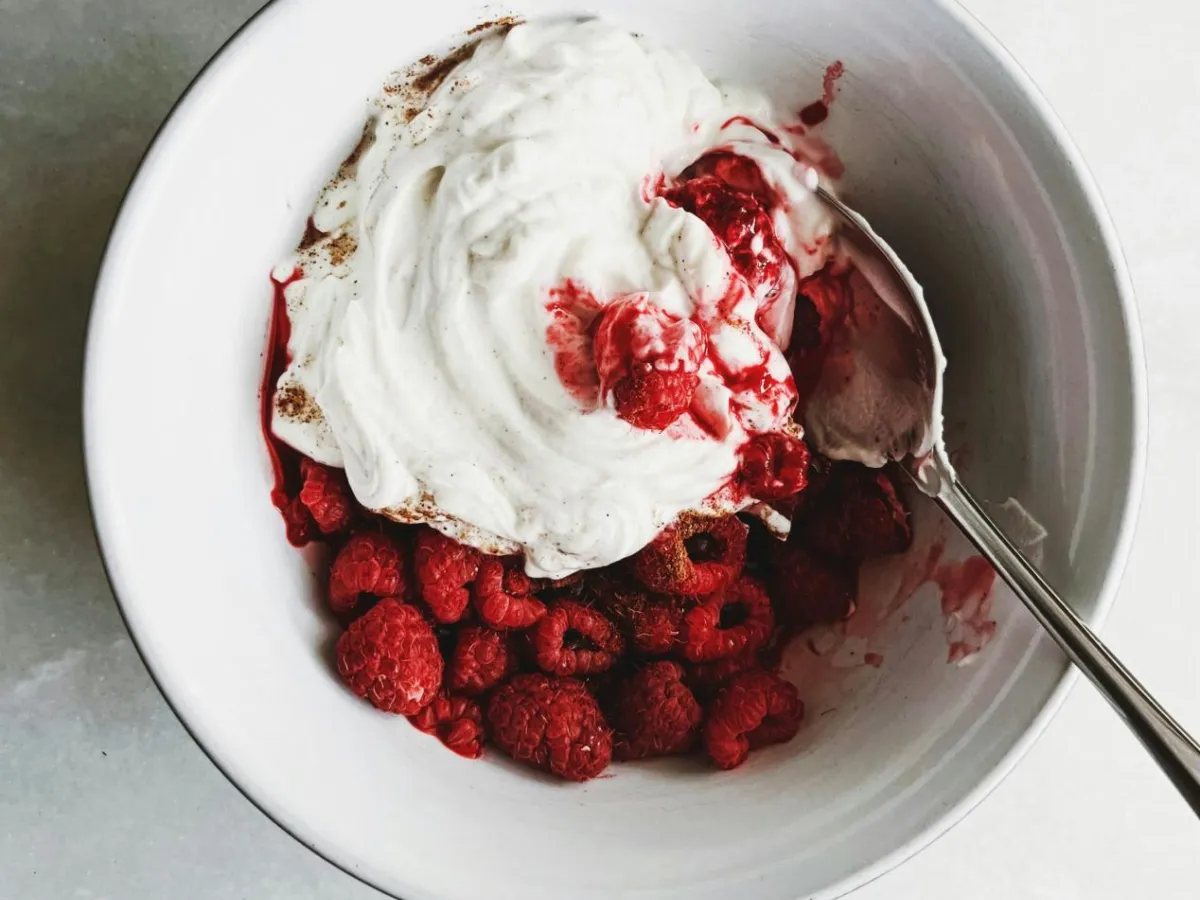
The adoption of pectin in yogurt is not just anecdotal. According to market data, more than half of all new spoonable yogurt launches now contain pectin. This widespread acceptance
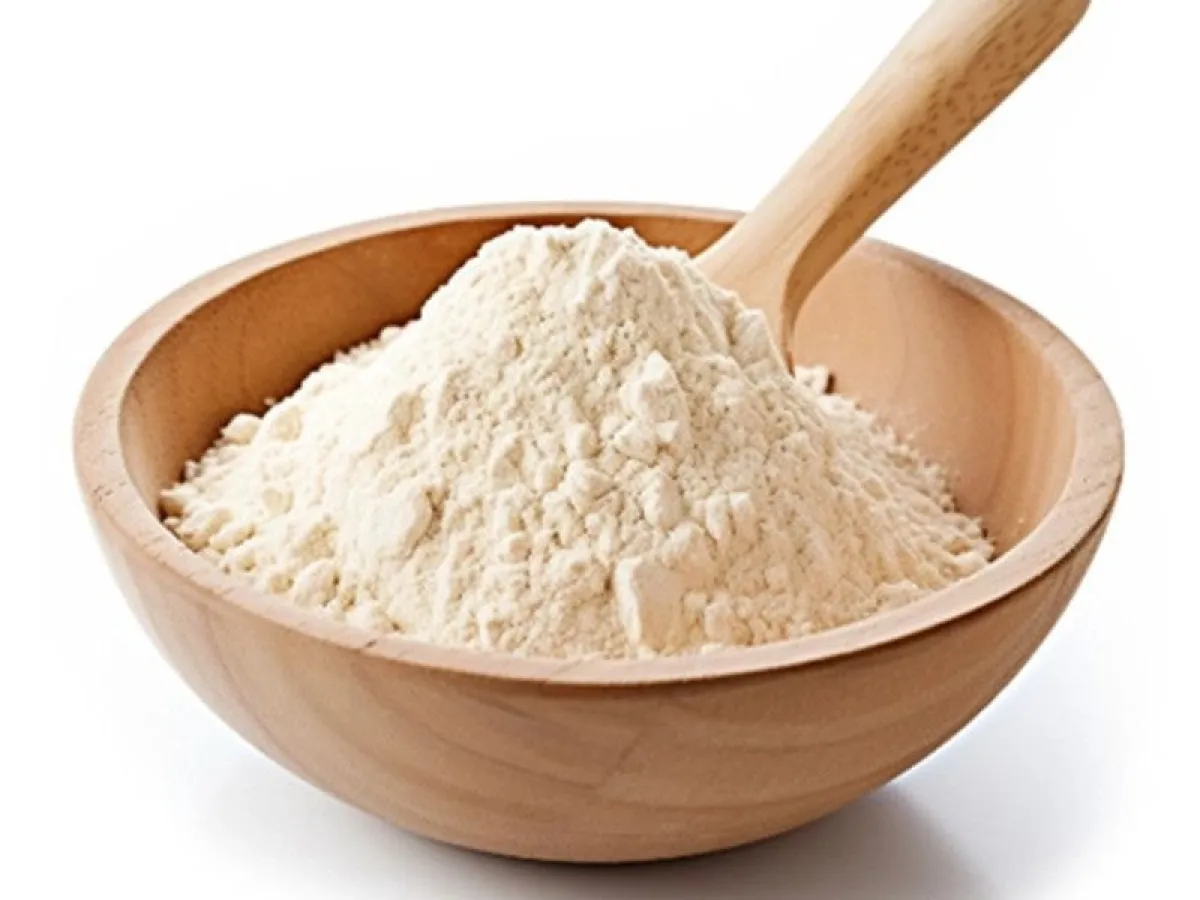
High concentrations of protein ingredients inherently carry a heavy, powdery mouthfeel and astringent notes. The key application detail of gelatin lies in its thermally reversible
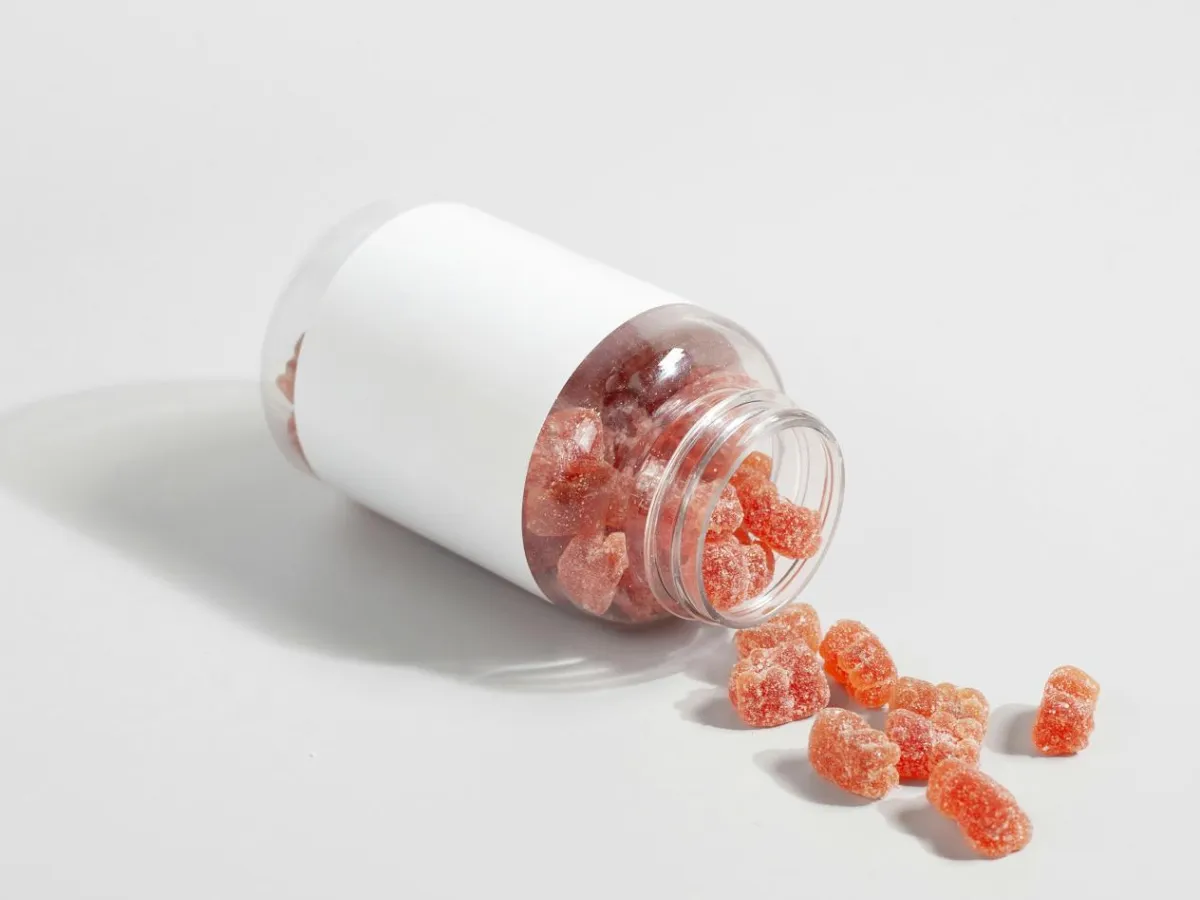
Today, vegan gummies are one of the fastest-growing segments in confectionery. And at the center of this shift stands pectin – a plant-derived hydrocolloid that is proving to be mo
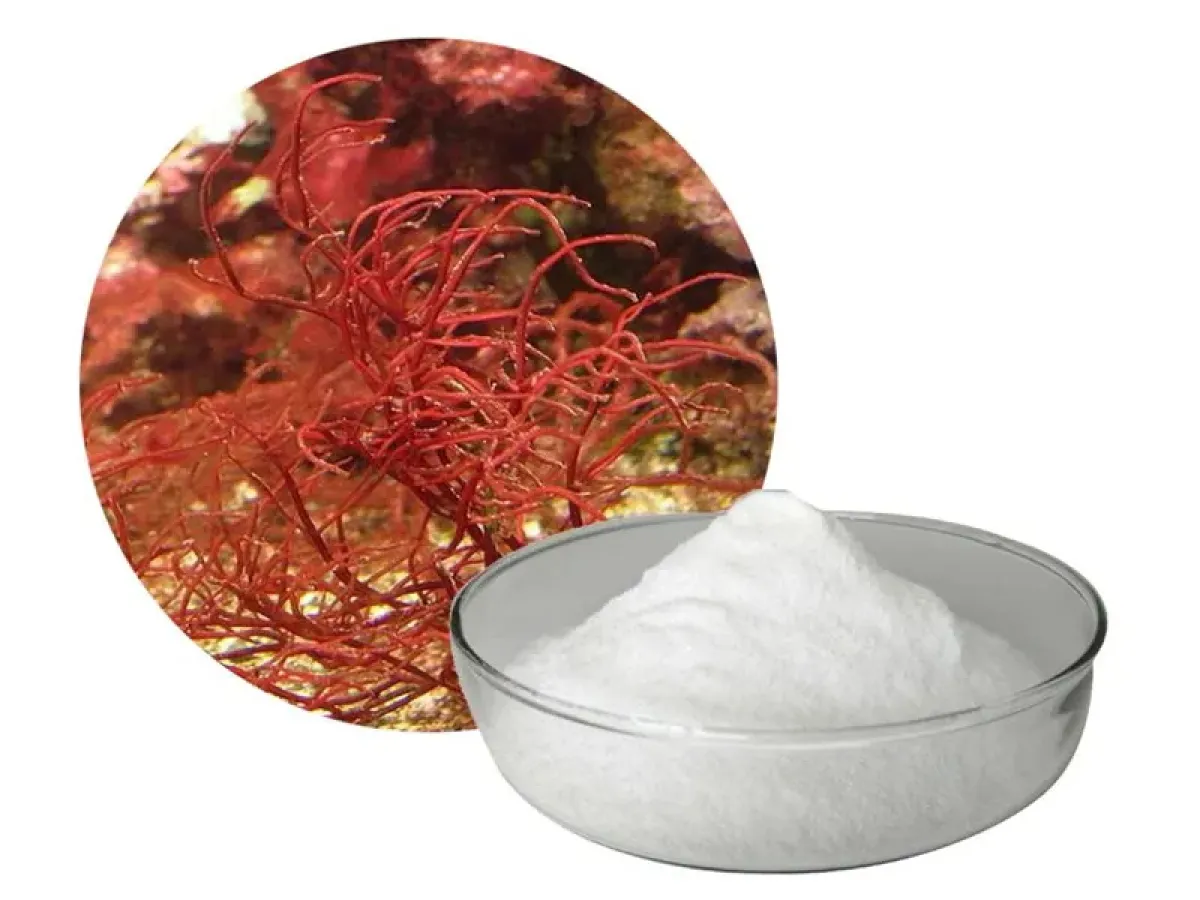
From a physicochemical perspective, carrageenan possesses unique solubility, dissolving in hot water at around 80°C to form a viscous, transparent solution, but insoluble in cold w
The primary role of CMC in toothpaste is to provide the desired texture, consistency, and stability. Specifically, it performs the following critical functions: