Xanthan gum, a natural polysaccharide produced by the bacterium Xanthomonas campestris, has found extensive applications across various industries due to its unique rheological properties. In the textile dyeing industry, xanthan gum plays a crucial role in enhancing the quality and efficiency of the dyeing process. This article explores the multifaceted benefits and applications of xanthan gum in the textile dyeing industry, highlighting its potential for improving product quality and environmental sustainability.
Rheological Properties of Xanthan Gum
Xanthan gum is a high-molecular-weight polysaccharide with remarkable viscoelastic properties. It forms highly viscous solutions even at low concentrations, making it an excellent thickener and stabilizer. Key rheological properties include:
· Pseudoplasticity: Xanthan gum solutions exhibit shear-thinning behavior, meaning their viscosity decreases as the shear rate increases. This property is particularly useful in processes where controlled flow is required.
· Thixotropy: Xanthan gum solutions can recover their original viscosity after being subjected to shear stress, which is beneficial for maintaining consistent dye bath conditions.
· Temperature Stability: Xanthan gum maintains its viscosity over a wide range of temperatures, ensuring consistent performance in both hot and cold dyeing processes.
Applications in Textile Dyeing
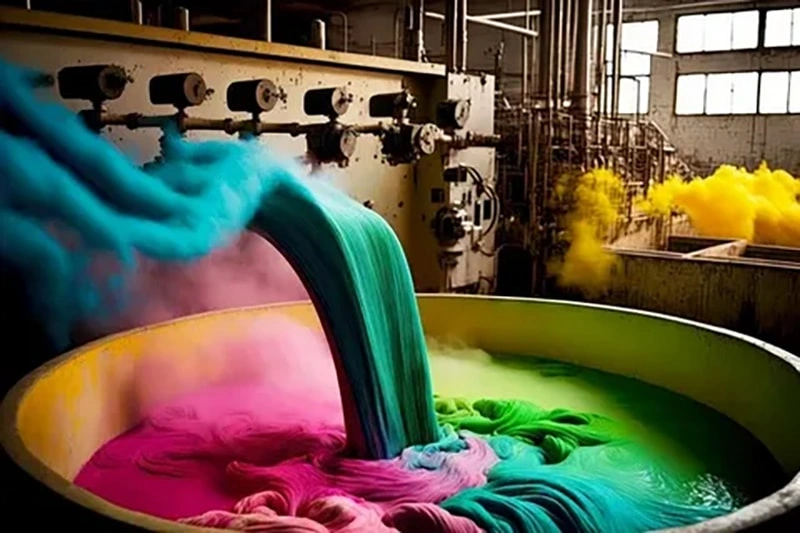
Xanthan gum's unique properties make it an ideal additive in various stages of the textile dyeing process. Here are some of the key applications:
1. Dye Bath Thickening
· Enhanced Dye Penetration: By increasing the viscosity of the dye bath, xanthan gum ensures uniform dye penetration into the fabric, resulting in more even color distribution.
· Reduced Dye Aggregation: The pseudoplastic nature of xanthan gum helps prevent dye particles from aggregating, leading to better dispersion and more efficient use of dyes.
2. Print Paste Formulation
· Improved Print Quality: Xanthan gum is used as a thickener in print pastes, providing the necessary viscosity for sharp and well-defined prints.
· Color Yield and Brightness: The thixotropic properties of xanthan gum ensure that the print paste remains stable during application, leading to higher color yield and brightness.
3. Sizing and Finishing
· Enhanced Fiber Strength: Xanthan gum can be used as a sizing agent to improve the strength and abrasion resistance of fibers, especially in the case of cotton and other natural fibers.
· Soft Handle: When used in finishing processes, xanthan gum imparts a soft and smooth handle to the fabric, enhancing its overall quality and feel.
4. Environmental Benefits
· Reduced Water Consumption: The use of xanthan gum in dye baths and print pastes can reduce the amount of water needed for the dyeing process, contributing to water conservation.
· Biodegradability: Xanthan gum is biodegradable and environmentally friendly, making it a sustainable choice for the textile industry.
Case Studies and Practical Examples
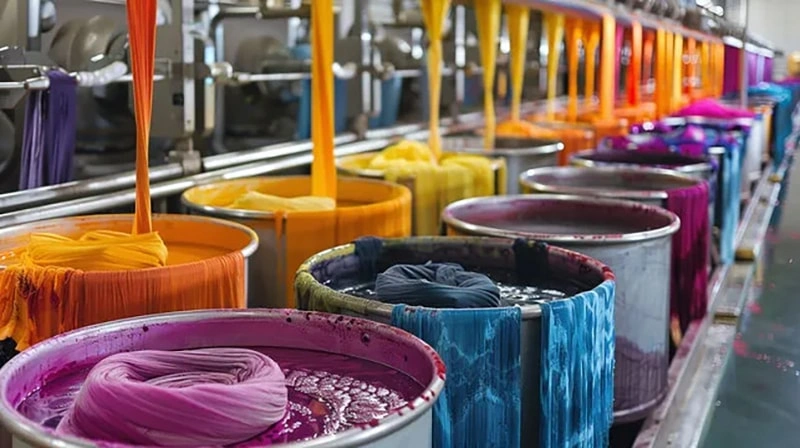
Several studies and industrial applications have demonstrated the effectiveness of xanthan gum in the textile dyeing industry. For instance:
· Study on Cotton Dyeing: A study published in the Journal of Applied Polymer Science (2025) showed that the use of xanthan gum in the dye bath significantly improved the color fastness and evenness of dyed cotton fabrics.
· Industrial Application: A leading textile manufacturer in China reported a 20% reduction in water consumption and a 15% increase in dye utilization after incorporating xanthan gum into their dyeing processes.
Xanthan gum is a versatile and valuable additive in the textile dyeing industry, offering numerous benefits such as enhanced dye penetration, improved print quality, and environmental sustainability. Its unique rheological properties make it an indispensable tool for achieving high-quality and efficient dyeing processes. As the demand for sustainable and high-performance textiles continues to grow, the use of xanthan gum is expected to become even more prevalent, driving innovation and excellence in the textile industry.
In the international food and dietary supplement industries, sodium alginate and carrageenan are two widely used seaweed-derived hydrocolloids. Despite their shared origin, the und

In oil and gas drilling operations, the prosperity of a drilling process heavily depends on the rheological properties and filtration behavior of drilling fluids . Uncontrolled flu
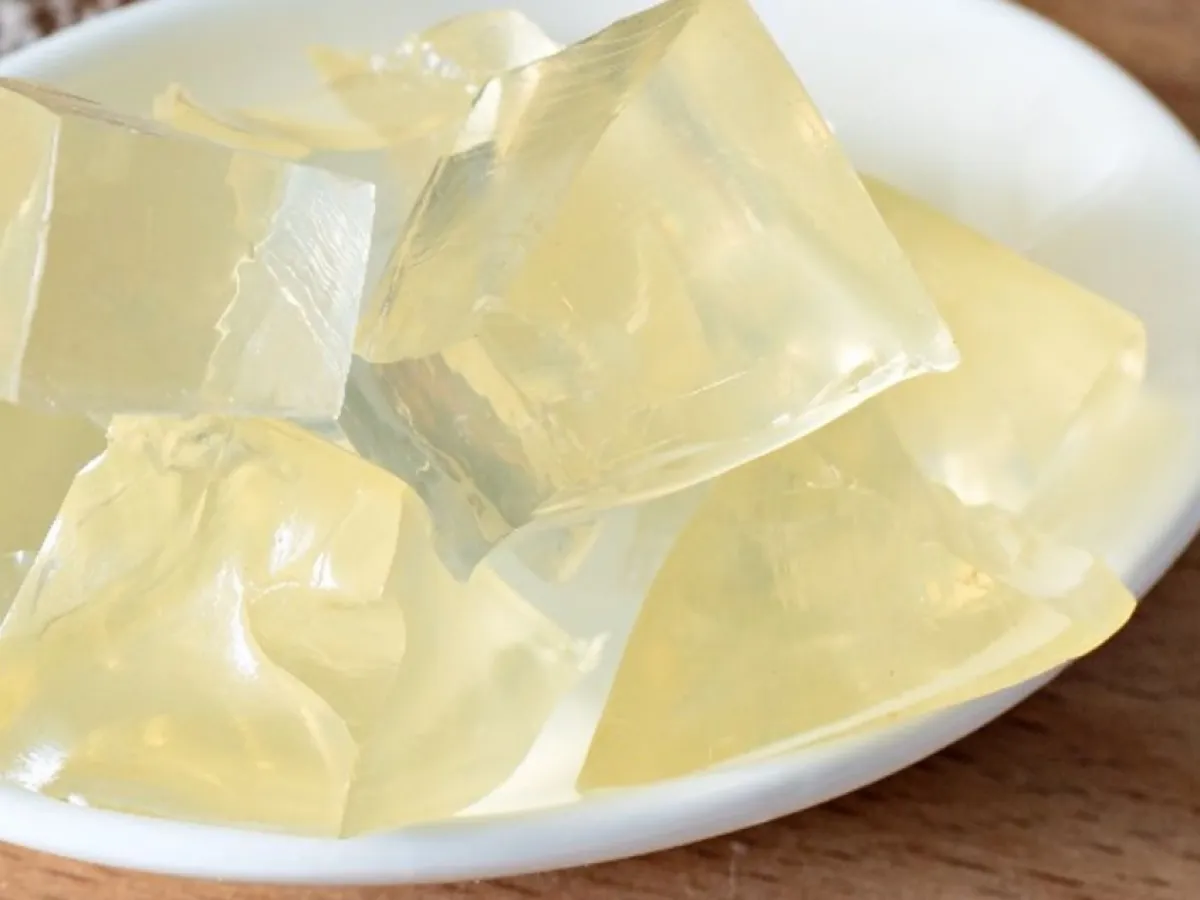
The first step in making gelatin gummies is to allow the gelatin to fully hydrate. Gelatin does not dissolve in cold water, but it can absorb water and swell in cold water. This pr
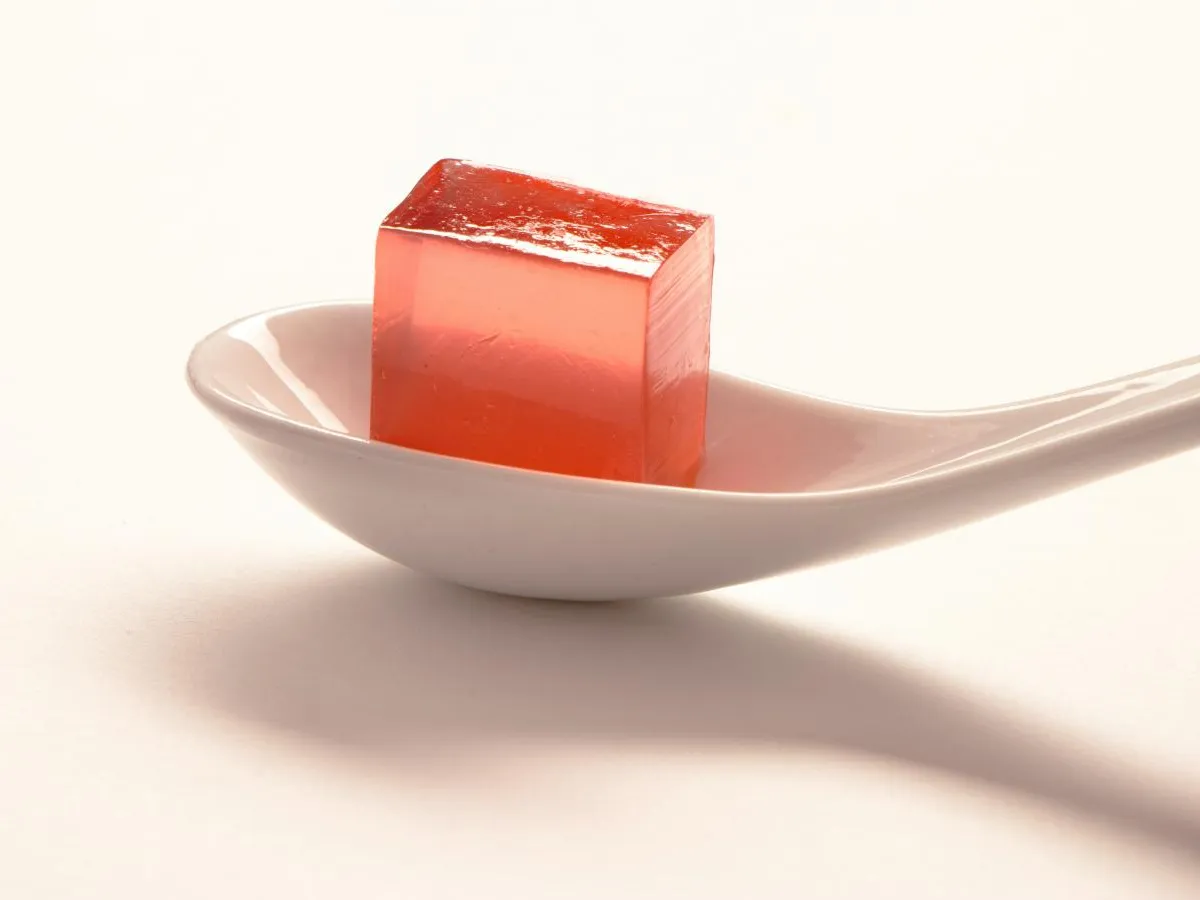
The key difference? Gelatin is a protein from animal collagen; agar is a carbohydrate from red algae.This fundamental distinction drives every other difference between them — and d

In the papermaking industry, modified starch is one of the core additives. Oxidized starch, cationic starch, and esterified starch are mainly used for surface sizing, internal sizi

The adoption of pectin in yogurt is not just anecdotal. According to market data, more than half of all new spoonable yogurt launches now contain pectin. This widespread acceptance
High concentrations of protein ingredients inherently carry a heavy, powdery mouthfeel and astringent notes. The key application detail of gelatin lies in its thermally reversible
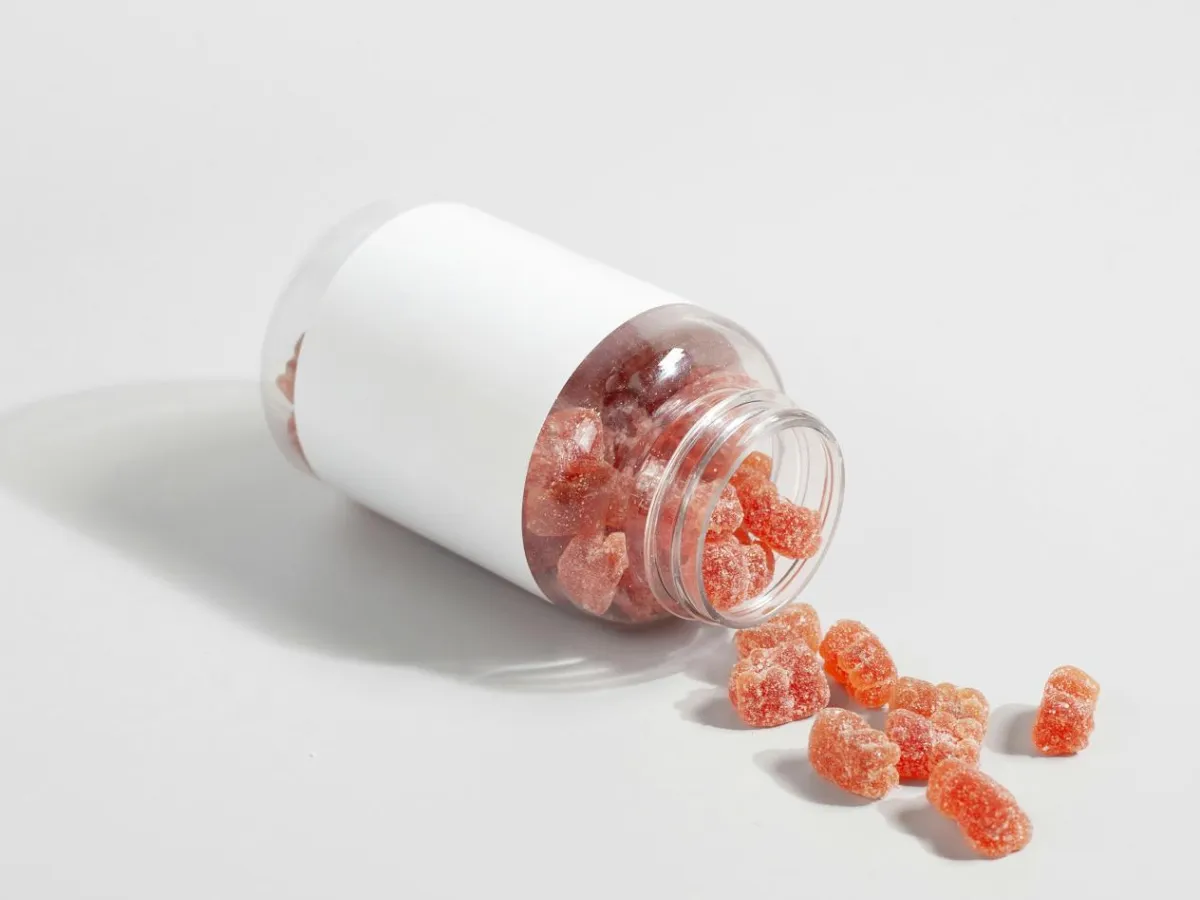
Today, vegan gummies are one of the fastest-growing segments in confectionery. And at the center of this shift stands pectin – a plant-derived hydrocolloid that is proving to be mo
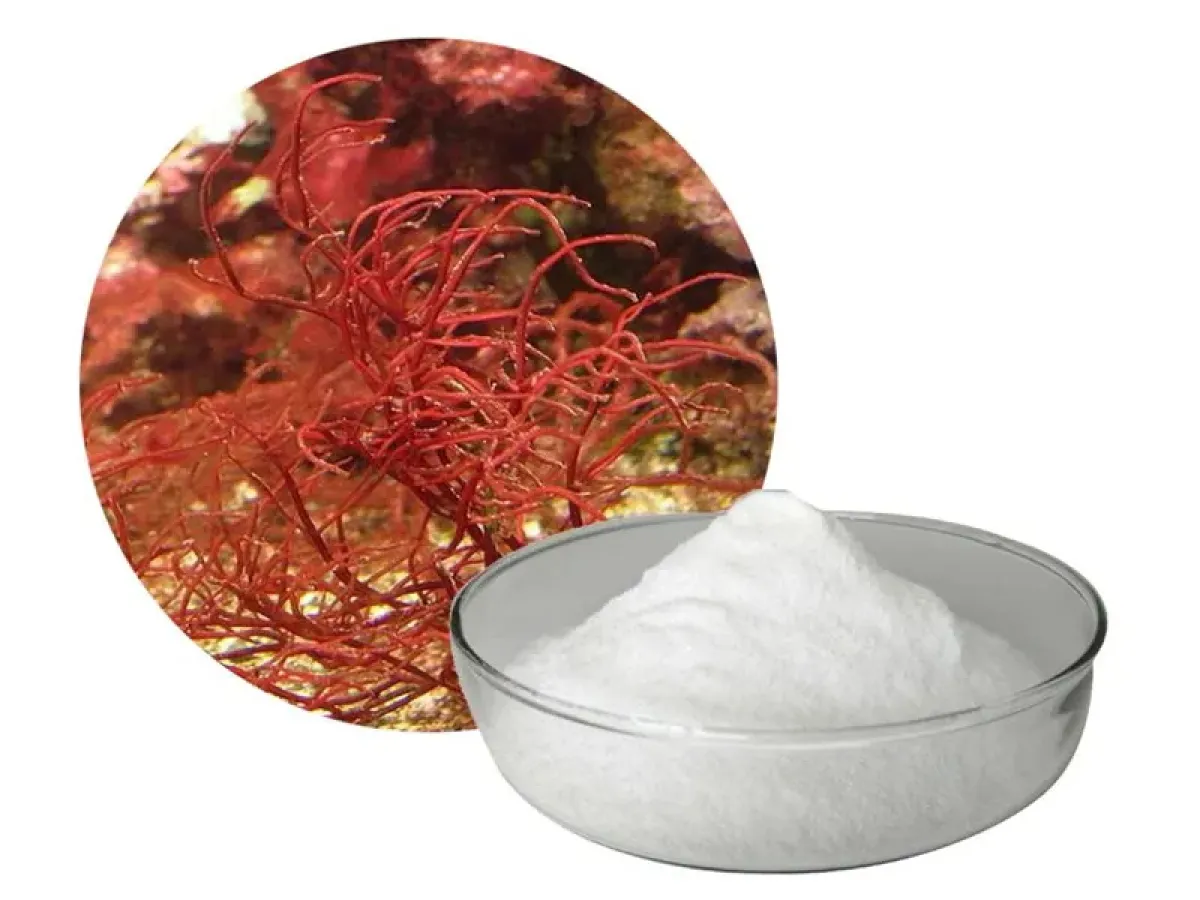
From a physicochemical perspective, carrageenan possesses unique solubility, dissolving in hot water at around 80°C to form a viscous, transparent solution, but insoluble in cold w

The primary role of CMC in toothpaste is to provide the desired texture, consistency, and stability. Specifically, it performs the following critical functions: