
In the complex world of oral care product formulation, few ingredients are as versatile and indispensable as Carboxymethyl Cellulose (CMC). As a key water-soluble polymer derived from cellulose, CMC has been a cornerstone of toothpaste manufacturing for decades. Its unique rheological properties, chemical stability, and compatibility with a wide range of active ingredients make it an ideal binder, thickener, and stabilizer. This article explores the technical functions, selection criteria, and formulation considerations for CMC in toothpaste, providing a deep dive into why it remains a preferred choice for formulators worldwide.
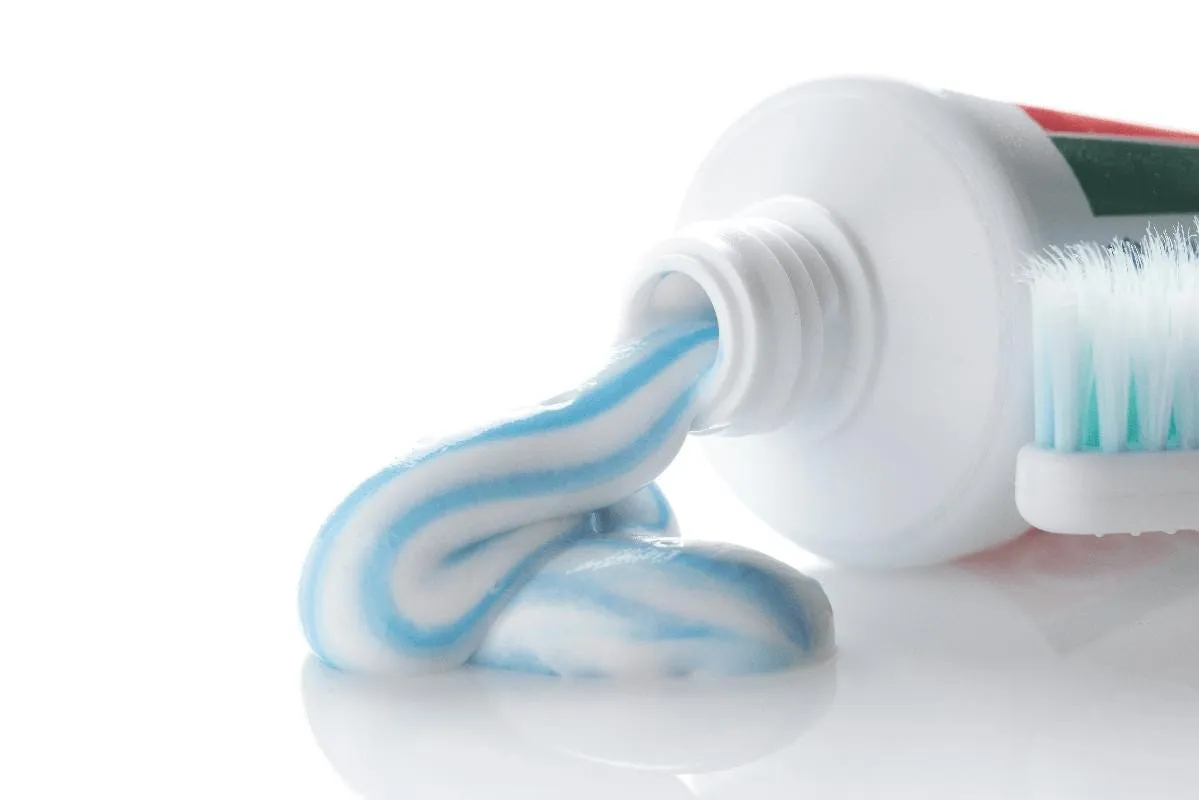
1. Core Functions of CMC in Toothpaste
The primary role of CMC in toothpaste is to provide the desired texture, consistency, and stability. Specifically, it performs the following critical functions:
Binder and Structural Agent: CMC acts as a binder that holds the solid abrasive particles (e.g., silica, calcium carbonate), humectants (e.g., sorbitol, glycerin), and water together into a cohesive, non-separating paste. Without a proper binder, toothpaste would quickly separate into a liquid and solid phase, rendering it unusable.
Thickener and Rheology Modifier: CMC imparts the characteristic "body" or viscosity to toothpaste. It controls the flow behavior (thixotropy), ensuring that the paste remains firm on the brush but spreads easily under shear force during brushing. This is essential for consumer acceptance and ease of use.
Stabilizer and Suspension Agent: CMC prevents the settling of insoluble particles (abrasives, flavors, active ingredients) over time. It creates a stable three-dimensional network that suspends solids uniformly, ensuring that every squeeze delivers a consistent formulation.
Water Retention Agent: CMC has excellent water-binding capacity, which helps prevent the toothpaste from drying out in the tube, especially during long-term storage. This extends the shelf life and maintains product integrity.
2. Technical Selection Criteria for CMC in Toothpaste
Not all CMC grades are suitable for toothpaste. Formulators must carefully select the right type based on specific parameters:
Degree of Substitution (DS): The DS value indicates the average number of carboxymethyl groups per glucose unit, typically ranging from 0.4 to 1.5. For toothpaste, a DS of 0.7 to 1.0 is most common. A higher DS improves solubility, clarity, and resistance to salt and pH changes, but also increases cost. A DS that is too low may result in poor solubility or gel formation.
Viscosity Grade: CMC is available in a wide range of viscosity grades (e.g., low, medium, high). For toothpaste, medium to high viscosity CMC is typically preferred to achieve the desired paste consistency and suspension stability. The viscosity is also influenced by the molecular weight of the polymer.
Purity and Food-Grade Compliance: As toothpaste is an oral care product, the CMC used must meet strict purity standards (e.g., USP, EP, or food-grade specifications). Impurities such as residual sodium glycolate or sodium chloride can affect taste, stability, and safety.
Salt Tolerance: Toothpaste formulations often contain high concentrations of salts (e.g., sodium lauryl sulfate, sodium fluoride, potassium nitrate). CMC must be salt-tolerant to maintain its viscosity and stability in the presence of electrolytes. High-DS CMC generally exhibits better salt tolerance.
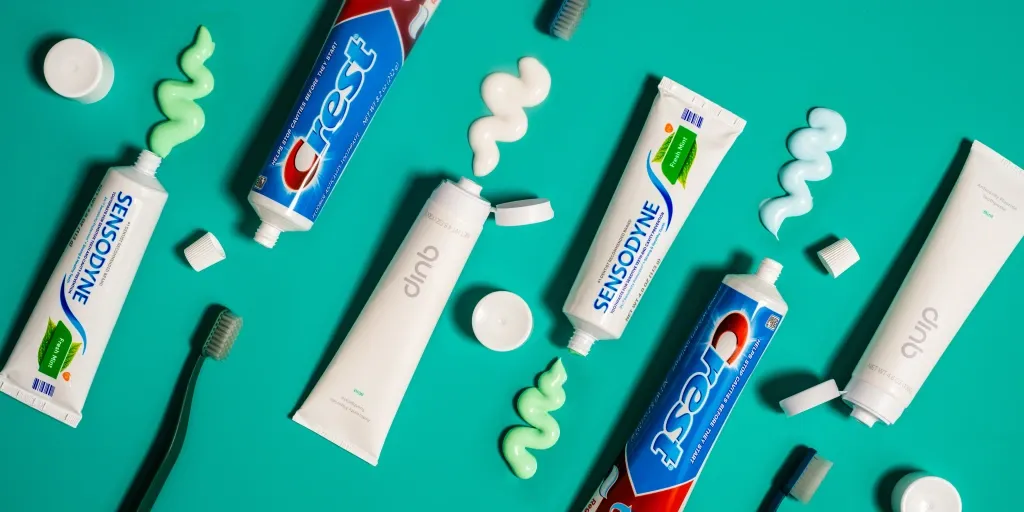
3. Formulation Considerations & Synergy with Other Ingredients
When formulating toothpaste with CMC, several key factors must be optimized:
Hydration & Dispersion: CMC powder must be properly hydrated to achieve its full thickening potential. Direct addition to water without adequate agitation can lead to lump formation ("fish eyes"). Pre-blending with other dry ingredients (e.g., silica) or using slow-speed, high-shear mixing during manufacturing is standard practice.
pH Sensitivity: CMC is stable over a pH range of 4 to 10. Toothpaste typically has a pH of 6 to 8, which is well within the optimal range. However, highly acidic or alkaline formulations may require alternative stabilizers.
Synergy with Other Gums: Often, CMC is used in combination with other natural or synthetic thickeners, such as Xanthan Gum, Carrageenan, or Sodium Alginate. The combination of CMC and Xanthan Gum, for example, can create a synergistic effect, improving both viscosity and thixotropic recovery. This is particularly useful in "stripe" or "gel" toothpaste formulations.
Interaction with Surfactants: CMC is generally compatible with common anionic surfactants like Sodium Lauryl Sulfate (SLS). However, in high-SLS formulations, careful selection of CMC grade is necessary to avoid phase separation or precipitation.
4. Regulatory & Safety Profile
CMC is a well-established, safe ingredient with a long history of use in oral care. It is generally recognized as safe (GRAS) by the FDA and is listed in the European Union's food additives list (E466). It is non-toxic, non-irritating to oral mucosa, and does not bioaccumulate. In fact, CMC is commonly used in many pharmaceutical and food products, further confirming its safety profile.
5. Industry Trends & Future Outlook
The demand for CMC in toothpaste is expected to remain strong, driven by the following trends:
Natural & Clean Label Trends: While CMC is a semi-synthetic derivative of natural cellulose, it is often perceived as more acceptable than fully synthetic polymers. However, the industry is seeing increased interest in "natural" alternatives like cellulose gum from sustainable sources.
Specialty Toothpastes: The rise of niche toothpaste products (e.g., whitening, sensitive teeth, charcoal, plant-based, anti-cavity) requires formulators to fine-tune rheology and stability. CMC's versatility makes it a valuable tool for adapting to these diverse needs.
Our CMC remains a foundational ingredient in the toothpaste industry, offering a unique balance of functionality, safety, and cost-effectiveness. Its ability to bind, thicken, stabilize, and suspend makes it indispensable for creating a high-quality consumer product. For formulators and procurement professionals, understanding the nuances of CMC selection—DS, viscosity, purity, and salt tolerance—is key to achieving consistent, premium toothpaste formulations.
Feel free to reach out for further discussion or to request a detailed technical data sheet on CMC grades suitable for toothpaste.

The primary role of CMC in toothpaste is to provide the desired texture, consistency, and stability. Specifically, it performs the following critical functions:

In food production, the most important functions of sodium alginate are thickening and stabilization. Taking fruit juice drinks, fruit pulp drinks, and plant protein drinks as exam

Extrusion-based 3D food printing has made significant strides in recent years, but two challenges continue to limit its broader adoption: the suboptimal rheological properties of e

The biggest advantage of this modified corn starch specifically for sauces is its resistance to cooking, acid, and shearing. Sauce production requires high-temperature cooking, hig

Curdlan gum can be further classified into low-degree colloid, medium-degree colloid and high-degree colloid based on its gel properties. The key to the distinction lies in the con

Freeze-dried pet food, also known as vacuum freeze-dried pet food, is a type of pet food processed through vacuum freeze-drying technology. This process involves rapidly freezing f

This is the most common and easily fixable mistake. Many assume that simply dissolving agar is sufficient, but agar's gelling mechanism depends on complete hydration and molecular

On the oilfield site, welan gum does not operate alone but serves as the core "viscosifying and foam-stabilizing" component within the system. Its application details are primarily

When collagen powder is used in solid beverages, the primary challenge it faces is "solubility." High-quality collagen peptides, processed through specific enzymatic hydrolysis, ha

Vitamin D3 is chemically active and highly susceptible to degradation from light, heat, and oxygen, which places stringent demands on its protective layer—the gelatin capsule shell