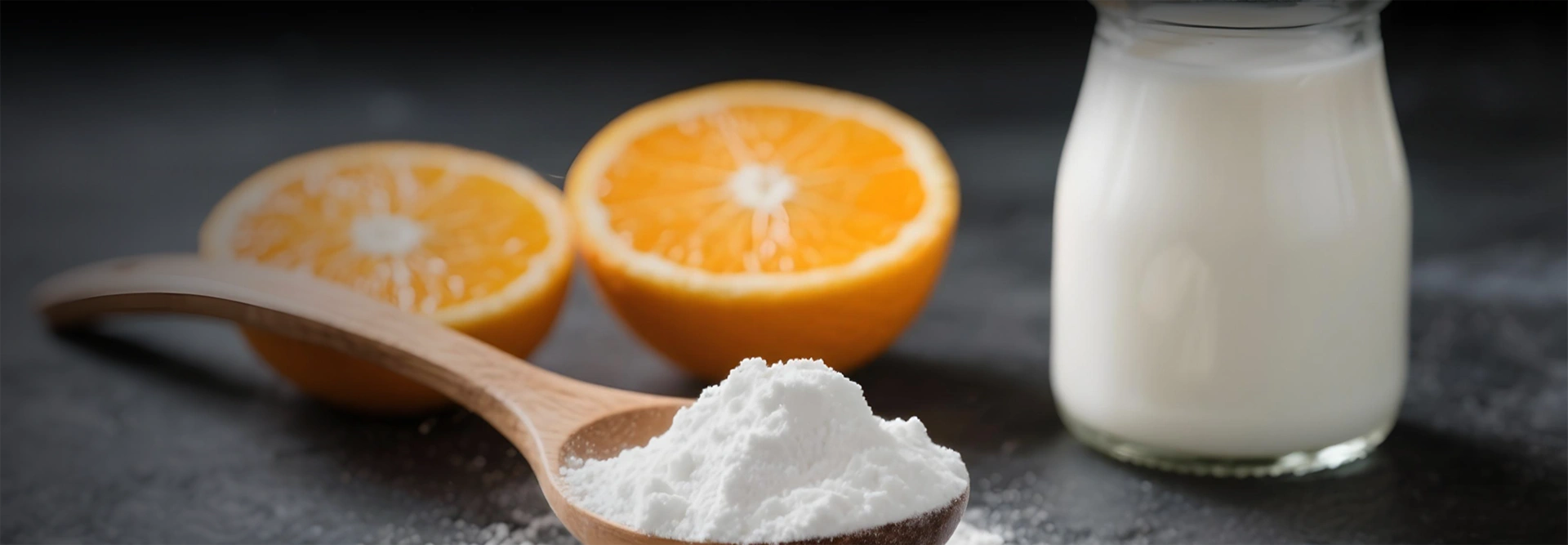
Nourisi Curdlan Gum, a natural polysaccharide produced by microbial fermentation, is becoming a reliable solution in the meat processing industry due to its unique gel properties.
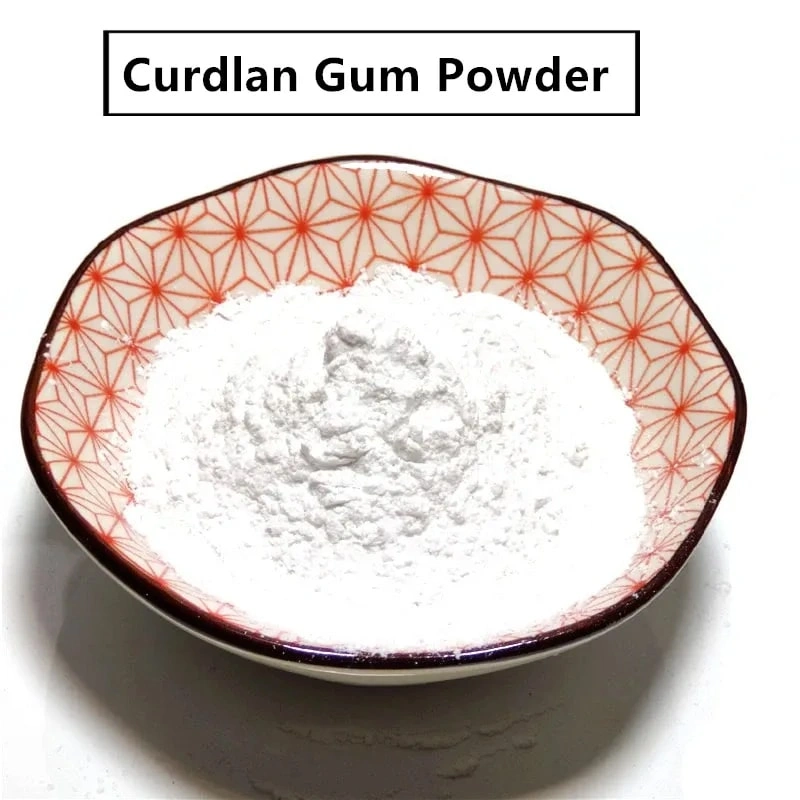
What is curdlan gum?
Curdlan gum, also known as thermogel or coagulated polysaccharide, is a linear, branchless β-1, 3-glucan produced by the fermentation of sugar raw materials by soil bacillus or rhizobia microorganisms. It is insoluble in water, but can be uniformly dispersed in cold water and form a gel when heated.
Its most core competitiveness lies in the temperature-dependent dual gel properties.
Low-temperature reversible gel: The suspension is heated to 55-65℃ and then cooled to form a low-strength reversible gel. Reheating can restore the fluid state.
High-temperature irreversible gel: Heated above 80℃, it forms an irreversible gel with high strength and high elasticity, remaining stable even after high-temperature sterilization at 130℃ or repeated freeze-thaw cycles.
The characteristic of "becoming more chewy the more it is cooked" gives curdlan gum an irreplaceable value in meat product processing.
How does curdlan gum improve the quality of meat products?
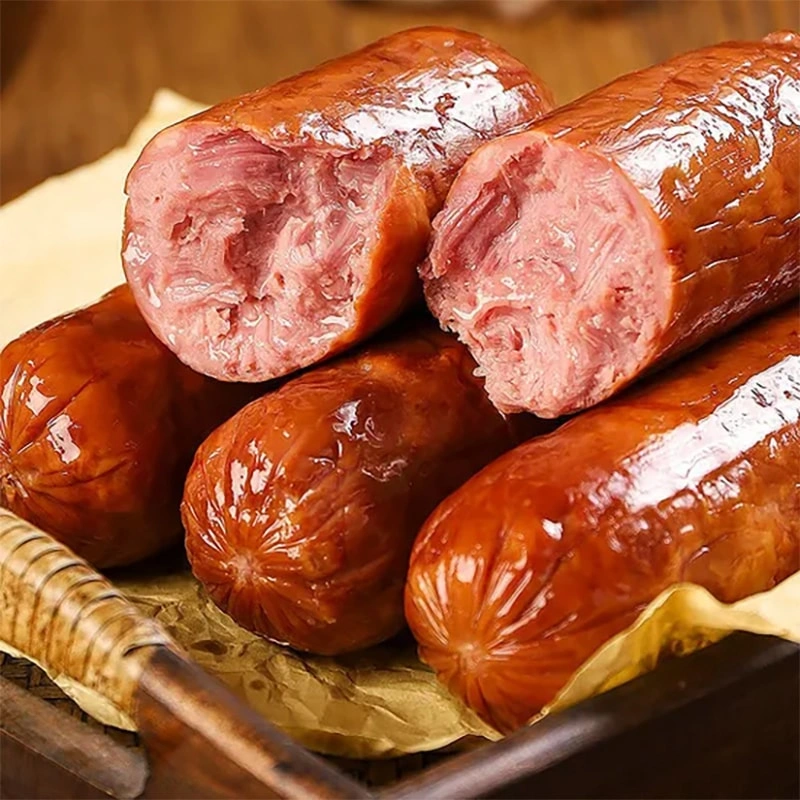
After gelling, curdlan gum can absorb about 100 times its own weight in water, converting free water into bound water, significantly enhancing the water and oil retention of the product. In Frankfurt sausages, the addition of curdlan gum can significantly increase the content of non-flowing water, and the water binds more closely to the protein.
Research data shows that adding 0.3% to 0.7% of curdlan gum can significantly reduce cooking loss and improve water-holding capacity. This means less juice loss, higher yield and better economic benefits.
Curdlan gum can form a dense three-dimensional network structure with myofibrin in meat, enhancing the strength of the protein gel. It can significantly enhance the elasticity, cohesion and chewiness of the product. The addition of high-gel curdlan gum can significantly enhance the water retention rate, freeze-thaw stability and roasting resistance of pork intestines, while significantly reducing the fat loss rate and cooking loss rate.
The high-temperature gel of curdlan gum shows almost no loss of strength after being autoclaved at 121℃ for 30 minutes, and there is no obvious dehydration shrinkage after multiple freeze-thaw cycles. This feature makes it particularly suitable for meat products that require high-temperature sterilization or frozen circulation.
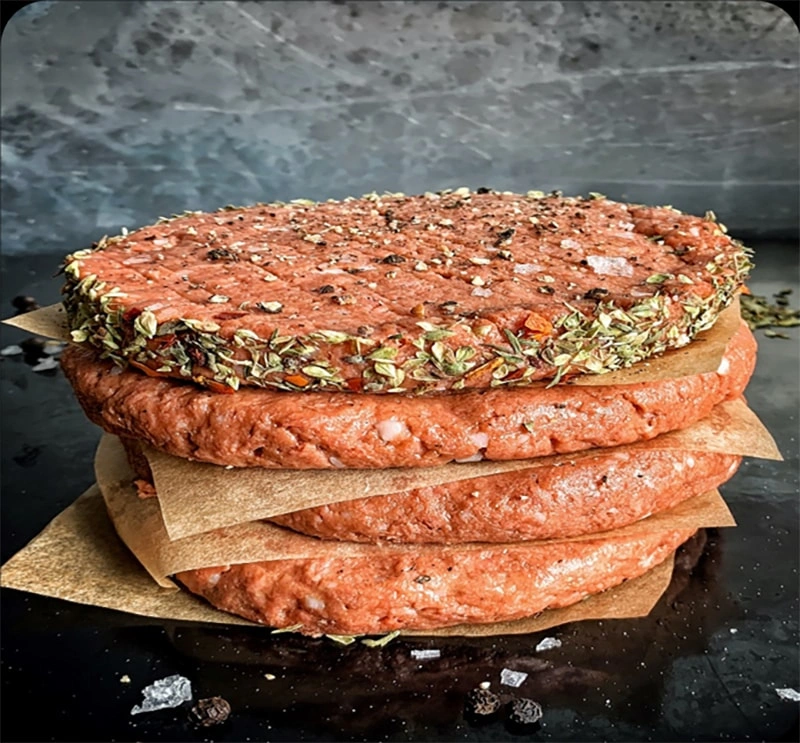
Application effects in different meat products
Sausage products (Taiwanese sausages, hot dog sausages, pan-fried sausages)
After adding 1.0%-2.5% of curdlan gum, the cooking loss is reduced by 15%-20%, and the baking loss is reduced by 25%-30%. The product becomes more chewy, juicy and durable during baking.
During the steaming and boiling stage (78-80℃), a weak gel protective structure is formed, while during the frying and roasting stage (>100℃), a strong gel is formed to prevent excessive water evaporation, effectively solving problems such as intestinal explosion, blackening, and water loss.
Low-fat/low-salt meat products
Adding 0.3%-0.7% curdlan gum to low-fat beef sausages (with fat content <5%) can significantly enhance water retention and sensory scores, and the quality is comparable to that of products with ordinary fat content. In low-salt products, adding 0.3% curdlan gum can achieve the best cohesion and chewiness.
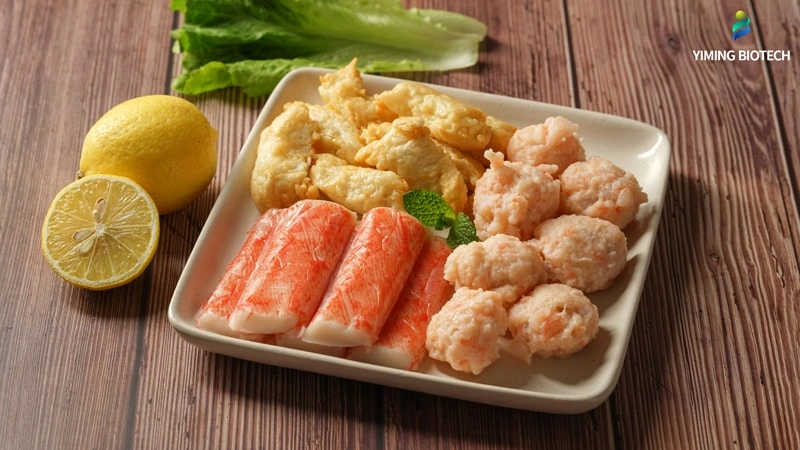
Meatball products
Adding 0.5%-1.5% of curdlan gum can increase elasticity by 20%-30% and reduce freeze-thaw loss by 40%-50%. At the same time, it can replace 10% to 20% of minced meat without affecting quality, achieving cost reduction.
Fried and grilled meat products
The film-forming property of curdlan gum can form a uniform protective film at high temperatures, preventing excessive loss of moisture and fat. Adding 0.3% to 0.8% of curdlan gum can increase the oil yield by 15% to 20%.
In the international food and dietary supplement industries, sodium alginate and carrageenan are two widely used seaweed-derived hydrocolloids. Despite their shared origin, the und
In oil and gas drilling operations, the prosperity of a drilling process heavily depends on the rheological properties and filtration behavior of drilling fluids . Uncontrolled flu
The first step in making gelatin gummies is to allow the gelatin to fully hydrate. Gelatin does not dissolve in cold water, but it can absorb water and swell in cold water. This pr
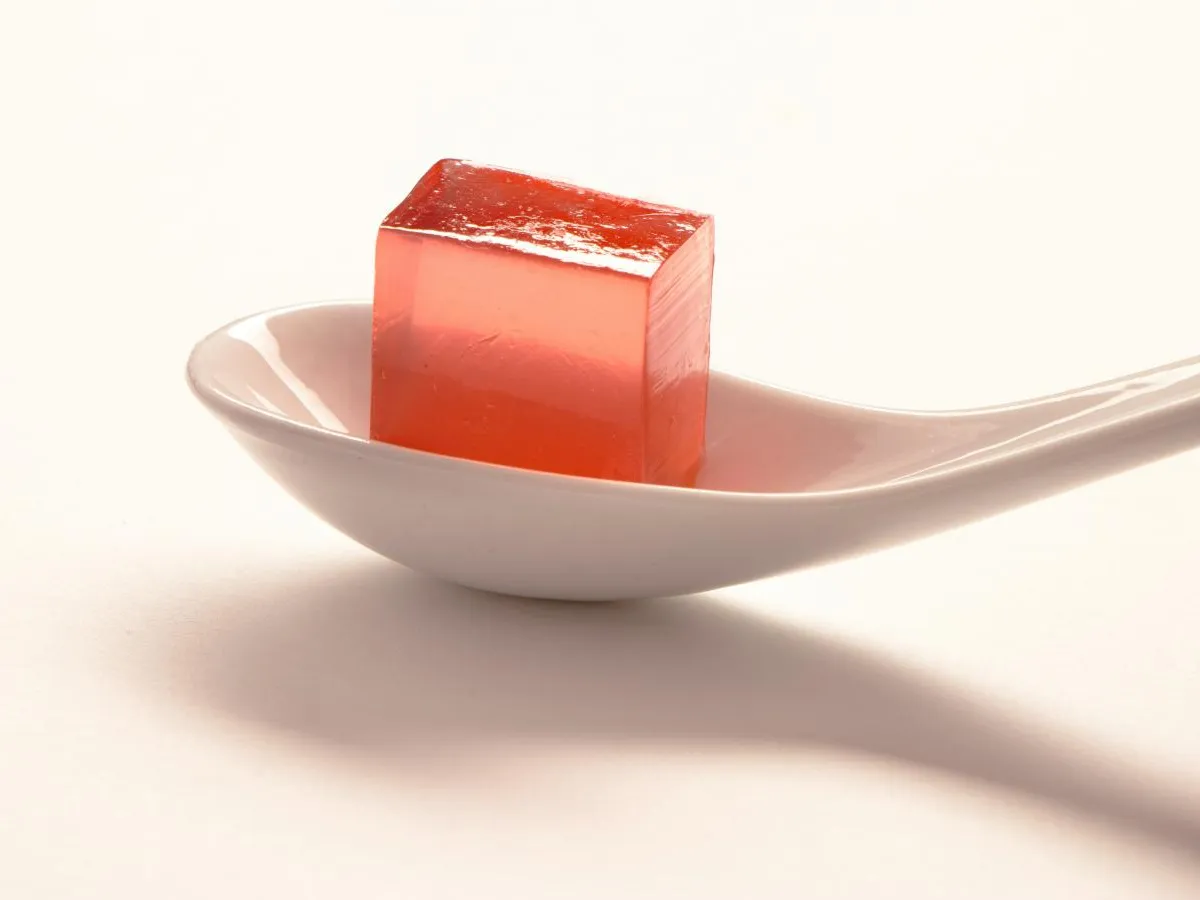
The key difference? Gelatin is a protein from animal collagen; agar is a carbohydrate from red algae.This fundamental distinction drives every other difference between them — and d

In the papermaking industry, modified starch is one of the core additives. Oxidized starch, cationic starch, and esterified starch are mainly used for surface sizing, internal sizi
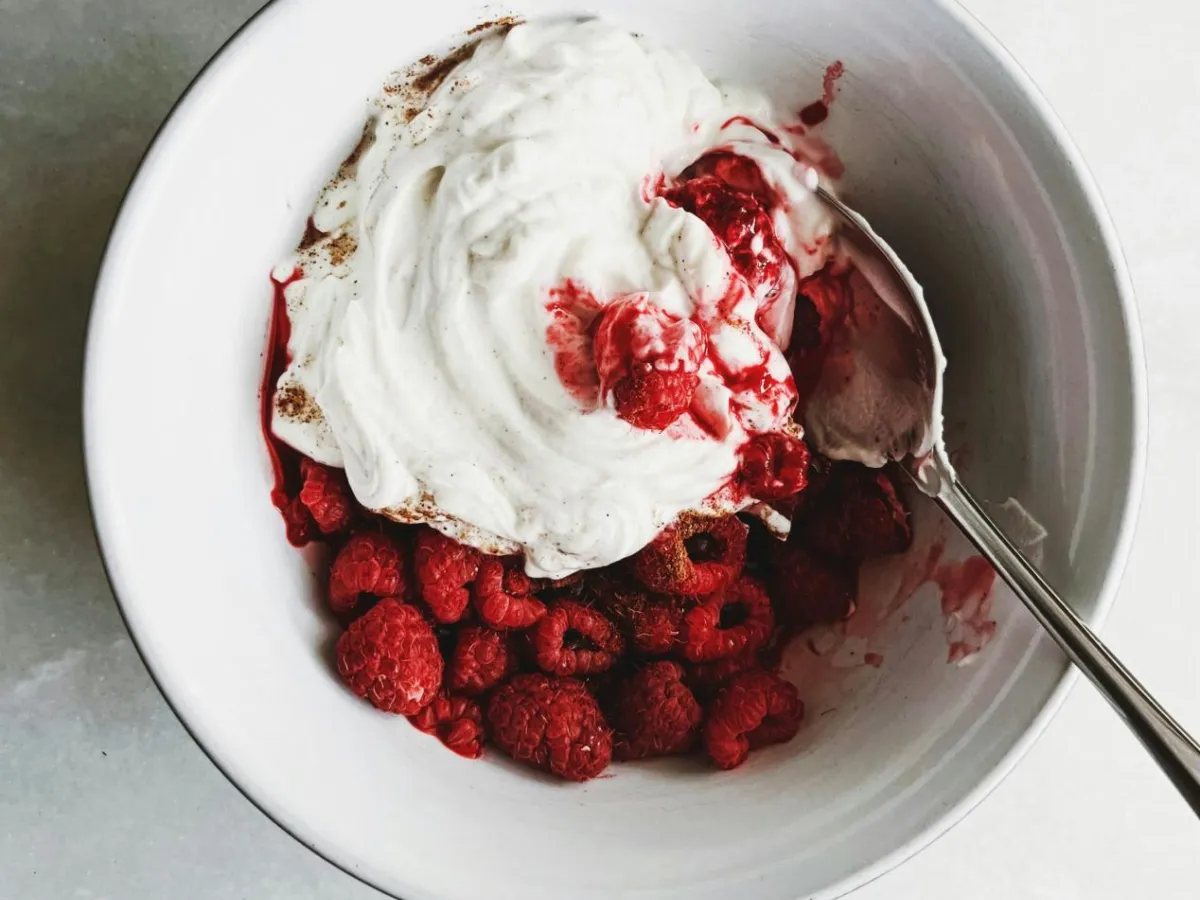
The adoption of pectin in yogurt is not just anecdotal. According to market data, more than half of all new spoonable yogurt launches now contain pectin. This widespread acceptance
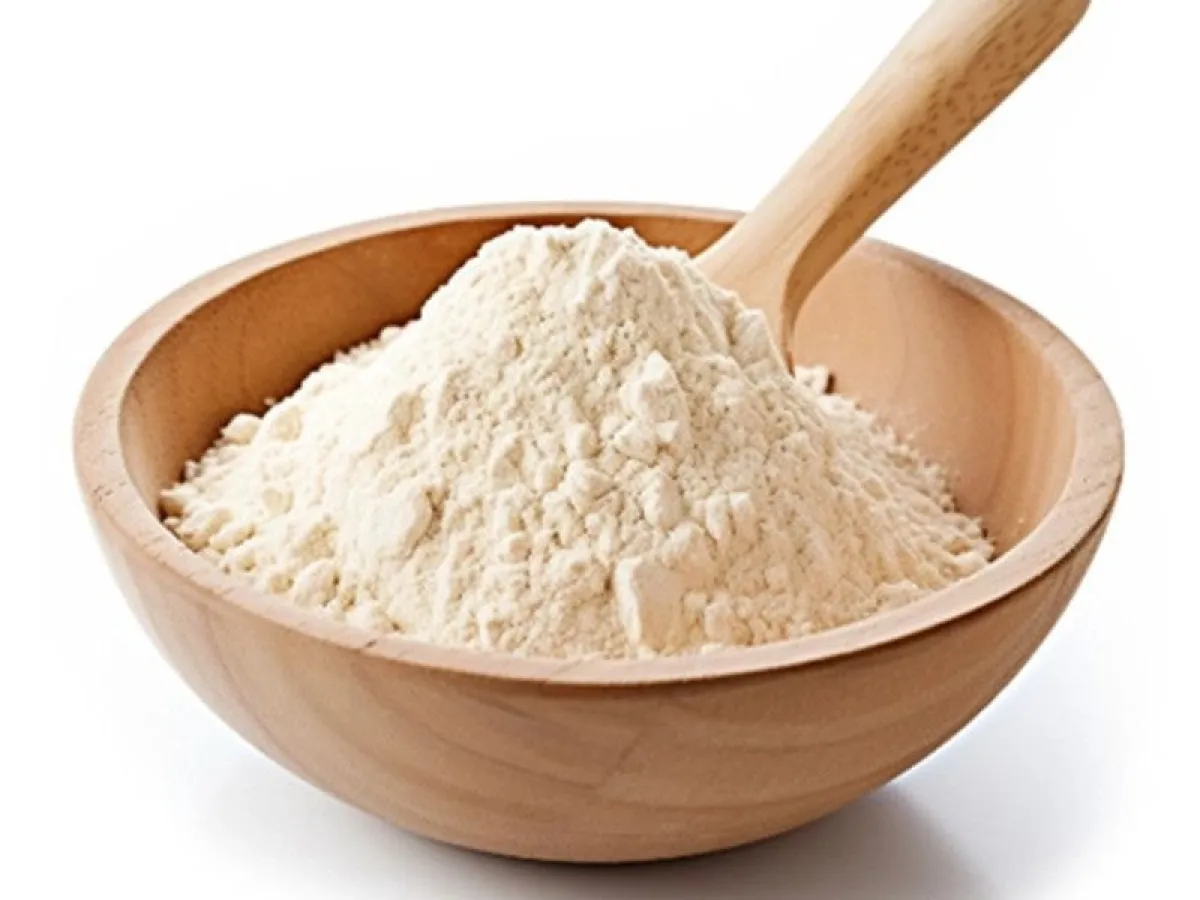
High concentrations of protein ingredients inherently carry a heavy, powdery mouthfeel and astringent notes. The key application detail of gelatin lies in its thermally reversible
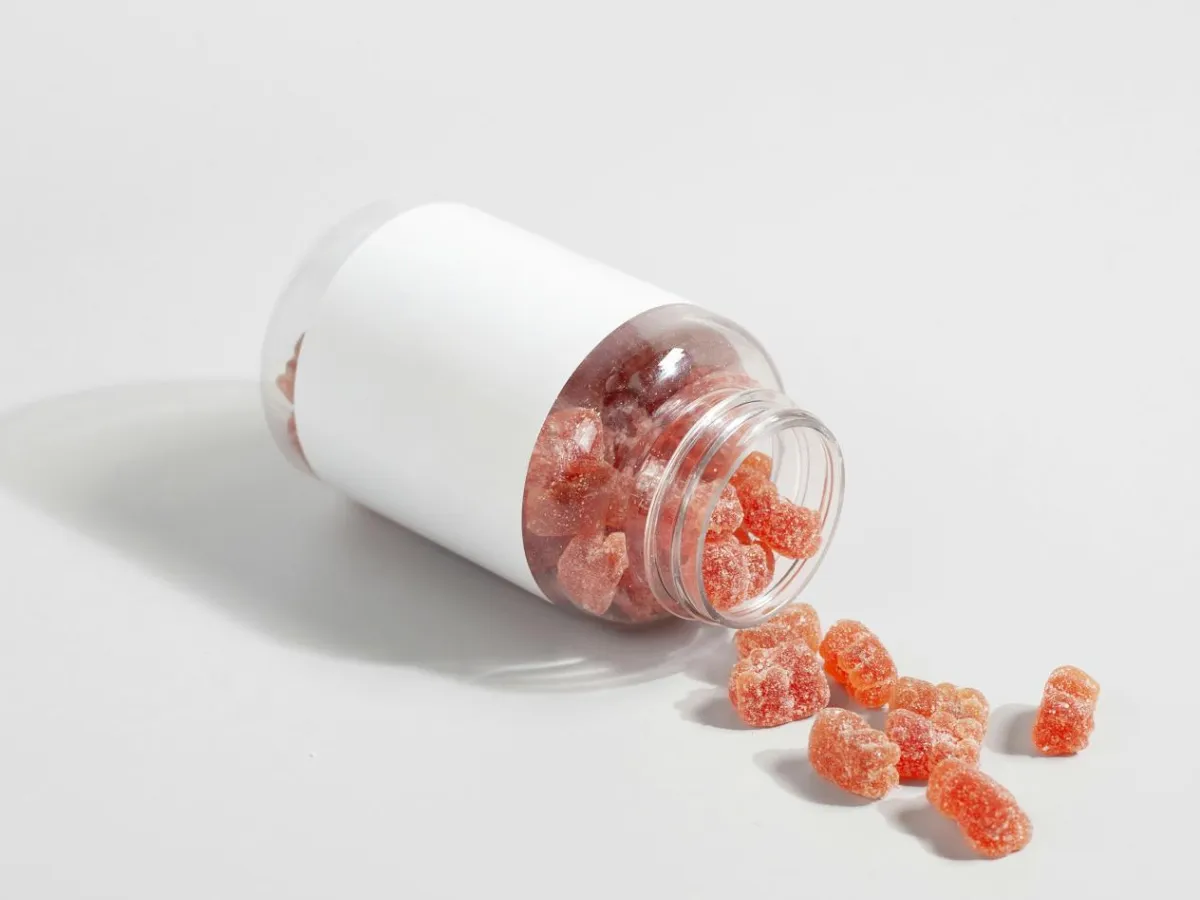
Today, vegan gummies are one of the fastest-growing segments in confectionery. And at the center of this shift stands pectin – a plant-derived hydrocolloid that is proving to be mo
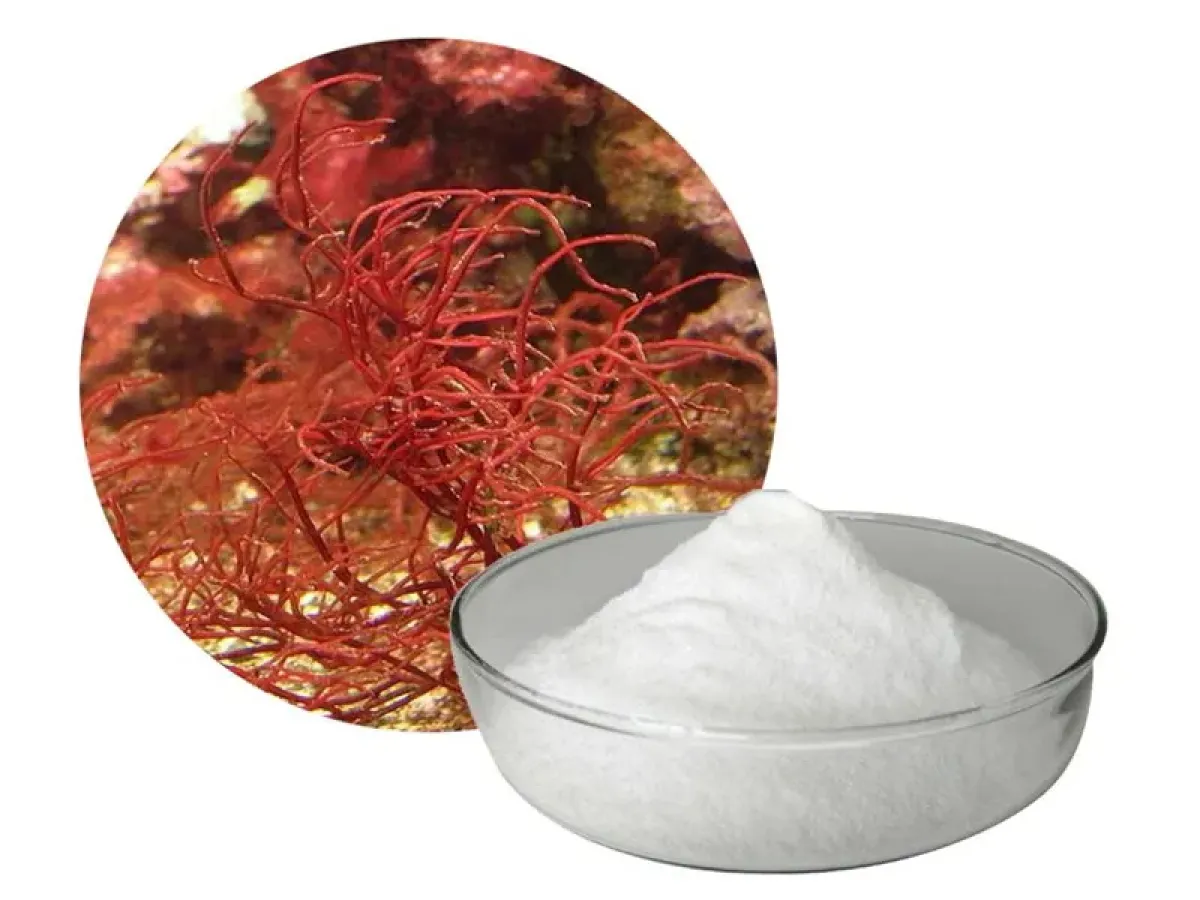
From a physicochemical perspective, carrageenan possesses unique solubility, dissolving in hot water at around 80°C to form a viscous, transparent solution, but insoluble in cold w
The primary role of CMC in toothpaste is to provide the desired texture, consistency, and stability. Specifically, it performs the following critical functions: