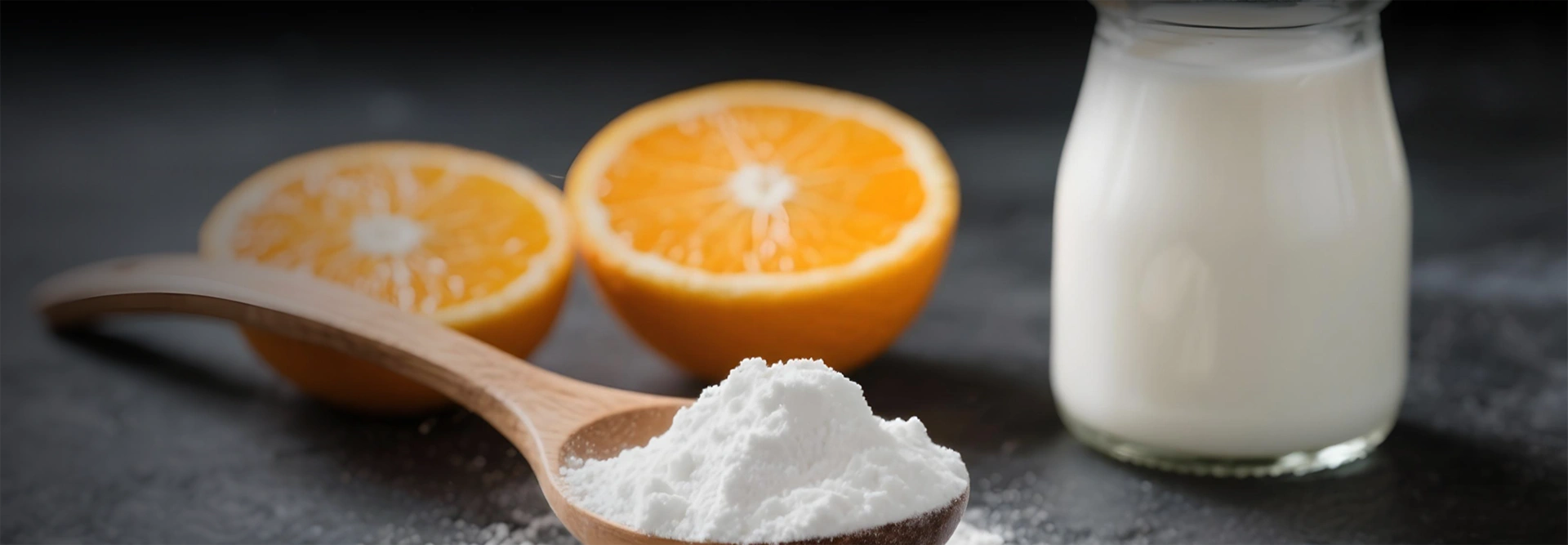
Sodium alginate is a natural food colloid extracted from seaweed, with the food additive code E401. Due to its excellent thickening, stabilizing, water-retaining, and gelling properties, it is widely used in various food industries, including beverages, dairy products, jellies, ice cream, sauces, and meat products.
In food production, the most important functions of sodium alginate are thickening and stabilization. Taking fruit juice drinks, fruit pulp drinks, and plant protein drinks as examples, the fruit pulp or solid particles are prone to sedimentation during storage. Adding an appropriate amount of sodium alginate can increase the viscosity of the beverage, make the particle distribution more uniform, reduce stratification and sedimentation, and improve the product's taste.

In dairy products, sodium alginate is primarily used to improve product stability and texture. Milk beverages, yogurt, and dairy-based desserts may experience separation or water separation during production and storage. Sodium alginate can be compounded with other food colloids to help maintain system homogeneity, resulting in a smoother, more stable texture.
Another important characteristic of sodium alginate is its gelling properties. When sodium alginate comes into contact with calcium ions, it forms a gel with a certain degree of elasticity and structural strength. Therefore, it is commonly used in jellies, gel desserts, and other foods requiring shaping. By adjusting the amount of sodium alginate and processing conditions, different gel strengths and textures can be obtained.

In ice cream production, sodium alginate can be used as a component of stabilizers to help improve the product's texture and mouthfeel, and reduce quality changes during storage. In sauces, sodium alginate can increase viscosity, improve suspension and stability, and is suitable for some fruit jams, seasonings, and compound sauces.
Furthermore, sodium alginate can be used in meat products and plant-based foods. Its water-retaining and gelling properties help improve the texture and processing performance of some products.
For food companies, when selecting sodium alginate, in addition to price, they should also choose appropriate viscosity, solubility, and gelling properties based on the specific product. Different food formulations, pH values, salt content, and processing techniques all affect the effectiveness of sodium alginate. Therefore, in actual production, small-scale trials are usually required to determine the appropriate addition amount.

Overall, sodium alginate is a versatile food colloid. From suspension stabilization in beverages to texture improvement in dairy products and gel formation in jellies, sodium alginate can help food companies effectively improve product stability, mouthfeel, and processing performance. Welcome to Nourisi for quality sodium alginate. Our professional technical team is here to provide reliable support and solutions for your food applications.

This guide provides a detailed comparison to help you determine which casing type best fits your production requirements.
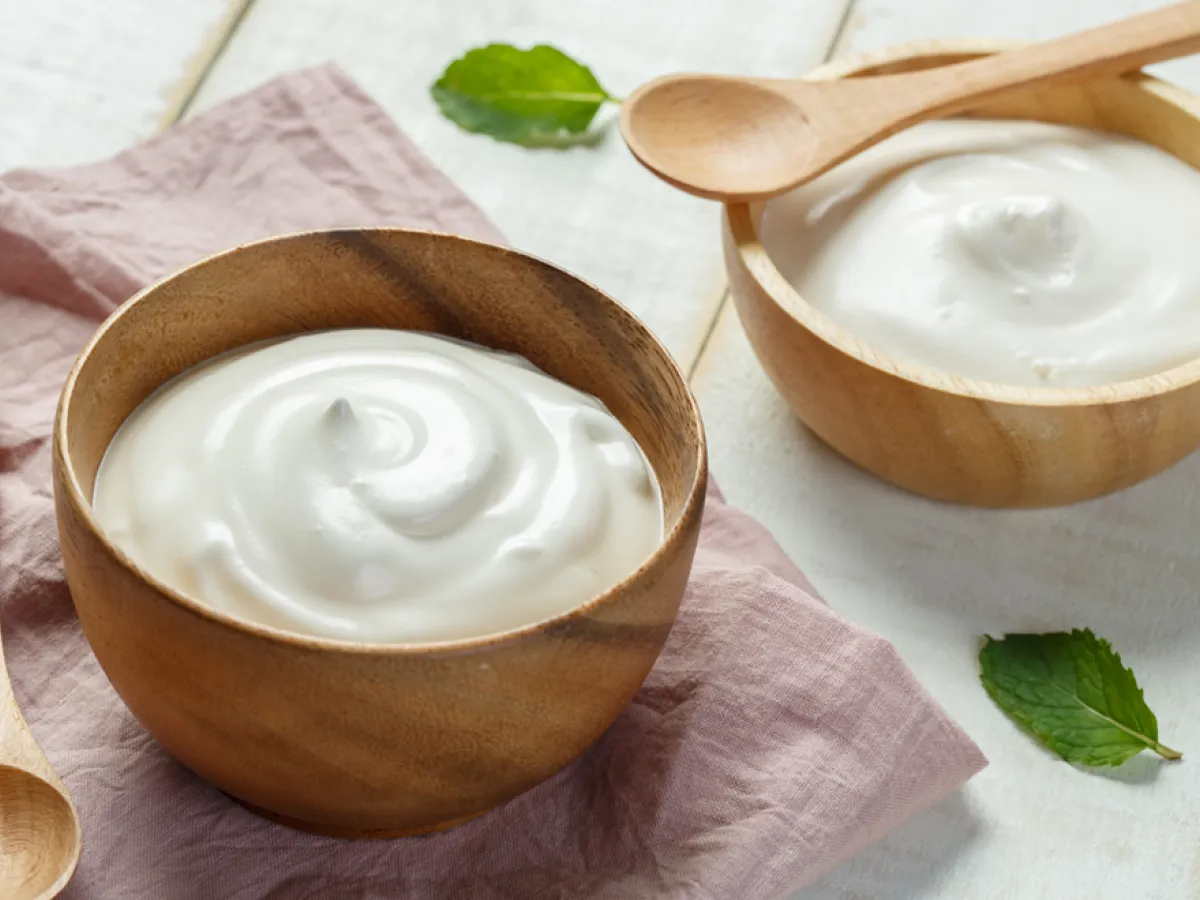
The casein gel network formed during yogurt fermentation is structurally fragile and prone to rupture during transportation or refrigeration, leading to whey separation. Upon cooli

Aqueous solutions of welan gum exhibit typical pseudoplastic fluid characteristics, namely high apparent viscosity at low shear rates and a pronounced decrease in viscosity as the
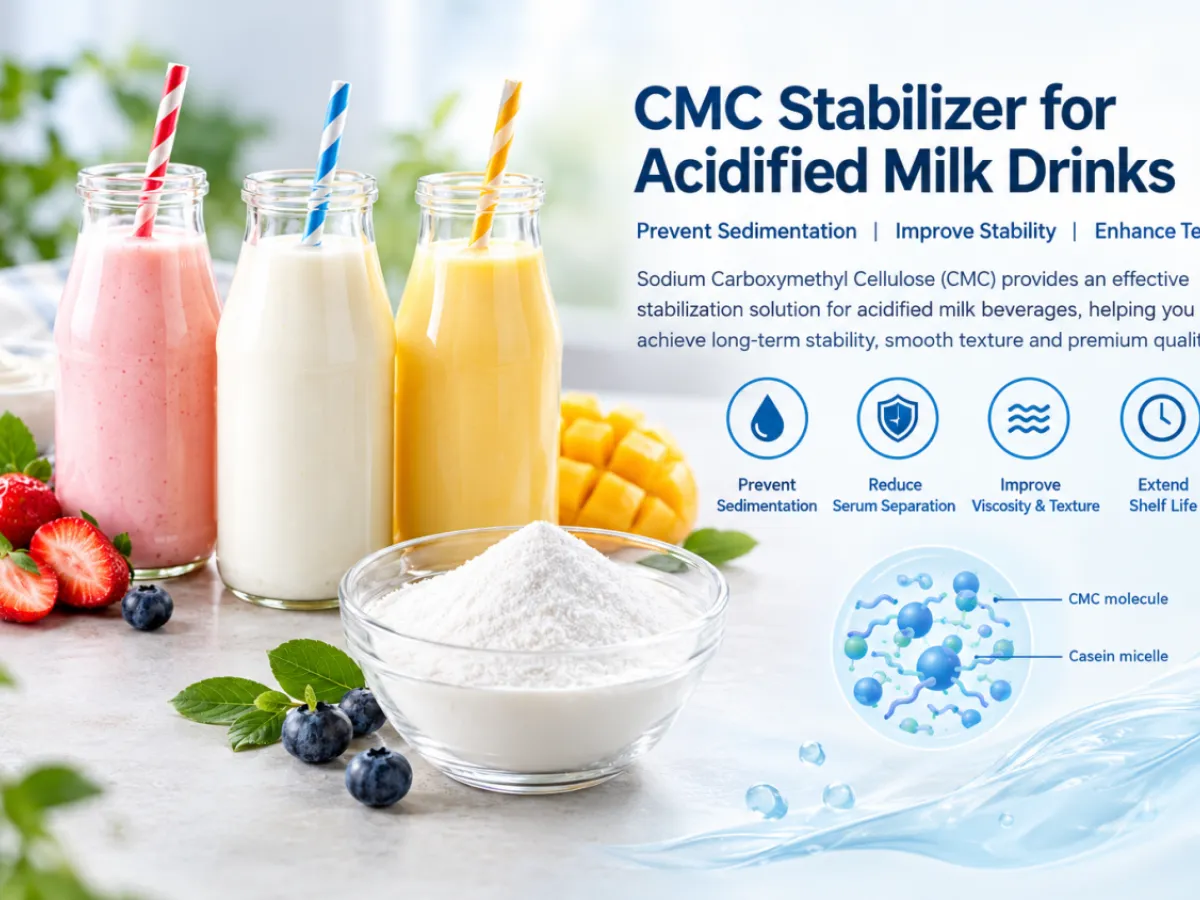
During storage, many acidified dairy beverages may experience problems such as protein aggregation, sedimentation, serum separation and viscosity loss, resulting in poor appearance
Sodium alginate is primarily derived from brown algae and exhibits excellent thickening, stabilizing, film-forming, and gelling properties.

From an application perspective, collagen powder has good compatibility. It can be compounded with vitamins, hyaluronic acid, elastin, probiotics, dietary fiber, and many other ing
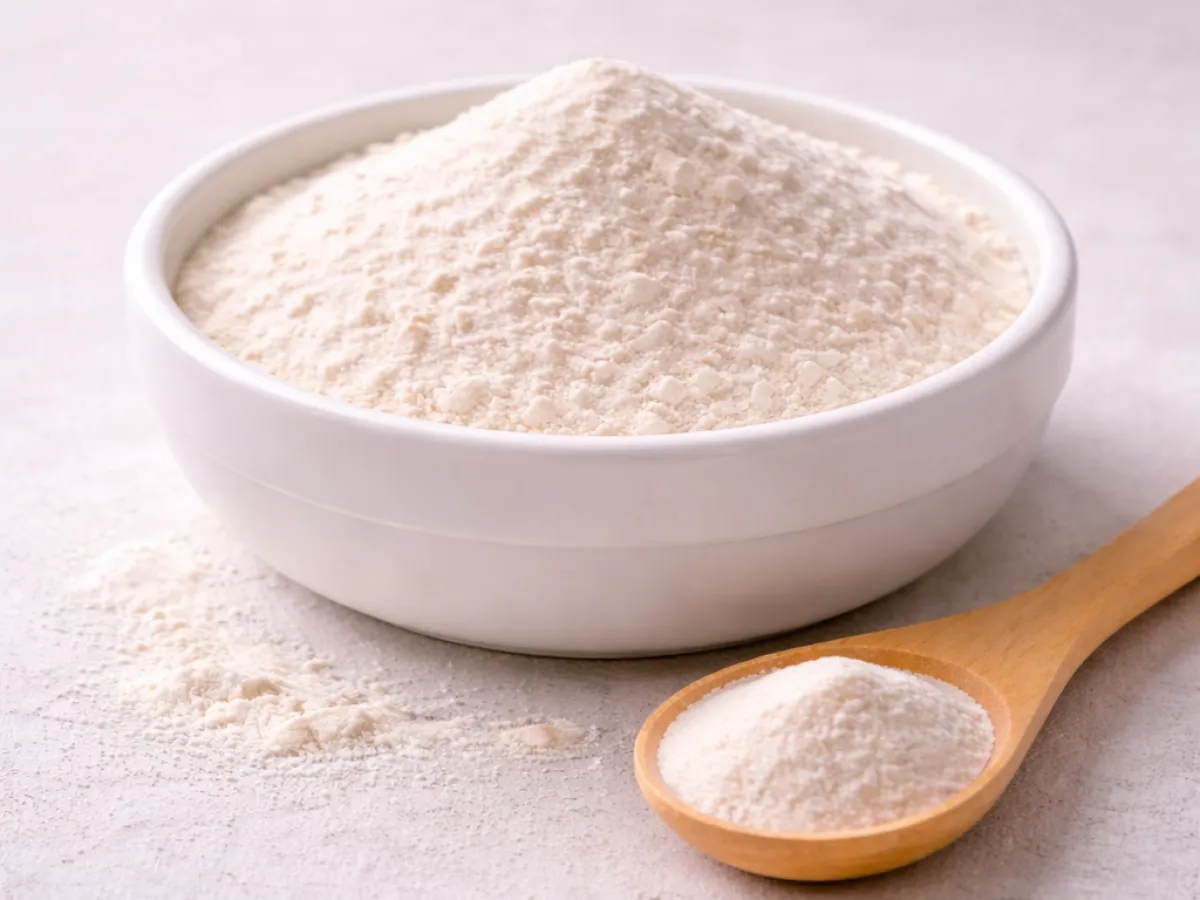
Modified starch relies on heat-induced gelatinization to form a viscous system; it establishes stable viscosity only after sufficient heating and provides no thickening effect in c

Single hydrocolloids always have limitations: xanthan gum alone provides insufficient oil dispersion and tends to release oil; agarose alone lacks suspension power and tends to sep
Dust pollution generated during coal mining, transportation, stockpiling, and handling poses severe health risks to workers, contaminates the environment, and creates safety hazard
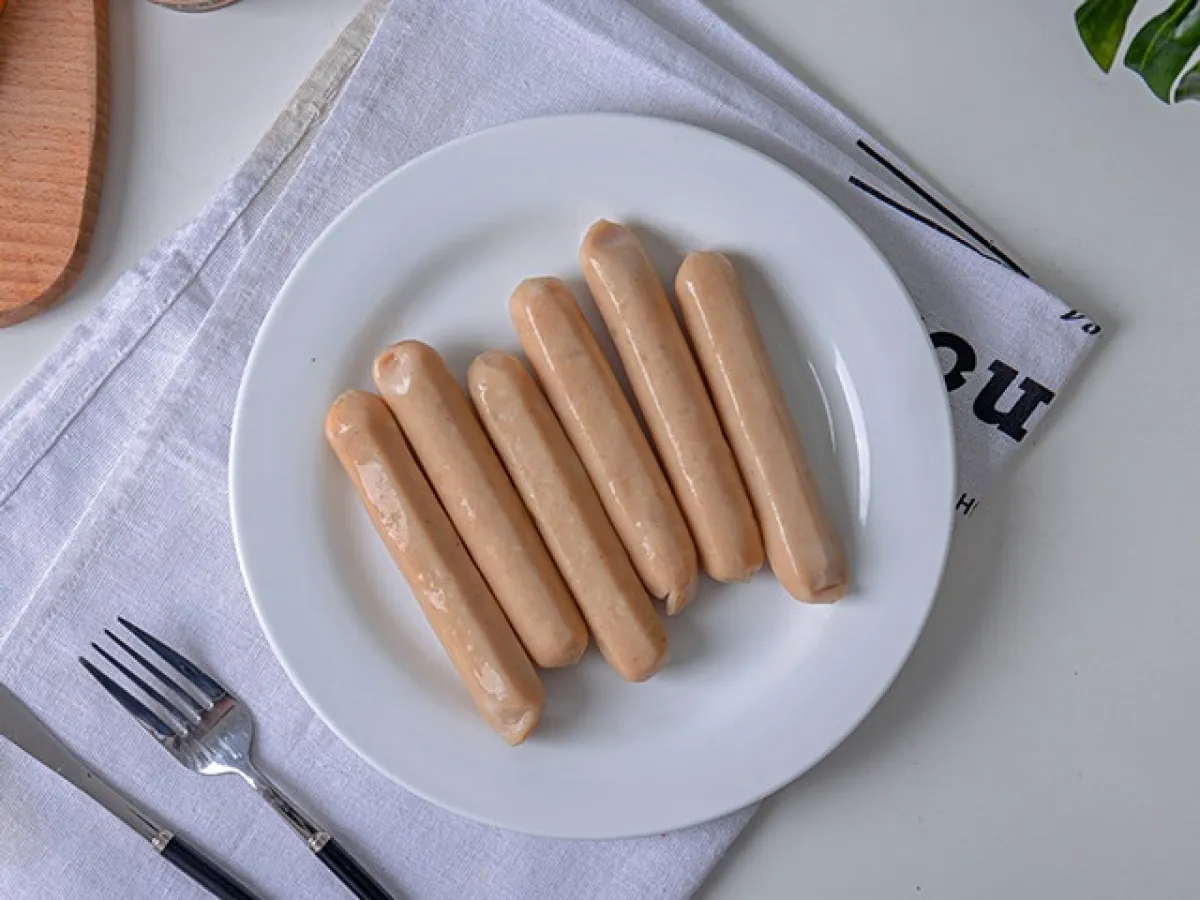
This knowledge article explains the fundamental differences between edible and non-edible collagen casings across material composition, manufacturing, applications, handling, and p