Introduction
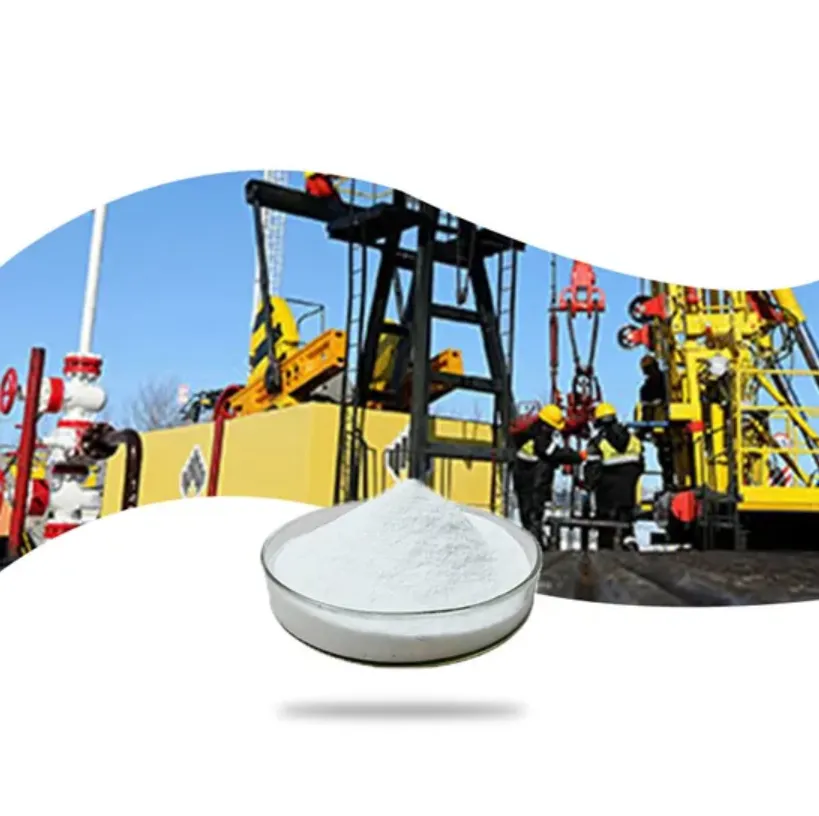
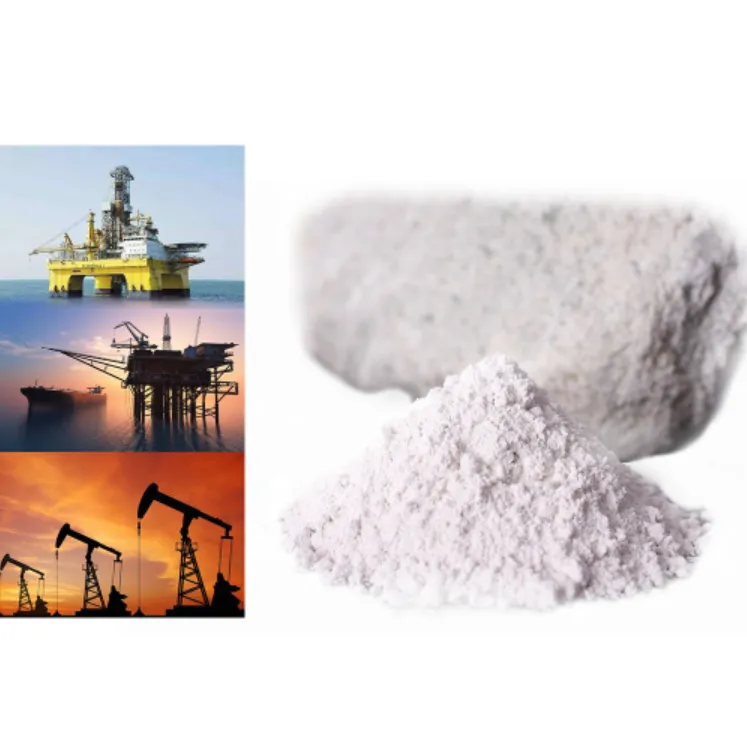
Polyanionic Cellulose (PAC) is a water-soluble anionic polymer derived from natural cellulose through chemical modification, specifically by introducing carboxymethyl groups onto the cellulose backbone . This modification gives PAC its distinctive anionic character and enhances its solubility, salt tolerance, and thermal stability. PAC appears as a white to off-white free-flowing powder that is non-toxic and odorless .
The global PAC market was valued at approximately USD 798.3 million in 2024, with projections to reach USD 912.4 million by 2032, reflecting a steady compound annual growth rate of 1.7% . Its versatility across multiple industries—from oil drilling to food and pharmaceuticals—makes PAC an increasingly important specialty chemical.
Key Properties Enabling Diverse Uses
PAC's widespread application across industries stems from several core properties:
Water Solubility:Readily dissolves in fresh water, seawater, and saturated brine systems
Salt Tolerance:Exceptional stability in high-salinity environments, including saturated salt solutions
Thermal Stability:Maintains performance at temperatures up to 150°C (300°F)
Shear-Thinning Behavior:Viscosity decreases under shear for pumping, recovers for solids suspension
Rheology Control:Effective as viscosifier and fluid loss reducer
Film-Forming Ability:Forms flexible films when dried
Biodegradability:Environmentally friendly and non-toxic
Major Applications of PAC
1. Oil and Gas Drilling Fluids
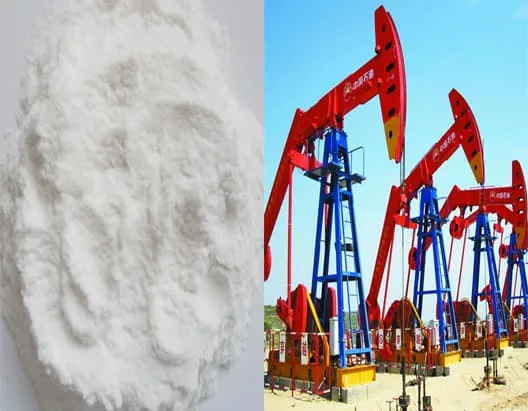
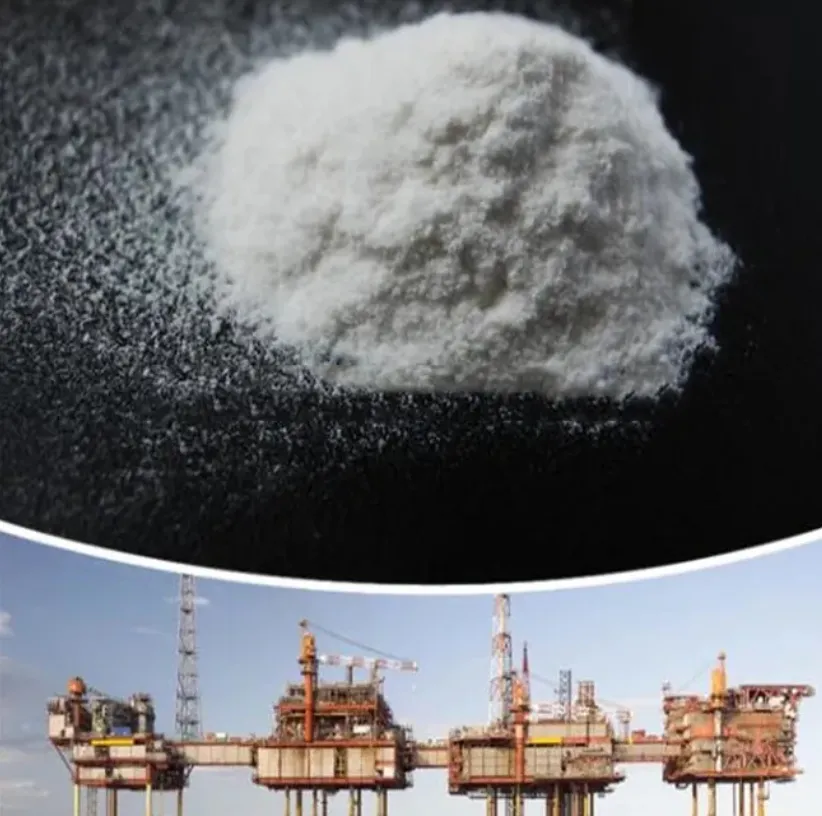
The oil and gas industry represents the largest and most established application for PAC. It serves as a critical additive in water-based drilling fluids for both onshore and offshore operations.
Primary Functions:
Fluid Loss Control: PAC forms a thin, low-permeability filter cake on the borehole wall, significantly reducing filtrate invasion into permeable formations. Different PAC variants (PAC-LV, PAC-R, PAC-HV) offer optimized filtration control for various mud systems .
Viscosification: Increases the viscosity and yield point of drilling fluids, improving their ability to carry drill cuttings to the surface .
Shale Inhibition: Encapsulates drill solids and exposed shales, reducing clay dispersion and protecting water-sensitive formations.
2. Construction Industry
In construction applications, PAC serves as a water-retaining agent and workability enhancer in cement, mortar, and gypsum-based products .
Key Benefits:
Improves water retention, ensuring complete hydration of binders
Enhances workability and adhesion
Reduces cracking caused by rapid drying
Improves consistency of mixtures
PAC is particularly useful in dry or hot climates where rapid moisture loss can compromise proper curing . For light cement slurry, seawater cement slurry, and saturated salt cement slurry, PAC serves as an effective fluid loss control agent with good viscosity-building capability
PAC is also used in completion fluids, workover fluids (low-solid phase fluids that minimize formation damage), and fracturing fluids where rapid gelation and sand-carrying capacity are required.
3. Advanced and Emerging Applications
Recent innovations have expanded PAC's application scope into high-technology sectors:
Lithium-Ion Batteries: A 2026 study demonstrated PAC's potential as a binder component in silicon anodes. When combined with waterborne polyurethane (WPU), PAC creates a composite binder with synergistic mechanical properties. The WPU@PAC composite effectively addresses challenges like electrode pulverization and active material detachment. Optimized formulations achieved initial discharge specific capacities of 1117 mAh/g with 88.61% capacity retention after 100 cycles
Water Treatment: PAC functions as an effective water purifying agent and coagulant aid in wastewater treatment applications
.
Industrial Applications: Additional uses include:
• Coatings and paints (thickener, rheology modifier)
• Personal care products (thickener, stabilizer)
• Ceramics (binder, suspending agent)
• Detergents (soil suspension agent)
Summary
Polyanionic Cellulose is a versatile, high-performance polymer with applications spanning oil and gas drilling, construction, pharmaceuticals, food processing, and emerging technologies like lithium-ion batteries. Its unique combination of salt tolerance, thermal stability, and rheology control makes it indispensable for challenging drilling environments, while its biodegradability and non-toxic nature support its adoption in food and pharmaceutical applications. With a global market of nearly $800 million and continued growth projected, PAC represents a mature yet innovating product category with expanding application potential.
In the international food and dietary supplement industries, sodium alginate and carrageenan are two widely used seaweed-derived hydrocolloids. Despite their shared origin, the und
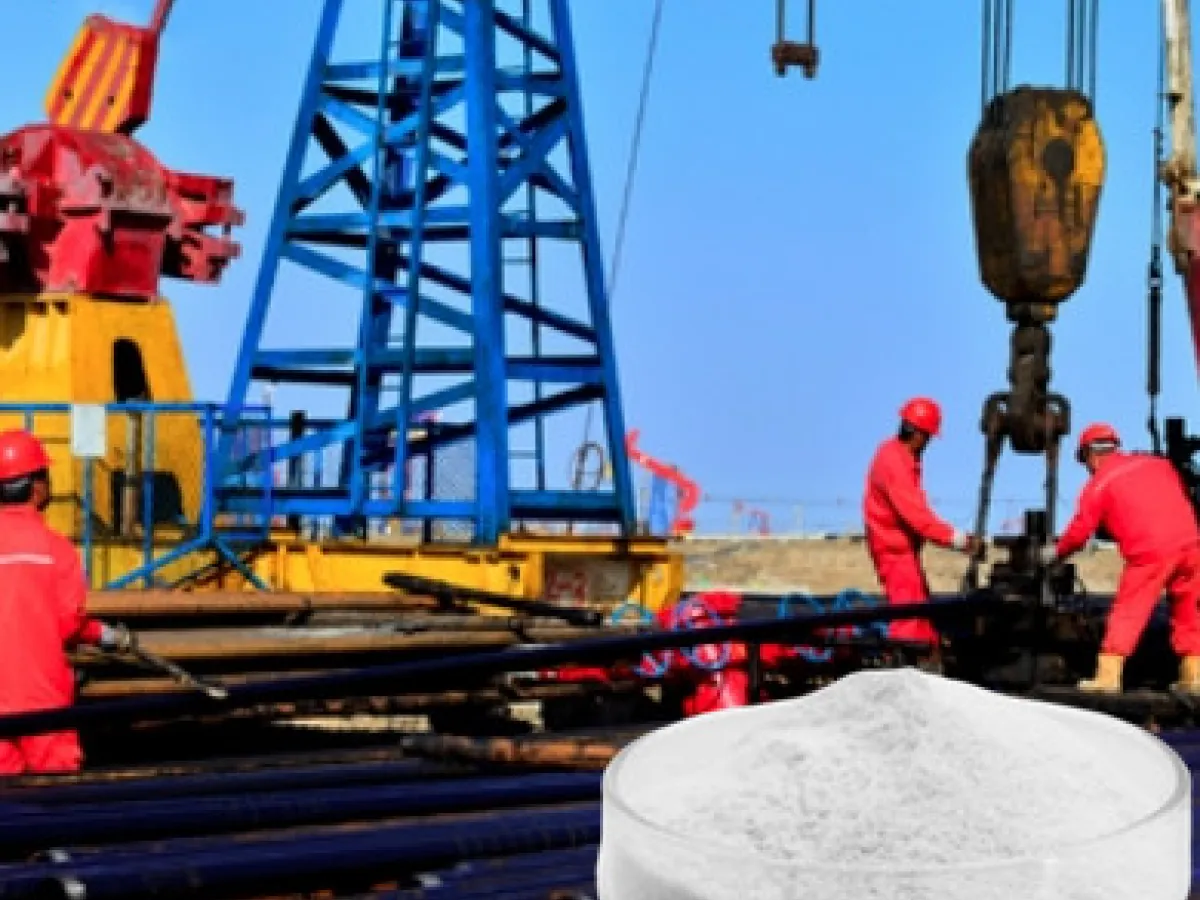
In oil and gas drilling operations, the prosperity of a drilling process heavily depends on the rheological properties and filtration behavior of drilling fluids . Uncontrolled flu
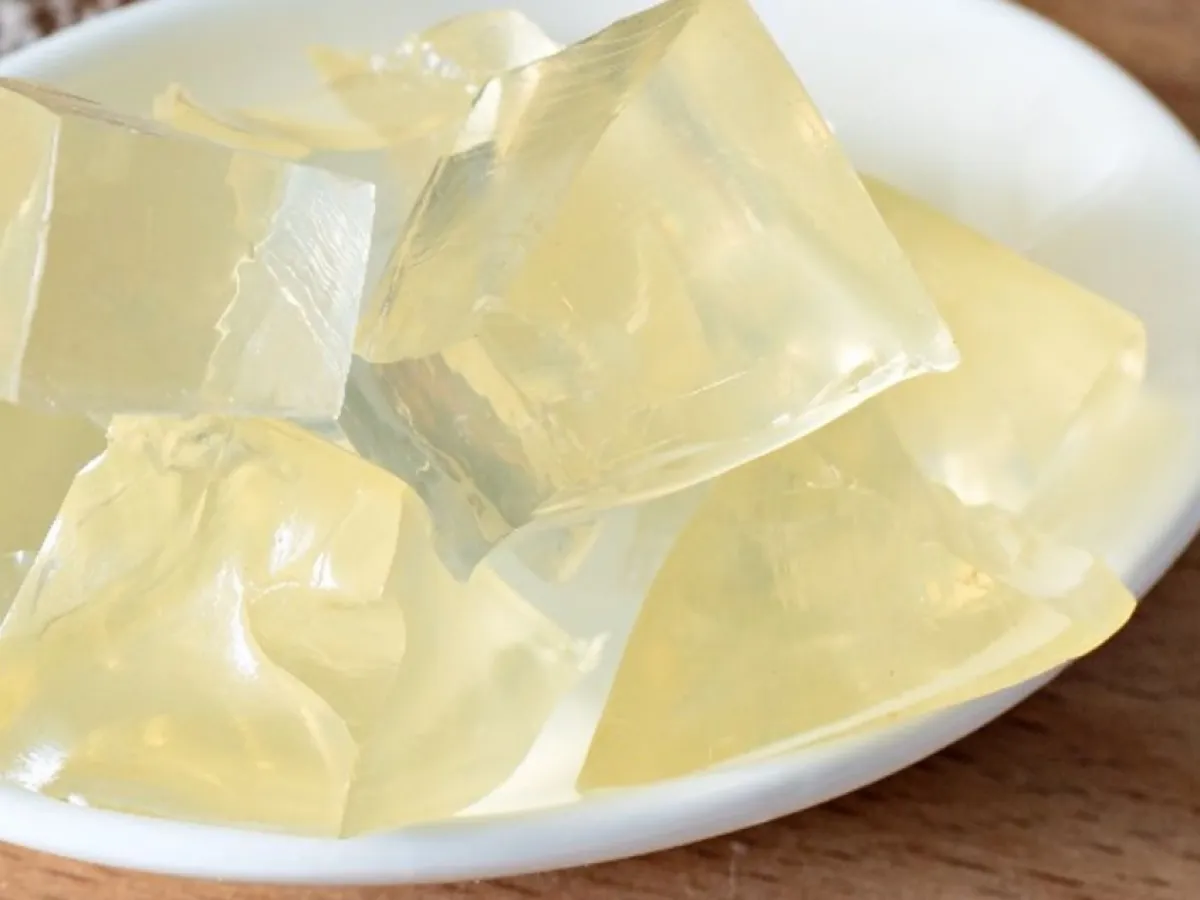
The first step in making gelatin gummies is to allow the gelatin to fully hydrate. Gelatin does not dissolve in cold water, but it can absorb water and swell in cold water. This pr
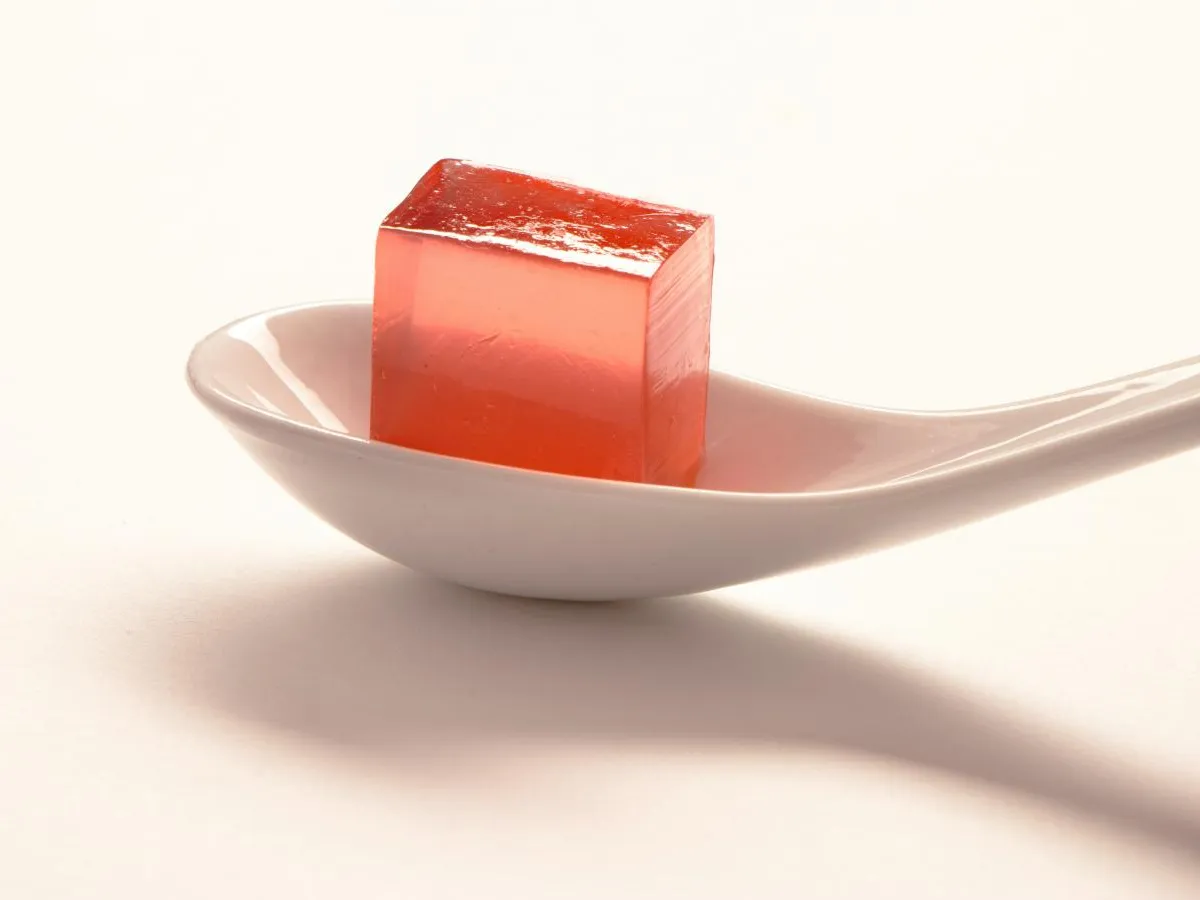
The key difference? Gelatin is a protein from animal collagen; agar is a carbohydrate from red algae.This fundamental distinction drives every other difference between them — and d

In the papermaking industry, modified starch is one of the core additives. Oxidized starch, cationic starch, and esterified starch are mainly used for surface sizing, internal sizi
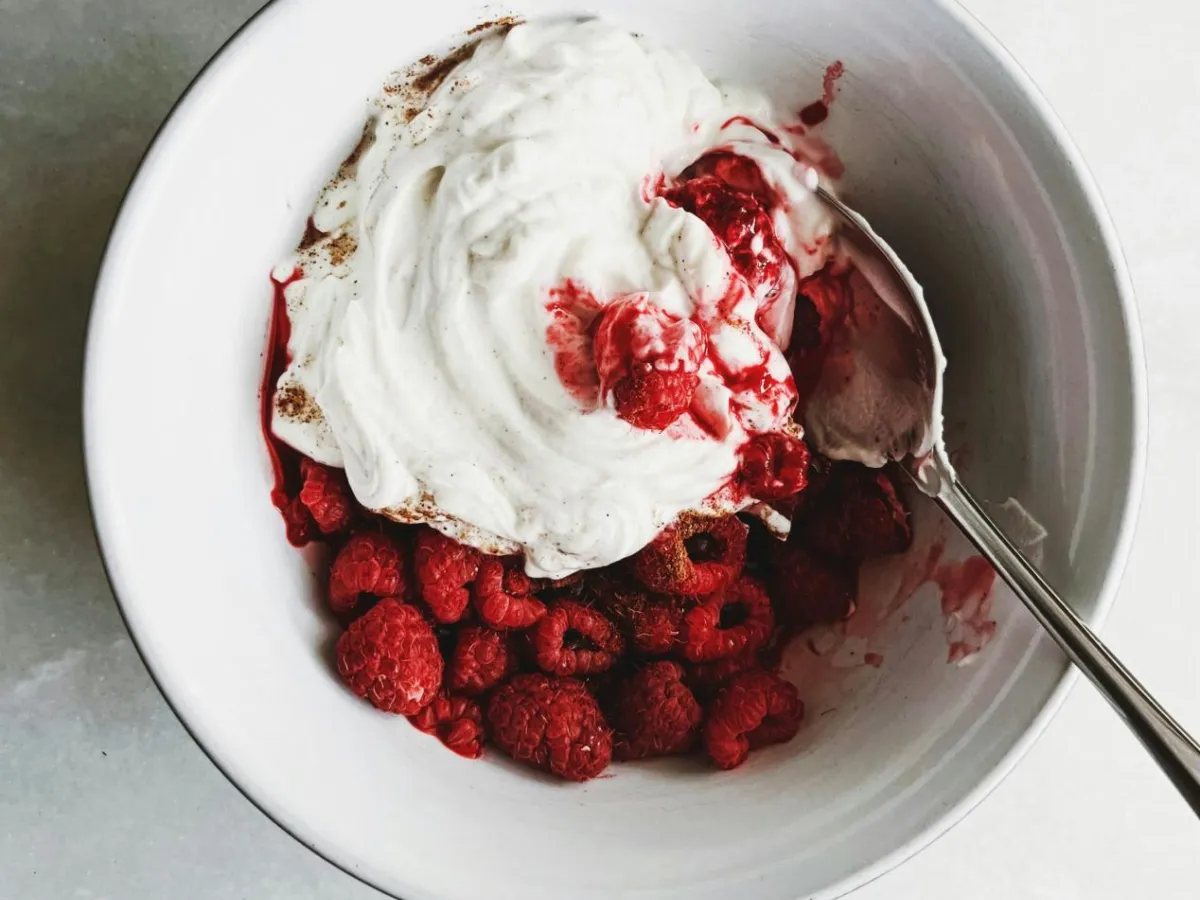
The adoption of pectin in yogurt is not just anecdotal. According to market data, more than half of all new spoonable yogurt launches now contain pectin. This widespread acceptance
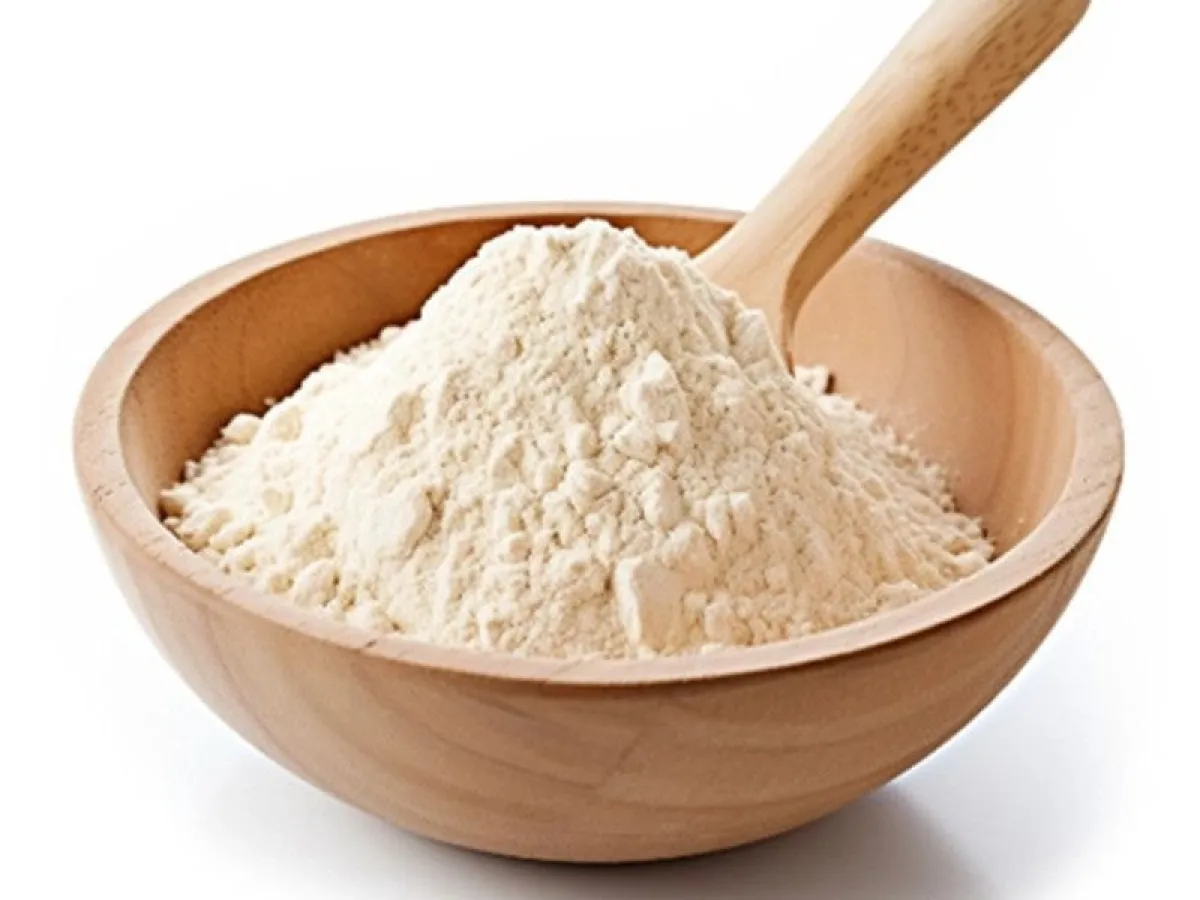
High concentrations of protein ingredients inherently carry a heavy, powdery mouthfeel and astringent notes. The key application detail of gelatin lies in its thermally reversible
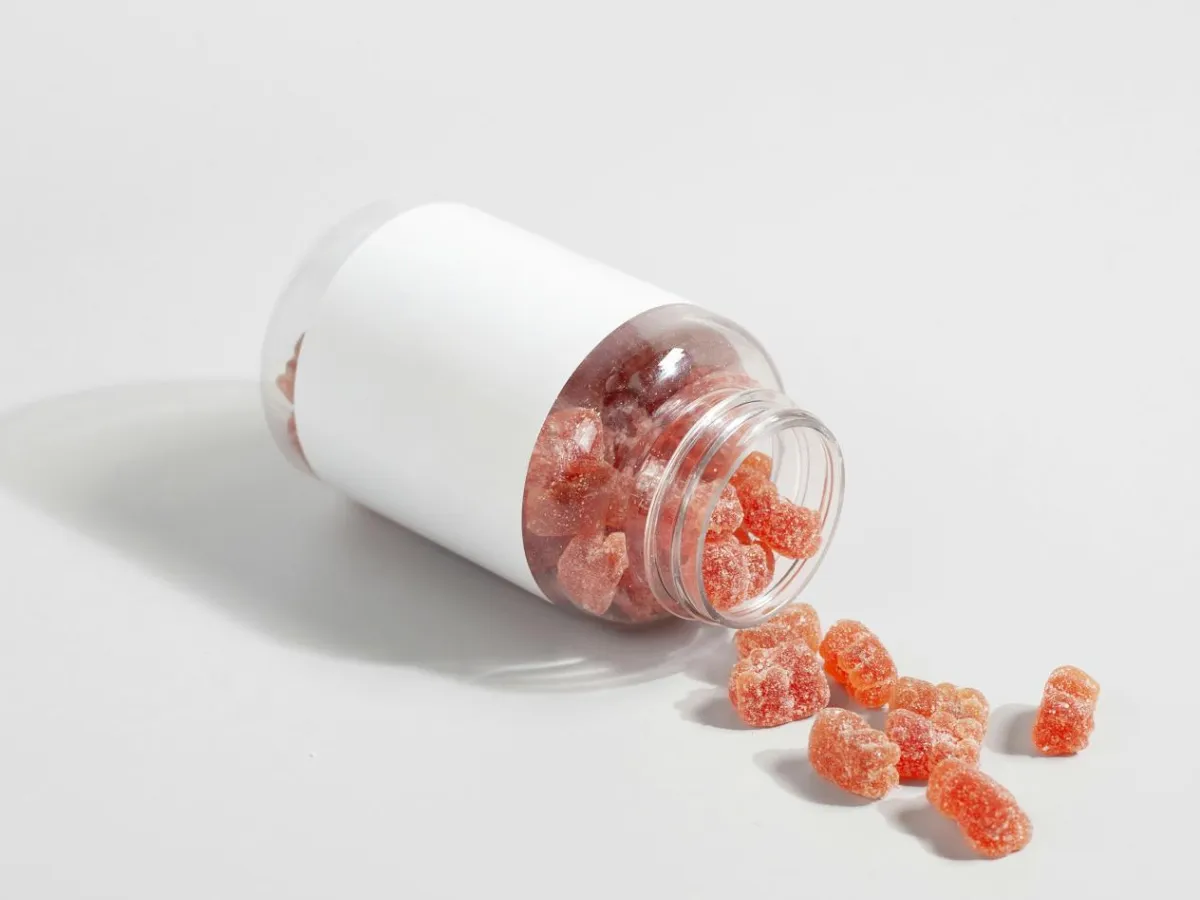
Today, vegan gummies are one of the fastest-growing segments in confectionery. And at the center of this shift stands pectin – a plant-derived hydrocolloid that is proving to be mo
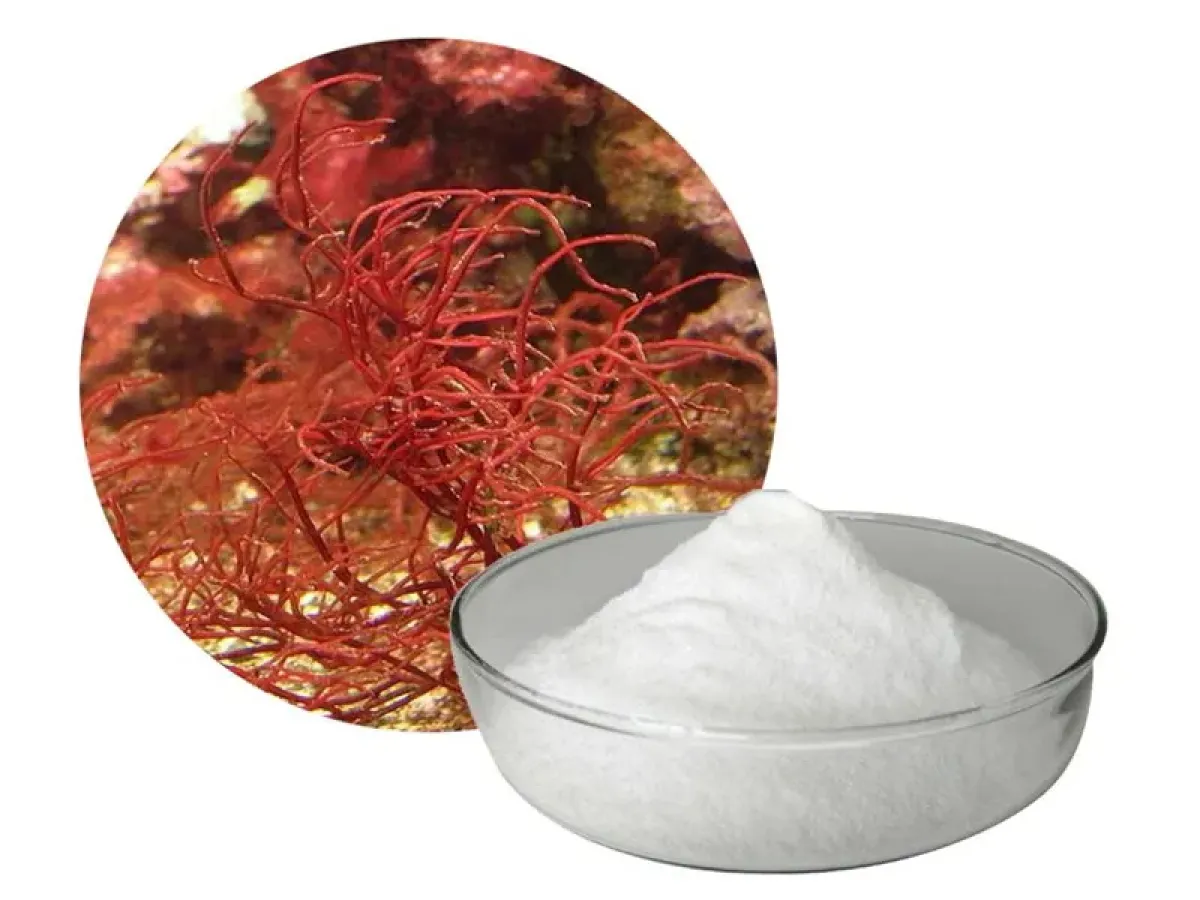
From a physicochemical perspective, carrageenan possesses unique solubility, dissolving in hot water at around 80°C to form a viscous, transparent solution, but insoluble in cold w
The primary role of CMC in toothpaste is to provide the desired texture, consistency, and stability. Specifically, it performs the following critical functions: