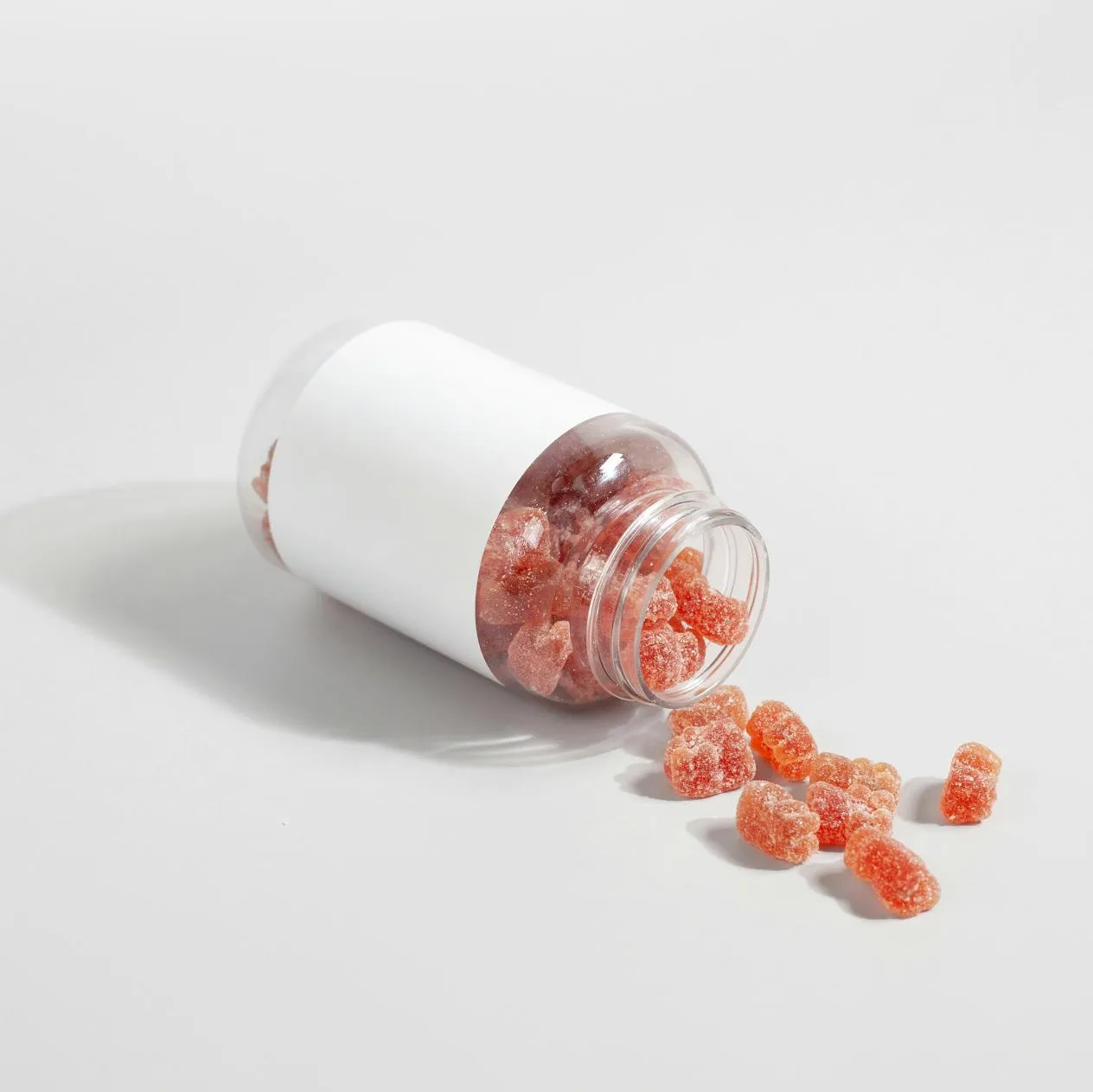
For decades, gelatin has been the foundation of gummy confectionery. Its unique ability to create elasticity, chew, clarity, and structural stability made it the industry standard. But that landscape is changing rapidly.
Today, vegan gummies are one of the fastest-growing segments in confectionery. And at the center of this shift stands pectin – a plant-derived hydrocolloid that is proving to be more than just a simple substitute.
Why the Shift Away from Gelatin?
Consumer preferences are driving reformulation across the industry. Three forces are converging:
1.Vegan and plant-based lifestyles – consumers actively avoiding animal-derived ingredients
2.Religious dietary requirements – Halal and Kosher certifications prohibit pork-derived gelatin
3.Clean label expectations – demand for recognizable, natural ingredients
Gelatin's animal origin is no longer just a niche concern. It has become a mainstream limitation. Manufacturers who fail to offer plant-based alternatives risk losing a growing segment of the market.
Why Pectin Is the Front-Runner
Among available plant-based alternatives, pectin has emerged as the dominant solution. Originally derived from citrus peel and apple pomace, it offers several distinct advantages:
1. Natural Plant Origin. Pectin aligns naturally with vegan positioning and supports clean label claims. It requires no chemical modification and can be simply declared on ingredient lists.
2. Premium Texture Profile. While pectin-based gummies offer a different texture than gelatin – often described as "shorter and less chewy" – this has actually gained acceptance and is now preferred in premium segments. The texture is perceived as cleaner and more refined.
Strong Synergy with Flavors. Pectin provides excellent flavor release, allowing fruit and other flavor systems to perform at their best without the masking effects sometimes seen with other hydrocolloids.
Research-Backed Performance
Recent research confirms pectin's viability as a gelatin substitute. Studies have shown that pectin candies achieve textural properties comparable to gelatin formulations, with some distinct advantages.
In comparative studies, pectin-based gummies demonstrated:
1.Comparable hardness and chewiness to gelatin-based products
2.More stable bioactive parameters during storage than gelatin formulations
3.Effective performance in acidic environments, making them suitable for fruit-based confectionery
Practical Formulation Guidelines
Choosing the Right Pectin Type
|
Pectin Type |
Best For |
Key Characteristics |
|
High Methoxyl (HM) Pectin |
Fruit-flavored gummies, acidic systems |
Gels in high sugar + acid conditions |
|
Low Methoxyl (LM) Pectin |
Low-sugar/functional gummies |
Gels via calcium ions, less sugar-dependent |
Recommended Formulation Approaches
For pectin-based gummy systems, formulations should balance:
1.Pectin concentration – typically 1.5%–3.0% of total weight
2.Sugar content – for HM pectin, 60%–80% solids for proper gelation
3.pH control – pH 3.0–3.6 for optimal HM pectin performance
In practical applications, a combination of 1% agar-agar and 5.5% guar gum has been shown to deliver chewiness values comparable to gelatin-based products. For pectin-only systems, adjustments to sugar and acid levels are critical to achieving the desired texture.
Contact us for a free sample and technical consultation – and see how pectin can bring your vegan confectionery vision to life.
The adoption of pectin in yogurt is not just anecdotal. According to market data, more than half of all new spoonable yogurt launches now contain pectin. This widespread acceptance
High concentrations of protein ingredients inherently carry a heavy, powdery mouthfeel and astringent notes. The key application detail of gelatin lies in its thermally reversible
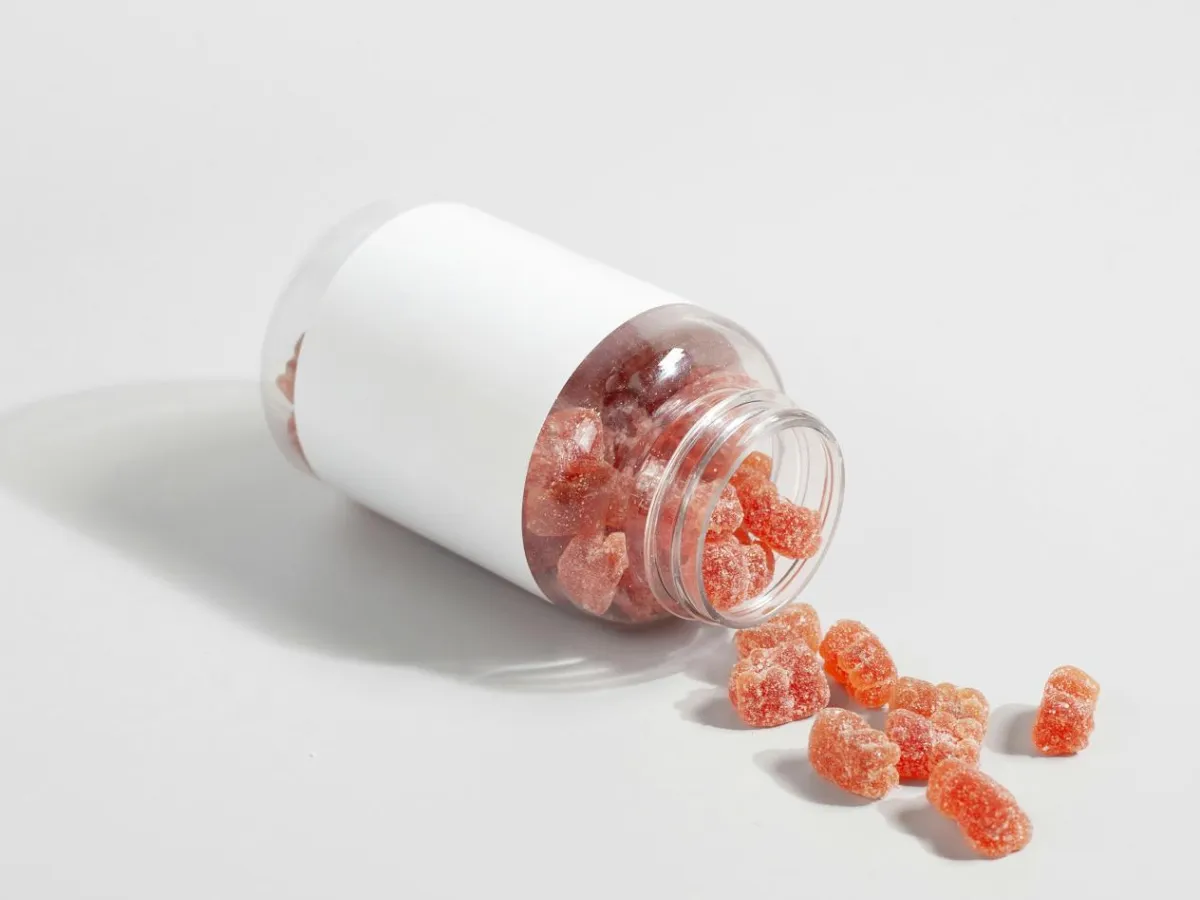
Today, vegan gummies are one of the fastest-growing segments in confectionery. And at the center of this shift stands pectin – a plant-derived hydrocolloid that is proving to be mo
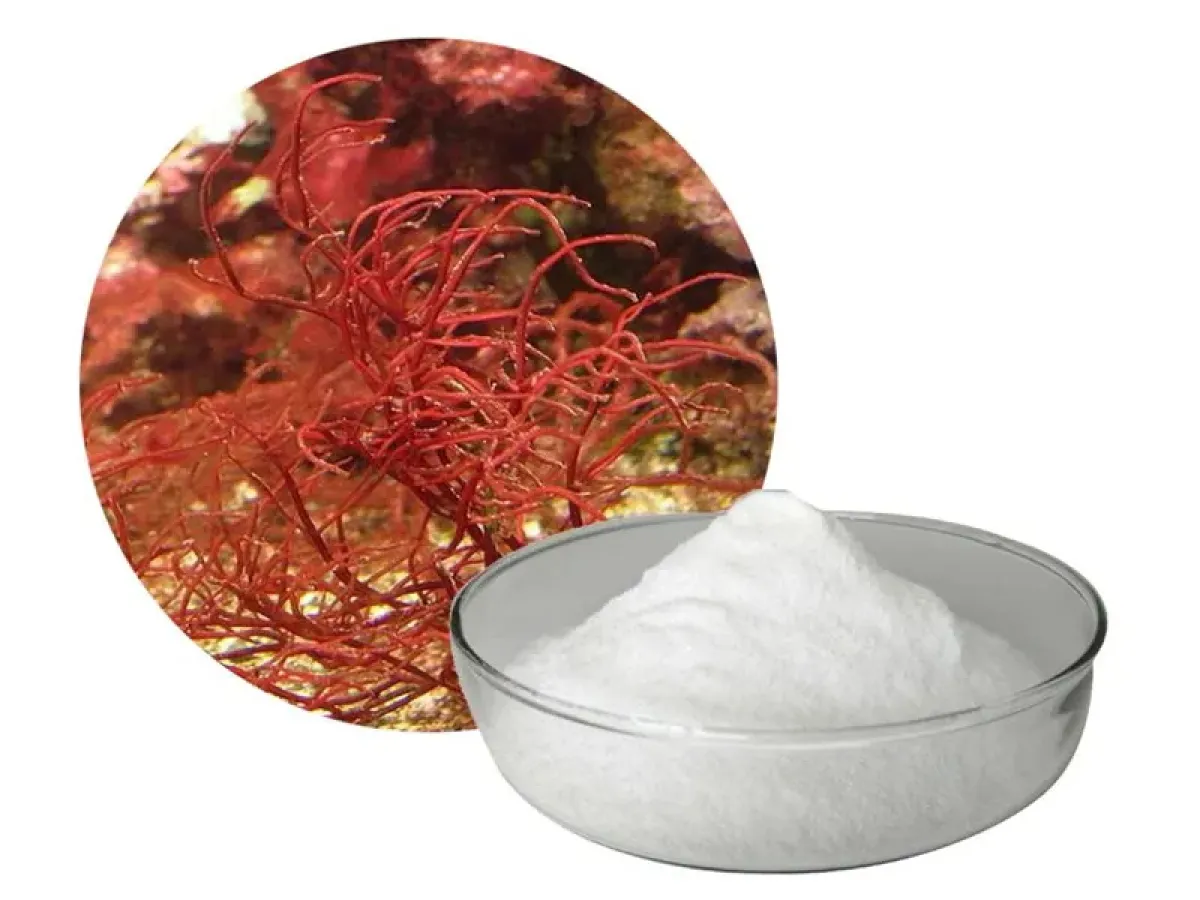
From a physicochemical perspective, carrageenan possesses unique solubility, dissolving in hot water at around 80°C to form a viscous, transparent solution, but insoluble in cold w
The primary role of CMC in toothpaste is to provide the desired texture, consistency, and stability. Specifically, it performs the following critical functions:
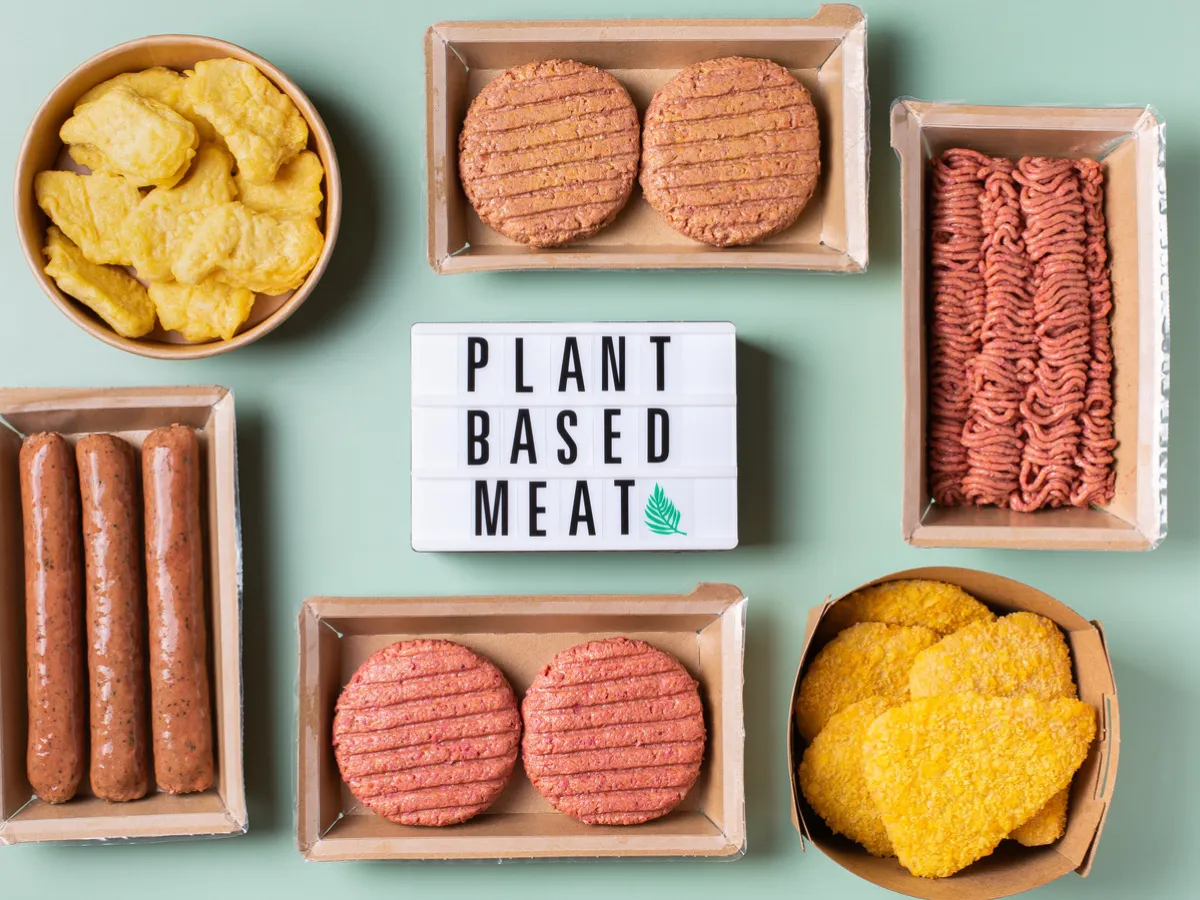
In food production, the most important functions of sodium alginate are thickening and stabilization. Taking fruit juice drinks, fruit pulp drinks, and plant protein drinks as exam
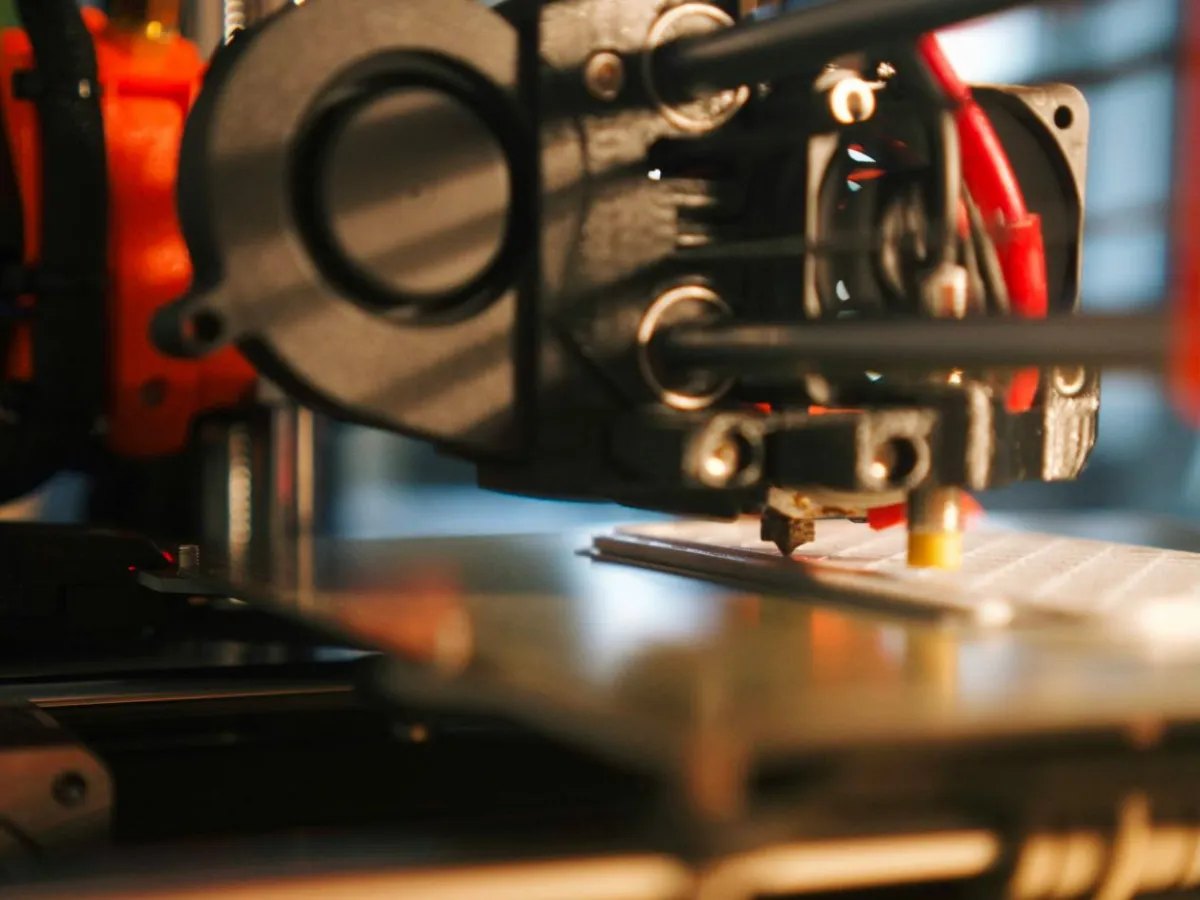
Extrusion-based 3D food printing has made significant strides in recent years, but two challenges continue to limit its broader adoption: the suboptimal rheological properties of e

The biggest advantage of this modified corn starch specifically for sauces is its resistance to cooking, acid, and shearing. Sauce production requires high-temperature cooking, hig
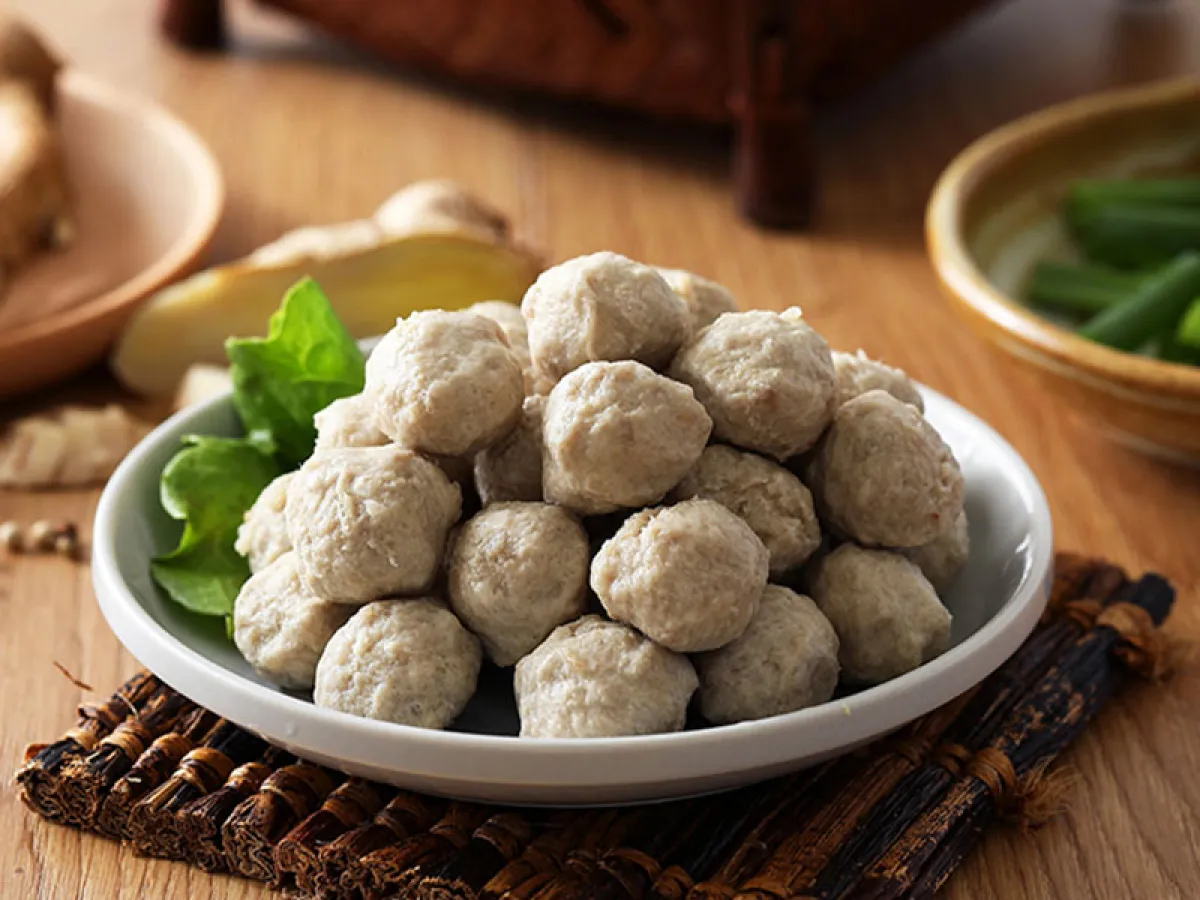
Curdlan gum can be further classified into low-degree colloid, medium-degree colloid and high-degree colloid based on its gel properties. The key to the distinction lies in the con
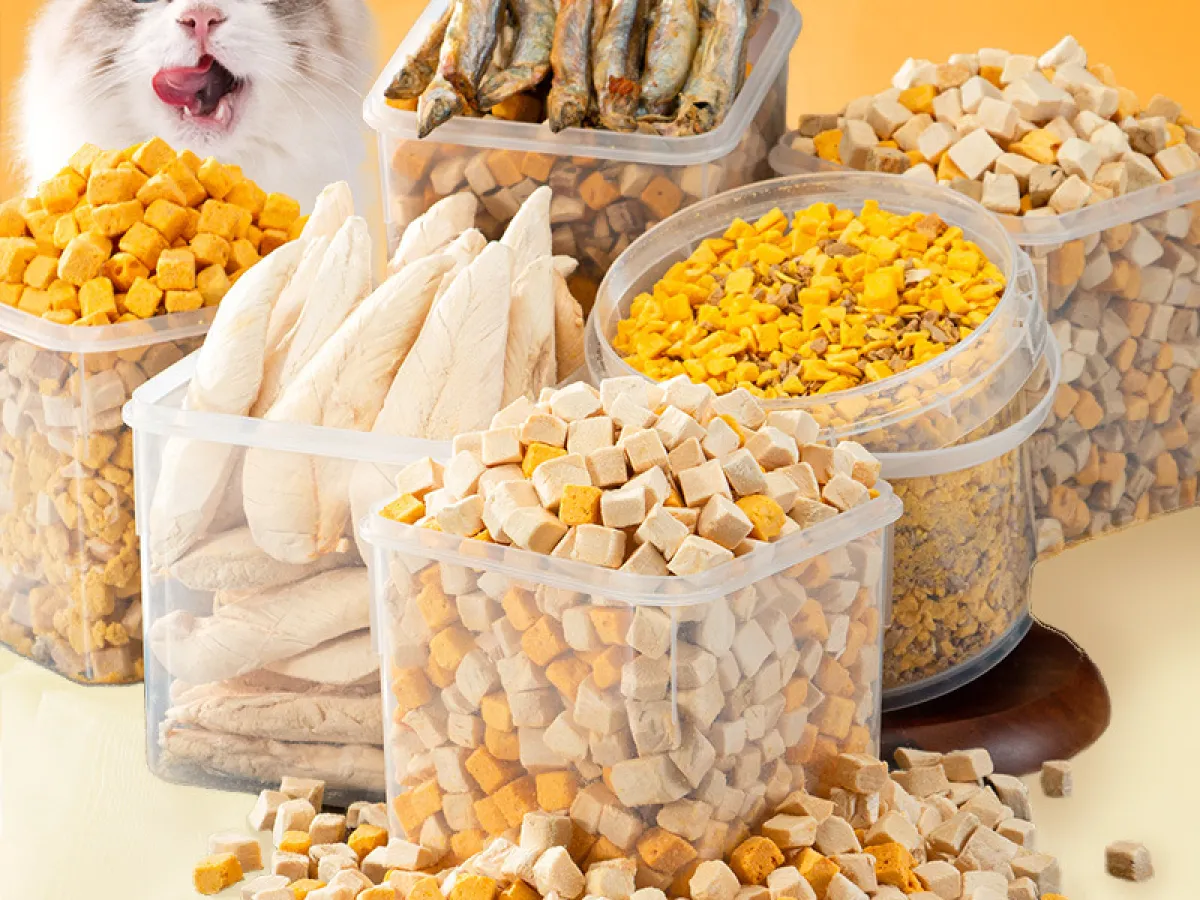
Freeze-dried pet food, also known as vacuum freeze-dried pet food, is a type of pet food processed through vacuum freeze-drying technology. This process involves rapidly freezing f