Walk down any dairy aisle, and you will notice something interesting: many of the smoothest, most stable yogurts list pectin on their ingredient labels. It is not there by accident. Pectin has quietly become one of the most trusted tools for yogurt manufacturers — and for good reason.
The Numbers Tell the Story
The adoption of pectin in yogurt is not just anecdotal. According to market data, more than half of all new spoonable yogurt launches now contain pectin. This widespread acceptance reflects a fundamental truth: pectin delivers what consumers want — a smooth, creamy texture that feels indulgent, without compromising on label friendliness.
Consumer awareness supports this trend. According to a 2023 Innova Health & Nutrition Survey, 62% of European consumers advocate for natural ingredients as the cornerstone of a healthy diet, and 53% recognize pectin as a food ingredient. This familiarity creates a competitive advantage for brands using pectin.
How Pectin Transforms Yogurt Texture
Pectin works differently depending on the type you choose. This is where formulation expertise comes in.
High Methoxyl Pectin: The Protein Protector
HM pectin, with a degree of esterification above 50, is designed for acidic environments. In fermented dairy products, it serves a critical function: it coats casein proteins and prevents them from aggregating under acidic conditions. This protein stabilization is what keeps yogurt smooth rather than grainy or curdled.
In acidified dairy drinks and long-shelf-life fermented yogurts, HM pectin enhances body and mouthfeel while preventing protein precipitation during heat treatment.
Low Methoxyl Pectin: The Texture Architect
LM pectin, with DE below 50, gels in the presence of calcium ions rather than relying on sugar. This makes it particularly valuable in yogurt applications where sugar reduction is a priority.
In yogurt systems, LM pectin interacts with calcium naturally present in milk to reinforce the lactic gel structure. The result is:
1.Improved smoothness and creaminess
2.Controlled syneresis (whey separation)
3.Resistance to shear stress during processing
When developing plant-based yogurts, where protein systems behave differently, LM pectin provides structure, mouthfeel, and stability that would otherwise be difficult to achieve.
Beyond Traditional Dairy
Pectin's versatility extends to plant-based dairy alternatives, where protein systems are less forgiving. According to application guidelines published by major ingredient suppliers, in pea protein-based yogurts, 0.15% pectin provides protein stabilization and creamy texture. This low usage level — significantly lower than some other hydrocolloids — makes pectin a cost-effective solution for plant-based formulations.
Why Formulators Are Making the Switch
Several factors are driving the increased adoption of pectin in yogurt:
1.Clean label compatibility: Pectin is a plant-derived ingredient that resonates with consumers and supports simple ingredient declarations.
2.Sugar reduction support: With 33% of new dairy launches with pectin featuring reduced sugar claims, pectin enables healthier formulations without sacrificing texture.
3.Organic certification compatibility: Pectin can be used in organic yogurt products, with 25% of new dairy products containing pectin featuring organic claims.
Vegan and vegetarian friendly: As a plant-based ingredient, pectin serves as a natural alternative to gelatin in dairy and dairy-alternative products.
Practical Formulation Tips
For high-methoxyl pectin: Add pectin in combination with sugar or other dispersing agents to prevent clumping, then heat to 90°C for 15–20 minutes to fully hydrate.
For low-methoxyl pectin: Ensure adequate calcium availability in the system, as calcium is essential for gel formation.
pH control: HM pectin works best at pH 3.0–3.6. LM pectin is more forgiving across a broader pH range.
Contact us for a free sample and formulation consultation — and discover how pectin can elevate your dairy or plant-based yogurt.
The adoption of pectin in yogurt is not just anecdotal. According to market data, more than half of all new spoonable yogurt launches now contain pectin. This widespread acceptance
High concentrations of protein ingredients inherently carry a heavy, powdery mouthfeel and astringent notes. The key application detail of gelatin lies in its thermally reversible
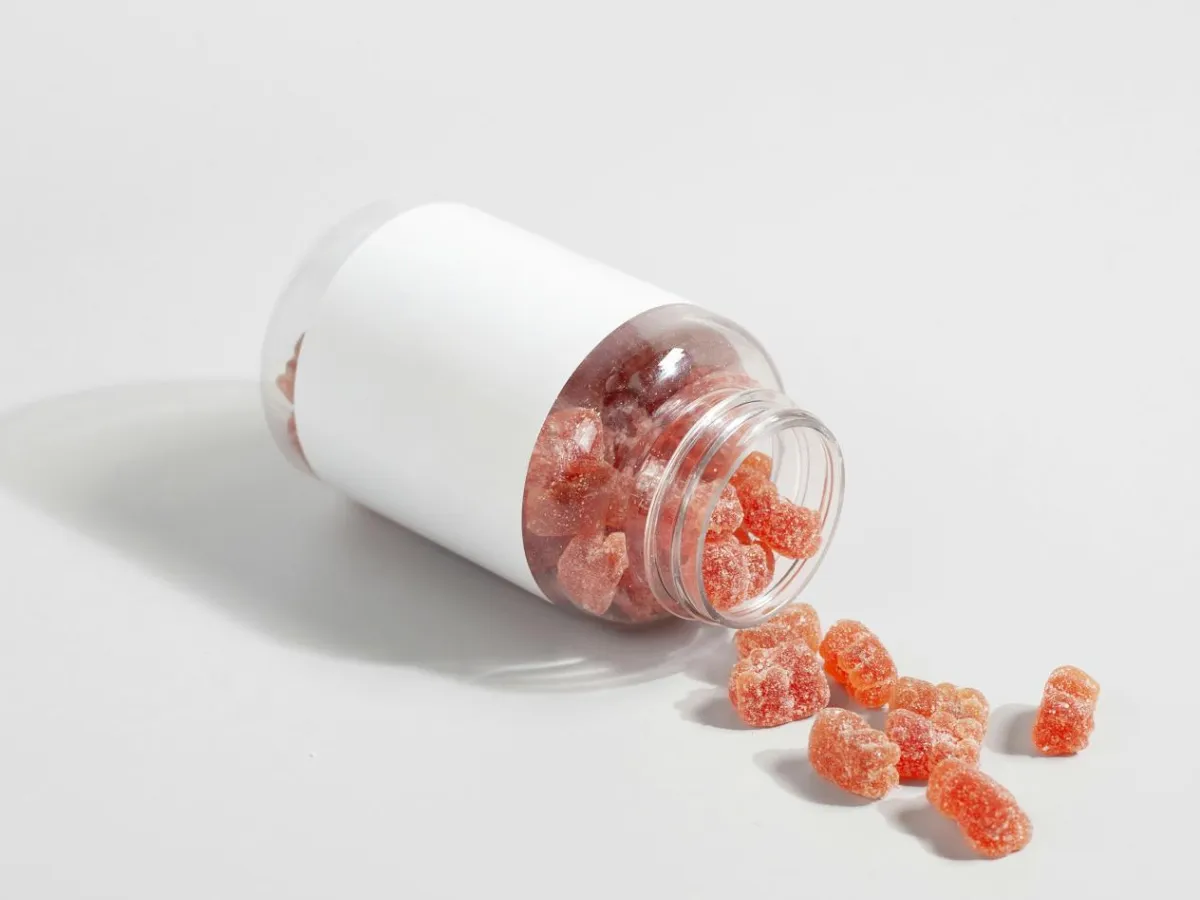
Today, vegan gummies are one of the fastest-growing segments in confectionery. And at the center of this shift stands pectin – a plant-derived hydrocolloid that is proving to be mo
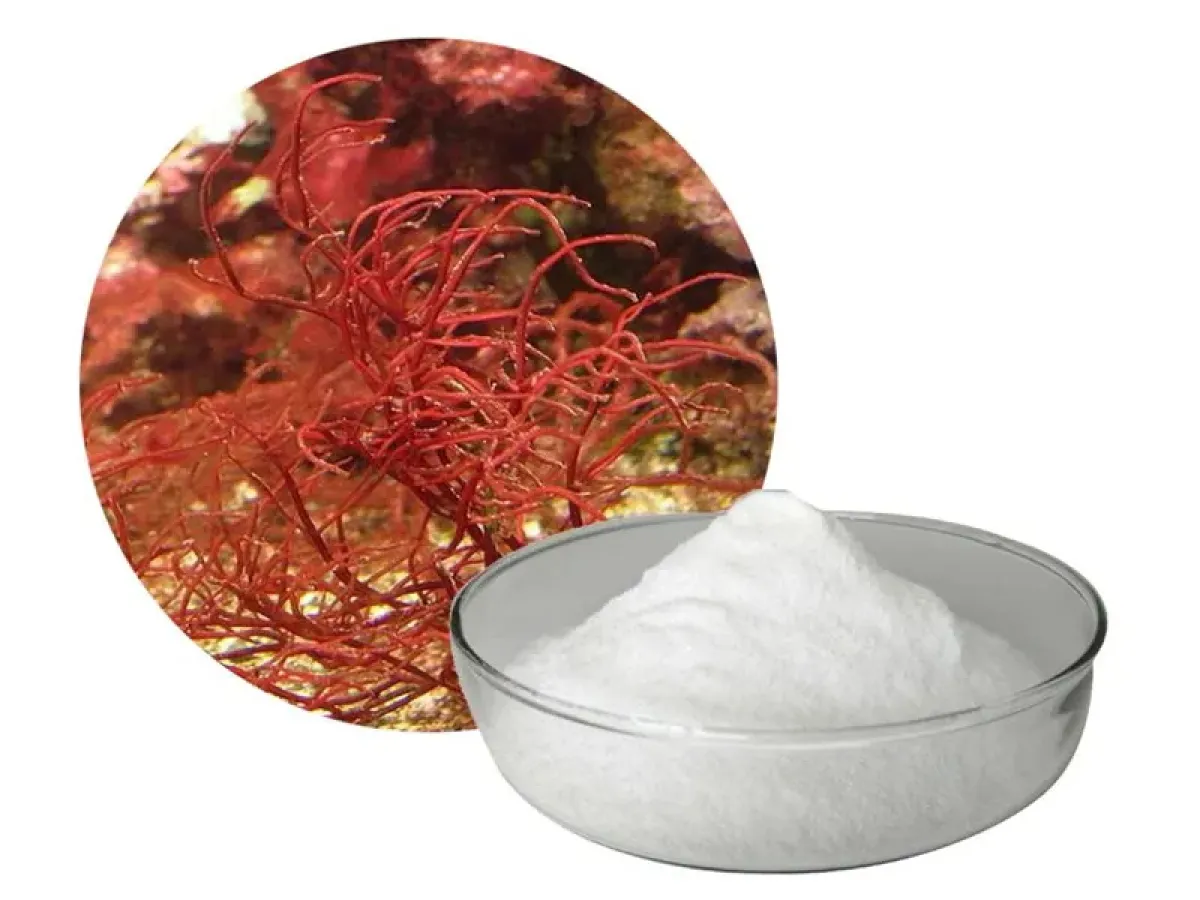
From a physicochemical perspective, carrageenan possesses unique solubility, dissolving in hot water at around 80°C to form a viscous, transparent solution, but insoluble in cold w
The primary role of CMC in toothpaste is to provide the desired texture, consistency, and stability. Specifically, it performs the following critical functions:
In food production, the most important functions of sodium alginate are thickening and stabilization. Taking fruit juice drinks, fruit pulp drinks, and plant protein drinks as exam
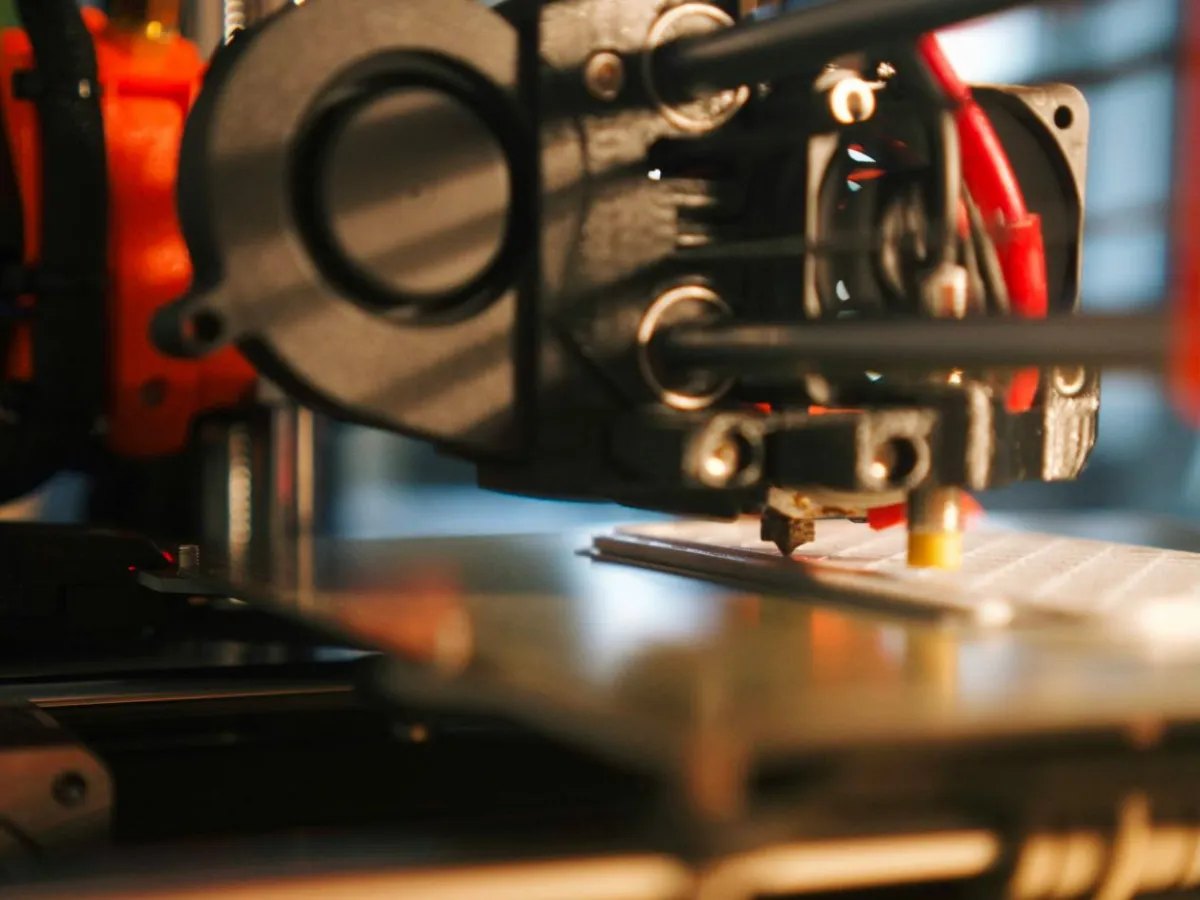
Extrusion-based 3D food printing has made significant strides in recent years, but two challenges continue to limit its broader adoption: the suboptimal rheological properties of e
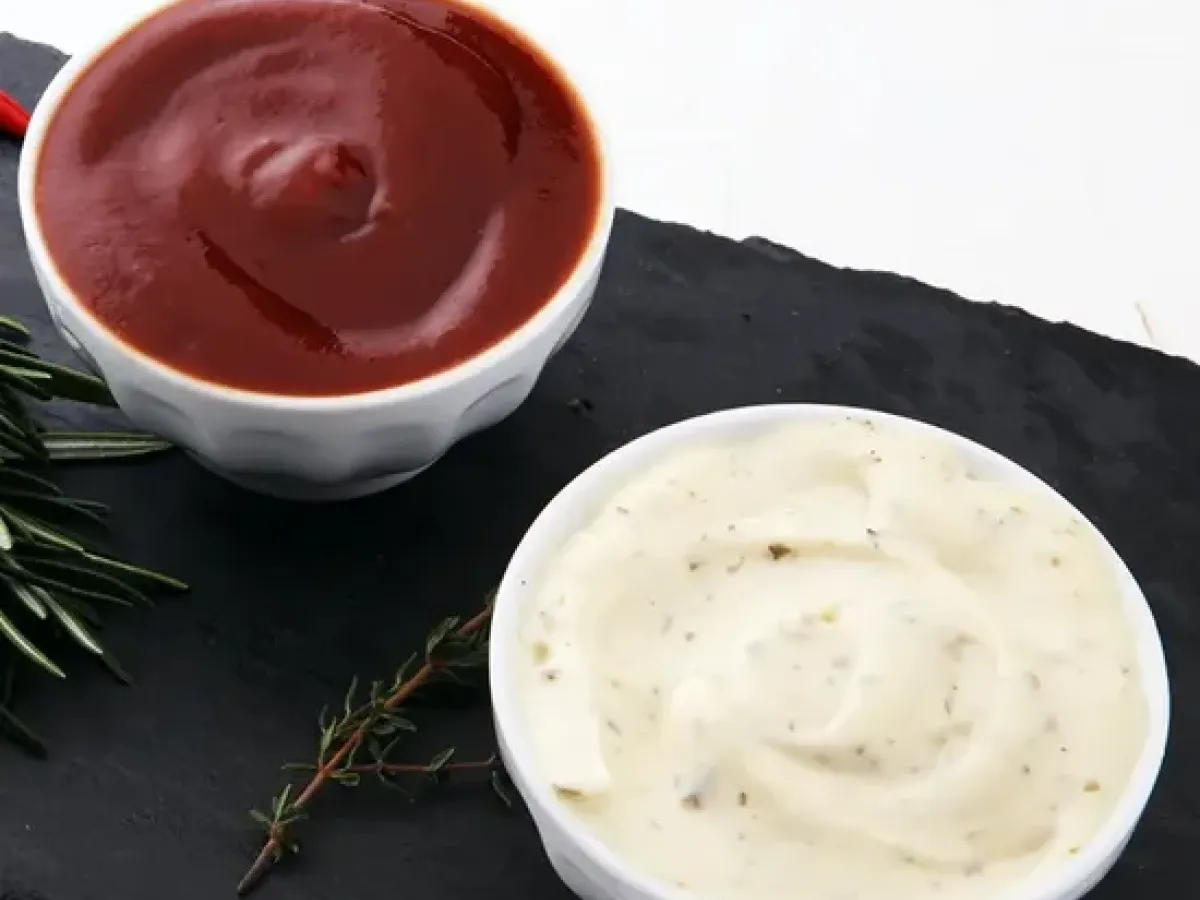
The biggest advantage of this modified corn starch specifically for sauces is its resistance to cooking, acid, and shearing. Sauce production requires high-temperature cooking, hig
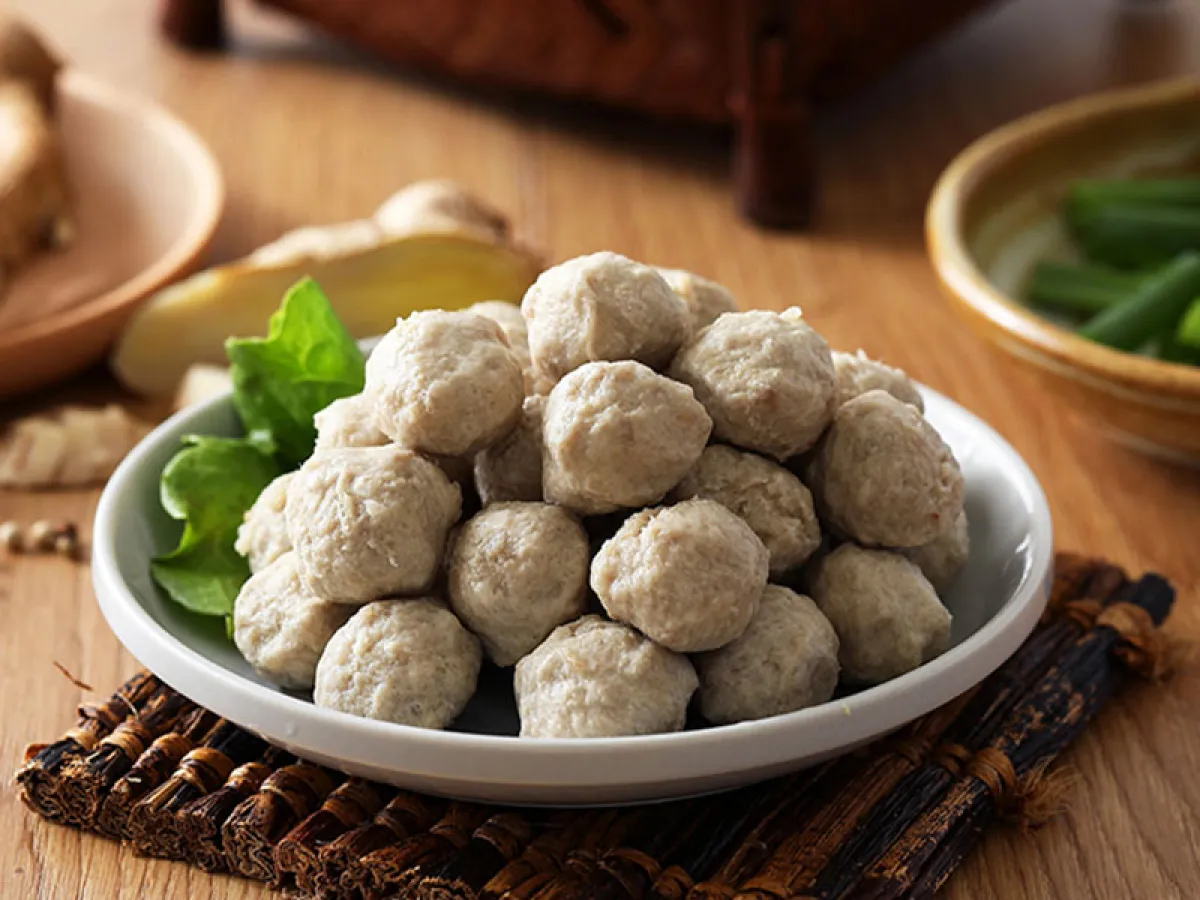
Curdlan gum can be further classified into low-degree colloid, medium-degree colloid and high-degree colloid based on its gel properties. The key to the distinction lies in the con
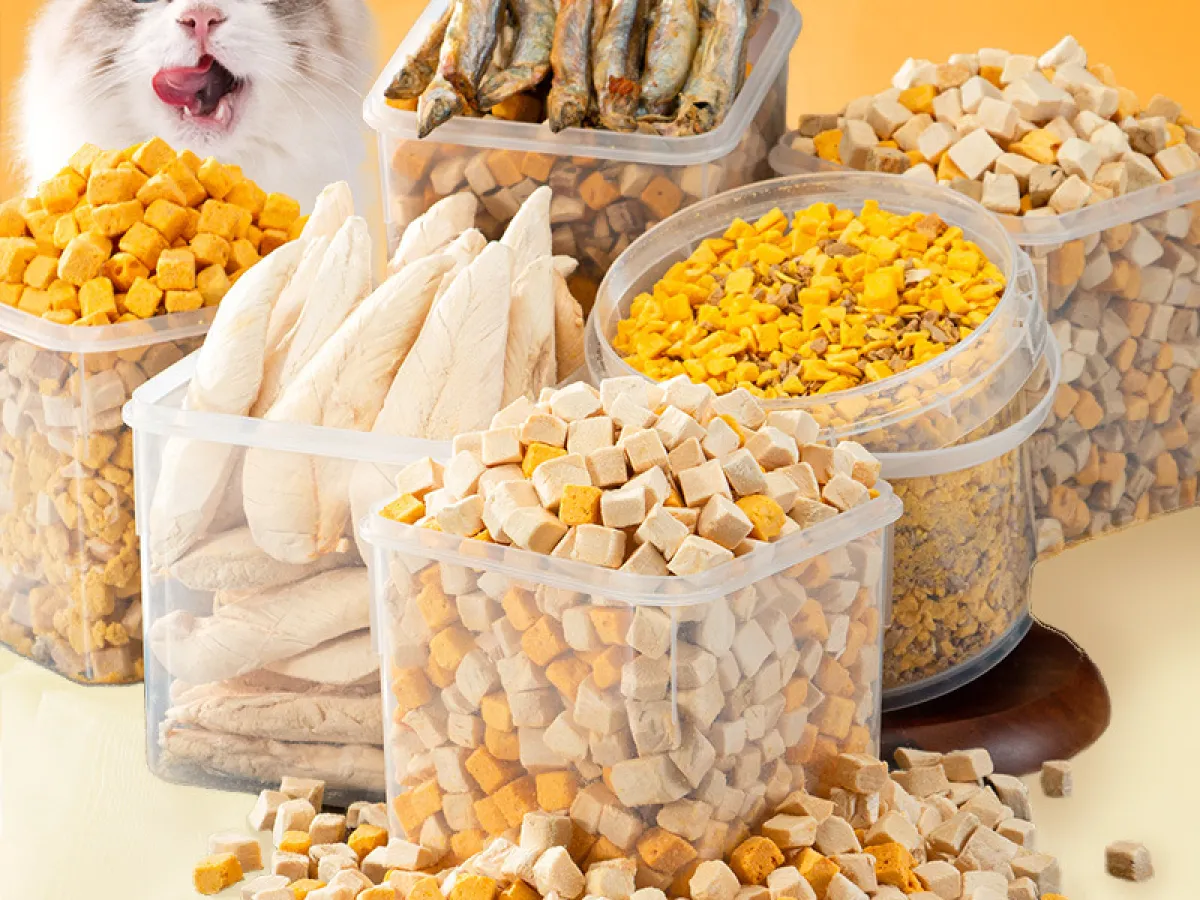
Freeze-dried pet food, also known as vacuum freeze-dried pet food, is a type of pet food processed through vacuum freeze-drying technology. This process involves rapidly freezing f