1. Biosynthesis and Molecular Structure
Welan Gum is an anionic extracellular polysaccharide produced by fermentation of Alcaligenes sp. In the petroleum industry, it is regarded as a next-generation biopolymer following xanthan gum, particularly suitable for enhanced oil recovery (EOR), drilling fluids, and fracturing fluids. Its molecular backbone consists of glucose, glucuronic acid, and rhamnose units, and its unique side-chain structure enables the formation of rigid helical conformations in solution. This molecular characteristic provides exceptional structural stability under extreme conditions, laying the foundation for its application in harsh reservoir environments.

2. Rheological Stability Under Extreme Conditions
The most outstanding property of Welan Gum is its remarkable thermal stability and salt tolerance. Compared to conventional xanthan gum (whose viscosity approaches zero at 135°C), Welan Gum maintains structural integrity at temperatures up to 163°C, and its thickening behavior is thermally reversible. This characteristic makes it irreplaceable for high-temperature deep-well operations.
Furthermore, Welan Gum remains stable in highly saline brine solutions. Studies have shown that when modified with silica nanoparticles, its viscosity can be increased by 50% at 1.5 wt% salinity, significantly improving oil displacement efficiency in high-salinity environments. This dual tolerance to high temperature and high salinity enables its application in reservoirs where xanthan gum would fail.

3. Unique Shear-Thinning Mechanism
As a non-Newtonian fluid, oilfield-grade Welan Gum exhibits typical pseudoplastic or shear-thinning behavior. Under static or low-shear conditions, polymer chains form an entangled network via hydrogen bonding and other interactions, generating high apparent viscosity that effectively suspends solid particles and prevents drilling cuttings from settling or displacing fluid fingering.
Under high shear rates (such as when passing through drill bits or pore throats), the molecular chains align in the flow direction, and viscosity drops sharply, ensuring excellent pumpability and injectability. Once entering low-shear zones deep in the formation, viscosity recovers, establishing displacement pressure. This "low viscosity during pumping, high viscosity in the reservoir" characteristic minimizes wellhead resistance while ensuring deep profile control and oil displacement efficiency.
4. Profile Control and Nanocomposite Applications
In tertiary oil recovery, Welan Gum not only acts as a thickener to improve sweep efficiency but also works synergistically with other systems. Experimental results indicate that a foam-enhanced system containing 0.4% surfactant plus 0.1% Welan Gum achieves much higher EOR in heterogeneous reservoirs than single agents. It can plug large channels, mobilize residual oil, and achieve flow diversion.
Although Welan Gum exhibits excellent performance, viscosity loss under extremely high salinity remains a concern. Nanocomposite technology has therefore become a research hotspot. SiO₂ nanoparticles adsorb onto Welan Gum chains via hydrogen bonding, forming a three-dimensional network that can extend the working temperature limit to 220°C and reduce rock adsorption by 19%, thereby displacing crude oil more efficiently toward production wells.
In terms of key performance characteristics, Welan Gum demonstrates three major advantages. First, its thermal stability allows it to withstand temperatures up to 163°C with thermally reversible viscosity, making it suitable for high-temperature environments such as deep wells and heavy oil thermal recovery. Second, its salt tolerance enables it to perform in high-salinity conditions, with a 50% viscosity synergy when combined with SiO₂, solving polymer degradation issues in high-salinity reservoirs. Third, its strong pseudoplasticity provides low pumping resistance while maintaining high deep oil displacement efficiency.
5. Technical Challenges and Outlook
Despite its many advantages, Welan Gum also faces challenges in field applications, particularly regarding biodegradation resistance to specific microorganisms. Additionally, compared to some synthetic polymers, its cost remains a factor to consider for large-scale implementation. Future development directions focus on customized modification through chemical grafting (such as acrylamide graft copolymerization) and the development of Welan Gum–nanomaterial–surfactant ternary composite systems. Through multi-scale synergistic effects, these approaches aim to achieve further improvements in oil recovery under harsh reservoir conditions.
In the international food and dietary supplement industries, sodium alginate and carrageenan are two widely used seaweed-derived hydrocolloids. Despite their shared origin, the und
In oil and gas drilling operations, the prosperity of a drilling process heavily depends on the rheological properties and filtration behavior of drilling fluids . Uncontrolled flu
The first step in making gelatin gummies is to allow the gelatin to fully hydrate. Gelatin does not dissolve in cold water, but it can absorb water and swell in cold water. This pr
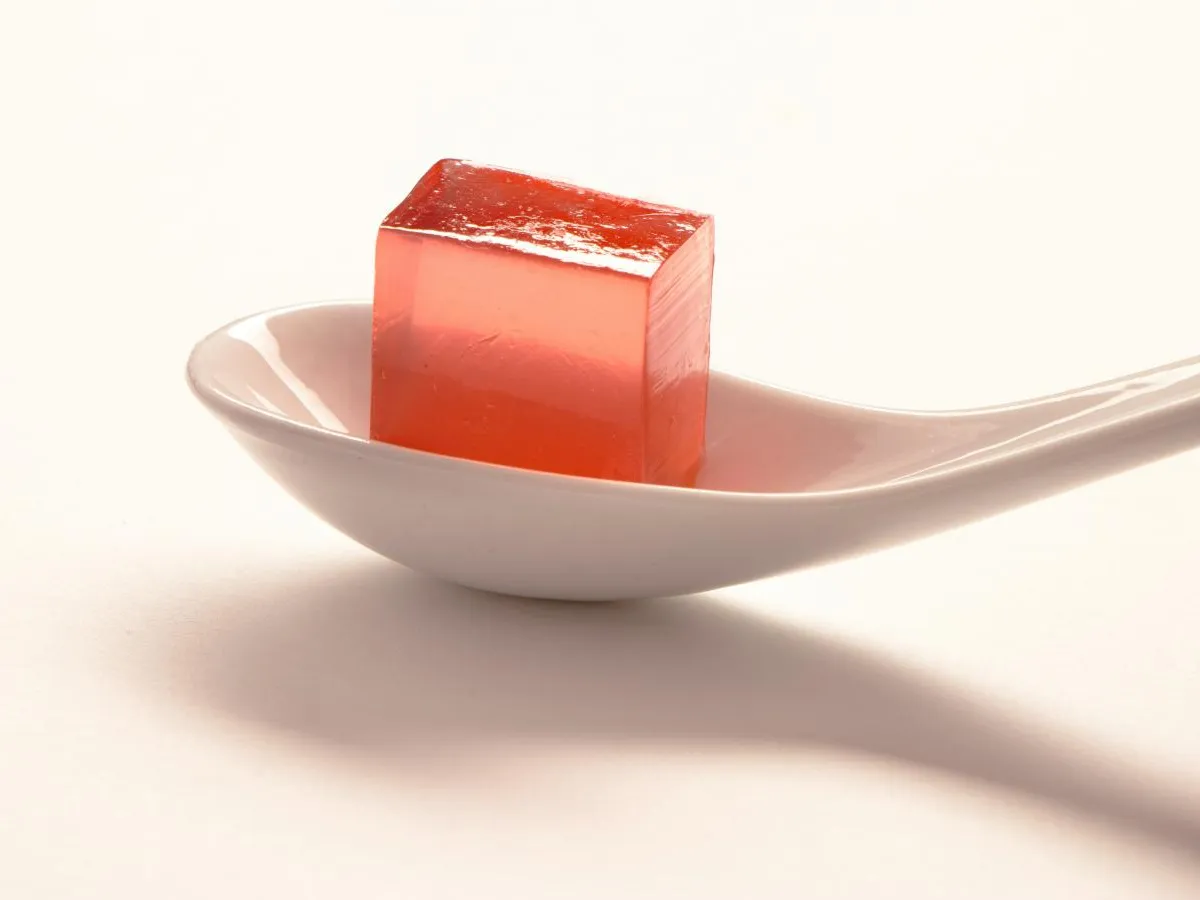
The key difference? Gelatin is a protein from animal collagen; agar is a carbohydrate from red algae.This fundamental distinction drives every other difference between them — and d

In the papermaking industry, modified starch is one of the core additives. Oxidized starch, cationic starch, and esterified starch are mainly used for surface sizing, internal sizi

The adoption of pectin in yogurt is not just anecdotal. According to market data, more than half of all new spoonable yogurt launches now contain pectin. This widespread acceptance
High concentrations of protein ingredients inherently carry a heavy, powdery mouthfeel and astringent notes. The key application detail of gelatin lies in its thermally reversible
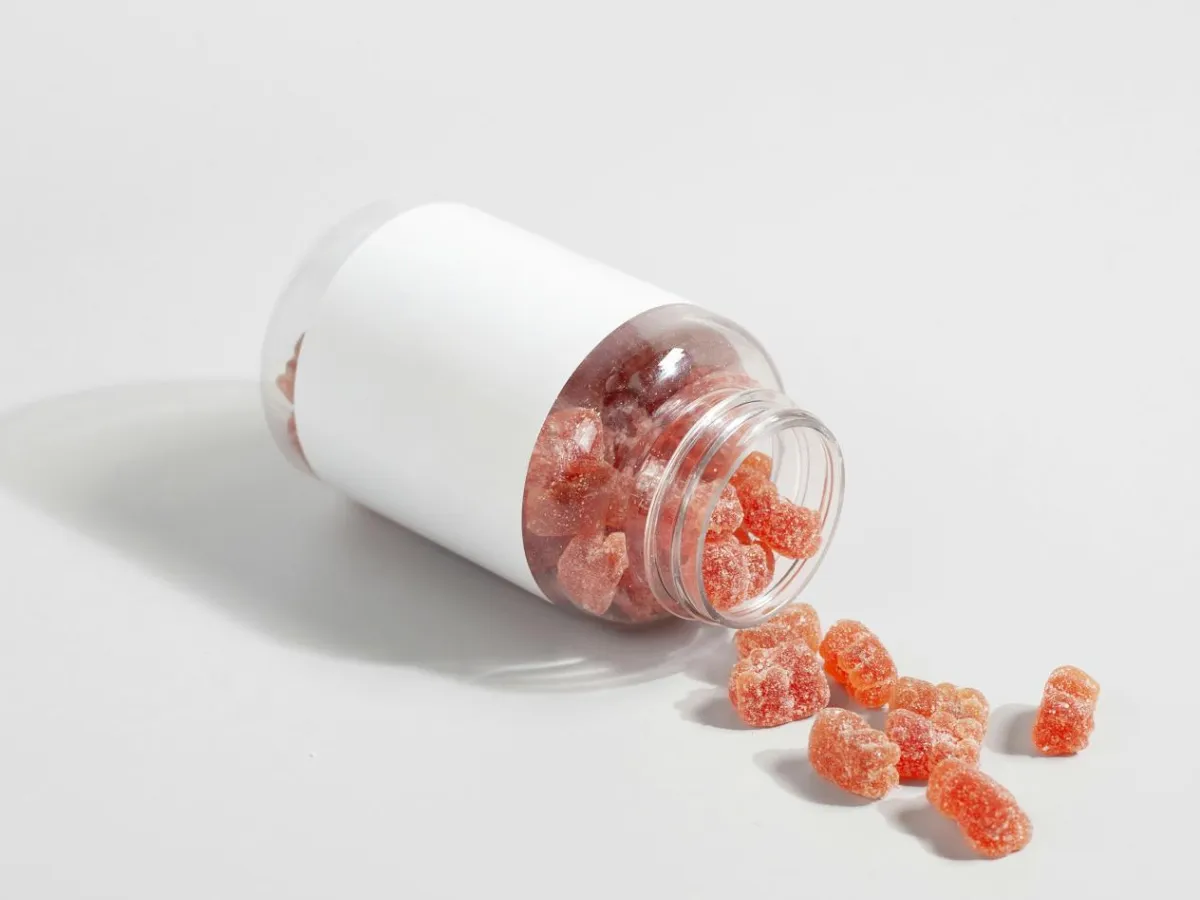
Today, vegan gummies are one of the fastest-growing segments in confectionery. And at the center of this shift stands pectin – a plant-derived hydrocolloid that is proving to be mo
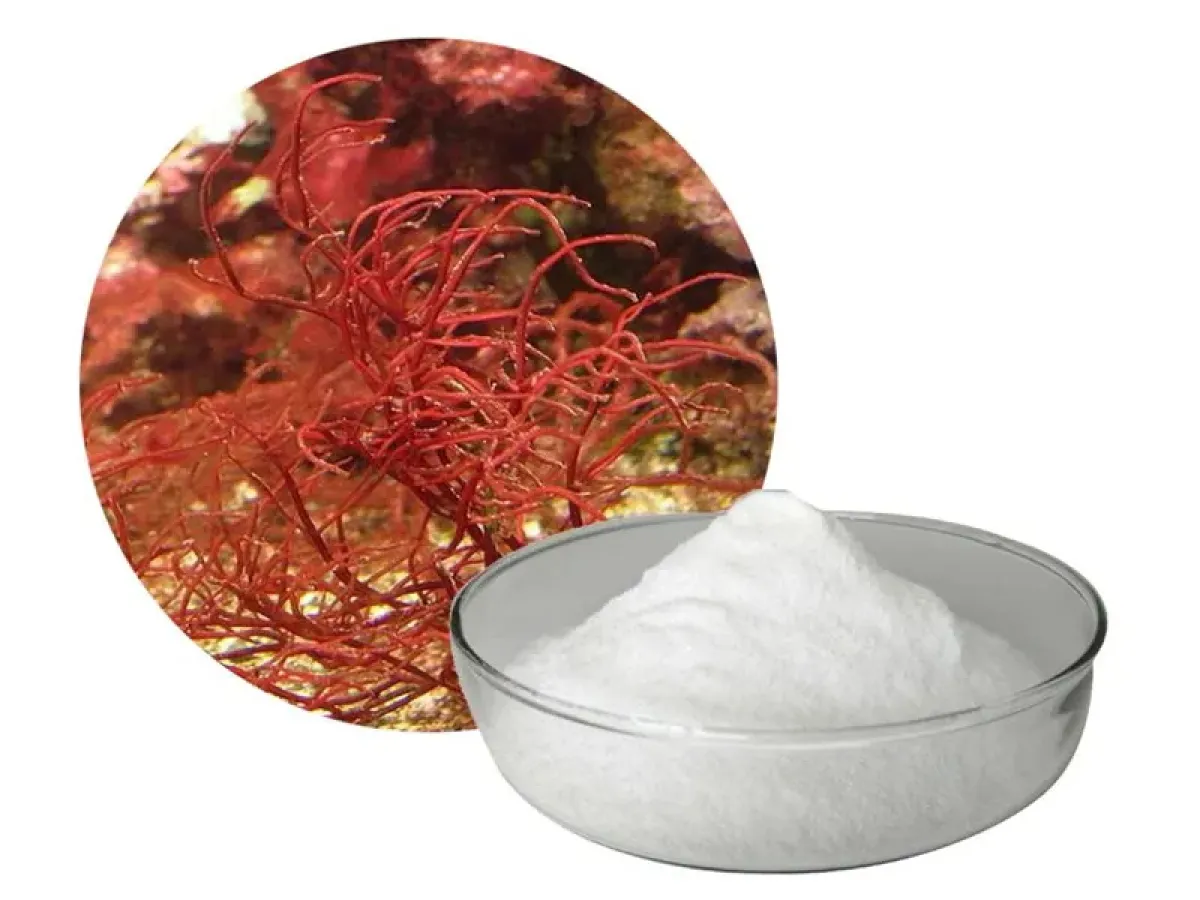
From a physicochemical perspective, carrageenan possesses unique solubility, dissolving in hot water at around 80°C to form a viscous, transparent solution, but insoluble in cold w
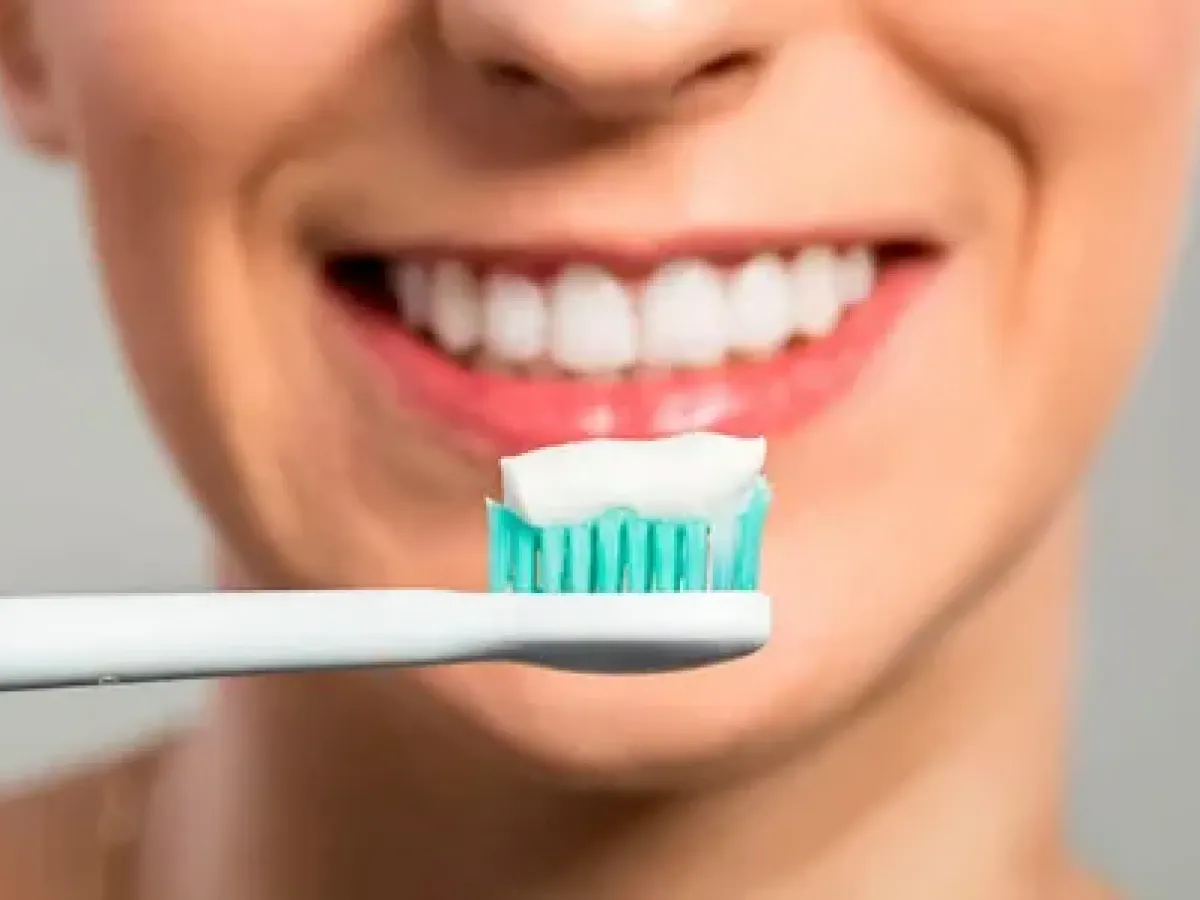
The primary role of CMC in toothpaste is to provide the desired texture, consistency, and stability. Specifically, it performs the following critical functions: