As our target customers are sausage manufacturing plants, this article is written from the perspective of production facilities.
For a production facility, using collagen casings efficiently requires a systematic approach. Key steps involve correct handling before filling, precise control of the filling process, and managing thermal processing.
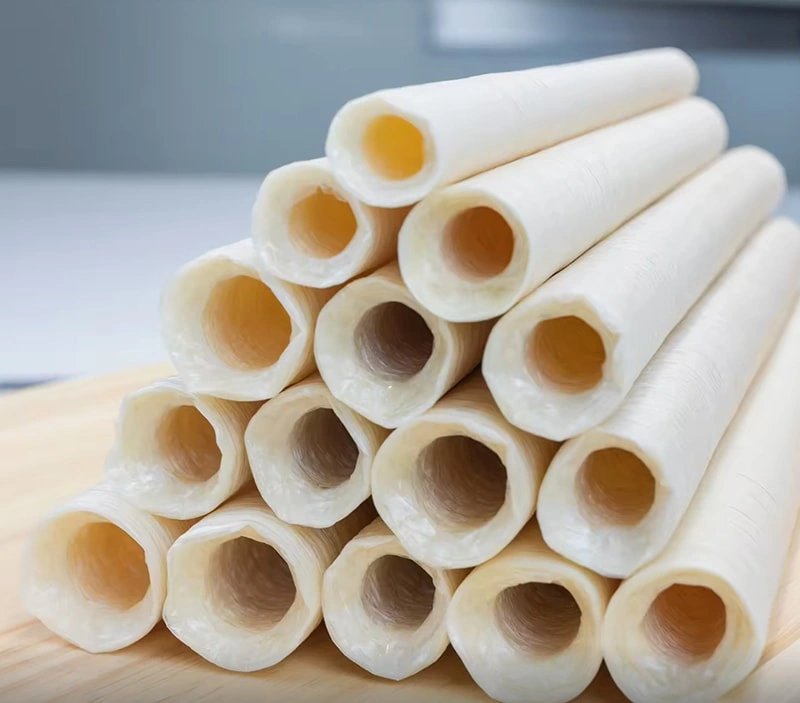
Handling & Storage
Dry Casings Need Conditioning: Dry collagen casings (shirred on sticks) should not be soaked in water. Instead, condition them in their original packaging at a temperature of 18–22°C and 60–70% relative humidity for 24 hours to make them pliable for high-speed filling .
Store in Cool, Dry Conditions: Maintain a storage environment of 5–25°C and ensure it is dry to prevent premature drying or moisture absorption, which can affect casing performance .
Use Promptly After Opening: Once a package is opened, use the casings quickly to prevent them from losing moisture and becoming brittle .

Filling & Portioning on Production Lines
Ready-to-Use "Wet" Casings: Some collagen casings are supplied in a pre-humidified, ready-to-use form. These can be taken directly from the packaging and placed on the stuffing horn without any pre-treatment .
Use Modern High-Speed Equipment: Collagen casings are highly compatible with automated, high-speed production lines. Handtmann systems, for instance, can process collagen casings at speeds up to 1,500 to 2,000 portions per minute with precise, accurate portioning and automatic linking .
Avoid Over-Stuffing: Overfilling is a primary cause of casing breakage. Keep the filling pressure consistent and match the amount of meat emulsion to the casing's capacity to avoid bursts .
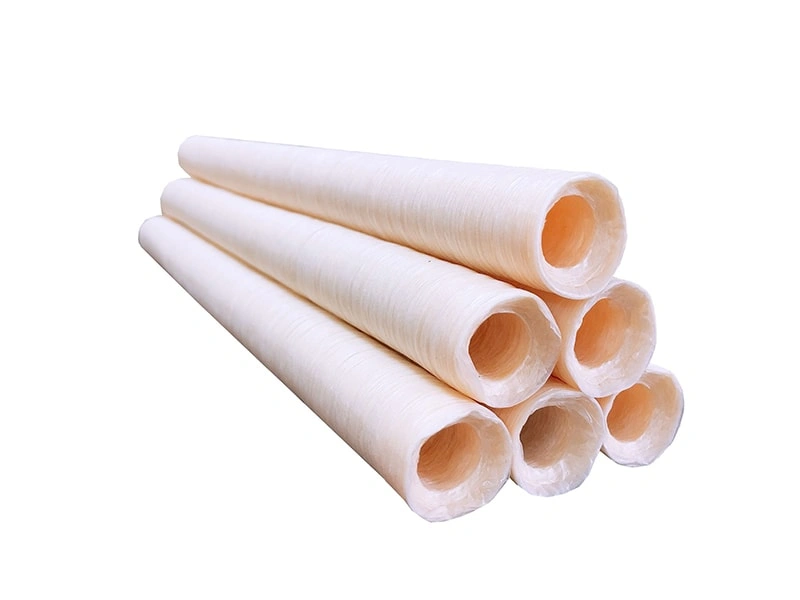
Thermal Processing (Cooking & Smoking)
Control Temperature: To prevent the casing from becoming sticky or losing its "snap," control the cooking temperature. For collagen casings, the recommended smoking temperature is 50–70°C and the cooking temperature is 75–80°C .
Avoid Rapid Temperature Changes: Heat the sausages at a steady, controlled rate to match the casing's shrinkage. If exposed to high temperatures for too long (above 85°C), the collagen can break down and become soft or sticky .
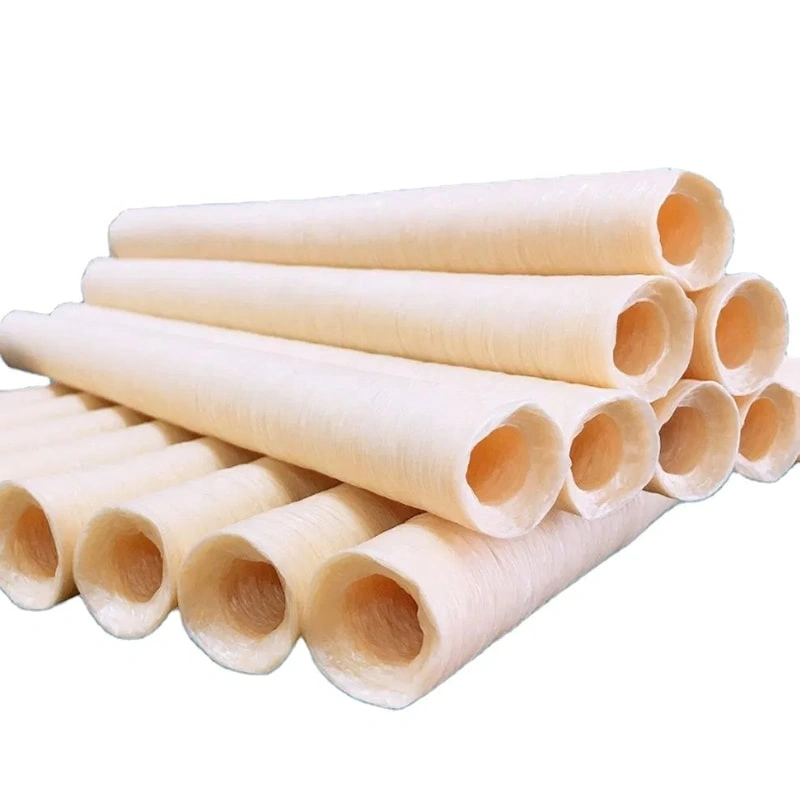
Choose the Right Partner for Consistent Results
Every step of the casing process—from conditioning and filling to thermal processing—depends on the quality and reliability of the casings you use. Working with a professional supplier ensures you receive consistently performing casings that integrate seamlessly with your production equipment, reduce downtime, and maintain the high standards your customers expect.
When you partner with an experienced, quality-focused supplier, you gain not just products, but also technical support and application expertise that help you optimize your processes and avoid costly mistakes.
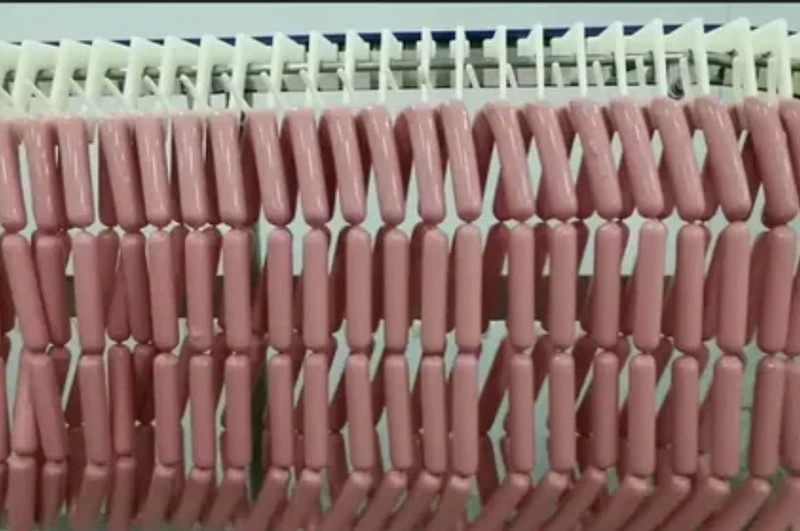
Choose a supplier who understands your production environment and delivers the performance your operation demands.
Nourisi Group, as the leading manufacturer and supplier of collagen casing for almost 20 years’ experience since 2006, committed to innovation and continuous improvement, and growing together with our customers globally.
In the international food and dietary supplement industries, sodium alginate and carrageenan are two widely used seaweed-derived hydrocolloids. Despite their shared origin, the und

In oil and gas drilling operations, the prosperity of a drilling process heavily depends on the rheological properties and filtration behavior of drilling fluids . Uncontrolled flu
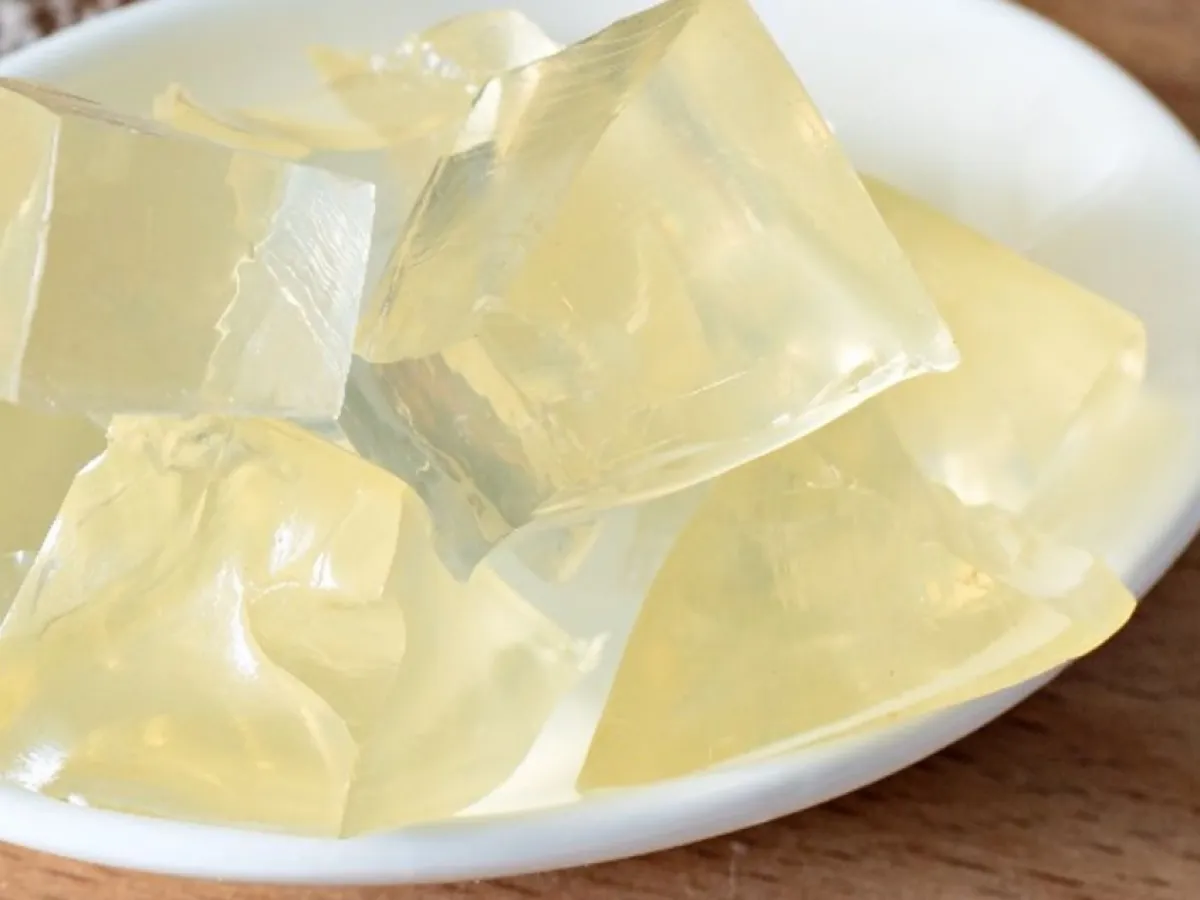
The first step in making gelatin gummies is to allow the gelatin to fully hydrate. Gelatin does not dissolve in cold water, but it can absorb water and swell in cold water. This pr
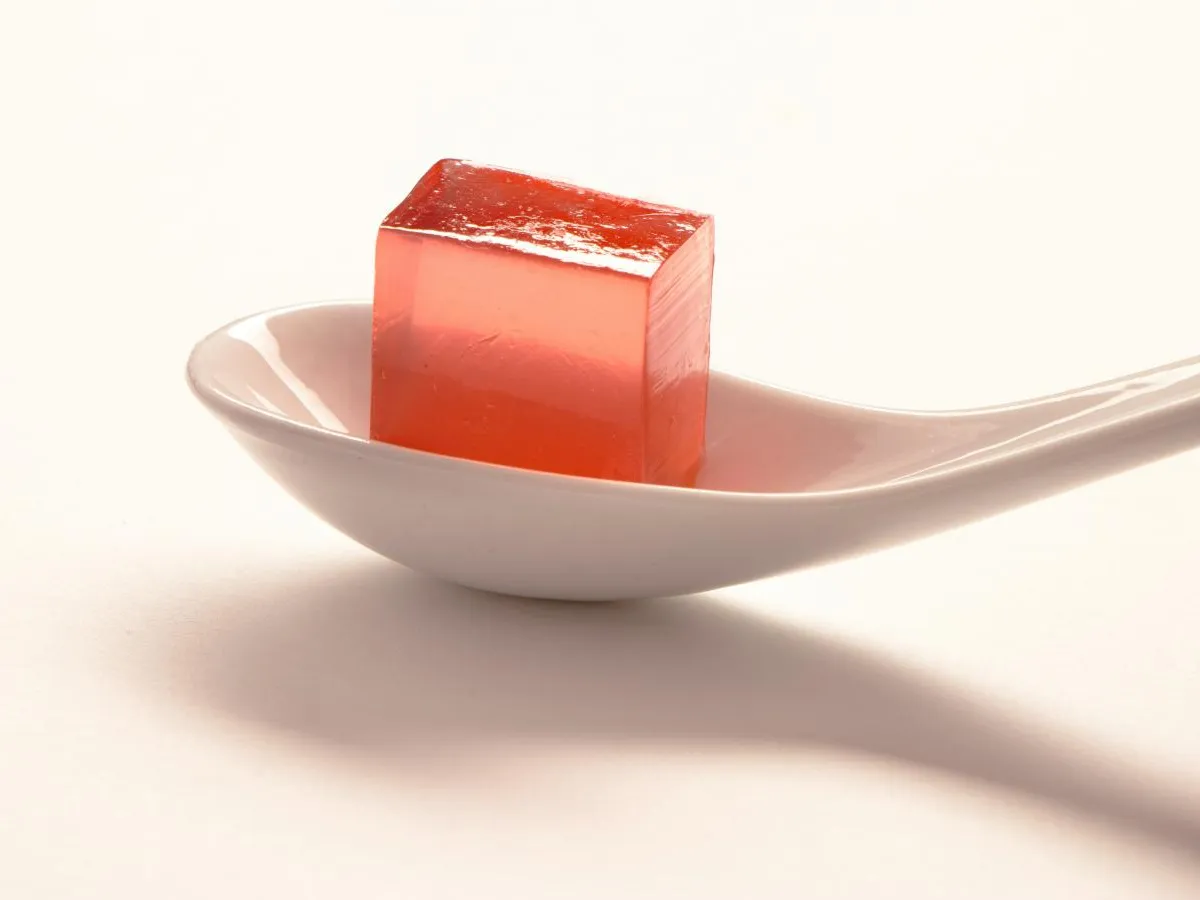
The key difference? Gelatin is a protein from animal collagen; agar is a carbohydrate from red algae.This fundamental distinction drives every other difference between them — and d

In the papermaking industry, modified starch is one of the core additives. Oxidized starch, cationic starch, and esterified starch are mainly used for surface sizing, internal sizi
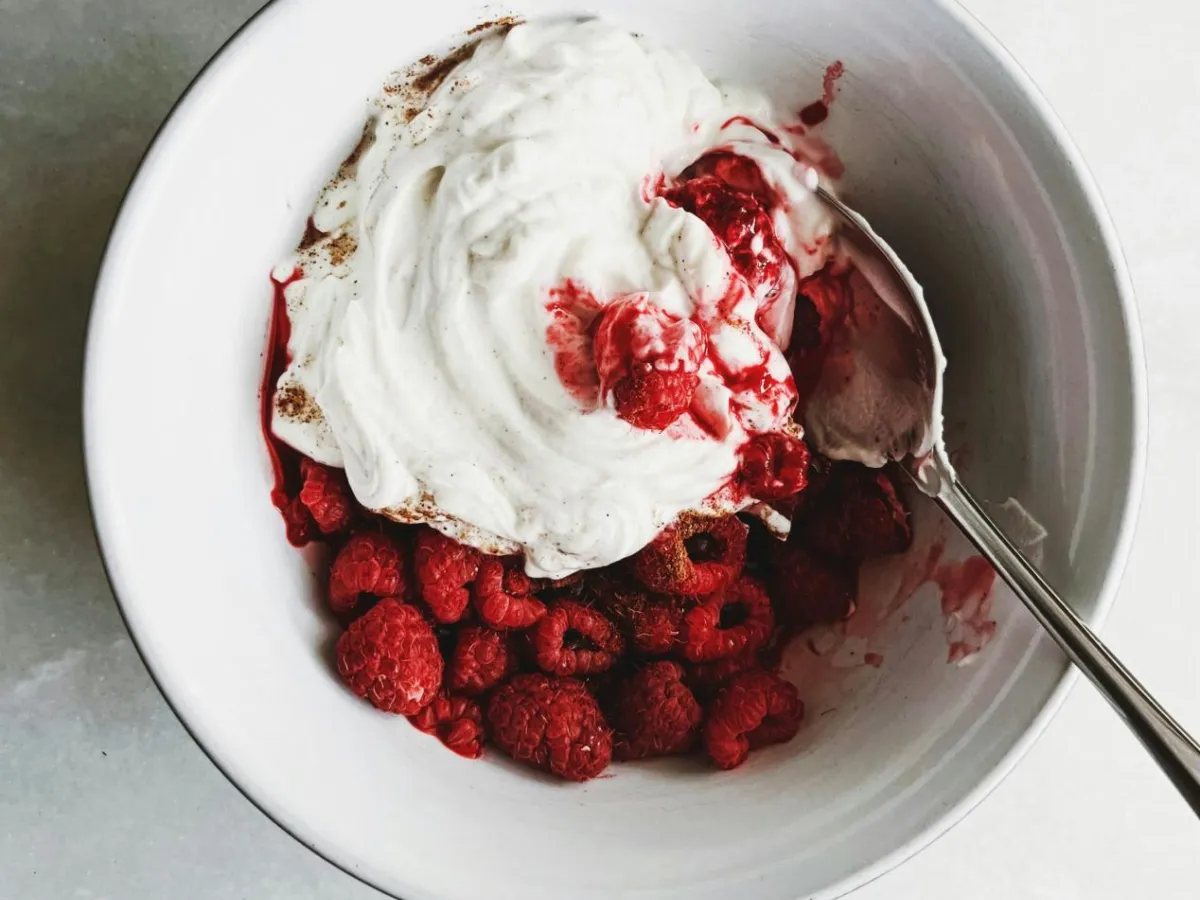
The adoption of pectin in yogurt is not just anecdotal. According to market data, more than half of all new spoonable yogurt launches now contain pectin. This widespread acceptance
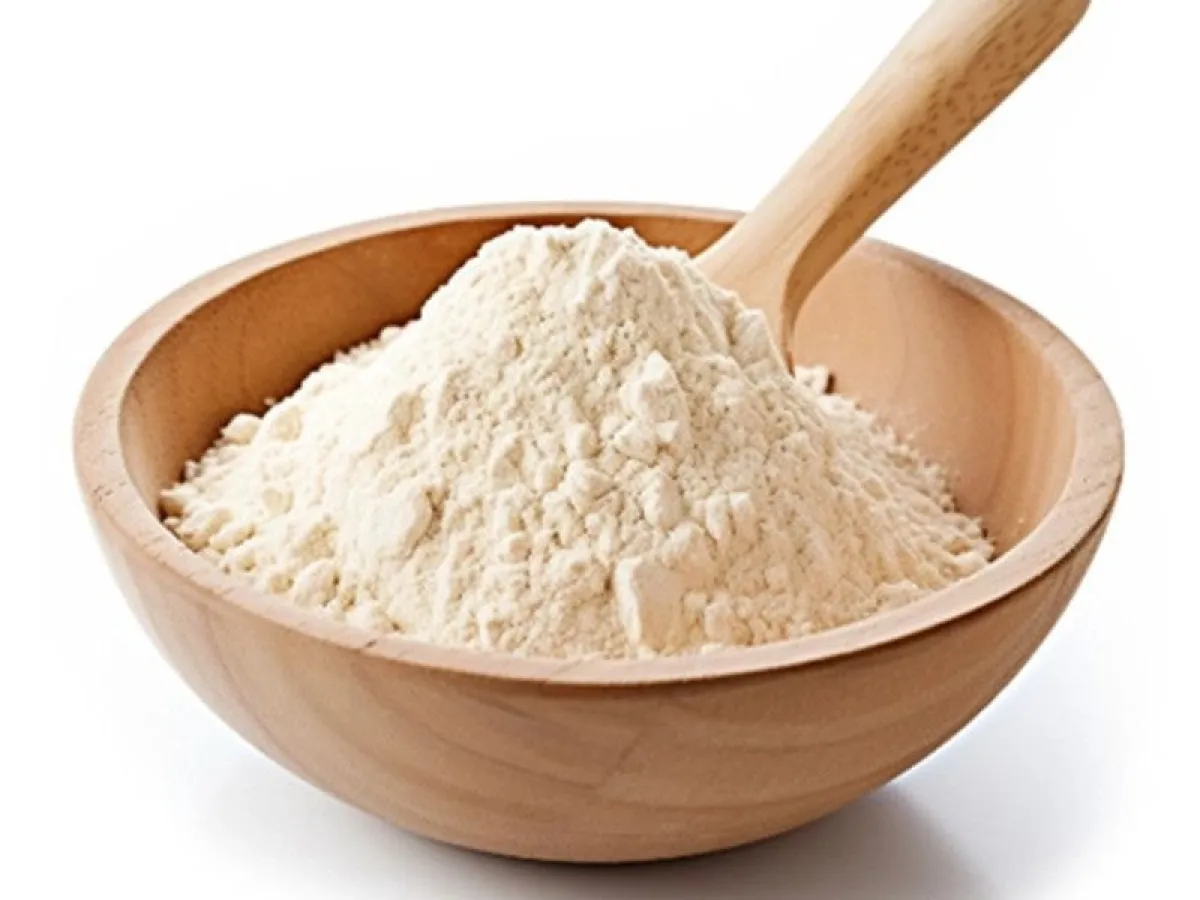
High concentrations of protein ingredients inherently carry a heavy, powdery mouthfeel and astringent notes. The key application detail of gelatin lies in its thermally reversible
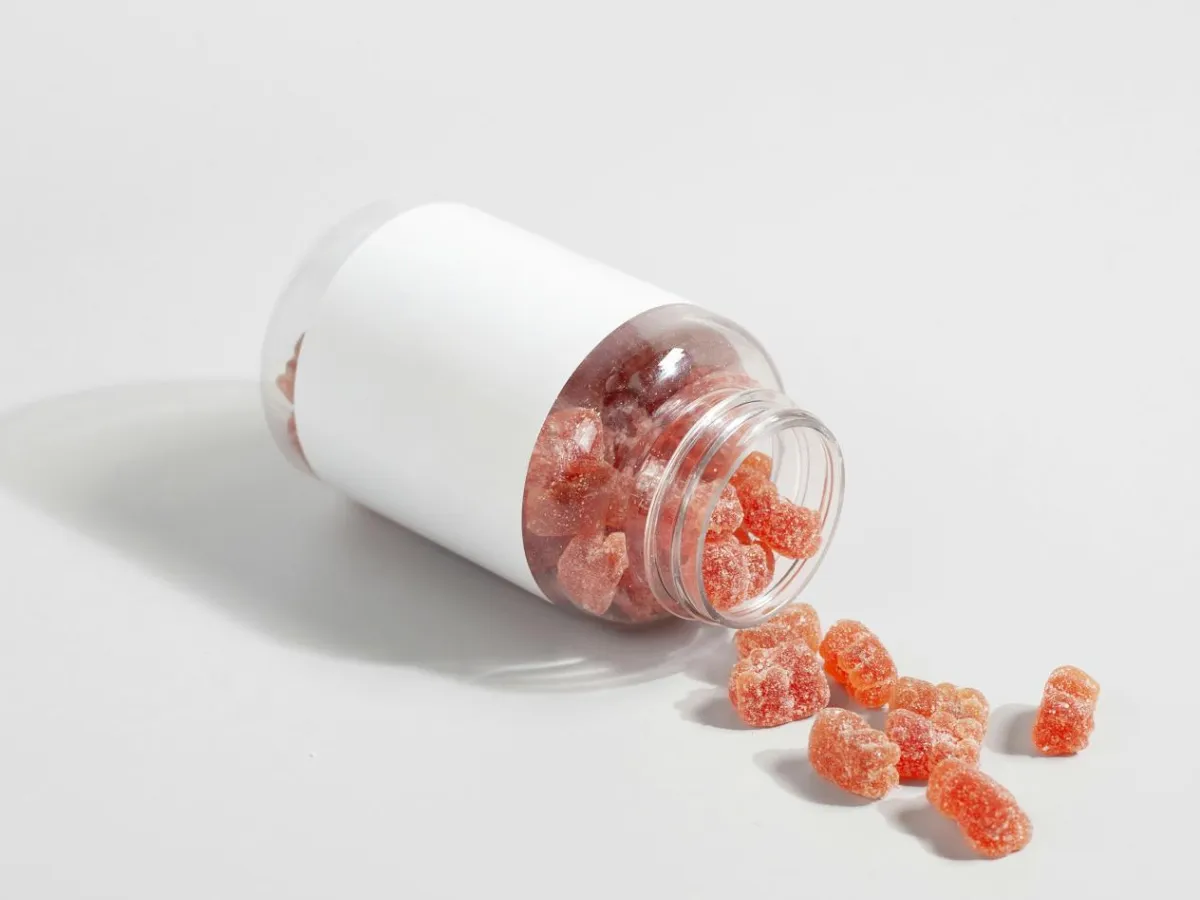
Today, vegan gummies are one of the fastest-growing segments in confectionery. And at the center of this shift stands pectin – a plant-derived hydrocolloid that is proving to be mo
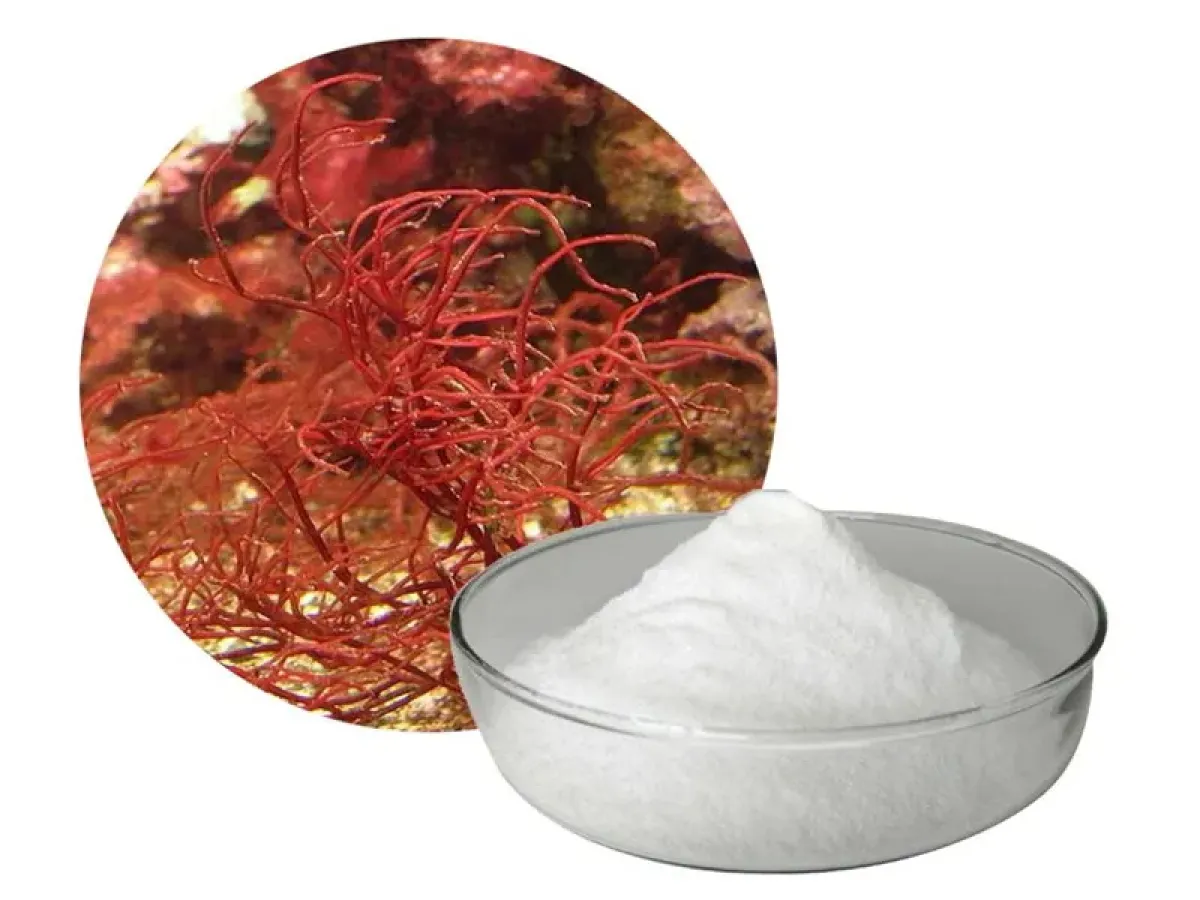
From a physicochemical perspective, carrageenan possesses unique solubility, dissolving in hot water at around 80°C to form a viscous, transparent solution, but insoluble in cold w
The primary role of CMC in toothpaste is to provide the desired texture, consistency, and stability. Specifically, it performs the following critical functions: