Every baker knows the frustration. You spend hours perfecting a fruit-filled pastry, only to watch the filling bubble out, thin out, or turn into a runny mess during baking. The filling that looked perfect at room temperature simply cannot survive the oven.
This is the problem that bake-stable pectin was designed to solve.

Why Conventional Fillings Fail in the Oven
Traditional fruit fillings rely heavily on starch for thickening. But native starches have inherent limitations: they break down under prolonged heating, degrade in acidic fruit environments, and undergo retrogradation during storage — leading to syneresis (weeping) and textural instability.
When a filled pastry enters a 180–200°C oven, several things happen:
Starch granules gelatinize, then may collapse under extended heat
The filling's water activity changes as moisture escapes
Acidic fruit components can hydrolyze starch chains
The filling loses structure and flows out of the pastry
How Pectin Creates Heat Stability
Pectin offers a fundamentally different mechanism for building structure — and it excels where starch falls short.
Low Methoxyl Conventional (LMC) pectin — the non-amidated low-ester pectin — is specifically designed for bake-stable applications. It develops viscosity in hot conditions, delivering a thick, spreadable texture that holds up during baking.
The science is straightforward: LMC pectin gels through calcium ion cross-linking, not through sugar or acid dependency. This calcium-mediated gel network remains intact at temperatures that would destroy starch-based gels.
Research-Backed Performance
A study investigating tapioca starch–low methoxyl pectin mixtures for fruit fillings found that pectin played the dominant structural role in blended systems. The TS-pectin system proved bake-stable and, during freezing, pectin acted as a retrogradation and syneresis inhibitor — effects that depended on the pectin concentration. The study tested pectin at 0.3% and 0.6% concentrations, with the 0.6% level emulating the viscoelastic properties of modified starch controls while providing superior freeze-thaw stability.
More recent research on low-sugar compound jams showed that low-methoxyl pectin addition improved baking resistance, reduced dehydration after roasting, and significantly enhanced color stability. The study examined LMP additions of 0.2%, 0.6%, and 1.0%, with results showing clear improvements across all levels and higher concentrations providing greater structure. For manufacturers focused on clean-label, reduced-sugar products, this is a critical advantage.
Formulation Guidelines
Choosing the Right Pectin Type
|
Pectin Type |
Best For |
Bake-Stable? |
|
High Methoxyl (HM) |
High-sugar jams (>60% sugar) |
Low (may undergo thermal degradation at high temperatures) |
|
Low Methoxyl Amidated (LMA) |
Low-sugar spreads, glazes |
Low (forms thermally reversible gels — suitable for post-bake glazes, not baked-in fillings) |
|
Low Methoxyl Conventional (LMC) |
Bake-stable fillings |
Yes |
LMC pectin is the recommended choice for bake-stable fruit fillings. It develops viscosity under hot conditions, provides a thick and spreadable texture, and prevents syneresis.
Recommended Starting Formulations
A strawberry filling formulation using pectin as the gelling agent uses approximately 0.38% pectin, with a target of 75° Brix and pH adjusted to 3.5.
Research on tapioca starch–pectin systems tested pectin at 0.3% and 0.6% concentrations. The 0.6% level emulated the viscoelastic properties of modified starch controls while providing superior freeze-thaw and baking stability.
For low-sugar compound jams, studies examined LMP additions of 0.2%, 0.6%, and 1.0%. The results showed clear improvements in baking resistance and color stability across all levels, with higher concentrations providing greater structure.
Practical Tips
1.Combine with starch for cost optimization: A tapioca starch–pectin system can match the performance of modified starches in specific formulations, offering a potential route to cost optimization. The actual savings will depend on your recipe and local ingredient prices.
2.Control pH carefully: Pectin works best in acidic conditions (pH 3.0–3.6 for HM pectin; broader for LMC). Adjust pH with citric acid.
3.Consider calcium availability: For LMC pectin, calcium ions are essential for gelation. Different fruit varieties and batches vary significantly in natural calcium content. For consistent results, we recommend determining the optimal calcium supplementation level through small-scale trials using calcium citrate or calcium lactate as calcium sources.
Mind the solids content: LMC pectin gels through calcium, not sugar, making it suitable for reduced-sugar formulations.
Application Beyond Fruit Fillings
While bake-stable fruit fillings are the primary application, heat-stable pectin systems are finding broader use:
Post-bake glazes that remain glossy and intact after cooling (LMA pectin is suitable here due to its thermal reversibility)
Confectionery where heat tolerance reduces cold chain requirements
Fruit preparations for dairy where pasteurization stability is required
In the international food and dietary supplement industries, sodium alginate and carrageenan are two widely used seaweed-derived hydrocolloids. Despite their shared origin, the und

In oil and gas drilling operations, the prosperity of a drilling process heavily depends on the rheological properties and filtration behavior of drilling fluids . Uncontrolled flu
The first step in making gelatin gummies is to allow the gelatin to fully hydrate. Gelatin does not dissolve in cold water, but it can absorb water and swell in cold water. This pr
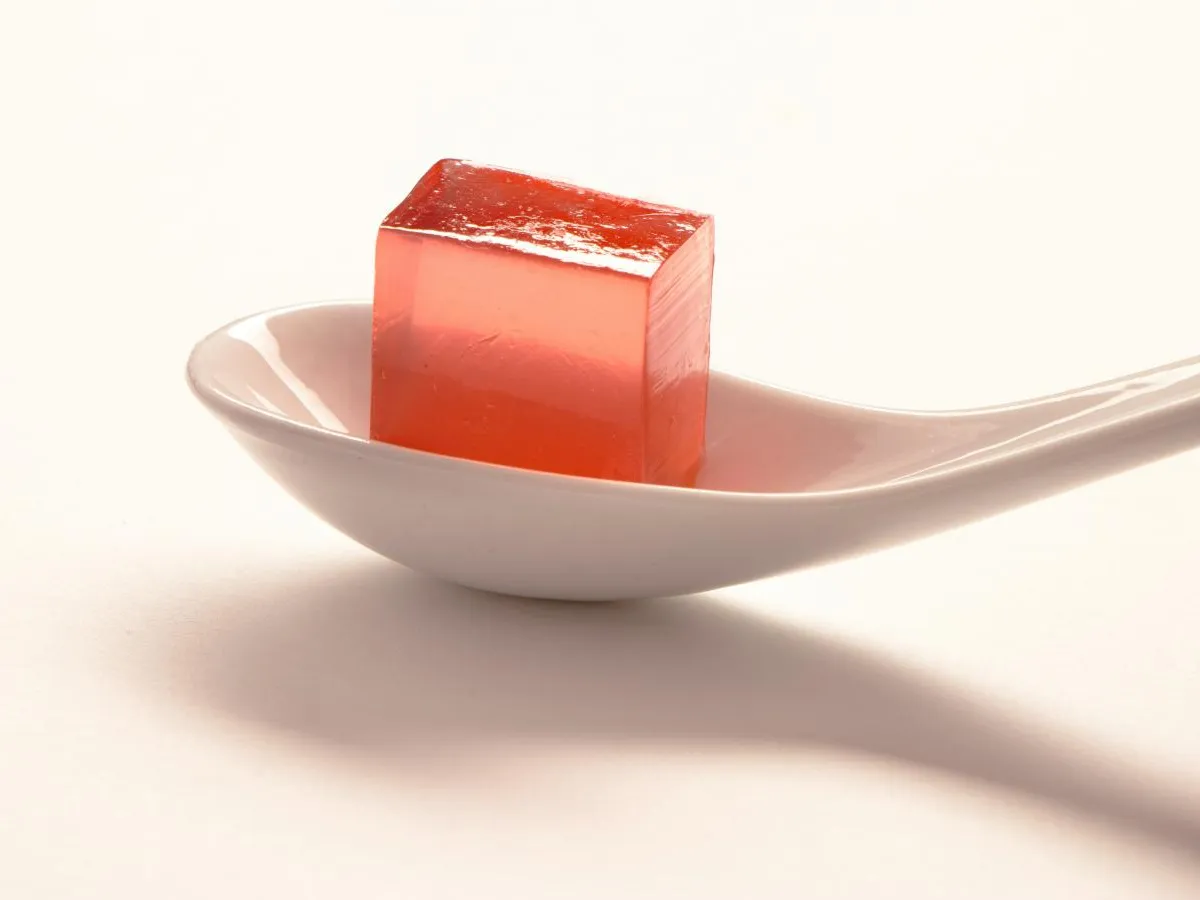
The key difference? Gelatin is a protein from animal collagen; agar is a carbohydrate from red algae.This fundamental distinction drives every other difference between them — and d

In the papermaking industry, modified starch is one of the core additives. Oxidized starch, cationic starch, and esterified starch are mainly used for surface sizing, internal sizi
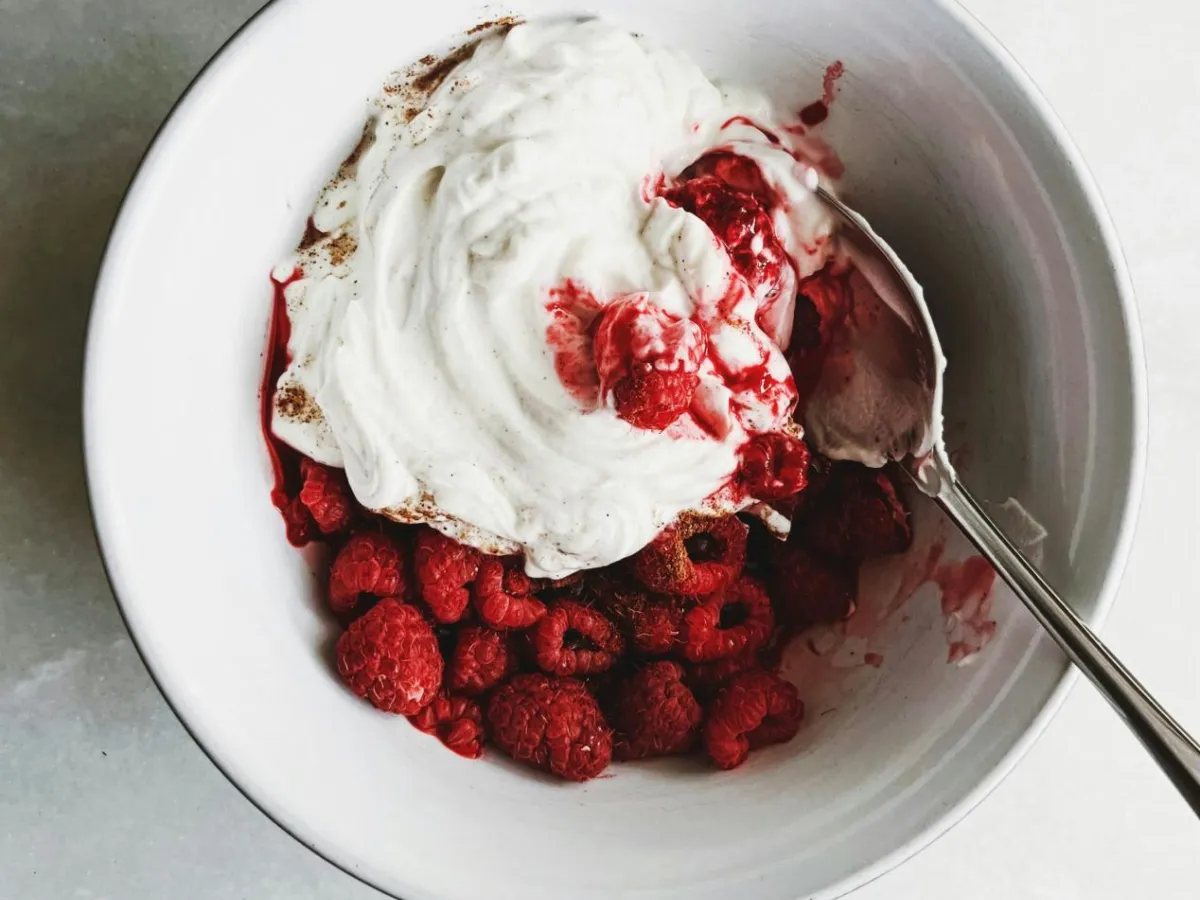
The adoption of pectin in yogurt is not just anecdotal. According to market data, more than half of all new spoonable yogurt launches now contain pectin. This widespread acceptance
High concentrations of protein ingredients inherently carry a heavy, powdery mouthfeel and astringent notes. The key application detail of gelatin lies in its thermally reversible
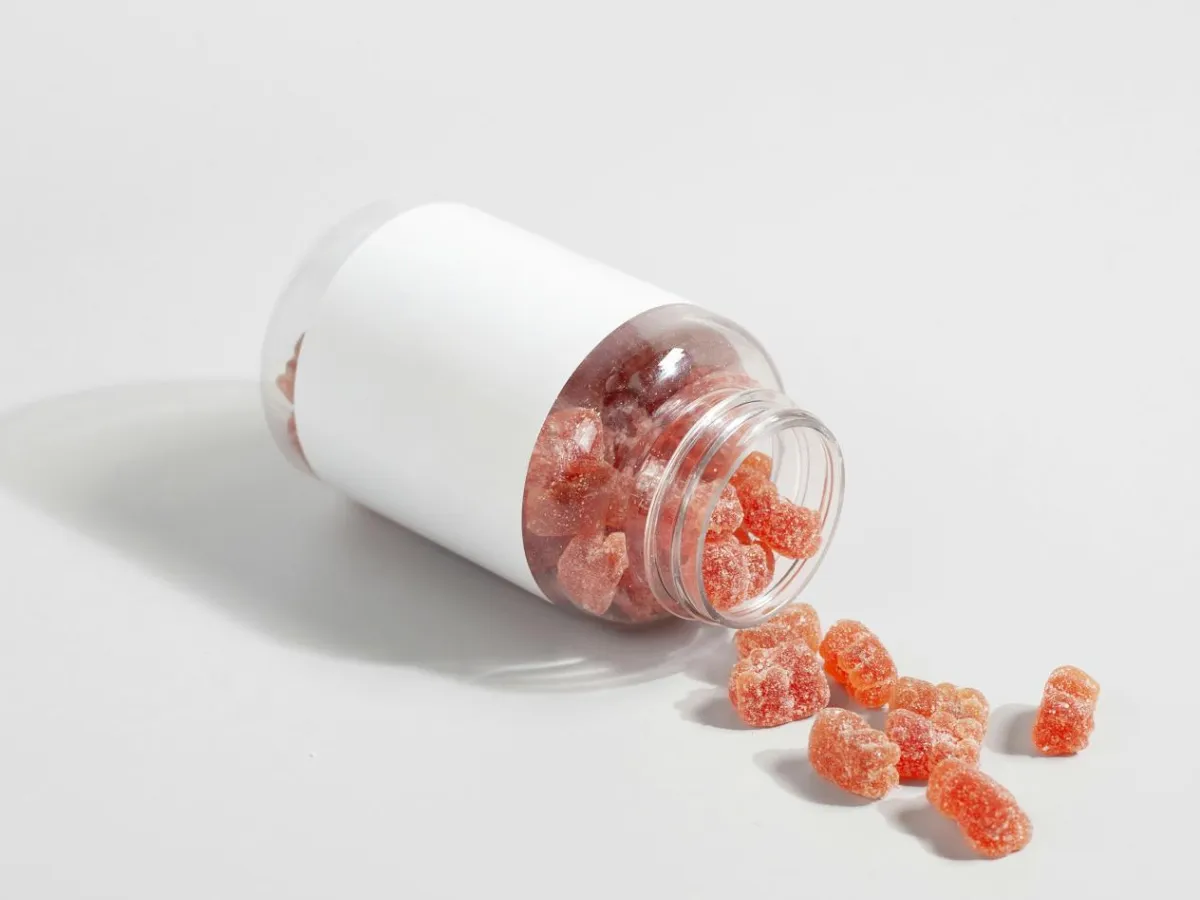
Today, vegan gummies are one of the fastest-growing segments in confectionery. And at the center of this shift stands pectin – a plant-derived hydrocolloid that is proving to be mo
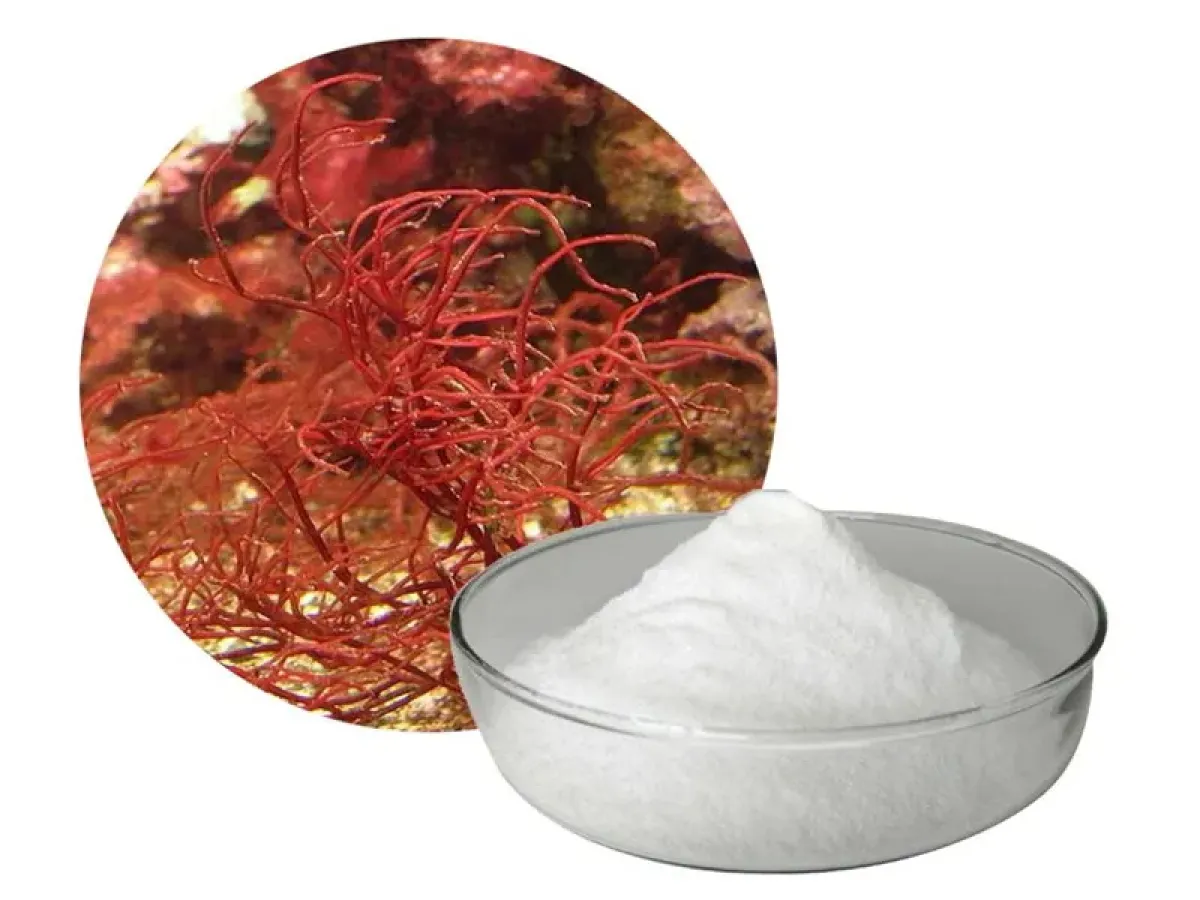
From a physicochemical perspective, carrageenan possesses unique solubility, dissolving in hot water at around 80°C to form a viscous, transparent solution, but insoluble in cold w
The primary role of CMC in toothpaste is to provide the desired texture, consistency, and stability. Specifically, it performs the following critical functions: