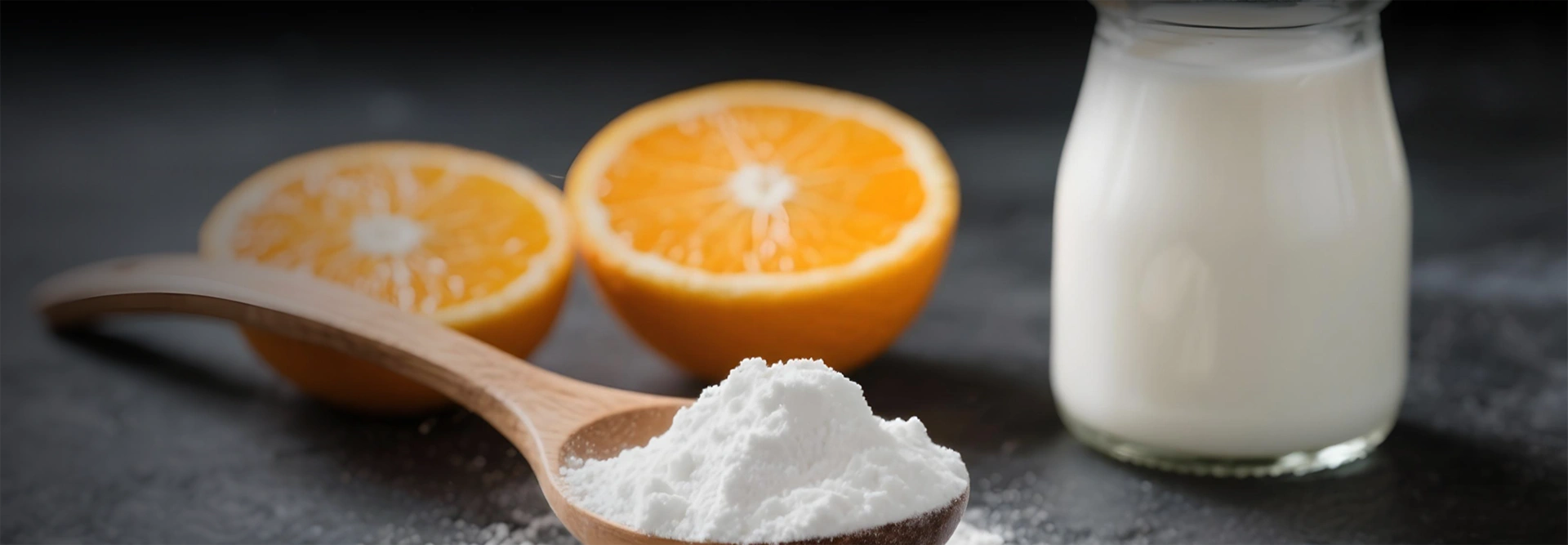
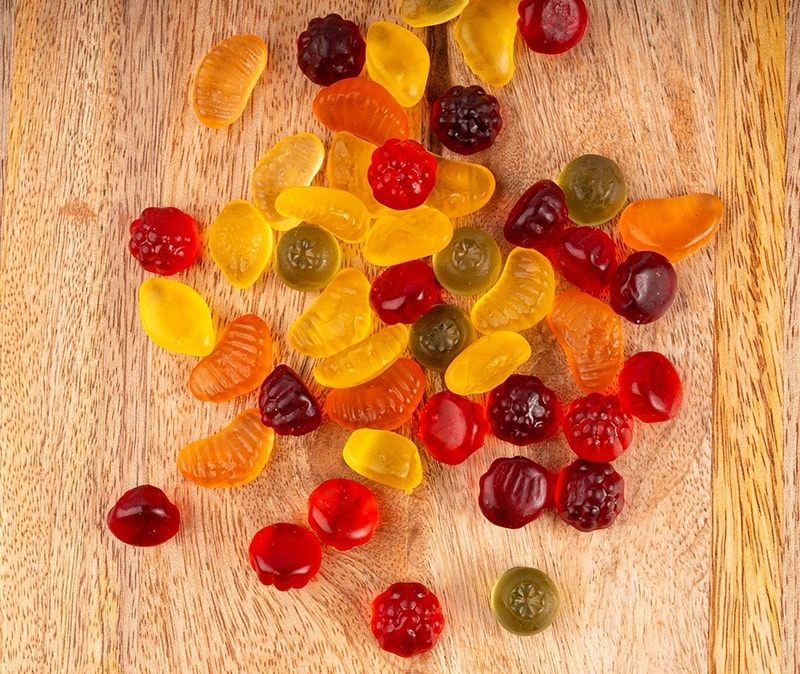
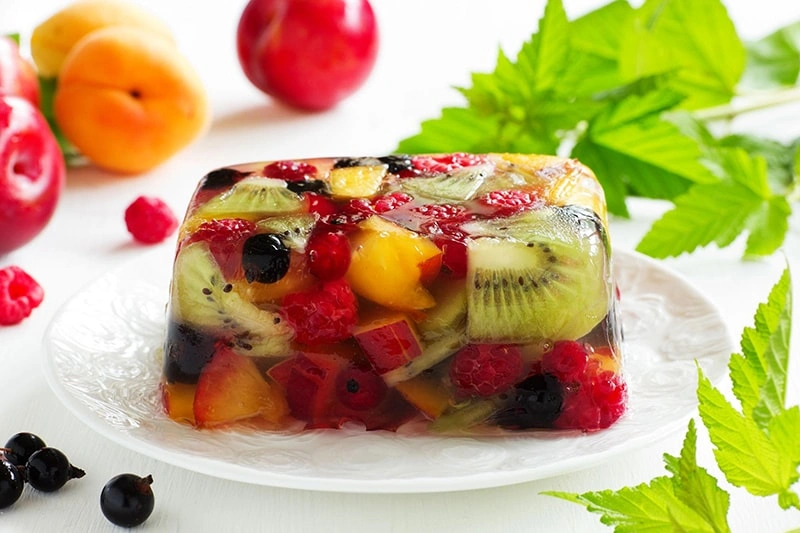
When people think of gelatin, the first things that come to mind are the chewy texture of gummy candies or the clarity of fruit jellies. However, this natural polymer derived from collagen is now quietly sparking a revolution in sustainable cooling and eco-friendly packaging through its unique physicochemical properties.
One of the most cutting-edge applications of gelatin is the novel cooling material known as "jelly ice," developed by researchers at the University of California, Davis. Traditional ice melts into water during cold-chain transportation, not only causing contamination but also failing to meet the stringent requirements of pharmaceuticals and premium foods for stable low-temperature environments. By leveraging the crosslinked hydrogel network formed by gelatin's long-chain proteins, researchers successfully locked water molecules in place. This material, which consists of up to 90% water, transitions into a firm solid when frozen and achieves approximately 80% of the cooling efficiency of ordinary ice by volume. Most importantly, it does not melt into puddles and can be reused repeatedly.
This feature directly addresses critical pain points in food supply chains and medical logistics. Jelly ice maintains its heat-absorption performance through multiple freeze-thaw cycles and can be cleaned with water or diluted bleach, eliminating the plastic waste generated by disposable ice packs. Compared with cold-gel packs or dry ice, it is not only customizable in shape but also fully biodegradable in compost, with experiments even showing that its breakdown products can promote plant growth. This physical modification of gelatin endows an ancient material with new capabilities for solving modern environmental challenges.
In food packaging, gelatin demonstrates significant potential as a plastic substitute. As a biodegradable polymer derived from animal bones and skins, gelatin offers excellent film-forming ability and gas barrier properties. However, its Achilles' heel lies in its strong hydrophilicity—under high-humidity conditions, it readily absorbs moisture and swells, leading to degraded mechanical performance. Researchers address this trade-off through physical or chemical crosslinking modifications. For example, via high-temperature dehydration heat treatment, the water contact angle of gelatin nanofiber films can be dramatically increased from 16.61° to 75.47°, substantially enhancing water resistance.
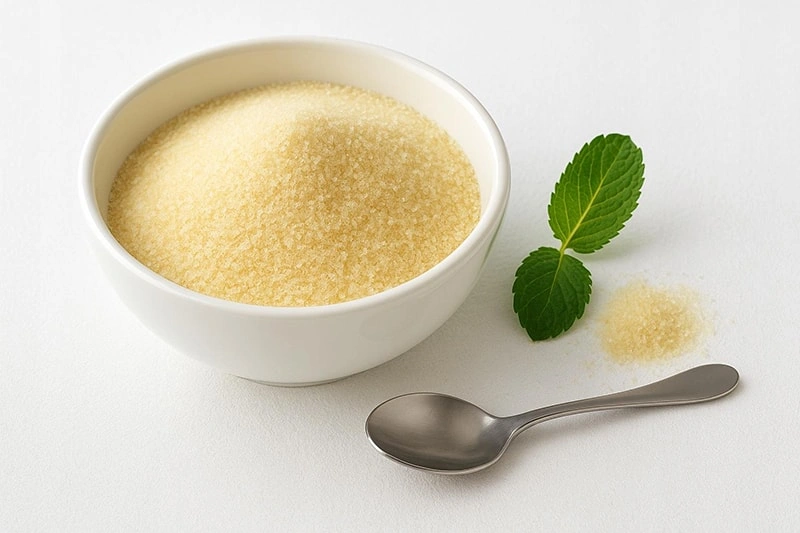
An even more advanced breakthrough lies in intelligent active packaging. By incorporating bioactive substances such as antimicrobial agents or pH indicators into the gelatin matrix, packaging materials not only preserve freshness but also enable real-time monitoring of food spoilage. Thanks to its film-forming properties derived from abundant proline and glycine content, along with its non-toxic and edible safety profile, gelatin-based materials are emerging as an ideal packaging solution that balances environmental sustainability with functional performance.
From "non-dripping jelly ice" to biodegradable smart packaging films, gelatin's applications have long surpassed its traditional role as a food additive. Through molecular-level design and modification, it offers nature-inspired, intelligent answers to the challenges of "white pollution" and cold-chain efficiency.
In the international food and dietary supplement industries, sodium alginate and carrageenan are two widely used seaweed-derived hydrocolloids. Despite their shared origin, the und

In oil and gas drilling operations, the prosperity of a drilling process heavily depends on the rheological properties and filtration behavior of drilling fluids . Uncontrolled flu
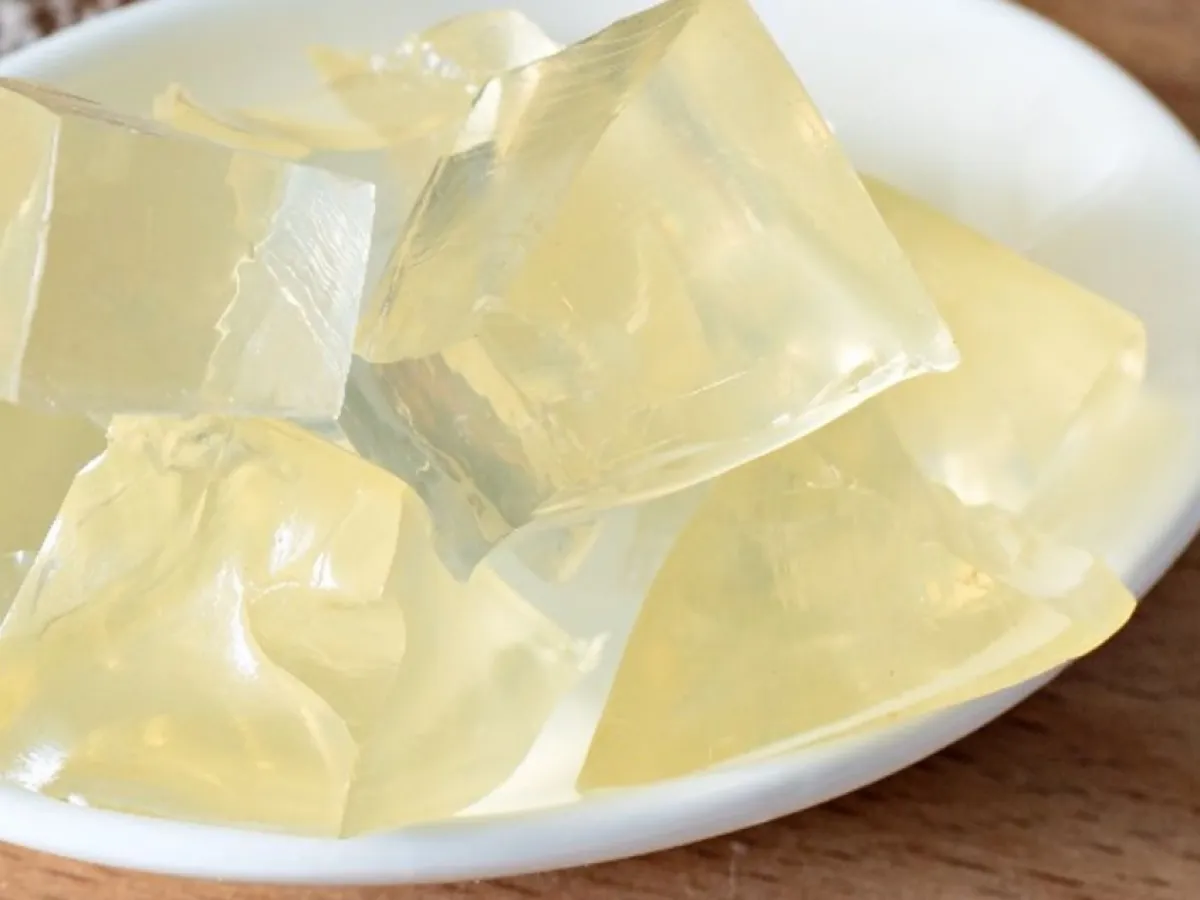
The first step in making gelatin gummies is to allow the gelatin to fully hydrate. Gelatin does not dissolve in cold water, but it can absorb water and swell in cold water. This pr
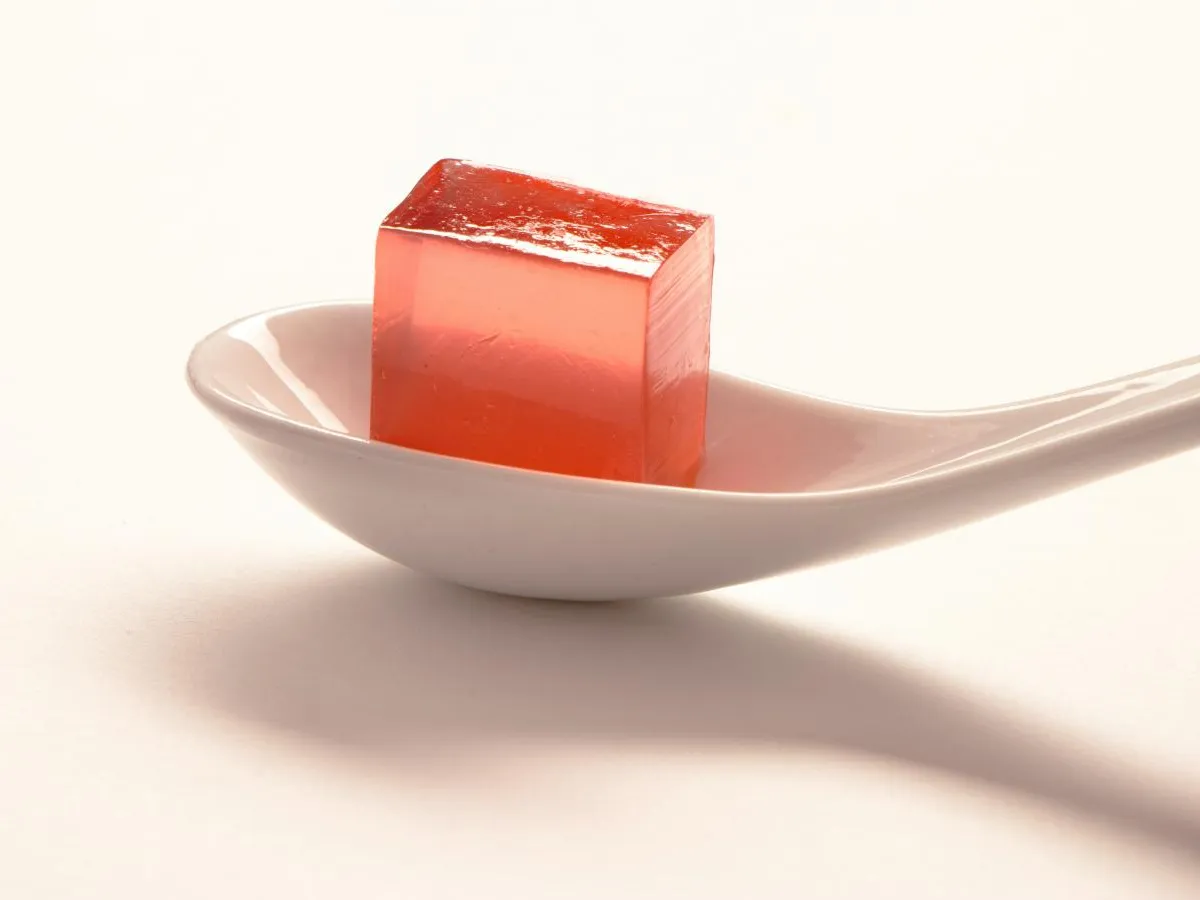
The key difference? Gelatin is a protein from animal collagen; agar is a carbohydrate from red algae.This fundamental distinction drives every other difference between them — and d

In the papermaking industry, modified starch is one of the core additives. Oxidized starch, cationic starch, and esterified starch are mainly used for surface sizing, internal sizi
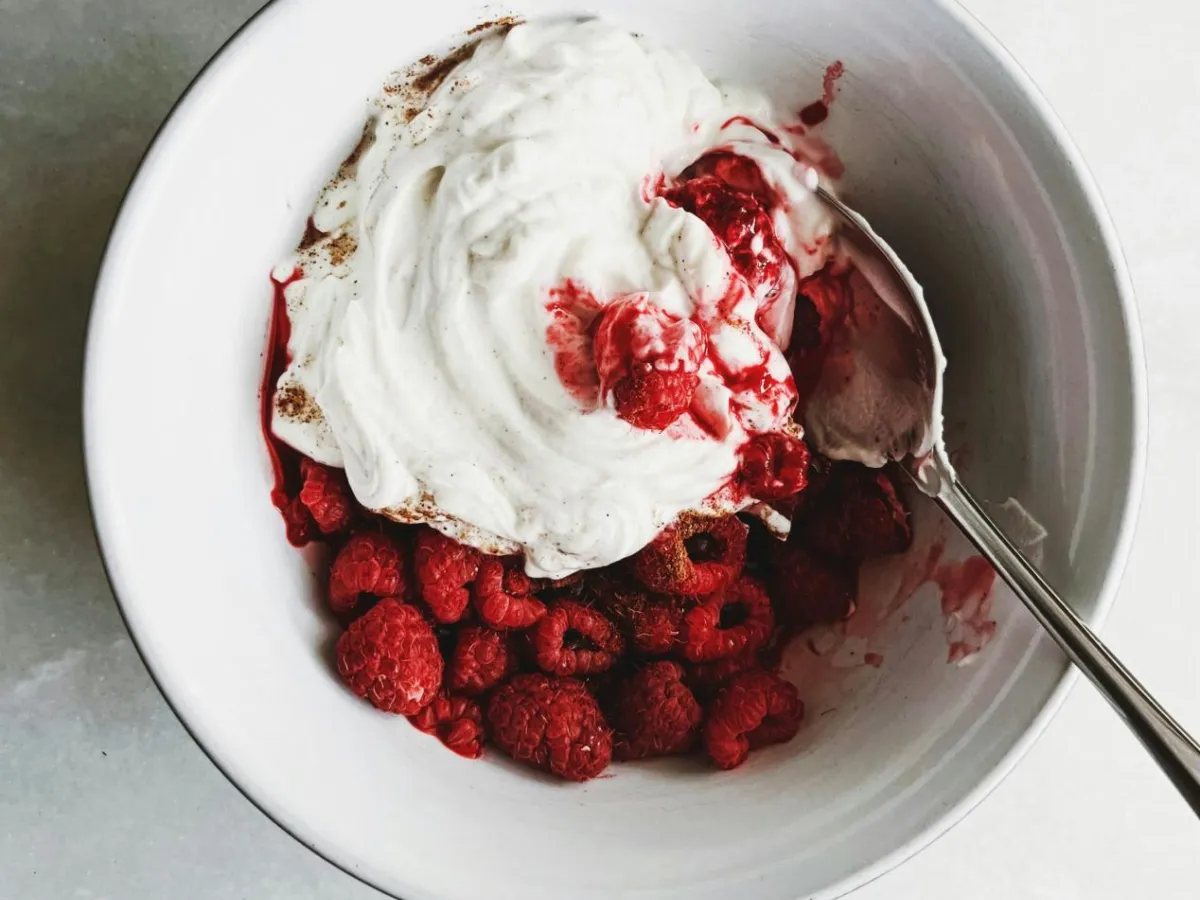
The adoption of pectin in yogurt is not just anecdotal. According to market data, more than half of all new spoonable yogurt launches now contain pectin. This widespread acceptance
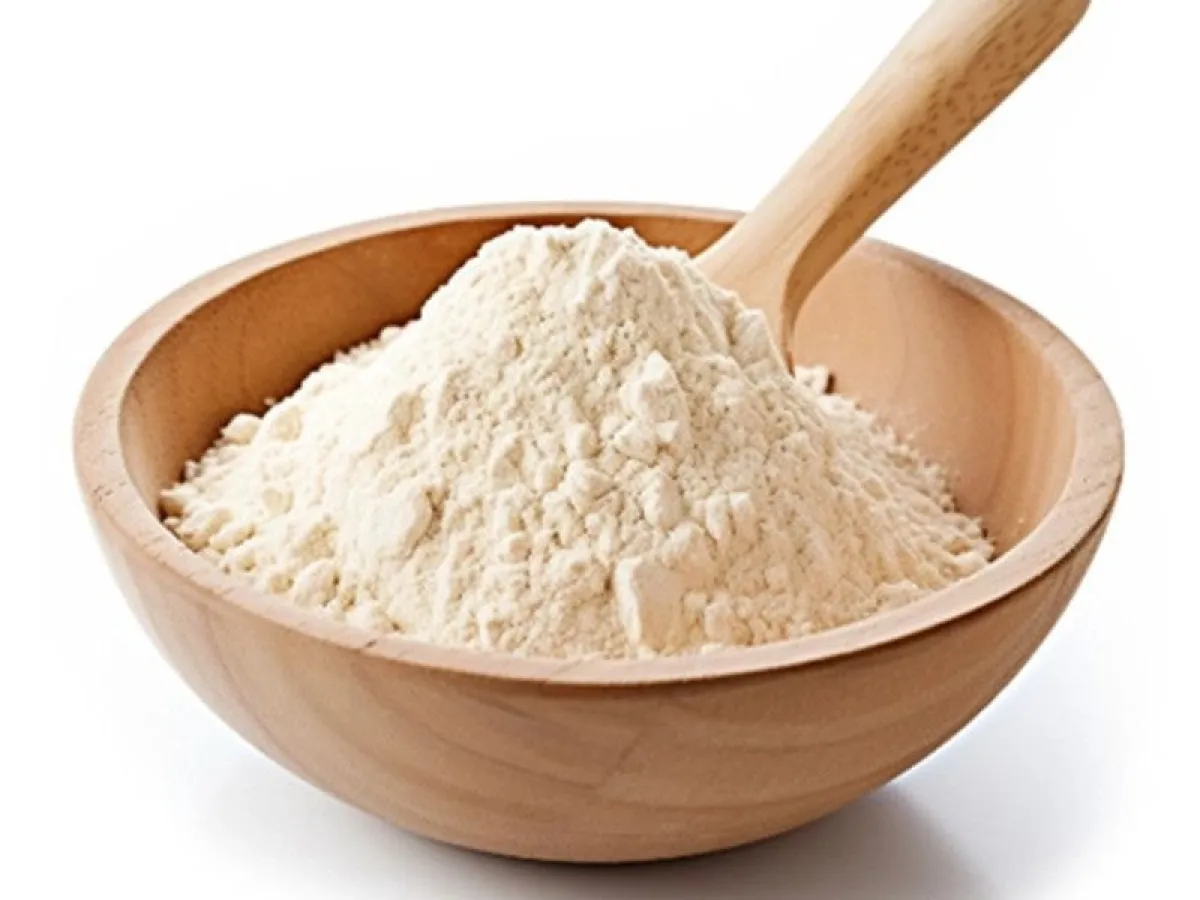
High concentrations of protein ingredients inherently carry a heavy, powdery mouthfeel and astringent notes. The key application detail of gelatin lies in its thermally reversible
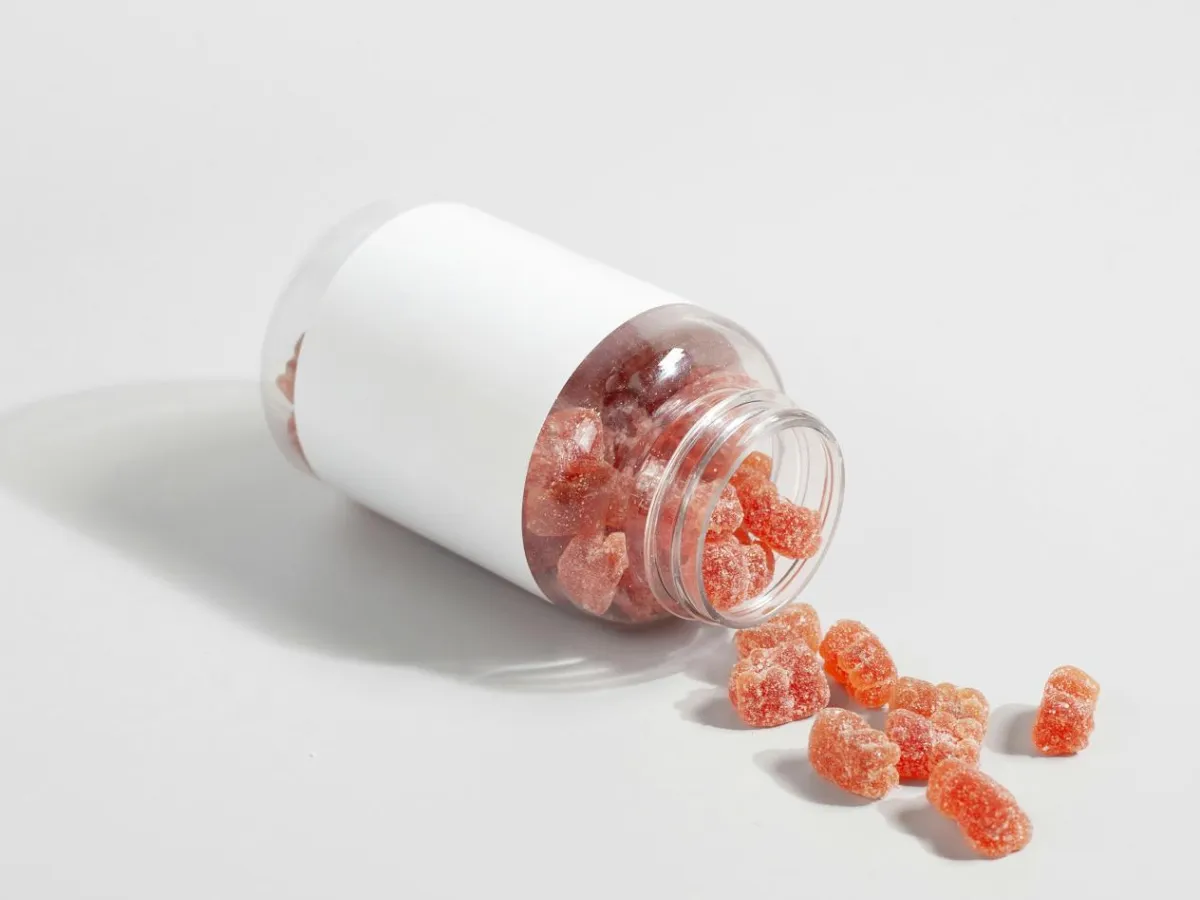
Today, vegan gummies are one of the fastest-growing segments in confectionery. And at the center of this shift stands pectin – a plant-derived hydrocolloid that is proving to be mo
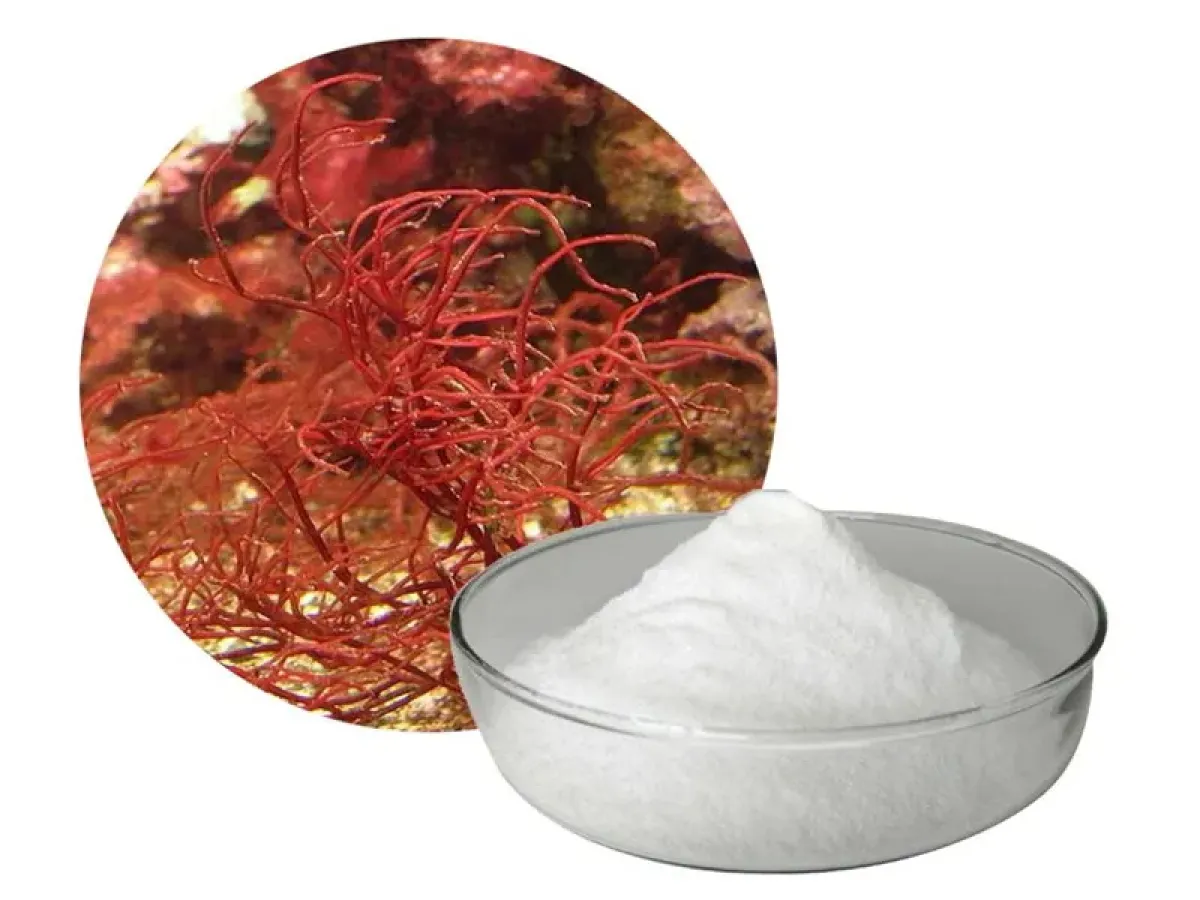
From a physicochemical perspective, carrageenan possesses unique solubility, dissolving in hot water at around 80°C to form a viscous, transparent solution, but insoluble in cold w
The primary role of CMC in toothpaste is to provide the desired texture, consistency, and stability. Specifically, it performs the following critical functions: