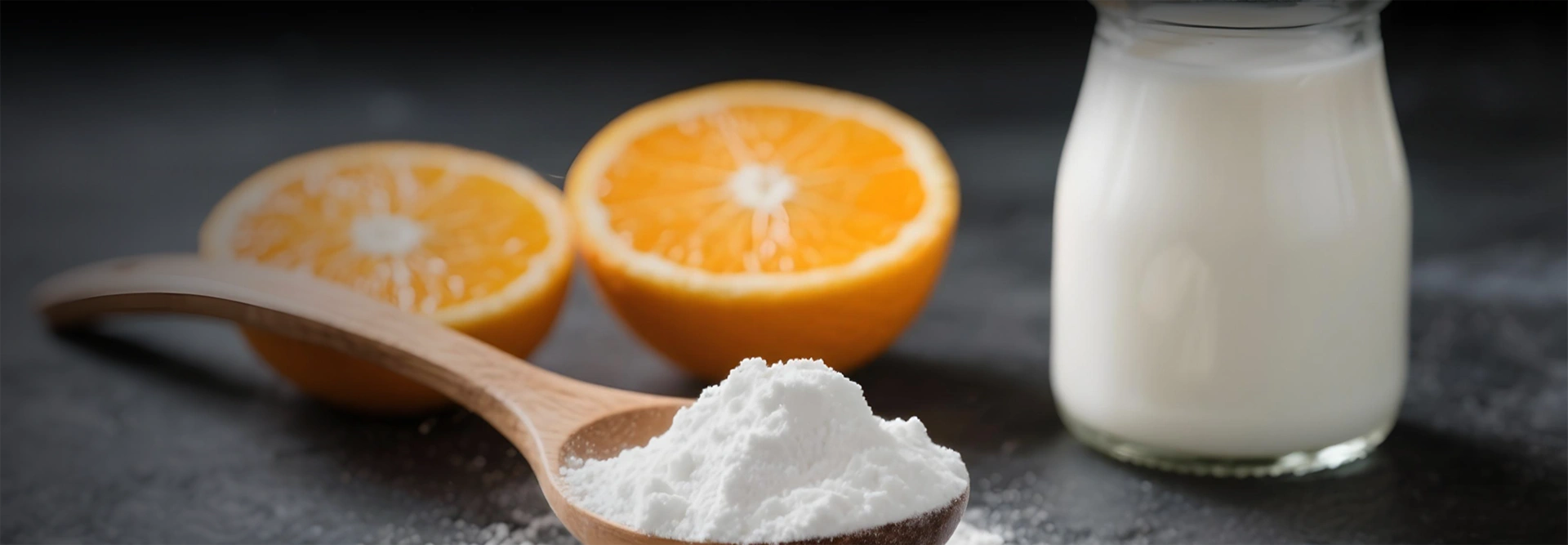
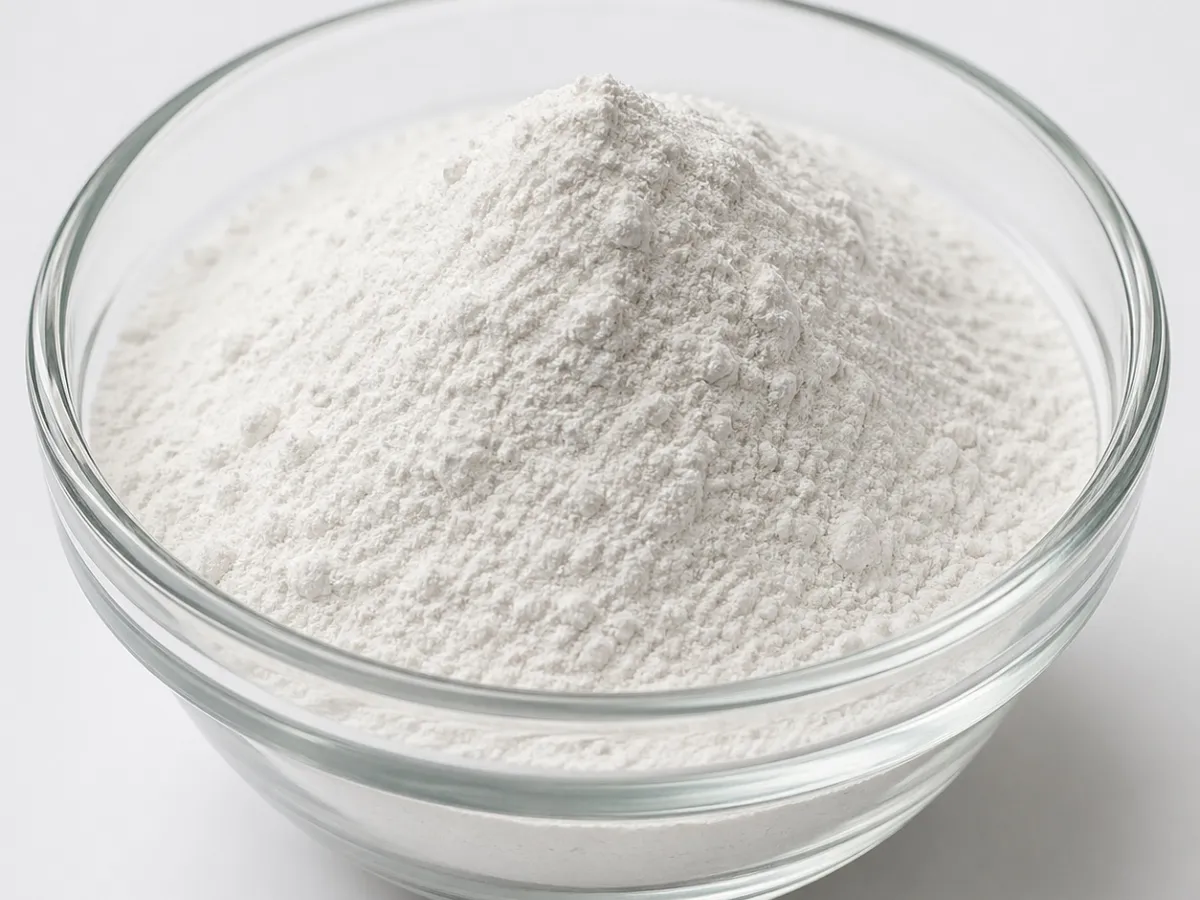
In the wave of health-conscious eating, collagen peptide powder is often perceived as a dietary supplement for beauty and joint health. However, to view it merely as a tasteless scoop of protein powder is to overlook its hidden talents in modern cooking and food texture modification. This hydrolyzed animal-derived protein is quietly reshaping the underlying logic of both home kitchens and the food industry.
The defining characteristic of collagen peptide powder lies in its molecular weight and solubility. Through deep enzymatic hydrolysis, its molecular chains are cleaved into short peptides, losing the gelling capability of native collagen while gaining exceptionally high solubility it dissolves rapidly and clearly in both hot and cold beverages, without clumping, precipitating, or clouding the liquid. This property makes it an ideal carrier for invisible nutritional fortification, allowing you to seamlessly incorporate it into coffee, smoothies, broths, or even cocktails without affecting the beverages clarity or color.
In culinary applications, however, the true value of collagen peptides resides in their auxiliary thickening and water-holding functions. Although they do not form gels on their own, at moderate to high concentrations they significantly increase solution viscosity and enhance overall system stability. When making high-protein pancakes or waffles, peptide powder can replace a portion of the flour, providing protein while leveraging its water-binding capacity to create a smoother batter that resists hardening or crumbling even after refrigeration. For homemade ice cream or mousse, a moderate addition of peptide powder inhibits ice crystal growth, imparting a creamier, smoother texture the peptides achieve this by adsorbing onto ice crystal surfaces and interfering with the ordered arrangement of water molecules, effectively addressing the most troublesome sandy mouthfeel issue in frozen desserts.
Another easily overlooked yet critical detail of collagen peptides in cooking is thermal stability and flavor neutralization. Unlike egg white protein or whey protein, which tend to denature, coagulate, and produce off-flavors under high heat, collagen peptides have a relatively high thermal denaturation temperature and remain fully soluble even under boiling conditions, without flocculation or precipitation. More importantly, they possess an extremely mild, nearly neutral flavor with a slight savory note, which actually helps mask fishy, beany, or grassy off-notes found in plant-based protein beverages. This makes them particularly valuable in applications such as fish soups, plant-based meat fillings, or high-protein energy bars, where they serve both as a nutritional fortifier and a flavor harmonizer.
From a technical perspective, the versatility of collagen peptides stems from the exposure of both hydrophobic and hydrophilic groups after hydrolysis, endowing them with moderate surface activity that helps stabilize oil-water interfaces and assist in emulsifying sauces. So, when you add a scoop of collagen peptide powder to your morning oatmeal or guacamole, you are not just supplementing protein you are subtly optimizing the foods mouthfeel and texture through the principles of food colloid chemistry. And that is perhaps its most underappreciated culinary value.
In the international food and dietary supplement industries, sodium alginate and carrageenan are two widely used seaweed-derived hydrocolloids. Despite their shared origin, the und

In oil and gas drilling operations, the prosperity of a drilling process heavily depends on the rheological properties and filtration behavior of drilling fluids . Uncontrolled flu
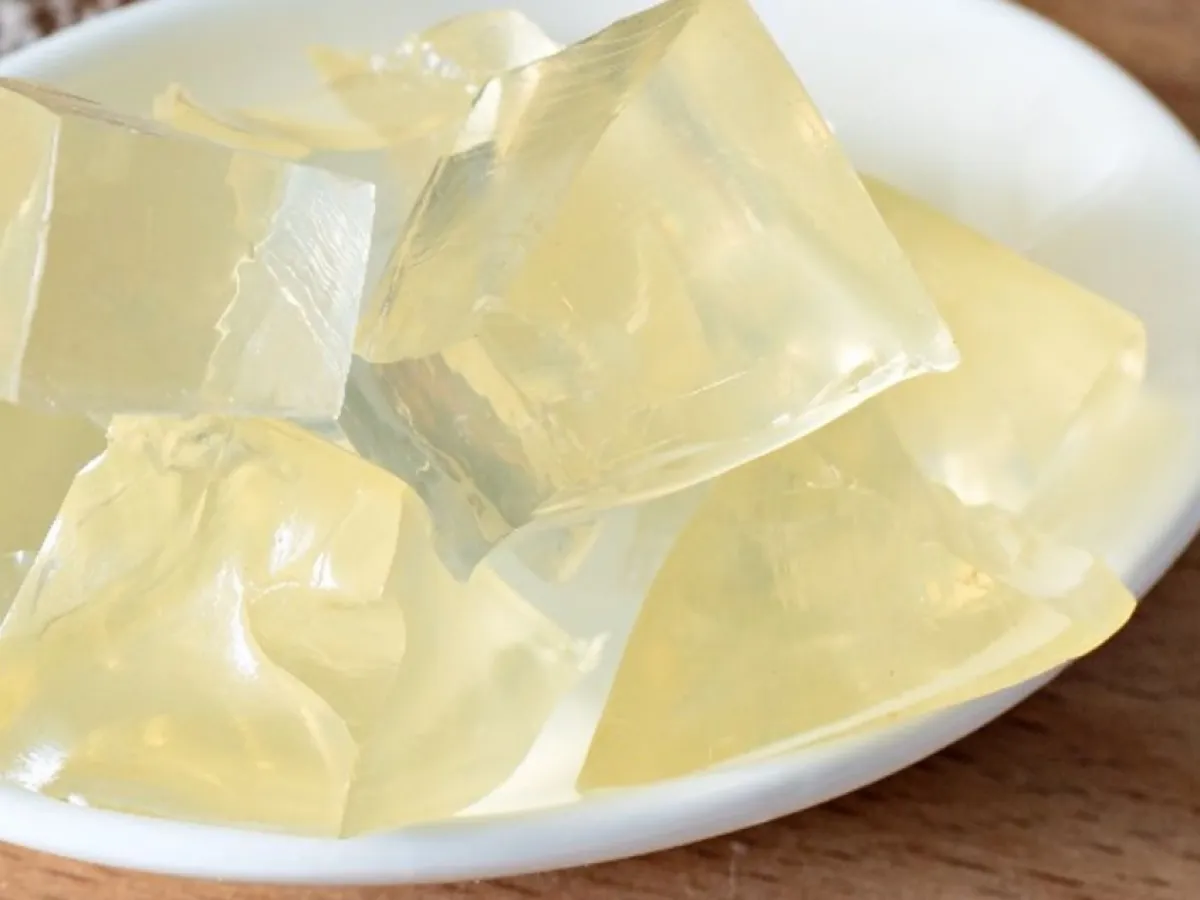
The first step in making gelatin gummies is to allow the gelatin to fully hydrate. Gelatin does not dissolve in cold water, but it can absorb water and swell in cold water. This pr
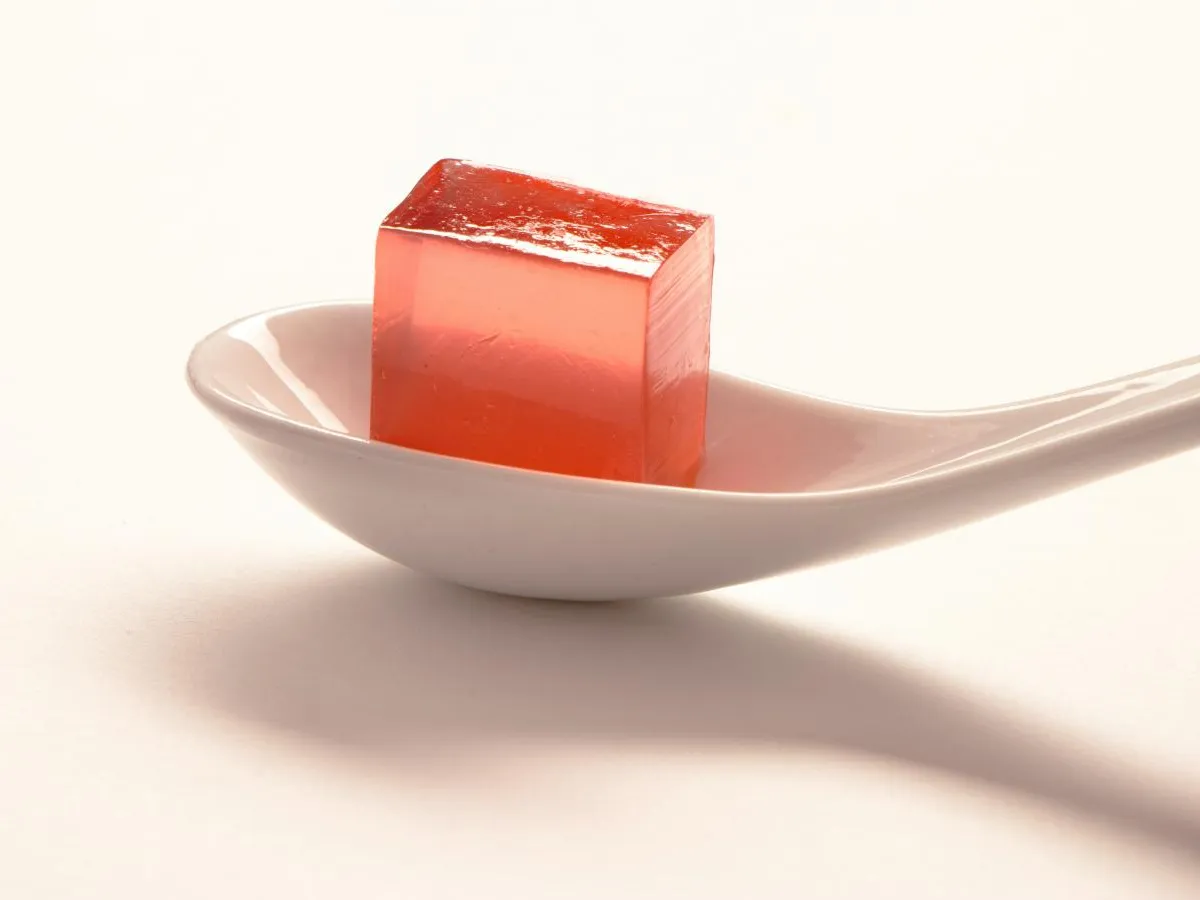
The key difference? Gelatin is a protein from animal collagen; agar is a carbohydrate from red algae.This fundamental distinction drives every other difference between them — and d

In the papermaking industry, modified starch is one of the core additives. Oxidized starch, cationic starch, and esterified starch are mainly used for surface sizing, internal sizi
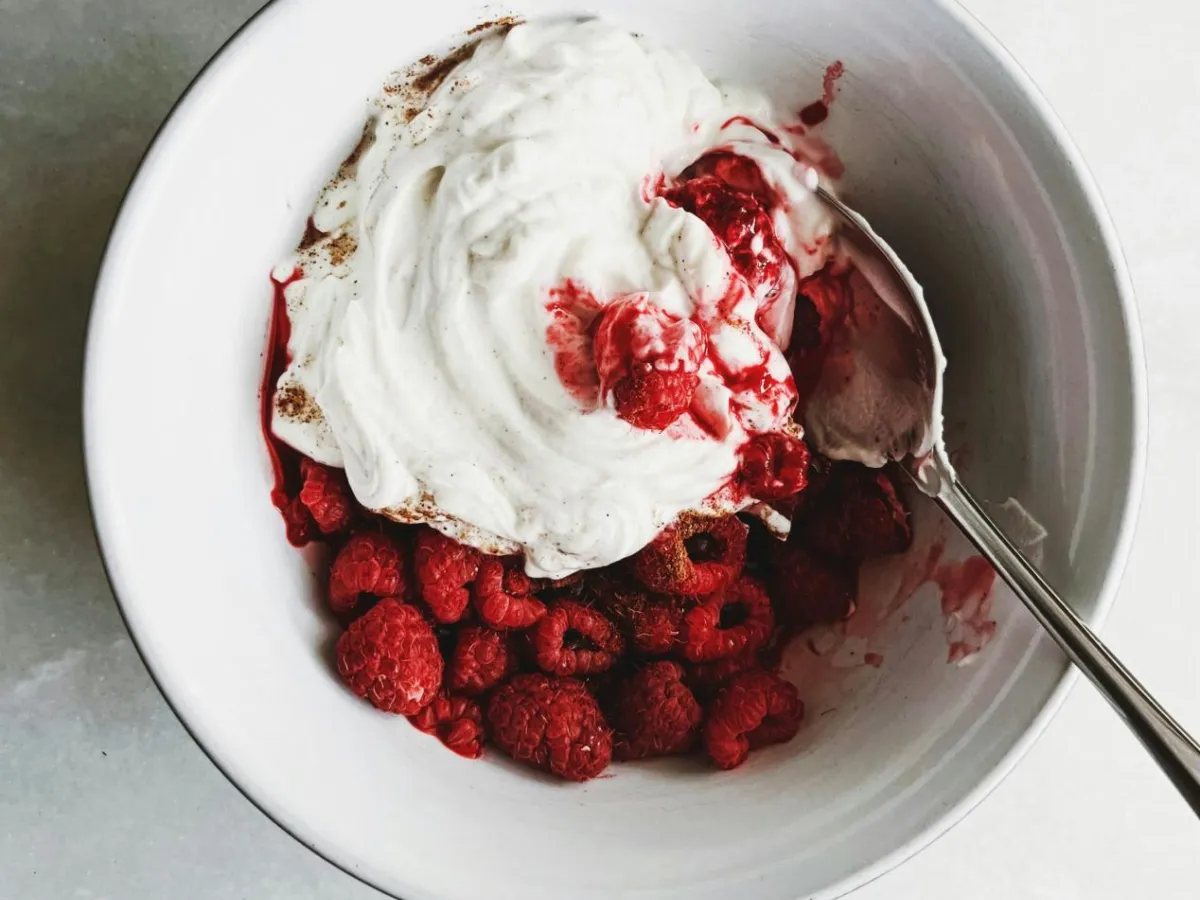
The adoption of pectin in yogurt is not just anecdotal. According to market data, more than half of all new spoonable yogurt launches now contain pectin. This widespread acceptance
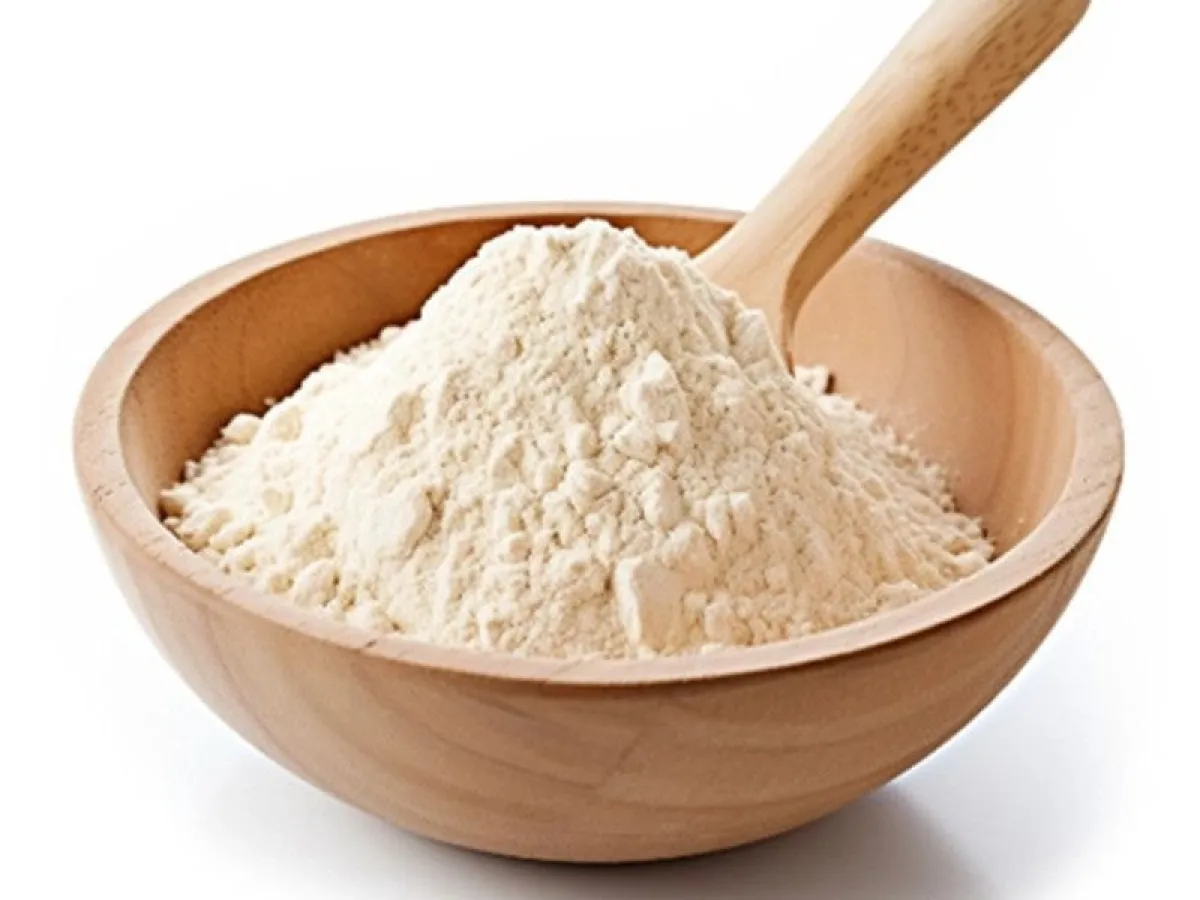
High concentrations of protein ingredients inherently carry a heavy, powdery mouthfeel and astringent notes. The key application detail of gelatin lies in its thermally reversible
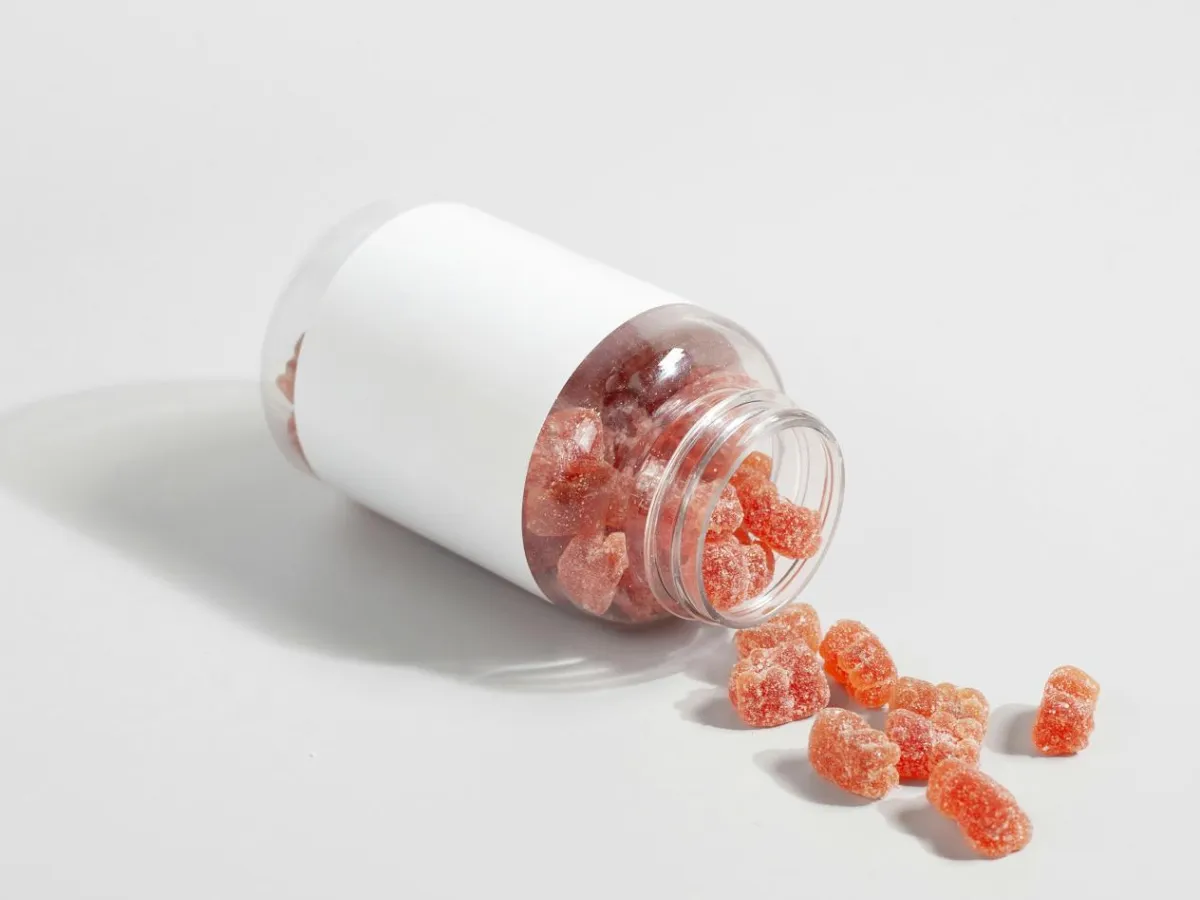
Today, vegan gummies are one of the fastest-growing segments in confectionery. And at the center of this shift stands pectin – a plant-derived hydrocolloid that is proving to be mo
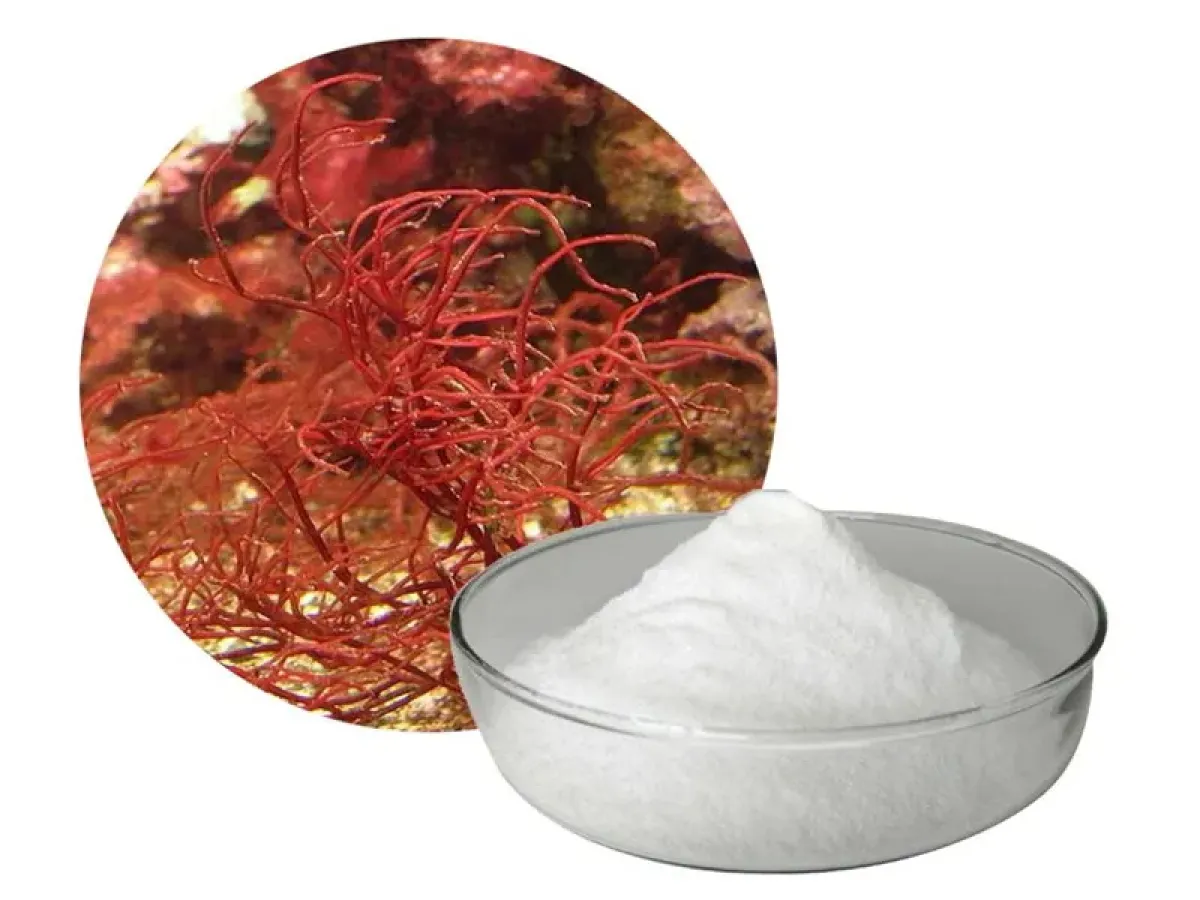
From a physicochemical perspective, carrageenan possesses unique solubility, dissolving in hot water at around 80°C to form a viscous, transparent solution, but insoluble in cold w
The primary role of CMC in toothpaste is to provide the desired texture, consistency, and stability. Specifically, it performs the following critical functions: